REVIEW · KATHMANDU
Private 8 – Day Langtang Trekking
Book on Viator →Operated by Nepal Alternative Treks & Expeditions Pvt. Ltd. · Bookable on Viator
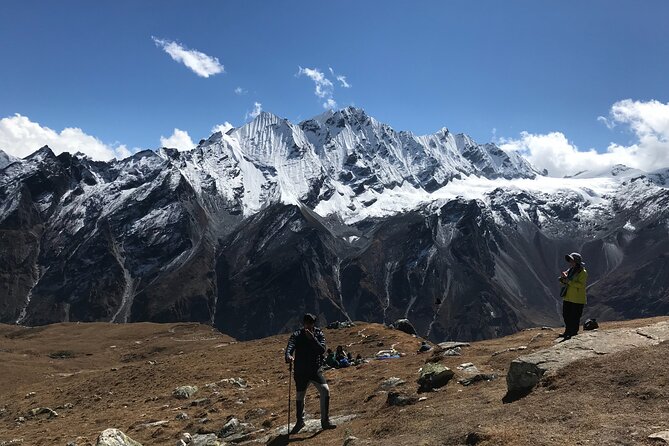
Langtang Valley is the kind of trek that surprises you. This private trip runs from Kathmandu to Kyanjin Gompa inside Langtang National Park, with time in Tamang and Tibetan-influenced villages and a classic high-day option at Kyanjin Ri (4,884m). It’s a straightforward “from town to mountains” route, but the cultural stops and glacial valley scenery make it feel like more than a typical hike.
Two things I especially like: you get real support baked into the package—oxygen saturation checks each day, lodge stays, and even a completion certificate—and the guidance/porter team tends to get strong marks for care and communication (names like Dhan, Amar, Tek, and Kumar show up often in past guidance styles). The second big win is pacing: the itinerary builds altitude gradually, then gives you a full explore day at Kyanjin before you turn back.
One consideration: it’s still a serious mountain trek. You’ll be dealing with steep sections, cold mornings, and the bus rides that start (and end) your trip on long travel days. Also, the price doesn’t cover Kathmandu hotel or travel insurance, so plan those costs early.
In This Review
- Key things to know before you go
- Why Langtang Valley is a smart mountain trip from Kathmandu
- Price and value: what $584.22 includes (and what doesn’t)
- Day 1: From Kathmandu to Syafrubensi—settling into trek mode
- Day 2: Lama Hotel and forest trekking in Langtang National Park
- Day 3: The push to Langtang Village—steeper, but worth it
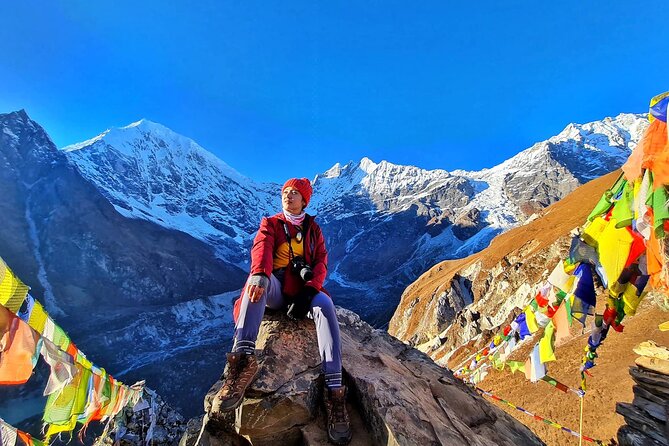
- Day 4: Kyanjin Gompa—stone walls, prayer flags, and real monastery time
- Day 5: Kyanjin village and the Kyanjin Ri (4,884m) option
- Day 6: Retracing your steps—easier walking through rhododendron forests
- Day 7: Back to Syafrubensi—forest trekking and that closing-day feeling
- Day 8: Syafrubensi to Kathmandu—turning hiking mode back off
- What lodging and meals feel like on this trek
- Guides and porters: the “human safety net” you’re paying for
- Who should choose this private Langtang Valley trek (and who shouldn’t)
- Should you book this trek?
- FAQ
- How long is the private Langtang Trekking experience?
- Where does the trek start and when?
- Is pickup offered?
- Is this a private tour?
- What does the trek include for meals?
- Are trekking permits and Langtang National Park fees included?
- Are oxygen saturation checks included?
- Do I get lodge accommodation during the trek?
- What is not included in the price?
- What if weather is poor?
Key things to know before you go
- Private group trekking means you’re not sharing your trail time with random strangers.
- Oxygen saturation checks daily are included, which helps you take altitude seriously from day one.
- Kyanjin Ri option (4,884m) turns a good trek into a memorable one if you feel strong.
- Permits and Langtang National Park fees are covered, so you’re not hunting paperwork mid-trip.
- Porter + guide setup keeps your day focused on walking and acclimatizing, not carrying everything.
- Lodge accommodations and most meals are included, which makes budgeting and daily logistics easier.
Why Langtang Valley is a smart mountain trip from Kathmandu
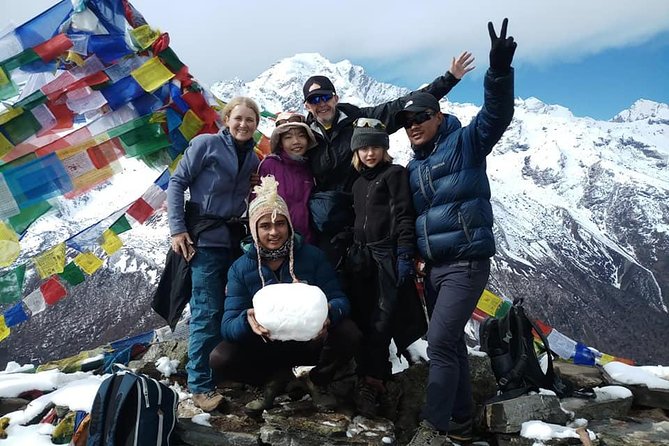
Langtang is one of those places that feels close enough to reach comfortably, yet wild enough to change your mood. You start in the Kathmandu area, then quickly trade traffic noise for hills, forest, and that “why is this so quiet” feeling you only get when you’re moving away from the city.
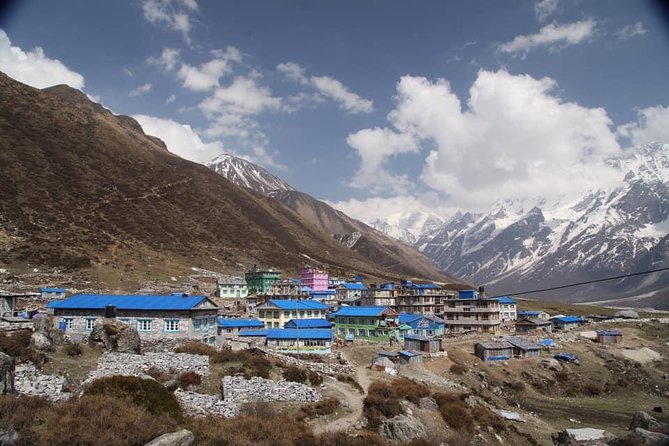
What makes the Langtang Valley trek worth your time is the mix: you’re not only climbing. You’re walking through subtropical forests, then into high mountain village life shaped by Tamang communities and older Tibetan Buddhist influence. By the time you reach Kyanjin Gompa—described as the oldest monastery in the valley—you’re seeing how faith and mountain survival share the same space.
If you want a trek that feels authentic without the complicated logistics of organizing everything from scratch, this route is built for that.
You can also read our reviews of more tours and experiences in Kathmandu.
Price and value: what $584.22 includes (and what doesn’t)
At $584.22 per person, this trek is priced like a “guided and handled” package rather than a barebones trekking arrangement. The biggest value items included are:
- Guide and porters (government-authorized) plus their expenses
- Lodge accommodation during the trek
- Meals included: breakfast (7), lunch (8), dinner (7)
- Permits and Langtang National Park fees (plus TIMS)
- Oxygen saturation check daily
- Trekking map, duffle bag, and completion certificate
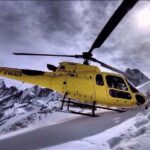
- Emergency rescue evacuation assistance
- Insurance and local taxes/service charges
What it doesn’t include is also clear, and it matters for your budget: Kathmandu hotel and meals, travel insurance, and personal costs like tea/coffee, boiled water, alcohol, laundry, and tips for your guide/porters.
My practical take: this price makes the trip less stressful if you’d rather spend your energy on acclimatizing and walking. If you’re the type who likes handling everything yourself, you might find cheaper options—but you’ll trade away a lot of structure, especially around permits, daily meals, and altitude monitoring.
Day 1: From Kathmandu to Syafrubensi—settling into trek mode
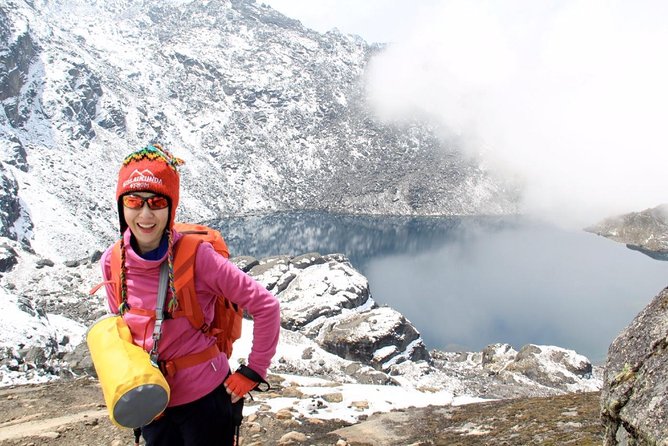
Your day starts early at 7:15 am from Nepal Alternative Treks & Expeditions (Raniban Marg, Kathmandu). You’ll drive out of the city on a bus, and the route is part scenery show, part reality check.
The goal of this first day is simple: get you to Syafrubensi with enough time to eat, sleep, and not feel like you’re already in survival mode. The drive is described as passing green hills and forests, which helps you mentally shift from city logistics to trail rhythm.
Practical advice: treat Day 1 as “gear day.” Keep your load realistic, organize your essentials for cold mornings (sunscreen, lip balm, a warm layer), and don’t plan to “do extra walking” just because you feel good. You want your body saving energy for the higher days.
Day 2: Lama Hotel and forest trekking in Langtang National Park
After breakfast, the trek begins toward Lama Hotel, winding through dense forest. This is one of the smartest parts of the itinerary because it’s gradual and thick with shade and cover—an ideal setting to start moving without feeling like you’re instantly fighting steep altitude.
You’ll trek through dense subtropical forest, and you reach Bamboo as a notable stop. The timing is around 5 hours on this day, which is long enough to feel accomplished but short enough to let you adjust to mountain air and trail pace.
What I like about this “forest start” is that it helps you learn your hiking cadence. You’ll also get used to lodge life—stop, snack, chat, keep moving—without the pressure of being at altitude highs right away.
Possible drawback: even in lower elevations, forest trekking can be slippery. If it rained before you started, take your time on footing. You’re not trying to win a race; you’re trying to finish feeling strong.
Day 3: The push to Langtang Village—steeper, but worth it
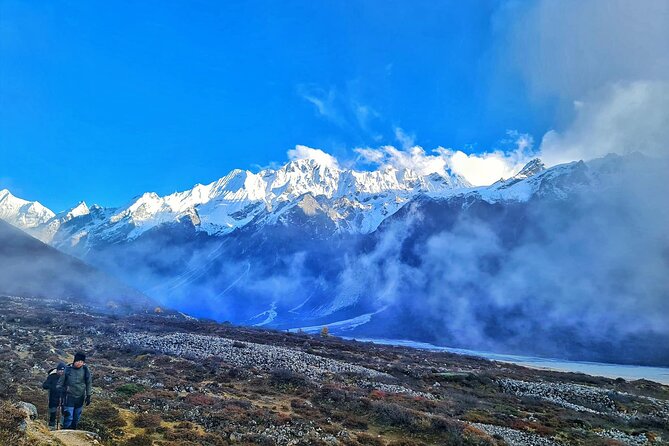
Day 3 takes you from Lama Hotel to Langtang Village, and it’s described as starting slightly steep and then becoming gradually steeper and tougher. The trail keeps you moving through dense forest for much of the day, which means your effort is real but not flashy—you won’t be staring at the highest views yet, so your focus stays on steady walking.
This is an important acclimatization day, even if you don’t feel like it yet. Your body is learning how to work on incline at altitude, and that sets you up for the higher part of the valley.
I’d also pay attention to how you feel mentally here. If you find yourself getting frustrated by slope, slow down on purpose. Your pace on a steep day should feel almost boring. When you do that, Day 4 tends to feel far more manageable.
Day 4: Kyanjin Gompa—stone walls, prayer flags, and real monastery time
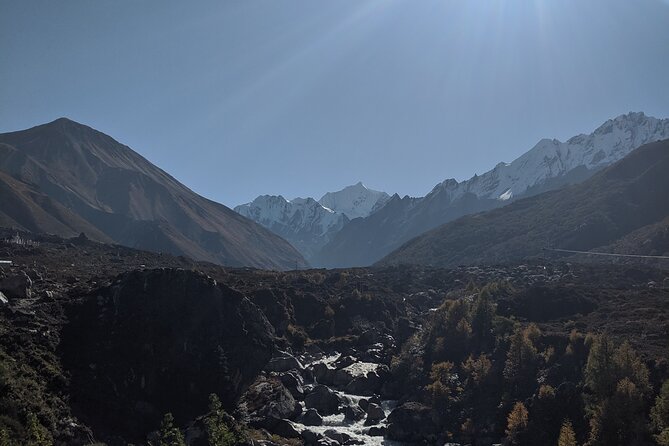
Today you head toward Kyanjin, with the trek aimed at the most important sights in the Langtang region—ending around Kyanjin Gompa. The itinerary time listed is about 3 hours, which is a nice break after the prior day’s tougher climb.
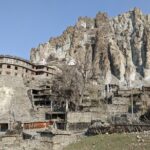
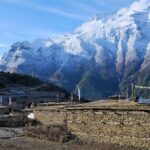
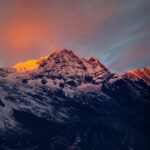
What makes this day meaningful is the shift from “walking toward a place” to “arriving in village life.” The route includes small settlements with stone walls and prayer flags, and the monastery at Kyanjin is the focal point—described as the oldest monastery in the valley.
Even if you’re not a Buddhist ritual expert, gompas have a particular atmosphere: quiet structure, lived-in spirituality, and that sense that people have been surviving winters here for generations. It also gives you something to do besides just catching your breath.
Practical tip: give yourself time after arrival. Don’t rush into photos only. Sit for a moment, notice wind and light, and let the altitude settle.
Day 5: Kyanjin village and the Kyanjin Ri (4,884m) option
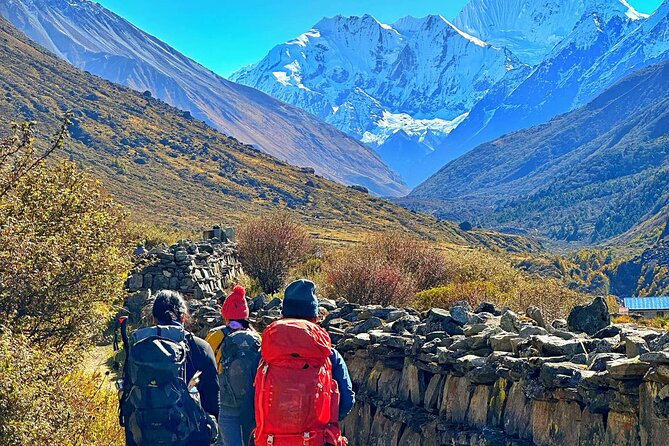
Day 5 is your “make it your trek” day. You explore Kyanjin village and the nearby Kyanjin Gompa, then you have the option to hike up to Kyanjin Ri (4,884m).
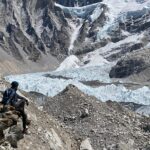
This is the day that can turn a good trek into a personal highlight, because the views from higher points change how you understand the valley. You’re not just seeing mountains—you’re seeing the valley’s structure: ridges, glacial lines, and the way the settlements sit against the terrain.
The itinerary frames this as an exploration day with time to enjoy the area, not a single long grind. Still, climbing to Kyanjin Ri means you should treat it as serious effort. If you feel off—headache, nausea, unusual fatigue—talk to your guide and choose safety over pride.
Included help that matters here: with daily oxygen saturation checks, you’re not guessing about how your body is adapting.
Day 6: Retracing your steps—easier walking through rhododendron forests
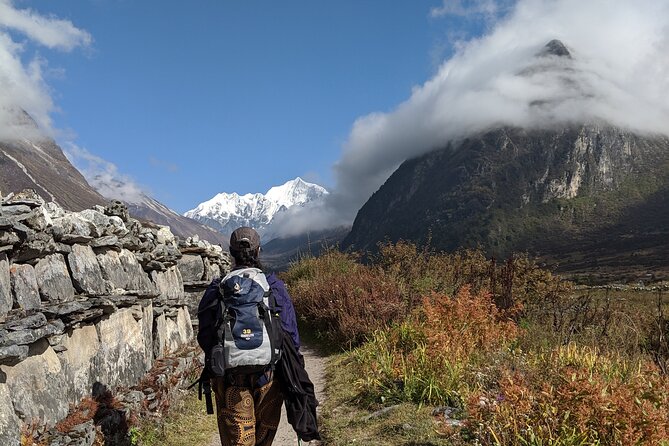
On the sixth day, you retrace your route back toward Lama Hotel. The itinerary notes it’s relatively easier than earlier days, and you trek downward through rhododendron forests.
Downhill days can be deceptively tough on knees, but “easier” here usually means fewer steep climbs and a more forgiving rhythm. It’s also a chance to review what you learned earlier: how your body handles altitude, how you manage heat, and how you pace with snack stops.
My advice: use this day to hydrate smartly and keep your stride controlled. Take care with long descents—short steps save knees.
Day 7: Back to Syafrubensi—forest trekking and that closing-day feeling
You leave the Langtang region and trek down to Syafrubensi, with about 5 hours of hiking. This is again framed as moving through dense forests, and the vibe is different now: you’re looking at familiar trail sections with an afterglow instead of anticipation.
This day can feel like a victory lap, but don’t treat it like a victory run. Your legs may be tired, especially if you did Kyanjin Ri the day before. Walk steady, keep breaks short and frequent, and save your energy for the drive out.
Day 8: Syafrubensi to Kathmandu—turning hiking mode back off
After breakfast, you board the bus and drive back toward Kathmandu. The route is described as passing terraced fields and small settlements, plus a highway corridor back into the city region.
The drive time listed is about 6 hours. That’s long enough that you’ll feel it, so don’t schedule anything demanding immediately after you arrive in Kathmandu.
If you’re planning meals and rest afterward, do it simply: hydrate, eat something easy on your stomach, and let your body recover. Trekging days can hide fatigue until you’re in a chair with zero uphill.
What lodging and meals feel like on this trek
This itinerary includes all lodge accommodation during the trek and a full set of meals: breakfast and dinner on 7 days, plus lunch on 8 days.
That matters more than it sounds. When food is handled, you can focus on hydration and timing. It also reduces decision fatigue on cold days when you don’t want to negotiate what to eat.
One small note: tea/coffee, boiled water, and alcohol are not listed as included. So if you like frequent warm drinks, budget a little extra. Even small costs add up at altitude.
Guides and porters: the “human safety net” you’re paying for
This is a private trek, and that usually means a stronger relationship with your guide and porter team. Past experiences tied to this operator highlight guides like Dhan, Amar, Tek, Ritika, Kumar, and Laxman for good English and caring, attentive support—plus strong porters such as Ajay, Sanjay, Ram, Ramesh, and others.
I like this kind of team setup because it changes what “private” means. It’s not just fewer people on the trail. It’s real help with pacing, technique on steep parts, and practical adjustments when you’re tired.
And because the trek includes oxygen saturation checks and emergency rescue evacuation assistance, you’re not relying only on how you feel. Your guide can use objective info while you decide pace and rest.
Who should choose this private Langtang Valley trek (and who shouldn’t)
This trip is a great fit if you want:
- A guided, structured trek with permits and park fees handled
- A route focused on Langtang Valley + Kyanjin Gompa
- A mix of forest days and a higher option at Kyanjin Ri
- Daily health awareness via oxygen saturation checks
You might want to reconsider if:
- You’re new to trekking and the idea of a steep day plus optional high altitude makes you nervous. (You can still go slow, but the mountains won’t be “easy.”)
- You hate bus rides and long travel days. Day 1 and Day 8 both involve about 6 hours of driving.
- You’re not ready to plan extra costs for Kathmandu lodging, travel insurance, and tips.
Should you book this trek?
If you want an 8-day Langtang experience that’s well organized, includes the permits and daily monitoring, and makes it easier to focus on walking and village life, this is a strong choice. The price feels fair for what you get—guide + porters, lodge stays, meals, park fees, and oxygen checks—especially if you value comfort with logistics over DIY cost savings.
My advice for making the call: if you can handle a serious hike and you’re comfortable paying extra for altitude-safe decisions (like choosing rest over pushing), you’ll likely love this route. If you’re unsure about your trekking stamina, ask the operator about customizing pacing around your needs before you go. A good guide will help you make the trek fit your body, not the other way around.
FAQ
How long is the private Langtang Trekking experience?
It runs for about 8 days.
Where does the trek start and when?
It starts back at the meeting point in Kathmandu at 7:15 am.
Is pickup offered?
Yes, pickup is offered.
Is this a private tour?
Yes. Only your group will participate.
What does the trek include for meals?
Breakfast is included for 7 days, lunch for 8 days, and dinner for 7 days.
Are trekking permits and Langtang National Park fees included?
Yes. Langtang National Park fees and necessary permits (including TIMS) are included.
Are oxygen saturation checks included?
Yes. Oxygen saturation checks are included every day.
Do I get lodge accommodation during the trek?
Yes. Lodge accommodation during the trek is included.
What is not included in the price?
Not included are hotel accommodation and meals in Kathmandu, travel insurance, and personal items like tea/coffee, boiled water, alcoholic drinks, laundry, and phone/bar bills. Tips for guide and porters are also not included.
What if weather is poor?
The experience requires good weather. If it’s canceled due to poor weather, you’ll be offered a different date or a full refund.