REVIEW · LUANG PRABANG
Luang Prabang: Mountain Trek & Local Villages Overnight Tour
Book on GetYourGuide →Operated by Tiger Trail Travel Laos · Bookable on GetYourGuide
This trek has real mountain grit, but it’s good. You’ll hike the Longhut and Thin Pha trails for big views, then sleep in a family homestay with Lao village life at arm’s length. I really like how the day feels balanced between challenging trekking and human-scale cultural time.
I also love the mix of routes and water moments. You cross the Nam Khan River by boat, pass rice fields on day two, then finish with a local boat ride to Tad Sae Waterfalls and the option to swim in the pools.
One thing to plan around: Tad Sae can be low or even dry from February to July, and it may be skipped. Also, it’s not for mobility needs, since you’ll be trekking and using boats on rougher river connections.
In This Review
- Key highlights to look for
- Starting in Luang Prabang: the early pickup that sets the pace
- Day 1: Longhut trail, Nam Khan boat crossing, and the Khmu homestay night
- The night in a mountain homestay: cozy, simple, and worth preparing for
- Day 2: rice fields, Ban Tin Pha views, and the Tad Sae finish
- Guides and group feel: English help that actually guides
- What you’re really paying for at $200 per person
- What to bring (and what not to carry)
- Who this trek fits best, and who should choose differently
- Should you book the Luang Prabang Mountain Trek & Local Villages?
- FAQ
- How long is the Luang Prabang Mountain Trek & Local Villages Overnight Tour?
- What time does the tour start in Luang Prabang?
- How long is the main hike on day one?
- Is Tad Sae Waterfall guaranteed?
- What meals are included?
- Do I need swimwear and a towel?
- What about luggage—can I bring a big bag?
- Is the tour suitable if I get motion sickness?
- Is accident insurance included?
Key highlights to look for
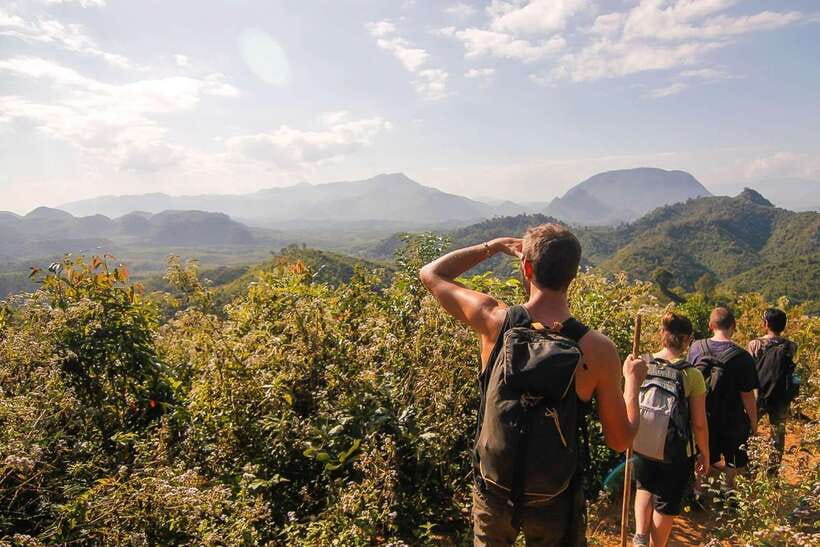
- Longhut and Thin Pha trail variety: jungle climbs, canyon sections, and lookout views over Luang Prabang and the Mekong
- Khmu family homestay night: a real mountain village evening and a dinner you’ll eat together
- Rice fields to Ban Tin Pha: a 1.5 to 2-hour morning trek with a hillside viewpoint over surrounding mountains
- Ban Houay Yen boat-and-falls finish: local boat ride to Tad Sae plus time to cool off if the water is flowing
- Village fund contributions: your visit includes community support tied to the route
Starting in Luang Prabang: the early pickup that sets the pace
The tour runs for 2 days with an early start that helps you beat heat and get better timing on the river and waterfall day. You’ll be picked up at 8:00 AM from your Luang Prabang hotel, then the day’s route begins in earnest.
If you’re meeting at the office, go to Tiger Trail Travel Laos at the same street as Villa Maly. You’ll meet at 8:20 AM for an 8:45 AM departure, so don’t drift in late with sleepy shorts and no water.
This matters because hiking in northern Laos can feel punchy by late morning, especially on steep trail sections. Starting early gives you a better chance to enjoy the views without feeling like you’re sprinting uphill just to stay comfortable.
You can also read our reviews of more tours and experiences in Luang Prabang.
Day 1: Longhut trail, Nam Khan boat crossing, and the Khmu homestay night
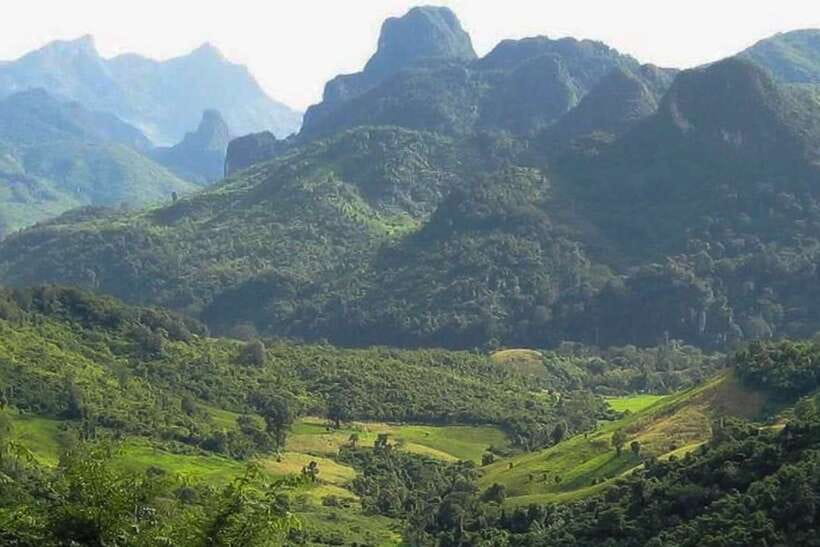
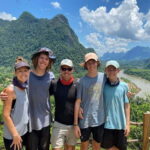
Day one is the main hiking push. After pickup, you head to the Longhut trail, described as one of the more spectacular trails in the area, with jungle-covered mountain slopes on one side and wide views over Luang Prabang and the Mekong River on the other.
You’ll cross the Nam Khan River by boat early, then begin the ascent into the mountains. The trail is an all-day trek—about 13 km, usually taking around 6 hours with breaks. Under wet conditions, it can stretch to 7–8 hours, so your pace will depend on mud, footing, and how steady your shoes are.
The route is built around variety: steep jungle sections, canyons, remote villages, and small lakes along the way. That mix is the whole point of this day. Instead of one long grind, you keep getting small changes in scenery and walking rhythm, which helps when you’re tired.
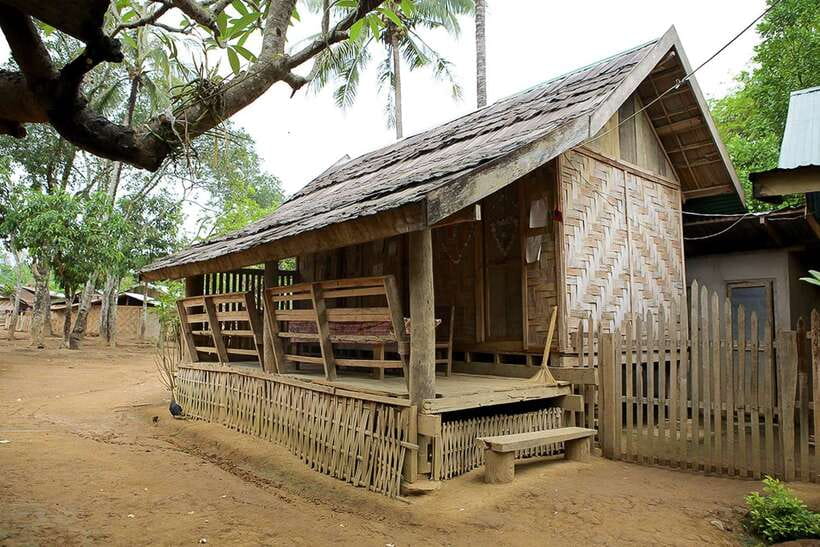
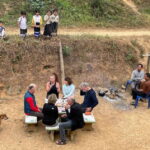
In the evening, you arrive at a Khmu village and settle into a family homestay. This isn’t a hotel stop with a quick shower and done; it’s village life for the night. Your guide and family will help you connect with what’s happening around you, and you’ll share a meal prepared by your guide.
A strong reminder from past experiences: village nights can be lively. One guide noted in recent bookings was Oun, praised for sharing stories and answering questions in clear English, and you should be ready for the sounds of village life as you fall asleep.
The night in a mountain homestay: cozy, simple, and worth preparing for
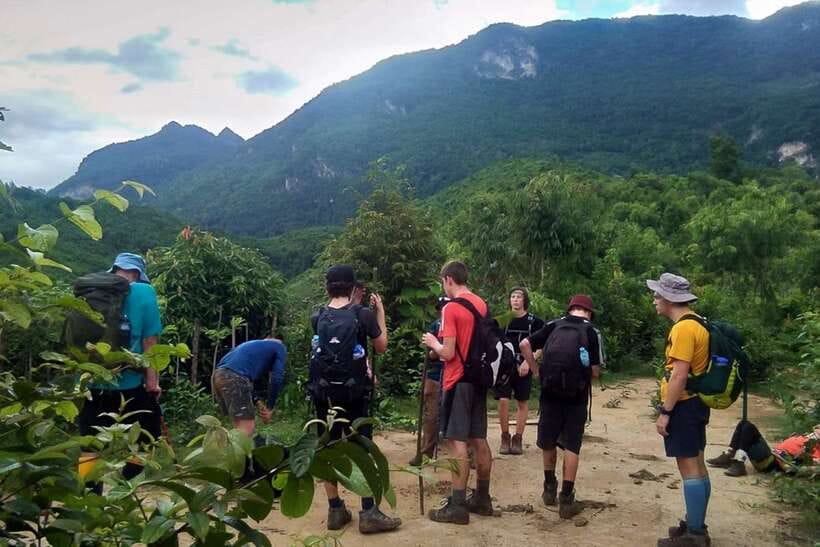
This is where the trip stops being just a hike and becomes an actual cultural overnight. You’re paying for the homestay fees and the village encounters, and that includes a real evening with the family and community.
Sleeping arrangements vary, but expect something simple and basic enough that you’ll feel the mountain air and the difference between village routines and city ones. One review described a cozy cabin feel, which is what you should aim for in your expectations: simple, warm enough, and shared with care.
Two practical tips you’ll be glad you used:
- Bring earplugs if you’re a light sleeper. Village roosters can be part of the soundtrack.
- Pack tissues, since you may not have what you’re used to on hand.
If you have dietary needs, handle it carefully before you start walking. One booking issue showed up when a restricted diet email wasn’t registered, and the fix happened only after a conversation at the office. So message ahead, then confirm directly with the provider so you’re not negotiating food while everyone is hungry.
Day 2: rice fields, Ban Tin Pha views, and the Tad Sae finish
Day two starts with breakfast, then you’re moving again fairly quickly—so don’t plan a late-night binge the night before. You’ll trek through rice fields and forest for about 1.5 to 2 hours, which gives your legs a gentler start compared to day one’s steep main climb.
After that, you head uphill to Ban Tin Pha, a Hmong village with panoramic mountain views. This section is a classic payoff trek: slower climbing, big outlooks, and enough time to pause and actually see what you’ve been walking toward.
Then it’s downhill to Ban Houay Yen along the river. You’ll board a local boat for a relaxing ride on the Nam Khan to Tad Sae Waterfalls. This is a nice contrast to the day’s walking, and it also helps break up the whole physical rhythm of the 2 days.
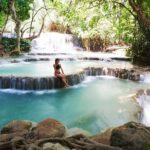
Lunch is served either in the village before the boat ride or at the waterfall, depending on timing. Once you reach Tad Sae, you can cool off—if the water has enough flow—by swimming in the pools at the base of the falls or just relaxing in the shade.
One caution that matters: Tad Sae may be low or even dry from February to July, and the tour may skip it if that’s the case. If you’re traveling in those months, treat the waterfall time as a best-effort moment rather than a guaranteed swim stop.
After the falls, you take a local boat to a camp, then drive back to town to end the tour.
Guides and group feel: English help that actually guides
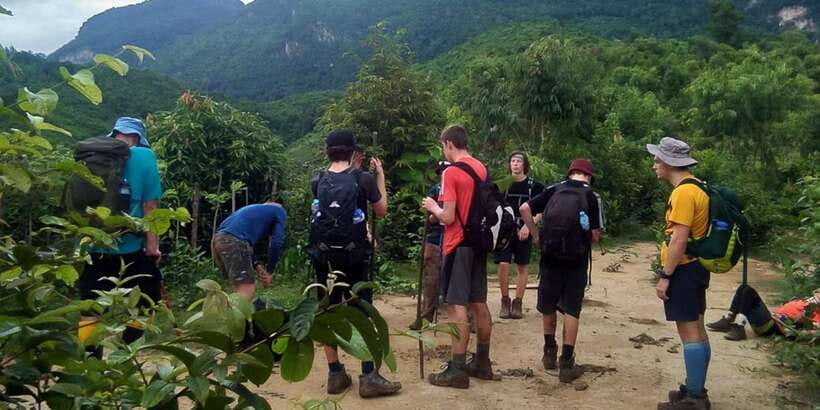
This tour includes an English-speaking guide, and that’s more important than it sounds. On steep or confusing sections, good guidance keeps you safe and helps you understand what you’re seeing beyond the view photo.
In recent bookings, different guides have stood out, including Chai, Arun, Chan, and Oun. Common praise points were clear English and strong explanations—plus a knack for making village time feel respectful, not rushed.
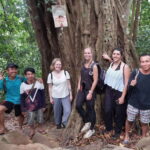
Group size can also affect your experience. One booking described a smaller feel, with just two people sharing time with guide Arun. When you get that sort of setup, you tend to ask more questions and move at a more human pace.
What you’re really paying for at $200 per person
At $200 per person, you’re not just buying a hike. You’re paying for the full support system that makes the trip possible in remote areas.
Here’s what’s included:
- 2-day guided tour with an English-speaking guide
- Entrance fees
- Hotel pickup and drop-off
- Meals: lunch (day 1 and day 2), dinner (day 1), breakfast (day 2)
- Air-conditioned vehicle transport
- Local river boat services
- Homestay fees
- Village encounters across Lao Loum, Lao Theung, and Sung communities
- Village fund contributions
- Accident insurance
That mix is the value. The meals and homestay alone would take a chunk out of your budget if you tried to DIY this. And the boat logistics plus village fund contributions help explain why the day can run smoothly even when the terrain is tough.
The one thing not included is simple: additional drinks and snacks. If you’re the type who runs through water and wants extra salt or sweet, bring a plan so you’re not reaching for snacks that aren’t there.
What to bring (and what not to carry)
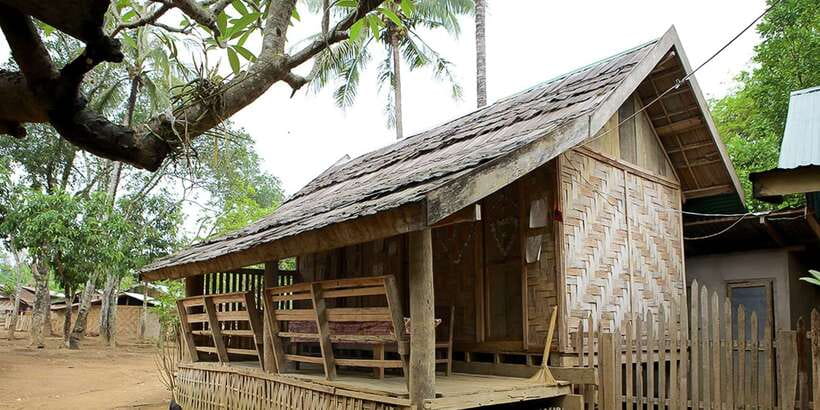
You’ll want to pack lightly. The tour does not allow luggage or large bags, so think small day-bag, water bottle, and basics you’ll use every hour.
Bring:
- Comfortable shoes (non-slip is your friend)
- Swimwear (if Tad Sae has enough water)
- Towel
And don’t forget the real-life trekking gear that isn’t listed but still matters: sunscreen, a hat, and something to protect your phone or camera from rain if skies turn.
If you’re prone to being cold at night in the mountains, consider an extra layer even though the trip description focuses on rain-or-shine trekking. Mountain evenings can feel cooler once you stop moving.
Who this trek fits best, and who should choose differently
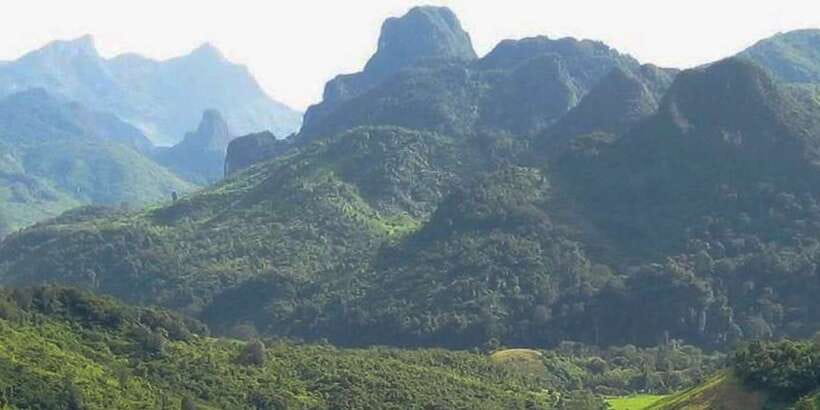
This is a solid fit if you:
- enjoy hiking with a real uphill/downhill rhythm
- want village contact that includes an overnight homestay
- are comfortable using local boats as part of the route
- want a guided experience where someone else handles the village and transport pieces
This is not suitable if you:
- have mobility impairments (trekking and uneven village access are involved)
- are prone to seasickness, since there are boat segments on the river
Also, if you’re expecting a long hiking day two, temper that. One booking note pointed out day two’s walk can feel shorter than expected, since it’s more like a morning trek plus viewpoints and then the boat-and-falls finish.
Should you book the Luang Prabang Mountain Trek & Local Villages?
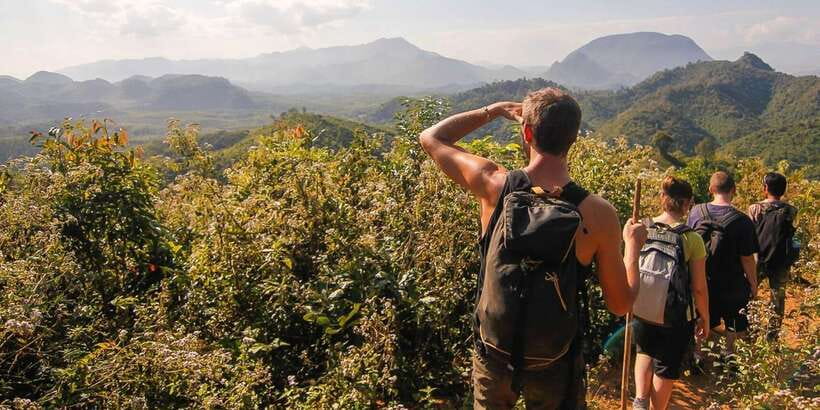
Book it if you want two days that connect real mountain walking with real village life, including an overnight homestay and a waterfall cooldown. The combination of Longhut/Thin Pha trail hiking, boat travel on the Nam Khan, and time in Khmu and Hmong communities is the strongest reason to choose this over a quick day tour.
Skip it or pick another option if you’re traveling in Feb–July and Tad Sae is a must-see swim, or if boats and uneven terrain would be a problem for you. And if you have dietary needs, confirm them clearly with the provider before you set out, then double-check on arrival.
If you match those conditions, this is the kind of tour that leaves you remembering how it felt to walk there and sleep there, not just what you saw.
FAQ
How long is the Luang Prabang Mountain Trek & Local Villages Overnight Tour?
The tour runs for 2 days, with pickup in the morning on day one and activities that include hiking, homestay, and a waterfall visit on day two.
What time does the tour start in Luang Prabang?
You’ll be picked up at 8:00 AM. If you’re meeting at the Tiger Trail Travel office, meet at 8:20 AM for an 8:45 AM departure.
How long is the main hike on day one?
Day one includes a full-day hike of about 13 km, normally taking around 6 hours with breaks included. Wet conditions can extend it to 7–8 hours.
Is Tad Sae Waterfall guaranteed?
Not always. Tad Sae Waterfall can be low or even dry from February to July and may be skipped if that happens.
What meals are included?
Day one includes lunch and dinner, and day two includes breakfast and lunch. The exact lunch timing on day two is either at the village or at the waterfall depending on preferences and timing.
Do I need swimwear and a towel?
Yes, you’ll want swimwear and a towel in case Tad Sae has enough water for you to swim.
What about luggage—can I bring a big bag?
No. The tour does not allow luggage or large bags.
Is the tour suitable if I get motion sickness?
It’s not recommended if you’re prone to seasickness, because the itinerary includes river boat services.
Is accident insurance included?
Yes. Accident insurance is included as part of the tour package.