REVIEW · MARRAKECH
Ouirgane Trekking & Hiking from Ouirgane to Imlil – 4 Days
Book on Viator →Operated by Imlil Treks Toubkal · Bookable on Viator
High Atlas treks feel like a reset. This 4-day walk from Ouirgane to Imlil takes you from dusty valley edges into greener slopes and high-pass viewpoints in the western High Atlas, with Berber village nights and daily picnic breaks.
I especially like how the route balances effort with payoff: long views from passes like Tizgui (and higher points around 2,300–2,700m) without feeling like a nonstop grind. I also like the human side—staying in a local family house and a gite, plus the chance to share Berber tea and daily rhythms guided by people such as Ibrahim or Abdellatif (with meals sometimes supported by cook Hassan).
One consideration: you need moderate fitness and good footwear. The walking includes major altitude changes (up to roughly 2,700m), so if your legs hate steep descents, plan for soreness and go slow when the trail turns rocky.
In This Review
- Key highlights you’ll feel fast
- Ouirgane to Assif Izagzaoun: the valley shift you can feel
- High Atlas pass days: Tizgui, Assaka, and the rhythm of picnics
- Tizi Oussem and the big viewpoint around 2,700m
- Azib Tamsoulte waterfall and the Azzaden Valley to Imlil
- Food, sleep, and mule support: what’s included (and why it matters)
- Guides and pace: what “moderate fitness” means on the trail
- Price and logistics: is $305.42 a good deal?
- What to pack for the High Atlas (simple but real)
- Should you book Ouirgane to Imlil?
- FAQ
- How long is the Ouirgane to Imlil trek?
- Where does the trek start and where does it end?
- Does the tour include pickup from Marrakech?
- What’s included in the price?
- Do I need a specific fitness level?
- What age do you need to be to join?
- Will I carry my own luggage?
- What happens if the weather is poor or I cancel?
- What to pack and how ready you need to be
Key highlights you’ll feel fast
- Ouirgane start and gradual “green-to-high” change as the valley rises into mountain country
- Real High Atlas passes with viewpoint days around 2,300m and 2,700m
- Overnight Berber village stays in a family home and later a gite
- Mules for luggage and food, so your pack stays manageable
- Waterfall day and Azzaden Valley transfer to Imlil, then back to Marrakech
Ouirgane to Assif Izagzaoun: the valley shift you can feel
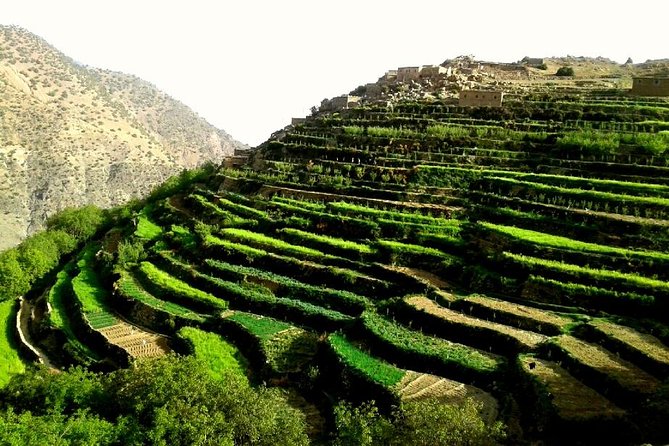
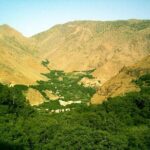
Day 1 begins with a pickup from Marrakech (the tour also offers pickup) and a drive into Morocco’s Atlas valley world. At 8:30am, you’re not just heading to a trailhead—you’re moving into a landscape of changing colors and air. One hour you’re in drier country; the next you’re watching the valley green up, with viewpoints appearing as the road climbs toward Ouirgane.
The walking itself is set up for trekkers who want to feel the mountains early without going too hard on day one. You start with a hike through different terrains, then you pause halfway for a picnic. That break matters. On these routes, hydration and food timing keep your energy steady for the rest of the day.
From there, you continue toward Assif Izagzaoun at about 1,800m. The big deal on day one isn’t a heroic pass—it’s the transition into mountain life. You reach your overnight spot in a local family house (described as a half-family home). This is where the trek starts to feel like a lived-in journey rather than a checklist.
What to watch for: if you arrive with stiff calves, the first day can still surprise you with uneven ground. Go slow on the first hour, and you’ll enjoy the day more.
You can also read our reviews of more tours and experiences in Marrakech.

High Atlas pass days: Tizgui, Assaka, and the rhythm of picnics
Day 2 ramps you up. After breakfast, you set off toward Tizgui around 1,800m, ascending toward Mt. Assaka (2170m) and then descending into the Goudafa (Tizgui) valley. That up-and-down rhythm is typical of the High Atlas: steep sections appear, then the trail turns into flowing valley walking again.
The tour includes a picnic lunch along the way. You’ll usually get the best effect from this kind of schedule if you treat the picnic like a mini reset: eat a bit early, drink water before you feel thirsty, and don’t wait until you’re breathing hard.
Your evening is another stay in a local house, with half-board included. That means the day closes with a meal plan already handled for you, which is a quality-of-life win on multi-day treks. It also keeps your attention on the trail instead of logistics.
Why this day works for value: the route hits altitude and views while still keeping you fed and housed without extra spending. It’s one of those tours where the included meals actually change how the trek feels day-to-day.
Tizi Oussem and the big viewpoint around 2,700m
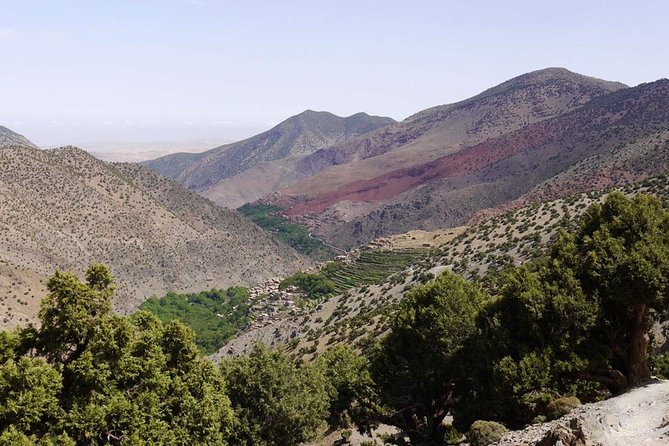
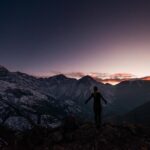
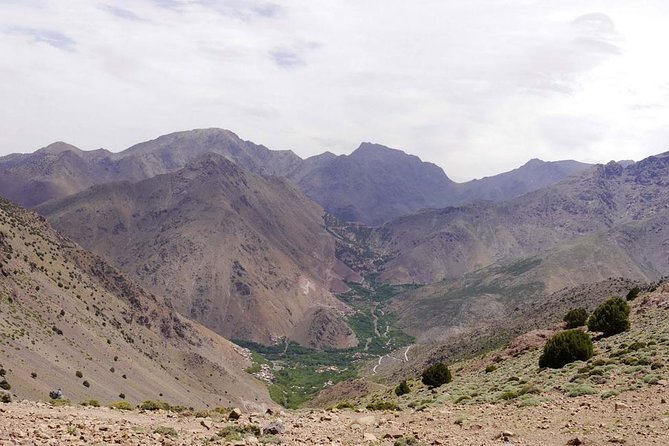
Day 3 is where the trail starts rewarding you with bigger mountain perspective. You travel from Tizgui to Tizi Oussem, going through passes including Azib Assoul (around 2,300m) and crossing the Tizi ’n Tagoudalte pass (about 2,700m). From that higher point, you get views of the western High Atlas mountain range—this is the moment when photos actually make sense, because you can see how the valleys fold and the ridges stack.
Then the descent begins. You walk through alpine areas where wildflowers and herbs grow, and you pass terraced fields with walnut trees. Even if you’ve seen “mountains” before, this kind of farming pattern—where people squeeze food and water out of steep terrain—makes the trek feel grounded.
You also arrive at Tizi Oussem around 1,900m. That altitude drop helps your legs recover, and you get a free afternoon to relax or explore the village at your own pace. You might do something simple here: slow tea, a short wander, or just sitting and watching clouds move over the slopes.
That night is in a gite. Compared to staying inside a family home, a gite can feel more structured—often still rustic, but with a different routine for sleeping and getting ready for the next day.
Practical note: afternoon freedom is great, but don’t plan anything too ambitious. This is a day where a relaxed pace helps you enjoy the next morning’s waterfall and pass.
Azib Tamsoulte waterfall and the Azzaden Valley to Imlil
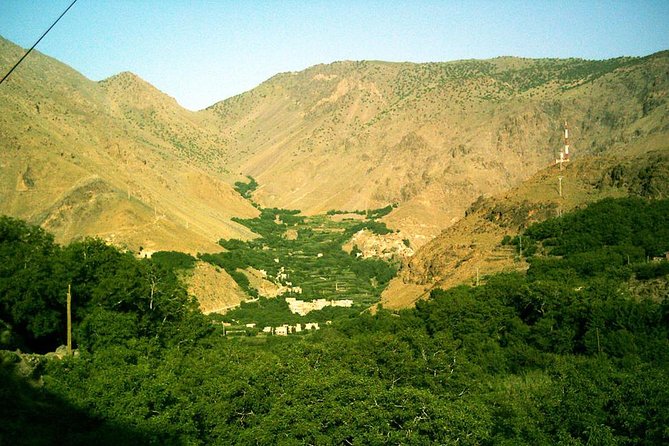
Day 4 has a very “good ending” feel. You trek to a small waterfall at Azib Tamsoulte, then return to cross back. After that, you transition toward the Azzaden Valley, often called the Valley of the 1000 colors. Even if you don’t chase the nickname with science, the idea shows up in the way the terrain shifts and tones change as you move downhill.
Next comes Tizi ’n Mzik pass (about 2,500m). So yes, you still get a final high point before reaching the finish. This is common in routes that connect villages: the day isn’t only downhill; it’s a series of valleys linked by passes.
You arrive in Imlil, then you transfer back to Marrakech. Imlil is a practical end point for High Atlas trekking, and it’s also where you can reconnect with more normal services after the rural days.
What I like about this finale: the waterfall break gives you a moment of softness before you hit the last climb and descent. It’s also a natural way to break the day into “walking, pause, and finish strong.”
Food, sleep, and mule support: what’s included (and why it matters)
This trek’s included setup is one of the main reasons it feels like a real trekking experience instead of a DIY burden. You get:
- Transport (including getting you from Marrakech and back)
- A local guide
- Mules to carry your luggage and food
- Meals: breakfast (3), lunch (4), dinner (3)
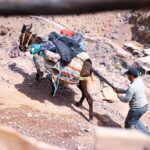
The mule support is huge. When you’re dealing with altitude and uneven paths, your biggest enemy is not just distance—it’s weight. Mules carrying luggage and food means you can focus on your body and your footing.
Meals are also timed for trail life. Lunch is typically a picnic, which is exactly what you want when you’re walking for hours. Dinner and breakfast on village nights keep your energy stable, too. On a trek like this, missing one meal doesn’t just make you hungry—it can mess with your pace for the next day.
Sleeping is split between a local family house (days 1–2), then a gite (day 3). That mix can feel like a step-by-step change in daily rhythm rather than one long repeat. In many Atlas treks, you learn quickly that the goal isn’t luxury—it’s comfort that lets you walk tomorrow.
One caution on sleep: places in the mountains can vary a lot in warmth and bedding comfort. If you’re sensitive to cold, bringing what you’re allowed to (the option includes a sleeping bag) can make nights easier.
Guides and pace: what “moderate fitness” means on the trail
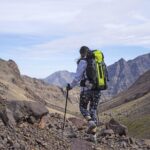
The walking days sit at roughly 5 to 6 hours on the more structured days, with altitude changes that add effort. You’re looking at climbs toward 2170m, 2300m, and about 2700m. That’s not just height on a map—it changes how fast you can breathe.
This is why the trek emphasizes moderate physical fitness and why good walking shoes are mandatory. Trainers can work for flat walks, but on mountain stone, a proper sole and grip matter more than you think.
You also have the option of walking sticks. If you’re the type who feels knees after descents, sticks are a smart comfort tool. They help on uneven rock and on long downhills.
As for guidance, the experience can be led by guides such as Ibrahim and Abdellatif. The cooking may be handled by Hassan on some trips. What you should look for in the guide role here is not only route knowledge, but the ability to keep the day moving at a human pace—especially around passes where slowing down can be the difference between enjoying the view and feeling drained.
How to walk smart: on high passes, aim for steady effort rather than speed. When the trail steepens, take shorter steps and keep breathing controlled. You’ll reach viewpoint moments with energy left to enjoy them.
Price and logistics: is $305.42 a good deal?
At $305.42 per person for about four days, this trek can be excellent value if you compare it to what you’d otherwise pay for guide-led mountain transport, meals, and lodging in the Atlas villages.
You’re getting:
- Transport from Marrakech and back
- Local guiding
- Mule assistance
- All meals listed (breakfast, lunch, dinner across the days)
- Lodging nights in village homes and a gite
What’s not included is personal expenses. That’s normal, and it’s also where you can control your budget (snacks, extra drinks, souvenirs, that kind of thing).
Also note the tour mentions group discounts and a mobile ticket, and you’ll get a private setup for your group. Private doesn’t automatically mean a higher cost here—what it usually means is that your group gets the guide’s attention and the schedule feels tailored to your pace.
If you want a trek that handles the “boring parts” (food timing, where you sleep, luggage carry), this price looks reasonable. If you already have your own gear and you only want the hardest technical hike possible, you might find cheaper DIY routes—but you’ll give up the village-stay experience and mule support.
What to pack for the High Atlas (simple but real)
You’ll get the best experience if you pack for real trail conditions, not just day-hiking. At minimum, plan for:
- Mandatory: good walking shoes
- Optional: walking sticks
- Optional: sleeping bag
Bring layers. Even in favorable months, mountain air can shift fast with altitude. Your goal is to stay comfortable while climbing and not freeze once you’re sitting during breaks or after arriving at a village.
Also remember you’re moving between village settings and gites. Keep your day bag light since mules carry luggage and food.
Should you book Ouirgane to Imlil?
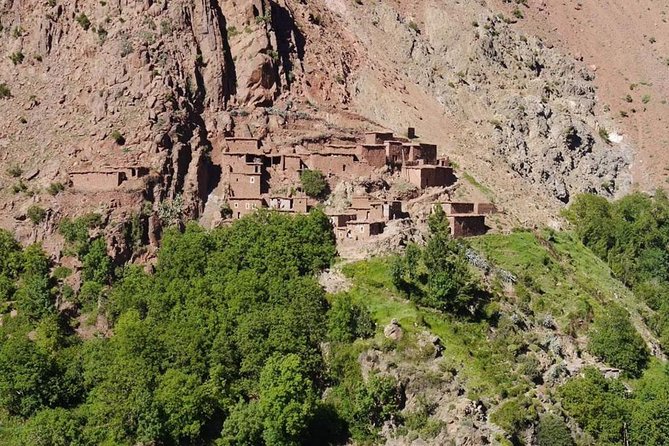
Book it if you want a 4-day trek that mixes high passes, Berber village nights, and included meals without making you do the logistics yourself. It’s a strong fit for hikers with moderate fitness who like steady trails, want big viewpoint days around 2,300–2,700m, and enjoy meeting people in rural Morocco rather than just passing through.
Skip it (or choose a gentler alternative) if you’re prone to severe knee pain on downhills or you can’t handle steep, rocky footpaths at altitude. The route rewards effort, but it also demands that you take footwear seriously.
FAQ
How long is the Ouirgane to Imlil trek?
It’s listed as 4 days (approx.). The start time is 8:30am in Marrakech, and the activity ends back at the meeting point.
Where does the trek start and where does it end?
The trek starts in Marrakesh, Morocco and ends back at the same meeting point in Marrakesh after reaching Imlil on the final day.
Does the tour include pickup from Marrakech?
Yes. Pickup is offered.
What’s included in the price?
Included: transport, local guide, mules to carry your luggage and food, and meals including breakfast (3), lunch (4), and dinner (3).
Do I need a specific fitness level?
You should have moderate physical fitness. Good walking shoes are mandatory, and the trek includes altitude changes and sustained walking.
What age do you need to be to join?
The minimum age is 15 years.
Will I carry my own luggage?
No. Mules carry your luggage and food, which helps you keep your own load more manageable.
What happens if the weather is poor or I cancel?
The experience requires good weather. If it’s canceled due to poor weather, you’ll be offered a different date or a full refund. You can cancel for a full refund up to 24 hours before the start time.
What to pack and how ready you need to be
Nothing fancy, just solid shoes and sensible layers. The trek is built for people who can walk several hours a day and handle passes at higher altitude without needing a technical climbing setup.