REVIEW · KATHMANDU
Manaslu Circuit Trek to the Beauty of 8th Highest Mountain
Book on Viator →Operated by Bold Himalaya Treks and Travels Pvt Ltd · Bookable on Viator
Eight-thousand-meter views start with quiet village trails. The Manaslu Circuit with Bold Himalaya threads through Tibetan-influenced towns, farm valleys, and high passes, with planning that supports proper acclimatization before you tackle Larkya La. It’s a trek built for people who want real walking time and genuine mountain life, not just a quick photo sprint.
I especially liked two things: the included acclimatization rest day in Samagaun (so your body gets time to adjust), and the way the team builds in culture through the route’s Tibetan-style villages like Namrung and Samdo. A practical win is that you’re not left improvising the big admin stuff—permits and tracking cards are covered.
One possible drawback to consider is the pace of the travel days. You’ll do long shared vehicle transfers at the start and end, and once you’re on the trail, you should be ready for 8–10 hour days when the pass day hits. Also, the package doesn’t include drinks, and it calls out travel insurance as not included.
In This Review
- Key highlights you’ll care about
- Why the Manaslu Circuit feels different
- The price makes sense if you count the real costs
- What the trekking rhythm is like in real life
- Day-by-day: what each stop really gives you
- Day 1: Kathmandu to Machha Khola (about 8–9 hours by shared vehicle)
- Day 2: Machha Khola to Jagat (about 6–7 hours)
- Day 3: Jagat to Deng (about 6–7 hours)
- Day 4: Deng to Namrung (about 6–7 hours)
- Day 5: Namrung to Samagaun (about 5–6 hours)
- Day 6: Rest day in Samagaun for acclimatization
- Day 7: Samagaun to Samdo (about 5–6 hours)
- Day 8: Samdo to Larkya Phedi / base of Larkya La (about 4–5 hours)
- Day 9: Cross Larkya La to Bimthang (8–10 hours)
- Day 10: Bimthang to Tilije (about 5–6 hours)
- Day 11: Tilije to Dharapani, then drive to Besisahar and back to Kathmandu
- Larkya La Pass: how to mentally prep
- Lodges, food, and what included meals mean for you
- The human side: guide and porter support that changes the trip
- Who should book this trek
- Should you book Bold Himalaya’s Manaslu Circuit Trek?
- FAQ
- How long is the Manaslu Circuit trek?
- What’s included in the price?
- Are drinks included?
- Do they provide vegetarian or vegan meals?
- What fitness level do I need?
- Can I cancel for a full refund?
Key highlights you’ll care about
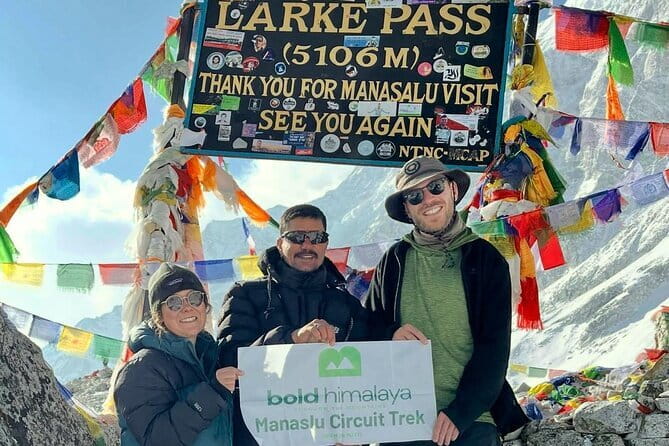
- Larkya La Pass planning: a hard day, paced with a stop sequence that sets you up for it
- Samagaun acclimatization day: built-in time to adjust above the trekking grind
- Permits handled: Manaslu/Annapurna/Restricted Area permits plus TIMS are included
- Meals are fully covered on trek days: breakfast, lunch, and dinner with fruits/nuts noted
- Staff support shown in real pairings: strong coordinator communication and guide/porter teamwork is repeatedly emphasized
Why the Manaslu Circuit feels different
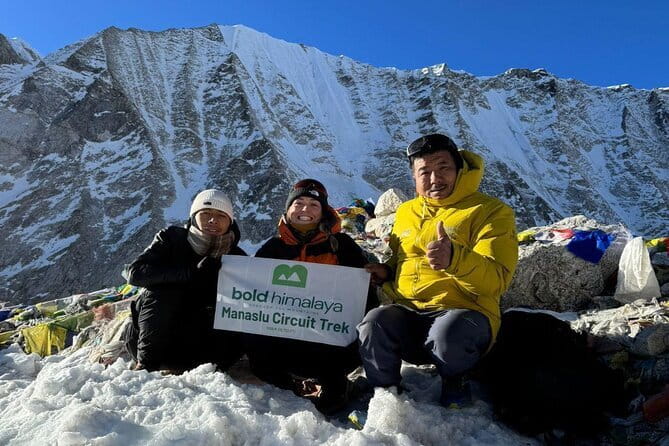
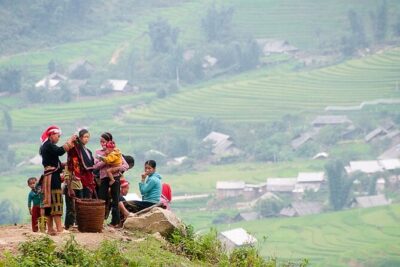
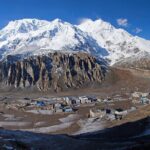
Manaslu sits in a zone that rewards slow attention. Compared to some flashier trekking routes, this one leans more toward working villages, monastery walls, prayer flags, and the daily rhythm of life in the mountains. You’ll spend your days walking through mixed scenery—forest trails, terraced fields, and then higher, thinner-air stretches where the air itself feels different.
What makes this trek especially compelling is that it’s built around the idea of earning altitude rather than grabbing it. You’re not just climbing to a pass; you’re also given a rest day where the goal is simple: help you acclimate before the steep, cold, and potentially windy reality of Larkya La.
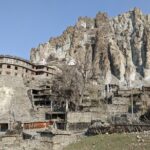
And there’s another layer: Tibetan culture shows up in the way the villages are built and how people live. Even when you’re just moving along a trail, you’ll keep passing stone walls, monastery buildings, and the kind of cultural details that make each stop feel like more than just a dot on a map.
You can also read our reviews of more tours and experiences in Kathmandu.
The price makes sense if you count the real costs
At $365.75 per person for roughly 11 days, this package looks like good value—mainly because the checklist is doing real work for you.
Here’s what’s included that usually adds up fast on your own:
- All ground shared transportation, including the trek start and end segments
- Permits (Manaslu, Annapurna, Restricted Area) plus the TIMS card
- A licensed English-speaking guide, plus porter/crew support (the list includes salary and accommodation)
- Full meals during trekking (breakfast, lunch, dinner), with seasonal fruits/nuts noted
- Lodge support on the standard trekking route (the note specifies standard trekking lodge use on the Manaslu Base Camp trekking route)
- A restricted area special entry permit
What you should plan around:
- Drinks are not included
- Travel insurance is not included (even though the inclusions mention insurance elsewhere, the package clearly separates out travel insurance for you)
- Tips aren’t included
For a trek like this, permits, guide services, and food coverage are often the difference between a smooth trip and a constant mental load. If you want the mountain experience with fewer moving parts, this kind of package can be a smart trade.
What the trekking rhythm is like in real life
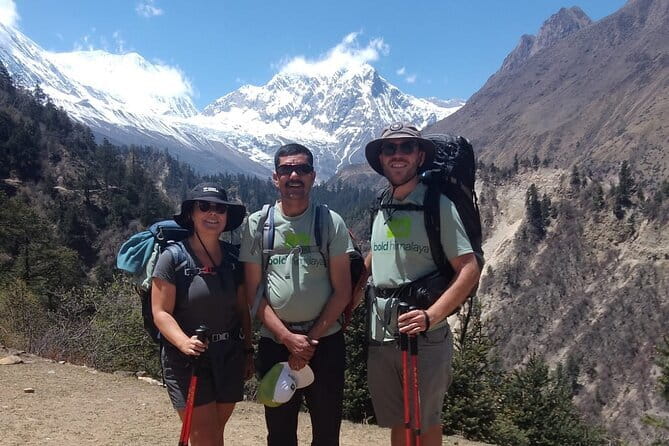
This itinerary keeps things readable: mostly one main trail block each day, then a predictable routine of breakfast, walking, and a lodge check-in. There’s also an explicit callout for moderate physical fitness, which is the right expectation. This isn’t a stroll, but it’s also not described as a technical climbing adventure.
The most important day is the pass: Day 9 crosses Larkya La (5,160 meters). Expect a longer, tougher effort—listed as 8–10 hours. That timing matters because you’ll want daylight, warm layers, and a steady pace. If you’re prone to going out too fast in the morning, this pass day punishes that habit.
Also, note how the trek sets up your body:
- You build gradually through villages like Jagat and Deng.
- You rise into the Manaslu region and get the rest day in Samagaun.
- Then the trek continues upward to places like Samdo and the base area for the pass (Larkya Phedi).
That structure is basically the difference between suffering and surviving with enough energy to enjoy the views.
Day-by-day: what each stop really gives you
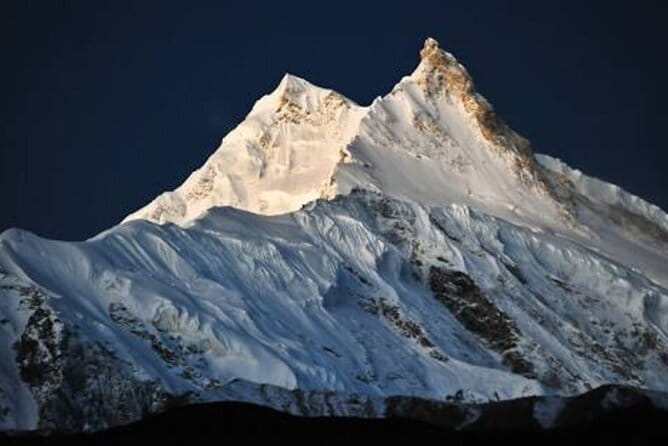
Below is how I’d think about each day if you’re deciding what kind of trek this is and what you’ll feel when you reach each place.
Day 1: Kathmandu to Machha Khola (about 8–9 hours by shared vehicle)
Your trekking story starts with a long drive—about 8–9 hours—out of Kathmandu into countryside of terraced fields and scattered hills. Machha Khola is where the pace shifts from road-time to trail-time. It’s a good first night because you’re not yet hit with high-altitude stress; your job is to settle in, hydrate, and get your gear organized.
Practical note: you’ll want to keep your day essentials accessible for the first trek day, since you’re going to transition quickly after check-in.
Day 2: Machha Khola to Jagat (about 6–7 hours)
This is a classic “warming up with ups and downs” day. The trail climbs and descends through forests and terraced areas, plus charming village sections. Jagat is small, and that’s part of the appeal: it’s not a tourist hub vibe. You’ll feel more like you’re joining local movement patterns than following a scripted route.
If you’re someone who likes steady progress, this day will feel like a solid foundation.
Day 3: Jagat to Deng (about 6–7 hours)
Deng is approached through a lush forest corridor, with mountain views starting to show up more as you gain elevation. The best part of days like this is how your senses sharpen: you’re not just thinking about distance, you’re taking in the air temperature change and the way the trail opens for brief windows of big views.
As you approach Deng, the scenery shifts, and that shift is your reminder that you’re entering the higher Manaslu world.
Day 4: Deng to Namrung (about 6–7 hours)
Namrung is where the trek leans harder into Tibetan-style settlement. This day mixes steep-ish segments with big outlook moments, and it rewards patience when the trail angles upward.
Why it matters: villages like Namrung aren’t just photo stops. They’re places where you can see how communities build for altitude and weather, which makes the trek feel grounded in real life.
Day 5: Namrung to Samagaun (about 5–6 hours)
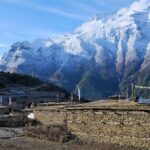
This is one of the key “arrival” days. The route gives panoramic Himalayan views, with notable mentions of Manaslu and Ganesh Himal. You reach Samagaun, a lively-feeling village in the context of the trek, with real local bustle compared to some smaller stops.
If you’re thinking ahead: this is also the day where your excitement and your altitude awareness start to merge.
Day 6: Rest day in Samagaun for acclimatization
This is a big deal day. You get a rest day explicitly for acclimatization, plus time to explore. The itinerary suggests you can visit Manaslu Base Camp area or focus on village life, including monasteries.
I like rest days like this because they reduce the odds of feeling wrecked later. Even if you don’t do the optional base camp visit, the value is in the pause: you’re giving your body time to adapt while everyone else continues moving around you at a slower tempo.
Day 7: Samagaun to Samdo (about 5–6 hours)
Samdo is higher and more alpine-feeling. The trek gradually climbs through alpine meadows, and the views become more dramatic. Expect fewer trees and more open air, which is great if you like wide outlooks.
The village itself is small, so this is more about the experience of being there than the variety of activities.
Day 8: Samdo to Larkya Phedi / base of Larkya La (about 4–5 hours)
This is a shorter walking day that matters for energy management. You’re heading toward the base area for Larkya La, listed as Larkya Phedi, and the day includes ascending toward that pass approach.
The main reason to like this day: you get into position without draining yourself completely before the pass day. If you’re the kind of person who always tries to “make up time,” this is where you’ll want discipline.
Day 9: Cross Larkya La to Bimthang (8–10 hours)
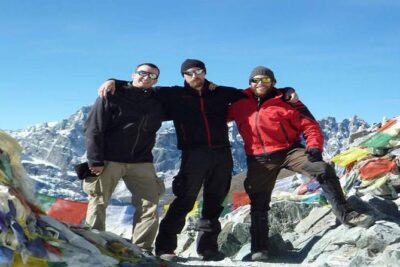
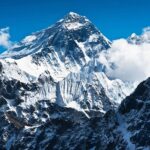
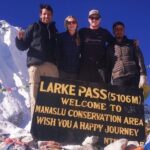
This is the headline day. You cross Larkya La (5,160 meters) on a challenging 8–10 hour segment. The pass offers breathtaking views of peaks and glaciers, and the descent to Bimthang brings you back into a calmer rhythm.
What to plan for: you’re likely to feel cold, and you’ll want to keep moving steadily rather than sprinting early. It’s a long day, so snacks and a consistent pace are not optional.
Day 10: Bimthang to Tilije (about 5–6 hours)
Tilije is described as a charming village, and this day is a relief after the pass. The trail descends through forests and traditional villages, which usually means fewer open, windy exposure moments.
This day is where your body starts to loosen up. You’ll still earn the views, but the overall effort should feel more manageable.
Day 11: Tilije to Dharapani, then drive to Besisahar and back to Kathmandu
Your final day blends trekking and driving. The itinerary continues from Tilije to Dharapani, then you drive to Besisahar, and afterward travel back to Kathmandu. The focus here is transition—alpine forest scenery and then the shift back toward city life.
It’s also a day to manage hydration and rest, because your legs might feel fine for walking but heavy after the first hour of vehicle time.
Larkya La Pass: how to mentally prep
Even when a trek is well-paced, pass days demand respect. Here’s what you can take directly from the itinerary: Larkya La is the highest-stakes segment, and it’s long—8–10 hours.
My advice:
- Start slow. On pass terrain, your early effort sets your energy for the entire day.
- Dress in layers. You’re moving through temperature changes, and you’ll be cold if you under-pack.
- Keep your focus on steady steps. The pass rewards consistency, not heroics.
- Plan for an early-to-mid finish if conditions are rough. You don’t want to gamble with daylight once you’re on the descent.
If you’re nervous about it, that’s normal. The best strategy is to treat the day as a marathon, not a scramble.
Lodges, food, and what included meals mean for you
The package includes full meals during trekking—breakfast, lunch, and dinner—plus seasonal fruits and nuts. That matters because on a multi-day trek, food availability and cost can quietly wreck your budget and your mood.
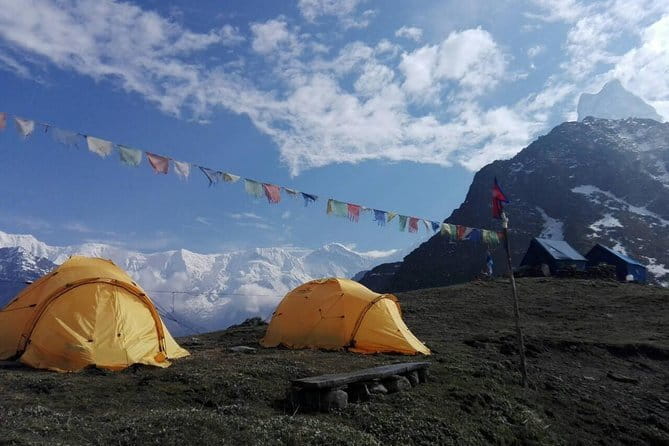
You’ll also have standard trekking lodge support on the standard route used in the Manaslu Base Camp area. In practical terms, expect basic facilities, shared dining areas, and simple rooms. This isn’t a luxury stay. But for many trekkers, the value is that you don’t have to manage meals and lodging arrangements day after day.
Diet is covered too. The itinerary notes vegetarian and vegan meals are available upon request, which is reassuring if you have dietary needs.
Also, remember: drinks aren’t included. Bring cash or plan to purchase what you need, and don’t assume water and hot drinks will be free.
The human side: guide and porter support that changes the trip
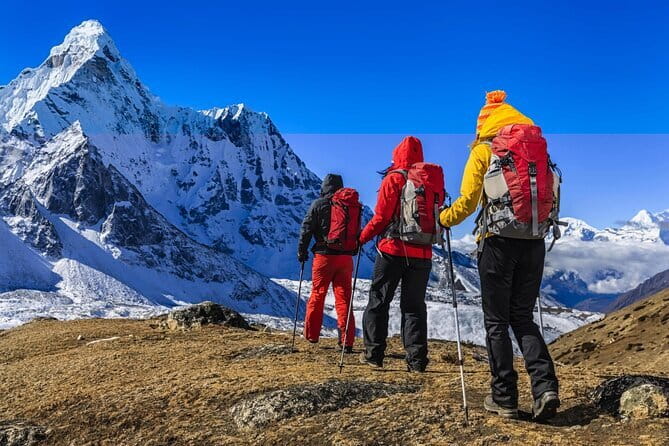
This trip is guided. It includes an experienced English-speaking licensed guide, plus crew support (salary and accommodation are included). In plain terms, that means you get someone to help you make sense of route timing, altitude pacing, and what to do when the day’s weather or conditions change.
The reviews also highlight a coordinator named Sobit who takes time to understand what you want and then shapes the program around your preferences. Another theme is strong support from guide and porter pairings—names like Suren Tamang, Sirjan, and Lokendra show up as staff who keep the experience caring, organized, and informed.
Even if your guide isn’t one of these people, the takeaway is the same: for a trek with a long day like Larkya La, you want a team that’s responsive and practical, not just a guide who recites route trivia.
Who should book this trek
You’ll be a good match if:
- You want a high-pass Himalayan trek with a clear acclimatization plan.
- You prefer village life and Tibetan culture details over only big-city comfort.
- You’re physically ready for long walking days, including an 8–10 hour pass day.
- You want a package that handles permits and core logistics.
You might think twice if:
- Long shared vehicle transfers sound miserable.
- You dislike basic lodge conditions.
- You want all meals and drinks handled without thinking at all (drinks are not included, and travel insurance is on you).
If you’re traveling solo, this can still work well because the experience is described as a private activity for your group, and some trekkers specifically describe it as a small, VIP-feeling setup with just their guide and porter plus them.
Should you book Bold Himalaya’s Manaslu Circuit Trek?
Yes, if you want a well-run Manaslu Circuit with the important parts handled: permits, guide support, full trekking meals, and a built-in acclimatization day. This is especially appealing if you’re the type who wants to spend your mental energy on breathing, walking, and enjoying the route—not chasing admin.
Before you book, do two honest checks:
- Make sure you’re comfortable with the idea of at least one very long, high pass day.
- Confirm you’re ready to cover items not included, like drinks and your own travel insurance.
If those boxes fit, you’re likely to have a memorable trek that feels grounded in real mountain life, with big Himalayan payoff coming exactly when it should.
FAQ
How long is the Manaslu Circuit trek?
The trek is listed as about 11 days.
What’s included in the price?
It includes all ground shared transportation (including trek start and end), Manaslu/Annapurna/Restricted Area permits plus TIMS, an experienced English-speaking licensed guide (with accommodation and salary), meals during trekking, lodge support, a restricted area special entry permit, and trekking-day essentials like a duffle bag, t-shirt, and trip certificate.
Are drinks included?
No. Drinks during the trip are not included.
Do they provide vegetarian or vegan meals?
Vegetarian and vegan meals are available upon your request.
What fitness level do I need?
The information states travelers should have a moderate physical fitness level.
Can I cancel for a full refund?
Yes, free cancellation is available. You can cancel up to 24 hours in advance for a full refund, with cut-off times based on local experience start time.