REVIEW · SA PA
2 Day-2 Night Sapa Trekking: Overnight Train &Limousine Bus
Book on GetYourGuide →Operated by Go Asia Travel · Bookable on GetYourGuide
The best part starts on rails in the dark. This 2-day, 2-night Sapa trip strings together an overnight train to Lao Cai and a limousine bus back to Hanoi, so you spend less time planning and more time in the mountains. You’ll also get cultural village time around Sapa, home to Black H’Mong and Red Dzao communities at about 1,650 meters.
What I like most is the mix: early morning in Sapa after the train ride, plus guided village visits with real local context rather than just a quick photo stop. I also like the planning value of having your meals, entrance fees, and local transfers folded in, with a local English-speaking guide once you’re in Sapa.
One drawback to think about: the longer trekking option can be rough, muddy, and slippery if weather turns or if the route gets damp. If you’re not confident on uneven ground, you’ll want to choose your trekking option carefully and ask your guide about conditions before you commit.
In This Review
- Key things to know before you go
- Night Train Hanoi to Lao Cai: the unusual start
- First morning in Sapa: breakfast, refresh time, and altitude reality
- Ma Tra – Ta Phin villages: Black H’Mong and Red Dzao culture close-up
- Long trek Lao Chai – Ta Van vs Cat Cat: choose based on your comfort level
- Option A: Long trek Lao Chai – Ta Van
- Option B: Cat Cat village with trekking and a waterfall option
- Overnight hotel in central Sapa: why location matters
- Day 2 free time in Sapa plus Fansipan as an optional add-on
- Luxury 28-seat limousine bus back to Hanoi: comfortable, but watch the clock
- Price and logistics: is $136 good value?
- Who should book this Sapa route
- Should you book this 2D-2N route?
- FAQ
- FAQ
- What transport do I use to get to Sapa?
- Where do I sleep on the first night?
- How long do I stay in Sapa?
- Do I get a guide in Sapa?
- Which villages are included?
- Is Fansipan included?
- Are hotel and entrance fees included?
- What time do I return to Hanoi?
- What should I pack?
Key things to know before you go
- Night train Hanoi → Lao Cai: soft-sleeper AC cabins for 4 people, with the whole first night spent on board
- Ma Tra – Ta Phin: village visits tied to Black H’Mong and Red Dzao culture, plus a short trek
- Two trekking choices: Lao Chai – Ta Van long trek (group style) or Cat Cat village trekking with a waterfall option
- One night in central Sapa: 3-star hotel stay so you’re not commuting all day
- Fansipan is optional: cable car + transfer cost extra if you want the big viewpoint
- Return by luxury 28-seat bus: comfortable ride back, usually landing you back in Hanoi around 20:30
Night Train Hanoi to Lao Cai: the unusual start
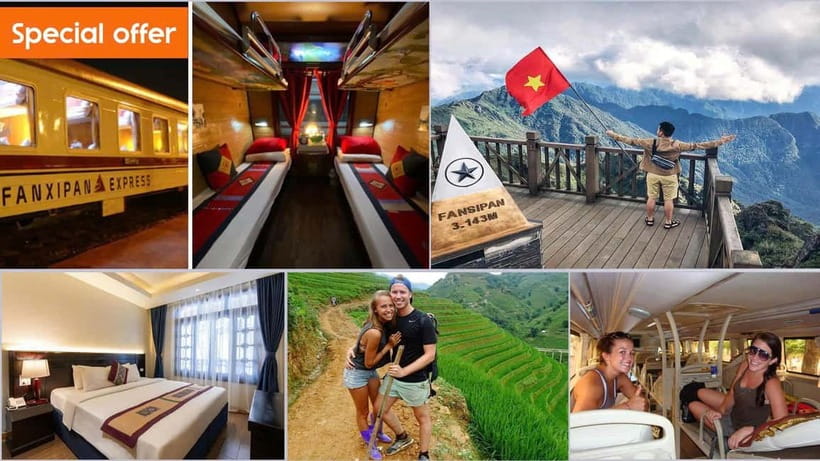
This tour does something smart: it moves your long-distance travel into the night. You’re picked up from your hotel or a meeting point and transferred to Hanoi train station, then you board an overnight train bound for Lao Cai. The cabin is an air-conditioned soft-sleeper for four, which means you’re sharing space with other passengers, but you get AC and a proper berth setup.
Is it comfortable? It can be hit-or-miss. People often find train sleeping harder than they expected, even when it’s an AC cabin with rest berths. My practical advice: treat it as “sleep in chunks,” not “sleep like a hotel bed.” Pack layers (train carriages can be temperature-variable), keep water and essentials close, and don’t plan to wake up feeling like you just had a spa day.
The upside is timing. Instead of losing a full day to travel, you’re positioned for an early arrival in the mountains, where Sapa mornings feel fresh and crisp.
You can also read our reviews of more tours and experiences in Sa Pa.


First morning in Sapa: breakfast, refresh time, and altitude reality
After the overnight train, a driver meets you at the Lao Cai train station and you connect to a joining bus to drive up to Sapa. You arrive early—typically early enough to reset—then you enjoy breakfast at your hotel.
Sapa sits at roughly 1,650 meters, so you’ll likely feel the altitude (not always dramatic, but it’s real). Plan for cooler air, especially if you’re traveling November through March. Even if you don’t feel “sick,” you’ll move better when you’re warm enough to relax and not shiver through the first village visit.
This early arrival also matters because it sets the tone. You’re not just ticking sights; you’re getting time to settle, eat, and start walking with energy.
Ma Tra – Ta Phin villages: Black H’Mong and Red Dzao culture close-up

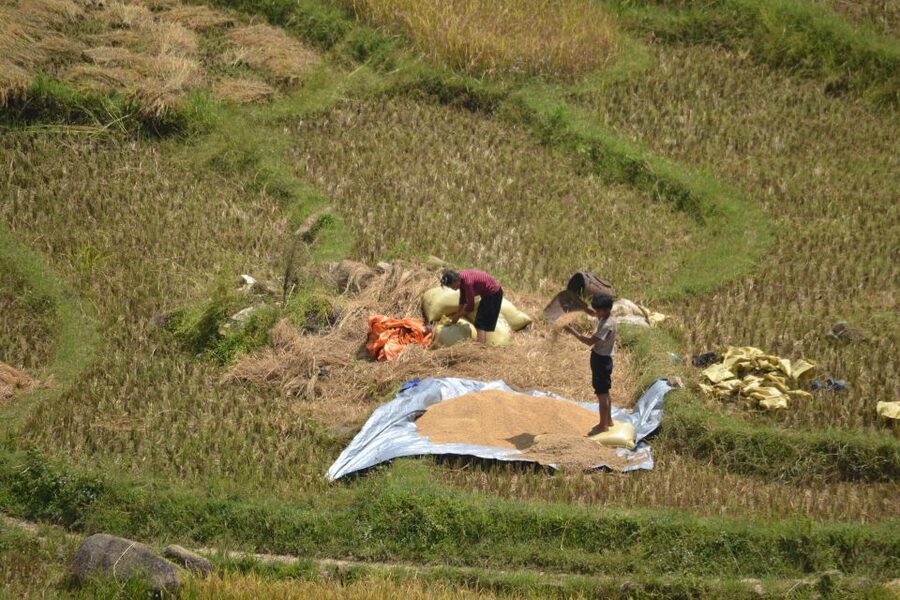
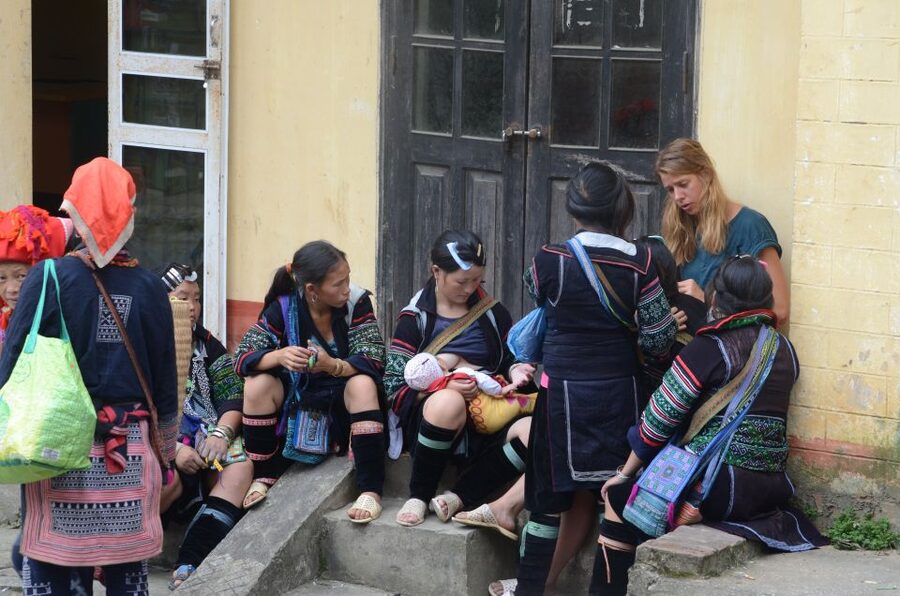
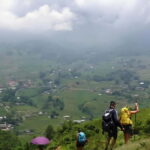
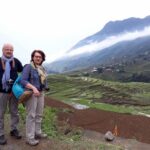
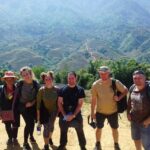
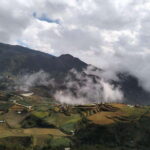
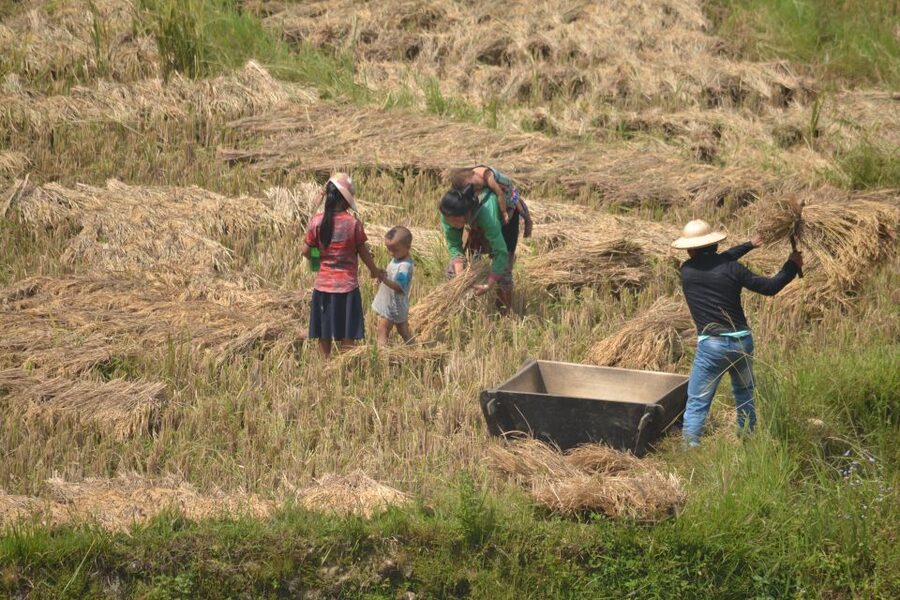
One of the core reasons this route works is the village pairing at Ma Tra – Ta Phin. In the morning (about 8:00–8:30), you visit two Black H’Mong villages—Ma Tra and Ta Phin—then you also spend time in the area with Red Dzao ethnic people. There’s a short trek involved, but the goal isn’t extreme hiking. It’s a cultural walk: seeing how people live, how villages are laid out, and how daily life looks in this highland setting.
Your guide is local and English-speaking in Sapa, which is the difference between wandering and understanding. You’ll be able to ask questions and connect the dots between what you’re seeing and the people who live there.
A practical note: village time is also where you’ll want to be respectful about photos and space. If you’re unsure, wait until your guide gives the cue, then follow their lead.
Long trek Lao Chai – Ta Van vs Cat Cat: choose based on your comfort level
Afternoon is decision time (around 14:30). You get two choices, and which one you pick can make or break your day:
Option A: Long trek Lao Chai – Ta Van
This is the more active route. You join a group tour for a long trek from Lao Chai to Ta Van. Entrance fees for Lao Chai – Ta Van are included, so you aren’t adding surprise costs for access.
The catch is difficulty and ground conditions. One participant experienced the longer trek as a long, muddy uphill-and-downhill route with slippery sections that were genuinely dangerous. They said there was no advance warning, and that’s a big lesson for you: don’t assume the word “trek” means a gentle walk.
If you go for the long trek, come prepared for wet or muddy paths. You’ll want solid shoes with grip and a willingness to move slowly. And if weather has been rainy, ask your guide what the trail feels like right now before you step in.


Option B: Cat Cat village with trekking and a waterfall option
This is the lighter-feeling choice on paper. You still get trekking, plus you’ll have a chance to see the waterfall area tied to Cat Cat. It can be a better fit if you want village atmosphere without the long, high-intensity “mud factor.”
If your main goal is culture over endurance, or you’re traveling with less hiking confidence, Cat Cat is often the safer bet.
Either way, you get back to your hotel later, shower time, then dinner. That reset time matters because your legs get used quickly to mountain walking.
Overnight hotel in central Sapa: why location matters
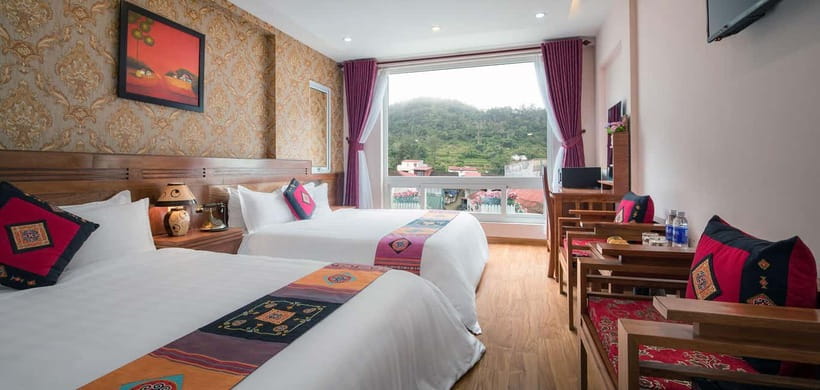
You stay one night at a 3-star hotel in central Sapa town (twin sharing). This location is genuinely useful. It keeps you close enough to enjoy the town after your trek, without another round of transfers.
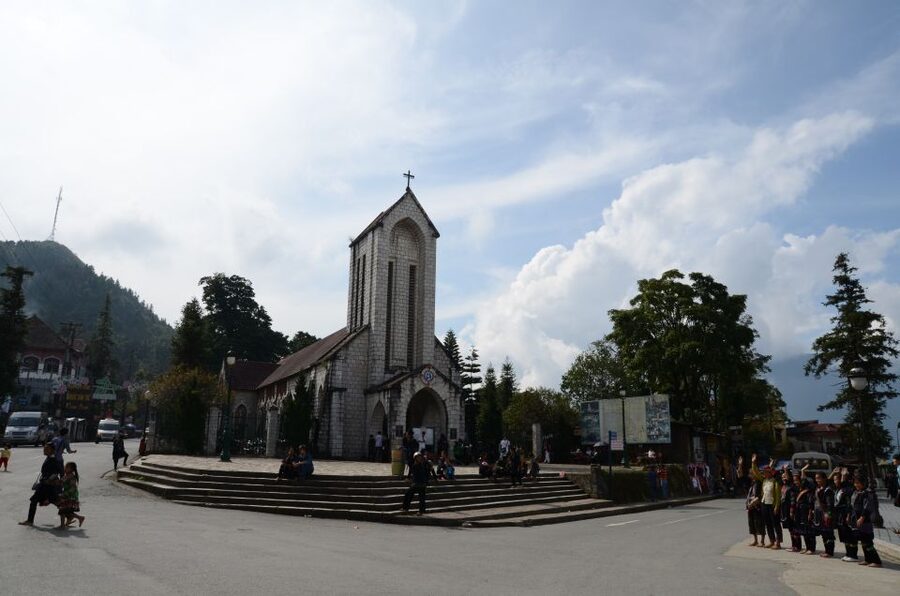
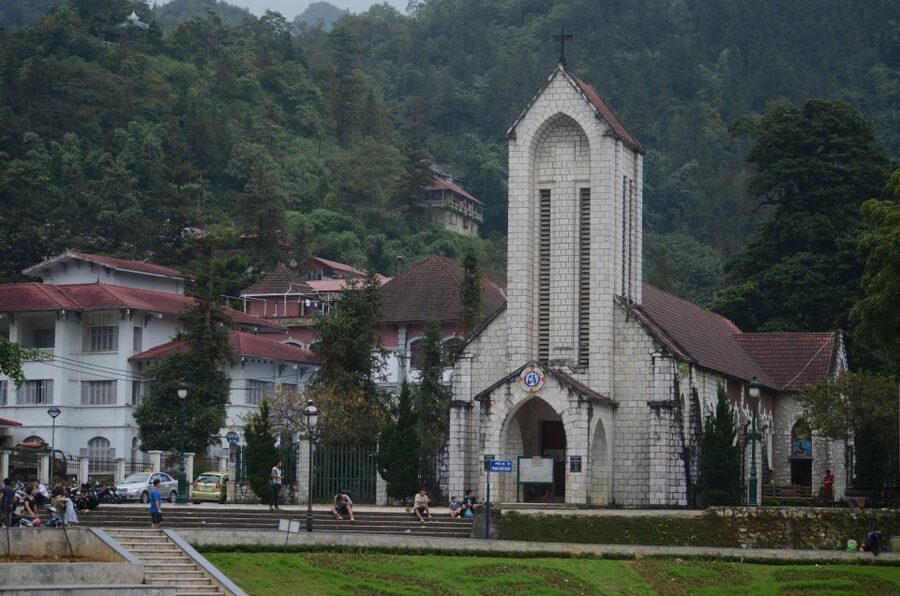
You’ll have time in the evening to explore Sapa central at your own pace. If you like doing things slowly—finding a market, wandering by church architecture, grabbing a casual bite—this is the window to do it. If you’d rather rest, you’re close enough to call it an early night.
Hotel comfort is usually fine on this kind of program, but don’t expect it to be the same as a quiet boutique stay. The bigger comfort wins here are convenience and timing, not luxury.
Day 2 free time in Sapa plus Fansipan as an optional add-on
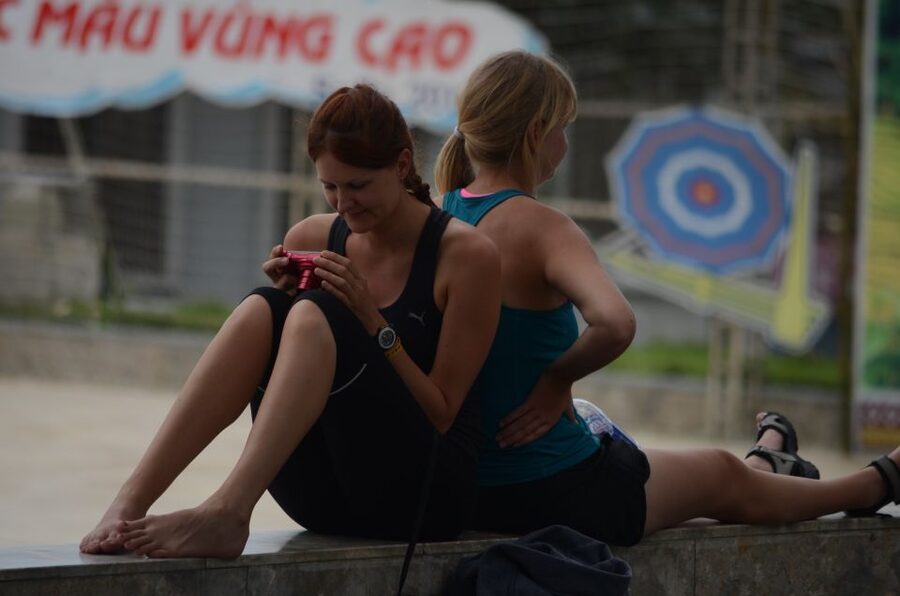
Breakfast happens around 7:30. Then you get free and easy time to explore Sapa at your own pace. This is where you can shape the trip to your style.
You might visit:
- The church
- The local market
- The Sapa museum
This open time is also smart because it gives you space to regroup if the trek ran longer or the weather changed. Mountain travel can be like that—plans stay mostly the same, but your energy level is the variable.
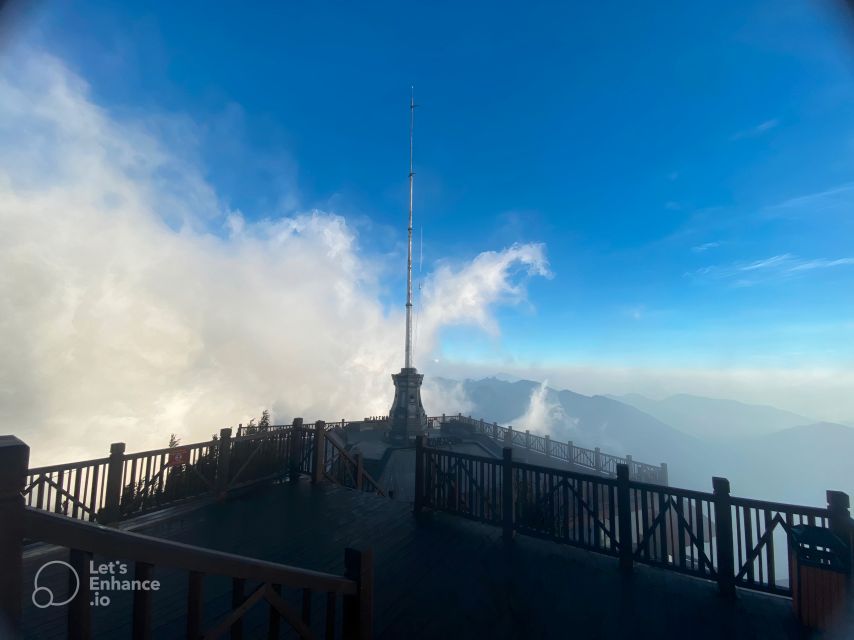
Then there’s the optional big-ticket viewpoint: Fansipan Peak by cable car. The tour can help arrange it, but you pay extra directly for:
- transfer: $20 USD per person
- return cable car ticket: $36.50 USD per person
If you’re doing Fansipan, treat it as a separate mini-planning block inside your morning. Cable car access is straightforward compared to mountain trekking, and it’s a popular way to get the high view without committing to a long hike.
When you return for lunch, your afternoon is mainly about getting ready for the ride back.
Luxury 28-seat limousine bus back to Hanoi: comfortable, but watch the clock
You leave Sapa around 13:30–14:00 on a luxury limousine bus with 28 spacious seats. This is a comfort upgrade compared to older bus styles. The schedule generally gets you back in Hanoi around 20:30, where you can return to your hotel on your own.
Why does timing matter? Because this is the day you’re most likely to want a normal dinner and an actual rest. If you get delayed earlier in the day, your night in Hanoi can feel rushed. So if you’re choosing a late-morning add-on like Fansipan, be realistic about your return time and the risk of getting pushed by traffic or weather.
Price and logistics: is $136 good value?
At $136 per person, this package is trying to solve two common problems: long travel fatigue and too much DIY planning.
Here’s what you’re paying for:
- A one-way overnight train Hanoi → Lao Cai in a soft-sleeper AC cabin for four
- A one-way luxury bus Sapa → Hanoi with 28 seats
- A 3-star hotel in central Sapa for one night (twin sharing)
- Meals named in the itinerary
- Local English-speaking guiding in Sapa
- Entrance fees for Ma Tra – Ta Phin and Lao Chai – Ta Van
- Transfers in the Sapa area and the Hanoi station connection
If you tried to assemble this yourself—especially the night train—the cost and hassle usually add up fast. You’d still need coordination for arrival time, hotel placement, and guided village access. That’s where the value lives: you’re buying time and structure.
The things that can change your final cost:
- Single supplement: $20 USD per room/night
- Fansipan cable car + transfer (extra)
- Holiday surcharges on specific dates (you pay directly with the guide if it applies)
- Drinks, tips, and personal expenses
Also, one review story highlighted rain disruption: the train can be cancelled in heavy rain, and the operator may swap the plan to a sleeper bus and even include a mini tour around the station area. That kind of backup is a real value-add if you hate being stranded. Still, pack patience for weather days.
My bottom-line take: at $136, this is strong value if you’re comfortable with a shared cabin on the train and you’re willing to choose the trekking option that matches your comfort level.
Who should book this Sapa route
This trip fits you if:
- You want to visit Sapa without losing a whole day to transport
- You like village visits with a guide who can explain what you’re seeing
- You’re okay with a group trekking structure (and you’ll choose the route wisely)
- You value central hotel location and an evening to explore town
It may not fit you as well if:
- You want easy, low-effort walking on both days
- You’re very sensitive to slippery terrain and don’t want to risk muddy conditions
- You expect hotel-level comfort in the night train cabin
If you fall into the “worried about trek difficulty” category, go for the Cat Cat option or ask very specific trail-condition questions before you sign onto the longer trek.
Should you book this 2D-2N route?
I’d book it if your goal is practical time management: night train to save a day, one real night in Sapa, and guided village time that adds meaning beyond scenery.
I wouldn’t book it blindly if trekking difficulty is a major concern for you. The longer Lao Chai – Ta Van trek can turn muddy and slippery, and you’ll want good grip shoes plus clear expectations. If you’re cautious, use the afternoon choice to steer toward the option that feels safer.
If you do book, keep one rule: plan your hiking confidence first, then decide on Fansipan. You’ll enjoy Sapa more when your body trusts the plan.
FAQ
FAQ
What transport do I use to get to Sapa?
You go from Hanoi to Lao Cai on an overnight night train, then return from Sapa to Hanoi by a luxury limousine bus.
Where do I sleep on the first night?
The first night is spent on the overnight train in an air-conditioned soft-sleeper cabin for four people.
How long do I stay in Sapa?
You have time in Sapa across two days with one night in a 3-star hotel in the center of town.
Do I get a guide in Sapa?
Yes. You have a local English-speaking guide in Sapa for the included activities.
Which villages are included?
You visit Ma Tra – Ta Phin, and for the afternoon option you either do the Lao Chai – Ta Van long trek or go to Cat Cat for trekking and a waterfall option.
Is Fansipan included?
Fansipan is optional. If you choose it, you need to pay for transfer (20 USD per person) and the return cable car ticket (36.50 USD per person).
Are hotel and entrance fees included?
Yes. The package includes a 3-star hotel in central Sapa (twin sharing) and entrance fees for Ma Tra – Ta Phin and Lao Chai – Ta Van.
What time do I return to Hanoi?
The bus leaves Sapa around 13:30–14:00, and you’re back in Hanoi around 20:30.
What should I pack?
Bring warm clothes, especially if you’re traveling from November to March, since Sapa is around 1,650 meters in altitude.