REVIEW · POKHARA
Pokhara: 3-Day Ghorepani and Poon Hill Trek
Book on GetYourGuide →Operated by Himalayan Nomad Treks Pvt. Ltd. · Bookable on GetYourGuide
Sunrise at Poon Hill can ruin your Netflix habits. You’ll hike up to Poon Hill sunrise views of the Annapurna range (plus Dhawalagiri in the mix), sleep in tea houses near Ghorepani, and come back to Pokhara feeling like you earned every photo. I also like how organized this trek feels from the start, with hotel pickup/drop-off and an English-speaking guide. The one real consideration: expect a steep, step-heavy climb—day 2 includes Ulleri’s 3,000+ steps—and the trek reaches about 3210m.
The route is nicely paced for a short trip: a scenic drive to Nayapul, walking along the Modi Khola River and through rhododendron forests, then a morning push for sunrise before you descend back the same way. Along the way, you’ll pass small villages and rural fields, then settle each night in a tea house where you can usually recharge and reset.
Value-wise, I like that the price covers permits paperwork (including TIMS) plus a Pokhara hotel night (Hotel Orchid) and a farewell Nepalese dinner in Lakeside Pokhara. Drinks, travel insurance, and a porter aren’t included, so plan those parts early if you want a lighter load.
In This Review
- Quick hits: what makes this trek work so well
- Why Poon Hill feels like a shortcut to the Annapurnas
- How the trail climbs: from Nayapul to Tikhedhunga to Ghorepani
- Day 1: Pokhara to Tikhedhunga through the Modi Khola valley
- Day 2: Ulleri stairs to Ghorepani (the day you feel in your calves)
- Day 3: Sunrise at Poon Hill, then back down to Pokhara
- Tea houses, meals, and what “included” really means
- Guides and the “small things” that keep you confident
- What to expect from the altitude and the stair workload
- Getting the best value from a $127 trek
- Packing tips that match what this trek asks of you
- Who this trek suits best (and who should pick another option)
- Should you book this 3-day Ghorepani and Poon Hill trek?
- FAQ
- What is the highest altitude reached on this trek?
- Where does the trek start and end?
- Is accommodation during the trek included?
- Are meals included?
- Is a porter included?
- Is travel insurance included?
Quick hits: what makes this trek work so well

- Poon Hill sunrise from about 3210m for big Himalayan views in a short 3-day format
- Ulleri stairs are no joke: day 1/day 2 climbs involve thousands of steps and steep sections
- Rhododendron forests + river walking along the Modi Khola make the hiking more interesting than “just stairs”
- Tea-house comfort: many stops offer WiFi and hot showers (availability can vary by house)
- Guides matter here: you’ll hike with an authorized English-speaking guide, and solo hikers often feel especially cared for
- End in Lakeside Pokhara: you’ll return by jeep from the trail area to Nayapul, then drive back to your hotel area
Why Poon Hill feels like a shortcut to the Annapurnas
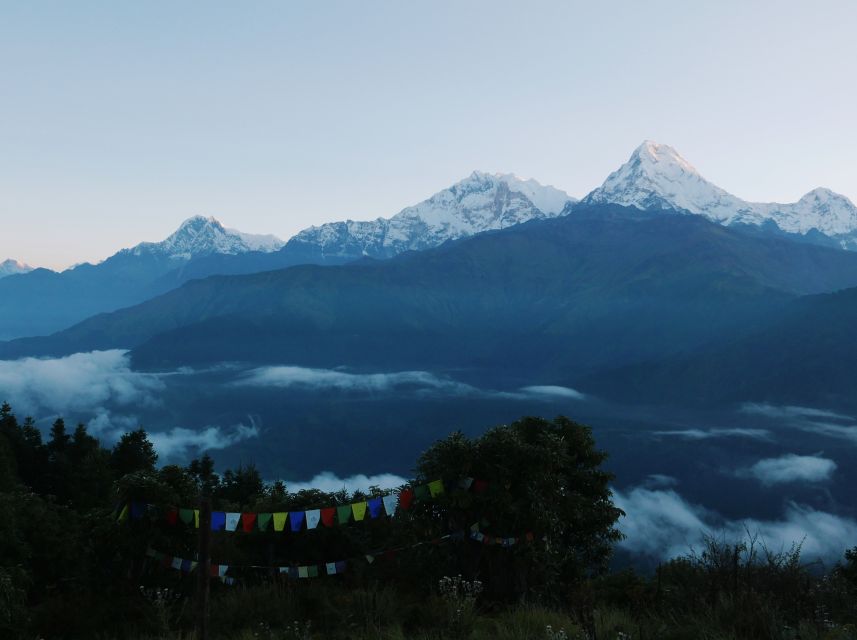
This trek is built for people who want a real Himalayan experience without committing to a longer trek. You’re not chasing technical mountaineering; you’re chasing views. And the key is timing.
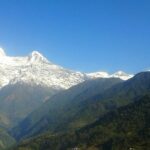
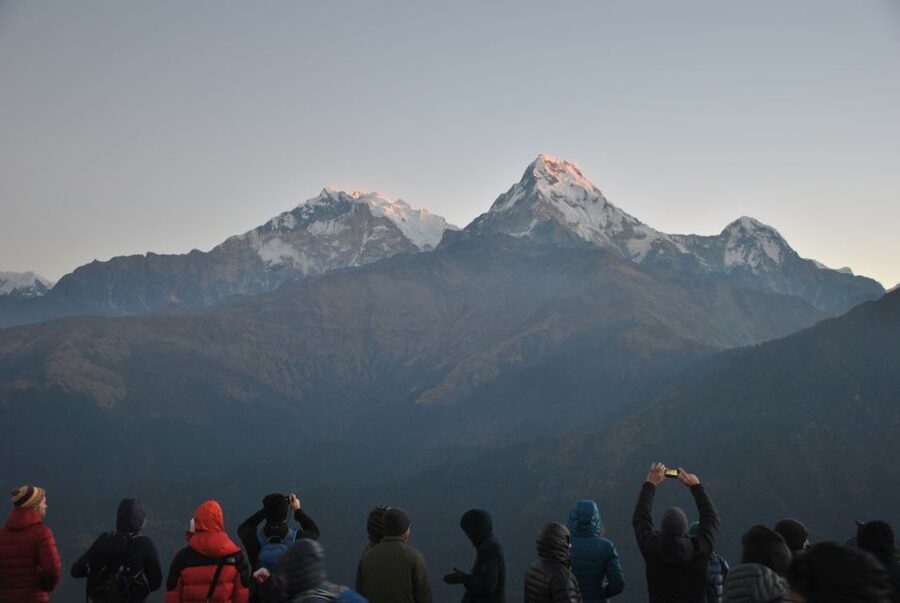
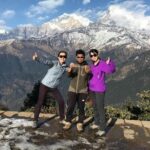
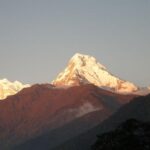
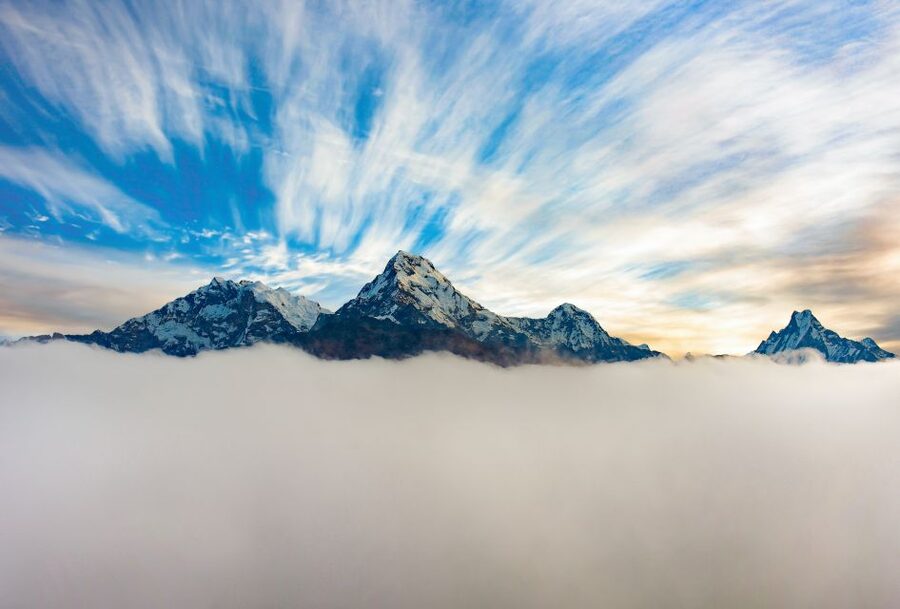
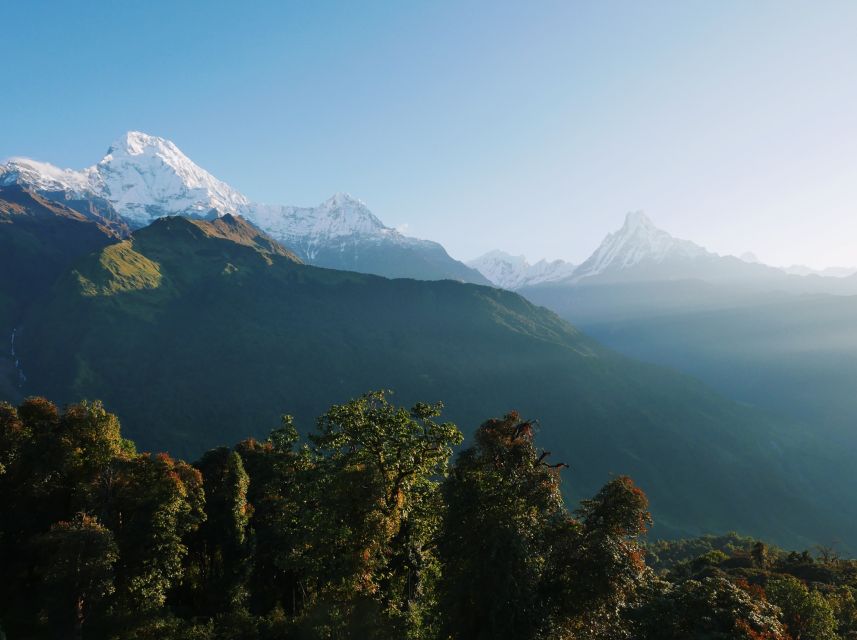
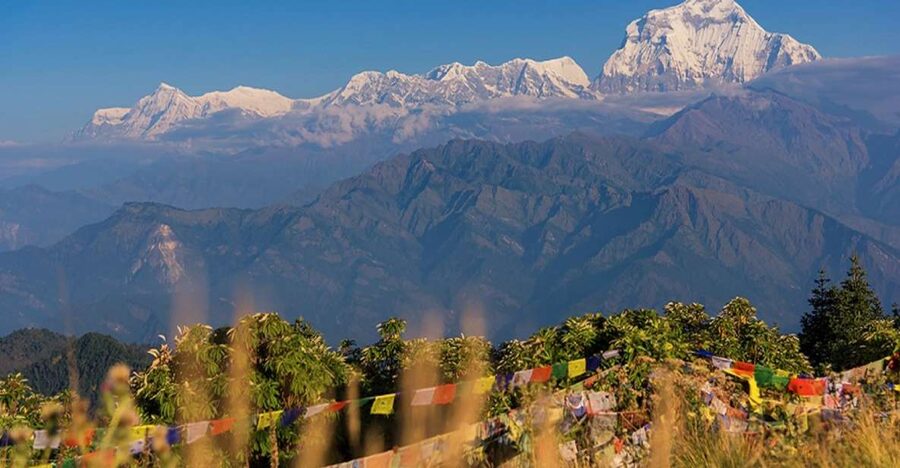
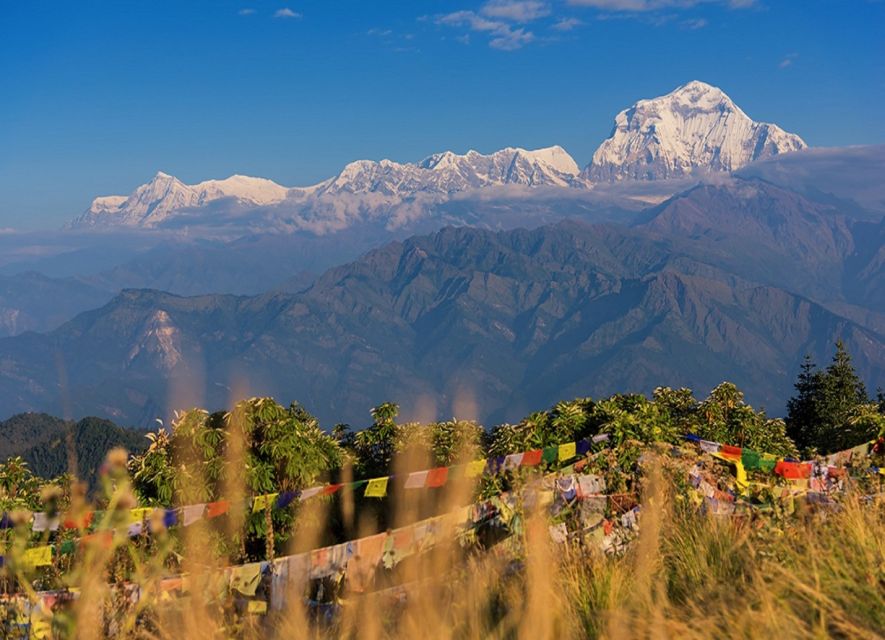
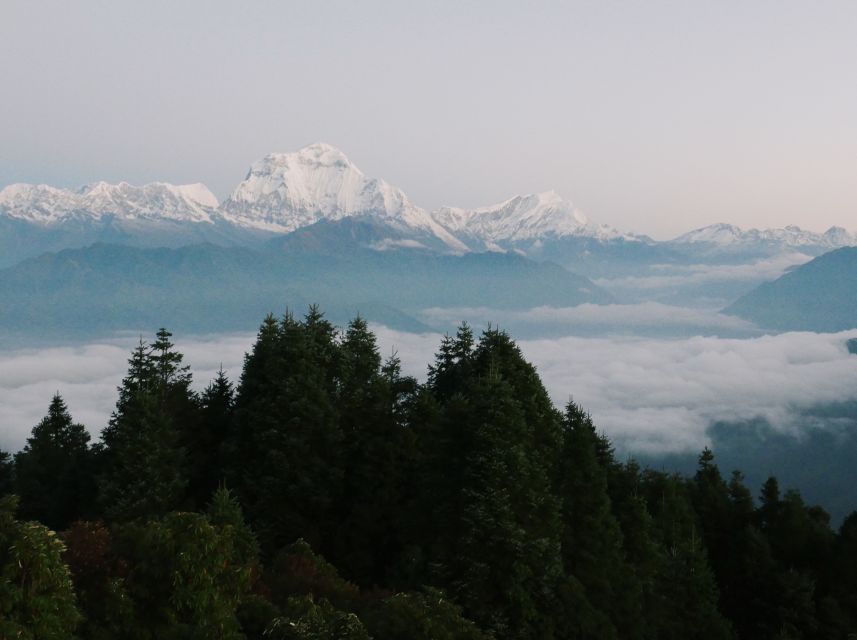
You’ll rise early for sunrise, when the mountains can look sharp and close—especially the Annapurna range. On clear mornings, the sky does that dramatic thing where light turns ridgelines into a kind of 3D map. You’ll also get a look at Dhawalagiri as you climb and position for the sunrise viewpoint.
The other reason this trek “hits” is contrast. One day you’re in village lanes and forest shade, the next you’re climbing toward a high lookout, and the last day brings a long, steep descent back down. It’s the kind of rhythm that makes you feel the altitude, but still keeps the trip short enough to be doable.
You can also read our reviews of more tours and experiences in Pokhara.
How the trail climbs: from Nayapul to Tikhedhunga to Ghorepani
The walking starts gently enough to get your legs moving, then turns real by the second day. That’s not a warning—it’s the structure.
You begin with a scenic drive from Pokhara to Nayapul. From there, the trail follows the Modi Khola River, passing small villages and sections of rhododendron forest. This first day is a good “warm-up” because it lets you adjust to the rhythm of moving on a narrow trail, stepping over stones, and negotiating occasional crowds in busier village areas.
You end day 1 in a tea house in Tikhedhunga (around 1,570m). Think of it as your staging point: close enough to Pokhara that the transition feels friendly, but high enough to make the air feel different when you step outside.
Day 1: Pokhara to Tikhedhunga through the Modi Khola valley
Day 1’s best feature is scenery variety without requiring extra effort. You’re walking alongside the Modi Khola River, so even when the trail is just trekking rhythm, the valley keeps changing—houses, fields, and forest edges come in and out.
At the end of the day, you’re sleeping in a tea house in Tikhedhunga. Tea-house nights can be simple, but they’re practical: a warm meal, a place to charge your phone (WiFi can be available at some stays), and a bed that’s usually much easier than camping for a first high-altitude hike.
Day 2: Ulleri stairs to Ghorepani (the day you feel in your calves)
If day 1 is about settling in, day 2 is about proving you can handle steep. You’ll climb up toward Ulleri village, with the famous “thousands of steps” feel—over 3,000 steps is specifically part of what you’re planning for.
After Ulleri, the trail continues through rhododendron forests, then arrives at Ghorepani at about 2,840m for your second night. What I like about this day is that the challenge is clear, but the forest walking gives you visual breaks. It doesn’t feel like you’re just grinding uphill for hours with no reward until sunset.
Day 3: Sunrise at Poon Hill, then back down to Pokhara
Day 3 is a two-part story: early-morning climb and late-morning descent.
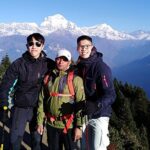
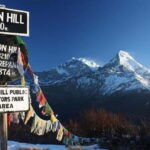
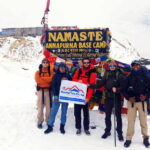
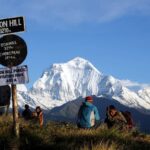
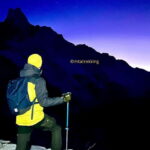
You’ll climb up toward Poon Hill, where you’ll catch sunrise and get dramatic views of the Annapurna range, with Dhawalagiri often in the broader panorama. Sunrise mornings are cold at this altitude, so the hike up isn’t just for sightseeing—it’s also how you warm your body and get your circulation going before the view settles in.
After the sunrise moment, you descend back down the same route toward Ulleri (still steep), then continue further through forests toward Hile. Finally, the trail connects to modern convenience: you take a Jeep back to Nayapul, and then you’re driven to Lakeside Pokhara.
That last stretch matters. A lot of short treks stop abruptly. Here, you get a complete “back to town” finish, so you can actually enjoy a proper shower and a real meal in Pokhara after days of trekking.
Tea houses, meals, and what “included” really means
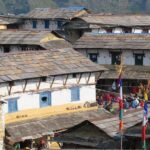
This trek includes accommodation during the days on the trail, plus one night in Pokhara at Hotel Orchid. You also get a farewell Nepalese typical dinner in Lakeside Pokhara.
On food: the full package includes breakfast, lunch, and dinner during the trek. Soft and hard drinks are not included, so treat meals as fuel, not as a beverage plan. Also note that lunch and evening meals in Pokhara at the end of the trek aren’t listed as included—so have a little extra budget for that first easy day back.
On comfort: tea-house quality can vary. Still, based on firsthand experiences from people who have done this route, it’s common to find WiFi and hot showers available at some tea houses. That doesn’t mean every stop will be identical, but it’s a strong sign you won’t be living with zero creature comforts.
Guides and the “small things” that keep you confident
The biggest difference between a stressful trek and a smooth trek often isn’t the trail—it’s what happens when plans change or your body needs extra time.
You’ll be with an authorized English-speaking guide (English, Hindi, and Nepali are listed as available languages). Several guides have led this trek for different groups—people have named Deepist (often called Deep), Keshab, and Kaji. In real terms, that means your guide should be able to explain what you’re seeing, keep the pacing realistic, and handle the logistics of pickup, transport, and timing.
I also appreciate how this kind of setup supports solo travelers and first-timers. One solo trekker described feeling extremely safe and taken care of. For a short trek like this, safety and clarity matter because you’re moving quickly enough that confusion would waste daylight.
What to expect from the altitude and the stair workload
This trek tops out at about 3210m, but the bigger day-to-day challenge is how steep the route feels.
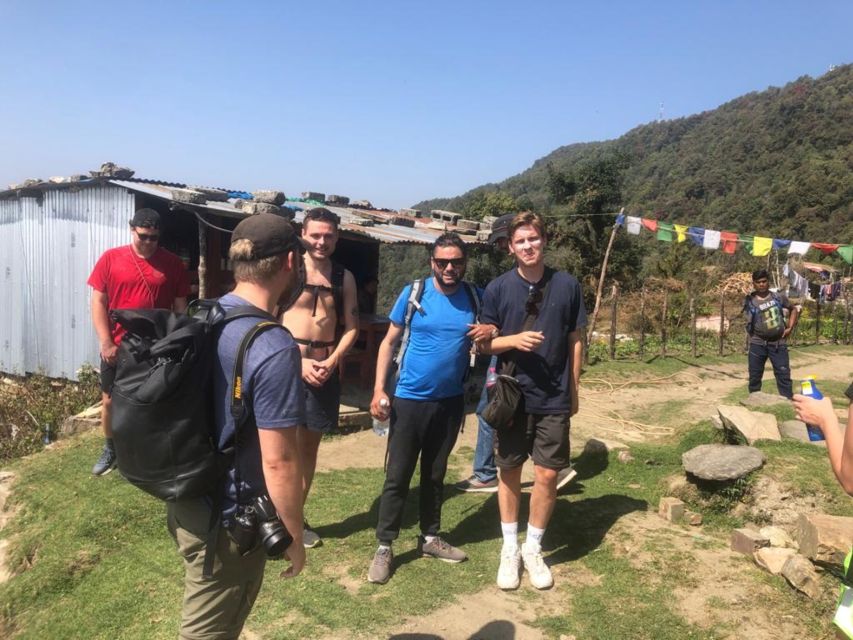
The trail includes a steep ascent in the Ulleri area with over 3,000 steps, and people who have done it emphasize that you should have a sporty base and be able to climb lots of stairs. The good news is that you’re not doing this in a single nonstop push; tea houses break up the day, and you can rest as you need.
Still, don’t treat it like a walk in the park. If stairs make you miserable, you’ll still be miserable on these stairs. If you manage your pace, take frequent short breaks, and keep your breathing steady, the climb becomes something you can ride out.
Also, it’s explicitly not suitable for pregnant women. If that applies to you, you’ll want a different plan.
Getting the best value from a $127 trek
Let’s talk price in a practical way. At $127 per person, you’re paying for a bundle: permits and paperwork (including TIMS), trekking permits, accommodation on the route, a Pokhara hotel night, and a guide with his insurance, plus staffing costs across meals and lodging.
The big “value” items here are the less-glamorous parts: permits, the guide’s work to coordinate transport to/from the trail, and the fact that you don’t have to figure out logistics mid-trip. For many people, that’s worth more than a cheaper option that requires more DIY.
What’s not included also affects real cost:
- Porter isn’t included, so your pack weight is your responsibility
- Travel and rescue insurance isn’t included
- Drinks aren’t included
- Personal expenses like phone charging, laundry, and extra bottled/boiled water aren’t included
- If you need extra nights in Pokhara outside the schedule, that isn’t covered
My advice: if you tend to carry a lot, plan either a smaller daypack (even better if you can keep it light) or budget for a porter separately if that’s an option you want. Your legs will thank you on the long stair sections.
Packing tips that match what this trek asks of you
You’ll be better prepared if your kit matches the conditions of a short mountain hike: cool mornings, cold sunrise starts, and lots of walking hours.
From the provided packing list, the essentials include:
- Passport or ID card
- Sunscreen, hat, sunglasses
- Jacket, long pants, shorts (layering helps)
- Daypack + change of clothes
- Flashlight (useful for early starts)
- Trekking gear and socks
- Water plan (water is listed as something to bring, and you’ll need steady hydration)
- Cash
One practical note: bring layers you can adjust quickly. Sunrise hikes start cold, then your body warms once you’re climbing. If you overdress early, you’ll sweat and feel annoyed; if you underdress, the cold will slow you down.
Also, have a sleeping bag on hand. Even in tea houses, you’ll appreciate extra warmth when temperatures drop at higher altitude.
Who this trek suits best (and who should pick another option)
This 3-day Ghorepani and Poon Hill trek suits you if:
- You want classic Annapurna-area views in a short time
- You’re okay with stairs and steep segments
- You like structured planning (pickup, permits, guides, and tea-house nights handled)
- You want a private group setting
It may not suit you if:
- You can’t handle steep climbs or lots of steps
- You’re looking for an easy, flat hike
- You’re pregnant (explicitly listed as not suitable)
For first-time hikers, the route works because the challenge is clear and the itinerary isn’t overly ambitious. For experienced hikers, it’s a good “quick hit” trek that still delivers a real mountain sunrise moment.
Should you book this 3-day Ghorepani and Poon Hill trek?
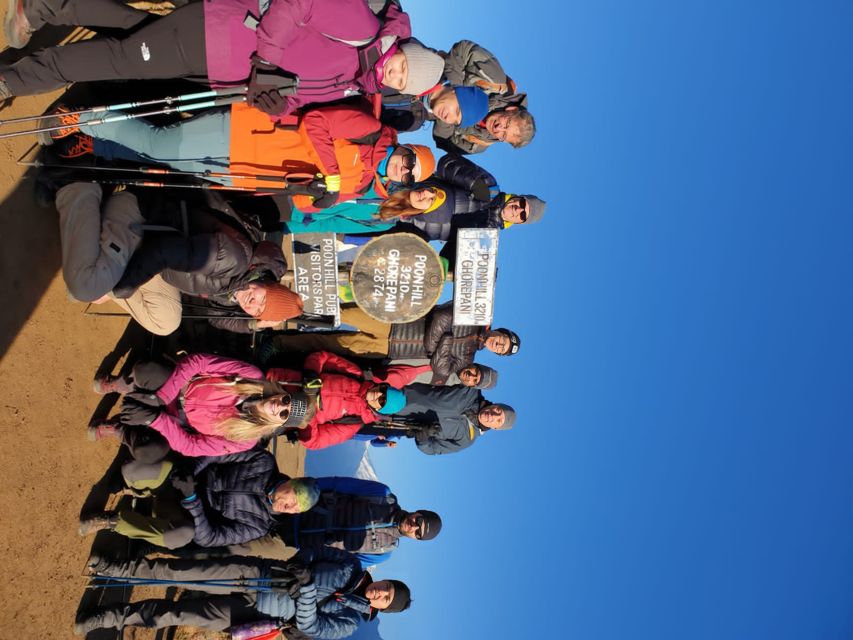
Book it if you want a straightforward way to reach the Annapurna views that people travel for—especially if sunrise at Poon Hill is your priority. The combination of organized transport, tea-house stays, and a guide who can keep things running smoothly makes it a smart choice for a short trek.
Think twice if you hate steep stairs, you dislike early mornings, or you want everything to feel easy. This route asks for effort, and the Ulleri climb is a big part of that.
If you do go: pack for cold sunrise starts, keep your daypack light, and take the climbs at a pace you can sustain. Do that, and the payoff is real—the kind of view that makes the early wake-up feel like a good deal.
FAQ
What is the highest altitude reached on this trek?
The trek reaches an altitude of about 3,210m above sea level (Poon Hill).
Where does the trek start and end?
You’ll start with hotel pickup in Pokhara and drive to Nayapul. The trek ends back in Pokhara (Lakeside) after a Jeep to Nayapul and then a drive to your hotel.
Is accommodation during the trek included?
Yes. Accommodation is included for the nights during the trek, plus the last night in Pokhara at Hotel Orchid.
Are meals included?
All meals (breakfast, lunch, dinner) during the trek are included for the full package option. Drinks during the trek are not included.
Is a porter included?
No. A porter is listed as not included.
Is travel insurance included?
No. Travel and rescue insurance is listed as not included.