REVIEW · CHIANG MAI
3-Day Chiang Dao Mountain Trek
Book on Viator →Operated by ActiveThailand · Bookable on Viator
Jungle trails. Hill-tribe villages. Real hiking. I love the small-group feel and how guides like Mr. Tan and Mr. Sap turn the walk into stories about plants and village life. I also love that you eat home-cooked meals and sleep in homestays instead of bouncing between hotels. The catch: you’ll carry a 45L backpack and spend real time on steep, uneven ground.
What makes this trek work for most people is the logistics. You get hotel pickup (within Chiang Mai’s second ring road), round-trip transport, and a plan that keeps you moving without you playing map detective. Still, this is not a casual stroll. The trip asks for moderate fitness and the ability to hike 5 to 6 hours on undulating terrain.
In This Review
- Key things I’d mark on your mental map
- Leaving Chiang Mai without losing your day
- Your guide (Mr. Tan, Mr. Sap) makes or breaks the trek
- Day 1: market stop, mountain transfer, and your first homestay night
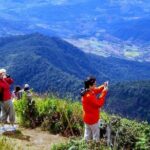
- Day 2: the long, steep day with jungle trails and ridge time
- Day 3: waterfall break, Maetang River valley descent, and the hard-earned calm
- What the meals and homestays really mean for your trip
- How fit you need to be (and how to save your knees)
- Price and value: why $256 can feel fair
- Packing for a 45L backpack trek (travel light, move smart)
- Who this trek suits best
- Should you book the 3-Day Chiang Dao Mountain Trek?
- FAQ
- How hard is the Chiang Dao trek?
- What’s included in the $256 price?
- How big is the group?
- Where do we start and where do we end?
- Can I request vegetarian meals?
- What if weather is bad?
Key things I’d mark on your mental map
- Up to 10 people in a small-group trek (with a stated max of 12), so you’re not lost in a crowd
- Guides who teach on the move, from plant tasting to jungle navigation (Mr. Tan and Mr. Sap get named a lot)
- Homestays and local meals that feel like part of the route, not a side attraction
- A tough day in the middle, with the longest, steepest hiking on Day 2
- Night noise is part of village life, so earplugs can be a smart move
- You carry your stuff in a 45L backpack throughout the trek, with a season-based kit list provided
Leaving Chiang Mai without losing your day
This trek starts with a morning transfer out of Chiang Mai. You’ll either meet at Le Dta’ Wan Food Market (start time listed as 9:00am) or do hotel pickup from Chiang Mai city (within the second ring road area), with pickup noted around 8:30am. Either way, the goal is the same: get you north fast enough that you’re hiking while the day is still fresh.
Once you’re on the road, you’ll stop at a local market where your guide shares ingredients and context before the mountain walking starts. It’s a small moment, but it sets the tone. You’re not just hiking through greenery. You’re moving through a working region where people farm, cook, and live close to the hills.
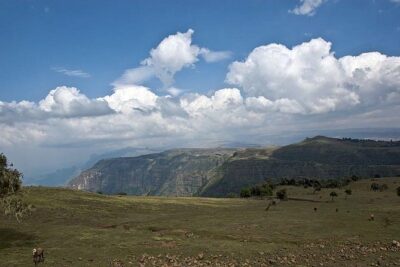
And then, gradually, the city disappears. By the time you’re on trails, you’ll understand why Chiang Dao is famous with hikers: there’s a lot of jungle feel, ridgeline walking, and the sense you’re heading into a different rhythm of life.
You can also read our reviews of more tours and experiences in Chiang Mai.


Your guide (Mr. Tan, Mr. Sap) makes or breaks the trek
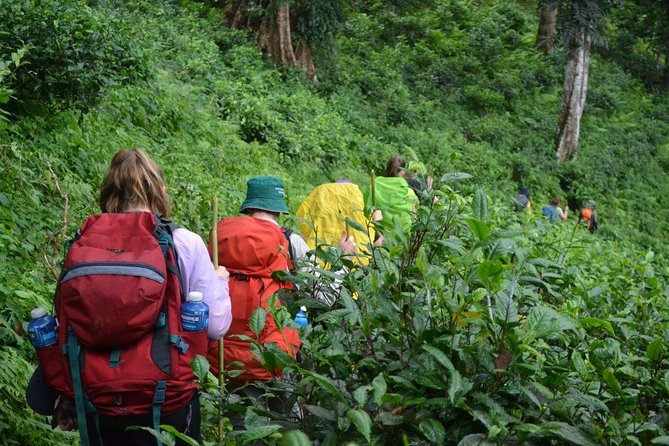
With a small group, your guide’s style really shows. In this trek, the guides named in feedback—especially Mr. Tan and Mr. Sap—get credit for two things: pace control and on-the-ground teaching.
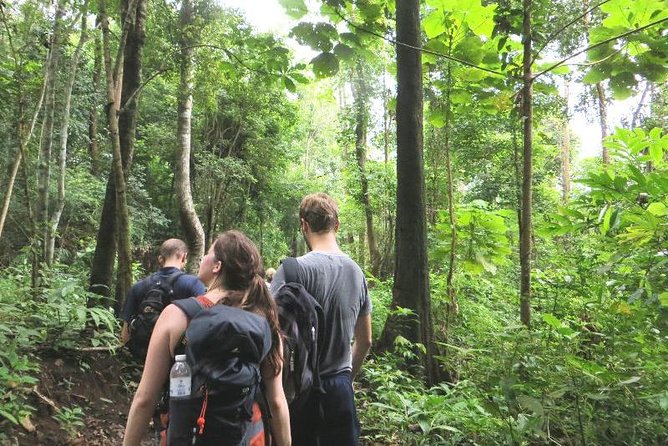
First, they watch the group. People describe mixed ages in the same group (including early 60s and mid-20s), and the consistent theme is that the guide adapts so everyone stays safe and moving. That matters because this isn’t a flat trail. It’s undulating, often steep, and you’ll be judged by your knees as much as your legs.
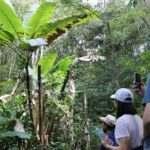
Second, guides turn the jungle into a classroom. You might taste plants along the way, hear what you’re seeing and why it matters, and get explanations about local farming and village life. If you’re the type who likes learning while you move (not after, in a lecture), this part can be the best souvenir you take home.
One more practical note: trails aren’t always neat and obvious. You may find that the path gets overgrown enough that the guide has to cut a way through with a knife. That’s normal for this kind of remote hiking, and it’s also a reminder to wear footwear that can handle messy ground.
Day 1: market stop, mountain transfer, and your first homestay night
Day 1 is your transition day. Pickup happens in the morning, then you drive north to escape city life and get into the Chiang Dao region. The market stop is your first taste of local rhythms. Instead of only buying snacks, you get a quick introduction to ingredients that show up later in meals.
The exact amount of hiking on Day 1 can vary by route and conditions, but expect a day that builds into the trek rather than starting at peak intensity. You’ll settle into the homestay component as part of the experience, not as a separate activity.
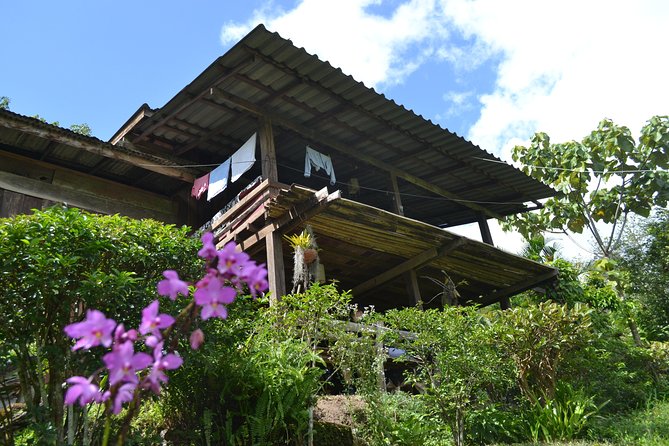
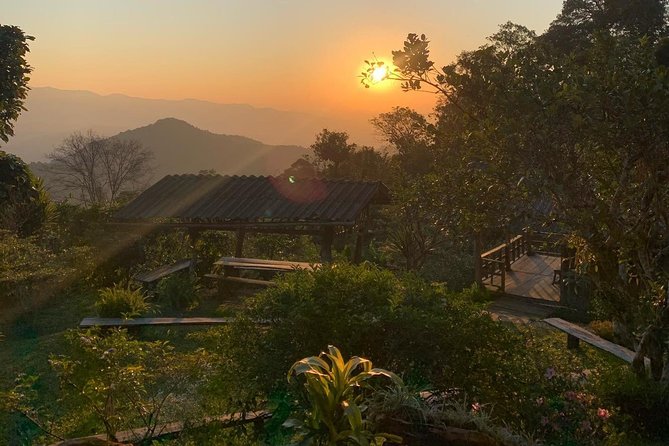
This is where the trek gets more “real world” than tourist Thailand. Your overnight setup is basic but described as clean and workable. One person noted solar power in the accommodation, which can be a comfort if you’re trying to recharge phones and power banks.
One thing to plan for: village life includes sounds. Even on the first night, it’s not the quiet of a hotel. On the second night, the noise can be more noticeable (dogs, roosters, and singing). If you’re a light sleeper, pack earplugs. It’s a small thing that pays off big.
Day 2: the long, steep day with jungle trails and ridge time
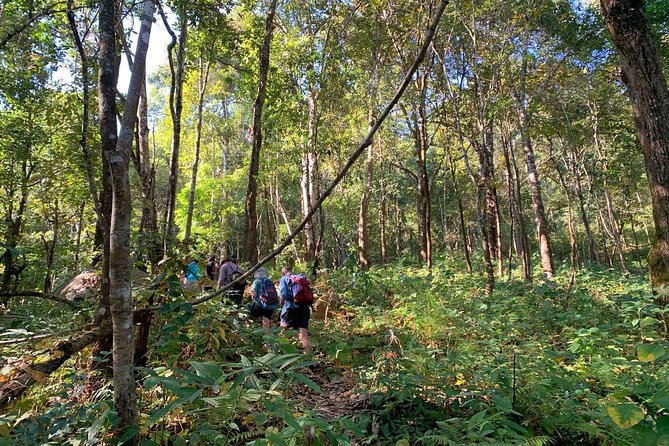
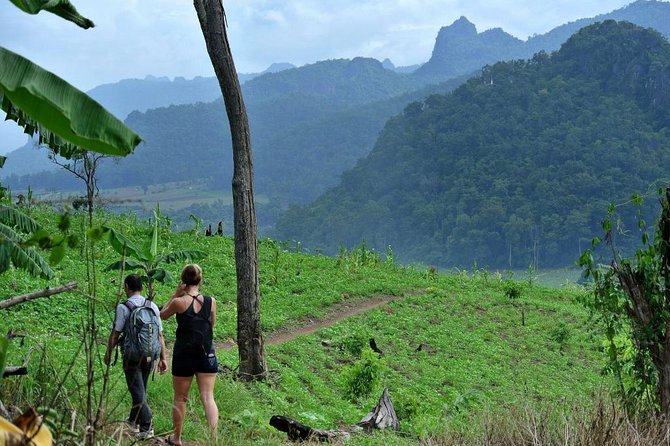
Day 2 is the one most people remember. After waking to mountain sounds, you’ll have breakfast with locally grown tea or coffee from the plantation area. Then the walking starts in earnest—described as a challenging day with jungle trails and criss-crossing routes.
This is also the day where you should expect a lot of altitude gain and loss. Even if the route varies, the effort is consistent: steep up-and-down sections that test your legs, and yes, test your knees going down. If you’ve ever thought, I can handle stairs at home, but I never tested my knees on repeated descents—this day is where you find out.
A practical way to think about Day 2: it’s not just distance. It’s rhythm changes. You’ll go from ridge walking to tighter jungle paths and back again. The pace can feel stop-and-go because the guide keeps explaining plants and village life and sometimes has you taste things along the way.
Also, Day 2 is where you’ll want to be mentally ready for trail conditions. If it looks a little wild underfoot, it probably is. You’re in a genuine hiking environment, not a maintained park path.
Day 3: waterfall break, Maetang River valley descent, and the hard-earned calm
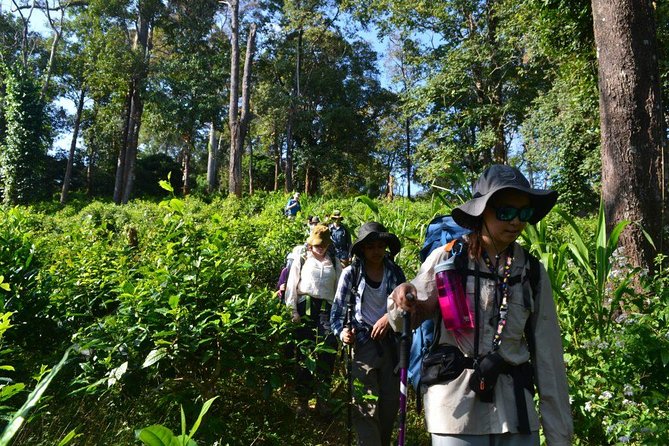
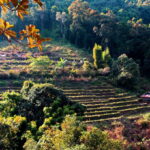
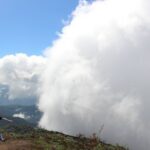
Day 3 starts with breakfast on the mountain, then you begin your final leg. This part is described as a three-hour descent down toward the Maetang River valley. The visual shift is part of the reward: you go from more ridge-and-jungle feel into river valley scenery.
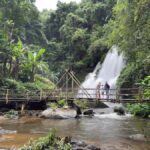
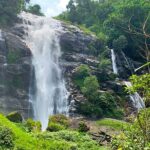
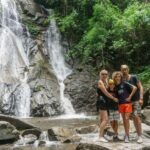
On the way down, you’ll stop at a waterfall for a break. It’s a good reset moment—walk, pause, breathe, and hydrate—before lunch. Lunch is served in a tranquil riverside setting, which is a nice payoff after the morning effort.
After that, the day wraps with the drive back toward Chiang Mai, and the tour ends back at the meeting point. The day feels calmer than Day 2, but your legs will still notice what you did yesterday.
What the meals and homestays really mean for your trip
Meal coverage is one of the better value parts of this trek. Your price includes:
- Breakfast (2)
- Lunch (3)
- Dinner (2)
You’re also not just eating a generic group meal. The experience is built around home-style cooking by your guide and the homestay environment. In feedback, guide cooking gets praised repeatedly as a highlight, with descriptions like absolutely fantastic and awesome Thai meals.
That said, you should plan for what isn’t included. Drinks at homestays or restaurants are not included, and you’ll have personal spending money to cover extra snacks or sodas if you want them.
Homestays are also a trade-off: you get a closer look at real village life, but you don’t get hotel silence. Dogs and roosters are part of the nighttime soundscape, and it can be difficult to control noise nuisances in a village setting. In January, one person reported no mosquitoes, which is a nice note if you’re booking for cooler months—but don’t assume every season will behave the same way.
How fit you need to be (and how to save your knees)
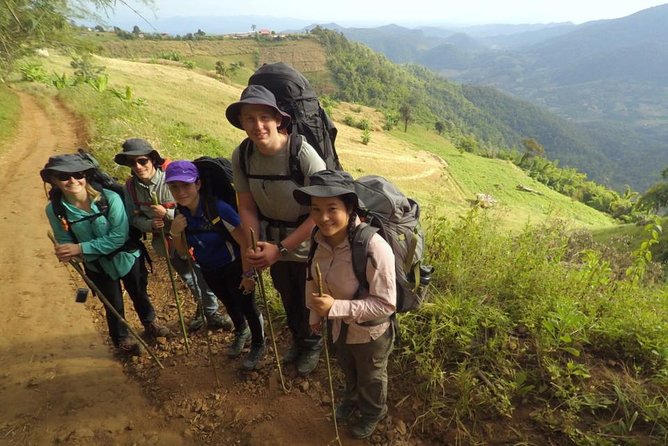
This trek is for people with moderate fitness. You should be able to hike 5 to 6 hours on undulating ground. Day 2 in particular is demanding, with steep walking and plenty of downhills.
If you’re unsure where you land, ask yourself this: Can you comfortably walk on uneven ground for hours, and can you handle descents? A lot of the difficulty comes from downhill stress. One review even mentioned downhills being heavy on the knees, which is exactly how it feels for many people.
Helpful mindset:
- Go slower on uphills than you think you need to.
- Take your time on descents and keep steps short.
- Pack for comfort, not style. You’ll be moving for hours.
Footwear matters. You’ll be advised to wear hiking boots or runners suited to outdoor conditions. If you only bring city sneakers with smooth soles, this trek will remind you why trail shoes exist.
Price and value: why $256 can feel fair
At $256 for about three days, the value is mostly in what you don’t have to manage yourself. You get:
- Small-group trekking
- Pickup and round-trip transport from Chiang Mai
- A guide (including meals cooked by the guide)
- Most meals covered (two breakfasts, three lunches, two dinners)
You’re also paying for the homestay experience and the fact that the trek takes you far from tourist-heavy routes. That’s not “luxury,” but it’s often the difference between a box-ticking tour and a day that feels like it connects with the place.
What can affect your real total: drinks, personal spending, and whatever you choose to bring as comfort upgrades (like extra water, electrolyte tabs, and those earplugs you’ll be glad you packed).
Packing for a 45L backpack trek (travel light, move smart)
You’ll need to limit your personal effects to fit in a 45L backpack, and you carry it through the trek. This is key. If you show up with a huge pack you’ll end up miserable before the first big climb.
You’ll get a kit list based on the season, but the big practical ideas from the trek itself are simple:
- Wear suitable outdoor clothing and footwear (hiking boots or runners)
- Bring what you need for multiple days outdoors
- Don’t over-pack because you still have to carry it
Also: if you’re a light sleeper, plan for village nights. The advice isn’t subtle: earplugs can save you on the second overnight when dogs and roosters are most noticeable.
One more practical note from feedback: communication before the hike can sometimes be an issue. Not everyone experiences it, but it’s smart to confirm details with the provider a day or two before you leave your hotel.
Who this trek suits best
This trek fits you if you want:
- A challenging 3-day hiking experience north of Chiang Mai
- Real homestay nights instead of private hotel rooms
- A guide-led hike where you learn while you walk
- A small group pace (not a bus-and-photos kind of day)
It may not fit you if:
- You want an easy, low-effort nature walk
- You’re traveling with young children (the trek isn’t suitable for children under 10 unless they’re used to multiple hours of hiking)
- You can’t handle basic accommodations and village sounds
If you’re comfortable with the effort and open to the rural rhythm, this is the kind of trek that changes how you see the region.
Should you book the 3-Day Chiang Dao Mountain Trek?
Book it if you’re excited by hiking that feels off the main tourist path and you want homestay meals that are part of the journey, not a side quest. The best moments here are often the guide-led details: the plant tastings, the explanations about daily village life, and the way your group gets shaped into a working hiking unit.
Don’t book it if you’re looking for a soft itinerary. This is physically demanding at times, with long walking and steep sections. You also have to accept village realities—especially nighttime noise—plus the reality that you carry a 45L pack.
One last check: weather matters. The trek requires good weather, and if it’s canceled due to poor conditions, you’ll be offered a different date or a full refund. If you hate uncertainty, book with the flexibility to handle a date shift.
FAQ
How hard is the Chiang Dao trek?
You should have moderate physical fitness. You need to be able to hike about 5 to 6 hours on undulating landscapes, and the walk includes challenging jungle trails and steep up-and-down sections, especially on the middle day.
What’s included in the $256 price?
The price includes pickup (where available) and round-trip transport from Chiang Mai, a guided trek, and meals: 2 breakfasts, 3 lunches, and 2 dinners. Drinks at homestays or restaurants and personal spending are not included.
How big is the group?
It’s designed as a small-group trek with a maximum of 10 people, and it also lists a maximum of 12 travelers for the activity.
Where do we start and where do we end?
You’ll start at Le Dta’ Wan Food Market (start time listed as 9:00am). The activity ends back at the meeting point. Hotel pickup is offered for accommodations within the second ring road radius in Chiang Mai.
Can I request vegetarian meals?
Vegetarian meals need to be planned in advance. You should advise at time of reservation if you want vegetarian options.
What if weather is bad?
The trek requires good weather. If it’s canceled due to poor weather, you’ll be offered a different date or a full refund.