REVIEW · CUSCO
4-Day Lares Trek to Machu Picchu
Book on Viator →Operated by Inkayni Peru Tours · Bookable on Viator
If you want fewer crowds, this trek delivers. The Lares route takes you through small Quechua communities, over high passes, and into Machu Picchu with a morning plan meant to help you beat the worst of the day.
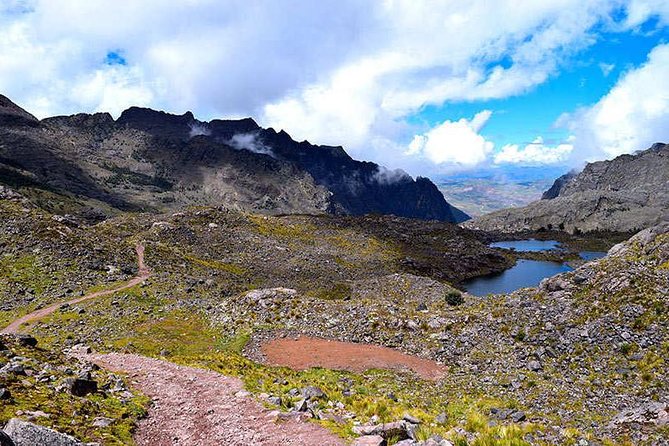
I really like two things about how this trip is set up. First, you get real trekking time on the less-crowded path, with serene valleys, alpine lakes, and big Andean views (including near-14,000-foot passes). Second, Machu Picchu isn’t just a drop-off: you get a guided visit plus time to explore on your own.
One consideration: this is not a walk-in-the-park at altitude. You’ll reach nearly 14,000 feet (4,400m), so you’ll want strong physical fitness and to take the pace seriously.
In This Review
- Key things to know before you go
- Why the Lares Route Feels Quieter Than the Usual One
- Cusco Start: Early Pickup, Sacred Valley Drive, and Pumahuanca
- Day 2: Yanacocha, a Highest Pass, and the Long Downhill to Cuncani
- Day 3: Home Visit with Quechua Families, Alpaca Textiles, and Lares Hot Springs
- Machu Picchu Morning: Guided Entry, Optional Peaks, and Time to Wander
- Ollantaytambo and Inca Terraces: What to Watch For
- What’s Included (and What You’ll Need to Pack)
- Price and Value: Is $656.42 a Good Deal?
- Altitude and Timing: How to Set Yourself Up for Success
- Should You Book This Lares Trek to Machu Picchu?
- FAQ
- What time does the tour start in Cusco?
- How high does the trek get?
- Are meals included, and are there any exceptions?
- Do I need to bring a sleeping bag?
- Is there a hotel involved?
- Is Huayna Picchu included?
- Can I request vegetarian meals?
- Is travel insurance included?
- Is the group size small?
Key things to know before you go
- Small group size (max 15): easier to move, less chaotic at camps and viewpoints
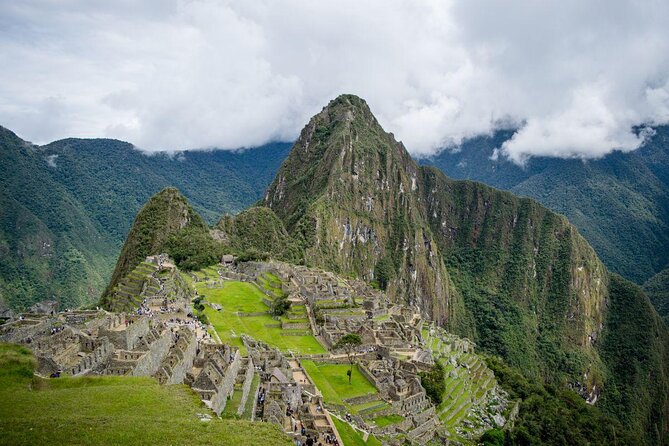
- Morning Machu Picchu entry plan: bus timing designed to help you avoid the busiest crowds
- High-pass trek with lakes: you’ll cross the Andes and pass places like Yanacocha (Black Water Lake)
- Culture that’s built in: a home visit, Quechua traditions, and time with local textiles
- Hot springs in the mix: a calmer reset day with Lares hot springs after the hiking work
- All-in camping + Aguas Calientes hotel: meals, tents, mattresses, and transfers reduce logistics stress
Why the Lares Route Feels Quieter Than the Usual One
Machu Picchu is famous, so crowds are part of the equation. What this trek does well is shift the focus so you spend your energy in the places people skip: the Lares highlands and everyday Andean life.
The route is built to feel less rushed. You travel between Cusco and the trekking start point through the Sacred Valley, then settle into a true hike with gradual altitude gains, camping nights, and mountain scenery that feels like it belongs to the Andes—not a theme park. With a maximum group size of 15, the experience stays human. It’s big enough to be comfortable, small enough to avoid that constant line-and-wait feeling.
You’ll also notice the trip is structured around variety. Expect rainforest-edge valleys early on, then higher passes, then lakes, then villages, and finally the contrast of Machu Picchu’s stone terraces. It’s a good mix for anyone who worries that a “trek to a ruin” can turn into nonstop transportation.
You can also read our reviews of more tours and experiences in Cusco.
Cusco Start: Early Pickup, Sacred Valley Drive, and Pumahuanca
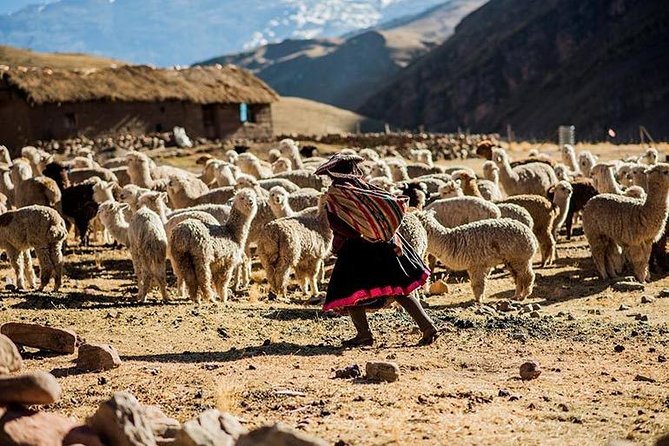
You’ll begin with an early start in Cusco—pickup from your hotel before the action really heats up. The listed meeting time is 5:00 am, which matters because the day is paced around getting you to the trekking base area in time.
From Cusco, you’ll ride by private transport through the Sacred Valley. This isn’t just transfer time. You get views of snow-capped peaks and traditional Andean villages as the altitude environment shifts under your feet. You’ll reach Pumahuanca (2,950m / 9,678 ft.), the trek start point.
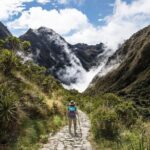
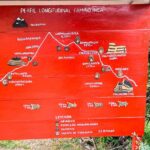
Day 1 is a steady climb: about 14 km (8.7 mi) with roughly 1,150 m of elevation gain. The walking is described as going through scenic valleys with native forests and streams. That’s a nice change from the “all-bare-rock all-day” feeling some routes give you.
A small but meaningful stop is Pumahuanca, an Inca site where your guide explains regional history plus flora and birdlife. That kind of context helps you connect the dots once you’re later looking at terraces and water systems in other places.
Practical note: water is included, but not for the first 4 hours. You’ll need to bring water early in the day, which is one of those small details that can make or break your comfort on a first climb.
Day 2: Yanacocha, a Highest Pass, and the Long Downhill to Cuncani
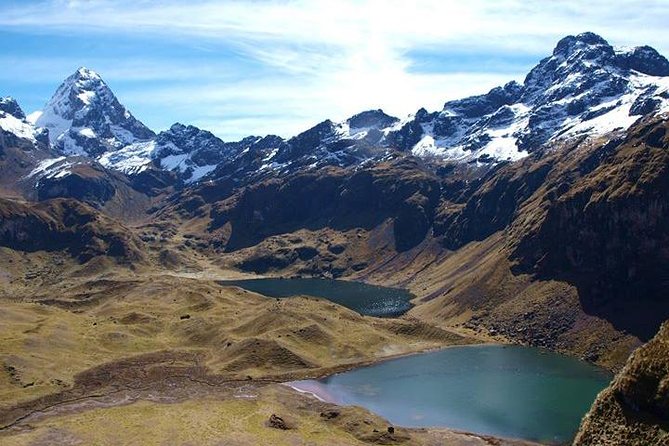
Day 2 is the “big views” day. Terrain is easier compared to Day 1, but you still have a lot happening in fewer hours. You start from your high campsite at Puyoc, then trek about 13 km (8 mi) toward Cuncani, at 3,900m / 12,795 ft.
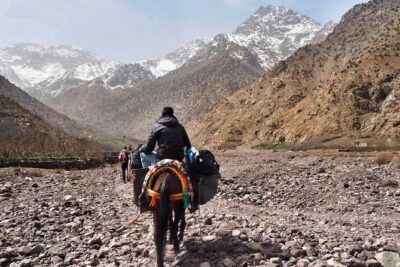
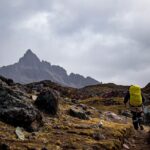
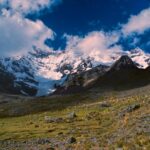
The day begins with a two-hour climb to the highest pass of the trek. That climb is the moment when your body asks questions. Your reward is sweeping panorama of snow-covered peaks and remote valleys—exactly the kind of payoff you hope for on a high-altitude hike.
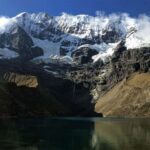
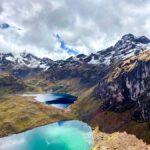
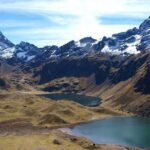
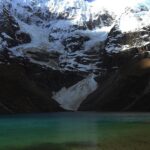
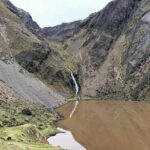
After the pass, the route shifts. Most of the journey is described as a gentle downhill descent, which is a relief for your legs after altitude work. This is also where you get the lake moment: you’ll pass Yanacocha (Black Water Lake), which reflects the sky in dark, mirror-like water.
The best part of that stop isn’t just the photo potential. It’s the mental reset. After exertion, seeing calm water and wide-open sky makes the whole trek feel more “Andes” and less “job.”
Day 3: Home Visit with Quechua Families, Alpaca Textiles, and Lares Hot Springs
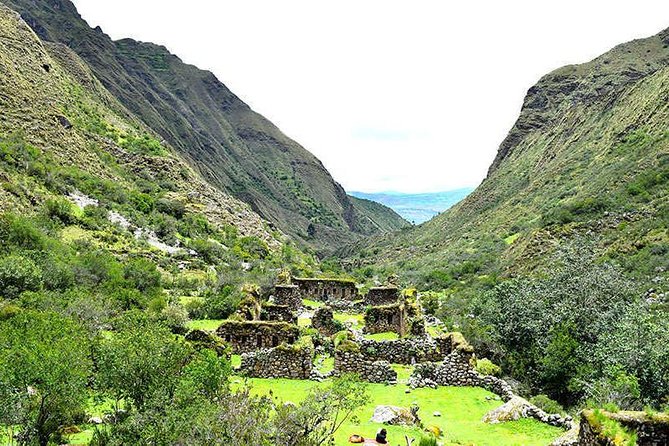
Day 3 shifts gears from scenery to people. You’ll wake early and meet an Andean family at a local home. This is the part that feels most grounded because it’s not a timed “look and leave.” You’re meeting locals who share their traditions, and there’s time to interact in a natural way.
There’s also a cultural element that’s worth paying attention to: you’ll have chances to offer small gifts and browse handwoven alpaca textiles, known for quality and craftsmanship. If you like souvenirs that don’t feel mass-produced, this is one of the better places on the trip to do it—because you’re seeing the craft in context.
Then you head back out on foot. You leave Cuncani and descend about 6 km (3.7 mi) toward the Lares hot springs, around 3,150m / 10,334 ft. On the way, you’ll pass quinoa and tarwi fields. This is the “how people live up here” part of the story: farming at altitude, with real crops and real routines.
The itinerary explicitly includes Lares hot springs, which means you should plan for a genuine recovery moment. After two days of trekking, soaking in hot water is the kind of luxury that actually earns its place.
One more practical detail: the trip includes an oxygen bottle and a first aid kit. That doesn’t remove the need for smart pacing, but it does signal that the operator takes altitude seriously.
Machu Picchu Morning: Guided Entry, Optional Peaks, and Time to Wander
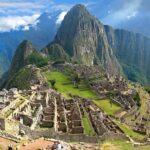
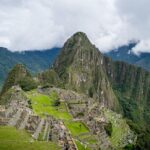
Day 4 starts early again. Breakfast comes before you board one of the morning buses to Machu Picchu. Your guide leads the Historic Sanctuary of Machu Picchu tour, covering key areas like temples, ceremonial sections, terraces, and storage structures.
This guided time matters because Machu Picchu can feel like a puzzle without the keys. With a guide, you’re more likely to spot how the site is laid out—especially the terraces and water-related structures that helped people survive and grow food in a dramatic environment.
After the guided portion, you’ll return to Aguas Calientes. The highlights also note you’ll have time to explore on your own, which is the best way to take it in at your pace—walk where you want, pause where your eye catches, and let the place work on you.
Huayna Picchu or Machu Picchu Mountain is optional. If you secured an extra ticket in advance, you can add one of those viewpoints for an even bigger perspective. Entrance to those peaks is not included, so plan ahead if you want the extra hike-and-view payoff.
For the ride itself, you’re finishing with transport by train to Aguas Calientes and then buses up and back down. That rhythm—train, hotel, morning citadel—keeps the final day from feeling like another exhausting hike.
Ollantaytambo and Inca Terraces: What to Watch For
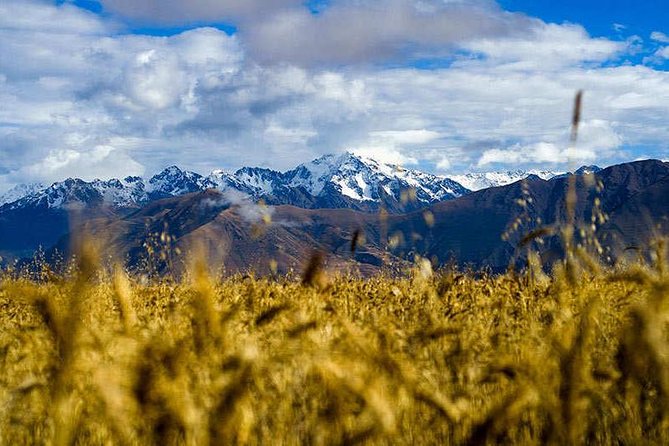
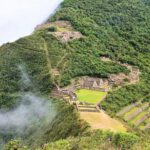
This trek includes a chance to visit Ollantaytambo, including its ancient agricultural terraces. Even if you only get part of the site, it’s a useful stop because it shows the Inca approach to making mountain life work: building terraces to control slopes and manage farming.
If you do go, pay attention to how the terraces follow the land. They’re not random; they’re an engineered response to altitude and water. That context helps later when you’re standing in Machu Picchu and noticing terraces and storage-related features.
Even on a short stop, Ollantaytambo can make your eyes sharper. You’ll likely spot terrace patterns faster and understand them better by the time you reach the citadel.
What’s Included (and What You’ll Need to Pack)
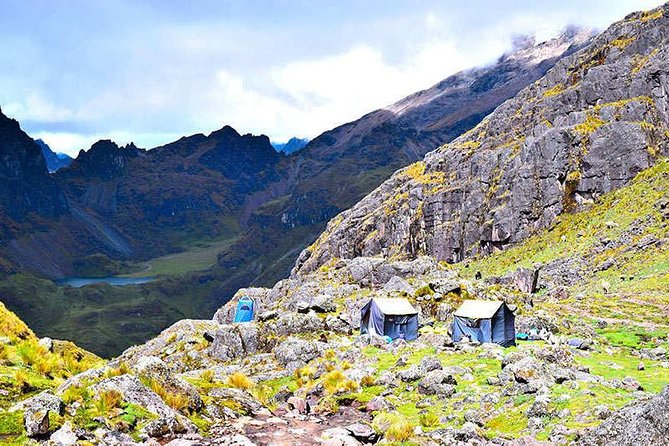
This trip is built to reduce logistics stress. Here’s what’s included, in practical terms:
- A professional bilingual guide, with an assistant guide for groups of 9+
- A chef
- Camping support: dining tent, tables and chairs, and tents (4-man tents for every 2 trekkers)
- Sleep comfort: an inflatable Thermarest-style sleeping mattress
- Carrying help: mules carry cooking and camping equipment and 7 kg of your personal items
- Meals: 3 breakfasts, 3 lunches, 3 dinners (but see the exceptions below)
- Hotel in Aguas Calientes on Day 3
- Entrance fees and required transfers
- Round-trip bus from Aguas Calientes to Machu Picchu
- Water (excluding the first 4 hours of the trek)
What isn’t included is equally important:
- Sleeping bag: you can hire one from the provider
- Breakfast on Day 1
- Lunch on Day 4
- Huayna Picchu entrance (extra ticket needed)
- Tips
- Travel insurance (strongly recommended)
Packing list highlights from the provided info:
- Walking boots
- Waterproof jacket or rain poncho
- Warm jacket
- Hat and gloves
- Sunscreen (SPF 35+) and insect repellent
- Torch with spare batteries
- Personal medication and toiletries
- Camera and film if relevant
- Original passport (and ISIC card if you’re a student)
If you tend to overpack, this trip helps you not do that. Your main luggage ends up largely handled by mules for 7 kg of your personal items, so you can focus on the items you truly need day-to-day.
Price and Value: Is $656.42 a Good Deal?
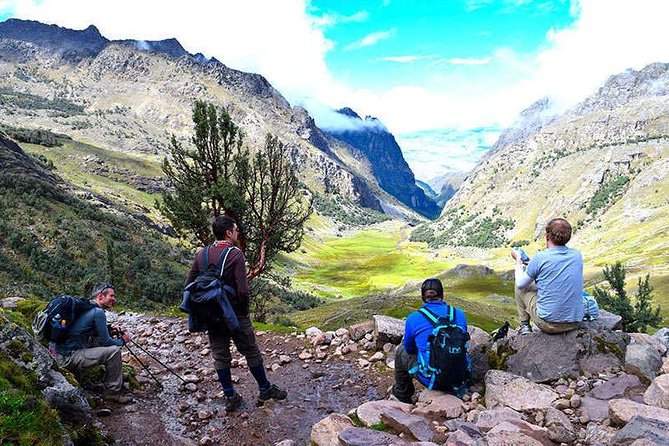
At $656.42 per person, this trek isn’t “cheap,” but it’s also not the kind of deal where you later learn you paid for only a hike and not much else. The value comes from the package being full-stack:
You’re paying for:
- Professional guidance (bilingual guide, plus assistant for larger groups)
- Camping infrastructure and sleep setup (tents, mattress, dining tent)
- A chef and all the meal planning
- Entrance fees
- Transfers across multiple legs (including Cusco pickup and return transport)
- A hotel night in Aguas Calientes
- Transport up to Machu Picchu and back via bus
Also, this trek includes high-effort logistics like altitude trekking support and a planned Machu Picchu timing strategy. If you priced those components separately—guide, meals, camping setup, entrance tickets, and transportation—you’d likely spend far more than a single negotiated trek rate.
The main “value risk” is not money. It’s whether the trek pace and altitude match your body. If you’re not comfortable hiking at altitude, you won’t love it no matter the price.
Altitude and Timing: How to Set Yourself Up for Success
Altitude is the reality check here. The route goes up to nearly 14,000 feet (4,400m), and the itinerary includes the climb to a highest pass plus long stretches of descending walking. That combination is tough even when the terrain is described as easier after a climb.
Do these things and you’ll enjoy the trip more:
- Pace yourself on ascents. Don’t sprint because you feel good at sea-level energy.
- Pack for cold and rain. You’ll be working at altitude, and weather doesn’t care about your plans.
- Use the gear you’re given. A provided sleeping mattress and oxygen bottle mean you’re not left totally alone with conditions.
- Take walking seriously, especially on Day 1 and the pass day.
Start times also matter. With a 5:00 am meeting time, plan for an early night before Day 1. Waking up late and trying to fix it with extra caffeine is a common way to feel grumpy before you even hike.
And here’s a nice detail from real experience: one standout note names guide Edgar as especially supportive when altitude got difficult, giving encouragement and help reaching the top. That kind of human support can be the difference between powering through and silently suffering.
Should You Book This Lares Trek to Machu Picchu?
You should book if you want Machu Picchu but also want the Andes experience around it. This is for people who like culture, want quieter trekking days, and appreciate a trip that handles the moving parts—camping setup, meals, entrance fees, and transport.
Skip it if your goal is an easy, low-altitude walk. The trek includes high passes and serious elevation. The program is thoughtfully supported, but your body still has to do the hiking.
If you’re fit, adaptable, and excited about mixing villages, hot springs, and ruins, this is a smart value choice at $656.42—especially because it’s designed to reduce crowd time and maximize your time in the places most people miss.
FAQ
What time does the tour start in Cusco?
The meeting time is listed as 5:00 am, with pickup from your hotel in Cusco.
How high does the trek get?
The itinerary mentions high-altitude passes reaching nearly 14,000 feet (4,400m).
Are meals included, and are there any exceptions?
Meals are included for most of the trek: breakfasts (3), lunches (3), and dinners (3). The exceptions are breakfast on Day 1 and lunch on Day 4, which are not included.
Do I need to bring a sleeping bag?
A sleeping bag is not included, but you can hire one from the provider.
Is there a hotel involved?
Yes. The trip includes a hotel in Aguas Calientes on Day 3.
Is Huayna Picchu included?
No. Entrance to Huayna Picchu Mountain is not included, and you’d need an additional ticket if you want to visit.
Can I request vegetarian meals?
Yes. Vegetarian meals are available if you advise at booking. You should also share any dietary needs or allergies as early as possible, and life-threatening allergies are not accepted.
Is travel insurance included?
Travel insurance is not included, and the provider states it’s strongly recommended for the duration of the trip.
Is the group size small?
Yes. The tour/activity has a maximum of 15 travelers.