REVIEW · KATHMANDU
15 Days Private Everest Base Camp Trek
Book on Viator →Operated by Nepal Social Treks and Expedition · Bookable on Viator
Lukla throws you straight into the Himalaya. This private 15-day Everest Base Camp trek pairs the extreme Lukla flight with classic Khumbu stops like Namche Bazaar, Tengboche monastery, and the big views from Kala Patthar. You also get time built in for altitude adjustment, so the trip feels planned instead of rushed.
Two things I really like are the acclimatization schedule (Namche and Dingboche get their own days) and the mix of big moments with real culture stops. I also like that you’ll be walking through places tied to the Sherpa story, not just chasing postcards—like visits around Namche and Tengboche.
One thing to consider: you’re dealing with weather and altitude. Lukla flights can shift plans, and the trek includes steep, rocky days at higher elevations where good pacing really matters.
In This Review
- Quick Hits: What Makes This Everest Base Camp Trek Click
- Lukla: The Moment You Can’t Actually Prepare For
- Kathmandu Day 1: Thamel Is Your Reset Button
- Day 2 to Day 4: Lukla, Phakding, and the Slow Climb to Namche
- Tengboche to Dingboche: Monastery Days and Thin-Air Workouts
- Lobuche to Everest Base Camp to Kala Patthar: Your Big Peak Window
- Return Days: Tengboche, Namche, and the Long Way Back to Lukla
- Kathmandu Again: Last Views, Easy Walking, Real Food
- Price and Value: What $1,420 Actually Buys You
- Your Guide Matters: The Difference Between Surviving and Enjoying
- Lodges and Meals at Altitude: Plan for Simplicity
- Who Should Book This Private Everest Base Camp Trek
- Should You Book It?
- FAQ
- How long is the Everest Base Camp trek?
- Where does the tour start and end?
- Are the Lukla flights included?
- What accommodation is included?
- Is the trek a private experience?
- What’s included with the trek gear?
- What meals are included?
- Is the international flight included?
- Do I need travel or medical insurance?
- Are visa fees included?
Quick Hits: What Makes This Everest Base Camp Trek Click
- The Lukla flight experience: a short hop that feels like a movie scene, landing at one of the world’s most extreme airports
- Acclimatization built into the route: easier pace days in Namche Bazaar and Dingboche
- Kala Patthar at dawn: a steep, rocky climb for a wide 360-degree panorama of the highest peaks
- Sherpa culture stops: Tengboche’s monastery and Namche area landmarks (including Hillary-era connections)
- Big-glacier views near Everest Base Camp: the Khumbu Icefall and moraine terrain around Gorak Shep
- Private group care from professional leaders: strong guide support highlighted by guides such as Kamal and Lakpa
Lukla: The Moment You Can’t Actually Prepare For
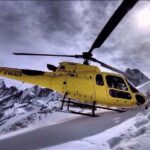
If Everest has a front door, it’s Lukla. On day two you fly from Kathmandu to Lukla in about 40 minutes, then start trekking right away. The payoff is huge: you see dramatic mountain scenery from the air and get that instant Khumbu feeling before you’ve even “earned” it.
Why I think this matters for your money and time: flying early compresses the amount of trekking you’d need just to reach the mountains. It also means your days are more about hiking and sights, not endless transfers.
The other truth is this: Lukla is weather-sensitive. One review note called out delays from unstable Lukla weather, and that’s the reality here too. Build flexibility into your mindset, and keep your packed schedule from becoming a fragile plan.
You can also read our reviews of more tours and experiences in Kathmandu.
Kathmandu Day 1: Thamel Is Your Reset Button
You arrive at Tribhuvan International Airport and get help with check-in and your room key at a hotel near Thamel. That first day is mostly recovery: rest, read, stroll, and get oriented so jet lag doesn’t steal your hiking legs.
Later you meet your trekking guide for a briefing and group introductions, then you get a welcome dinner. This isn’t just formal stuff. You’ll want the guide’s take on pacing, altitude awareness, and what to expect day-to-day so you don’t start day two guessing.
A small but useful detail: the operator mentions a Nepal Social Treks team member by name in the reviews and responses (people like Basu and others show up as responsive contacts). That kind of communication style tends to make the first 24 hours less stressful.
Day 2 to Day 4: Lukla, Phakding, and the Slow Climb to Namche
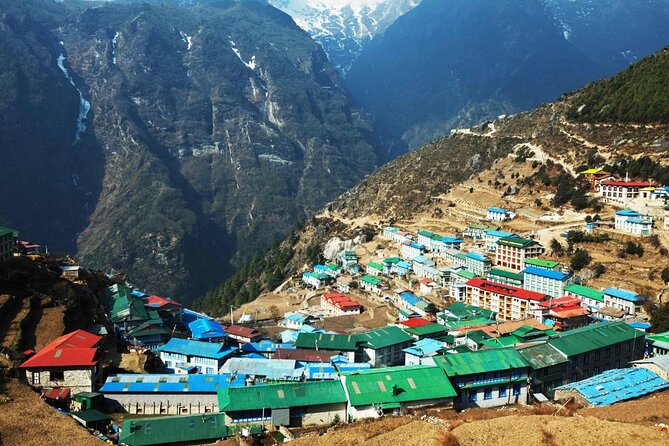
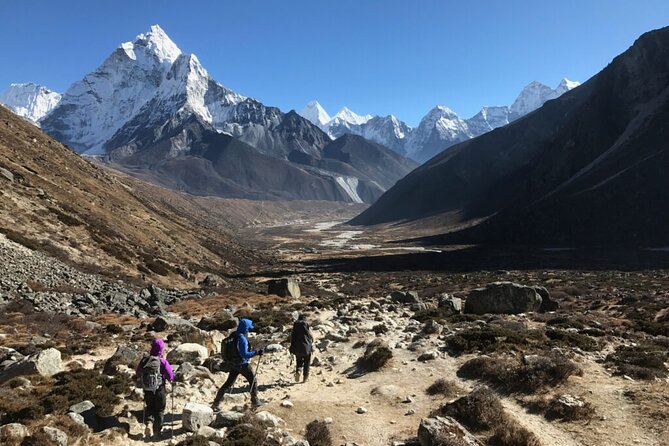
After Lukla, you trek on a relatively easy trail toward Cheplung village, then continue to Phakding. The walk follows the Dudh Koshi River, described as the highest river in terms of elevation. You’ll also notice the spiritual side of the route early—Cheplung is tied to a Stupa of Enlightenment blessing for visitors heading into the Everest region.
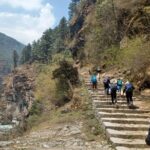
Then comes the real “Khumbu rhythm” day: leaving Phakding for Namche Bazaar. The path moves through pine forest and rustic Sherpa villages, with occasional yak pastures. You cross suspension bridges along the way and enter Sagarmatha National Park, which frames this trek in a protected, high-altitude world.
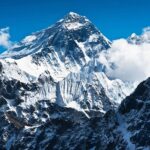
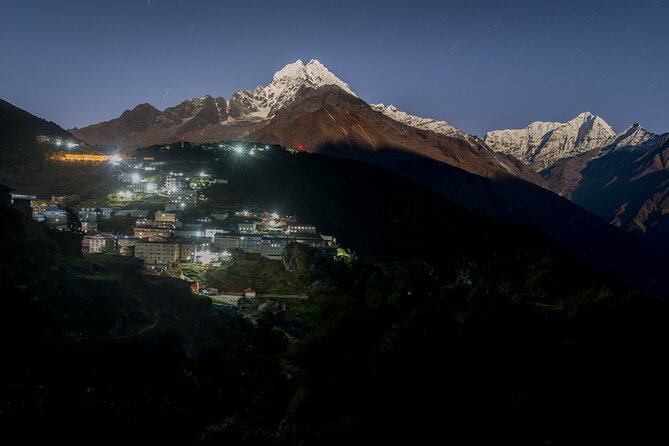
Even if you don’t consider yourself a “view person,” Namche hooks you. The route climbs through places like Jorsalle, where you start seeing giants such as Kusum Kanguru, Thamserku, Everest, and Nuptse. Namche Bazaar is also treated as the Sherpa capital, so it feels like a hub, not a random checkpoint.
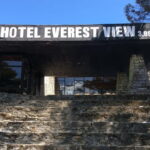
Day four is your acclimatization day in Namche. You do an easy hike to Khumjung village, where you can see a historic monastery and a school connected to Sir Edmund Hillary. After that, you visit the Everest View Hotel, which is noted as being in Guinness World Records (2004) for panoramic views over Everest and nearby peaks.
This day is valuable because it teaches your body a pattern: hike a bit, rest well, hydrate, and keep breathing steady. It’s also where the trip starts feeling less like “survival mode” and more like “culture + views,” even while altitude is still a factor.
Tengboche to Dingboche: Monastery Days and Thin-Air Workouts
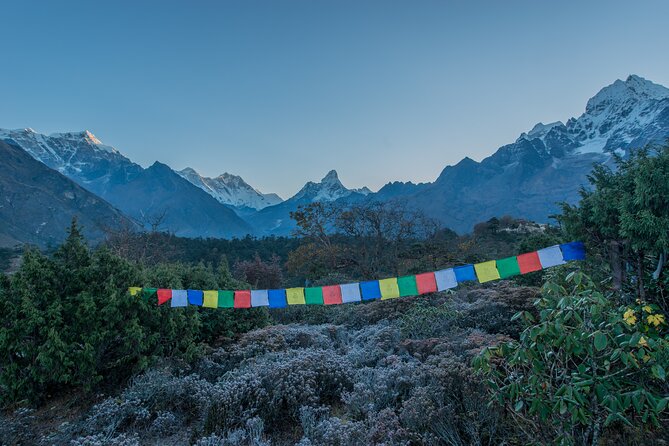
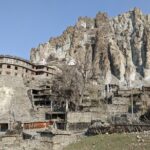
From Namche you head toward Tengboche, walking through forest and gaining altitude gradually. The trail passes a water-powered prayer wheel, which is one of those small moments that makes the trek feel lived-in. Then you arrive at Tengboche, home to the Khumbu region’s largest Buddhist monastery.
Visiting Tengboche Monastery is one of the most memorable contrasts of the whole trek. You’ll often have mountain views pointed straight at you while you’re also surrounded by prayer flags and the calm rhythm of religious life. It’s not just a photo stop; it gives the route a deeper sense of place.
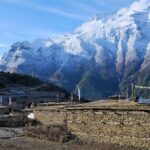
Next you go to Dingboche. The day includes crossing a suspension bridge over the Dudh Koshi River and walking through villages marked with mani walls and chortens. Dingboche is described as the highest Sherpa settlement in Khumbu and is enclosed by stone walls, with Ama Dablam nearby.
Then comes a second key acclimatization day on day seven. You make a 400-meter ascent to Nangkartshang Peak (listed at 5,083 meters). The climb to the summit is described as steep, about two hours from Dingboche, but the reward is big views over Ama Dablam, Makalu, Lhotse, Kantega, and Cho Oyu.
This is the “training day” feel. It’s not a punishing hike, but it pushes your body in a controlled way before you move higher toward the Everest region’s glacial terrain. If you’ve ever wondered why people say acclimatization days matter, this is the proof.
Lobuche to Everest Base Camp to Kala Patthar: Your Big Peak Window
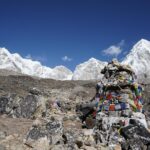
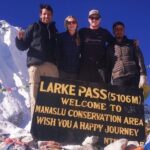
On day eight you head toward Lobuche. The trek starts with a gradual climb through the Pheriche valley area and includes strenuous sections with steep climbs over the Khumbu Glacier moraine. You cross Thukla Pass, decorated with prayer flags and stone shrines, then reach Lobuche with strong views over Nuptse and Taboche.
Day nine is your Everest Base Camp day, but the route is staged. You move from Lobuche to Gorak Shep, drop backpacks, then walk a rocky trail toward Everest Base Camp. Expect glacial moraine and streams. At Base Camp and nearby viewpoints, you get the sense of scale from features like Khumbu Icefall and Khumbutse, plus views of Nuptse and Pumori.
It’s also a day of “early starts and slow steps.” The higher you go, the more your pace becomes about saving energy rather than beating the trail.
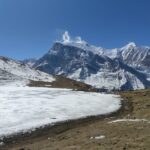
Day ten is built around Kala Patthar at dawn, which is described as a prominent viewpoint with steep, rocky terrain and sunrise views of multiple massifs. The route is tough, but this is the day that gives many people that wide 360-degree panorama feeling for the Everest region. After the sunrise and views, you descend toward Lobuche, then move on rough trails via Thukla Pass to reach Pheriche.
One practical detail you should appreciate: Pheriche is home to the Himalayan Rescue Association Clinic. Even if you never need it, knowing that medical support exists locally helps you feel grounded in the realities of high-altitude trekking.
Return Days: Tengboche, Namche, and the Long Way Back to Lukla
Once you’ve hit Base Camp and Kala Patthar, the trip shifts from “go higher” to “earn the descent.” Day eleven brings you back toward Tengboche through densely forested sections with rhododendron and juniper trees. The route can include uphills that feel stubborn after you’ve already had high days, but the scenery often feels calmer than the glacier zones.
Day twelve continues the return direction, working back toward Namche Bazaar. This part of the trek matters because it’s where you can process the entire experience while also watching your energy. Your legs get used to routine again, but you still shouldn’t rush.
Day thirteen is the Lukla day. You start with a steep descent from Namche Bazaar and work down toward the Dudh Koshi River bank. You cross suspension bridges and trek through rhododendron and pine forests, then reach Phakding for more bridge crossings. Along the way you pass monasteries, chortens, and mani walls—little landmarks that make the route feel like a continuous story, not separate days.
Then you finish at Lukla and celebrate with your team before flying back to Kathmandu on day fourteen.
Kathmandu Again: Last Views, Easy Walking, Real Food
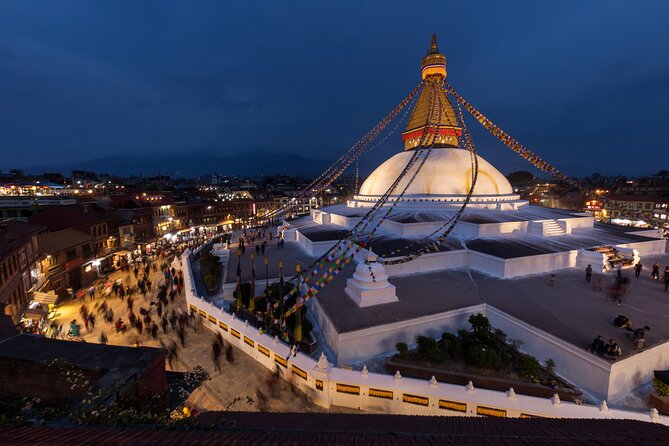
On day fourteen you fly back to Kathmandu from Lukla (about 40 minutes). A Nepal Social Treks representative greets you at the domestic terminal and transfers you to your hotel. That afternoon is for relaxing, stretching, and re-centering—then it’s easy to enjoy Thamel’s marketplace for souvenirs and snacks.
Day fifteen finishes things with an airport transfer and help with terminal check-in. This ending matters more than most people think. After the effort of the Khumbu, you’ll want a smooth landing back into normal life.
Price and Value: What $1,420 Actually Buys You
At $1,420 per person, this trek sits in the mid-to-upper range for Everest Base Camp experiences. The value comes from what’s included versus what you still need to handle yourself.
What you get in the package:
- Two-way domestic flights Kathmandu–Lukla–Kathmandu
- Accommodation: Kathmandu in a 3-star hotel plus lodge stays on trek
- A professional trek leader
- Some provided essentials: a Nepal Social Treks duffel bag and sleeping bag
- An air-conditioned vehicle in Kathmandu for transfers
- A set of included meals listed as lunch on day 12, dinner on day 13, and breakfast on day 14
- All fees and taxes
What you should expect to pay extra for:
- Personal trekking gears and equipment
- Personal expenses
- Trekking porter (explicitly not included)
- International flights are not included
- Nepal entry visa fees are paid by you
- Travel and medical insurance is not included
So the real question is how you want to manage load and risk. If you want a porter, factor that cost in early. If you want strong medical coverage, buy insurance separately. This trek can be life-changing, but it’s still high-altitude travel, so plan like it.
Your Guide Matters: The Difference Between Surviving and Enjoying
A lot of EBC trips live or die by the person guiding them. In the reviews, guides like Kamal, Achut, Lakpa Sherpa, Bishnu Bhatta, and others show up again and again in positive terms. The common theme isn’t just friendliness—it’s competence and care.
One review highlights a guide described as knowledgeable and making sure the group succeeded. Another calls out a guide who acted like a protector and even a doctor-like presence in tough moments. There are also mentions of altitude sickness guidance, which is huge because altitude issues are not something you should try to “tough out.”
What I’d recommend you do: ask your guide early how they manage acclimatization signals—headache, nausea, appetite changes, sleep problems. You want answers in plain language and a plan for slowing down if needed. This trek includes acclimatization days, so you should benefit from that structure.
Lodges and Meals at Altitude: Plan for Simplicity
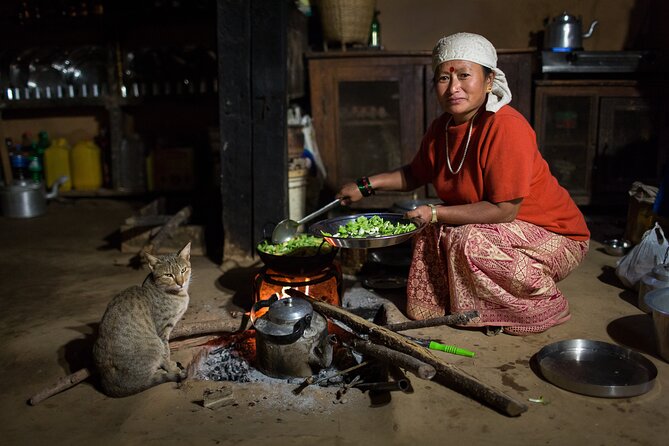
You’ll be staying in lodge accommodation on the trek. The exact comfort level isn’t detailed here, so expect basics and a lot of time spent on rest and recovery rather than luxury. Lodges are also why early starts and steady pacing help—you’ll want sleep and food that you can actually digest.
Meals: the package lists specific meals included (lunch on day 12, dinner on day 13, breakfast on day 14). That means you should be ready to pay for additional meals on other days unless you confirm the full meal plan before you go.
Smart move: bring snacks you trust. At high altitude, your appetite can wobble, and having familiar energy helps keep your hiking steady.
Who Should Book This Private Everest Base Camp Trek
This tour is a fit if you want:
- A private group experience where only your group participates
- A classic EBC route with the right kind of altitude pacing
- Strong structure: guides, scheduled acclimatization, and a clear return plan
- The key viewpoints people travel for: Everest Base Camp, Khumbu Icefall, and Kala Patthar
It may not be the best fit if you hate steep, rocky sections. The days toward Everest Base Camp and the Kala Patthar sunrise climb are not gentle. You also need a moderate fitness level, as the operator states.
Should You Book It?
If you want a classic, well-structured Everest Base Camp trek with acclimatization days, guided care, and the big hits (Namche, Tengboche, Base Camp, Kala Patthar), this is a solid choice. The inclusion of flights to Lukla and lodge stays is also a real convenience.
I’d still make two checks before you pay: confirm the exact meal plan beyond the listed lunches/dinners/breakfast, and decide whether you want a porter given that one is not included. If those fit your comfort level, booking is an easy yes.
FAQ
How long is the Everest Base Camp trek?
The trek is listed as 15 days (approx.).
Where does the tour start and end?
It starts at Nepal Social Treks & ExpeditionPaknajol, DRS Bhawan- 1st Floor, Kathmandu 44600, Nepal and ends back at the same meeting point.
Are the Lukla flights included?
Yes. The package includes two-way domestic flights: Kathmandu–Lukla–Kathmandu.
What accommodation is included?
The package includes 3-star hotel accommodation in Kathmandu and lodge accommodation on the trek.
Is the trek a private experience?
Yes. It’s described as a private tour/activity, so only your group participates.
What’s included with the trek gear?
The package includes a Nepal Social Treks duffel bag and sleeping bag. Personal trekking gear and equipment are not included.
What meals are included?
The included meals listed are lunch on day 12, dinner on day 13, and breakfast on day 14.
Is the international flight included?
No. International flight tickets are not included.
Do I need travel or medical insurance?
Insurance is not included in the package.
Are visa fees included?
No. Nepal entry visa fees should be paid directly by the guest.