REVIEW · MARRAKECH
2-Days Toubkal Trek from Marrakech with Local Guide
Book on Viator →Operated by Atlas Trek Experience · Bookable on Viator
One early start can change your whole Morocco mood. This 2-day Toubkal trek from Marrakech is a practical way to hit real mountain hiking, with a guide handling the moving parts and you focused on the trail and the views. I like that you get round-trip transport from Marrakech and the plan includes an overnight Toubkal refuge stop. I also like that you meet locals along the way around Imlil and the Berber village of Aremd, not just a quick photo moment.
The second thing I really enjoy is the way the trek is set up for a calmer pace: you follow your own guide and can go at your pace while still moving toward the high point. The one drawback to keep in mind is physical effort: this is for hikers with at least moderate fitness, and the climb gets serious on day two.
In This Review
- Key points at a glance
- Why This Toubkal Trek Works So Well From Marrakech
- From Marrakech to Imlil: Setting the Trail in Motion
- Berber Villages and the Steady Rise to the Refuge (Day 1)
- Day 2 in Toubkal National Park: The Summit Push and Big Views
- Private Guiding: Going at Your Pace Without Losing the Route
- Meals, Water Breaks, and the Refuge Night Comfort Reality Check
- Transport and Time: What the 2-Day Rhythm Means for You
- Price and Value: Is $220.68 a Good Deal?
- What to Pack (and What to Skip) for a Fast Mountain Two-Day
- Who This Toubkal Trek Is Best For (and Who Might Struggle)
- Should You Book This Toubkal Trek?
- FAQ
- How long is the Toubkal trek from Marrakech?
- Is pickup from Marrakech included?
- Do I need to bring my own food?
- Where do we stay overnight?
- Will my luggage be carried for me?
- Is this a private tour?
- How difficult is it?
- What happens on the second day?
- What is the cancellation policy?
- Is a mobile ticket used?
Key points at a glance
- Door-to-trail convenience: hotel pickup and transport to the Imlil trail start, plus return to Marrakech
- Meals included: you do not need to pack food for the hike
- Overnight at the refuge: you sleep in the mountains on the way up
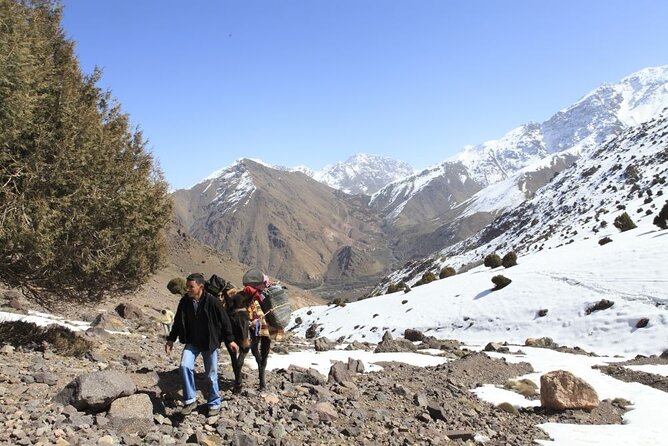
- Mules carry your gear: that extra weight relief is a big deal on a 2-day schedule
- Guides matter: local guidance keeps the route moving at a human pace
- Marrakech to Toubkal National Park in two days: fast, focused, and built around the summit push
Why This Toubkal Trek Works So Well From Marrakech
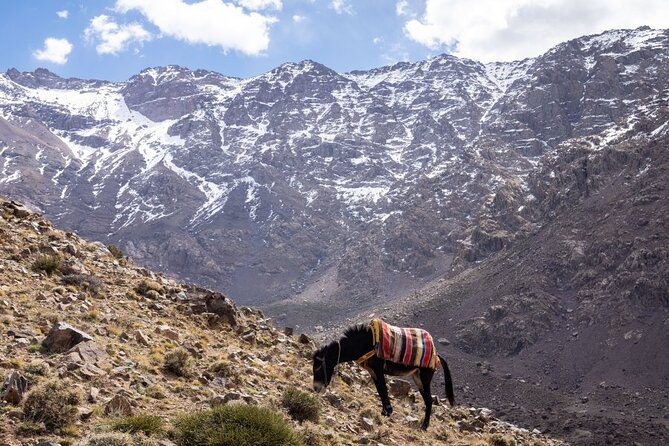
If you’re basing yourself in Marrakech and want a real slice of the High Atlas, this format is smart. You spend two days hiking, but you’re not stuck figuring out transport, lodging, food, and logistics on your own. That means you can walk more and stress less.
What also appeals here is how the trek is anchored in people and places, not just peaks. Your route goes through Berber villages like Aremd, and your guide works with the local rhythm you’ll encounter along the way. It’s not a museum visit. It’s tea, paths, and everyday mountain life—plus the payoff of big views when you’re high enough to see the valleys stretch out.
Just remember the schedule is tight. Day two is an early start and a challenging climb. If you want a totally chill walk with no summit push energy, you may want a shorter or gentler option.
You can also read our reviews of more tours and experiences in Marrakech.

From Marrakech to Imlil: Setting the Trail in Motion
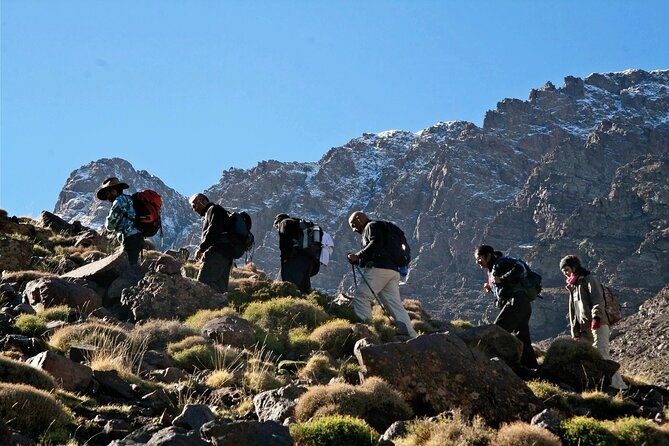
Your trek starts with an early pickup from your hotel in Marrakech. From there, you head toward Imlil, the common trail starting point for climbs in the Toubkal area. This transfer is one of the best value parts of the trip because it removes a whole layer of planning. You’re already on the right road before your hiking boots even come out.
When you reach Imlil, you meet your local guide and start with a cup of tea. That tea stop matters more than it sounds. It’s when your guide can size up your pace, talk through the plan, and help you get mentally ready for what comes next. It also sets the tone: this is a guided trek where the route and timing are handled for you.
Then you begin hiking through the Berber village of Aremd. This is where the experience starts to feel grounded. You’re not walking only in wilderness; you’re moving through a living community where you can pause, look around, and see how people live close to the mountains.
What to watch for on day one: the first hours set your rhythm. If you go too fast early, you’ll pay for it later. Follow your guide’s pace and stop when they suggest it—especially if they’re building in water breaks.
Berber Villages and the Steady Rise to the Refuge (Day 1)
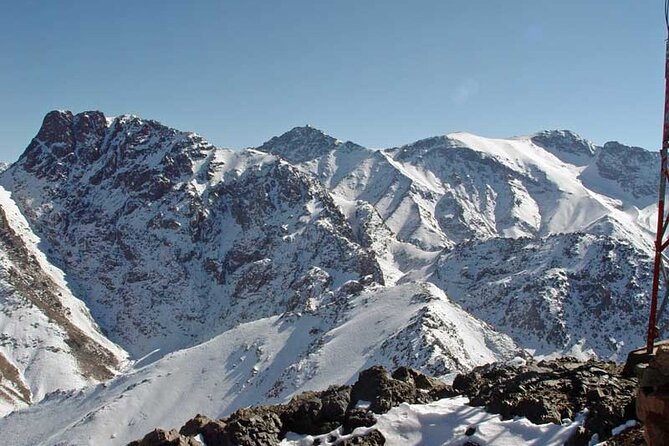
Day one is built to move you gradually from village paths up toward higher terrain. You’ll walk through Aremd, then continue toward the Toubkal Refuge, where you’ll stay overnight.
The vibe on day one is part hike, part getting comfortable. You’ll likely have opportunities to explore briefly, then you shift back into walking mode. The refuge stop is key because it breaks the trek into two manageable hiking days instead of one punishing push.
One detail worth calling out from real-world experience on this route: people report that there are plenty of water points along the way, plus small moments like a local casbah stop with tea and even juice when the weather turns. There’s also mention of basic facilities (including toilets) at those rest points. None of that replaces good planning, but it does help you feel less stranded when the day runs long.
Also, this is where mule support helps. You’ll have mules carrying your gear, so you’re not dragging a heavy pack up every incline. That’s a big practical difference on a two-day schedule—less fatigue, less risk of turning the trip into a punishment.
At the refuge, you’re in mountain mode. Expect the night to feel more rugged than a hotel, but that’s the point. You’ve come to the Atlas, and the sleeping spot is part of the adventure.
Day 2 in Toubkal National Park: The Summit Push and Big Views
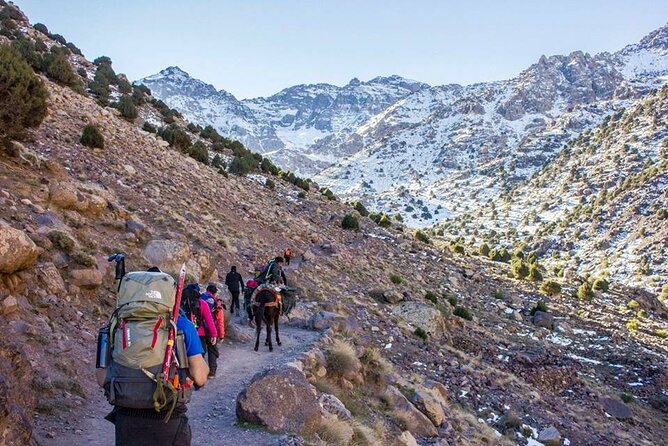
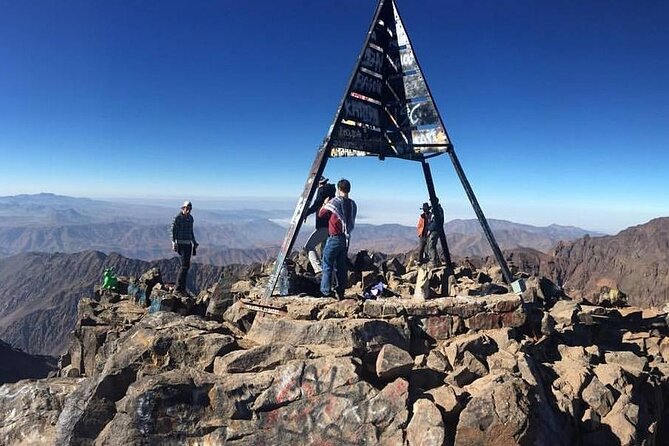
Day two starts early. The goal is an ascent toward the summit of Toubkal, described as the highest peak in North Africa. Even if you don’t care about climbing stats, what you should care about is effort and timing: early starts are common for mountain hikes because conditions are often better and the day needs structure.
As you go higher, the climb becomes challenging. This is not a slow stroll, and you’ll want to focus on steady movement. Your guide is there for trail choices and pacing, and you should follow their cues rather than trying to out-hustle the terrain.
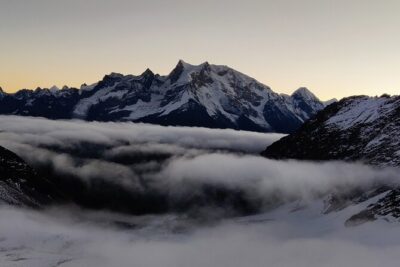
Then comes the best part: the breathtaking views over the surrounding mountains and valleys. When people talk about the Toubkal payoff, this is what they mean. You start with village life and rugged paths, and then you’re looking out over the Atlas like you’ve earned the right to see it.
After reaching the summit, you descend back to the refuge for rest and lunch. That sequence matters. You’re not forced to keep hiking nonstop after the big effort. The refuge gives you a breather so you can actually enjoy that last part of the day instead of just surviving it.
Finally, you head back down toward Imlil and then return to Marrakech.
My practical tip for summit-day energy: keep your efforts even. Short bursts of speed feel good, but steady pacing saves you for the hardest sections.
Private Guiding: Going at Your Pace Without Losing the Route
This is a private tour, meaning only your group participates. That changes the feel. Instead of blending into a crowd, you get a guide who can slow down for you, speed up for you, or adjust stops based on your condition.
It’s also personal in a very real way because you’re not just following a sign. Your guide is making calls based on terrain and timing. Even better, the trek can feel more human because you’re moving through Berber communities with someone who knows the flow of the area.
From one account of the experience, guides named Abdou and mule support from Mohammed (with additional names mentioned) helped make the trek feel smooth and organized. Even if your guide is someone else, that pattern matters: you’re not only relying on yourself. You’re working as a team with the local staff who understand the route and the schedule.

Meals, Water Breaks, and the Refuge Night Comfort Reality Check
One of the simplest wins in this trek is that meals are provided. You do not need to bring your own food for the hike, which saves luggage space and keeps you from scrambling for snacks at the wrong moment.
The food support also makes sense for a two-day trip. If you’ve ever tried to DIY a mountain hike with a strict return plan, you know how quickly hunger turns into a stress problem. Having meals handled keeps you in walking mode.
Water matters too. You’ll want hydration on every mountain day. The route includes plenty of opportunities to manage that, and real experiences from this trek point to many water points along day one.
Now, let’s be honest about the refuge night: it’s not a resort. It’s a mountain refuge, and conditions will be more basic than a city bed. But that’s part of the charm if you’re the type who likes being outside and slightly uncomfortable in a good way.
If you’re sensitive to cold, you should plan on layered clothing and a warm base. If you don’t know your layer system yet, use this as a reason to figure it out before you go.
Transport and Time: What the 2-Day Rhythm Means for You
This experience is structured around roughly two days on the ground, with transport baked in. It’s not only the hiking time—it’s also how quickly you’re moving between Marrakech, Imlil, and the mountain areas.
That matters if you’re trying to fit this between other Morocco plans. With pickup and a return transfer included, you’re not spending extra time arranging taxis, sharing rides, or hunting down last-minute lodging. The trek becomes one focused block.
The timing on day one is long enough to feel like you’re going somewhere, but it ends with the refuge overnight so day two doesn’t feel like an all-day grind from the start.
And day two is designed as a summit day with a descent and lunch at the refuge, followed by the return.
Price and Value: Is $220.68 a Good Deal?
At about $220.68 per person, the key question is what’s included. Here’s the value logic that makes sense for this price point:
- Round-trip transport from Marrakech
- A local guide and trail support
- Accommodation at the Toubkal refuge for the night
- Mules to carry your gear
- Meals across the trek
- Admission ticket free for the included activities
When you add those items up on your own, the cost tends to jump fast—especially for the refuge and guided routing. In other words, you’re paying for coordination and mountain logistics as much as you’re paying for the hike itself.
There’s also a practical scheduling advantage: this trip is usually booked about 95 days in advance on average, so planning earlier tends to keep your dates flexible.
If you’re already comfortable handling local transport, you’ll still get value from the mule + guide + meals combo. If you’re not comfortable with those mountain logistics, this packaged approach is even more worth it.
What to Pack (and What to Skip) for a Fast Mountain Two-Day
The trek includes meals and mule gear support, so you can travel a bit lighter than you might for a DIY hike. Still, you’ll want to be ready for mountain weather shifts and early mornings.
What I recommend you bring:
- Comfortable hiking shoes or boots with good grip
- Layered clothing for early and higher-altitude chill
- A daypack for essentials while the mule handles the bulk
- Sun protection (hat/sunglasses) since you’ll be exposed at times
- A reusable water bottle (even with water stops, it’s handy)
What I’d avoid:
- Overpacking. If your gear is already carried on mules, you don’t need to haul extra weight “just because.”
- Cotton-only clothing. It gets uncomfortable fast once conditions change.
Also, the tour is described as moderate fitness. If you’re new to hiking, consider doing a few walks close to home first so you show up confident.
Who This Toubkal Trek Is Best For (and Who Might Struggle)
This is a strong match if:
- You want a guided 2-day Toubkal experience starting from Marrakech
- You like the idea of overnight mountain lodging at a refuge
- You want to learn about Berber communities as part of the route
- You appreciate mule support and having meals handled
It may be less ideal if:
- You’re looking for a very easy walk with no challenging segments
- You’re expecting resort-level comfort at night
- You don’t have moderate hiking fitness for a summit push day
One more note: service animals are allowed on this experience, so if you travel with one, you can plan accordingly.
Should You Book This Toubkal Trek?
I’d book it if you want an organized, local-guided path from Marrakech into the Atlas without turning your trip into a logistics project. The value is in the package: transport, meals, refuge overnight, mule gear support, and a guide to keep your pace realistic.
I’d also book it if you like meaningful stops—like the Berber village area around Imlil and Aremd—then you’re ready for the big reward of Toubkal views on day two.
Skip this only if the idea of a challenging climb doesn’t match your fitness level or if you want a lighter, longer, no-summit kind of hike.
FAQ
How long is the Toubkal trek from Marrakech?
It runs for about 2 days.
Is pickup from Marrakech included?
Yes, pickup is offered, with round-trip transport from Marrakech included for ease.
Do I need to bring my own food?
No. Meals are provided during the trek.
Where do we stay overnight?
You stay overnight at the Toubkal refuge.
Will my luggage be carried for me?
Yes. Mules are included to carry your gear.
Is this a private tour?
Yes. It’s private, and only your group will participate.
How difficult is it?
The experience is described as suitable for travelers with a moderate physical fitness level.
What happens on the second day?
You wake up early for the ascent toward the summit of Toubkal in Toubkal National Park, then you descend back for rest and lunch before returning.
What is the cancellation policy?
You can cancel for free up to 24 hours in advance for a full refund.
Is a mobile ticket used?
Yes, a mobile ticket is included.
If you tell me your hiking background (and when you’re going), I can help you judge whether this 2-day summit-style schedule fits your pace.