REVIEW · MOUNT AGUNG
Bali: Mount Agung Sunrise Trekking Experience
Book on GetYourGuide →Operated by PT. Gorilla Adventures Bali · Bookable on GetYourGuide
Night hiking on Bali’s highest volcano hits hard. This Mount Agung sunrise trekking day starts in the dark, then pays you back with a top-of-the-world view and a real summit moment before dawn. I especially like the clear focus on the climb plus the payoff: breakfast at the top and a driver who gets you there smoothly in an air-conditioned car.
There’s also real value in the small built-in comforts: hiking sticks and a flashlight, plus an English-speaking guide and a guided pace that matters on steep sections. One caution: the hike is genuinely hard, and the descent can hurt your knees if you go in unprepared or with poor footwear.
In This Review
- Key Points You’ll Actually Care About
- Choosing Your Route: Besakih Temple Summit Push or Pasar Agung Shortcut
- The Night Drive and Karangasem Entrance: Why Pickup Matters on a 12.5-Hour Trek
- Besakih Temple Route (11:00 PM Start): Dense Jungle Up to the Hard Final Hour
- Pasar Agung Temple Route (About 2:00 AM Start): Less Scrambling, Still Crater Views
- Sunrise From the Top: Timing, Cold Moments, and Why Breakfast Works
- Gear, Guide Style, and Safety: Sticks, Flashlights, and a Pace That Prevents Panic
- Price and Value at $95: What You’re Paying For (and What You’re Not)
- Who Should Do This (and Who Should Skip It)
- Should You Book This Mount Agung Sunrise Trek?
- FAQ
- How long is the Mount Agung sunrise trekking experience?
- What time do you start the hike?
- How difficult are the two routes?
- What is included in the $95 price?
- What is not included?
- Where is pickup available?
- What should I bring for the hike?
- Is this trek suitable for everyone?
- Is there free cancellation?
Key Points You’ll Actually Care About
- Two sunrise routes: Besakih Temple (harder, higher effort) or Pasar Agung Temple (easier, still great views)
- A long outing (about 12.5 hours total), timed so you reach the summit area before sunrise
- Breakfast on/near the summit plus a soft drink to help you recover before the view
- Provided trekking gear: hiking sticks and a flashlight, which you’ll appreciate on night trails
- Private hotel pickup from major Bali areas like Ubud, Sanur, Kuta, Canggu, and Seminyak
Choosing Your Route: Besakih Temple Summit Push or Pasar Agung Shortcut
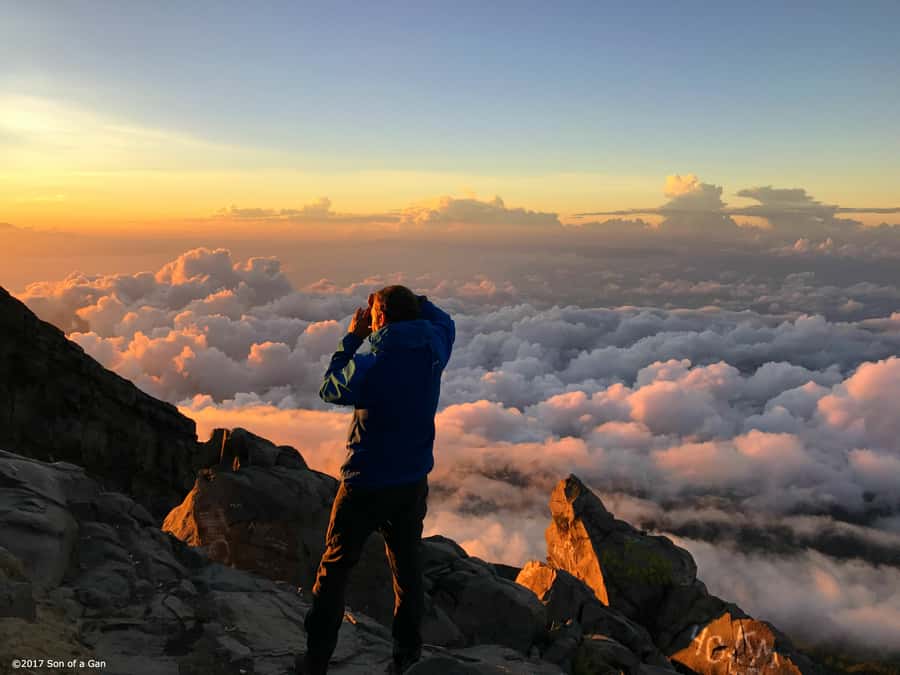
Mount Agung gives you two common ways up, and choosing the right one is the difference between an epic challenge and an exhausting slog you later regret.
Route 1: Besakih Temple (west approach)
This is the tough-love option. The climb begins near Besakih Temple, also known as the Mother Temple of Bali, and you’ll hike through dense jungle for hours. The ascent takes about 6 to 7 hours, and the last stretch is famously demanding—often requiring you to climb on all fours. It’s not just physical; it’s technical. If you like steeper footing and you’ve done mountain trails before, this is the route that matches that mindset.
Route 2: Pasar Agung Temple (south approach)
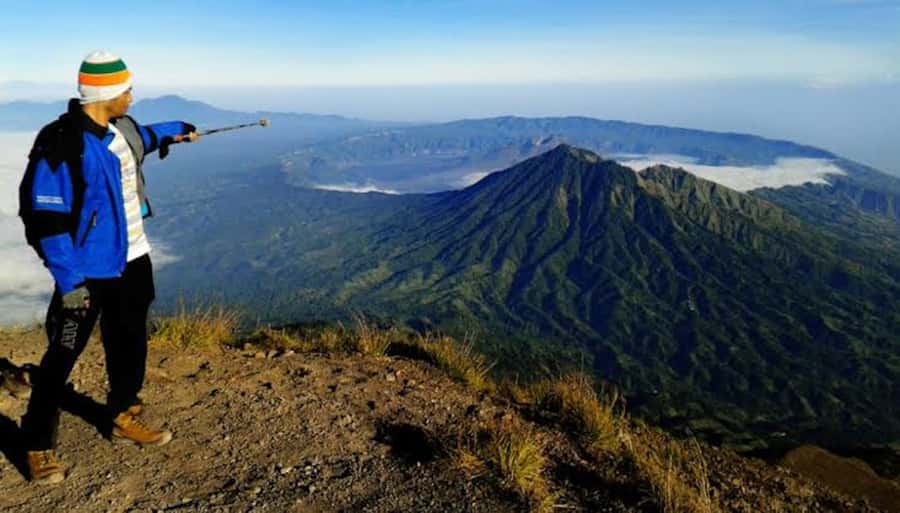
This option is shorter and more forgiving. Expect about 3 to 4 hours of hiking and an ascent of roughly 2,000 meters. The big difference: you end around 100 meters below the true summit, but the views are still excellent across the island, including toward the crater. If you’re fit but don’t want the hardest scrambling, this is the route that keeps your legs intact for sunrise.
Either route can deliver that “wow” moment, but your body will experience the mountain differently. Pick based on your comfort with steep, slippery sections and how much time you want to spend moving in the dark.
The Night Drive and Karangasem Entrance: Why Pickup Matters on a 12.5-Hour Trek
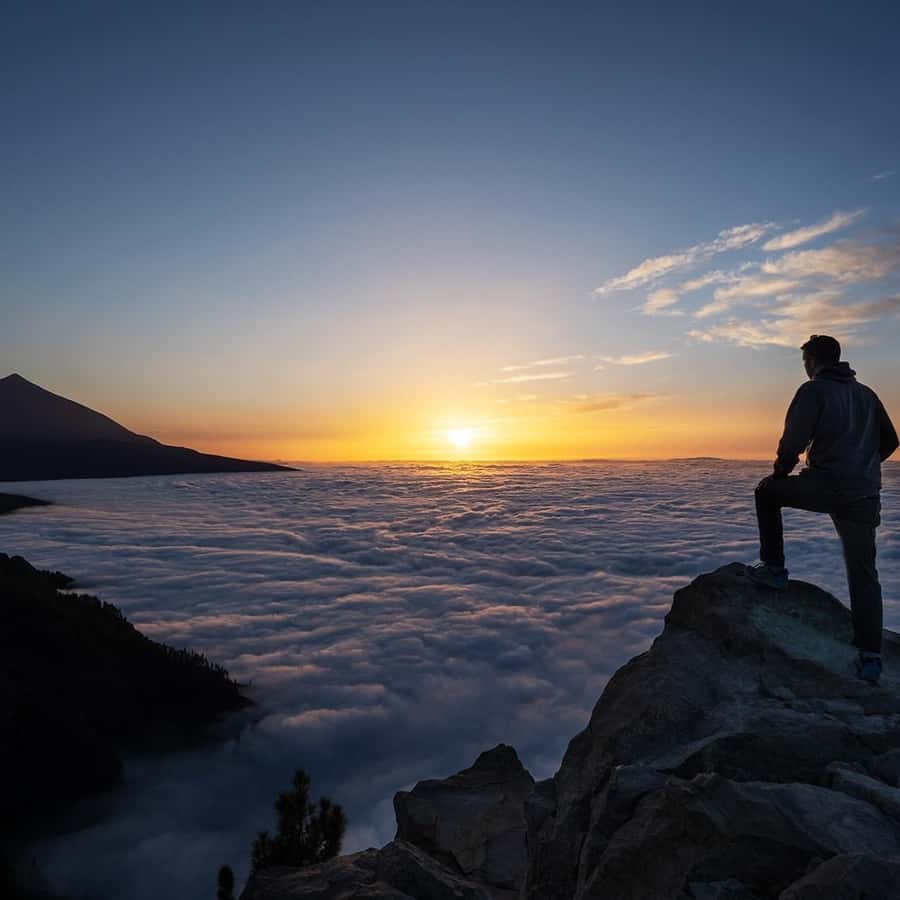
This isn’t a simple meet-at-the-trailhead hike. You get private pickup and drop-off in an air-conditioned car with an English-speaking driver. That matters because Mount Agung is at its most intense when you’re cold, tired, and navigating in the dark.
Your pickup coverage includes Ubud, Sanur, Kuta, Canggu, Seminyak, and Legian, plus Kintamani. If your hotel is outside those areas, there can be an additional charge paid directly to the driver—worth checking before you commit.
Once you arrive, you’ll have entrance included to Karangasem, and the rest of the trek is handled by your guide—gear, flashlight, sticks, and the route plan. For many people, that organization is half the win: you don’t waste energy arguing about timing or trying to figure out where the trail starts while you’re already low on sleep.
Besakih Temple Route (11:00 PM Start): Dense Jungle Up to the Hard Final Hour
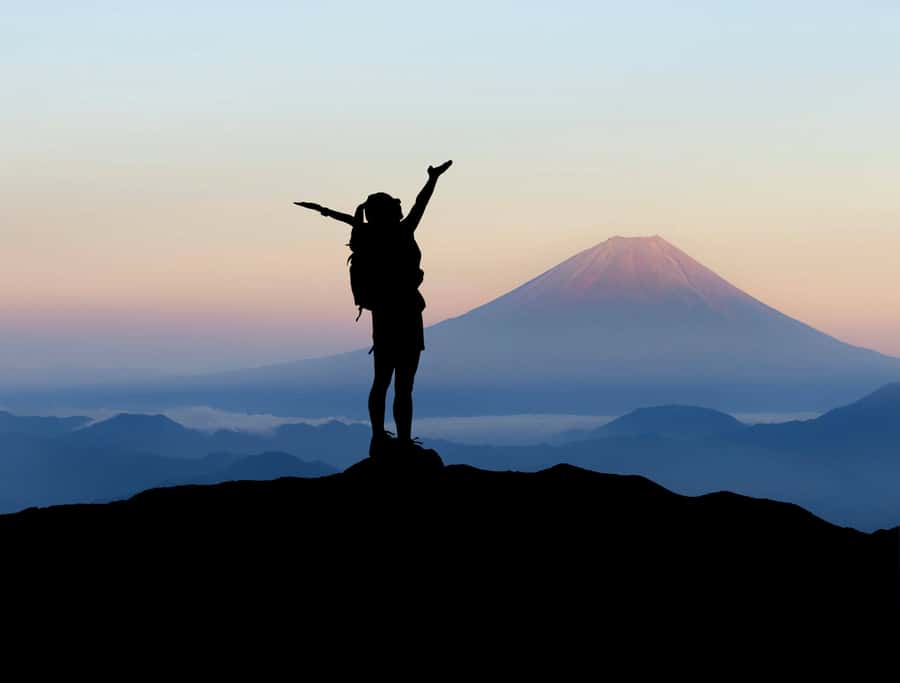
If you choose Besakih, plan for a full-on summit mission. The start is about 11:00 PM, with the goal of reaching the summit area before dawn.
Here’s how the climb tends to feel:
- Night jungle hiking: You’re moving through dense vegetation while it’s dark, which is where the flashlight and hiking sticks become more than “nice to have.”
- Long, steady upward effort: This ascent takes roughly 6 to 7 hours, so it’s not a quick workout. It’s paced climbing—one step at a time.
- A brutal last hour: The final stretch is described as exceptionally demanding. You may be climbing on all fours, which makes balance and grip more important than speed. This is where good boots and gloves pay off.
Your reward starts as the sky lightens. From the summit area, you can see the sunrise and also important island geography: views toward Mount Rinjani in Lombok, plus the huge caldera imagery associated with Batur (including the crater and Lake Batur).
One practical consideration: the Besakih route isn’t just harder going up. That hard scrambling often means you’ll be cautious on the way down. In other words, you’re building leg fatigue early, then managing it later.
Pasar Agung Temple Route (About 2:00 AM Start): Less Scrambling, Still Crater Views
The Pasar Agung approach is the route for people who want Mount Agung’s payoff without the same level of raw difficulty.
You start around 2:00 AM, and the hike is about 3 to 4 hours long. The ascent is around 2,000 meters, but it’s framed as easier than the Besakih Temple climb. That difference shows up in two ways: fewer hours spent grinding upward and less of that last-scramble intensity.
You also won’t reach the absolute highest point. The route ends about 100 meters below the summit, but don’t treat that as a compromise. You still get excellent views in multiple directions and the chance to look into the crater.
From a practical standpoint, this route can be a smart choice if:
- you’re reasonably fit but haven’t trained for technical steep climbs
- you want sunrise without spending the entire night focused on grip and footing
- you’d rather save energy for enjoying the view than paying for the climb afterward
Both routes aim at sunrise, but Pasar Agung is simply more efficient. It gives you a strong mountain morning with less time in “hard mode.”
Sunrise From the Top: Timing, Cold Moments, and Why Breakfast Works
Mount Agung sunrise trekking is all about timing. The whole plan revolves around getting you to the summit area before dawn, then waiting for the sky to shift.
With the Besakih route, your start at 11:00 PM sets you up to arrive at the top before sunrise. With Pasar Agung, the 2:00 AM start keeps you on a tighter schedule, arriving just before dawn.
Once you’re up there, breakfast is included—plus a soft drink. That might not sound important until you consider the reality of night hiking: you burn calories, you get cold, and you’re standing around while the light changes. Food and warmth help you stay steady, both physically and mentally.
Also, expect it to be cold at the summit. Even if you don’t feel it until you stop moving, your time up there isn’t active nonstop. Bring what the trip asks for: a jacket and gloves. A hat helps too, especially when wind hits and the temperature drops while you’re waiting for the sun to show itself.
You’ll also have time to take in the geography: the mountain silhouettes, crater views, and the sense of scale across Bali and beyond (including sightlines toward Lombok on clear days).
Gear, Guide Style, and Safety: Sticks, Flashlights, and a Pace That Prevents Panic
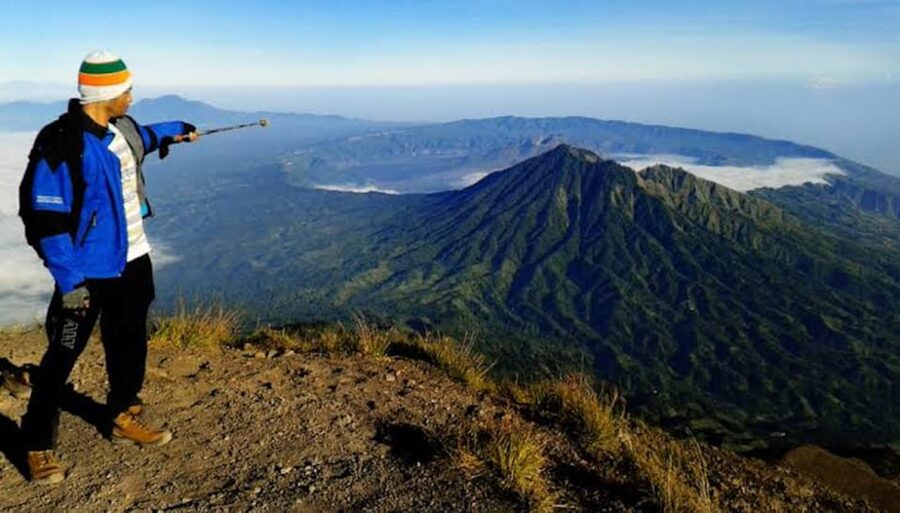
This experience includes trekking support that’s easy to overlook until you’re on the trail at night. You get:
- Hiking sticks
- A flashlight
- A trekking guide (English, Indonesian)
- Insurance
The sticks matter for both ascent and especially descent. On steep and rocky sections, they turn a risky shuffle into controlled movement. The flashlight helps with visibility, but the bigger safety win is that the guide sets the rhythm so you aren’t rushing while footing is sketchy.
Guide personality comes through strongly in the way people describe their hikes. Names that appear in the guidance include Gede, Koman, Budi, Herry, Yoga, Wayan, Krisna, and Kadek—and the recurring theme is patience. Some guides are the calm type who manage tempo and breaks so you don’t blow up early. Others also help with readiness—gear checks, warmth pauses, and keeping the group together.
Here’s the honest reality: the climb can be physically demanding, but panic is the bigger enemy than fatigue. A good guide pace means you can keep moving efficiently, take breaks before you’re too drained, and descend carefully rather than aggressively.
Also, watch your expectations on language. The tour includes English support, but the experience quality often depends on how clearly your guide explains pacing cues and safety points during the hardest sections. If English is important to you, it’s worth confirming that your guide communicates well for your needs ahead of time.
Price and Value at $95: What You’re Paying For (and What You’re Not)
At $95 per person, this trek isn’t priced like a quick casual excursion. You’re paying for a package built around sunrise logistics and a high-effort hike.
What you get for the price:
- Private hotel pickup and drop-off in an air-conditioned car
- Entrance fee to Karangasem
- Trekking ticket
- Trekking guide and the route work that comes with it
- Hiking sticks and flashlight
- Breakfast and a soft drink
- Insurance
What you don’t get:
- Lunch
- Personal expenses
Value-wise, the biggest thing here is the full structure. The pickup, timing, guide, and included gear remove a lot of “hike planning stress,” and that’s worth real money when you’re attempting a night start. Also, breakfast on top is not a small detail. It’s part of making sunrise waiting tolerable and not just miserable.
If you’re the type who can show up with your own plan and gear and navigate confidently, the value might feel less dramatic. But for most people, the included guide work, pickup coverage, and safety support justify the price quickly—especially on a mountain that can be technical.
Who Should Do This (and Who Should Skip It)
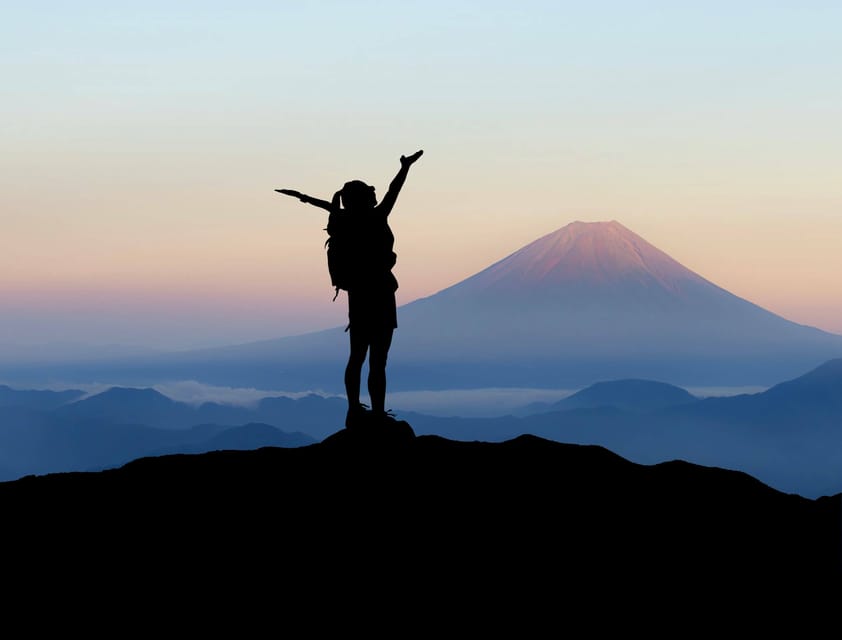
This is not a casual walk. It’s for people who are ready for steep climbing, low-light hiking, and a long day.
This trek is not suitable for:
- Pregnant women
- People with heart problems
It’s also clearly described as challenging. You should be physically fit and have some trekking experience. The climb to the top typically takes 4 to 6 hours, and the harder Besakih route can extend longer with that final steep hour.
You’ll likely enjoy this most if:
- you’ve done hikes before and understand how to pace yourself
- you’re comfortable wearing proper footwear for slippery sections
- you want a real sunrise reward, not a quick photo stop
If you know your knees hate downhill, plan for it. Bring good shoes, consider trekking poles for support, and accept that descent can feel worse than ascent.
Should You Book This Mount Agung Sunrise Trek?
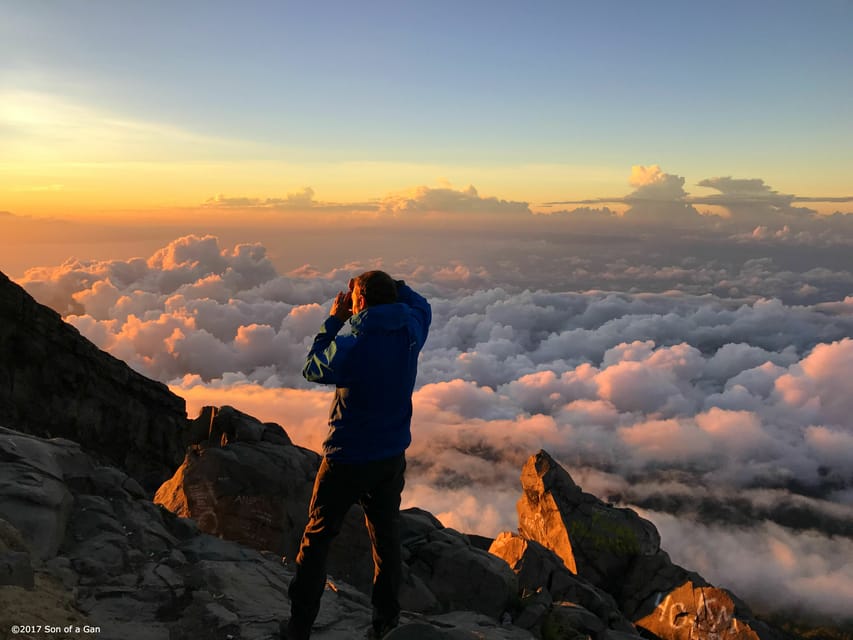
Book it if you want the full Mount Agung experience: night hike, sunrise payoff, and a guided route that handles the hardest parts for you. The combination of private pickup, included gear, breakfast at the summit area, and a focused English-speaking guide setup makes it a strong choice for travelers who want to do this safely and efficiently.
Don’t book it if you’re looking for an easy sunrise outing, you can’t handle steep technical terrain, or you have health concerns in the categories listed above.
If your goal is the sunrise view and you’re willing to put in the work, this trek is one of those Bali experiences that can turn into a real memory—because you’ll earn the view with your own legs.
FAQ
How long is the Mount Agung sunrise trekking experience?
The duration is listed as 750 minutes, which is about 12.5 hours including pickup, trekking, sunrise timing, and the full return.
What time do you start the hike?
There are two routes with different start times: the Besakih Temple route starts around 11:00 PM, while the Pasar Agung Temple route starts about 2:00 AM.
How difficult are the two routes?
The Besakih Temple route is more challenging, with an ascent of about 6 to 7 hours and a very demanding final hour. The Pasar Agung Temple route is easier, typically 3 to 4 hours and includes ending about 100 meters below the summit.
What is included in the $95 price?
Included items are private hotel pickup and drop-off, entrance fee to Karangasem, trekking ticket, hiking sticks and flashlight, trekking guide, breakfast, soft drink, and insurance.
What is not included?
Lunch and personal expenses are not included.
Where is pickup available?
Pickup is included for Ubud, Sanur, Kuta, Canggu, Seminyak, Legian, and Kintamani. Pickup or drop-off outside these areas can incur an additional charge paid directly to the driver.
What should I bring for the hike?
Bring hat, hiking shoes, jacket, gloves, and cash.
Is this trek suitable for everyone?
No. It is not suitable for pregnant women or people with heart problems, and it’s challenging enough that you should be physically fit with some trekking experience.
Is there free cancellation?
Yes. There is free cancellation up to 24 hours in advance for a full refund.