REVIEW · NINH BINH
From Hanoi: 2-Day Trekking To Villages In Sapa with Homestay
Book on GetYourGuide →Operated by DGB - INDOCHINATODAYTRAVEL · Bookable on GetYourGuide
Terraced views and real village life. This 2-day Sapa trek takes you into Vietnam’s Dong Bac hill-country to hike down the Muong Hoa Valley and visit minority communities like the Hmong, Dzao, and Tay, with a homestay stay in Ta Van. Two things I love are the terraced-field scenery and the Ta Van cottage homestay experience. One consideration: this trip asks for solid physical fitness, with long stretches of trail on day 1 and a full hiking day 2.
I also like that it’s built like a small-group trek (limited to 16) with an English-speaking guide and real time in the villages, not just quick photo stops. You’ll get multiple meals included, plus a bus plan that handles getting you between Hanoi and Sapa. And because you’re moving in a tight schedule across two days, the logistics feel organized, not chaotic.
In This Review
- Key reasons this Sapa trek with homestay is worth your time
- Price and logistics: what you’re really paying for
- Day 1: Hanoi to Sapa by bus, then Lao Chai to Ta Van on foot
- Hike into the Muong Hoa Valley toward Lao Chai
- The 12-kilometer walk to Ta Van
- The Ta Van homestay: what makes it feel real (and what to watch for)
- What I consider a fair trade-off
- Day 2: Dzang Ta Chai (Red Dzao), waterfall picnic, and back to Hanoi
- Trek to Dzang Ta Chai, home of the Red Dzao
- Stop at a waterfall for rest and picnic lunch
- Return by bus to Sapa, then Hanoi
- What you actually get included (meals, guide, fees)
- Why this matters for your budget
- Group size, guide language, and pacing on the trails
- How hard is it? Fitness and trail expectations
- What to bring for Sapa: the gear that prevents problems
- Who this Sapa trek with Ta Van homestay is best for
- Should you book this 2-day Sapa trek with homestay?
- FAQ
- What is included in the $84 per person price?
- How long is the trip?
- Where do you stay during the trek?
- What kind of hiking does the itinerary include?
- Is the tour suitable for everyone in terms of mobility and age?
- What should I bring, and is luggage allowed?
Key reasons this Sapa trek with homestay is worth your time

- Muong Hoa Valley walking from Lao Chai toward Ta Van, including a classic terraced view section
- Ta Van homestay in a local family’s cottage with village time on your own
- Red Dzao visit at Dzang Ta Chai, plus a contrasting look at how different communities live
- A waterfall stop on day 2 for a rest and picnic lunch
- Price includes the essentials: guide, admission fees, 1-night stay, and most meals
Price and logistics: what you’re really paying for

At $84 per person for two days, this is one of those trips that only makes sense if you price it like a full package. You’re not just paying for a hike. The cost bundles the homestay (1 night in Ta Van), an English guide, admission fees, mineral water, and a meal plan that covers your breakfast plus two lunches and a dinner.
Then there’s the transportation piece. You get bus travel connecting Hanoi and Sapa (and you’ll return by bus as well). You’re not dealing with arranging separate rides or negotiating timing between drivers after a long day on trails. The trip also limits luggage (no oversized bags, and no large luggage items), so the plan expects you to travel light and keep things simple.
A small heads-up: it doesn’t include hotel pickup and drop-off from Hanoi. That means you’ll want to be comfortable with meeting the group at the correct departure point.
If you’re solo, there’s a $30 single supplement. If you can share a room, you may save on that surcharge.
You can also read our reviews of more tours and experiences in Ninh Binh.

Day 1: Hanoi to Sapa by bus, then Lao Chai to Ta Van on foot
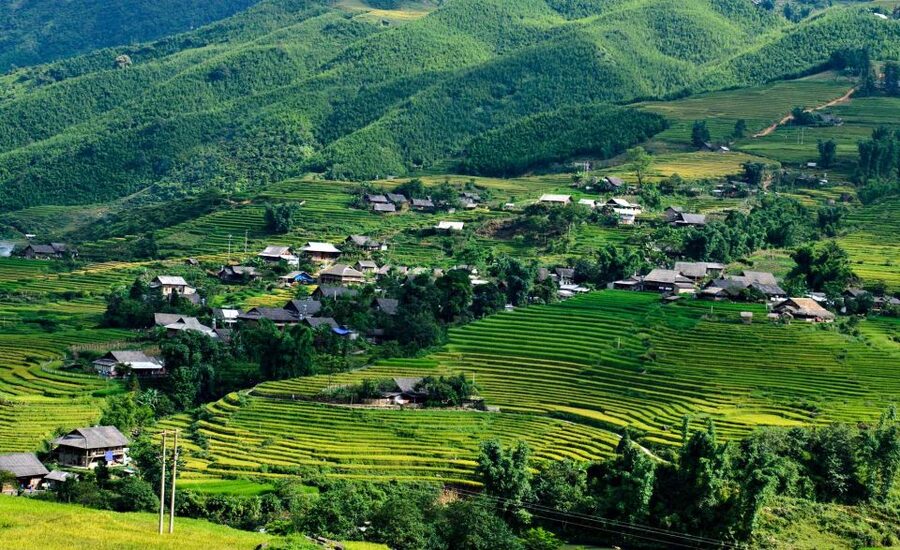
The day starts with a morning bus from Hanoi to Sapa, arriving around lunchtime. Once you reach Sapa, you’ll have free time to freshen up and eat lunch at your hotel. That break matters because day 1 isn’t a light stroll—it’s the start of a valley trek, and your feet will feel it later.
Hike into the Muong Hoa Valley toward Lao Chai
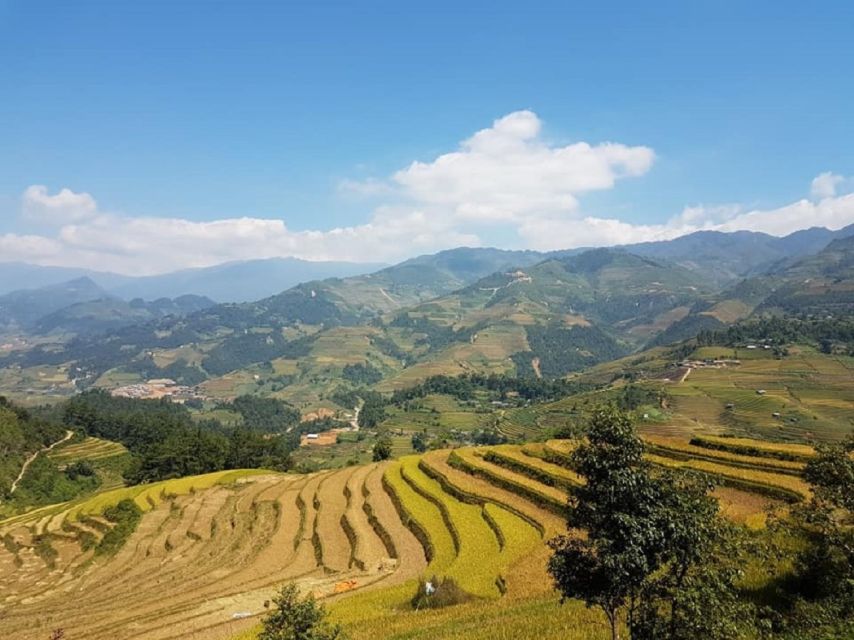
After lunch, you head onto smaller trails down into the Muong Hoa Valley. Your first village focus is the Black H’mong area of Lao Chai. This is where the trip’s visual payoff shows up: terraced rice fields, spread across the valley, create one of the most memorable Sapa-style views you’ll see in northern Vietnam.
What I like about this section is the pacing. You’re walking toward a village, not just moving through viewpoints. You can appreciate how farming shapes the terrain—terraces aren’t scenery added later; they’re the working landscape that communities depend on.
The 12-kilometer walk to Ta Van
You continue along the bottom of the valley for a total 12-kilometer hike, ending in Ta Van, a Dzay tribe village, in the late afternoon. Reaching it late afternoon is good for the atmosphere: you arrive when people are winding down and you can still spend time in village life rather than rushing straight to sleep.
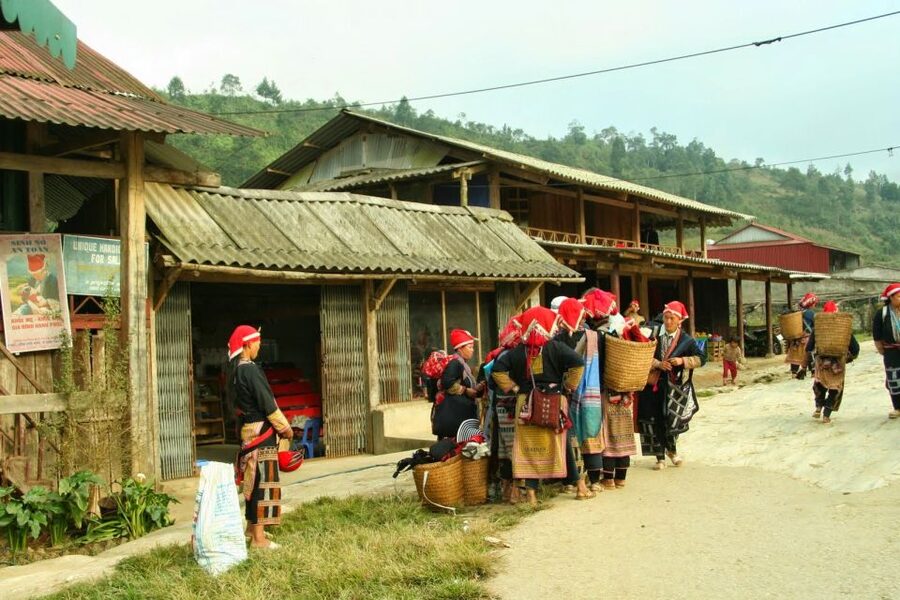
At Ta Van, the focus shifts from walking views to human-scale moments. You’ll stay in a local family’s cottage and experience their traditional way of life. This is not a “walk-through” village stop. You’re there long enough to see how an ordinary day feels when you’re not surrounded by tour groups.
Practical note: shoes indoors aren’t allowed. It’s a small rule, but it affects how you move around the homestay. Plan to keep your footwear management easy.
The Ta Van homestay: what makes it feel real (and what to watch for)

The heart of this trip is the 1-night homestay in Ta Van. Your evening isn’t just “sleep after the hike.” It’s time in a family home, where your presence is part of the day.
Here’s what you should expect from a homestay like this:
- You’ll eat local food as part of the included meal plan (you have dinner included at a local restaurant during the broader program, and day-to-day village meals are part of the homestay experience).
- You’ll get some time to enjoy village life at your own pace, especially on day 2 before breakfast and the next hike.
- Your comfort depends on the home setup. The trip is very much about cultural contact, not hotel-style convenience.
What I consider a fair trade-off
In a homestay, you give up some predictability—sleeping arrangements, room temperature, and how quickly you can wash up. That said, you gain something you can’t get from a scenic drive: you’re close to daily rhythms and community routines.
If you’re worried about comfort, lean into the mindset that this is part of the experience. Bring what you need to stay comfortable on trails and be flexible once you’re in the cottage.
Day 2: Dzang Ta Chai (Red Dzao), waterfall picnic, and back to Hanoi
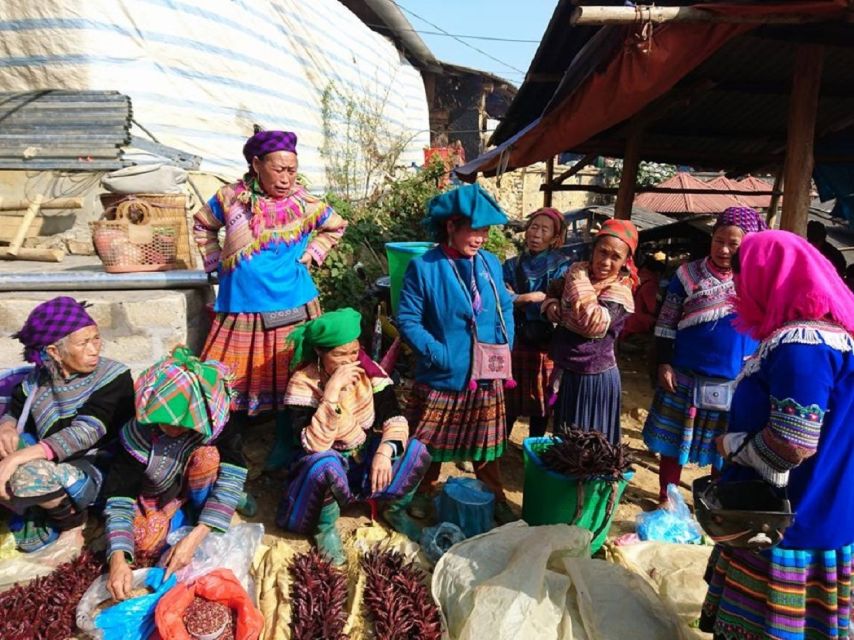
Day 2 begins early. You’ll get a 6:30 AM wake-up call, then time to enjoy village life again before breakfast at the homestay. That morning window is often the calmest part of homestay travel: you can watch how the village wakes up without the rush of a departing bus.
Trek to Dzang Ta Chai, home of the Red Dzao
After breakfast, you trek to Dzang Ta Chai, home of the Red Dzao tribe. This is where the trip’s cultural theme sharpens. You’re not only learning about one community; you’re seeing contrasts in how people live across the region.
The walk to Dzang Ta Chai also changes the energy of the trip. You’ll be moving from yesterday’s valley trail into a route tied to a specific tribal home base. Even if you don’t speak the local language, the guide’s explanation and what you observe around you can make it feel more grounded than a generic cultural lesson.
Stop at a waterfall for rest and picnic lunch
As you continue, you reach a waterfall area. This is your built-in pause: you rest and have a picnic lunch. For me, this is one of the best “reset” moments on a two-day trek because it breaks the mental grind of continuous hiking.
Picnic lunch also helps you avoid decision fatigue. When you’re on foot all day, you want fewer choices and more certainty. This program gives you that.
Return by bus to Sapa, then Hanoi
After lunch, you head back by bus to Sapa. Then you’ll have free time at your hotel to refresh before your transfer by bus back to Hanoi. It’s a good structure for finishing strong: enough time to wash up and reset, but not so much downtime that you lose the momentum you built during the hike.
What you actually get included (meals, guide, fees)
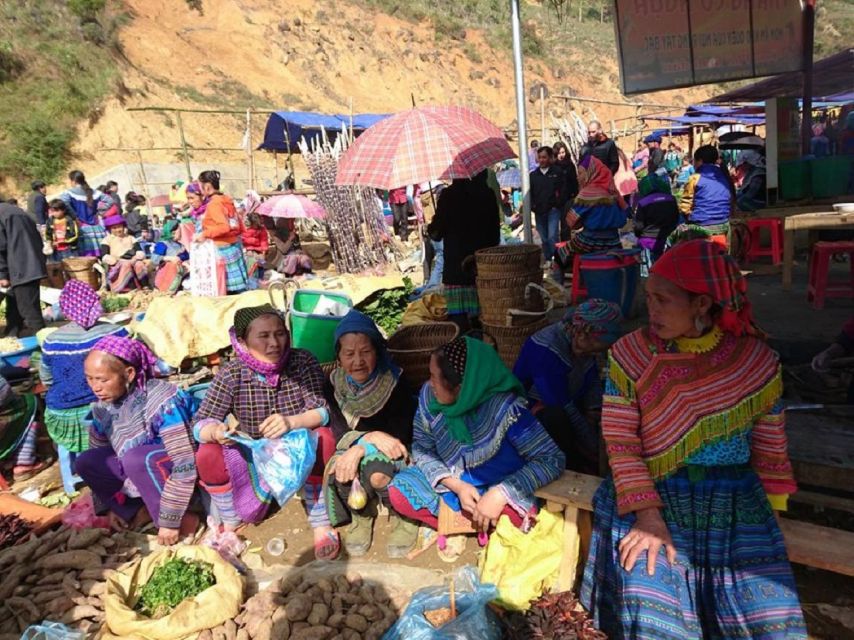
This trip is priced to cover the things that are usually annoying to arrange yourself.
Included:
- 1-night homestay accommodation in Ta Van
- Guide (English)
- 1 breakfast (on day 2 at the homestay)
- 2 lunches (including the day 2 picnic lunch by the waterfall)
- 1 dinner at a local restaurant
- Admission fees
- Mineral water
Not included:
- Drinks and other meals not listed
- Hotel pickup and drop-off from Hanoi
- Single supplement ($30) for solo travelers
Why this matters for your budget
When a trek includes meals and the homestay, your spending becomes predictable. You’re more likely to enjoy the walk instead of thinking about where to eat, whether you’ll find something decent, or if prices are going to be inflated.
Also, having admission fees included helps remove friction. In rural areas, those small access costs add up quickly when you’re coordinating on your own.
Group size, guide language, and pacing on the trails
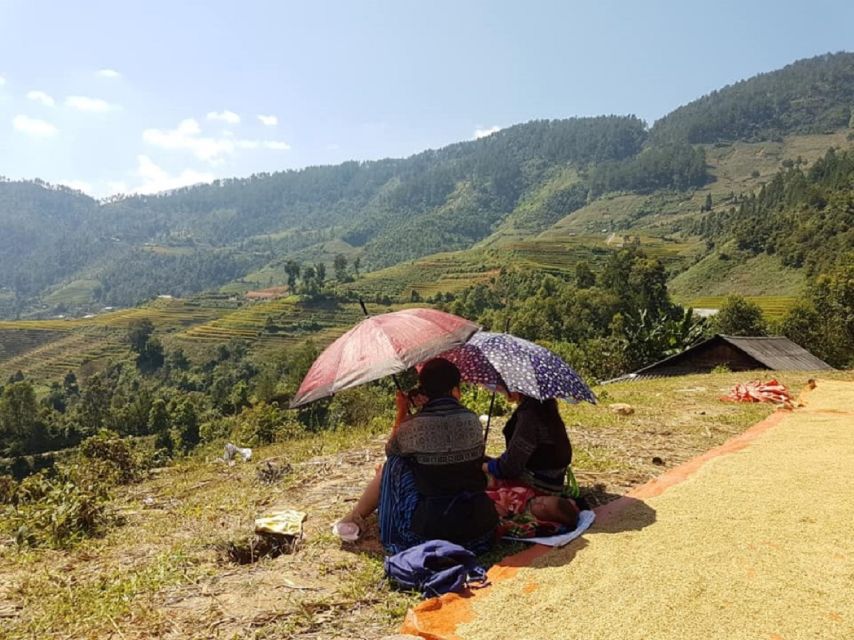
You travel with a small group limited to 16. For a trek, that size is meaningful. You’ll still feel like you’re with real people, but you’re not stuck waiting on a huge line. It also helps with managing slower walkers and keeping the group together when the trail narrows.
Your guide speaks English, which matters for homestay context. The difference between a village visit that feels like a stop and one that feels like understanding often comes down to what the guide explains as you walk and when you arrive.
Pacing-wise, day 1 is a longer walk (the 12-kilometer segment is a key marker), and day 2 is another full hiking day. The trip is not positioned as a casual walk.
How hard is it? Fitness and trail expectations
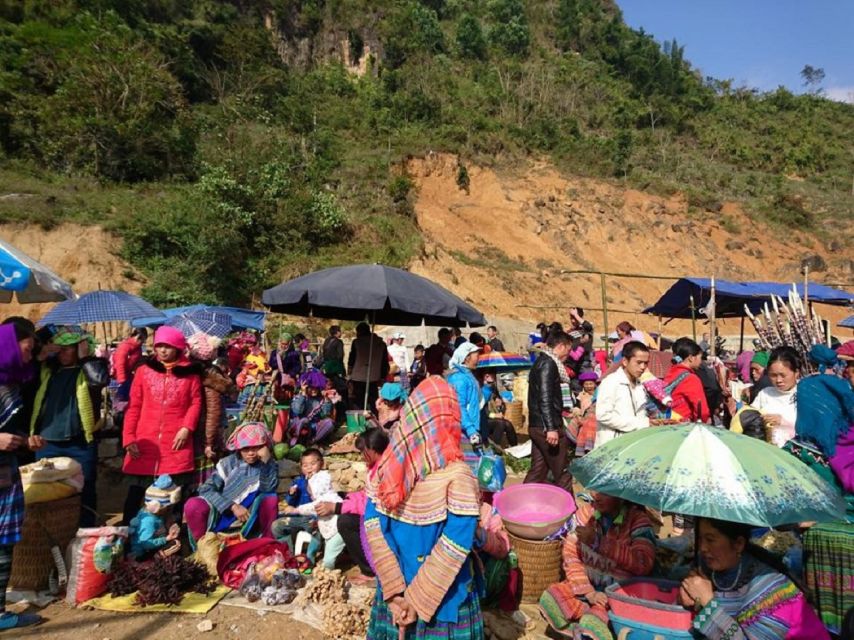
The trip requires a good level of physical fitness. You should treat it as a hiking program, not a sightseeing stroll.
What you should plan for:
- Uneven rural trails, including down-valley walking and village-to-village segments
- A full day on day 1 after lunch and before arriving in Ta Van late afternoon
- A day 2 hike that starts early (6:30 wake-up) and includes a longer trek plus the waterfall stop
If you’re used to regular walking and you own comfortable shoes, you’ll likely feel fine. If you hate stair-like footing on uneven ground, this will feel tougher.
What to bring for Sapa: the gear that prevents problems
This is a practical trek list, and I’d follow it closely.
Bring:
- Passport or ID card
- Comfortable shoes (you’ll be wearing them a lot)
- Sunglasses, sun hat, and a hat
- Camera and a charged smartphone
- Insect repellent
- Cash
- Scarf
- Personal medication
- Trekking gear
Not allowed:
- Oversize luggage
- Luggage or large bags
- Shoes indoors
That last one is important. In the homestay, the home environment may be shoe-free, so expect to remove footwear at least in some areas. Plan to keep your shoes and socks organized so you’re not dealing with a muddy mess before sleep.
Who this Sapa trek with Ta Van homestay is best for
This trip fits best if you want both nature time and real community contact in a short window.
You’ll enjoy it if you:
- Like guided hiking with a clear route and built-in stops
- Want homestay cultural time, not just viewpoints
- Feel comfortable with a physically active two days
- Prefer a small-group pace (up to 16) over crowd tours
You should skip it if you:
- Need wheelchair accessibility (not suitable for wheelchair users)
- Are traveling with pregnancy concerns (not suitable for pregnant women)
- Are bringing very young kids (not suitable for children under 6)
Should you book this 2-day Sapa trek with homestay?
I think it’s a strong choice if you’re looking for value that actually shows up in daily life: transportation from Hanoi, an English guide, a homestay stay, and a meal plan that removes major stress points. The mix of Muong Hoa Valley terraced scenery plus a Red Dzao stop at Dzang Ta Chai gives you both visual and cultural variety.
Book it if you’re comfortable with moderate-to-good fitness and you’re happy to trade hotel comforts for a real village experience in Ta Van.
Don’t book it if you want a light, flexible schedule or you’re worried about the physical demand of two hiking-heavy days. This one rewards the prepared traveler.
FAQ
What is included in the $84 per person price?
The price includes a 1-night homestay in Ta Van, a guide (English), transportation as part of the Hanoi to Sapa transfer, 1 breakfast, 2 lunches, 1 dinner at a local restaurant, admission fees, and mineral water.
How long is the trip?
It runs for 2 days. Starting times can vary, so availability will show the specific start options.
Where do you stay during the trek?
You stay for one night in a local family’s cottage in Ta Van.
What kind of hiking does the itinerary include?
Day 1 includes a hike from Lao Chai toward Ta Van through the Muong Hoa Valley, with a stated 12-kilometer hike segment along the bottom of the valley. Day 2 includes a trek to Dzang Ta Chai (Red Dzao) and a route that reaches a waterfall for a rest and picnic lunch.
Is the tour suitable for everyone in terms of mobility and age?
It is not suitable for wheelchair users, pregnant women, or children under 6. It also requires a good level of physical fitness.
What should I bring, and is luggage allowed?
Bring a passport or ID, comfortable shoes, sunglasses, sun hat, insect repellent, cash, a scarf, a charged smartphone, personal medication, and trekking gear. Oversize luggage and large bags are not allowed, and shoes indoors are not allowed.