REVIEW · GREECE
Trek at Acherontas river the gate of the underworld
Book on GetYourGuide →Operated by Cretanholidays · Bookable on GetYourGuide
The Acheron feels like the underworld gate. I like the way this trek pairs Acheron narrows views with real physical river time, and I also love the payoff at the end: the Dragon Hole / Elemental Cave cold spring. The main consideration is that you’ll be on slick stones and into the river bed, so it’s not a good fit for low fitness, back issues, or non-swimmers.
This is a 2.5-hour English-guided adventure starting in Glyki. I appreciate how it stays focused on nature and practical moments, not tourist fluff, and how guides like Semina explain the meaning of key spots while keeping you comfortable. If you’re expecting an easy stroll, this route will feel more active than that.
In This Review
- Key things you’ll notice on the Acheron River underworld trek
- Why the Acheron River feels like the underworld gate
- From Glyki to Scala Tzavelaina: the climb with payoff
- Bridges, the Dalas Bridge, and clues from an old watermill
- River trekking through the gorge: white cliffs and cool flow
- Picnic on the river beach: the break that makes it feel complete
- Dragon Hole / Elemental Cave: one of the coldest springs you’ll meet
- Price and what $47 gets you in real value
- What to bring for wet feet, cold water, and better photos
- Who this underworld trek is for, and who should skip it
- Should you book the Acherontas River gate of the underworld trek?
- FAQ
- How long is the Acheron River gate of the underworld trek?
- Is the tour guided in English?
- What’s included with the ticket?
- What should I bring if I’m joining a river trekking route?
- Is this trek suitable for children?
- Do I need to swim during the activity?
- What if I’m the only participant?
Key things you’ll notice on the Acheron River underworld trek
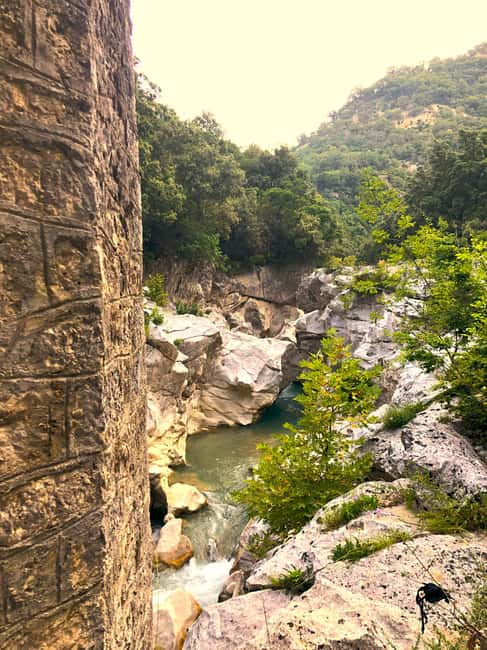
- Acheron narrows + Souli peaks views that feel dramatic without needing a huge hike
- River trekking through the bed in cool water, with real gorge scenery and white cliffs
- Scala Tzavelaina viewpoint reached via a historic calderimi track
- Dalas Bridge and watermill remnants that add a grounded, local flavor
- Dragon Hole / Elemental Cave stop at one of the river’s largest and coldest springs
- Picnic break on the river beach, with snack and beverage included
Why the Acheron River feels like the underworld gate
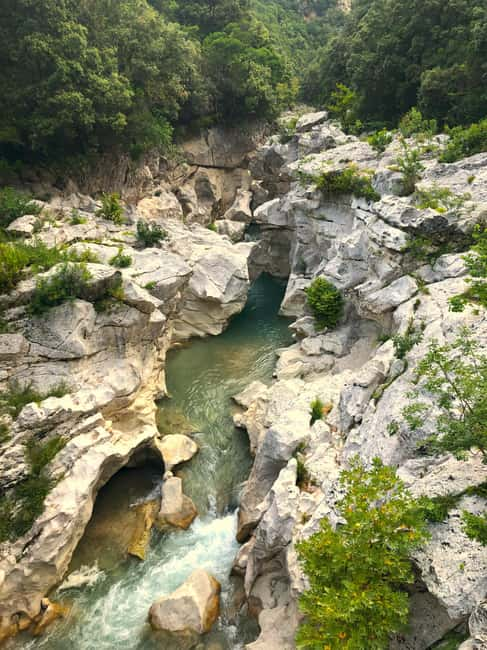
The myth is the hook, but what makes this trek work is how the river earns the legend. The Acheron is known in Greek storytelling as a path to the underworld, and walking its gorge makes that idea feel less like theatre and more like atmosphere.
You’ll move through stretches where the cliffs rise close, and the water keeps going, even when you’re off the main trail. That mix of narrow views, cool flow, and rock clefts creates a natural sense of drama that you can see and feel, not just hear about.
I also like that the experience balances “wow” with “hands-on.” You’re not only looking; you’re walking, sometimes through the river itself, with plenty of chances to pause, breathe, and take photos that actually show scale.
You can also read our reviews of more tours and experiences in Greece.
From Glyki to Scala Tzavelaina: the climb with payoff
The day starts from the village of Glyki. You’ll follow a lush trail that runs parallel to the river first, which is a smart way to get your legs going without starting with chaos.
As you progress, you’ll ascend to an ancient calderimi. This isn’t just a random path. A calderimi is an old type of foot route, so even if you never care about historical terms, it changes the feel of the walk. The ground and rhythm make you pay attention, and you’re rewarded with the Scala Tzavelaina viewpoint.
From there, the best part kicks in: you can admire the breathtaking vistas of Acheron’s narrows and the rocky peaks of Souli. For many people, this is where the trek stops feeling like a walk and starts feeling like a story.
Practical note: viewpoint time matters. Bring your sunglasses and treat this as photo-and-pause territory, because the angles here are genuinely photogenic.
Bridges, the Dalas Bridge, and clues from an old watermill
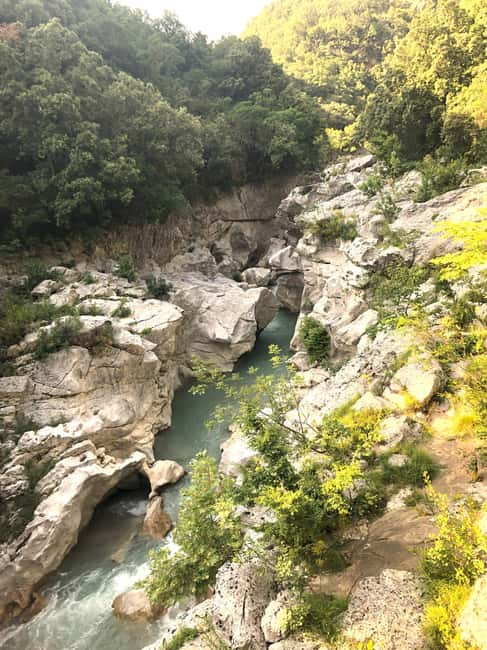
After the initial climb, the route shifts toward bridge crossings and river access. This is where the trek becomes more varied and less predictable, which I like on a short outing.
You’ll pass modern and traditional bridges, and one of the named stops is the Dalas Bridge. There you can see remnants of an old watermill. That little detail changes the tone of the gorge: it’s still wild, but it also hints at how people once used the river for work and survival.
I find bridge sections useful because they often create natural “checkpoints.” You get a breather, you can regroup, and you can look back over what you’ve already walked. It’s also a good moment to confirm you’re comfortable with your footing, since the route later transitions into river-bed trekking.
If you’re prone to getting cold quickly, this is a good time to drink your water and start thinking about layers, because you’ll be around moving water again soon.
River trekking through the gorge: white cliffs and cool flow
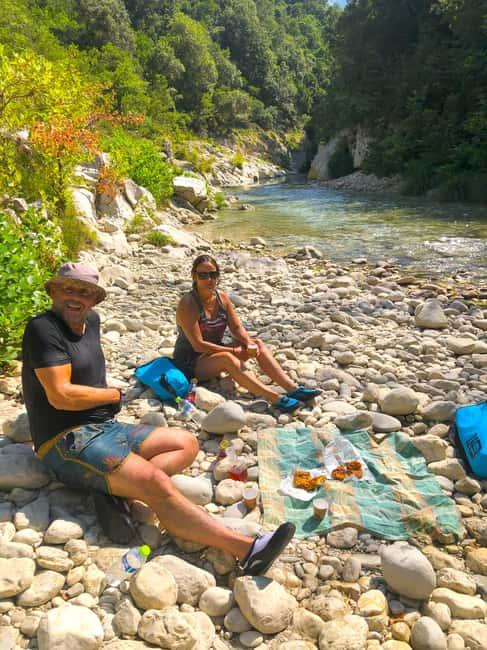
Here’s the part that most directly separates this trek from a typical sightseeing walk: you’ll trek back to Glyki through the river bed.
This doesn’t mean you’re doing technical climbing. It does mean wet feet, slick surfaces, and changing conditions with the water’s movement and the rocks’ shape. I’d treat it like a walking workout plus a water experience, not as a casual stroll.
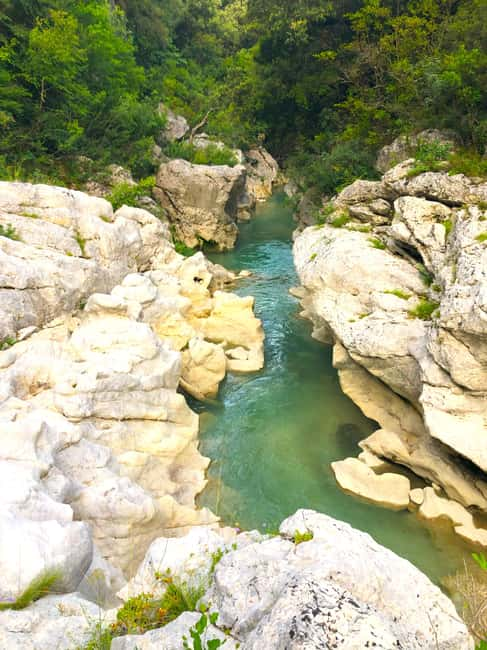
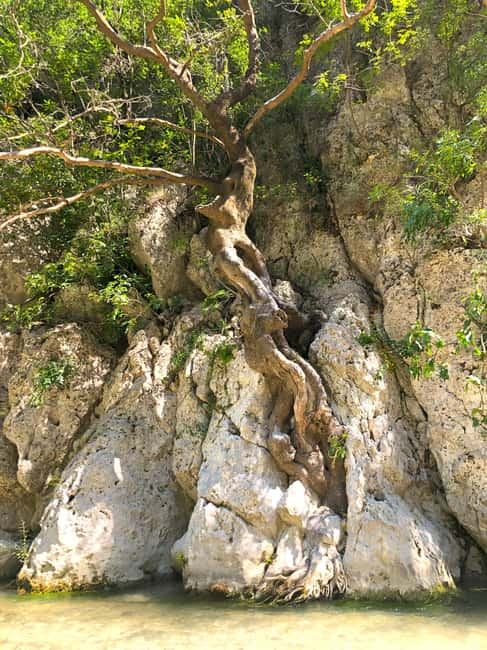
Along the way, you’ll enjoy the untouched natural look of the gorge. Towering white cliffs frame the route, and cool water runs through rock clefts. That’s the reason people come back to this area: it’s visually striking and physically refreshing at the same time.
You’ll also be surrounded by that constant river sound, which makes the space feel bigger than it is. Even on a 2.5-hour outing, the gorge can make time feel faster because you’re moving through different “rooms” of the landscape.
Tip: keep your focus on your next step, not just the scenery. You can still take photos, but don’t let the camera distract you where the footing looks smooth.
Picnic on the river beach: the break that makes it feel complete
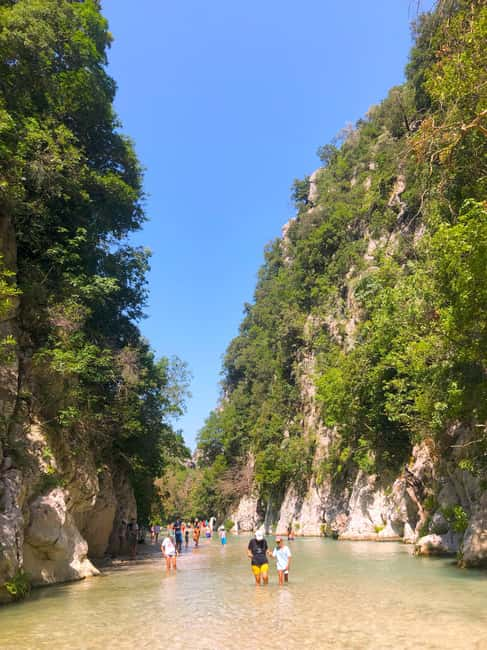
After the active walking, you’ll rest at a river beach. This is where the trek stops being only effort and becomes a full experience.
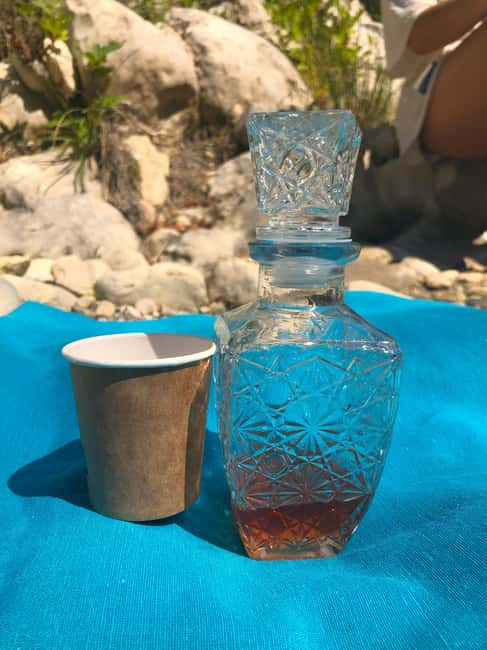
Snack and beverage are included, so you’re not scrambling for food midway. One of the nicest touches is that the picnic can include fresh figs and homemade pies, which turns a standard break into something memorable and local.
This is also where you can warm up a bit, dry your hands, and decide how you want to handle the next cold-water stretch toward the end. Don’t rush this part. If you’re even a little under-prepared, river trekking taxes you more than you expect.
I like that the route gives you a real pause, because it improves the whole day. You’ll feel the difference between “walked and survived” and “walked, ate well, and enjoyed it.”
Dragon Hole / Elemental Cave: one of the coldest springs you’ll meet
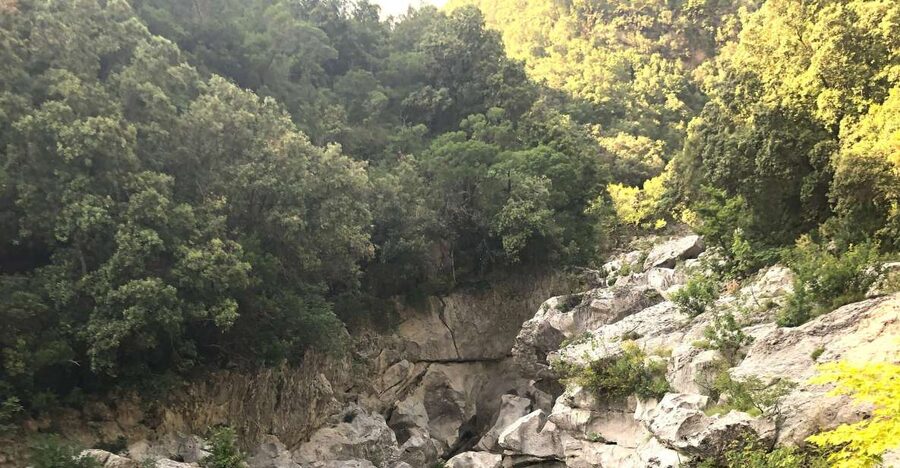
Near the end, you’ll encounter the Dragon Hole or Elemental Cave. This is described as one of the river’s largest and coldest springs, and that matters because cold springs change your body quickly.
The experience here is simple: you get to the water, see it, and then exit the water to finish the walk back at the starting point. It’s not about fancy gear or timed stunts. It’s about reaching a specific natural feature and letting the river do what it does best.
I recommend treating this like a real “turning point.” If you’re the type who gets cold easily, plan to move steadily, keep your towel handy, and be ready to dry off when you’re done.
Even if the myth is your reason to come, this is the moment that often makes people feel it was worth the effort. It’s hard to fake cold water and rock flow. The place does it on its own.
Price and what $47 gets you in real value
At $47 per person, this trek is positioned as a short, focused activity rather than a long-day hike or a full-day tour. For me, the value comes from what’s included and how the time is used.
You’re getting:
- Professional escort support with valid first aid certification
- A live English guide
- Snack and beverage
- A traditional shepherd’s stick (glitza), which also makes you feel like you’re walking with a local rhythm
You’re also paying for a specific kind of access: gorge trekking with river-bed walking and a spring feature at the end. If you price out those “activity elements” separately—guide time, safe escorting, and a route built around natural stops—the price looks more reasonable.
Could it be expensive if you just want views from a deck? Yes. But if you’re looking for a guided, active, nature-first outing in Epirus that actually uses the river, $47 feels like the right scale.
What to bring for wet feet, cold water, and better photos
This trek is short, but it has water-contact requirements. Pack like you’ll get wet, because you will.
Bring:
- Comfortable shoes (and waterproof shoes if you have them)
- Socks
- Sunglasses and a sun hat
- Swimwear, plus a change of clothes
- Towel
- Water
- Camera (and room in your bag for it to stay dry)
A quick reality check: the river bed part is where people get annoyed when they under-pack. If you bring cotton-only outfits, you’ll regret it once the water cools down. If you bring an extra dry layer, you’ll feel grateful when you exit the Dragon Hole / Elemental Cave.
Also, plan your timing for comfort. Even with a 2.5-hour duration, you can end the trek chilled if you don’t have a towel and dry clothes.
Who this underworld trek is for, and who should skip it
This experience is not suitable for children under 12, pregnant women, people with back problems, non-swimmers, or anyone with low level of fitness. That’s not just legal language. It matches the reality of river-bed walking and cold spring exposure.
On the other hand, it’s a strong fit if you:
- Want a guided, nature-focused activity with myth as theme
- Like the idea of wet river trekking rather than only dry viewpoints
- Are comfortable walking on uneven, potentially slick ground
- Prefer smaller, less “tour-bus” vibes
If you’re a steady walker who can handle a bit of wet effort, this will feel like a great use of time in Epirus.
Should you book the Acherontas River gate of the underworld trek?
Book it if you want a short trip that mixes scenery with real movement, and you like the idea of ending at the Dragon Hole / Elemental Cave cold spring. This is the kind of outing that turns an area into a memory, because you don’t just look at the river. You walk with it.
Skip it if you need fully dry conditions, you have back or mobility concerns, or you’re not comfortable around river water. The route is active by design, and the cold-water segments are part of the point.
If you’re on the fence, this is my practical advice: be honest about your comfort with slick rocks and water time. The people who enjoy this most are the ones who treat it as a river experience first, and a sightseeing stop second.
FAQ
How long is the Acheron River gate of the underworld trek?
It lasts about 2.5 hours.
Is the tour guided in English?
Yes, there is a live tour guide in English.
What’s included with the ticket?
You get professional escorts with valid first aid certification, a snack and beverage, and a traditional shepherd’s stick (glitza).
What should I bring if I’m joining a river trekking route?
Bring comfortable shoes (and waterproof shoes if possible), socks, swimwear, a change of clothes, a towel, sunglasses, a sun hat, water, and a camera. Waterproof storage for your phone/camera can also help.
Is this trek suitable for children?
No. It is not suitable for children under 12.
Do I need to swim during the activity?
Non-swimmers are not suitable for this activity. The route includes trekking through the river bed, so you should be comfortable around river water.
What if I’m the only participant?
If there is only 1 participant, there is an extra charge of 20 euro paid on the spot to the guide for a private activity.