REVIEW · HANOI
3-Day Trekking In Pu Luong Nature Reserve Private Tour
Book on Viator →Operated by Bamboo Adventures · Bookable on Viator
Pu Luong is a reset button. In just three days, you’ll trade Hanoi traffic for rice fields, village life, and guided trekking inside Pu Luong Nature Reserve. What makes this tour feel practical is that it’s built around door-to-door private transfers plus homestays, so you spend less time coordinating and more time walking and looking around.
I particularly like the licensed English-speaking guide. You get help navigating the area where public transit is limited and English isn’t widely spoken, which makes the whole experience less stressful. I also like that the tour doesn’t stop at one scenic hike—there are village visits (including Eo Ken, Kho Muong, Nua, and Kit) and two nights of homestay living, one in a stilt house.
One thing to consider: if you expect heavy, hands-on culture immersion every hour, you may feel it’s more about the hiking rhythm than constant cultural programming. A prior guest called out that the plan felt more like an inclined walk than what they expected from the description.
In This Review
- Key things to know before you go
- Where Pu Luong starts: Hanoi pickup, then straight into the mountains
- Mai Chau Valley viewpoints: a useful warm-up stop
- Day 1: Thung Khe Pass, then a 7 km trek and your first homestay
- Day 2: sunrise options and a full day in the reserve area
- Day 3: Kit village trek, then back via Nua Village
- Homestays and meals: value you feel in the schedule
- Treks and fitness: the real effort level, not the marketing level
- Price and logistics: what you’re paying for at $327.18 per person
- Who this tour suits best (and who should rethink it)
- Should you book this Pu Luong private trekking tour?
- FAQ
- What time does the tour start?
- Is pickup included, and is it only from Hanoi hotels?
- What’s included in the price besides the guide?
- How many days and treks are included?
- Are homestays included, and is one in a stilt house?
- What physical fitness level do I need?
- Is cancellation free?
Key things to know before you go
- Door-to-door private transfers from any address in Hanoi remove the biggest headache.
- Homestays for two nights, including one night in a stilt house.
- 7 meals included (lunches, breakfasts, and dinners), plus drinking water in the car.
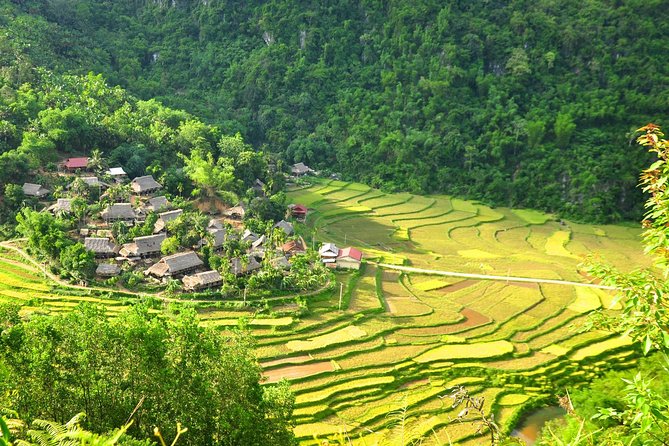
- Village stops in Eo Ken, Kho Muong, Nua, and Kit during your trek days.
- Treks on all three days with a day-one 7 km walk and a day-three 3-hour trek.
- Start time is 8:00 am, so you’ll be using the morning daylight efficiently.
Where Pu Luong starts: Hanoi pickup, then straight into the mountains
If you want Pu Luong to feel like a real getaway, the best part starts before you even reach the reserve. You’re collected from your Hanoi hotel or any address you choose, and you go by air-conditioned vehicle. That matters because the route can eat up your energy—this way, you’re not trying to figure out transport mid-journey.
The drive is long enough to force a proper reset: expect about 4 hours toward Mai Chau first, with scenic views changing around every bend. There’s also a planned stop at Thung Khe Pass, roughly an hour to take in the viewpoint. This is a nice buffer moment: you get scenery right away, but you’re not already in full hiking mode.
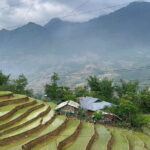
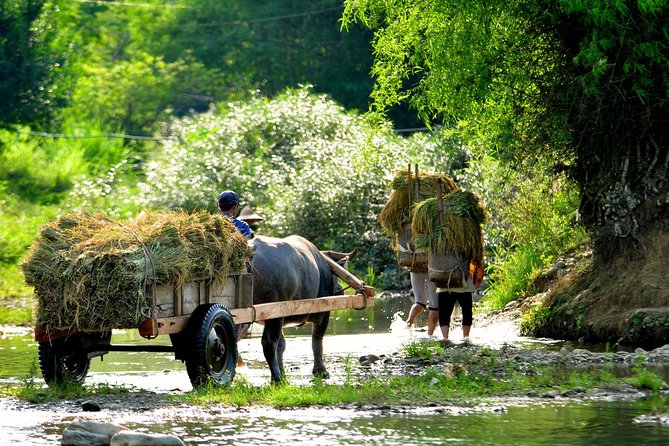
At the end of the day, you’ll be in a slower pace. In Pu Luong, the air feels different, and the days are measured by fields, paths, and family routines. It’s the kind of place where you start paying attention to small things—how people move, how the hills shape work, and how quiet can still feel alive.
You can also read our reviews of more tours and experiences in Hanoi.
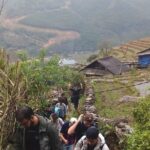
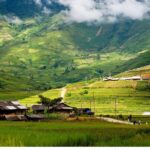
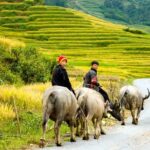
Mai Chau Valley viewpoints: a useful warm-up stop
Mai Chau Valley isn’t just a random add-on. That early viewpoint stop helps you calibrate your expectations: you’re heading into a region of steep terrain, tight valleys, and villages that hug the mountain lines. If you arrive without seeing the topography, the later walking can feel more intense.
Also, the pass stop is scheduled as a separate moment (about 1 hour), not something squeezed in while you’re tired. It’s a good time to get photos, stretch your legs, and snack if you need a quick energy boost before the bigger travel day.
Do note this: your day starts early, and you’re driving first, trekking later. Bring simple travel items you’ll actually use—water bottle, a light layer, and something to protect your face from sun or dust during the road portion.
Day 1: Thung Khe Pass, then a 7 km trek and your first homestay
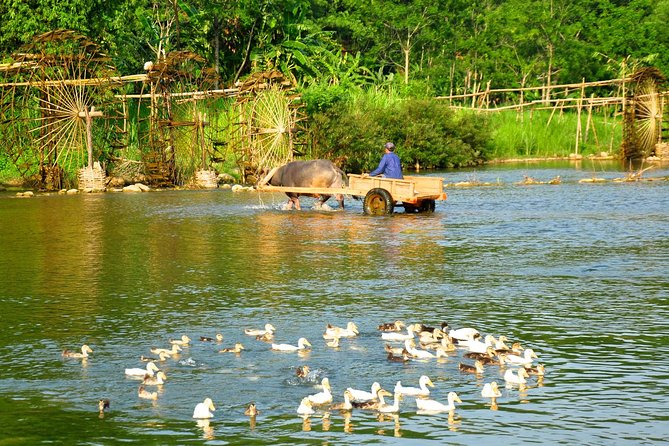
Day one is about transition. You leave Hanoi, see Mai Chau from Thung Khe Pass, then continue on until you’re ready to start trekking in Pu Luong Nature Reserve. After lunch, the plan is to begin a 7 km trek through the forest—the kind of walk that slowly tightens the connection between you and the terrain.
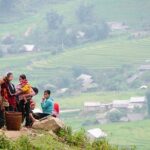
This is also the day where village life begins to show up in the experience. The tour is designed around visiting communities such as Eo Ken, Kho Muong, Nua, and Kit, so you’re not just hiking through empty nature. By late evening, you’ll arrive at your homestay.
One night is called out as a stilt house, which is a great detail to anchor your expectations. In practice, it means your overnight experience will be more “living with a family” than “staying in a tourist lodge.” It will feel more basic than a hotel, and the day’s quiet will likely start earlier—because in the hills, everyone sleeps by the rhythms of the next day.
What I like about this day-one structure is pacing. You get a full travel day first, then trekking long enough to feel like you earned that arrival dinner. When you reach the homestay late, you’ll appreciate the stop from walking rather than feel like the schedule is dragging.
Day 2: sunrise options and a full day in the reserve area
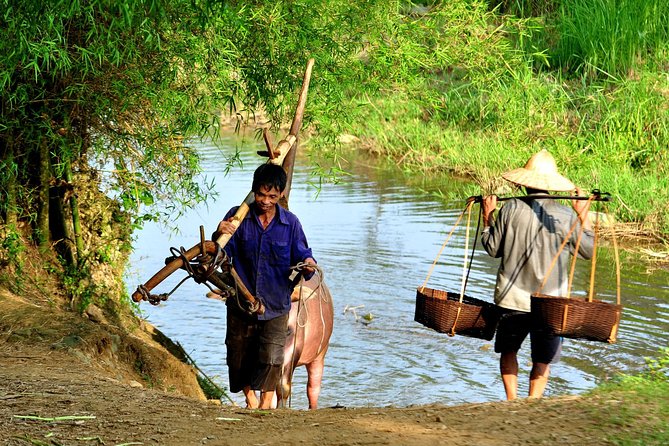
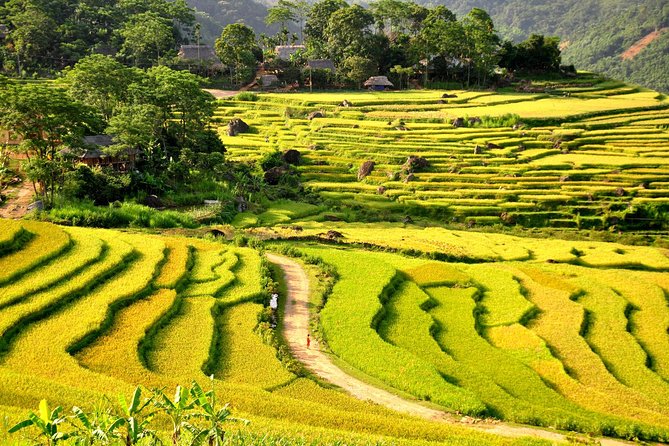
Day two builds on what you started bonding with on day one: farmers, fields, and morning routines. If you wake up early, the experience includes a chance to see sunrise behind the mountains, with light hitting the farmers as they work.
This is one of those moments where good planning matters. Sunrise viewing sounds romantic, but it’s also practical: you’re up early before the day heats up and before things get busy. Even if you skip sunrise, the tour still runs for about 6 hours in the reserve area, which gives you a solid block for trekking and village time.
There’s also an option mentioned for joining farmers in their work if time permits. That’s the closest thing this tour description gives you to hands-on cultural contact. It’s not framed as a scripted show; it’s framed as doing what you can within the flow of the community’s day.
Here’s the balanced way to think about it: you’re not at a theme park. You’ll likely notice differences in pace and language, and you may communicate mostly through gestures, patience, and your guide’s help. If you expect nonstop explanation every minute, you might feel the quiet as a little blank. If you’re okay with that, you’ll probably find it calming.
Day 3: Kit village trek, then back via Nua Village
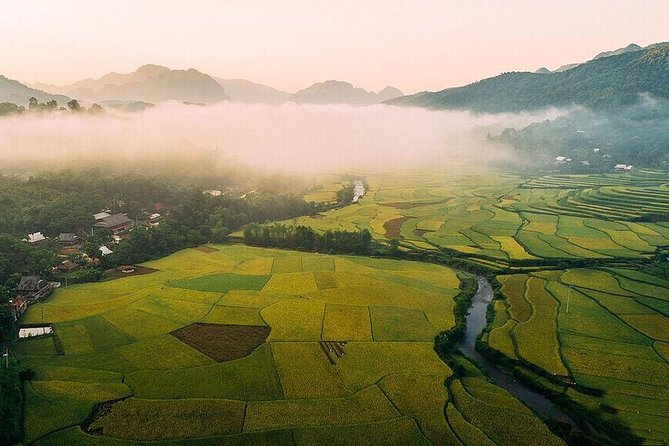
Day three is the “finish strong” day. After breakfast, you begin another trek—about 3 hours—starting with an easier stretch that gives you a chance to settle into your footing and enjoy the surroundings before you go further.
The main destination on this day is Kit village. Then you return the same way to Nua village for more time in that community area before the tour wraps up the experience.
This design has two advantages. First, returning the same route often makes logistics simpler for a guide and less confusing for you. Second, it gives you a chance to view the same terrain twice—outbound and return—so you catch different angles and light.
The earlier point about “inclined walk” matters most here. If your hiking expectation is mostly flat and gentle, plan for some uphill effort. One guest noted the walking felt more inclined than they expected based on the description. That doesn’t mean it’s dangerous or overly extreme—just don’t assume it’s stroll-level.
If you’re the type who likes movement and big views, day three will likely feel satisfying. If you’re sensitive to steep paths, you’ll want good footwear and trekking support (even just walking poles if you like them).


Homestays and meals: value you feel in the schedule
This tour includes two nights of homestay accommodation and a full 7-meal package. Meals included are a big value lever on a trek, because food costs add up quickly when you’re off the beaten track. Here, you’re covered for breakfasts, lunches, and dinners, and you also get drinking water in the car.
One night is specifically in a stilt house. That’s not just a quirky photo stop—it changes the whole vibe of the stay. The stilt-house setting generally signals a different relationship with the ground, water, and weather than a standard hotel. Either way, the theme is clear: this isn’t meant to be “tourist hotel convenience with a view.” It’s meant to be basic, family-run, and calmer.
What you should do mentally is adjust your comfort level. Homestays can be warm and friendly, but they aren’t built for your usual routines. Expect simple sleeping arrangements, and be ready to follow the household’s pace.
The best way to get something meaningful out of homestay time is to be respectful and observant. Ask your guide what’s appropriate, try a few simple greetings, and go with the flow. Even if you can’t speak much, your actions speak loudly: calm, grateful, and not in a rush.
Treks and fitness: the real effort level, not the marketing level
The tour states you need moderate physical fitness. That’s a fair middle category—enough to handle real walking, but not marketed as ultra-athletic.
Still, you should judge effort by the numbers you’re given:
- Day one includes a 7 km trek
- Day two runs about 6 hours in the reserve area
- Day three includes a 3-hour trek
There’s also a clue from the less-perfect review: the walking can feel more like an inclined path than a flat cultural stroll. Plan for uphill sections and keep your pace steady.
Practical tip: wear shoes with grip and already-broken-in soles. In areas like this, you want to trust your feet. Bring a light rain layer too—mountain weather can flip quickly, and you don’t want to be stuck changing clothes because you forgot basics.
If you enjoy walking for hours, don’t mind steep moments, and like being outside more than shopping and sitting, you’ll probably love this. If you need flat, easy terrain every day, this may feel like too much movement in three days.
Price and logistics: what you’re paying for at $327.18 per person
At $327.18 per person for a 3-day private tour, you’re not just paying for guiding. You’re paying for the heavy logistics that make trekking actually work: private door-to-door transfers from Hanoi, homestays (including one stilt-house night), all the included meals, and the fees and taxes covered in the package.
You also get a licensed English-speaking guide, plus admissions/tickets and travel permits tied to the itinerary. For many people, that’s the hidden value: it prevents the constant “wait, where do we go next?” feeling that can drain an entire trip.
Is it a bargain compared with doing it yourself? If you already know local transport, homestay arrangements, and permits, maybe. But most first-timers don’t. For those travelers, this price buys time, simplicity, and a smoother on-the-ground experience.
One more value point: the tour notes mobile tickets and that it’s a private activity with your group only. That can matter when trekking schedules are tight and you don’t want to share your day with strangers.
Who this tour suits best (and who should rethink it)
This is best for you if:
- You want a private experience with less coordination stress
- You enjoy trekking and want it on every day
- You’re happy with homestays as part of the experience, not a side note
- You want village visits like Eo Ken, Kho Muong, Nua, and Kit, guided by someone who can explain what you’re seeing
It may not suit you as well if:
- You expect intense culture programming every hour with minimal walking
- You have low tolerance for uphill paths and longer walking blocks
- You want a hotel-style comfort level
A good fit is someone who likes calm places, doesn’t mind basic overnight accommodations, and wants their trip to feel real rather than packaged.
Should you book this Pu Luong private trekking tour?
If your dream is Pu Luong trekking with homestay life and village visits—without the headache of arranging transport and permits—this tour makes a lot of sense. The door-to-door Hanoi pickup, the included meals, and the fact that trekking is scheduled across all three days create a complete package rather than a half-day tour with extras.
I’d book it if you’re comfortable with moderate hiking, enjoy scenic views, and are okay that the “culture experience” may come more through daily life and village stops than through constant scripted activities.
If you’re very sensitive to incline walking or you’re expecting a more structured culture program than trekking-first, you might want to look closely at your hiking tolerance before you commit.
FAQ
What time does the tour start?
The tour start time is 8:00 am.
Is pickup included, and is it only from Hanoi hotels?
Pickup is offered, and the tour includes private 2-way transfers from any address in Hanoi.
What’s included in the price besides the guide?
The package includes licensed English-speaking guide, air-conditioned transport, homestay accommodation, sightseeing tickets and travel permits mentioned, 7 meals, and drinking water in the car.
How many days and treks are included?
It’s a 3-day tour with trekking on each of the three days.
Are homestays included, and is one in a stilt house?
Yes. You get two nights homestay, including one night in a stilt house.
What physical fitness level do I need?
The tour recommends moderate physical fitness level.
Is cancellation free?
Yes. You can cancel for a full refund if you cancel up to 24 hours in advance of the experience’s start time.