REVIEW · KATHMANDU
14-Days Private Everest Base Camp Trek Activity
Book on Viator →Operated by Himalayan Vista Trekking Pvt. Ltd. · Bookable on Viator
Everest Base Camp, without the chaos. This 14-day private hike in Nepal is built around well-managed pacing and guided altitude acclimatization. You’ll also get a straightforward trip structure: airport transfers on arrival, a clear in-country plan, and plenty of time to adjust before going higher.
What I like most is the way the route hits the big photo stops on purpose—Namche Bazaar, Tengboche, Dingboche, Lobuche—and then pushes you to the most famous viewpoint in the Everest area: Kala Patthar. There’s a strong sense of momentum, from Sherpa villages and river valleys to the glacier edge.
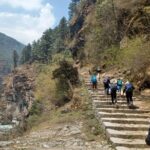
One drawback to keep in mind: altitude and early starts. This trek includes steep climbs and long descents, with loose stones in places, so you’ll want real patience with your legs and your breathing.
In This Review
- Key things that make this Everest Base Camp trek work
- Kathmandu Arrival: Garlands, Thamel Gear, and a Plan That Actually Starts Day One
- Getting to Lukla and Starting Easy: Phakding, Mani Walls, and First Big Views
- Namche Bazaar: The Acclimatization Center That Also Feels Like a Real Town
- Khumjung and Dingboche: Two Altitude Breaks That Help You Hike Smarter
- Tengboche to Dingboche: Ama Dablam Views and Yak-Trail Reality
- Lobuche and Gorakshep: The Long Approach to the Everest Base Camp Moment
- Everest Base Camp: Why This Is the Heartbeat Stop
- Kala Patthar Sunrise: The View Most People Remember Longer Than Base Camp
- Coming Down Carefully: Namche Bazaar, Lukla, and the Loose-Stone Test
- Price and Value: What $1,600 Actually Covers for an Everest Trek
- The Human Part: Why Guides Like Dipak and Bishal Gurung Matter
- Who Should Choose This Trek, and Who Might Want to Rethink It
- Should You Book This Private Everest Base Camp Trek?
- FAQ
- How many days is the Everest Base Camp trek?
- What is the price per person?
- What meals are included?
- What is not included in the experience?
- Is this a private tour?
- Do you provide pickup in Kathmandu?
- Is there a minimum requirement or weather condition?
Key things that make this Everest Base Camp trek work
- Private, just your group: only your party participates.
- Meal support for 14 days: breakfast, lunch, and dinner are included throughout the trek.
- Built-in acclimatization rhythm: Khumjung and a Dingboche adjustment day help lower altitude risk.
- Kala Patthar is a highlight target: early morning hike for a 360-degree Everest view and sunrise.
- Strong guide reputation: praised guides include Dipak and Bishal Gurung, plus porter support like Basnta.
- Kathmandu + Thamel prep time: gear shopping and a briefing before the trek.
Kathmandu Arrival: Garlands, Thamel Gear, and a Plan That Actually Starts Day One
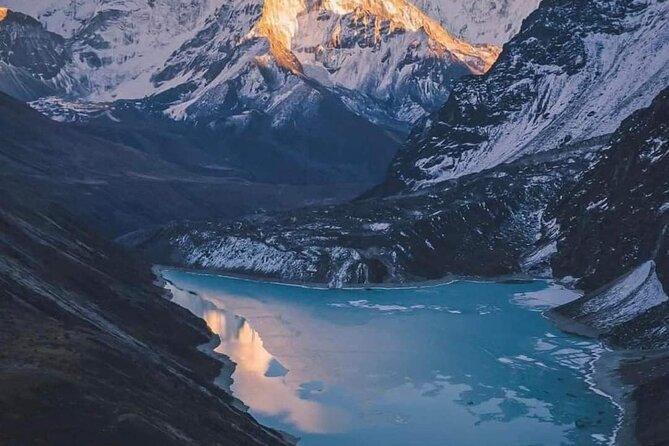
Your Everest Base Camp trek starts in Kathmandu, and the first day is about getting you settled and ready—not thrown into logistics. After you arrive at Tribhuvan International Airport, you’re greeted by a representative with a garland of marigolds, then transferred to your hotel.
What I like here is the human touch. That welcome with marigolds (and juice at the hotel) helps the whole trip feel personal, not like a numbered pickup-and-drop. You also get explained about the next day’s program by a travel expert, and you’ll meet your guide so you can ask practical questions while you still have cell signal and time to fix things.
You’ll sleep in a hotel that’s either three-star or five-star depending on your trekking package. Either way, the goal is the same: rest, eat well, and use the evening to visit Thamel, where you can buy trekking gear and start thinking through layers, gloves, and footwear. For most people, that Thamel run is where the small details get solved—things like adjusting your boots with better socks or replacing a cheap accessory you brought from home.
Practical tip: if you’re planning to buy last-minute gear, do it early in Kathmandu. Waiting until you’re already in Lukla or higher can turn a simple fix into a chain of problems.
You can also read our reviews of more tours and experiences in Kathmandu.
Getting to Lukla and Starting Easy: Phakding, Mani Walls, and First Big Views
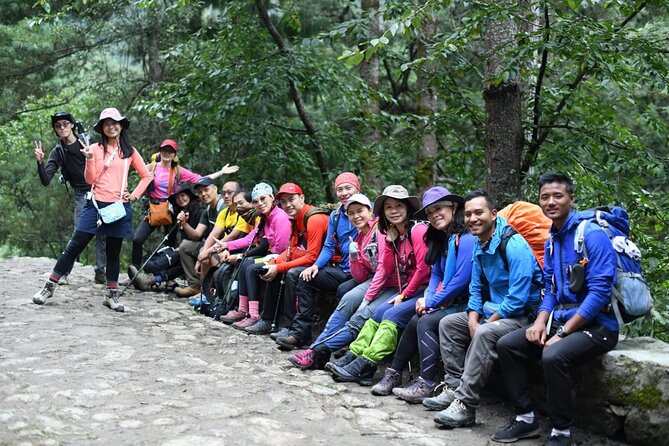
After Kathmandu, the trek quickly shifts from city life to mountain pace. The next move is flying to Lukla, where you meet the full team and then begin with a tea house breakfast before hiking toward the Everest region.
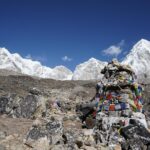
Your first trekking stop is Phakding, and that’s smart planning. Phakding sits at a lower elevation than Lukla, so it’s an easier on-ramp. You’ll walk rocky trails through areas with Mani walls and Chorten, which are part of the cultural landscape in this part of Nepal. Even if you don’t go deep on local meanings, these markers help you feel like you’re moving through a living place, not just hiking a track.
This is also where you get your first tastes of the kind of trails you’ll see more of later: short stretches that look manageable, then a few uneven steps, and constant changes in footing. The pacing matters more than speed. Your job early on is to get into a rhythm you can keep for two weeks.
You’ll also pass permit-related checkpoints as you go. At this stage, it’s more about ensuring everything is handled than about the view. But the view does start showing itself too—like Mt. Khumbila as you continue beyond early points.
Practical tip: treat the first hiking day as training for your trekking feet. Tight boots, wet socks, or worn insoles can quietly ruin a whole trip.
Namche Bazaar: The Acclimatization Center That Also Feels Like a Real Town
The next key stage brings you to Namche Bazaar. On the way, you’ll reach Monjo and take the National Park permit at the Sagarmatha National Park office. Then you continue through Jorsalle for lunch, and after that the route becomes more dramatic: you cross a suspension bridge and hike along the Dudh Koshi River bank.
What I like about this approach is that it mixes scenery with structure. You’re not just walking uphill blindly. You’re guided through the checkpoints you need, then you get into a protected rhythm as the valley narrows and the terrain starts pushing your altitude tolerance.
As you continue toward Namche, you cross the Tenzing Hillary suspension bridge. That bridge name is famous, but the real value here is the feeling of scale and exposure—wind on the bridge, your steps counting seconds, and the way the valley opens and closes around you.
Namche Bazaar is also more than a “rest stop.” It’s a high-altitude market town in the Khumbu valley, well known for trade between local communities and people from Tibet. That matters because it gives you everyday comforts: restaurants, cafes, ATMs, and even fast internet services. In other words, you can handle the real-life logistics of being away from home for two weeks.
From here, the trek adds acclimatization days in a smart way instead of treating altitude like something you can brute-force.
Khumjung and Dingboche: Two Altitude Breaks That Help You Hike Smarter
A lot of Everest tragedies come from simple things: pushing too fast and ignoring your body. This route takes the safer path by building in adjustment days before the highest terrain.
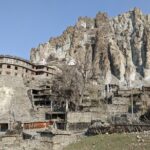
After Namche Bazaar, you head to Khumjung for an acclimatization day. The point is to let your body adjust so the risk of acute mountain sickness drops. Khumjung also gives you a taste of Sherpa community life and the kind of views that make you understand why people come back again and again.
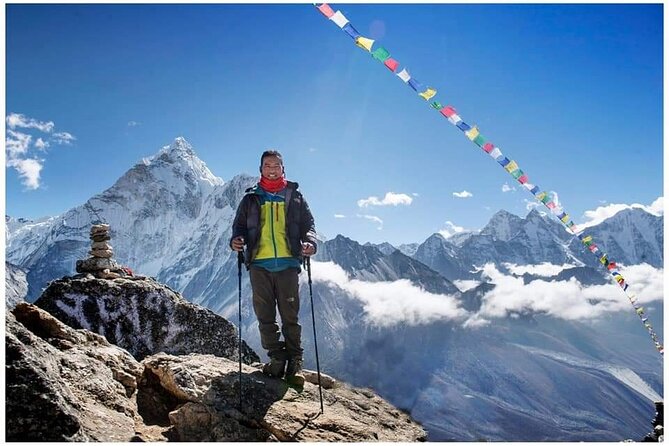
Then the plan shifts into Dingboche, a place at 4,410 meters. Here you get another adjustment day. You’ll spend time around the village and can take a viewpoint hike (3–4 hours) to see surrounding peaks, including Tawache, Thamserku, Lobuche west, and especially a mirror-like view of Ama Dablam.
Here’s why this matters: acclimatization isn’t just “resting.” It’s practicing how you’ll move at altitude—slower steps, shorter efforts, and more time for your breathing to catch up.
Practical tip: on acclimatization days, keep the hiking light. You want to feel better after the hike, not crushed.
Tengboche to Dingboche: Ama Dablam Views and Yak-Trail Reality
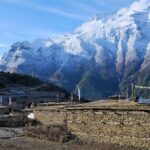
As you continue higher, Tengboche becomes another major stop. The trail is uphill with rocky and dusty sections, and along the way you’ll get close views of mountains like Ama Dablam and Khangtega.
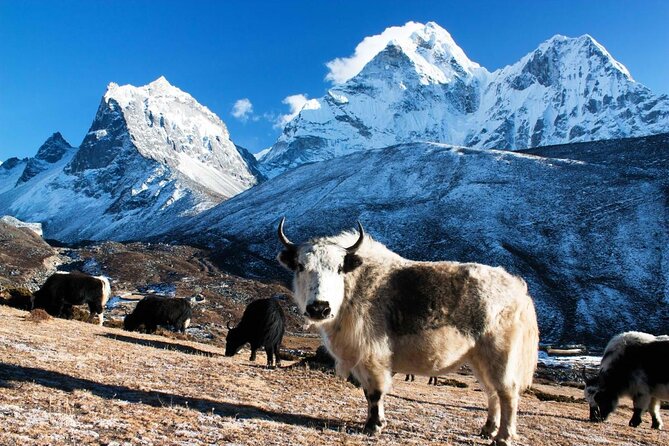
Tengboche also comes with a reality check that helps you prepare. You’ll be walking on narrow trail edges where people and animals share the path. In particular, you need to be careful around yaks used for transport in the region. When a yak approaches, step aside and stay on the corner side—don’t crowd the animal’s movement line, because pushing or sudden shuffling can put you off balance on loose terrain.
That’s a small detail, but small details are what make or break comfort on a trek like this. The mountains look stunning on the surface. On the ground, it’s footsteps, balance, and predictable movement.
By the time you reach Dingboche, the terrain and air feel different. Trails often include stream crossings, bridge crossings, and sections through dry vegetation. It’s still a trek route, but you’re living closer to the high Himalaya every day.
Lobuche and Gorakshep: The Long Approach to the Everest Base Camp Moment
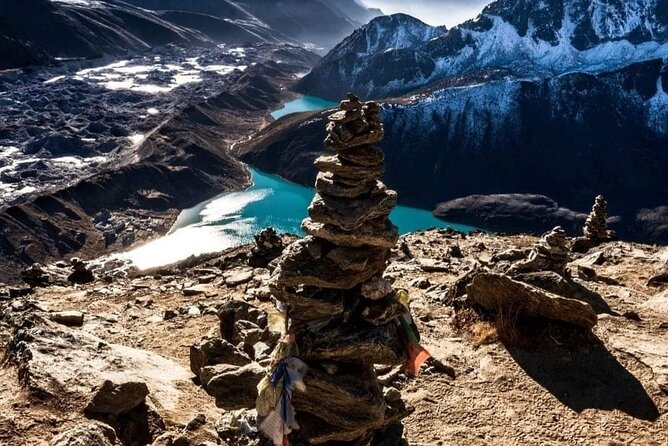
Once you reach Lobuche, you’re in the zone where every “easy” minute feels like it matters. The route takes you toward Thukla, with big views of peaks like Tawache, Choltase, Arakamche, and Lobuche peak.
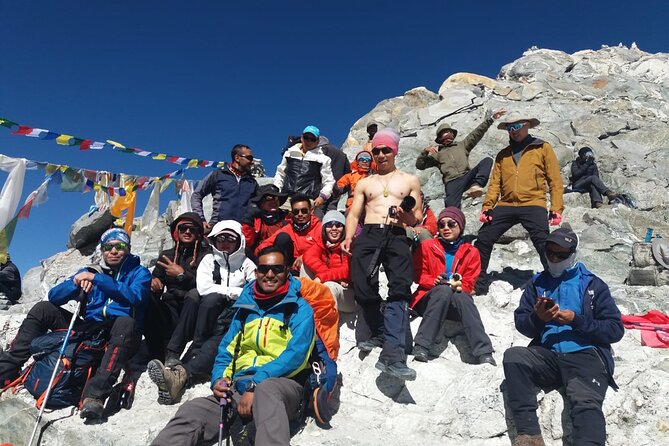
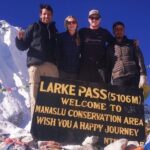
You then climb to Thukla Pass, and this is where you need to slow down. The ascent is steep. The instruction you’ll want to follow is simple: keep a steady pace and take rest when you need it. At the pass, you can pause with scenes of Pumori, Khumbutse, and other peaks in view.
From Thukla, you continue to Lobuche. The trail here can be easy in terms of effort, but it may not be perfectly managed, with loose stones and uneven footing. You’ll start to understand that “in the mountains” isn’t always smooth.
Next comes Gorakshep, one of the highest points on the trek and the staging area closest to Everest Base Camp. Your journey breaks into two parts: first Gorakshep, then the base camp itself. After breakfast, you head toward the base camp guided by your mountain guide, moving along rocky sections and across a valley parallel to the Khumbu Glacier.
This stretch is the psychological turning point. The earlier days are about reaching altitude and getting your legs ready. Now the goal is specific and immediate: you’re walking toward Everest Base Camp.
Everest Base Camp: Why This Is the Heartbeat Stop
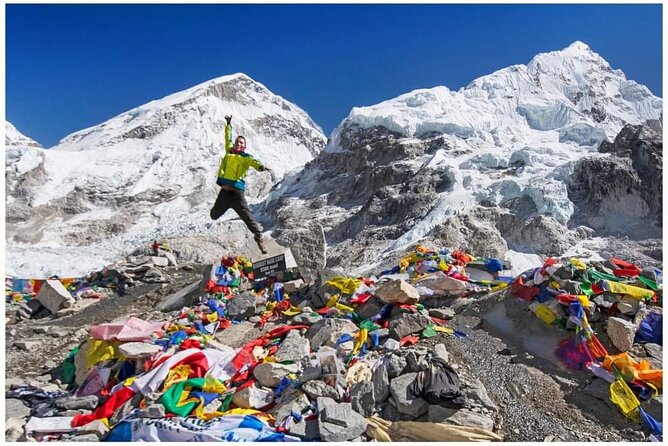
Getting to Everest Base Camp is the emotional payoff. When you arrive, the views around you feel close in—like the mountains are standing close enough to touch, and you’re not just watching them from far away.
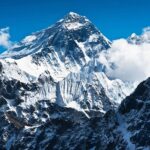
This is also the moment when the list of famous peaks becomes real. You’re surrounded by major Himalayan giants in the Everest region, including Mt. Everest itself (8,848.86m), plus Mt. Lhotse (8,516m), Mt. Nuptse (7,855m), and Ama Dablam (6,812m), among others on the broader route viewpoint set.
The guide support here matters more than people expect. Base Camp terrain and timing can feel confusing if you try to do it solo. With a guide, you get a clearer plan for movement, photo breaks, and how to avoid wasting energy on unnecessary detours.
Kala Patthar Sunrise: The View Most People Remember Longer Than Base Camp
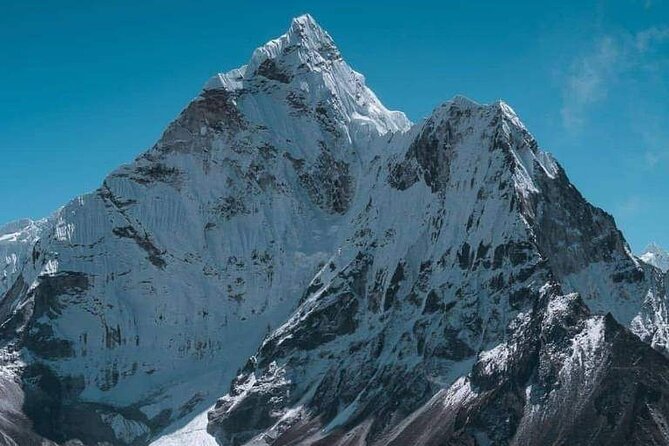
If Everest Base Camp is the main goal, Kala Patthar is the memory you’ll talk about afterward for years.
Your day starts with an early wake-up so you can hike Kala Patthar. It’s described as the best vantage point for a 360-degree view of Mount Everest and neighboring peaks. You also get the chance to watch the golden sunrise from the side of Everest opposite where you’ll be standing.
This isn’t a casual walk. It’s a steep early hike, and it rewards steady effort. The point is to walk slowly enough that you don’t burn out before you reach the viewpoint. When the sun arrives, the whole scene changes fast—light, contrast, and how the mountains look from different angles.
Then the plan includes descent to Gorakshep for breakfast and the next move to Pheriche. Sunlight on the Himalaya can be intense, so you’ll want to pace your photos. Don’t rush the moment, but don’t lose focus either—fatigue and cold make it easier to slip.
Coming Down Carefully: Namche Bazaar, Lukla, and the Loose-Stone Test
The return journey is where many trekkers realize that downhill is its own challenge. On the way back, you hike down toward lower elevations. After breakfast, you head toward Phungi Tenga to reduce elevation, then continue onward to Namche Bazaar.
The note I want to underline for your legs: descending can cause joint trouble if you rush. The plan explicitly flags the descent as tough and long compared to some other days, so treat it like a technical hike, not a casual stroll. Take short steps, keep weight controlled, and pause when your knees start feeling like they’re protesting.
Once you’re heading toward Lukla, the descent becomes steep again. The trail includes rocky sections and you’ll need to be careful with loose stones. This is the “don’t get careless” phase. A great trek can end with an avoidable ankle twist if you try to cover too much distance too fast.
When you finally reach Lukla, you’ll fly back to Kathmandu and get a chance to relax. It’s also a day trekkers often celebrate—cake, a small party energy, and thanks given to guides and porters. That celebration isn’t just fun. It’s a recognition that the last two weeks involved teamwork and support, not just personal effort.
Price and Value: What $1,600 Actually Covers for an Everest Trek
At $1,600 per person for a 14-day private Everest Base Camp trek, the price looks high until you break down what you’re getting.
Here’s the value math:
- Meals are included for all 14 days: breakfast (14), lunch (14), and dinner (14). Food costs in mountain villages add up fast, so this inclusion is real money saved.
- Private format: only your group participates. That typically means you’re not sharing your pace, your guide attention, or your planning decisions with strangers.
- Pickup offered in Kathmandu: you’re not stuck figuring out basic transfers right after a flight.
- A mobile ticket is included, which helps on the logistics side once you’re there.
What’s not included is also clear: insurance is not included, and any expenses not listed are excluded. From a value perspective, the biggest thing you should plan for outside this price is travel insurance that covers trekking and any flight/medical needs. Since the trek requires good weather, it’s smart to add flexibility in your personal schedule and cover the cost of unexpected changes with the right insurance.
Bottom line: this price makes sense if you want a guided, food-supported trek with a private feel and you’re budgeting for the essentials outside the package.
The Human Part: Why Guides Like Dipak and Bishal Gurung Matter
On Everest treks, the guide isn’t just there to point at mountains. They manage pacing, timing, and decision-making when conditions shift. That’s why I pay attention to guide feedback.
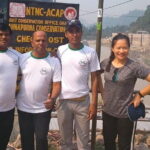
Past trekkers organized through Himalayan Vista Trekking Pvt. Ltd. praised guides like Dipak for professional organization and porter support like Basnta. Other feedback highlighted Bishal Gurung as friendly and resourceful. There’s also mention of a guide named Deepak being helpful through challenges around glaciers and other parts of the journey, even when adding extra objectives beyond base camp.
Even if your exact guide might differ, the consistent theme is clear: strong local leadership and practical support can make a huge difference when you’re tired, cold, or trying to stay safe on uneven terrain.
Practical tip: bring questions on day one—about pace, weather, and what to expect on the steep descents. A good guide will guide you beyond just route directions.
Who Should Choose This Trek, and Who Might Want to Rethink It
This trek is aimed at people with moderate physical fitness. You’ll be hiking multiple days through uneven terrain, with steep ascents and steep descents included in the plan.
I’d especially recommend it if:
- You want a private Everest Base Camp trek experience without negotiating shared schedules.
- You like the idea of a structured acclimatization plan with rest days in Khumjung and Dingboche.
- You want a classic Everest route that culminates at base camp and also targets Kala Patthar for sunrise and a 360-degree view.
- You value meals taken care of for 14 days, so you spend energy on hiking instead of day-to-day planning.
You might rethink it if:
- You have knee issues or know you struggle with steep descents.
- You dislike early starts. Kala Patthar requires waking early.
- You’re not prepared for variable trail conditions, including loose stones and rocky paths.
Also keep in mind: the experience requires good weather. If weather is poor, you’ll be offered a different date or a full refund.
Should You Book This Private Everest Base Camp Trek?
If you want an Everest Base Camp trek that feels organized, private, and built around safety pacing (not just summit dreams), this one is a strong choice. The combination of included meals, acclimatization days in Khumjung and Dingboche, and the targeted push to Kala Patthar makes the overall plan feel complete.
I’d book it if you:
- want guided support with a track record of helpful service from guides like Dipak and Bishal Gurung,
- prefer not to manage food budgeting for 14 days,
- and you’re serious about taking altitude seriously with a slow, steady pace.
FAQ
How many days is the Everest Base Camp trek?
The trek is about 14 days.
What is the price per person?
The price is $1,600.00 per person.
What meals are included?
Breakfast, lunch, and dinner are included for 14 days.
What is not included in the experience?
Insurance and any other expenses not mentioned as included are not included.
Is this a private tour?
Yes. It is a private tour/activity, and only your group will participate.
Do you provide pickup in Kathmandu?
Pickup is offered.
Is there a minimum requirement or weather condition?
The experience requires good weather, and it also requires a minimum number of travelers. If it’s canceled due to poor weather or minimum travelers not being met, you’ll be offered a different date or a full refund.