REVIEW · KATHMANDU
14-Day Private Annapurna Base Camp Trekking and Multi Activity
Book on Viator →Operated by Himalaya Arirang Trek Private Limited - Kathmandu Sightseeing · Bookable on Viator
Big mountains start with a small step. This private 14-day Annapurna Base Camp trek starts in Kathmandu, adds a Pokhara reset, then walks you through rhododendron forest and villages toward surreal views of Annapurna peaks and Machhapuchhre, with pickup included and plenty of time to enjoy the mountain pace (Annapurna Base Camp).
I really like two things about this trip. First, the human factor: guides like Ramesh and GP help you feel welcomed and safe from the first days, and they answer questions without rushing you. Second, the day-to-day comfort: lodge stays and meals are treated like part of the journey, and the food tends to be a real highlight after a long trek day.
One consideration: you’ll want moderate physical fitness, and you’re going to be at the mercy of weather in the higher country, since the experience requires good conditions. Plan for extra patience if mountain clouds or rain shift the timing.
In This Review
- Quick hits
- Annapurna Base Camp: Why This Route Gets So Much Love
- Day 1 in Kathmandu: A Calm Landing and Real Preparation
- Day 2 Pokhara Drive: The Useful Reset Before Hiking
- Nayapul to Ulleri: Your First Real Trek Day
- Ghorepani and Poonhill: Sunrise Views That Pay Back the Effort
- Tadapani to Sinuwa to Deurali: The Rhythm Builds
- Reaching Annapurna Base Camp: The Goal Day
- Dovan to Chhomrong and Ghandruk: Village Realness
- Back to Nayapul, Pokhara, and Kathmandu: The Soft Landing
- Price and What You Actually Get for $925
- Accommodation and Meals: Comfort That Doesn’t Feel Like an Afterthought
- Ramesh and GP: The Real Skill Behind a Safe Trek
- Weather Matters: When the Mountains Do What They Want
- Who This Private ABC Trek Suits Best
- Should You Book This Private ABC Trek?
- FAQ
- What is the duration of the Annapurna Base Camp trek?
- Where does the tour start?
- Is pickup offered?
- What’s included in the price?
- What is not included?
- What kind of accommodation should I expect while trekking?
- How fit do I need to be?
- Is this tour private?
- What happens if the weather is bad?
Quick hits
- Private group trek means your schedule stays in your hands, not a bus rhythm.
- Ramesh and GP are repeatedly praised for energy, safety, and being responsive to how you’re feeling.
- Permits and TIMS are included, so you’re not scrambling for paperwork mid-trip.
- Hotels in Kathmandu and Pokhara, plus teahouse/lodge options on the trail, keep comfort consistent.
- Poonhill sunrise is a major payoff point, especially for first-time Annapurna trekkers.
- Porters carry your luggage, so your trekking pack stays lighter and more realistic.
Annapurna Base Camp: Why This Route Gets So Much Love
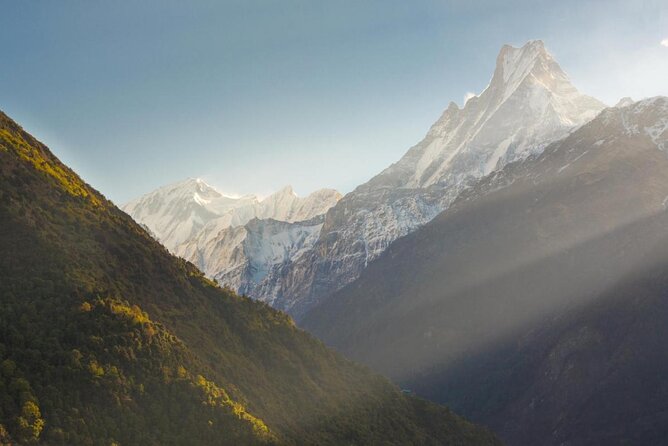
Annapurna Base Camp remains one of the best-known treks in Nepal for a reason. You don’t just walk from one scenic view to the next; you work your way upward through changing seasons of terrain and culture. One day you’re in green forest trails. The next, you’re moving through villages shaped by local rhythms and mountain weather.
The big moment is what happens when the goal comes into view. From the way this trek is paced, you reach the base camp area when your body has already adjusted to the rhythm of daily hiking, not when you’re still in “first day adrenaline” mode. That matters, because the walk up is half the story, and the views at the end are the other half.
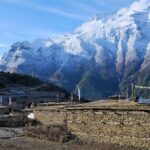
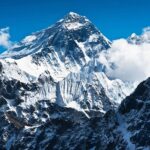
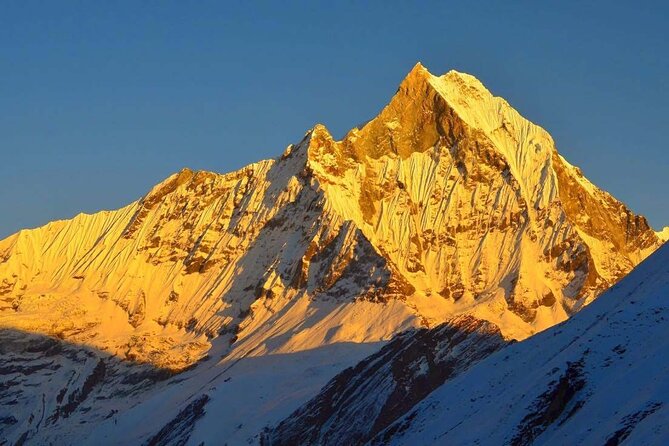
Machhapuchhre (Fishtail Mountain) is a key reason people get hooked on the Annapurna region. Along the route, it shows up like a distant signature on the horizon. Then, at base camp, the surrounding peaks feel close enough to change your breathing—whether you’re a first-timer or a repeat trekker.
You can also read our reviews of more tours and experiences in Kathmandu.
Day 1 in Kathmandu: A Calm Landing and Real Preparation
Your trip starts in Kathmandu with a transfer to a hotel. This is the right move if you’re arriving by air, because Kathmandu traffic can eat time and patience. With a hotel already sorted, you can focus on practical prep: hydrate, eat something you can tolerate, and get your gear organized before the long driving days and the trekking start.
Because this is a private experience, you’re not stuck waiting for everyone else’s late arrival. That flexibility helps, especially on days where the timing depends on road conditions and group readiness.
Day 2 Pokhara Drive: The Useful Reset Before Hiking
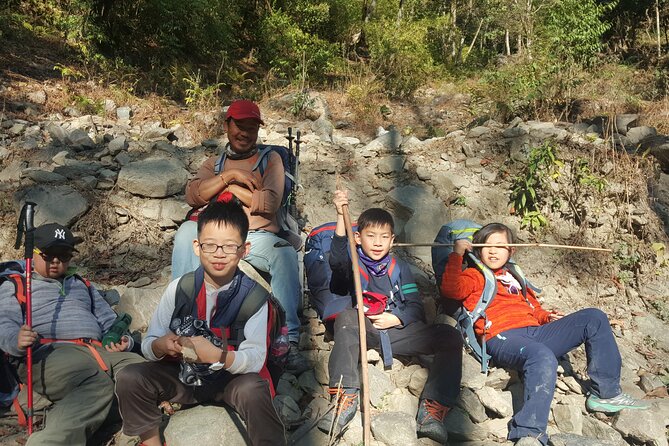
Next you drive to Pokhara, then sleep in a hotel. Pokhara is where most trekkers feel the shift from city mode into trail mode. You’ll typically notice the change in pace right away: fewer crowds, more travel talk, and a calmer feeling around the lake side.
This driving day also gives you a buffer. Even if you feel fine on arrival, it’s smart to use the time to get your legs used to moving again—walking around a bit, stretching, and keeping sleep consistent so you don’t start Day 3 drained.
Nayapul to Ulleri: Your First Real Trek Day
On Day 3, you drive to Nayapul and then trek to Ulleri. This is your first step into the Annapurna trek rhythm: walking time, elevation exposure (you’ll feel it gradually), and the simple math of “one hour at a time.”
Ulleri is a classic starting point in this region because it helps you transition from “travel legs” to “trek legs.” The win here is that you don’t begin the hardest hiking feeling all at once. You’ll also be moving through local areas where village life is part of the trail experience, not an occasional stop.
One practical tip: pack items you’ll want during the climb in an easy-to-reach layer system. When you’re sweating, you’ll want quick access to remove or add clothing without unpacking your whole bag.
Ghorepani and Poonhill: Sunrise Views That Pay Back the Effort
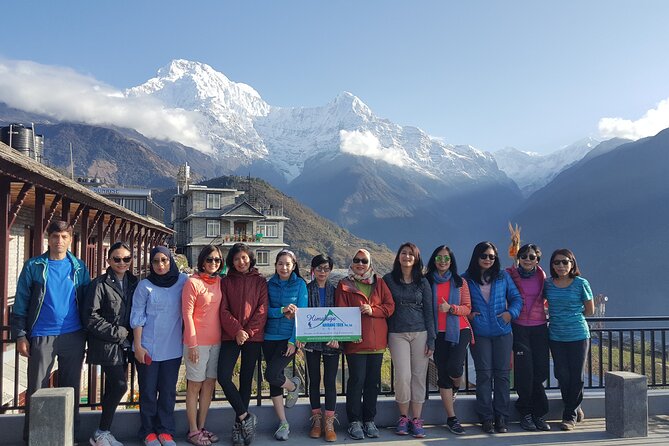
Day 4 has you trekking from Ulleri to Ghorepani. Day 5 combines exploring Poonhill with a trek onwards to Tadapani. This is where the itinerary earns its reputation.
Poonhill is the viewpoint that many trekking plans circle for a reason: it’s one of the easiest ways to see how Annapurna peaks can look from up close, without committing to the deepest base-camp route yet. If you care about mountain photography, this is also a big time saver. You get the “wow” factor without needing to be at base camp to feel it.
The practical tradeoff is early mornings. For sunrise viewpoints, you’re up early and moving before your body is fully awake. That’s manageable, but it helps to choose a pace you can sustain. Going too fast early can make the later trekking day feel longer than it needs to be.
Tadapani to Sinuwa to Deurali: The Rhythm Builds
From Tadapani (Day 5), you trek to Sinuwa (Day 6), then onward to Deurali (Day 7). This stretch is the “steady build” section. You’re still hiking, still getting scenery, but the focus shifts to consistency: eat early, keep moving in a pace you can repeat, and don’t treat each day like a race.
Accommodation changes here into lodge-style stays, which is part of the experience. Teahouses and lodges are practical by design. You’ll likely sleep best when you don’t overthink it: warm layers, a plan for drying gear, and acceptance that mountain nights can feel cool.
This part of the trek is also a great time to notice the forest rhythm. With rhododendron forest mentioned as a key feature of the overall experience, you can expect the trail to feel more alive and shaded at times. It’s not just scenery; it’s comfort. Forest cover can reduce the burn on bright days and make the walking feel more forgiving.
Reaching Annapurna Base Camp: The Goal Day
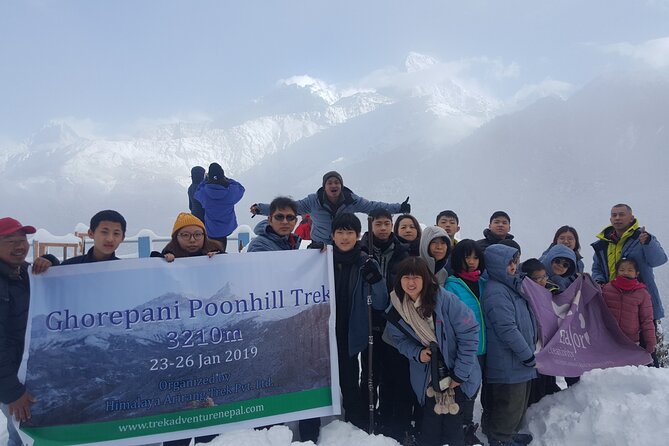
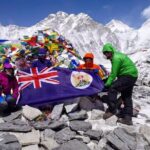
Day 8 takes you from Deurali to Annapurna Base Camp. This is the day most people remember in images and in the body memory of “we did it.” You’ll arrive with that mix of exhaustion and excitement that comes from a long series of climbs.
The key value here is pacing. The trek doesn’t jump you straight from road to base camp. By the time you’re nearing the destination, your body has already spent days adjusting to walking conditions, weather changes, and the steady uphill habit.
Then Day 9 includes exploring Annapurna Base Camp and trekking to Dovan. That means base camp isn’t a one-and-done photo stop. You get time to sit with it a bit, and then you move on. Dovan is a logical next step that helps keep your day balanced, rather than forcing you into a single huge push with no decompression.
Dovan to Chhomrong and Ghandruk: Village Realness
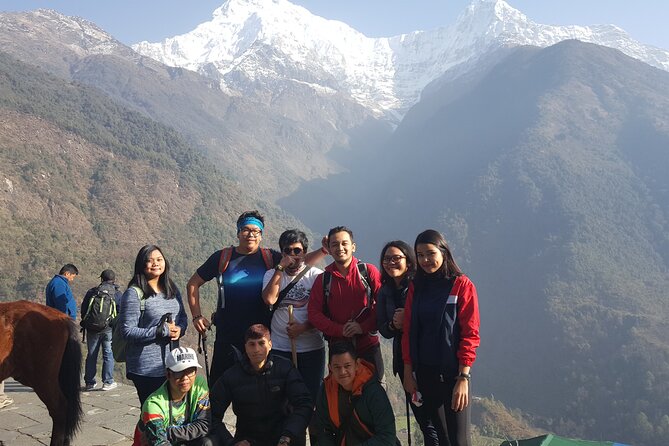
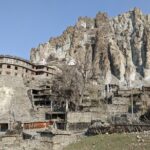
Day 10 is Dovan to Chhomrong. Day 11 is Chhomrong to Ghandruk. These are classic sections for a reason: you start feeling like you’re walking through a living region, not just a trek corridor.
Chhomrong and Ghandruk are places where the culture shows up in the day-to-day rhythm—how people move, how trails connect, how you get your meals and rest. Even when you’re tired, these village stops help you reconnect with why the trek is more than a view chase.
There’s also a practical benefit. After base-camp days, village trekking often feels like a recovery phase. You keep moving, but the focus can shift toward steady downhill management and careful footing rather than constantly grinding uphill.
Back to Nayapul, Pokhara, and Kathmandu: The Soft Landing
On Day 12, you trek from Ghandruk to Nayapul, then drive back to Pokhara. Day 13 is the drive to Kathmandu. This is how you avoid the most common mistake people make after a big trek: they rush the last miles and arrive shattered.
By ending with a descent and then transport days, you get a proper transition. You’re still traveling, but you’re not still trekking the full distance. Hotel accommodation in Pokhara and Kathmandu also gives you a real reset: a comfortable bed, hot showers if available at your hotel, and a chance to wash trekking dust off your clothes.
Day 14 is departure. The structure is built for closure without turning the last day into an endurance event.
Price and What You Actually Get for $925
At $925 per person, this trek isn’t cheap in absolute terms. But it’s also not a “buy-only-the-trip” price. You’re paying for the structure that makes a trek like this easier to handle.
Here’s what you get included:
- Breakfast, lunch, and dinner
- Hotel accommodation in Kathmandu and Pokhara
- Teahouse/lodge accommodation while trekking
- All fees and taxes, plus the Annapurna Conservation Area Permit and TIMS fee
- Air-conditioned vehicle for the road portions
- Porters for carrying luggage
What’s not included: Nepal visa, travel insurance, and tips for guide/porter/driver.
Private value matters here. Even if you’re a small group, you’re not sharing the logistics with strangers, and that makes the trip feel more controlled. You also avoid the common headache of piecing together permits and meals by yourself once you’re already in Nepal.
If you compare it to a DIY plan, the price looks different, fast. DIY can cut costs, but it shifts the burden to you: permits, planning, sourcing guides/porters, and managing day-to-day choices. This package converts that effort into a paid support system.
Accommodation and Meals: Comfort That Doesn’t Feel Like an Afterthought
On the trail, you’ll stay in teahouses/lodges, and those stays are included. On paper that sounds simple. In practice, it changes how you experience the trek.
When meals are already built into the day, you’re not constantly deciding where to eat and what’s open. After a hard hiking segment, your focus should be on recovery: hydration, warm food, and resting your legs. The included meals remove a lot of friction from that recovery cycle.
The same goes for porter support. Having someone carry your luggage means you don’t have to keep your pack weight so low that you’re constantly rearranging gear. You can pack efficiently and keep your load realistic.
Ramesh and GP: The Real Skill Behind a Safe Trek
The most repeated praise in the available feedback is the way the trip feels handled by guides. Ramesh is described as positive and high-energy, and that kind of presence matters on a trek where weather, steep sections, and fatigue can affect mood.
GP gets singled out too, with help that’s described as amazing and supportive. That’s exactly what you want from a guide: not just route knowledge, but the ability to read your group and adjust pacing so you feel safe and capable.
In plain terms, good guiding reduces stress. It also helps you make better choices when conditions change. Even without big drama, mountain days can be unpredictable. A guide who keeps the tone calm and the plan sensible is a big quality-of-life upgrade.
Weather Matters: When the Mountains Do What They Want
This experience requires good weather. If conditions are poor, you’ll be offered a different date or a full refund. That’s a helpful safety net, because Annapurna trekking is a weather-driven experience.
What you should do as a traveler is simple: pack with flexibility. Bring layers for temperature swings, and keep the idea that your schedule might shift.
Also, if you’re the type who gets stressed by small plan changes, this is the moment to practice patience. Mountain logistics don’t care about your timeline. The better your expectations, the smoother the trip feels.
Who This Private ABC Trek Suits Best
This trek is built for people with moderate physical fitness who want a private, well-managed experience without giving up authentic trail life.
It fits well if:
- You want a structured itinerary with meals, permits, and accommodations handled
- You like the idea of a sunrise viewpoint stop at Poonhill
- You want porter support so you can focus on trekking rather than gear management
- You value responsive guidance and a team that keeps you feeling safe
If you’re very new to trekking, it can still work, but you’ll want to be honest about stamina and willingness to walk daily. If you’re an experienced trekker seeking maximum off-the-map freedom, you might find the structure a bit fixed—but many people still love the clarity and comfort.
Should You Book This Private ABC Trek?
I’d book it if you want the Annapurna Base Camp experience with fewer logistics headaches. The mix of hotels in Kathmandu and Pokhara, included permits, porter support, and full meal coverage makes this a strong value for a private trek.
I’d think twice if you’re chasing a solo-budget trip or you’re sensitive to weather disruptions. This route is weather dependent, and you’ll be walking in a serious daily rhythm.
If you’re ready for a real mountain trek, want dependable support, and care about reaching base camp with your energy intact, this one checks the right boxes. The combination of Poonhill payoff, village trekking days, and guide support from people like Ramesh and GP is exactly the kind of setup that turns a difficult walk into a memory you keep.
FAQ
What is the duration of the Annapurna Base Camp trek?
It’s scheduled for about 14 days.
Where does the tour start?
The tour starts with arrival in Kathmandu, followed by a transfer to your hotel.
Is pickup offered?
Yes, pickup is offered.
What’s included in the price?
Breakfast, lunch, dinner, all fees and taxes, air-conditioned vehicle, Annapurna Conservation Area Permit and TIMS fee, hotel accommodation in Kathmandu and Pokhara, porters for carrying luggage, and teahouse accommodation during the trek.
What is not included?
Nepal visa, travel insurance, and tips for the guide, porter, and driver.
What kind of accommodation should I expect while trekking?
You’ll use teahouse or lodge accommodation on the trekking days, and there are guesthouse/homestay style options on some legs as well.
How fit do I need to be?
You should have a moderate physical fitness level.
Is this tour private?
Yes. It’s private, so only your group participates.
What happens if the weather is bad?
The experience requires good weather. If it’s canceled due to poor weather, you’ll be offered a different date or a full refund.