REVIEW · KANDY
Knuckles Leopard trail Trek from Kandy
Book on GetYourGuide →Operated by Nature Paradise Tours · Bookable on GetYourGuide
The Knuckles Leopard Trail feels like a reset button. You leave Kandy early, ride into the mountain range, and spend the day hiking through tea trails, evergreen dwarf cloud forest, and rocky passes where your guide looks for endemic plants and animal signs.
What I especially like is the way the hike is guided, not just walked. With guides like Ashoke, the day becomes a live lesson on local wildlife cues, herbs and plants, and even practical leopard-track spotting.
One thing to consider: this is a hard-medium day. Expect muddy, wet, and dirty trekking, with real time on your feet (6–7 hours hiking, plus transport). If you hate being uncomfortable outdoors, this trek will test that.
In This Review
- Key highlights you’ll feel on the trail
- From Kandy to the trailhead: timing that matters
- Entering the Knuckles: tea trails, gravel paths, and first wildlife signs
- The silent forest climb: what the evergreen dwarf cloud forest feels like
- The rocky plateau and peak views: where the effort pays off
- Waterfall lunch and swimming: the part you plan for
- Downhill on the eastern slope: take care with your feet
- What the guides do best: field knowledge plus safe pacing
- Price and value: what $108 includes (and what it doesn’t)
- Difficulty and who should take it
- What to pack: the no-regrets list for a wet-muddy day
- Should you book the Knuckles Leopard Trail from Kandy?
- FAQ
- FAQ
- What time is hotel pickup in Kandy?
- What time does trekking start and end?
- How long is the trek on foot?
- How far will we walk and what altitude do we reach?
- What is the difficulty level?
- Is there swimming during the trek?
- What is included in the price?
- What should I bring for the trek?
- Is the tour guided in English?
- Who is this trek not suitable for?
- Is free cancellation available?
- How flexible is booking?
Key highlights you’ll feel on the trail
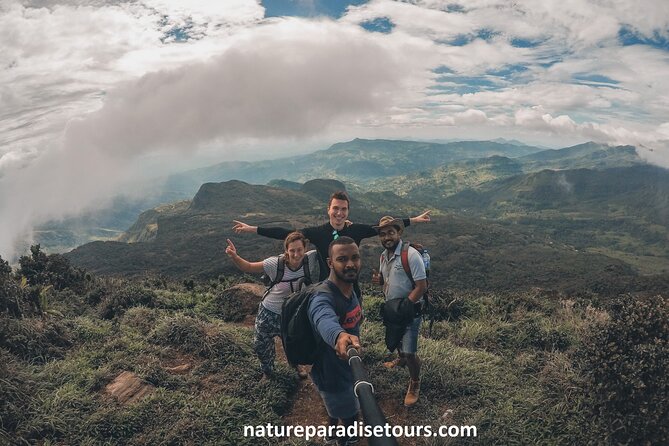
- Tea trail uphill into bush forest, with rocky gravel footpaths
- Wooden bridge crossings and steady help spotting endemic flora and fauna
- Silent rocky plateau and peak view after a climb that feels earned
- Waterfall natural pool for a swim, paired with your picnic lunch
- Evergreen dwarf cloud forest with cane bamboo and endemic creepers
- English-speaking guide Ashoke focused on safety, rhythm, and field knowledge
From Kandy to the trailhead: timing that matters
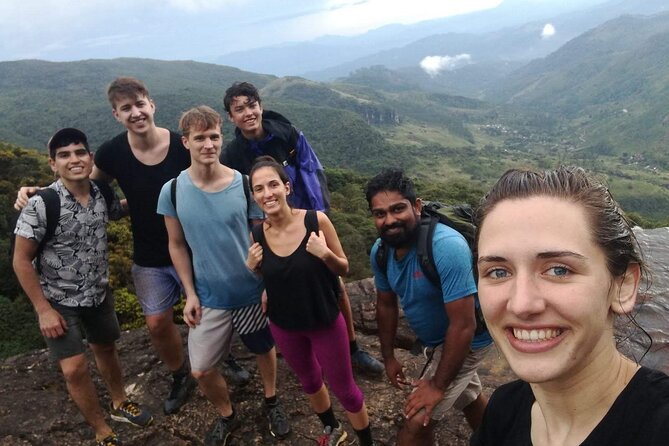
You start with a hotel pickup in Kandy around 7:00 am to 7:30 am. Then it’s about 1.30 hours by vehicle to reach the Knuckles range. That early start is not just to beat crowds. It also helps you manage cooler air at higher altitude and leaves you enough daylight for the full trek and return.
Plan for a full, active day. Trekking begins around 9:30 am to 10:00 am, and the walk ends roughly 4:30 pm to 5:00 pm. Even if you move at an easy-to-moderate pace, you’re still doing a long route: about 16 to 21 km total, with 6 to 7 hours of hiking.
The altitude range is 1000 to 1900 meters. That doesn’t mean you’re doing technical mountain climbing, but it does mean weather can change, and your legs will feel the effort once the path gets rocky.
You can also read our reviews of more tours and experiences in Kandy.
Entering the Knuckles: tea trails, gravel paths, and first wildlife signs
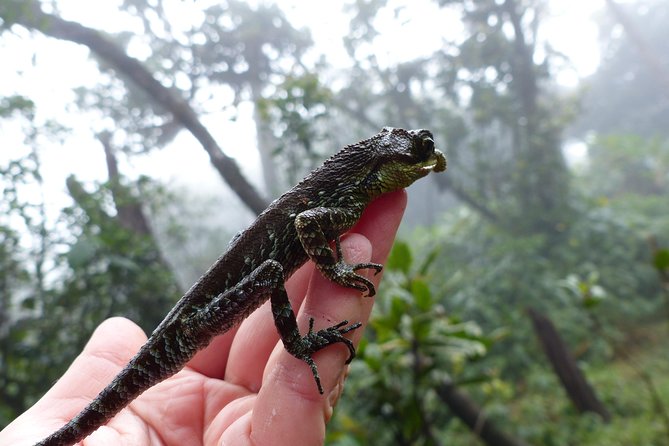
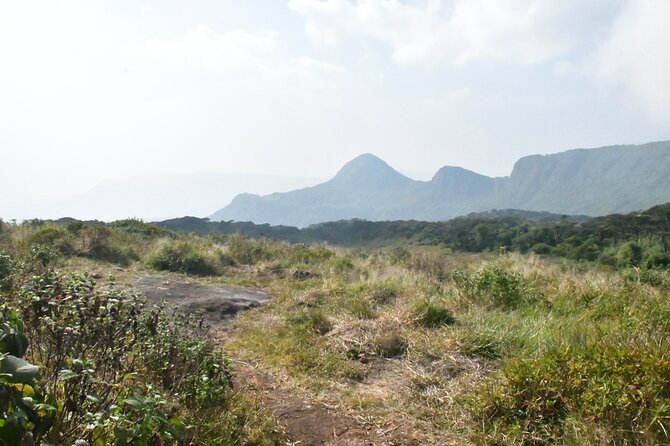
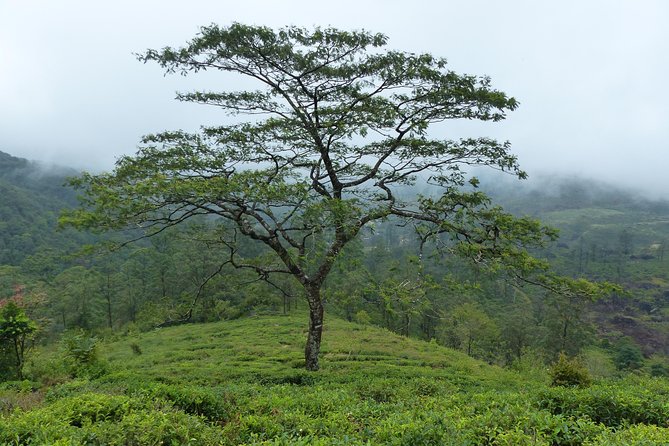
Once you start trekking into the mountain range, the focus shifts fast from “getting there” to “being in it.” The early miles follow the tea trail uphill, and you’ll walk through bush forest areas with gravel rocky paths. These surfaces are manageable, but they’re the kind that turn shoes into mud collectors if it’s damp.
This is where a good guide makes the difference. Ashoke-style guiding turns the trail into a slow-motion scouting mission: endemic plants, animal signs, and the kind of details you’d miss if you just followed the path. One review even mentions spotting leopard tracks on the way. You shouldn’t expect a guaranteed big-cat sighting, but you can expect your guide to look for evidence and interpret it.
You’ll also cross wooden bridges, which break up the walk and give you chances to pause for photos and for a quick reset. If you enjoy nature-watching, this is the sweet spot where small things matter: plant types, growth patterns, and the way the forest changes by elevation.
The silent forest climb: what the evergreen dwarf cloud forest feels like
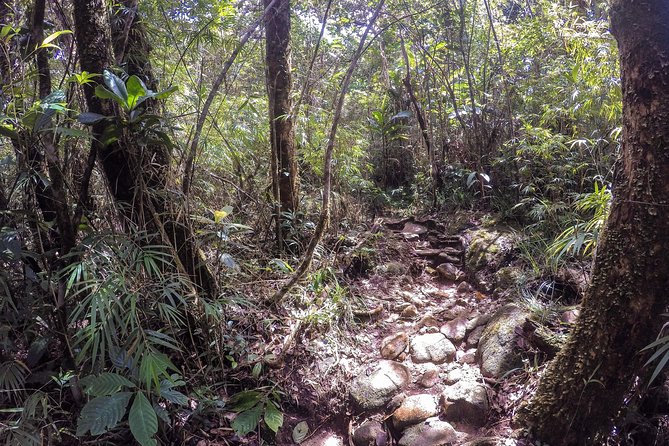
As you go higher, the character of the hike changes. You move through evergreen dwarf cloud forest, often described as quiet and dense. This is the part of the trek that feels most “Sri Lanka mountain forest,” with shade, misty air when it’s around, and a thicker feel underfoot.
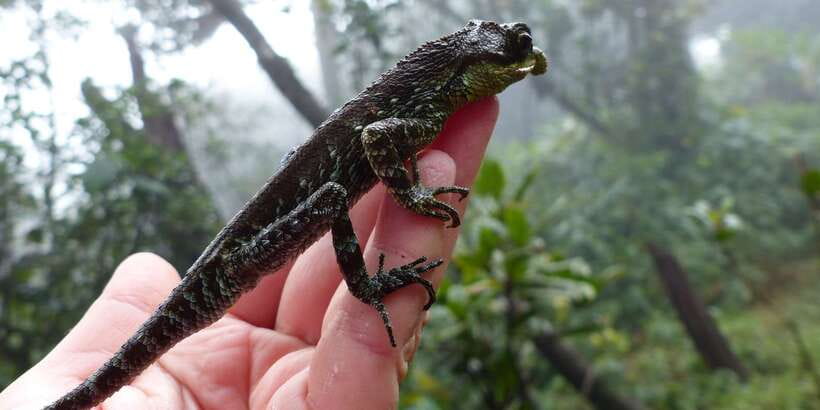
Expect endemic creepers and cane bamboo along the trail. These aren’t just pretty details. They tell you you’re in the Knuckles Conservation area where species are adapted to specific mountain conditions. If you care about ecology more than postcard views, this section is a real highlight.
The guide’s role stays practical here. You’re not just being entertained—you’re being guided through pacing, footing, and what to watch for. That’s especially useful because the trek grade is listed as hard medium. The hike is doable with normal fitness, but you should still respect the climb and don’t treat it like an easy nature walk.
The rocky plateau and peak views: where the effort pays off
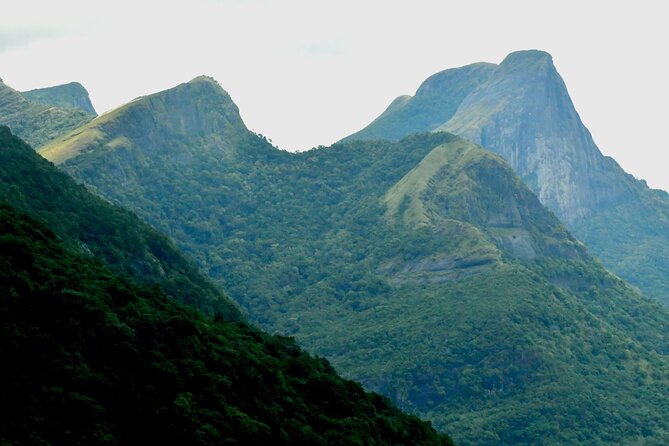
At a certain point you reach a silent large rocky plateau. This is one of those moments where the trail opens enough for your brain to catch up. You get space, more visibility, and that sense that the mountain is larger than your first impressions.
From here, you’ll continue toward a peak view area. Reviews emphasize this as the part you’ll remember later, especially if you time your effort right and take short pauses. You’re still hiking, but the payoff is the wide mountain perspective and the feeling that you’ve gone far enough to leave the road behind.
If you’re someone who likes “reach a viewpoint” moments, you’ll appreciate this. It’s not a short stop. It’s a payoff for the uphill work you’ve already done.
Waterfall lunch and swimming: the part you plan for
The trek includes a picnic lunch during the walk. The meal happens at a waterfall with a natural pool or at a Knuckles peak area, depending on the route conditions.
Either way, this is the moment that turns the day from exercise into experience. Eating outdoors on a mountain is one of those simple travel pleasures that beats most “special meal” marketing. And if you pack correctly, you also get the best kind of bonus: a swim.
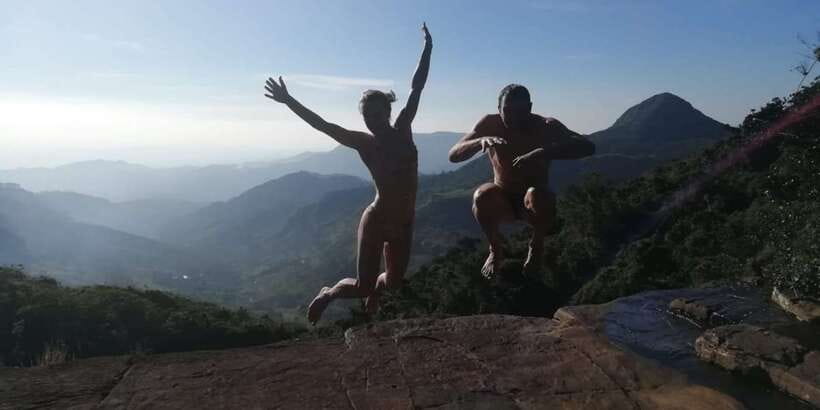
The tour explicitly expects you to wear swimwear because there’s a chance to enjoy a waterfall swim in the natural pool. Reviews mention getting into the water after climbing to the peak. That’s not just fun. It’s also a practical way to cool down when the day has gone long.
Remember: the same weather that makes the forest feel alive can also make everything muddy. Plan for wet gear and water-friendly clothing.
Downhill on the eastern slope: take care with your feet
After reaching the turning point, the hike shifts. You start an adventure downhill trek from the turning point to the eastern slope. Downhill is often easier in effort but harder on joints. And on rocky, gravelly paths, your footing still matters.
If your calves or knees get grumpy on descents, slow down a bit and take shorter steps. You’re still on a medium-hard day overall, and the timetable means you need to keep moving at a steady rhythm to finish by late afternoon.
This is also where the forest mood returns. Even though it’s downhill, you’re still walking through forest areas with chances to spot plants and animal signs. The best part is that you’re moving when the mountain is quiet. Not everyone notices this, but if you’re paying attention, the change in light and sound after the climb is part of why this trek feels special.
What the guides do best: field knowledge plus safe pacing
This trek lives or dies by its guide. The best feedback in the reviews centers on two things: real nature knowledge and a calm, human approach.
Ashoke shows up repeatedly as a highlight. One review describes him as warm and respectful, adjusting the pace to match hikers with different abilities. Another mentions he explained local plants and herbs and paid attention to animal-related details, like finding leopard signs.
There’s also a cultural touch that some hikers found meaningful: a short prayer or moment of reflection at the start and again after the trek. Even if you’re not used to that, it’s brief and it sets a tone of respect for the place and the day.
If you want a trek where you learn something and still feel safe, this style of guiding fits.
Price and value: what $108 includes (and what it doesn’t)
At about $108 per person for a one-day trek, you’re paying for a full package: transport, guiding, and access to protected forest.
Here’s what’s included:
- Private transportation from Kandy and back
- Entry/admission to the Knuckles Conservation Forest
- Picnic lunch
- Bottled water
- Coffee and/or tea
- All fees and taxes
- A live English-speaking tour guide
- Hotel pickup in the lobby
Not included is just personal expenses.
So is it good value? For a full day with a field guide, admission fees, and meal support, it’s fairly priced. The main reason to feel comfortable paying this amount is that you’re not just buying a walk—you’re buying a guided day in a conservation area with the practical parts handled.
Difficulty and who should take it
This trek is labeled a hard medium grade. That sounds like a small label, but it matters. You’re hiking 6 to 7 hours, covering 16 to 21 km, and climbing up to 1900 meters. You should have a comfortable baseline fitness level and be okay walking for hours on rocky, possibly muddy paths.
It’s not suitable for:
- Children under 5 years
- People with low level of fitness
- People with altitude sickness
- Babies under 1 year
A quick practical translation: if you can hike a good chunk of a day and don’t mind wet conditions, you’ll likely enjoy this. If you expect flat ground and dry shoes, look for an easier option.
What to pack: the no-regrets list for a wet-muddy day
The tour gives a clear packing list, and you should follow it closely:
- Trekking shoes (non-negotiable for rocky ground)
- Rain jackets
- Sun cream
- Small back pack
- Swimwear (because the waterfall natural pool is part of the plan)
Add one clothing note from experience patterns in the reviews: wear long pants. The trail can be muddy and vegetated, and long coverage makes the day more comfortable.
Also, expect that you’ll get dirty. The route specifically warns you’ll be dirty, muddy, and wet afterward. If that feels like a dealbreaker, this trek is not the right match.
Should you book the Knuckles Leopard Trail from Kandy?
Book it if you want:
- A guided trek with real field spotting of endemic flora and fauna
- A day that combines mountain peak views with a waterfall swim
- An English guide who helps you understand what you’re seeing (Ashoke gets strong marks for this)
- A full-day mountain experience that feels far from the road
Skip it if:
- You’re sensitive to altitude, low fitness, or long hikes
- You dislike getting muddy and wet
- You want an easy, quick nature walk with minimal effort
FAQ
FAQ
What time is hotel pickup in Kandy?
Pickup is typically 7:00 am to 7:30 am from the hotel lobby.
What time does trekking start and end?
Trekking usually starts between 9:30 am and 10:00 am and ends around 4:30 pm to 5:00 pm.
How long is the trek on foot?
You’ll hike for about 6 to 7 hours.
How far will we walk and what altitude do we reach?
The route is listed as 16 to 21 km total, with altitude from 1000 to 1900 meters.
What is the difficulty level?
The grade is described as hard medium.
Is there swimming during the trek?
Yes. You can enjoy a swim in a waterfall natural pool, and the tour recommends bringing swimwear.
What is included in the price?
Included are picnic lunch, bottled water, coffee and/or tea, all fees and taxes, private transportation, Knuckles Conservation Forest entry/admission, and a live English tour guide with hotel pickup.
What should I bring for the trek?
Bring trekking shoes, rain gear (rain jackets), sun cream, a small back pack, and swimwear.
Is the tour guided in English?
Yes, you get a live guide in English.
Who is this trek not suitable for?
It’s not suitable for children under 5, people with altitude sickness, people with low fitness, and babies under 1 year.
Is free cancellation available?
Yes. You can cancel up to 24 hours in advance for a full refund.
How flexible is booking?
The activity offers reserve now & pay later, so you can book without paying immediately.