REVIEW · KANDY
Knuckles Spice Trail Trek from Kandy
Book on Viator →Operated by Nature Paradise Tours · Bookable on Viator
Early start, big payoff: you swim during the trek. This Knuckles Mountain Range day is built around tea state trails and a mix of pine and eucalyptus forest, then adds waterfall crossings, terrace rice fields, and a walk into a traditional village with spice-garden stops. The whole day has that rare rhythm of hiking, scenery, and moments to slow down—birdlife, butterflies, and viewpoints—without turning into an all-day grind.
What I like most is the blend of nature and culture: you get forest and cloud-forest style views, then you reach village life through gardens and home-based hospitality. The second win is the way the trek still feels active but not chaotic: it’s a smooth medium-grade hike of about 10–15 km, so you can enjoy the walk rather than just survive it. One thing to consider: you’ll be on the move for 7–9 hours and, while picnic lunch is included, you can miss an authentic village-style meal unless you specifically ask for it.
In This Review
- Key highlights you’ll feel fast
- Knuckles Morning Air From Kandy: Timing and Getting There
- Tea State Trails, Pine and Eucalyptus Forests
- Waterfall Crossings and the Natural Pool Swim
- Terrace Rice Fields to Village Life: What You’ll See
- Lunch Picnic vs Village Meal: The Real Trade-Off
- Gear, Pace, and Who This Trek Fits Best
- Price and What You Actually Get for $85
- Guide and Driver Matters More Than You Think
- Should You Book This Knuckles Spice Trail Trek?
- FAQ
- What time does hotel pickup start in Kandy?
- How long is the drive from Kandy to the trekking area?
- When do we start trekking?
- How long is the trekking portion?
- What distance will we hike?
- Is swimming in the natural pool included?
- What meals and drinks are included?
- Is the tour private?
- What’s the cancellation policy if weather is poor?
- Where is the meeting point?
Key highlights you’ll feel fast
- Natural pool swim time after the waterfall crossing, when conditions allow
- Tea trails plus pine and eucalyptus forest in one day
- Terrace rice fields on the way toward the traditional village
- Spice and vegetable gardens with a chance to learn village routines
- Guide-led nature spotting: birds, small animals, and butterflies
- Private tour setup so your group stays together with your guide
Knuckles Morning Air From Kandy: Timing and Getting There
This trek is scheduled as a full half-day block, but it’s really two parts: a drive out of Kandy and a trekking window that does the heavy lifting. Hotel pickup starts between 7:00 am and 7:30 am, then you’re on the road for about 1.30 hours. The main hiking begins around 9:30 am to 10:00 am, and you finish trekking around 2:30 pm to 3:00 pm—so the total day runs about 7 to 9 hours depending on where you’re picked up and how the group moves.
Why this matters: early departures help you get cooler walking temperatures and better chances for clear views in the cloud-forest range. The Knuckles can also change its mood quickly—so if you’re the type who likes a steady plan, this is the kind of outing where good weather is a real factor.
You’ll also start and end back at the same meeting point area in Kandy: William Gopallawa Mawatha, Kandy. It keeps logistics simple.
You can also read our reviews of more tours and experiences in Kandy.

Tea State Trails, Pine and Eucalyptus Forests
Once you’re in the Knuckles Mountain Range, the trek focuses on a classic Sri Lanka mix—working land, plantation edges, and forest corridors. You’ll walk through tea state trails, then into pine and eucalyptus forest. That shift is more than scenery. It changes the walking feel: tea areas tend to open up the sightlines, while the forest segments bring shade, bird sounds, and the sense of moving through a living ecosystem.
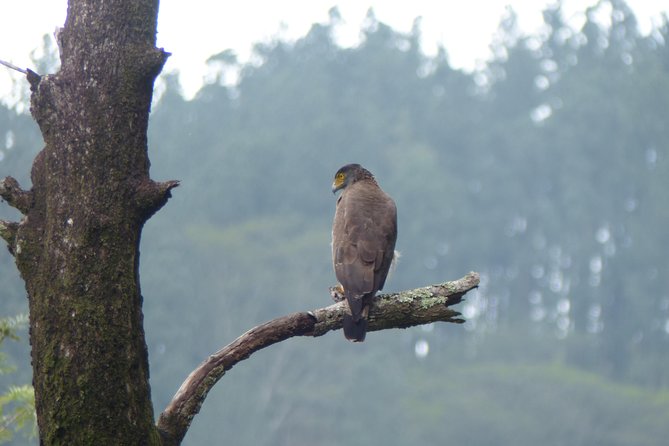
You should expect nature spotting to be part of the experience. The trek description highlights birds, small animals, and butterflies, and the guiding approach gets praise for plant knowledge and geography. In particular, Lakmal is singled out for being personable and highly knowledgeable about plants and how the area fits together historically and geographically. That’s exactly the kind of guide who helps you notice what you’d otherwise walk right past.
A key detail: the trek’s altitude range is listed as 1000 to 500 meters. Translation: you’ll feel some elevation change. It won’t be technical, but it’s also not a flat stroll. If you’re coming in from sea level or you’re not used to hiking in heat and humidity, start steady and let your breathing find a rhythm early.
Waterfall Crossings and the Natural Pool Swim
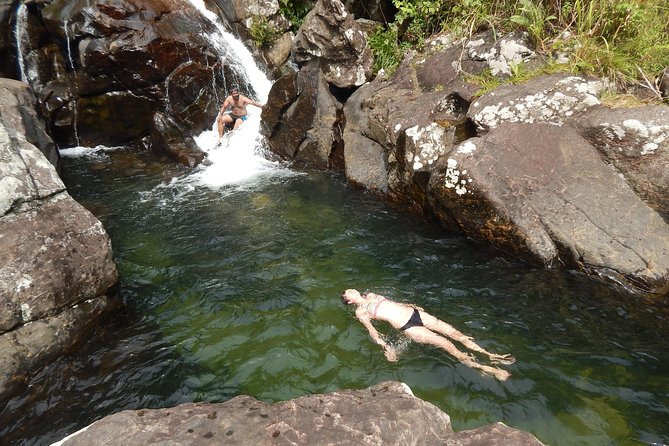
Here’s the moment most people remember: the day includes a waterfall crossing and then time at a natural pool, where swimming is possible. The trekking plan puts this during the first main hike segment, which helps break the day up. It’s not just sightseeing—it’s an active reset.
A quick practical reality check: swimming depends on conditions. This is one of those “bring a good attitude, but respect the water” moments. If it’s safe enough, you’ll likely want to take it. If not, you still get the payoff of reaching that spot and enjoying the surrounding nature.
Why this is valuable: having a swim on the hike turns it from exercise-only into a full experience. It also gives you a natural time to cool down and re-group. And since the plan includes picnic lunch or snacks around this area, you’re not just getting wet—you’re building in a slower break afterward.
Terrace Rice Fields to Village Life: What You’ll See
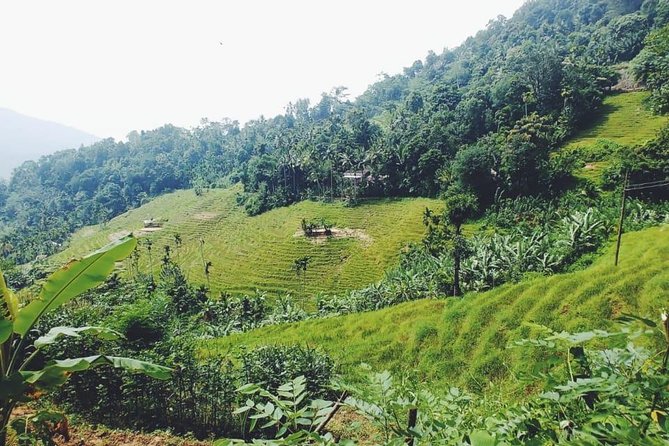
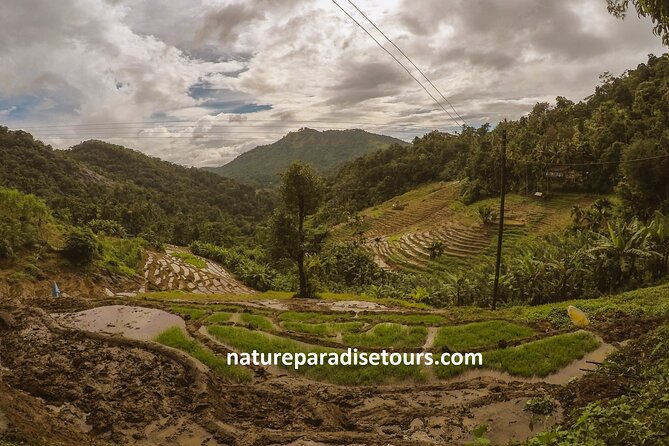
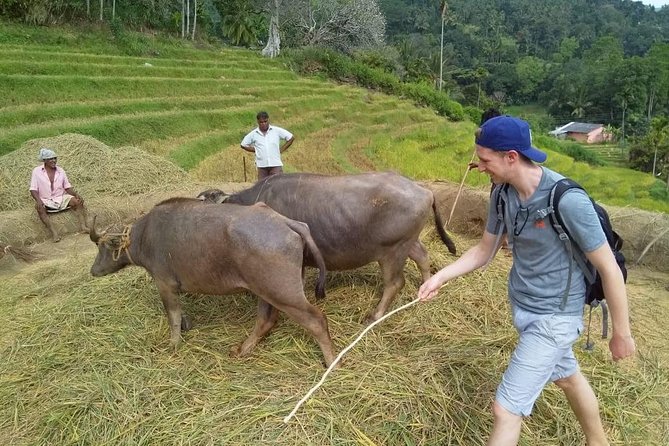
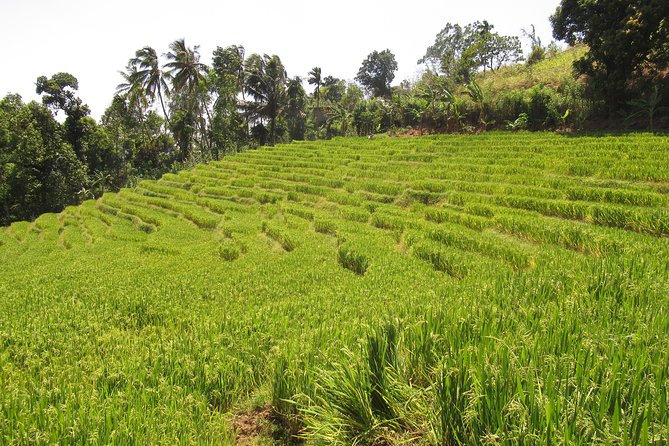
After you’ve spent time in tea and forest, you shift into something different: moving past terrace rice fields and onward toward a traditional village. The description calls these terrace rice landscapes magical—what you’ll likely feel is the rhythm of the walking and the way the views open up in steps. These terraces also do a good job of “translating” the region’s agriculture into something you can read with your own eyes.
Then comes the village section. On the way, you can see vegetable gardens and spice gardens, and there’s an opportunity to meet village people and learn about village culture. The trek is positioned as a walk through everyday life rather than a staged photo stop. That’s what makes the cultural portion more meaningful: you’re walking alongside the systems people rely on—plants, gardens, and local routines.
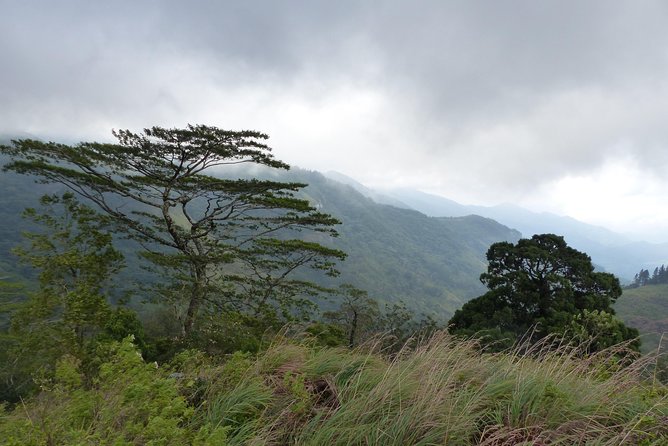
You’ll also encounter references to cloud forest views and breathtaking outlooks. Even if the weather isn’t perfectly clear, the Knuckles’ layered terrain tends to deliver a soft, atmospheric quality that feels like the world is moving in slow motion.
Possible drawback to know ahead of time: cultural learning takes time and depends on the pace of your group. If you push too fast early, you might reach the village portion with less patience for conversation. The best approach is to hike at a pace where you can look up often.
Lunch Picnic vs Village Meal: The Real Trade-Off
Lunch is included, and it’s described as a picnic lunch (with snacks possible depending on the stop and your requests). There’s bottled water included, plus coffee and/or tea. This matters because trekking days live or die by food timing: you don’t want to wait until you’re exhausted to finally eat.
But there’s also a nuance in how the meal experience can play out. The information notes that if you have a picnic lunch, you may miss a more authentic village-style lunch, depending on your request. So yes, there’s a trade-off:
- If you want the comfort and predictability of picnic lunch during your planned break, stick with it.
- If you want the village meal experience more than the convenience, ask in advance or right when you meet your guide.
That’s a small choice, but it can change what you remember most: food as a quick fuel stop, or food as part of village hospitality.
Gear, Pace, and Who This Trek Fits Best
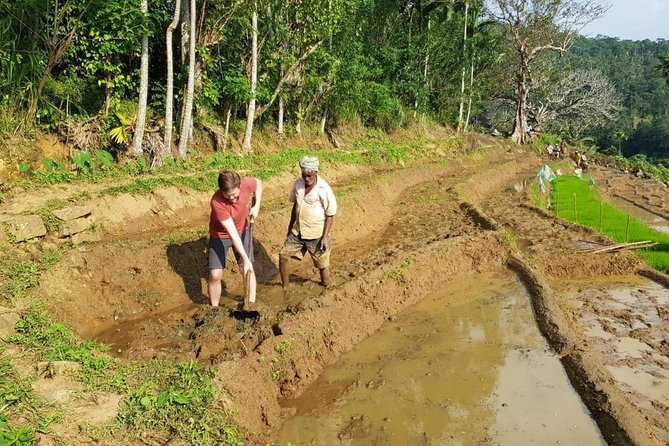
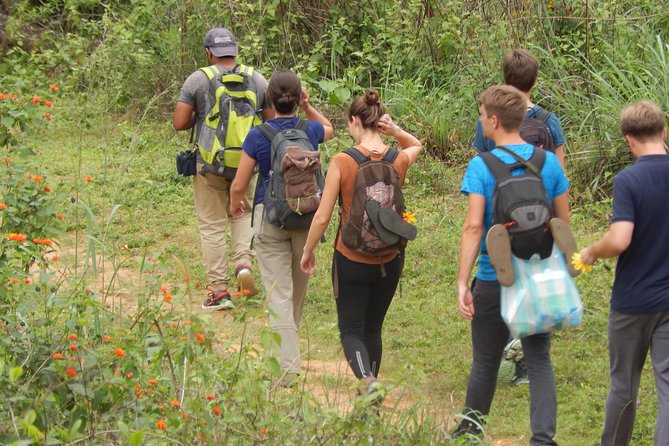
This trek is graded as smooth medium, and it runs 4 to 5 hours of trekking time, covering about 10 to 15 km. The altitude change means you’ll likely feel it in your legs, especially if you’re not used to hiking in Sri Lanka’s humidity.
So who does it fit?
- If you’re comfortable with a full day outdoors and can handle medium effort, you’ll likely enjoy it.
- If you’re newer to hiking, go slow, wear proper footwear, and don’t treat it like a race.
- If you struggle with stairs, uneven ground, or you want a totally flat route, this probably won’t feel relaxing.
The tour info also says travelers should have a strong physical fitness level. That’s not just legal language. It’s a hint that the trek includes enough distance and elevation change to benefit from being prepared.
Practical tip: wear breathable layers and plan for a day that can shift from sunny trail to cooler, misty forest air. The description’s mix of tea states, pine/eucalyptus, and cloud-forest areas means your body temperature can change faster than you expect.
Price and What You Actually Get for $85
The price is $85.00 per person. That’s not “budget” pricing in the sense of a cheap group bus hike, but it also isn’t premium luxury. The value is in the day’s structure:
You’re paying for:
- Private transportation from Kandy
- Guide-led trekking across multiple terrain types
- Picnic lunch, bottled water, and coffee/tea
- All fees and taxes included
You’re not paying for personal expenses and tips, which is standard.
Now the real question: does $85 match the experience? For me, it makes sense if you care about three things: good guiding, a coherent day plan, and included meals/refreshments. If you’re the type who hates negotiating logistics and wants pickup and a clear route, this model helps a lot. If you already have a reliable driver and like DIY trekking, you could probably cut costs—but you’d lose the organized flow and local interpretation.
One more booking note: the trek is often booked well in advance (on average 139 days). That’s a sign the slots fill up. If your dates are fixed, it’s smart to book early.
Guide and Driver Matters More Than You Think
On paper, this is a hike through the Knuckles. In real life, the guide turns it into a learning day. The reviews highlighted Lakmal for knowing plants, history, and geography, and for being an easy person to hike with. That kind of guiding changes how you experience the trail: you stop noticing only what’s pretty and start noticing what’s useful, what grows where, and how the area works.
Your driver also gets credit—Leslie is described as courteous. That sounds minor, but with early pickup and a drive that sets the tone for the whole day, a calm, respectful driver helps you arrive relaxed instead of stressed.
If you want the cultural element to feel real, a guide who can explain what you’re seeing is often the difference between walking past and understanding.
Should You Book This Knuckles Spice Trail Trek?
Book it if you want a day that blends forest walking, tea-plantation scenery, terrace rice fields, and village spice gardens, with a planned chance to swim in a natural pool. It’s a great match for hikers who like nature and also enjoy a guided cultural thread—plants, gardens, and village life instead of only views.
Skip it (or choose a gentler alternative) if:
- you want a purely easy stroll,
- you’re not comfortable with a medium trek of 10–15 km,
- or you’re hoping for a guaranteed swimming experience no matter the weather.
If you’re on the fence about lunch, do yourself a favor: ask about the picnic lunch versus the possibility of an authentic village meal right away. That single decision can shift the focus from convenience to culture.
FAQ
What time does hotel pickup start in Kandy?
Hotel pickup is scheduled for 7:00 am to 7:30 am.
How long is the drive from Kandy to the trekking area?
The transport duration is about 1.30 hours from Kandy.
When do we start trekking?
Trekking typically starts between 9:30 am and 10:00 am.
How long is the trekking portion?
You’ll trek for about 4 to 5 hours, for a total activity duration of roughly 7 to 9 hours including transport and breaks.
What distance will we hike?
The hike distance is listed as 10 to 15 km.
Is swimming in the natural pool included?
The itinerary includes time at a natural pool where swimming is possible, depending on conditions.
What meals and drinks are included?
You get picnic lunch, plus bottled water and coffee and/or tea.
Is the tour private?
Yes. It’s described as a private tour/activity, and only your group participates.
What’s the cancellation policy if weather is poor?
The experience requires good weather. If it’s canceled due to poor weather, you’ll be offered a different date or a full refund. You can cancel up to 24 hours in advance for a full refund.
Where is the meeting point?
The activity starts at William Gopallawa Mawatha, Kandy, Sri Lanka, and ends back at the meeting point.