REVIEW · KATHMANDU
Everest Base Camp Trek With Local Expert Sherpa Guide
Book on Viator →Operated by Mountain Sherpa Trekking & Expeditions · Bookable on Viator
Everest Base Camp hits different at altitude. This trek strings together Sherpa towns, classic acclimatization days, and big views that peak at Kala Patthar (5,645m). Two things I really like: you get a local Sherpa guide plus a porter team (1 porter for 2 people), and the trip is tightly handled with Kathmandu hotels, lodge stays, and the Kathmandu–Lukla–Kathmandu internal flights included. The main consideration is that you’re working at high elevation even if the trek is described as not technically difficult—so you’ll want solid fitness and to respect the pace.
What makes it feel worth the money is the support you’re buying: permits (TIMS + Everest trekking permit fees), a group medical kit, maps, and even a duffel bag and company t-shirt. In real-life, this kind of structure matters when weather or flights get weird. One possible drawback: meals and a few essentials are not included (and water can become a cost), so your budget needs a little cushion.
In This Review
- Key Things I’d Focus On Before You Go
- What This Everest Base Camp Trek Is Really About
- Kathmandu Setup: Hotel Comfort and a Real Start
- The Lukla Jump-Off and the Trek Rhythm
- Namche Bazaar and Dingboche: Where Altitude Becomes Part of the Schedule
- The Everest Base Camp Walk: Following the Route, Not the Hype
- Kala Patthar (5,645m): The Day You’ll Remember in Weather and Light
- Lodges and Packing: Comfort With Limits
- Guides, Porters, and the Human Side of the Mountain
- Price and Value: What You’re Paying For
- Fitness and Altitude Reality Check
- Weather, Safety, and Why Insurance Matters Here
- Who This Trek Suits Best
- Should You Book This Everest Base Camp Trek?
- FAQ
- Where is the meeting point and what time does the trip start?
- What is included in the $2,170 per person price?
- Are flights between Kathmandu and Lukla included?
- How high do we go on this trek?
- What meals or costs are not included?
- Do I need travel and health insurance?
Key Things I’d Focus On Before You Go
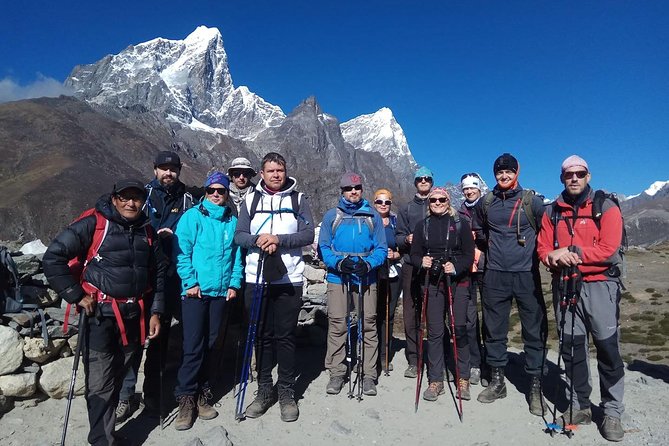
- Sherpa-guided pacing with acclimatization days in Namche Bazaar and Dingboche
- Kala Patthar as your standout high point for Everest views
- Porter support: 1 porter per 2 people, plus a helpful trekking rhythm
- Internal flights included Kathmandu–Lukla–Kathmandu (with taxes)
- Comfort upgrades pre- and mid-trek: 3-star Kathmandu hotel + twin-share lodges
What This Everest Base Camp Trek Is Really About
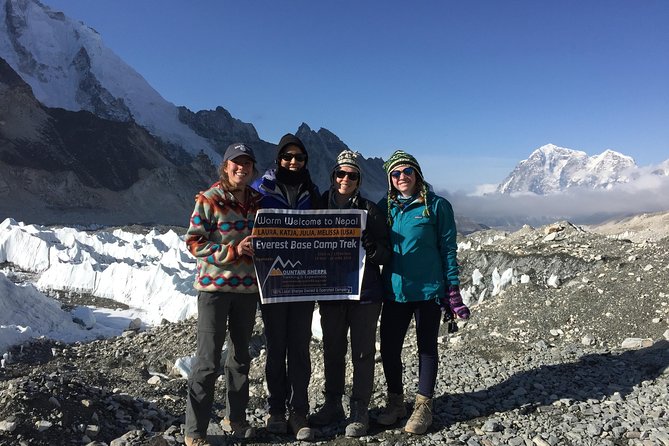
This is not just a checklist hike to a famous spot. It’s a physical climb in stages—higher each day—plus a cultural walk through Sherpa communities that shape how people move, eat, and recover at altitude. You’ll spend 12 days on trekking trails, and the itinerary is built around the idea that you shouldn’t rush the mountains.
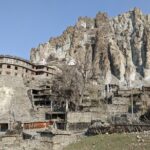
The spiritual angle in the marketing is real in the day-to-day way you’ll feel in towns like Namche Bazaar and Dingboche: prayer flags, monastery-style culture, and a community that understands the altitude game. Even if you’re not chasing a religious mood, the atmosphere helps you slow down and think about your own breathing.
My favorite part is how the high points are staged. You’re not just “going up”; you’re also giving your body a chance to adjust, then pushing for Everest Base Camp and the viewpoint at Kala Patthar.
You can also read our reviews of more tours and experiences in Kathmandu.
Kathmandu Setup: Hotel Comfort and a Real Start
Your trip starts at Tribhuvan Airport in Kathmandu at 7:45 pm, so plan for a late arrival or late transfer. You’ll use an air-conditioned vehicle for the city time, and you get 3-star hotel accommodation with breakfast before the trek. There’s also half-day sightseeing in Kathmandu on the second day with a tour guide, plus a welcome dinner and a healthy breakfast in Kathmandu.
This matters because it sets you up for a long trip without scrambling. When you’re heading toward Lukla soon after, it’s a relief to have sleep, meals, and a plan already handled.
The Lukla Jump-Off and the Trek Rhythm
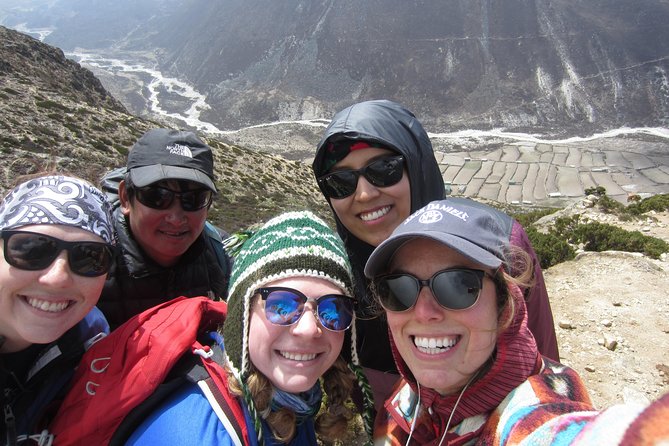
Most people picture the main work beginning on the trail from Lukla. Your itinerary does exactly that: the trekking portion is described as starting from Lukla Airport and running for 12 days on the trekking trails. You’ll also have the internal flight Kathmandu–Lukla–Kathmandu, with taxes included.
A practical way to think about this: the “hard part” of your day is not only climbing. It’s also handling logistics—worn-in shoes, a pack you can manage, water planning, and keeping your breathing calm. A Sherpa guide and porter team helps because you’re not doing those problem-solving moments alone.
In the reviews linked to this operator, I saw examples of how they handle flight disruptions. For instance, one group noted they used helicopter to reach Lukla when fixed-wing aircraft were cancelled. That’s not a promise for every trip, but it shows the company has experience with real-world weather problems.
Namche Bazaar and Dingboche: Where Altitude Becomes Part of the Schedule
If you only remember one idea from this trek, make it this: acclimatization days are not optional freebies. They’re the reason you can enjoy the hike instead of just surviving it.
Your plan includes excursion and acclimatization day(s) in Namche Bazaar and Dingboche. Those stops are famous because they put you in Sherpa towns where you can adjust while still walking, stretching your legs, and learning the rhythm of higher altitude.
What I like here is that your itinerary doesn’t treat acclimatization as a random rest day. Instead, it’s paired with real activities in towns that travelers know for a reason. You’re building oxygen tolerance gradually, then later pushing for the high viewpoint days.
The Everest Base Camp Walk: Following the Route, Not the Hype
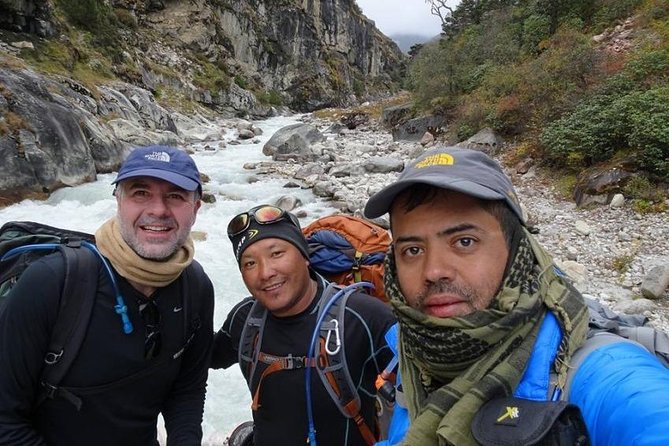
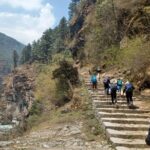
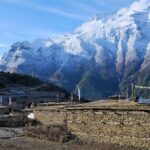
Reaching Everest Base Camp is a mix of steady effort and emotional payoff. You’ll be walking to Everest Base Camp, described as following in the tracks of legendary Sherpa climbers. In plain terms: the trail matters. You’ll see villages, bends in the path, and changing views as the mountain pulls closer.
And this is where the guide choice really shows. This trek includes an expert local Sherpa guide certified by the Nepal government. Reviews also highlight how guides keep the experience organized and supportive. People cited guides like Pasang Sherpa, PD, Pema Sherpa, Tanshi, Rinji Sherpa, and Ming-Ma Aprehs for being friendly, professional, and strong at local knowledge and day-to-day planning.
You shouldn’t expect magic. You will still feel wind, cold, and the slow burn in your legs. But a strong guide helps you keep pace where it counts—so you spend more time seeing the mountains and less time fighting your own plan.
Kala Patthar (5,645m): The Day You’ll Remember in Weather and Light
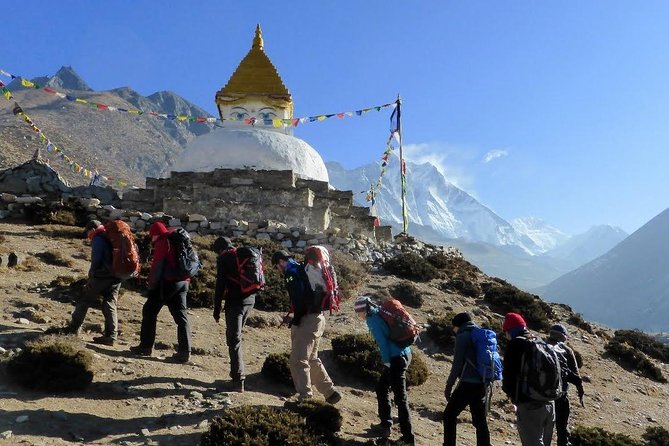
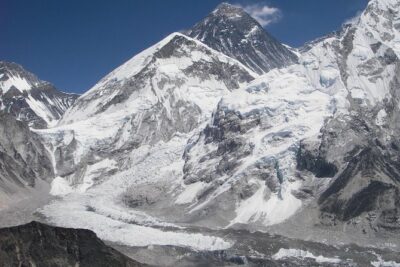
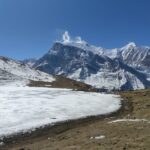
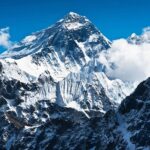
You’ll reach Everest Base Camp and also hike to Kala Patthar at 5,645 meters for views. Kala Patthar is mentioned as part of the itinerary, so it’s not an optional “if you feel great” sidetrip—it’s part of the planned high point.
Here’s the honest takeaway: at this elevation, the difference between a decent day and a jaw-drop day often comes down to weather and how you manage the conditions (cold hands, wind, slow footing). Because the trek requires good weather, your schedule can shift. The operator’s policy states that if the experience is cancelled due to poor weather, you’ll be offered a different date or a full refund.
I like that this is clearly framed up front. You’re not buying an illusion—you’re buying a chance to reach the viewpoint during the best conditions available.
Lodges and Packing: Comfort With Limits
During the trek, you’ll stay in quality lodge accommodation with twin sharing. Lodges are the main “home” on this route, so think of them as warm, basic, and functional rather than hotel-style comfort.
What’s included that helps: you get a trek map, company t-shirt, and a duffel bag. You’ll also travel with a group medical kit. These are small perks, but on a long trek they reduce how much you need to source or figure out alone.
Porter support also changes your daily experience. You’ll have strong and honest porters with a ratio of 1 porter for 2 person. Translation: your pack can stay lighter, you waste less energy on carrying, and you spend more energy on walking and acclimatizing.
Guides, Porters, and the Human Side of the Mountain
A lot of EBC treks advertise guides. This one points to something more specific: the guide is certified by Nepal government and you get dedicated porter support. That kind of structure often means fewer tense moments—especially when the group has different fitness levels.
The reviews you provided repeat similar themes: guides were described as present to take care of logistics, always ready to assist, and professional with itinerary planning from Kathmandu to the final return. One review also described hospitality from the moment of landing, which matters because Kathmandu can feel like a blur right after your flight.
Also, the company’s Sherpa network shows up in the names guests used in their feedback: Pasang, PD, Pema, Tanshi, Rinji, Ming-Ma. You don’t pick your exact person from the info here, but it signals that the team you may work with has been consistent enough for repeat mentions.
Price and Value: What You’re Paying For
At $2,170 per person for an approx. 17-day experience, this price looks high on paper—until you break down what’s included.
Here’s what you are getting that most budget-only trekking deals often don’t include:
- Internal flights Kathmandu–Lukla–Kathmandu (with taxes)
- A 3-star Kathmandu hotel with breakfast plus welcome dinner
- Twin-share lodge accommodation during the trek
- TIMS card and Everest trekking permit fees
- A certified local Sherpa guide
- Porter support (1 porter for 2 people)
- A group medical kit, map, and duffel bag
What’s not included is equally important:
- International airfare and Nepal visa fee
- Travel and health insurance (most recommended)
- Emergency helicopter rescue insurance
- Lunch & dinner in Kathmandu (listed as $5–10 per meal)
- Alcoholic drinks and water on the trek
- Gratitudes for guide and porter after the trek
So the value comes from paying for the middle pieces—transport, permits, and trained support—so you’re not hunting services at the worst possible time. If you already have everything else handled (insurance, flights to Kathmandu), then this price becomes easier to justify because the mountain-side operations are taken care of.
Fitness and Altitude Reality Check
The itinerary description says the trek is not very difficult, and it calls it an adventure with spiritual depth. At the same time, it states the Base Camp area is around 5,550 meters, and the route includes Kala Patthar at 5,645 meters.
That means you’re dealing with altitude symptoms even if you’re a strong hiker. Your best move is to train for steady endurance, practice a comfortable walking pace, and don’t treat acclimatization days like “bonus stops.”
Also, your tour notes you should have strong physical fitness level. I agree with that as a non-glamorous requirement. You don’t need to be a mountaineer, but you do need to be willing to work.
Weather, Safety, and Why Insurance Matters Here
This experience requires good weather. If the trek is cancelled due to poor weather, you’ll be offered another date or a refund. That’s a clear safety framework.
But one item you should not skip is insurance. The tour data explicitly says travel & health insurance is most recommended, and it also lists emergency helicopter rescue insurance as not included. In a place where weather can delay plans or create hazardous conditions, insurance is part of your decision—not an add-on.
Who This Trek Suits Best
This Everest Base Camp trek is a great fit if you want:
- A Sherpa-led, organized route with real acclimatization time in key towns
- The comfort of city hotel support and twin-share lodge stays during the trek
- Porter help so you can focus on pacing and breath control
It may not be your best match if you hate structure. You’re paying for someone else to coordinate flights, permits, and daily logistics. If you prefer total self-planning and you’re already comfortable arranging permits and flights on your own, you might find a guided plan feels too managed.
Should You Book This Everest Base Camp Trek?
I’d book it if you want Everest Base Camp with fewer moving parts. The combination of certified Sherpa guidance, porter support, and included Lukla flights + permits is exactly what turns a hard trip into a doable one.
Before you decide, check your budget for what isn’t included: Kathmandu lunch and dinner, water and drinks during the trek, and especially insurance. If you’re comfortable handling those costs and you train for altitude-ready endurance, this trek is a strong value for a once-in-a-lifetime goal.
If you want to maximize your odds of reaching the viewpoint days in good conditions, be flexible with weather and understand that “schedule” in the Himalaya is always a negotiation.
FAQ
Where is the meeting point and what time does the trip start?
The meeting point is Tribhuvan Airport, Kathmandu, Nepal, with a start time of 7:45 pm.
What is included in the $2,170 per person price?
It includes internal Kathmandu–Lukla–Kathmandu flights with taxes, 3-star hotel accommodation in Kathmandu with breakfast, lodge accommodation during the trek (twin sharing), a certified local Sherpa guide, porter support (1 porter for 2 people), TIMS card and Everest permit fees, a welcome dinner, and half-day Kathmandu sightseeing with a tour guide.
Are flights between Kathmandu and Lukla included?
Yes. The itinerary includes the internal flight Kathmandu–Lukla–Kathmandu fare both way with taxes.
How high do we go on this trek?
The trek reaches Everest Base Camp at about 5,550 meters and includes a hike to Kala Patthar at 5,645 meters for superb views.
What meals or costs are not included?
The price does not include lunch and dinner in Kathmandu ($5–10 per meal). It also does not include any alcoholic drinks, water, and desserts in the trek.
Do I need travel and health insurance?
The tour data says travel & health insurance is most recommended, and it also notes that emergency helicopter rescue insurance is not included.