REVIEW · HANOI
Sapa: 3-Day, 3-Night Trek and Hotel with Overnight Train
Book on GetYourGuide →Operated by Crossing Vietnam Tour · Bookable on GetYourGuide
Sapa on a 3-day trek hits different. You get real village time in the Muong Hoa Valley, plus the bonus of an overnight train that turns travel into part of the adventure. I especially like how the trip mixes guided walking with pauses to meet people and learn how daily life works up in the hills.
I also love the human scale of the route: you visit Sin Chai, then Ta Van for a homestay night, and you’re not just driving past everything through a bus window. And the guide support can be excellent—names I saw come up include Chu, Mai, Su Su, Ai, and even Jenny for fast help when things get hectic.
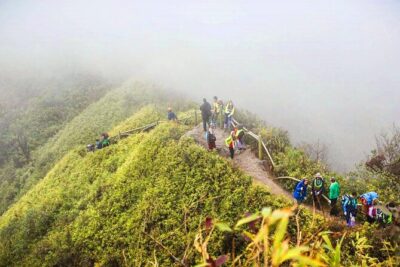
One drawback to plan for: Sapa can be foggy and cold in winter months, and the trek is not trivial—there’s a note that the 9 km trek isn’t recommended for older guests or children. Plus, you may get follow-alongs from locals trying to sell or ask for money, so you’ll want to stay friendly but firm and follow your guide.
In This Review
- Key Highlights Worth Marking
- Getting to Sapa the Efficient Way: Overnight Train + Valleys on Foot
- Day 0: Hanoi to Lao Cai by Overnight Train (Sleep Setup, Realistic Comfort)
- Day 1: Sin Chai Village and Your First Look at Highland Life
- Day 2: Muong Hoa Valley Trek to Lao Chai and Ta Van Homestay
- Day 3: Red Zao and Hmong Stops, Waterfall Views, Then Back to Hanoi
- Ta Van Homestay: How to Make It Comfortable and Respectful
- Village Culture Visits: Hmong, Zay, and Red Zao Without the Confusing Parts
- Food, Timing, and What You’ll Actually Eat
- Weather and Packing: Cold Sapa Layers Beat One Big Jacket
- Price and Value: What Your $212 Includes (and What It Doesn’t)
- Logistics and Small Headaches to Expect (So You’re Not Caught Off Guard)
- Who This Sapa Trek Suits Best (And Who Should Rethink It)
- Should You Book This 3-Day Sapa Trek With Overnight Train?
- FAQ
- How long is the trip from Hanoi to Sapa with the overnight train?
- What’s included in the price?
- Are drinks included with meals?
- Is the trek too difficult for kids or older guests?
- What should I pack for Sapa weather?
- Do I need cash?
Key Highlights Worth Marking
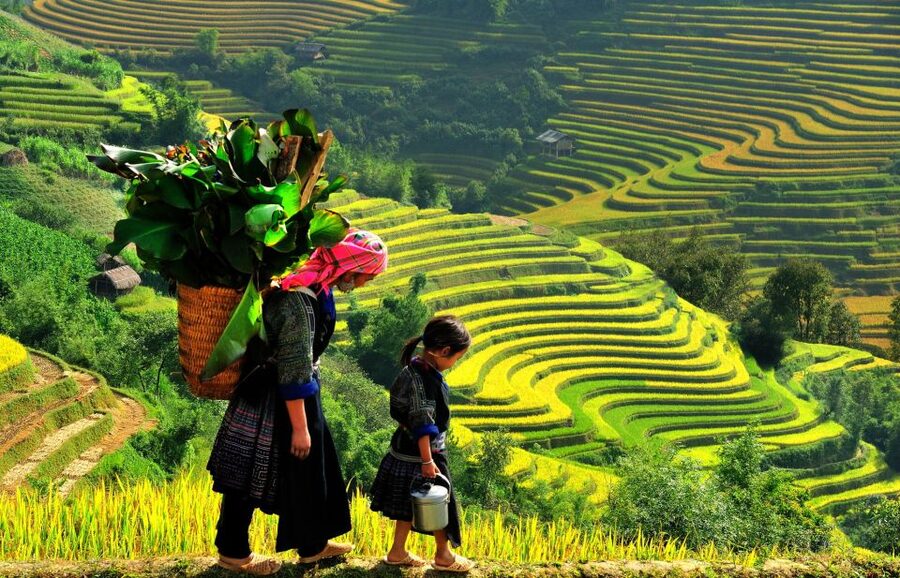
- Muong Hoa Valley walking to hill-tribe villages like Sin Chai, Lao Chai, and Ta Van
- Ta Van homestay night for a more personal look at Zay hill-tribe life
- Village handicraft center visit where women share skills and swap know-how
- Red Zao and Hmong village stops plus a waterfall and a rattan bridge
- Overnight train Hanoi → Lao Cai so you sleep while traveling, not after it
Getting to Sapa the Efficient Way: Overnight Train + Valleys on Foot
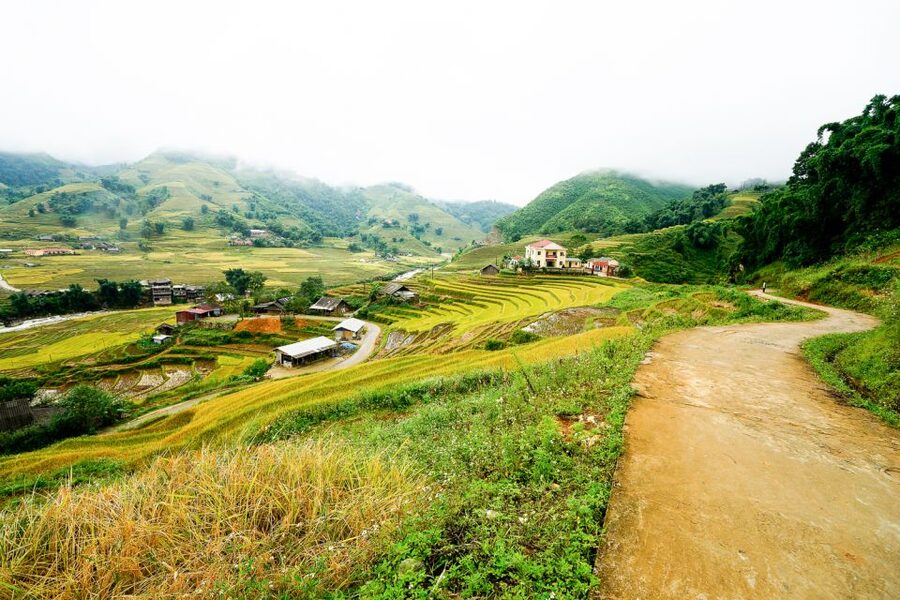
If you’re short on time, this is one of the smarter ways to reach Sapa without wasting a whole day on transport. You leave Hanoi by overnight train and wake up in Lao Cai, then you still get real trekking time in the Muong Hoa Valley instead of just a quick sightseeing loop.
The itinerary is built around a simple rhythm: arrive, meet your guide, trek through villages, then reset with meals and rest in between. That balance matters because Sapa is higher altitude and the weather can shift fast. One day can start cool and clear, then turn misty or drizzly later.
You’ll also notice the trip is designed for cultural contact without requiring you to “perform” anything. You visit villages (including Hmong, Zay, and Red Zao), see everyday activities, and spend time with people in spaces that feel lived-in rather than staged. Just keep your expectations grounded: this is travel with local communities, not a museum tour with quiet walls.
You can also read our reviews of more tours and experiences in Hanoi.
Day 0: Hanoi to Lao Cai by Overnight Train (Sleep Setup, Realistic Comfort)
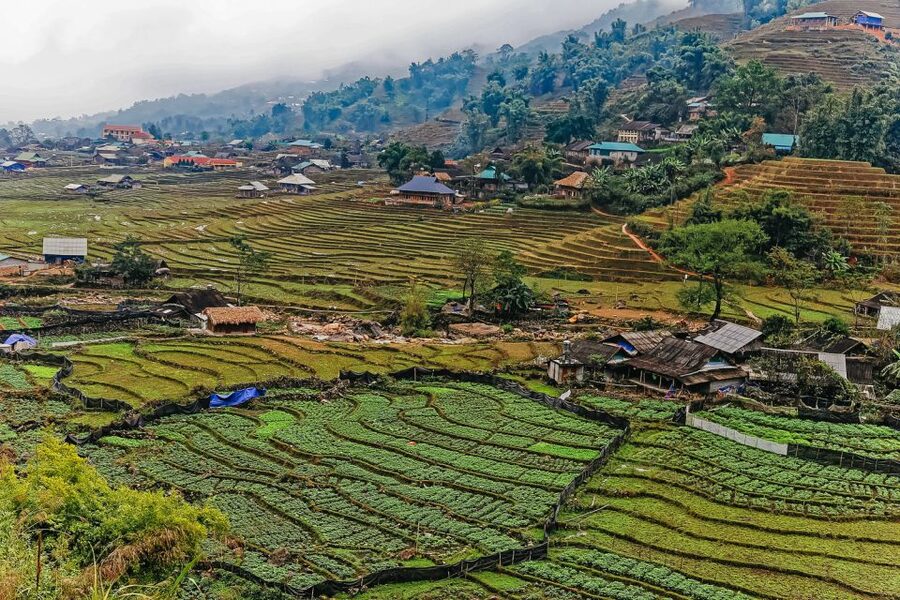
The overnight leg is part of the experience. You either get picked up from your Old Quarter hotel or make your way to Hanoi Railway Station, and you board at 10 PM. Plan to arrive to the station area well before that, since you’ll be meeting staff and sorting your tickets before boarding.
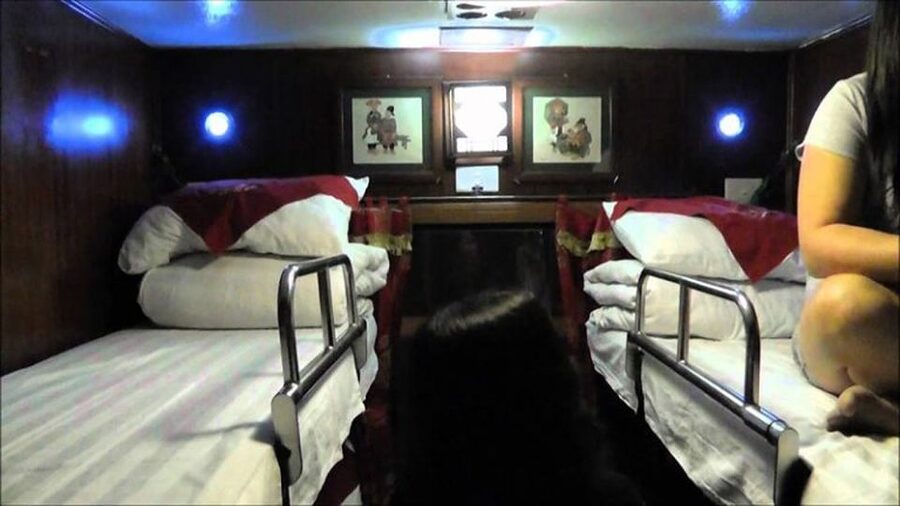
Your train ride is in a shared 4-bed air-conditioned cabin, so it’s not like the old-school hard sleeper chaos some routes are known for. You’ll reach Lao Cai the next morning, and from there you transfer to Sapa by shared minibus.
Comfort is usually fine, but here’s the realistic part. One person noted the train can be noisy and bumpy, and the toilet can be challenging. That’s not unusual for trains, so bring patience—and if you’re a light sleeper, consider earplugs. You also may not be able to choose top vs bottom bunk, so if sleep position is your priority, assume you’ll get what’s available.
Day 1: Sin Chai Village and Your First Look at Highland Life
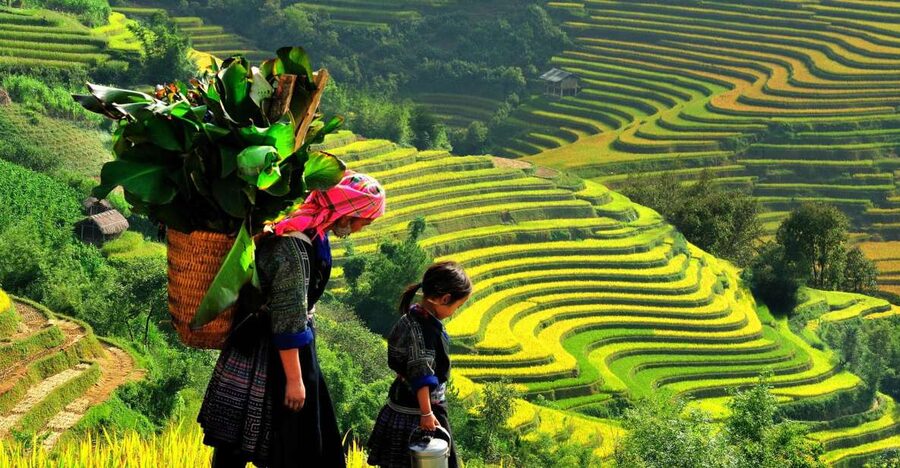
Day 1 starts early in Sapa. You meet your guide after arriving, transfer back to your hotel to drop luggage, and then you do breakfast. The hotel room check-in is at 2 PM, so if you need early access, you may have to pay extra—otherwise you’ll likely store bags and wait a bit before settling in properly.
After breakfast, you walk down toward Sin Chai Village, home to the Black H’mong. This part works well because it isn’t a “trot and pose” stop. Sin Chai is described as simple and rustic, more than 2 km from the center of Sapa town, so you feel the shift from tourist hub to village paths.
What I like about this first trekking day is the pacing. You walk, then you return to your hotel for lunch and downtime. That free time is useful: Sapa weather can be unpredictable, so a rest window helps you avoid burning energy too soon.
In the evening, you’re set up to enjoy Sapa town at night. Dinner is at 6 PM, and you’ll have options like roasted corn and baked eggs by a charcoal fire, or time to shop. It’s a nice contrast after the village day—less quiet, more lively, still not forced.
Day 2: Muong Hoa Valley Trek to Lao Chai and Ta Van Homestay
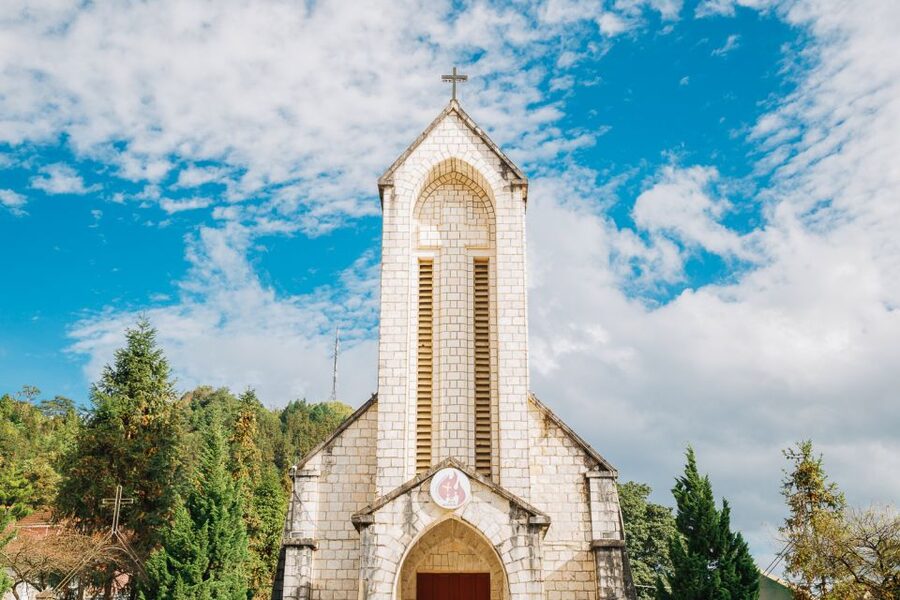
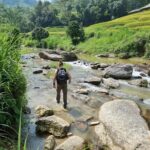
Day 2 is where the walking really becomes the point. You start with breakfast at your hotel, then trek alongside the Muong Hoa Valley to Y Linh Ho Village of the Black H’mong. After that, you continue down to Lao Chai.
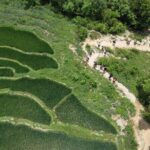
This sequence matters because it shows how interconnected the settlements are. You’re moving through terraced areas and village connections rather than treating each stop like a separate theme park. And you get lunch during the route, which is practical—long treks feel better when you’re not constantly trying to guess where your next meal is coming from.
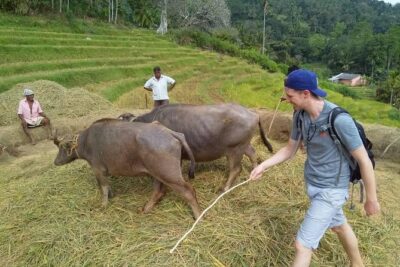
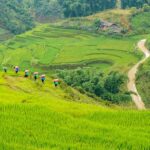
After lunch, you walk through terraced rice fields toward Ta Van Village, home to the Dzay minority. Then you stay overnight in a homestay cabin. That one night is the heart of the cultural contact here: it’s not only seeing a village, it’s sleeping inside the rhythms of village hospitality.
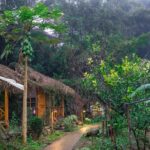
Homestays can range from very simple to quite comfortable, and in this case it’s described as clean and nice in feedback. Still, you should treat it like a homestay, not a hotel: bring patience, keep your voice calm, and follow your guide’s cues on when to help, ask questions, or keep things respectful.
Day 3: Red Zao and Hmong Stops, Waterfall Views, Then Back to Hanoi
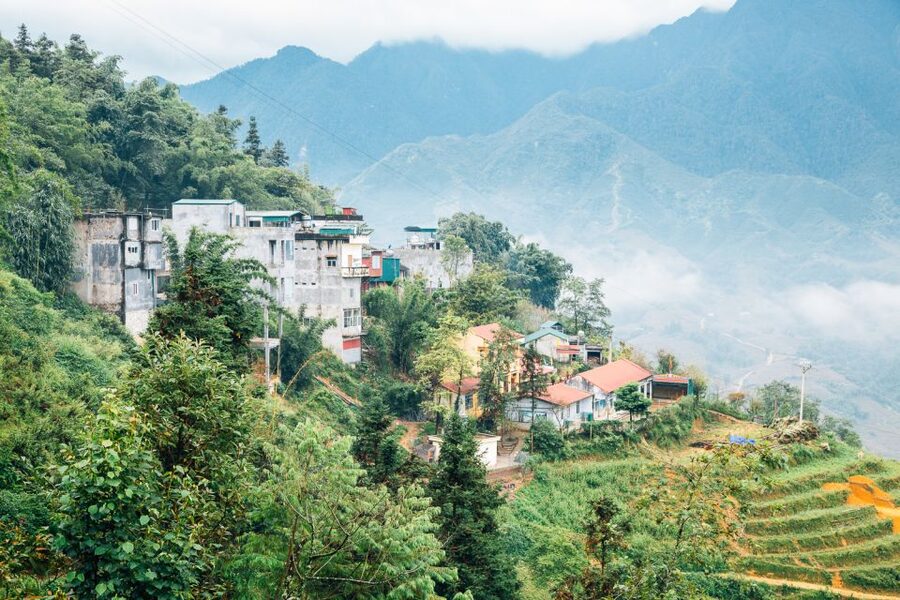
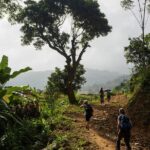
On the final day, you keep trekking after breakfast. You visit two villages connected to the Red Dzao and the Hmong, then you see a waterfall and cross a rattan bridge. There are also stops with views through bamboo areas, which adds variety to the walking.
One thing I appreciate about day 3 is that it mixes “move on foot” with “take in the scenery.” That keeps the trek from feeling like one long slog. It’s also a good day for photos, since you’re not just arriving at a village and immediately leaving again.
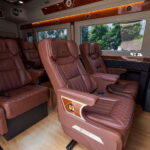
When you reach the main road, you switch from trekking to car transport back to Sapa. Around 2 PM you pack up, then hop on a limousine back to Hanoi. You’re dropped off around 8–9 PM, which gives you a full day to recover rather than arriving back in Hanoi at some miserable late hour.
Also note: the trip is 3 to 3.5 days depending on starting times. So if your flights or connections are tight, double-check the departure timing before you lock anything in.

Ta Van Homestay: How to Make It Comfortable and Respectful

A homestay can be the best part of a Sapa trek, but it’s also where you can mess up the experience if you act like a customer. The best approach is simple: follow your guide, be polite, and keep questions curious.
Here’s what helps:
- Dress in layers, even indoors. Sapa can stay cool after sunset.
- Keep your energy calm. You’re in someone’s home, not a shared dorm.
- Ask before taking photos, especially up close with people or inside private spaces.
In the feedback I saw, homestay stays were described as clean and the local welcome was friendly. That aligns with what you want: a safe, well-managed homestay where you feel included rather than trapped.
Also plan for logistics. Your homestay is inside the route, so you’re not going to pop out for a “normal shower and change” stop like you might in town. Pack warm clothing and keep your essentials in a small bag you can grab quickly.
Village Culture Visits: Hmong, Zay, and Red Zao Without the Confusing Parts
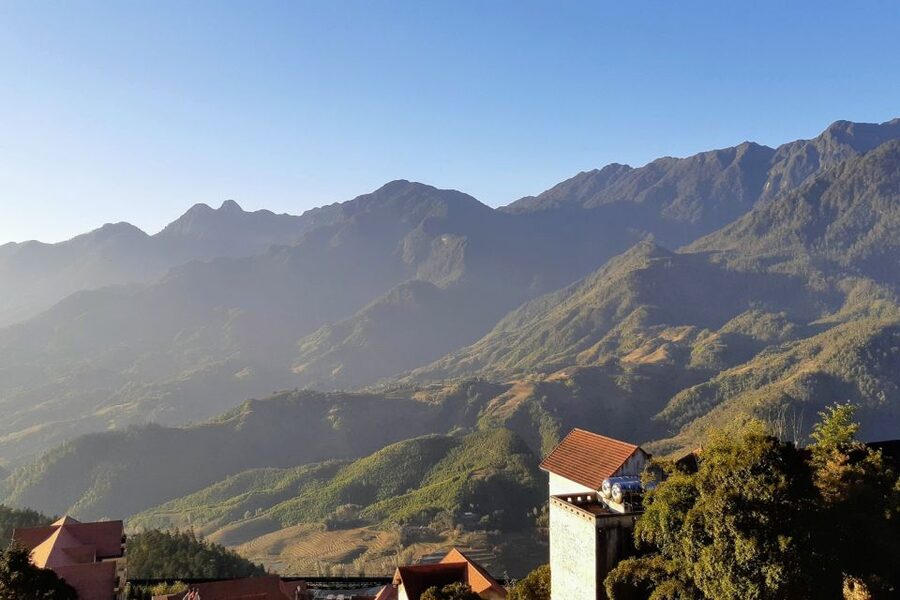
This route is built around Vietnam’s ethnic minority communities—Hmong, Zay, and Red Zao groups. The goal isn’t just to say you “saw villages,” it’s to understand how people earn a living, how they organize daily work, and how they keep traditions alive in a mountainous setting.
You’ll also visit a local handicraft center where women gather to exchange skills. That’s a meaningful stop because it shows culture as something practiced and taught, not something trapped in the past. It’s the kind of place where you’ll learn a little more than you expected, even if you only have a short visit.
A practical reality check: you may run into people who try to accompany you along the trail to sell items or ask for money. The trip notes this directly, and it can feel awkward if you’re not ready for it. Your best strategy is straightforward:
- Stay polite.
- Don’t negotiate on the trail.
- Stick close to your guide and follow the schedule.
This isn’t about blaming anyone. It’s about protecting your time and keeping the trek flowing.
Food, Timing, and What You’ll Actually Eat

Meals are included for the day-by-day schedule, but drinks aren’t. So if you like bottled water, soda, or coffee, budget for it separately.
Here’s the food rhythm you can expect:
- Breakfast at your hotel (and then you’re off trekking)
- Lunch while you’re in the field area during the walking days
- Dinner back at the Sapa hotel on day 1 (with a 6 PM dinner time)
- Homestay night meals included in the overall schedule
One nice detail: day 1 dinner in Sapa town gives you a taste of local street-style food options like roasted corn and baked eggs by a charcoal fire. It’s not fancy, but it feels fun and easy after a trekking day.
For packing, assume your stomach will be fine if you follow guide directions. Also bring cash, because cash payments are commonly needed in Sapa and the banking system can be inconsistent.
Weather and Packing: Cold Sapa Layers Beat One Big Jacket
Sapa weather can flip without asking. It’s normally cold from September to March, and fog is possible in December, January, February, and March. Even outside those months, don’t assume sunshine means warmth.
Pack for layers. The essentials listed are:
- Comfortable shoes (trek grip matters)
- Warm clothing plus a scarf and hat/cap
- Sunglasses and sun cream (yes, even on cloudy days)
- Insect repellent
- Cash in Vietnam Dong (US dollars, euros, and Australian dollars are accepted in Sapa)
If you’re thinking scarf and hat sounds excessive, don’t. Mountain wind plus fog can make you regret skipping them. And you’ll walk and pause often, which means you’ll cool down more than you expect.
Price and Value: What Your $212 Includes (and What It Doesn’t)
At about $212 per person, the value comes from how much this covers. You’re not just paying for a guide and a trek—you’re bundling:
- Hotel pickup and drop-off from Hanoi Old Quarter
- Local guide support
- Shared accommodation on the overnight train
- A homestay night in Ta Van
- A 3-star hotel night in Sapa center
- Meals listed in the schedule
- Transfers within the route (including Lao Cai to Sapa)
- Sightseeing fees, taxes, and service charge
What’s not included is also clear: drinks and personal expenses. That means you should budget a bit extra for bottled water, snacks, and any small purchases along the way.
In other words, the trekking portion is only part of the deal. When you price out transport + sleeping spots + meals separately, the package can feel reasonable—especially if you want to avoid complex planning across multiple tickets and bookings.
Logistics and Small Headaches to Expect (So You’re Not Caught Off Guard)
No trek is perfect, and this one has a few moving parts.
First, the trek demands effort. There’s a note that a 9 km trek isn’t recommended for older guests or children. If you’re unsure, be honest with yourself about your hiking stamina and how you handle steep, uneven paths.
Second, train comfort isn’t guaranteed to be smooth. One person flagged noise and bumpy motion, plus a tough toilet experience. If you’re sensitive, treat this as an overnight “sleep between vibrations” situation, not a lying-in-bed night.
Third, selling pressure can happen. The trip warns you about locals accompanying you to ask for money or sell items at high prices. The most important thing is your mindset: expect it, smile, and let your guide handle the route.
Finally, the end in Hanoi can be a bit messy. While the plan includes transfers, some feedback suggests the final leg wasn’t always handled the way people hoped at very early hours. If you have a tight next plan (early flight, early meeting), confirm your pickup details ahead of time.
Who This Sapa Trek Suits Best (And Who Should Rethink It)
This tour is a great match if you want:
- Real village contact with Hmong, Zay, and Red Zao communities
- A homestay experience in Ta Van
- An efficient route that includes an overnight train
- Guided walking with time to rest and photo stops
It’s less ideal if:
- You can’t comfortably do uneven hiking paths
- You’re traveling with mobility limitations (it’s not suitable for wheelchair users)
- You hate uncertainty about weather and cold layers
If you love the idea of meeting people and learning small things about daily life, this is the kind of trip that sticks with you longer than a quick scenic day.
Should You Book This 3-Day Sapa Trek With Overnight Train?
Yes, you should book it if you want an organized, value-packed way to experience Sapa without wasting a whole day on transport. The overnight train + included accommodations + guided village route is the core strength, and the homestay night in Ta Van is a big reason to choose this over a simple day hike.
I’d book with extra planning if you’re sensitive to train sleep comfort or you’re traveling in colder, foggier months. Bring warm layers, assume the trek is genuinely active, and be ready for the trail-side sales moments by staying close to your guide.
If you want a Sapa trip that feels personal—villages you can walk into, people you can talk to, and a night where you’re not just observing—this one fits that goal.
FAQ
How long is the trip from Hanoi to Sapa with the overnight train?
It runs about 3 to 3.5 days. You’ll take the overnight train from Hanoi to Lao Cai, then continue with trekking and stays in Sapa.
What’s included in the price?
The price includes Hanoi Old Quarter pickup and drop-off, a local English guide, overnight train accommodation, a homestay night in Ta Van, a 3-star hotel night in Sapa center, the meals listed in the schedule, transfers from Lao Cai to Sapa, and sightseeing fees/taxes/service charges.
Are drinks included with meals?
No. Drinks aren’t included with the meals, so you’ll need to pay for them separately.
Is the trek too difficult for kids or older guests?
The 9 km trek is not recommended for older guests or children, so you should consider your fitness carefully.
What should I pack for Sapa weather?
Bring comfortable shoes and warm clothing, plus a scarf and hat or cap. Sapa is often cold from September to March, and fog can happen in winter months.
Do I need cash?
Yes. You should bring cash in Vietnam Dong because the banking system in Sapa doesn’t always work well. US dollars, euros, and Australian dollars are accepted in Sapa.