REVIEW · SAPA
Sapa Trekking Tour Full Day
Book on Viator →Operated by Travel New Land · Bookable on Viator
Bamboo steps lead you off the map. This Sapa full-day trekking tour takes you through bamboo forests, village paths, and valley trails with an on-site H’Mông or Dao guide who explains daily life as you walk. I especially like the small group limit of max 12, which makes it easier to match your pace to your feet.
I also love how the day builds toward the scenery most people come to Sapa for. You’ll pass through the Muong Hoa Valley and reach a high point for panoramic views over terraced fields and the Hoàng Liên Sơn mountain range, plus you’ll get lunch included at the end.
One big consideration: after rain, the trails can get very muddy, and footing matters. Bring the right shoes, and don’t expect a smooth, flat walk.
In This Review
- Key highlights worth packing for
- 8:00 Pickup and the First Village Walk Toward Muong Hoa
- Y Linh Ho Village: A Solid 2-Hour Start (and Why It Works)
- Passing Through Muong Hoa Valley: The Names Matter Here
- Lao Chải Village and the Stream Side Walk: When Footing Gets Real
- Reaching the Highest Point: Terraces, Hoàng Liên Sơn, and Cloud-Hunting
- Ta Van at 12:30: Lunch and Farming-Country Life
- Small-Group Trekking (Max 12) and Flexible Routing
- Guides Make the Day: Mao Cô, Ms Su, and the Pace Question
- What to Bring for a Muddy Sapa Trek (Don’t Skip This)
- Price and Value at $24.17: What You’re Actually Paying For
- Who Should Book This Full-Day Sapa Trek (and Who Should Think Twice)
- Should You Book This Full-Day Sapa Trek?
- FAQ
- How long is the full-day Sapa trekking tour?
- Where do I meet for pickup?
- What time does the tour pickup start?
- What is the maximum group size?
- What villages does the route include?
- What’s included in the price?
- Are drinks included?
- Does the tour include panoramic views?
- What physical fitness level do I need?
- Can I get a full refund if I cancel?
Key highlights worth packing for
- Max 12 travelers keeps the walk flexible and gives your guide time for questions
- H’Mông/Dao guides share customs and everyday life along the route
- Y Linh Ho Village gets you started with a real village-feel first stop (2 hours)
- Muong Hoa Valley viewpoints with terraced fields and Hoàng Liên Sơn range views
- Ta Van at 12:30 pairs your walking day with lunch and farming-country culture
- Guides like Ms Su and Mao Cô have been praised for energy and English support
8:00 Pickup and the First Village Walk Toward Muong Hoa
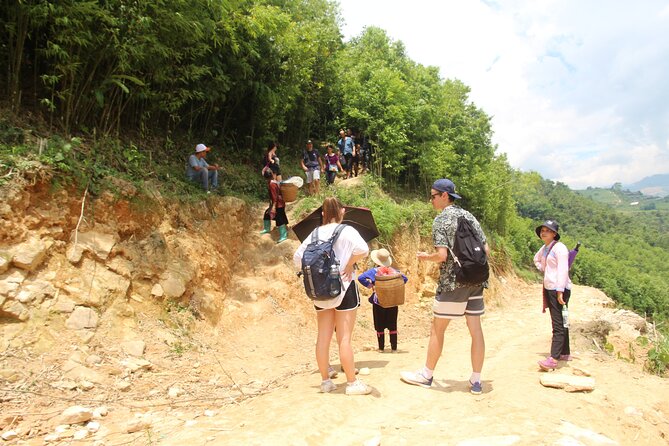
Your day starts with a practical plan. Between 8:00 and 8:30, you’ll be picked up at your town-center hotel, or you can meet at Sapa Retreat Condotel (03 Hoàng Liên, TT. Sa Pa). If you have luggage, you can drop it at the hotel before you head out—one less thing to juggle on a trek.
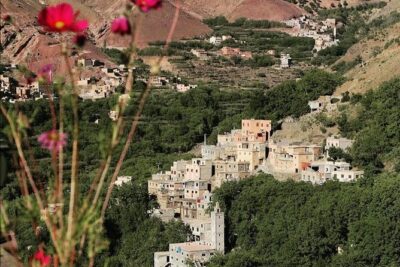
Then you set off into the Muong Hoa Valley area, which means you’re not just sightseeing from the roadside. You’re walking where people actually live: paths between fields, streams, and villages under the Hoàng Liên Sơn mountain range. That’s why this type of full-day trek feels more like understanding the region than checking boxes.
If you’re the kind of person who likes your day to run on time (but not rushed), this tour’s structure helps. You’ve got a start window, set villages, and a return back to the meeting point—so you’re not wandering around guessing.
You can also read our reviews of more tours and experiences in Sapa.
Y Linh Ho Village: A Solid 2-Hour Start (and Why It Works)
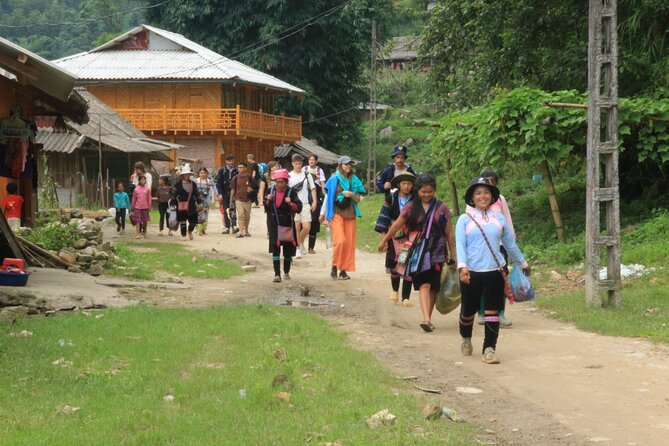
The tour’s first stop is Y Linh Ho, with about 2 hours on the ground and admission tickets included. This is a strong opener because it’s early enough that you’re fresh, but late enough that you’ve had time to settle into the walk pace.
What makes Y Linh Ho a good start is the setting: Sapa town sits roughly 3 km along Muong Hoa Valley, backed by the Hoàng Liên Sơn range. So even early in the day, you’re already in that valley rhythm—mountain air, terraced views, and the sense that the land shapes daily life.
A practical note: early village stops often mean more uneven ground and more turns than you expect. You’ll want shoes with grip, even if the weather looks calm. If you’ve only got one pair, this is the day to treat them kindly—no thin soles.
Passing Through Muong Hoa Valley: The Names Matter Here
Muong Hoa Valley is where the cultural part of the trek shows up in real time, not as a museum talk. As you move through the valley area, you’ll pass through zones tied to major ethnic minority groups such as H’Mông, Red Dao, Tay, and Giay.
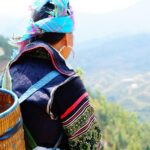
The guide’s job here isn’t just pointing at buildings. They’re sharing how each group shows identity through clothing, food habits, language, and customs—things you can notice more easily when you’re walking slowly. That’s the key: you’re not just receiving facts while rushing from one photo spot to another.
You’ll also get the “valley walk” feel: terraces, streams, and trails that follow the land. If you like nature but also want context, this portion hits a nice balance. You get movement and scenery, plus the explanations that help the place make sense.
Lao Chải Village and the Stream Side Walk: When Footing Gets Real
After moving through the Muong Hoa Valley area, you’ll reach Lao Chải Village. One detail that makes Lao Chải memorable is how the village connects to water: there’s a small clear stream that runs alongside the area as you’re there.
This matters because stream-side terrain can be pretty unpredictable. On dry days, it’s charming. After rain, it’s a slipping hazard. In the feedback I saw, mud came up more than once, including one situation where someone slipped and needed help to stabilize. That doesn’t mean the trek is unsafe—but it does mean you should plan like you might be walking through wet, slick ground.
As you hike, you’ll also be working toward a high point later in the route. Even if the climb feels short, Sapa’s weather can change fast. Bring a light layer for the cooler air near higher ground, and keep your focus on where your feet land, not just what’s behind you.
Reaching the Highest Point: Terraces, Hoàng Liên Sơn, and Cloud-Hunting
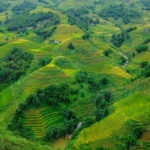
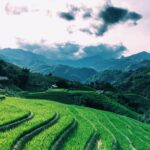
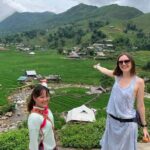
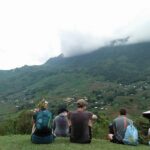
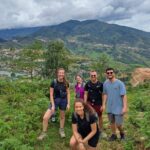
The tour’s big scenery payoff is built into the day. At the highest point, you’ll take in panoramic views over the Muong Hoa Valley, the terraced fields below, and the Hoàng Liên Sơn Range. The overview even calls it out as a good moment for cloud-hunting, which is perfect Sapa behavior.
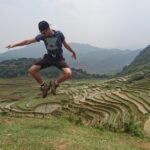
This is one of those stops where you’ll understand why people travel for the views. The terracing isn’t a flat pattern—it looks like layers of work, carved out over time. And with mountains framing the background, the scene feels larger than the villages you just walked through.
If you’re doing photos, treat this like a short mission. Save your best settings for this moment. Don’t burn battery on the early valley stretch—save it for the viewpoint where light and scale come together.
Also, if weather is foggy, don’t assume it’s a loss. Cloud cover can turn the scene softer and more dramatic. You’re already hiking to the best vantage point; the clouds are just part of Sapa’s mood.

Ta Van at 12:30: Lunch and Farming-Country Life
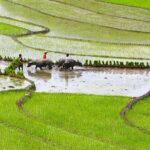
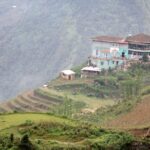
You arrive at Ta Van village at around 12:30, and this is where the day shifts from walking to settling in. Ta Van is home to many of the same groups you’ll have heard about—H’Mông, Dao, Giay, and Tày—with farming and livestock raising shaping much of daily life, including rice cultivation.
Lunch is included, and in the experiences I reviewed, people were pleased with the meal once they reached the last stop. That makes sense: after a few hours of moving, food at the end of the trek hits different. You’re not eating on a bus. You’re eating where you’ve just walked, which adds a “we earned this” feeling.
The practical angle: this timing helps your energy. By early afternoon, you’ve had enough time to build appetite, and you still have daylight to finish the walk back out. If you’re someone who gets hangry, plan to let the lunch clock do its job.
After lunch, you’ll head back toward the meeting point. The exact route can be flexible, so you might see different village angles depending on group preferences and conditions.
Small-Group Trekking (Max 12) and Flexible Routing
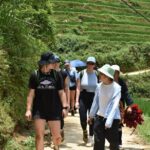
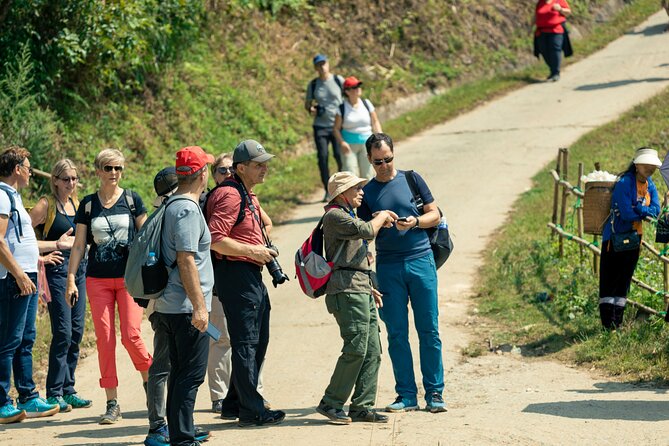
A big part of the value here is that it’s designed for a small group: maximum 12 travelers. That means the guide can slow down for photo stops, explain details without yelling over a crowd, and adjust the route as needed.
The tour is also described as fully flexible, with optional stops and route adjustments based on group preferences. In plain terms: if your group wants more photos and fewer steep bits, the guide may tailor the day. If your group prefers a quicker pace, they can likely keep it moving.
The upside for you is comfort and control. The downside is that you can’t treat the schedule like a train timetable down to the minute. Expect some variation based on trail conditions. In Sapa, weather is king.
Guides Make the Day: Mao Cô, Ms Su, and the Pace Question
This is one of those tours where the guide can change your experience. The tour uses an on-site H’Mông or Dao guide who shares customs firsthand, not from a script.
Two guide names stood out in the feedback: Ms Su was described as enthusiastic on a Sapa trekking day, and Mao Cô received strong praise, including notes about excellent English and help when the ground got tricky. That matters because communication improves everything—where to step, what you’re seeing, and how the village life connects to the landscape around you.
There’s also a reminder worth taking seriously: one person reported feeling like they were effectively on a solo hike because the guide moved ahead and disappeared at times. That’s not something you should assume will happen, but it’s a signal to you to advocate early.
If you need a consistent pace or prefer the group to stay together, say so at the start. If you want extra explanation at each stop, tell your guide right away. A small-group trek only feels small if you speak up early.
What to Bring for a Muddy Sapa Trek (Don’t Skip This)
Even without rain, Sapa trekking can be rough on footwear. With rain, it becomes a full-time slipping test. Multiple experiences highlighted slippery paths and mud, and the most repeated practical advice was clear: bring gum boots.
Here’s a simple packing checklist that matches the reality of this route:
- Waterproof or grippy footwear (gum boots are the safe bet)
- A light rain layer or poncho
- Sunscreen even if the weather looks cloudy
- A small bag that you don’t mind getting splashed
- A refillable water bottle (drinks aren’t included)
Also, if you’re prone to sore knees, use trekking poles if you have them. The tour isn’t described as extreme, but the terrain can be uneven, and slipping risk is real on wet days.
And please, don’t bring fashion sneakers and hope for the best. This is Sapa—your shoes should be ready to get dirty.
Price and Value at $24.17: What You’re Actually Paying For
At $24.17 per person, this is one of the more budget-friendly ways to do a full-day trek in Sapa—especially because several key costs are bundled. The tour includes lunch, a tour guide, sightseeing tickets, insurance, and pickup/drop-off at central hotels.
That “all-in” feel is the value. You’re paying once and avoiding a bunch of small add-ons that creep up on longer tours. The only item specifically listed as not included is drinks, so plan for water or any extra beverages.
One more value point: the tour has a maximum of 12 people. Small groups cost more than cattle-car tours, but here you’re not paying a premium just to have space. If you care about pacing and conversation with a local guide, that matters more than saving a few dollars on a bigger group.
If you’re traveling on a tight budget but still want a guided cultural trek with lunch and transport, this is the kind of deal that tends to work.
Who Should Book This Full-Day Sapa Trek (and Who Should Think Twice)
This tour is geared for people with moderate physical fitness. If you can handle uneven village paths and a few hours of walking with breaks, you’ll be comfortable.
You’ll likely love it if:
- You want village-to-village walking rather than quick photo stops
- You care about ethnic minority culture and want it explained while you’re in the area
- You want big views over terraces and mountains in one day
- You prefer a small group experience
You might want to rethink it if:
- You hate wet, muddy footing and can’t handle slippery conditions
- You’re expecting a fully paved walk (this is not that)
- Your schedule allows only one flexible weather window and you strongly dislike delays from trail changes
The trek is a good choice for a first Sapa day from town, especially if you want both culture and scenery without taking a multi-day homestay route.
Should You Book This Full-Day Sapa Trek?
If you want one day that covers Y Linh Ho, village walking through Muong Hoa Valley, Lao Chải, and Ta Van with lunch, this tour is a solid bet—especially at the price point with tickets, insurance, and transport included.
Book it if you’ll prepare for mud and bring the right footwear. Pack gum boots and you’ll feel more in control. And if pace matters to you, speak up at the start so your guide keeps the group together at your comfort level.
Skip it or choose another option if you need perfectly dry ground, or if you’re hoping for a gentle, flat stroll. Sapa rewards real walking. Do that part right, and the views and village conversations are well worth it.
FAQ
How long is the full-day Sapa trekking tour?
The duration is about 6 hours.
Where do I meet for pickup?
Pickup is offered at central town-center hotels, or you can meet at Sapa Retreat Condotel, 03 Hoàng Liên, TT. Sa Pa, Sa Pa, Lào Cai 333100, Vietnam.
What time does the tour pickup start?
Pickup typically happens between 8:00 and 8:30.
What is the maximum group size?
This tour has a maximum of 12 travelers.
What villages does the route include?
The route includes Y Linh Ho, Lao Chải, and Ta Van, with walking through the Muong Hoa Valley area in between.
What’s included in the price?
Lunch, the tour guide, sightseeing tickets, insurance, and pickup/drop-off at central hotels are included.
Are drinks included?
No. Drinks are not included.
Does the tour include panoramic views?
Yes. At the highest point, you’ll take in panoramic views over the Muong Hoa Valley, its terraced fields, and the Hoàng Liên Sơn Range.
What physical fitness level do I need?
You should have a moderate physical fitness level.
Can I get a full refund if I cancel?
You can cancel up to 24 hours in advance for a full refund.