REVIEW · SAPA
2 Days Fansipan Trekking
Book on Viator →Operated by Sapa Original Trek · Bookable on Viator
Fansipan is a wake-up call in the best way. This 2-day climb from Sapa takes you to the Roof of Indochina, with a local Black H’Mong guide who helps you understand what you’re walking through, not just where you’re going. I like that the itinerary builds in real hiking time on Day 1, then gives you choices on Day 2.
I also love the comfort planning. You get shared lodging at base camp plus the basic sleep setup, and you finish with a hot shower at the Sapa office—something that makes the next morning feel manageable. In guides like Sing (and the team on the mountain), the food shows up in a way that feels like someone actually planned your energy for the climb, even when weather turns.
One consideration: this is not an easy walk. The trek is physically demanding, with long stretches and big elevation changes, and the thinner air can hit harder than you expect. Bring warm layers and solid shoes, because rain happens and temperatures at elevation can feel seriously cold.
In This Review
- Key highlights you’ll feel fast
- Mount Fansipan From Sapa: the climb you can actually pace
- Day 1: Tram Ton Pass to Fansipan summit day
- Stop 1: Tram Ton Pass
- Stop 2: Fansipan (the main climbing block)
- Base camp night: where comfort helps you earn sunrise
- Why the base camp approach works
- Day 2: sunrise option, then the long descent
- Early breakfast and the summit decision
- Stop: return toward Tram Ton Pass
- Black H’Mong guide and sustainable tourism: what you’re really supporting
- Gear, meals, and the hot shower: what’s included (and what to pack)
- What you should bring (based on what actually matters)
- Price and logistics: is $136 good value for a 2-day Fansipan trek?
- Who this Fansipan trek suits best (and who should think twice)
- Should you book this 2-day Fansipan trek?
- FAQ
- How long is the 2-day Fansipan trekking experience?
- What time does the trek start from Sapa?
- Is reaching the summit for sunrise included?
- What’s included in the trek package?
- Do I need to buy cable car tickets?
- What is the cancellation policy?
- Should you book this 2-day Fansipan trek?
Key highlights you’ll feel fast
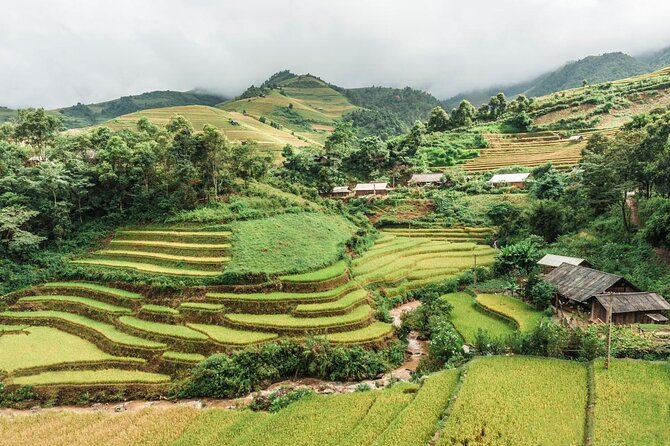
- Roof-of-Indochina summit views you can plan around sunrise vs. later timing
- Local Black H’Mong guide time that adds context while you hike
- Tram Ton Pass approach with forests, bamboo, and stream crossings on the way up
- Camping and sleep gear included so you’re not scrambling for basics
- Hot shower before and after the trek at the Sapa office
- Strong guidance on pacing and safety (including support from guide teams like Sing and Mr. Tinh)
Mount Fansipan From Sapa: the climb you can actually pace
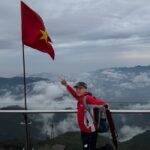
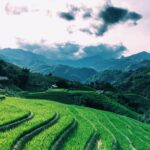
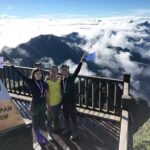
Mount Fansipan gets called the Roof of Indochina for a reason: it’s the highest point in the region, and on clear days the views can feel like you’re looking out over northern Vietnam and beyond toward southern China. But the real reason this trek works for many people is the structure. You’re not being asked to do everything in one brutal push. Day 1 builds your rhythm, and Day 2 either finishes the summit goal early or gets you down while conditions are still favorable.
This is also a trip where you feel the altitude and the weather. Sapa’s cooler air can be comfortable at town level, then you climb into colder, more changeable conditions. Even if you’re a strong hiker, you’ll notice it. That’s why good footwear and warm layers matter more than you might think from the photos.
One more practical point: this tour is private in the sense that it’s only your group participating. That usually means you can move at your pace under your guide’s plan, rather than being shuffled around a big crowd.
You can also read our reviews of more tours and experiences in Sapa.
Day 1: Tram Ton Pass to Fansipan summit day
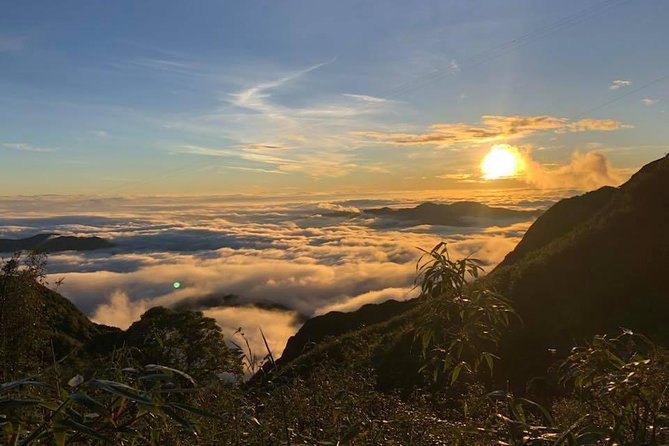
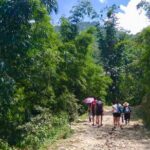
Day 1 starts with getting you into position at Tram Ton Pass, then hiking up through forested terrain. You’re looking at about 10 km and 5–6 hours of trekking, with around 1,200 meters of elevation gain. That elevation math matters because it tells you this won’t be a casual stroll. Expect steady climbing, and plan your effort like you’re spending money—slow at first saves you later.
Stop 1: Tram Ton Pass
Tram Ton Pass is more than just a starting line. It’s where the air and temperature begin to shift, and where the hike moves from “travel day” into “real hike day.” You’ll set out after a scheduled transport pickup from Sapa (meeting time is 8:30 am), and the route heads into the mountains with a guide.
You’ll also have an included admission ticket here. That’s one less thing to sort out, and it keeps the day from turning into admin time.
Stop 2: Fansipan (the main climbing block)
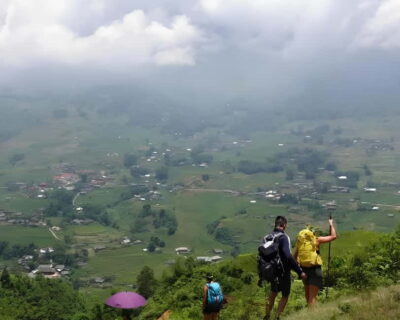
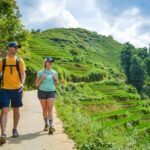
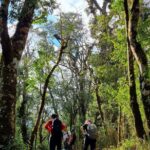
After you start trekking, the trail takes you through pine and bamboo forests along streams. This matters because it breaks up the monotony. Streams and forest corridors give you shade when the sun’s out, and the bamboo/pine mix makes the scenery feel varied even before you reach the ridge.
You’ll have a picnic lunch during the ascent, then continue on toward the summit via a ridge route. On timing, you’ll spend around 5 hours at this section. That ridge part is often where the trail can feel more exposed, depending on conditions, so keep an eye on wind and cloud cover.
If the weather is rainy or foggy, you’ll still get a meaningful day. The mountain route is about effort and persistence as much as it is about a perfect summit shot. One of the standout positives from the experience is that the team keeps things working even when it’s wet, and the food support helps you stay focused instead of running on empty.
Base camp night: where comfort helps you earn sunrise
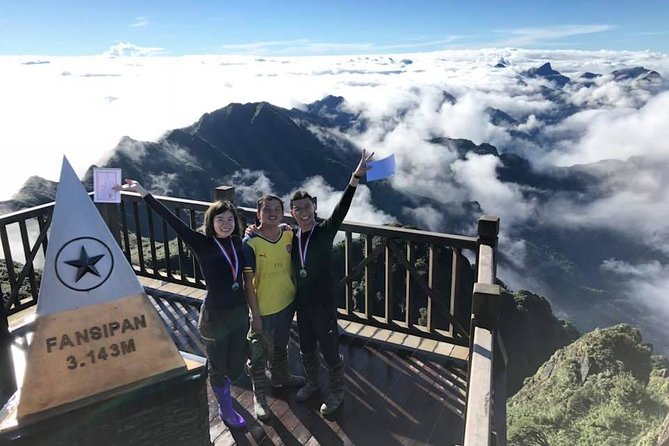
After Day 1, you sleep at base camp for one night. The tour includes camping and your sleep setup (sleeping bag and mattress), plus dinner. This is a big deal because on high-elevation treks, the discomfort between hiking days can make the second day feel much harder.
You also get hot showers at the Sapa office before and after the trek. On the night of Day 1, you might not feel warm and cozy, but you’ll have a plan for getting clean and resetting once you return. That reduces the “I’m done” feeling when you finish.
Why the base camp approach works
I like this two-day pattern because it lets you recover just enough to attempt an early summit. Without that night stop, Day 2 can turn into a scramble. With it, your legs have a chance to loosen up and your brain has time to shift from effort mode to strategy mode.
Day 2: sunrise option, then the long descent
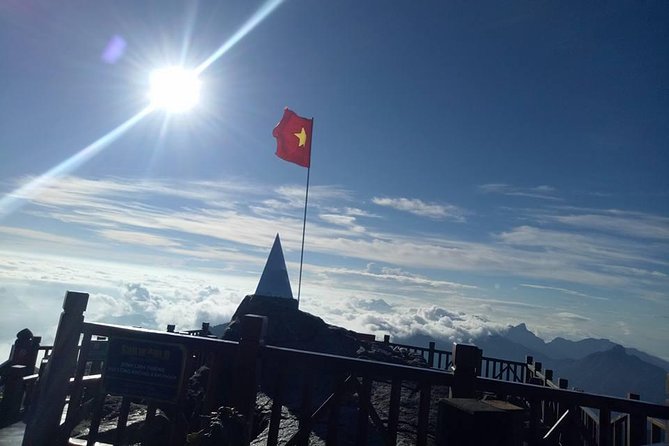
Day 2 covers about 14 km over 6–7 hours total. The elevation profile is clear: roughly 300–400 meters of uphill and 1,100–1,200 meters of downhill. That’s the typical mountain reality—up is breath work, down is knee work.
Early breakfast and the summit decision
Your morning starts with breakfast at either 4:00 am or 6:00 am (depending on your sunrise plan). From there, you continue trekking with an included option to reach the summit for sunrise. The summit push block is about 3 hours, so you’re not doing another full Day 1. But it’s early, so treat it like a workout you’re starting with cold legs.
If sunrise is the goal, you’ll want layers ready fast. Cold mornings at elevation can feel sharper than you expect. Even when you’re moving, you can get chilled while waiting at vantage points.
Stop: return toward Tram Ton Pass
After the morning trek, you’ll head down to Tram Ton Pass for the downhill portion. The goal is to get you back to where your transport is waiting, with arrival back in Sapa around 13:00 based on the plan.
You also have a cable car possibility: instead of trekking all the way down, you can take the cable car on your own from a station near Sapa town. Important detail: cable car tickets are not included, so if you want that option, set aside the cost.
Trekking down vs. cable car
If you’re trying to protect knees and save energy, the cable car can be a smart trade. If you enjoy finishing the loop on foot and you’re feeling strong, sticking with the hike gives you a chance to enjoy the route details—people often find the descent terrain less monotonous than they expect, especially if the weather clears.
Black H’Mong guide and sustainable tourism: what you’re really supporting
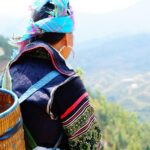
A big part of the value here is the guide connection. You’re traveling with an English-speaking guide and a deeper cultural explanation from a local Black H’Mong guide. That kind of interpretation changes the trek from a box-checking hike into something with meaning.
The experience also includes support for the local community with sustainable tourism initiatives. You can’t measure that impact line-by-line on the trail, but you can feel the difference in how the program treats people and how the guiding focuses on understanding the place instead of just speed.
In the field, the human touch shows up. One of the most praised elements was how guides and their team members (including a porter team member during the hike) kept things moving calmly, even in challenging weather. That’s the difference between a “tour” and a service you can trust with real effort.
Gear, meals, and the hot shower: what’s included (and what to pack)
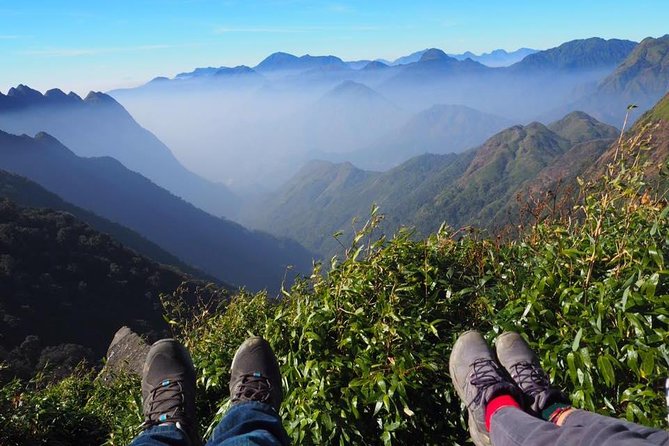
The included meal plan is built for trekking: 2 lunches, 1 dinner, and 1 breakfast, plus 1.5 liters of water per person per day. You also get camping and sleep essentials, so you’re not expected to bring a full backpacking kit.
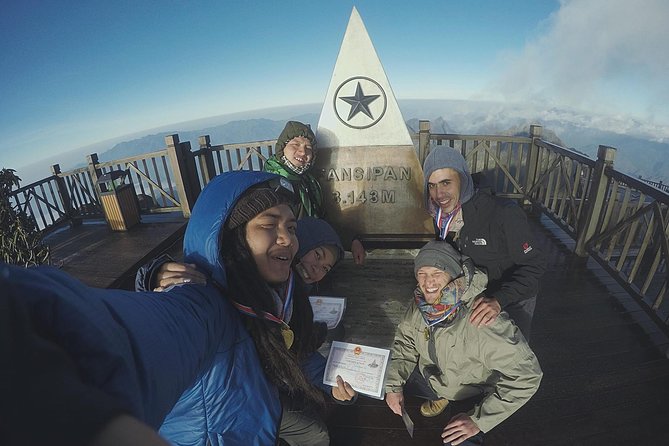
You’ll also receive a medal and certificate, which sounds small until you finish sweaty and sore and want something tangible that you actually completed something.
The hotel-style perk: hot showers before and after the trek at the Sapa office. That’s huge after cold mountain air and damp clothing. It also makes the finish feel like a real reset, not just a drop-off.
What you should bring (based on what actually matters)
The experience strongly signals warm clothing needs. People advise layering, and that’s practical advice anywhere near high elevation. Bring:
- Warm layers (windproof outer layer helps)
- Gloves or something for cold hands if you run cold
- Waterproof or water-resistant shoes if rain is likely
- Sturdy trekking shoes with grip (the trek can be physically strenuous)
If you hate carrying stuff, pack smart. You’ll move all day, so reduce weight where you can without sacrificing warmth.
Price and logistics: is $136 good value for a 2-day Fansipan trek?
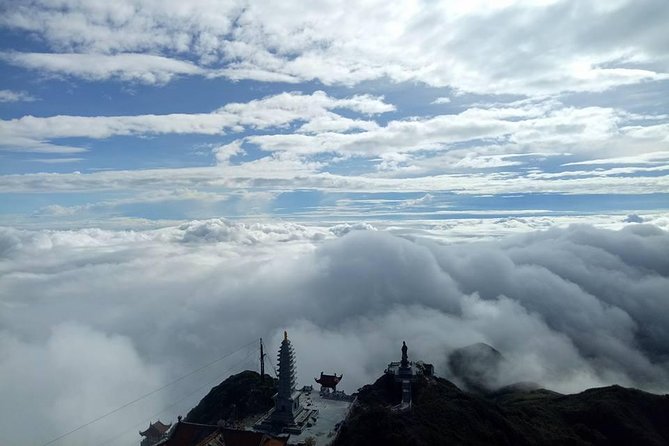
At $136 per person for about two days, this trek can feel like a bargain compared to doing everything separately—transport, guides, entry fees, meals, camping basics, and the shower setup.
The value comes from what’s bundled:
- English-speaking guiding and cultural explanation
- Transport to and from the mountain route
- Entrance fees included (including Tram Ton Pass and Fansipan)
- Meals and water support
- Camping/sleeping essentials
- Medal and certificate
- Hot shower before and after at the Sapa office
- Insurance is listed in the included area, but insurance is also mentioned in the not-included list
Because of that last point, I’d treat it as a “check your confirmation” item. Don’t assume it’s handled the way you expect if your booking email contradicts the summary. That’s one small moment of homework that can save stress.
On timing and pacing: you’ll start around 8:30 am for the experience, then you’re hiking most of Day 1 and most of Day 2. Plan your travel around that, and you’ll get a smooth experience instead of rushing to the office after a late night.
Who this Fansipan trek suits best (and who should think twice)
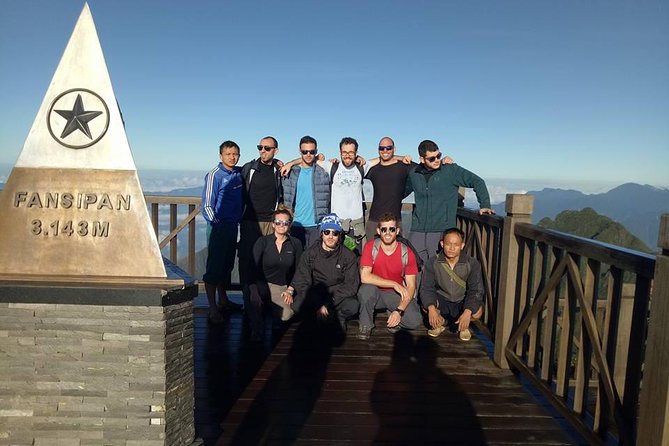
This trek fits best if you have strong physical fitness and you’re comfortable hiking for multiple days with steep sections. Day 1’s climb and Day 2’s big downhill mean your legs will know you were there.
You should also like structured guidance. With a local Black H’Mong guide and an English-speaking guide plan, you’ll get cultural context while you hike. If you want a solo, unstructured adventure, this may feel too “programmed.” But if you want a supported trek that handles transport, meals, and key logistics, it’s a good match.
For solo women, the experience has been described as feeling safe. That reassurance is meaningful on remote treks where you rely on your guide team.
If you’re unsure about sunrise: the program gives you options with early breakfasts at 4:00 am or 6:00 am. That flexibility helps you decide based on your energy and the weather.
Should you book this 2-day Fansipan trek?
Book it if you want the full Mount Fansipan experience: summit ambition, culture from a Black H’Mong guide, real hiking time, and practical support like meals, water, camping basics, and hot showers at the end. The fact that the team keeps things working even in rain is a strong sign you’ll be cared for when conditions aren’t perfect.
Skip or reconsider if you know you struggle with steep uphill effort, you’re easily chilled, or you’re looking for something gentle and light. This is a challenge trek, and the rewards come from putting in the work.
FAQ
How long is the 2-day Fansipan trekking experience?
It runs for about 2 days, with Day 1 taking about 5–6 hours of trekking and Day 2 taking about 6–7 hours of trekking.
What time does the trek start from Sapa?
The meeting point start time is 8:30 am, and the day’s transport to the trailhead happens after that.
Is reaching the summit for sunrise included?
Yes, there is an option to reach the summit for sunrise. Breakfast is scheduled for 4:00 am or 6:00 am, depending on your choice.
What’s included in the trek package?
The package includes meals (2 lunches, 1 dinner, 1 breakfast), 1.5 liters of water per person per day, an English-speaking guide, camping and sleeping bag and mattress, entrance fees, transport, and a medal and certificate. Hot showers before and after the trek are provided at the Sapa office.
Do I need to buy cable car tickets?
Cable car tickets are not included. You can take the cable car on your own if you choose, otherwise you’ll trek down to Tram Ton Pass.
What is the cancellation policy?
You can cancel for a full refund up to 24 hours in advance. If you cancel less than 24 hours before the start time, the amount paid is not refunded.
Should you book this 2-day Fansipan trek?
If you want an organized, two-day way to climb Mount Fansipan from Sapa—with included meals, camping essentials, hot shower resets, and cultural guidance from a Black H’Mong team—this is a strong pick. Just be honest with yourself about fitness and cold-weather readiness, because the mountain asks for effort and layers.