REVIEW · KATHMANDU
Annapurna Poon Hill Trek Package in Nepal Himalayas
Book on Viator →Operated by Himalayan Recreation Treks & Expedition Pvt.Ltd · Bookable on Viator
Poon Hill is the kind of trek with big rewards fast. This 6-day guided package takes you from Kathmandu to Pokhara and into the Annapurna region with a private trekking guide, planned lodge stays, and pre-booked meals along the route. I like that you get the hard-to-organize stuff handled—permits, TIMS card, and logistics—so your brain can stay on the trail and sunrise. One thing to consider: the trek reaches about 3,210 m and weather can change quickly, so you’ll want to go in smart and packed light.
This is built for travelers who want the iconic Annapurna sunrise without turning it into a second job. You’ll start early to get to Poon Hill before dawn, sleep in mountain lodges, and still have a relaxed travel rhythm with transfers by bus and private car. If you’re someone who likes clear structure and a guide who can keep you steady (especially on longer days), this package makes sense.
In This Review
- Key Things That Make This Poon Hill Package Work
- Why Poon Hill Is Such a Smart Trek Goal
- Kathmandu to Pokhara: Lakeside Time Before You Climb
- Ulleri Trail Start: From Nayapul to Village-View Moments
- Ghorepani Day: The Climb Toward Annapurna and Machapuchare Views
- Poon Hill Sunrise and Ghandruk Overnight: The Day Most People Remember
- The Descent Back to Nayapul and Pokhara Reset Day
- Kathmandu Finale: Cultural Dinner and City Stops
- Price and Value: What $599 Includes (and Why It Matters)
- Guide Quality and Day-to-Day Support You’ll Feel
- What to Watch Out For: Altitude, Weather, and Packing Light
- Should You Book This Annapurna Poon Hill Package?
- FAQ
- How long is the Annapurna Poon Hill trek package?
- What meals are included while trekking?
- Are trekking permits included?
- What trekking gear and safety items are provided?
- Do I need travel insurance?
- Can I cancel and get a full refund?
Key Things That Make This Poon Hill Package Work
- Private trekking guide support to help you pace, navigate, and stay safe on the trail
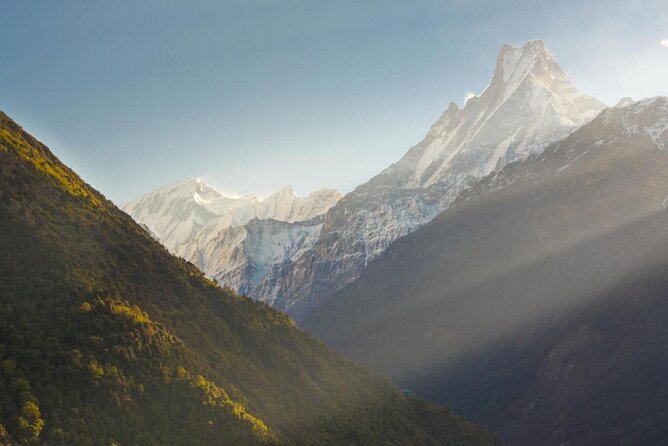
- Poon Hill pre-sunrise plan for the best chance at clear views of the Annapurna chain
- Trekking poles and safety gear included, so you don’t have to guess what to bring
- Meals are covered while trekking (breakfast, lunch, dinner) with tea house overnights
- Permits handled in advance with an Annapurna trekking permit and TIMS card included
- Small group limit (max 12) with a private group setup so you’re not packed in
Why Poon Hill Is Such a Smart Trek Goal
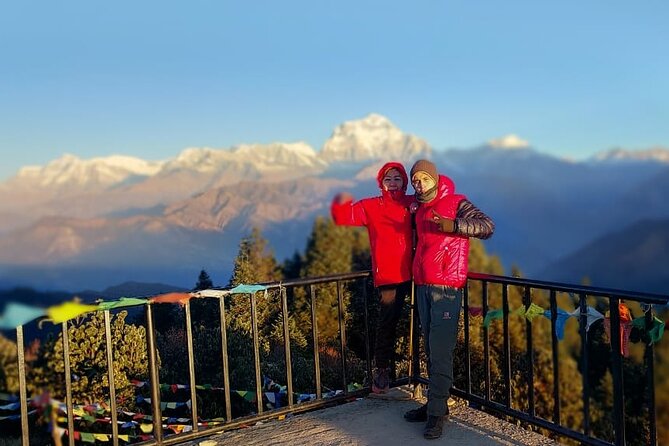
Poon Hill is famous for a reason: you trade long months of planning for an early morning payoff. On this route, the key moment is waking up to be at Poon Hill before sunrise, when visibility is often better and the light can make the Annapurna peaks look crisp and close. It’s also one of the most efficient ways to experience the mountain-view payoff of the Annapurna region without committing to a longer, higher expedition.
What I like in this package is that the climb is structured around the classic “up early, see the views, then move on” flow. That matters because sunrise treks can become chaos if you’re doing them solo—where to stay, what time to leave, how to reach the viewpoint in time. Here, the trekking is guided and timed, so you can focus on the moment instead of logistics.
Another quiet win: after Poon Hill, you don’t just turn around and repeat the same day. You continue on to Ghandruk for an overnight, which gives you that sense of moving through real mountain villages rather than just bouncing back and forth.
Possible drawback? If you’re planning this as a casual walk with no altitude worries, you might want to recalibrate. The tour info states trekking up to around 3,210 m, and it’s common to feel the effects of altitude regardless of age or fitness. You can still do it—just treat it like a real trek, not a stroll.
You can also read our reviews of more tours and experiences in Kathmandu.

Kathmandu to Pokhara: Lakeside Time Before You Climb
Your journey starts in Kathmandu with a pickup and a drive to Pokhara. The road trip is about 6–7 hours along the Prithvi Highway, so you’re not jumping straight from city life into mountain trails. That pause is useful: you arrive, stretch your legs, and settle into a comfortable base.
Pokhara is where the trek begins to feel real, because the area is tied to lakes and viewpoints rather than just “getting from A to B.” Your day includes time around attractions like Phewa Tal, plus Begnas Lake and the Pokhara Lakeside area. Admission is listed as free for these stops, and you also spend time exploring local areas as part of the day’s program.
You also get 2 nights in Pokhara in a 3-star hotel. That’s a strong value point: before you switch to tea houses, you have proper beds and more predictable comfort. It helps you start the trek feeling rested, not wrung out.
One more practical detail: the transfer is not random rideshare style. The package includes round-trip transportation by tourist bus between Kathmandu and Pokhara, plus private car transfers for the trekking start and end days. That reduces the risk of “waiting around” that can happen with flexible, DIY planning.
Ulleri Trail Start: From Nayapul to Village-View Moments
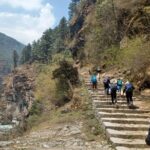
Day 2 is where the trek rhythm kicks in. You take an hour drive to Nayapul, and once you reach the trailhead, you begin walking along the route that leads through the classic local villages of the Annapurna foothills.
The trek start is described as moving from Nayapul toward Birethanti after about 20 minutes, then continuing up toward Ulleri. I like this structure because it gives you an early sense of progress. You’re not dropped into a steep wall from the first step, but you do start working your way uphill.
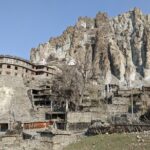
This day also includes a stop at Peace Temple and notes Ulleri as a viewpoint area. That’s important because the trek is not just about reaching a destination. Along the Annapurna routes, village steps and temple stops are often where you get breaks in the scenery—views, perspective, and a chance to reset your pace before continuing upward.
If you’re the kind of traveler who likes knowing what the day will feel like, this is one of the more straightforward days in the schedule. The official pacing keeps it moving, and the guide support helps you manage breathing and stops without turning the day into constant decision-making.
Ghorepani Day: The Climb Toward Annapurna and Machapuchare Views
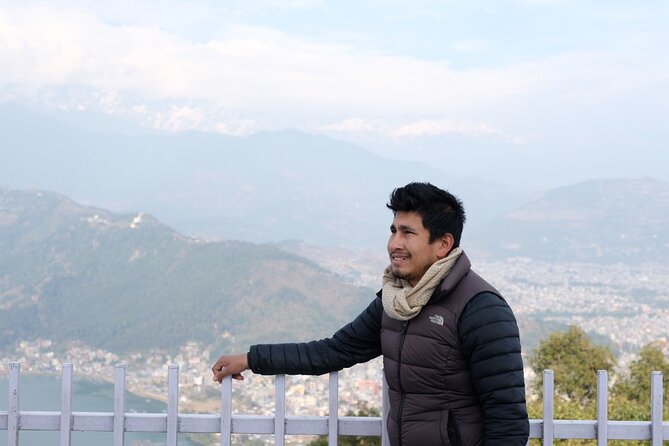
Day 3 is the “earn the viewpoints” day. You’ll start after breakfast (around 8:00 am per the schedule notes), and then you begin ascending—about 1,000 meters according to the provided itinerary description. That’s meaningful effort, and it’s why the earlier days in the program matter: you’re building steady altitude instead of going from sea level chaos into high-mountain discomfort.
The route includes a stop area at Ghorepani and walking time that’s described as roughly 3 hours from Ulleri to Nangethanti. This kind of mid-day landmark helps you mentally track the trek. It’s easier to keep going when you can picture the next “checkpoint” in your day.
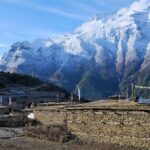
You also get scenic moments that are specifically called out: time to view the Annapurna Mountain Range (about an hour), plus Machapuchare (noted as around 20 minutes). This is one of those sections where your guide’s pacing really helps. If you go too hard early, you’ll arrive stressed and tired instead of ready to actually enjoy the views.
Overnight on this side of the trek sets you up for Poon Hill the next day. Ghorepani is essentially the springboard for sunrise, and by the time you arrive there, you’ll feel the mood shift—less “trekking as a workout,” more “trekking as a mission for morning light.”
Poon Hill Sunrise and Ghandruk Overnight: The Day Most People Remember
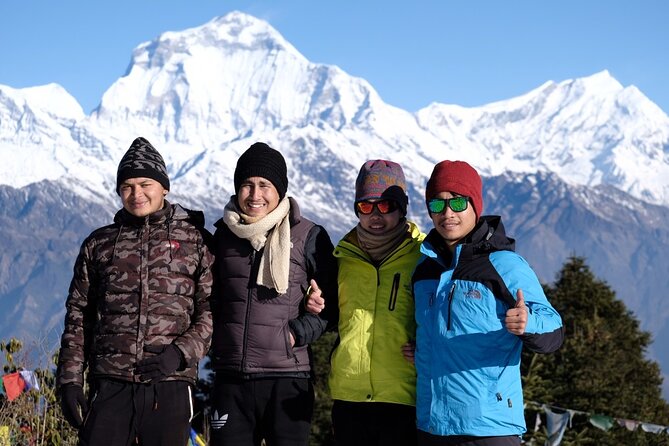
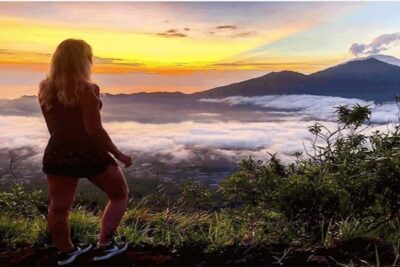
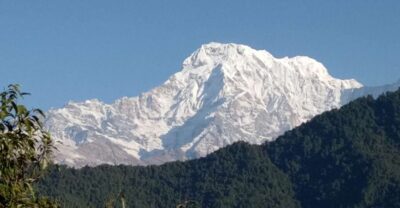
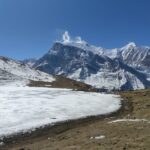
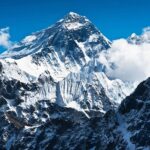
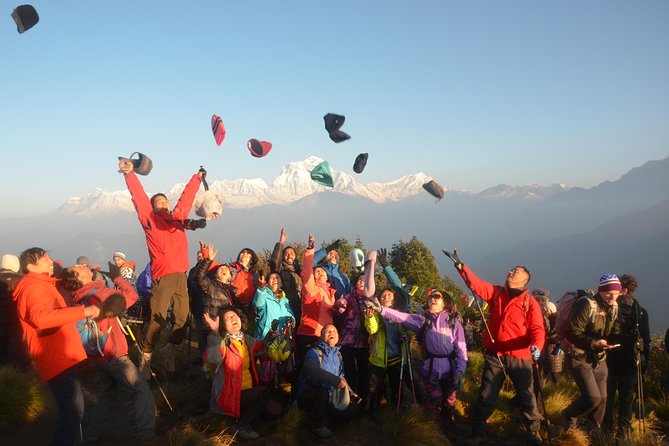
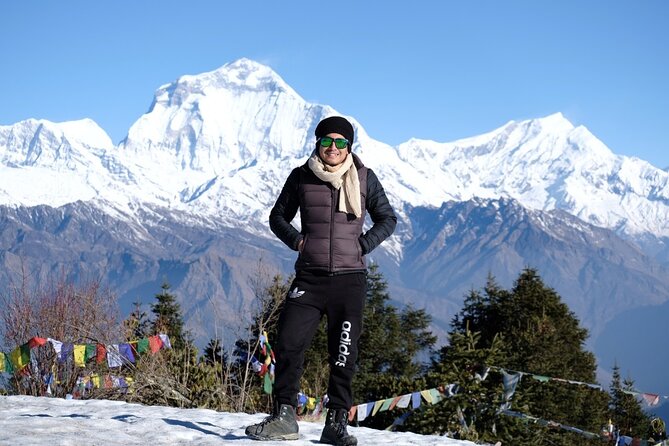
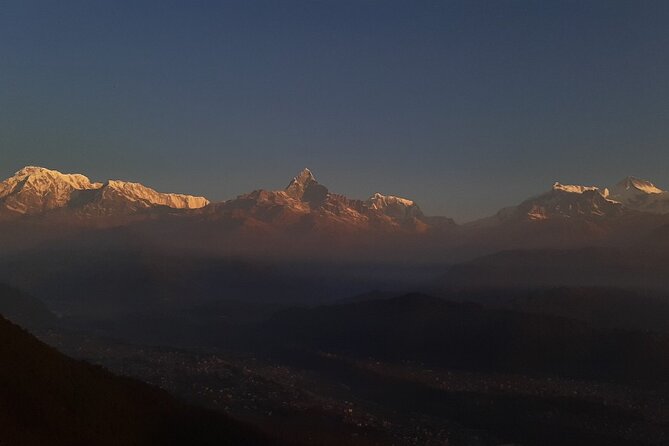
Day 4 is built around the classic Poon Hill experience. You wake up early and reach Poon Hill before sunrise so you can maximize your chances of clear views. The trek notes highlight white mountain views from Poon Hill, and the overall tour summary also promises a sunrise panorama over the famous Annapurna chain.
This is the emotional peak of the trip for most people—and for good reason. The viewpoint is one of those rare places where your effort turns into a single, concentrated moment. You’ll likely feel cold early, then warmed by the sunrise glow as the peaks come into focus.
After the sunrise segment, you continue trekking toward Ghandruk, a beautiful village stop for overnight stay. Staying in Ghandruk matters because it breaks the pattern of “viewpoint then immediate retreat.” Instead, you get to experience the village life rhythm for a night.
This part of the route is also where you can feel the value of being on a guided plan. If you’re relying on your own timing, a sunrise trek can feel stressful. Here, the day is structured so you’re not spending your best energy on navigation mistakes or late starts.
The Descent Back to Nayapul and Pokhara Reset Day
Day 5 is a downhill day with a practical end goal: returning toward Nayapul and going back to Pokhara. After breakfast, you begin the trek down, described as about 2 hours straight down to Nayapul.
That “straight down” detail is worth noticing. Descents can be tougher on your knees than they look on paper, especially after a few days of walking. This is exactly where having trekking poles (included) can help you keep control instead of bouncing your way down the trail.
Once you reach Nayapul, a car picks you up and takes you back to Pokhara. The schedule notes a short duration for the Pokhara leg, and then you have the evening comfort of being back in a city hotel setup. It’s a smart way to end the walking days: get down, reload on comfort, and don’t turn the last trekking day into a long travel day that drains you.
Kathmandu Finale: Cultural Dinner and City Stops
Day 6 brings you back to Kathmandu. You arrive, transfer to your accommodation, and then join an evening dinner with a cultural show. That’s a nice wrap because it gives you a sense of returning to Nepal beyond the trekking bubble.
The day also includes city sightseeing stops with themes like a Buddhist site, an old royal place, and a peace and quiet place. Even without going into exact names, the structure tells you what kind of evening it is: calm, historic, and designed to help you transition out of trekking mode.
This last day is mostly about comfort and closure. You’re not asked to squeeze in more hard steps, which I appreciate after reaching the trek’s highest-effort moments earlier.
Price and Value: What $599 Includes (and Why It Matters)
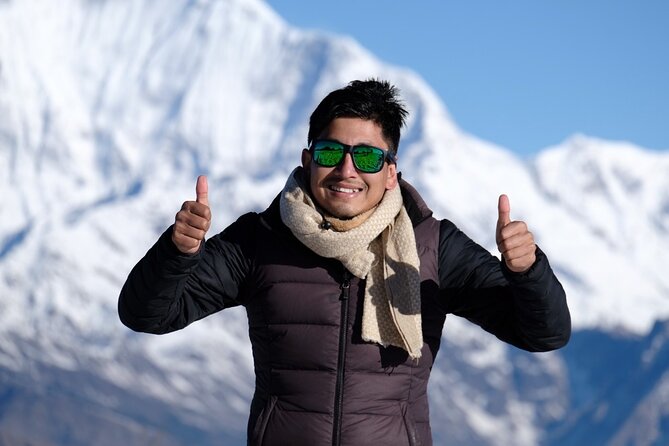
At $599 per person, this package is priced like a “turnkey trek” option. That’s not cheap in absolute terms, but it’s also not trying to be DIY-cheap. The question is whether the inclusions remove real hassle and real cost.
Here’s what’s included based on the package details:
- Guided trekking for the Annapurna Poon Hill route with a government license holder private guide
- Trekking poles and safety gear, plus a first aid kit
- Annapurna trekking permit + TIMS card
- Meals while trekking: breakfast (5), lunch (4), dinner (4)
- Overnights: 2 nights in Pokhara (3-star hotel) and 3 nights in tea houses
- Transfers: private car transfers plus round-trip travel between Kathmandu and Pokhara by tourist bus
- Guide-provided coverage for things like food, accommodation, insurance, salary, equipment, transportation, and local tax (listed as part of what’s included)
Value-wise, the big wins are the things that cost time and confidence: permits, guide logistics, and your daily meal planning while on the trail. If you’ve ever planned a trek, you know how easy it is for costs and time to creep up once you’re coordinating permits and day-by-day lodging.
One useful detail from the included review snippet: the group described an excellent guide named Santosh, which is a good sign. A competent guide matters here because Poon Hill is time-sensitive (you’re aiming for pre-sunrise) and the route involves multiple village steps and junction decisions.
What’s not included:
- Travel insurance
- Tips for staff and driver
- Lunch and dinner in Kathmandu and Pokhara
- Personal shopping, laundry, bar bills
- Personal trekking equipment
So the practical takeaway is: the package is trying to keep your trek day life simple, but you still need to budget for the standard traveler extras and make sure your insurance covers medical needs.
Guide Quality and Day-to-Day Support You’ll Feel
This isn’t a “see you at the trailhead” model. It’s guided trekking with a government-licensed private trekking guide, plus basic first aid training and awareness of nearby medical facilities.
That matters most on a trek like this where the main risks are not just dramatic danger; they’re the normal ones—getting tired, moving too fast, and weather shifts. A guide can help you pace and adjust without making you feel like you’re failing.
The included review snippet praising Santosh is also telling. In mountain trekking, you want someone who can handle both practical things (timing, trail flow) and the human side (calming you when the altitude feels cranky or the early start feels too early).
Also note the package is listed with a maximum of 12 people per booking, and it’s set up as a private tour/activity for only your group. That tends to make the guide experience feel more personal and less like you’re herding with strangers.
What to Watch Out For: Altitude, Weather, and Packing Light
The package info is clear about altitude and weather risk. The trek reaches about 3,210 m, and it warns that adverse health effects due to altitude can happen to anyone. You’re advised to talk with your doctor before you go, and you should take that seriously.
Weather is another reality check. The trek route involves early mornings for sunrise, and the information notes the possibility of extreme variations in weather. That means your layers matter more than fancy gear. Plan for cold before sunrise and warmer conditions during the day.
Packing is also addressed. You’re expected to carry your own luggage, with a recommended limit of about 22 lbs (10 kg). Extra luggage can be left in Kathmandu or Pokhara hotel, and the team will handle retrieval when you return. That’s a huge quality-of-life feature because it keeps you from dragging unnecessary weight for days.
Finally, be prepared for basic trekking rhythm. Even on a short itinerary, you’ll be walking demanding altitudes. Treks like this are best when you treat them like an actual hike with breaks and snacks, not like a sightseeing sprint.
Should You Book This Annapurna Poon Hill Package?
I’d book this if you want a guided, structured way to reach Poon Hill for sunrise, with meals, permits, and lodge comfort already arranged. It’s also a good fit if you’re not excited about spending your vacation time on logistics—getting TIMS sorted, figuring out lodging, and coordinating the timing for the viewpoint.
Skip it or rethink it if you know you struggle with altitude and you’ve had issues in the past, or if you prefer total independence. Even with guide support, the trek still climbs to about 3,210 m, and you’ll want to be medically ready.
Best match: travelers who want iconic Annapurna scenery, early-morning views, and a clear day-by-day plan—without turning the trip into a puzzle.
FAQ
How long is the Annapurna Poon Hill trek package?
It’s listed as 6 days (approx.) with trekking plus transfers between Kathmandu and Pokhara, including overnight stays.
What meals are included while trekking?
The package includes breakfast, lunch, and dinner while trekking (breakfast is listed 5 times, lunch 4 times, dinner 4 times). Meals in Kathmandu and Pokhara are not included.
Are trekking permits included?
Yes. The package includes an Annapurna trekking permit and a TIMS card.
What trekking gear and safety items are provided?
A first aid kit and trekking pole are included, and the tour description also notes safety gear included for trekking.
Do I need travel insurance?
Yes. The information states that travel insurance covering medical expenses and emergency repatriation is required, and proof must be shown to the tour leader on the first day.
Can I cancel and get a full refund?
Yes. There is free cancellation up to 24 hours in advance for a full refund.