REVIEW · KATHMANDU
Pikey Peak Trek
Book on Viator →Operated by Breeze Adventure Pvt Ltd · Bookable on Viator
Climb for Everest views, without the crowd stress. The Pikey Peak sunrise panorama and the friendly, calm hospitality you’ll find along the way are the big reasons this trek feels special. One thing to think about first: you start the day early most mornings, so if you hate mornings, this may test your enthusiasm.
This route is built for people who want the high-mountain feeling while keeping things manageable. It also skips the usual Everest-trail headache of getting to Lukla by flight, and it has a reputation for staying quieter than the famous paths.
Breeze Adventure runs this as a small-group trip (max 20), and the guidance quality shows up in the details. In past treks, people specifically thanked Kishwor and guides like Sabine and Raj for staying on top of pace and logistics, and it makes a difference when you’re hiking in changing weather.
In This Review
- Key highlights you’ll care about
- Pikey Peak: the Everest-looking trek that stays more human
- Price and what $899 buys (and what it doesn’t)
- From Kathmandu to Dhap: the intro drive that sets the tone
- The trekking rhythm: Jhapre, Pikey Peak Base Camp, and the uphill payoff
- Sunrise at Pikey Peak: the one-hour hike that steals the show
- Junbesi and the return to village life
- Phaplu day: Tupten Choling Monastery and a big culture moment
- Finishing drive: Phaplu to Kathmandu, plus real fatigue management
- Guides and organization: why named support matters on a trek
- Tea houses, comfort, and what “easy for seniors” really means
- How to pack and prep for Pikey Peak
- Should you book the Pikey Peak Trek with Breeze Adventure?
- FAQ
- How long is the Pikey Peak Trek?
- Where does the trek start and when?
- How much does the trek cost?
- What group size should I expect?
- What’s included in the price?
- What is not included?
- Which major cultural site do you visit?
- Do I need to fly to Lukla for this trek?
Key highlights you’ll care about
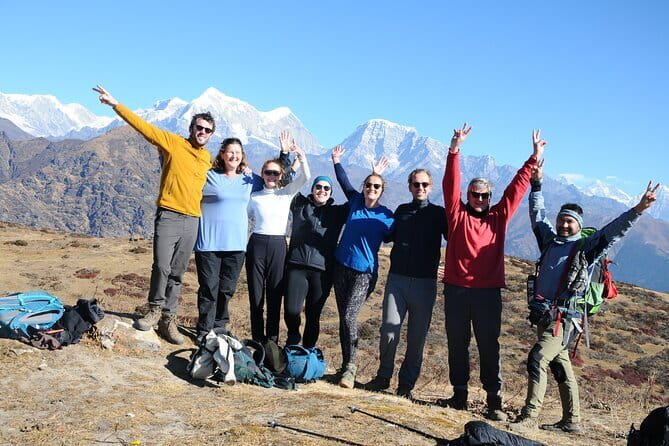
- A calmer alternative to Everest with big Himalayan views and fewer people on the trail
- Sunrise at Pikey Peak with panoramic sightlines, reported around 4,066m
- The Hillary Trail experience that adds a historic feel to ordinary walking
- Tupten Choling Monastery at Phaplu (one of the region’s largest nun monasteries)
- Tea-house trekking that’s genuinely doable for beginners and seniors, with comfortable stops
- Strong human support from Breeze’s office team and guides like Sabine and Raj
Pikey Peak: the Everest-looking trek that stays more human
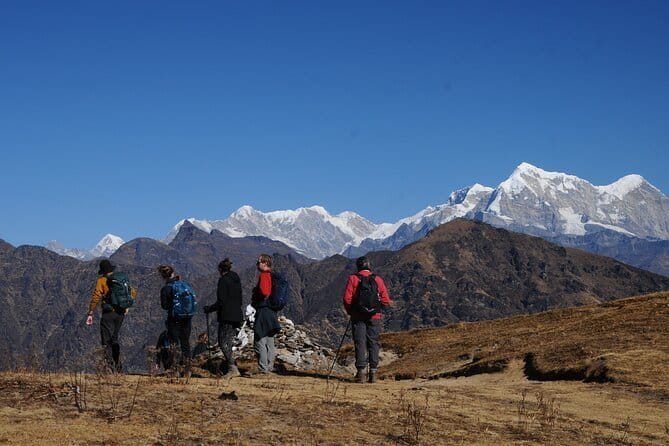
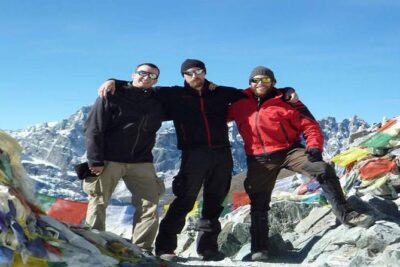
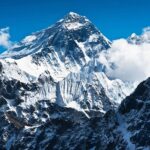
If your dream is to see the Himalaya in a wide-open, wow-this-is-real way, Pikey Peak delivers. You get that classic Nepal trekking rhythm: cool air, steep moments, warm tea, and then the payoff when the mountains open up at sunrise.
What I like most is the vibe. This trek is often described as peaceful and calm, with days where you won’t feel like you’re walking through a tourist line. That matters more than people expect. When there are fewer crowds, you move slower without realizing it. You take pauses. You look longer. The views feel earned instead of rushed.
Second big plus: the route is set up to be accessible. The trek is framed as suitable for most travelers, including seniors and families. That doesn’t mean it’s flat—there are uphill days—but it’s not built around technical climbing or extreme altitude games.
The possible drawback is simple: it’s still a trek. You’ll be walking on uneven ground for multiple days, plus you’ll have early starts. If you want a guaranteed couch-to-viewing-booth experience, Nepal won’t do that for you.
You can also read our reviews of more tours and experiences in Kathmandu.

Price and what $899 buys (and what it doesn’t)
At $899 per person, the real question is value: what’s included, and what are you spared?
Here’s what you do get:
- Meals: breakfast for 7 days, lunch for 7 days, dinner for 6 days
- WiFi on board (useful for checking plans and staying connected on drives)
- Local logistics handled through Breeze Adventure (you don’t have to coordinate everything yourself)
- A mobile ticket so you’re not chasing paperwork
What’s not included:
- Fuel surcharge
Now the value logic. This trek is positioned as an option that helps you see Everest without the typical stress and added expense of flying to Lukla. Even when trekking costs feel “similar,” the difference is often in hassle factor: transportation planning, meeting windows, and the overall scramble. By keeping the approach grounded in drives and a more moderate trek structure, you spend your energy on the mountains, not on transportation headaches.
For the money, you’re also buying peace of mind from a guide team that’s been singled out by name in guest feedback. People mentioned Kishwor in the Breeze office and guides like Sabine and Raj for clear guidance, good pacing, and support when conditions changed.
From Kathmandu to Dhap: the intro drive that sets the tone
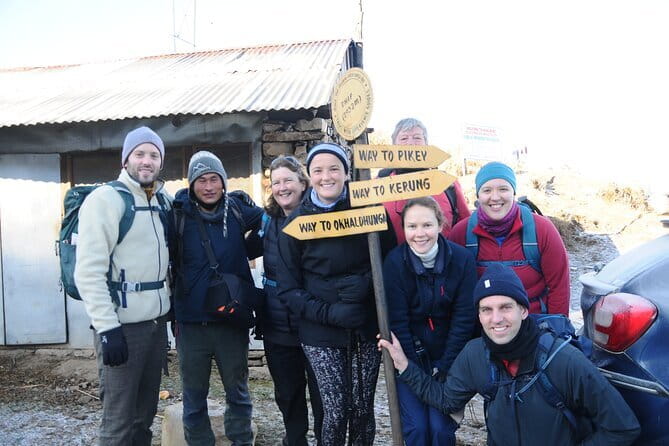
You start at 6:15 am at Breeze Adventure Pvt Ltd on Thamel Marg in Kathmandu. Expect a proper early launch. Then day one is mainly a scenic push toward the trek area, with about a 5-hour drive to Dhap.
This isn’t just a transfer. The early hours matter because you gradually shift from city noise to mountain air. Along the drive, you get glimpses of villages and everyday life, and you begin seeing how the Himalaya presses into local geography.
Practical tip: treat day one as a warm-up for your rhythm. Hydrate, eat a real breakfast if provided, and don’t act like you’re already on a long-distance hike. Your body still needs to adjust.
The trekking rhythm: Jhapre, Pikey Peak Base Camp, and the uphill payoff
After reaching Dhap, day two begins your first real trek movement. It’s described as an easy day, largely along a newly constructed road as you head toward Jhapre. That’s a helpful start. A “gentler” day reduces the odds of arriving at later climbs tired and cranky.
Day three shifts gears: you’re on a trek that’s mostly uphill toward Pikey Peak Base Camp. This is where you really feel the legs working. The payoff is the growing sense that you’re walking toward something bigger than a viewpoint.
What I like about pacing on this route is that you don’t jump straight into the steepest possible day. You build. You adapt. Then you cash in when the trail starts rewarding you.
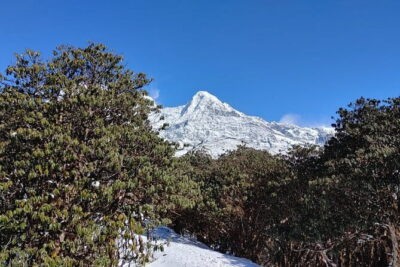
Also, keep your eyes open for vegetation shifts. One standout detail from feedback is walking through a blooming rhododendron forest, which sounds like the kind of extra beauty you only get on routes that aren’t packed with people. If you’re going during blooming season, your senses will thank you.
Sunrise at Pikey Peak: the one-hour hike that steals the show
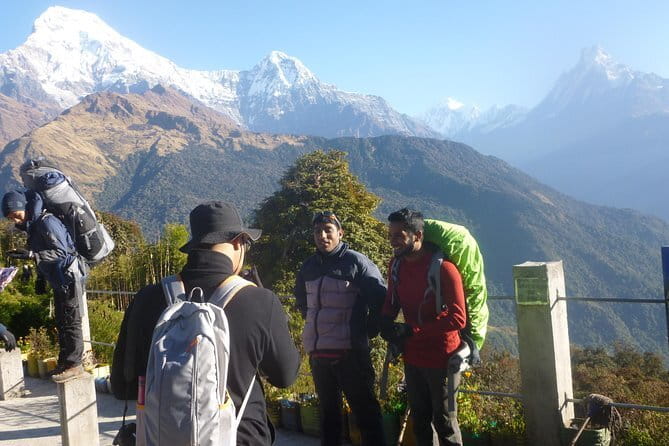
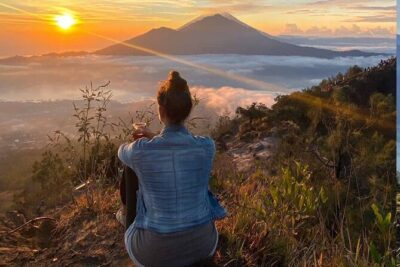
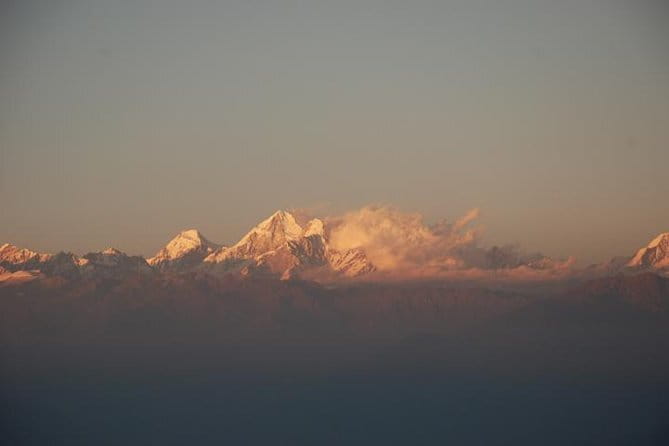
Day four is the highlight day. You wake early and hike for about one hour to Pikey Peak to catch sunrise. The key idea is that the final climb is short, but you’re doing it at the time of day when the light makes the mountains look almost unreal.
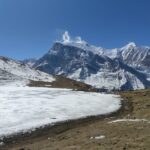
Guests describe this viewpoint as panoramic, with the peak reported around 4,066m. That altitude isn’t the same as trekking in the highest parts of the Everest region, which is part of why Pikey Peak is often recommended as an Everest-viewing plan without Everest-level altitude stress.
What makes the sunrise hike worth it is the contrast. You’ve been trekking all day—then suddenly you’re standing in that thin mountain light, watching layers of peaks come into view. Even people who aren’t obsessed with climbing feel the emotional pull here.
Practical considerations:
- Go slow on the way up. The short hike can still feel steep when it’s cold.
- Bring layers you can manage quickly. Sunrise weather can change fast.
- Be patient. The best views often need a few minutes of standing still.
Junbesi and the return to village life
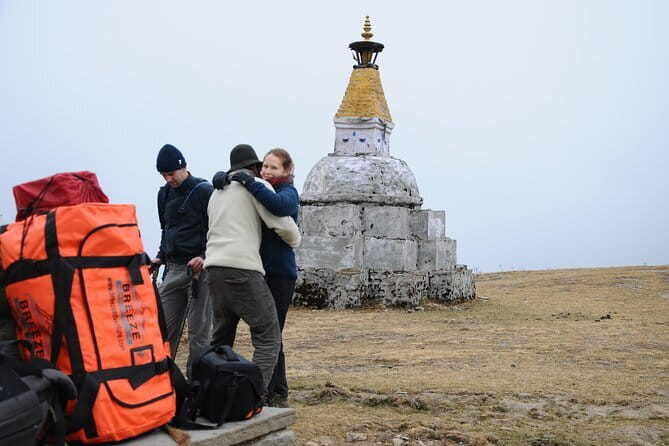
On day five, you trek to Junbesi. The route can include an extra leg depending on where you stayed earlier, such as a trek toward Taktor if you were in Jasmane Bhanjyang first.
This day tends to feel more like you’re moving through Nepal’s living landscapes. The village stops matter because they break up the pure “walk, climb, eat, sleep” cycle. You’ll see daily life up close, and you’ll likely feel the difference between tourist-heavy routes and quieter ones—here, the trail can feel more personal.
This is also where the tea-house trekking rhythm becomes your friend. You’ll find yourself settling into small routines quickly: hot drinks, simple meals, and early lights-out.
Phaplu day: Tupten Choling Monastery and a big culture moment
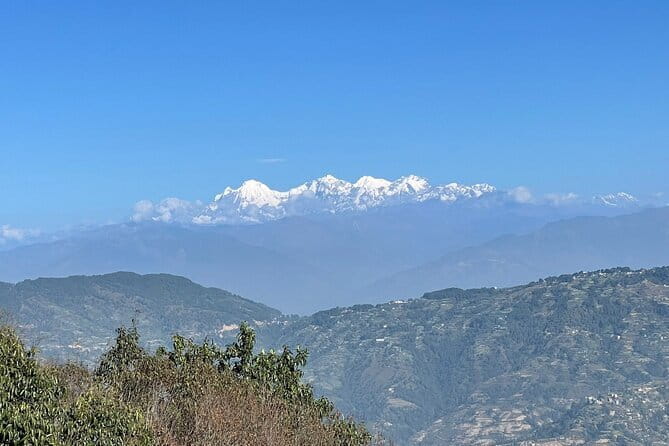
Day six is built around a major stop: Tupten Choling Monastery at the foot of a mountain. It’s described as one of the largest nun monasteries in the region, and it’s home to around 20 nuns.
This is the cultural counterweight to all that mountain time. If the trekking days are about endurance and views, the monastery visit is about stillness, devotion, and understanding local spiritual life. Even if you don’t have a deep religious background, it’s usually the kind of visit that changes how you see the places you’re passing through.
After that, the itinerary continues toward Phaplu Airport, so the day has both reflection and travel movement.
A simple tip: dress respectfully and keep your pace calm during the visit. You’ll get more from the experience if you treat it as a meeting, not a photo stop.
Finishing drive: Phaplu to Kathmandu, plus real fatigue management
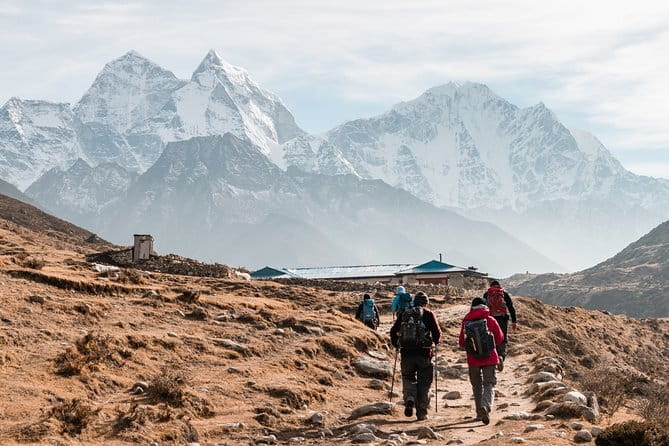
Day seven is the long haul back. You’ll drive from Phaplu to Kathmandu, and the day can take around 10 hours, starting early so you can make it back to the meeting point.
The practical goal on the final day is managing fatigue. Trekking days leave your body tired, and long drives can make that fatigue feel longer. Bring snacks if you’re prone to low energy between meals, and plan to rest immediately when you land back in Kathmandu.
Ending back at Breeze Adventure Pvt Ltd keeps things simple. You don’t have to figure out how to get yourself across town after a long day.
Guides and organization: why named support matters on a trek
This trek’s success is tied to organization and human support. In feedback, people specifically thanked Breeze’s office lead Kishwor for quick answers and good coordination, and guides like Sabine and Raj for professionalism and care with pacing.
That’s not a small detail. On a trek, good guidance affects:
- whether you hit the sunrise climb without stress
- how you manage uphill days
- how smoothly meals and stops line up
- how you handle changing conditions
Even roles you might overlook matter. One person mentioned a porter named Amrit, highlighting the kind of teamwork that keeps the trek feeling lighter for you.
You’re also traveling with a maximum of 20 people. That’s large enough to feel social, but small enough that the experience usually avoids the chaos of mega-groups.
Tea houses, comfort, and what “easy for seniors” really means
The accommodations are described as similar to other Nepal trekking routes: think tea houses rather than hotels. Comfort levels are typically basic, but the experience is often framed as comfortable enough for seniors and beginners when paired with good pacing.
The word to watch for is doable, not effortless. You’ll still climb. You’ll still walk. But the trek design and guide support aim to prevent the common problem of starting too fast and burning yourself out.
What to expect in real life:
- Simple rooms, shared or private depending on availability
- Warm food and drink after trekking
- A schedule that pushes you early for sunrise benefits
If you’re sensitive to cold, your comfort will depend on layering and how you manage your downtime between walking segments.
How to pack and prep for Pikey Peak
The listing doesn’t spell out gear, so I’ll stick to what you can plan from the trek structure: early mornings, uphill walking, and variable weather.
Bring:
- Warm layers for sunrise timing
- Rain protection if conditions turn
- Good grip shoes for uneven trail and stone steps
- A small daypack for water, snacks, and layers
- A reusable bottle (you’ll want steady hydration)
Before you go, do a basic fitness reality check. This trek is pitched as beginner-friendly, but “beginner-friendly” still means you can hike for multiple days. A few weeks of walking practice will pay off more than any fancy gear purchase.
And keep your expectations aligned with the route’s magic. The goal isn’t to conquer every hill. The goal is to arrive at that sunrise viewpoint feeling strong enough to enjoy it.
Should you book the Pikey Peak Trek with Breeze Adventure?
I’d book it if you want:
- Everest-level views without the Everest-crowd feeling
- a trek that’s structured enough to feel manageable for a range of ages
- sunrise at Pikey Peak plus a meaningful monastery visit
- a guided trip where the office team and guides (Kishwor, Sabine, Raj, and others) are known for staying on top of the details
I’d pause before booking if:
- you hate early mornings and long drive days
- you need a trip that feels like a luxury hotel vacation rather than tea-house trekking
- you’re expecting a totally flat hike (it’s not)
Overall, for the money, the combination of included meals, organized logistics, smaller group size, and the human support that guests named makes this feel like a solid value play in Nepal trekking. If you’re trying to see the big peaks while keeping the experience calm and personal, Pikey Peak is a smart direction.
FAQ
How long is the Pikey Peak Trek?
It’s listed as 7 days (approx.).
Where does the trek start and when?
It starts at Breeze Adventure Pvt. Ltd, Thamel Marg, Kathmandu with a start time of 6:15 am.
How much does the trek cost?
The price is $899.00 per person.
What group size should I expect?
The tour has a maximum of 20 travelers.
What’s included in the price?
Included items are WiFi on board, breakfast (7), lunch (7), and dinner (6). You’ll also get a mobile ticket.
What is not included?
A fuel surcharge is not included.
Which major cultural site do you visit?
You visit Tupten Choling Monastery in the Phaplu area.
Do I need to fly to Lukla for this trek?
No. The trek is described as not requiring a flight to Lukla.