REVIEW · KATHMANDU
14 Day – Everest Base Camp Trek
Book on Viator →Operated by Overland Trek Nepal · Bookable on Viator
Everest starts feeling real fast on this 14-day trek. You fly into Lukla, hike through the Khumbu valleys, and end up at Everest Base Camp before catching the big sunrise view from Kalapathar. It’s equal parts physical work, village life, and that slow, wow-building rhythm of altitude.
I love how this trip covers the heavy lifting for you. The price includes round-trip Kathmandu–Lukla domestic flights, TIMS card, Everest National Park entry permits, an English-speaking guide, and tea house accommodation plus scheduled meals on the trek. I also like the pacing, with acclimatization days in Namche Bazaar and Dingboche built right into the route.
One drawback to plan around: the weather can be rough, and the high-altitude days are cold. Also, Lukla flights can be weather-dependent, so you need a little flexibility in your mindset and packing choices.
In This Review
- Key things to know before you go
- The real feel of the Everest Base Camp trek (and why this route works)
- Kathmandu: your pre-trek reset before the mountains take over
- The Lukla flight: quick, dramatic, and the most weather-sensitive part
- Phakding to Namche: the gateway climb into Sherpa country
- Namche Bazaar acclimatization: rest that actually helps
- Namche to Tengboche: forests, viewpoints, and a spiritual vibe
- Tengboche to Dingboche: higher, colder, and more exposed
- Dingboche to Lobuche: the climb gets serious above 4,900m
- Lobuche to Gorakshep and Everest Base Camp: the long-awaited payoff
- Kalapathar at sunrise: the view run that earns its reputation
- The return down: Pheriche to Namche to Lukla
- Fly back to Kathmandu: one last transition day
- Price and value: what $2,000 covers on this EBC plan
- What the included staff support means on a cold mountain
- Weather, cold, and altitude: your real checklist before you commit
- What kind of traveler should pick this trek?
- Should you book this 14-day Everest Base Camp trek?
- FAQ
- Where do we meet and when does the trek start?
- Is airport pickup included?
- Does the trek include flights to and from Lukla?
- Are permits and the TIMS card included?
- What kind of accommodation should I expect on the trek?
- Is this tour private?
- What meals are included?
- What’s not included in the price?
- Cancellation and weather
Key things to know before you go
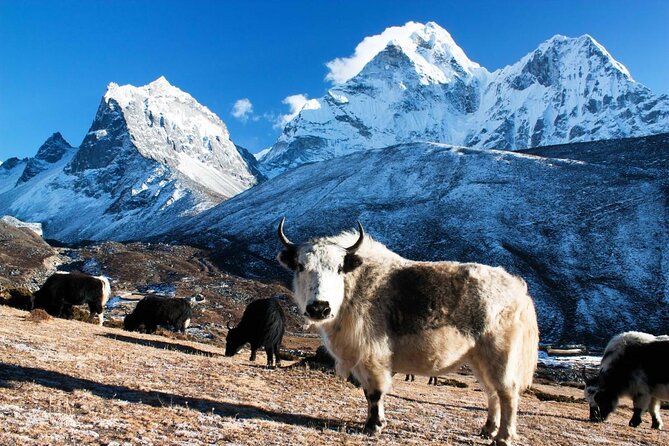
- Two acclimatization days at Namche Bazaar and Dingboche help you handle altitude the smart way
- Early-morning Kalapathar hike (to about 5,550m) is timed for sunrise mountain views
- Big paperwork is handled: TIMS card and Everest National Park permits are included
- Private group setup: only your group participates, with an English-speaking guide
- Porter support is built in (1 porter between 2 people), which matters on steep, cold days
- Contingency support has shown up in real life: there’s been help arranged when a Lukla flight got cancelled, including helicopter options
The real feel of the Everest Base Camp trek (and why this route works)
This kind of trek is popular for a reason. You’re not just chasing a photo; you’re walking through villages shaped by the mountain—places where people run teahouses, stitch together a living, and treat weather like a daily negotiator.
The structure here is classic Khumbu: short flight in, steady walking days, and altitude-respect pauses. You climb from Lukla at about 2,840m up toward places above 5,000m, with built-in days where you rest, explore, and adjust before going higher again.
Where this route really helps you is in the rhythm. Days 3 and 5 push upward; days 4 and 7 slow down on purpose. That balance is what keeps the plan from turning into a straight sprint toward the sky.
You can also read our reviews of more tours and experiences in Kathmandu.
Kathmandu: your pre-trek reset before the mountains take over
Day 1 is all about getting your body and plans lined up. You arrive in Kathmandu, transfer to a hotel, and prep for the trek with an overnight in the city.
If you’ve never done a big mountain trek, Kathmandu is where you get your bearings fast. Even basic things—charging devices, checking layers, organizing cash, and confirming you know where you’re starting—can make the next two weeks easier.
This trip also starts early. Your meeting point is Alpine Hotel & Apartment on Chaksibari Marg, with a start time of 6:15am. Make sure you’re awake, not just theoretically ready.
The Lukla flight: quick, dramatic, and the most weather-sensitive part
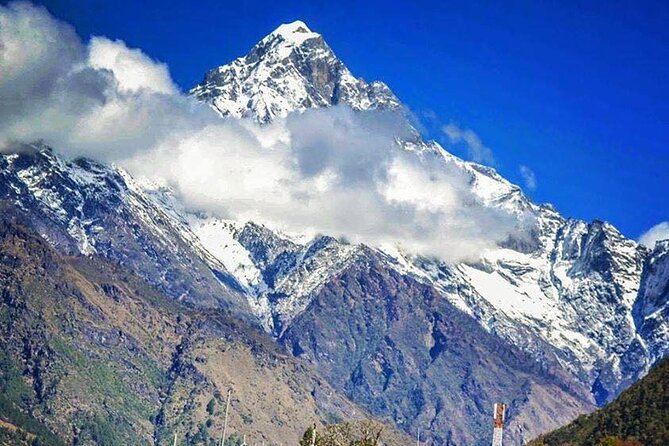
On Day 2 you fly from Kathmandu to Lukla (around 2,840m), about a 40-minute flight. Then you take breakfast in Lukla before trekking to Phakding (about 2,610m).
That first walking day is short by EBC standards, but it’s not “easy.” You’re stepping out into mountain air that feels different right away, and the trip is transitioning you from city comfort into the Khumbu walking pace.
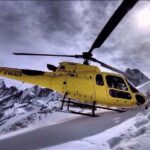
Also, treat Lukla flights as something you respect. They can be cancelled or disrupted due to weather, and at least one past group received help with alternative arrangements, including helicopter options. That’s the kind of practical support you want to know about going in.
Phakding to Namche: the gateway climb into Sherpa country
Day 3 is trekking from Phakding to Namche Bazaar (about 3,440m). Day 2 is your warm-up. Day 3 is where you start to feel the altitude clock.
Namche Bazaar is the main “you’ve arrived” town. It has a buzz, teahouses, shops, and the feeling that you’re in a place built for trekkers. You’ll also see the broader mountain culture around you, not just the trekking industry.
And then you don’t push straight higher. You stop in Namche for acclimatization on Day 4.
Namche Bazaar acclimatization: rest that actually helps
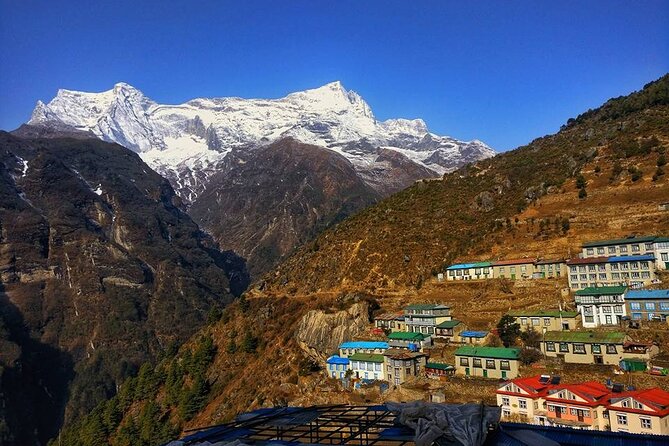
Day 4 is an acclimatization day in Namche Bazaar. It’s scheduled time to rest, chill, explore, and enjoy the views.
This is where you learn the most important EBC lesson: you’re not just managing distance, you’re managing how your body copes at altitude. A proper acclimatization day can mean the difference between sailing through the next segment and feeling wrecked early.
I like these days because they keep you human. You’re in the mountains, but you’re not constantly grinding uphill. You get time to catch your breath, look around, and settle into the day-to-day pace.
Namche to Tengboche: forests, viewpoints, and a spiritual vibe
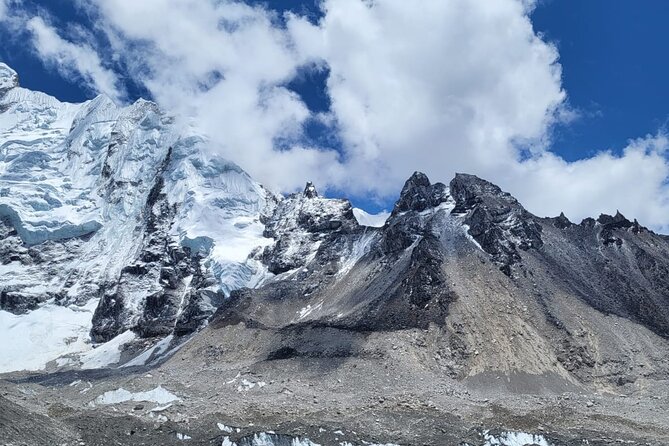
Day 5 takes you from Namche Bazaar to Tengboche (about 3,868m). This is a meaningful step up, and Tengboche is well known for the way the area blends mountain life with a calmer, more spiritual feel.
Even without getting fancy about it, the route here tends to make you slow down. You’re not just climbing; you’re absorbing. The higher you go, the more the air changes and the more the views start to take over your attention.
Day 5 is also one of the places where a good guide’s pacing matters. You want steady breathing, not heroic lung-burning speed.
Tengboche to Dingboche: higher, colder, and more exposed
Day 6 moves from Tengboche to Dingboche (about 4,410m). You’re getting higher, and you’ll start noticing exposure more—wind, cold air, and the way the terrain limits where you can “duck out” of bad weather.
Day 7 is another acclimatization day, this time in Dingboche. You rest and adjust before pushing higher again.
This is a key part of the trip because Dingboche sits high enough that you feel altitude’s presence. The acclimatization day lets your body catch up before you head toward Lobuche and Gorakshep.
Dingboche to Lobuche: the climb gets serious above 4,900m
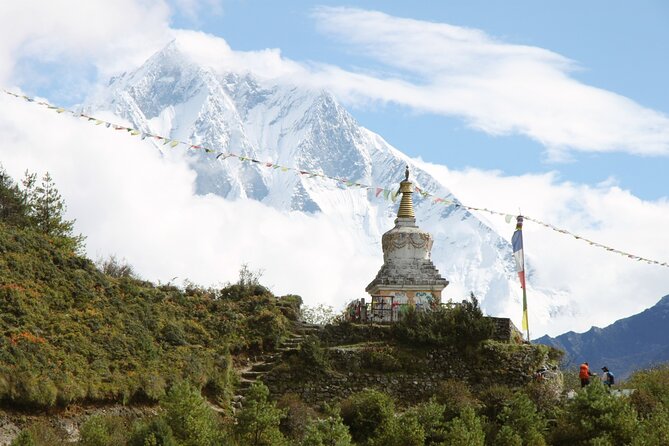
Day 8 goes from Dingboche to Lobuche (about 4,910m). This is where the trek shifts into full high-altitude mode.
Your environment becomes more about survival basics: keeping warm, staying hydrated, eating what you can, and moving with care. Even when the days aren’t the longest on paper, they can feel tougher because the air is thinner and cold can sneak into your effort.
Then Day 9 continues upward toward the base-camp zone.
Lobuche to Gorakshep and Everest Base Camp: the long-awaited payoff
Day 9 is trekking from Lobuche to Gorakshep (about 5,180m), continuing on to Everest Base Camp (about 5,364m), with an overnight in Gorakshep.
This is the day most people remember afterward. Base Camp is not a summit, but it’s a place where the whole Everest idea becomes physical. You’re at the point where expeditions come through, and the scale of the terrain hits you hard.
The teahouse stay in Gorakshep also matters. It’s a high place to sleep, so plan for cold and for a night that’s more “get through it” than “sleep like home.”
Kalapathar at sunrise: the view run that earns its reputation
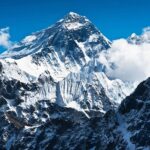
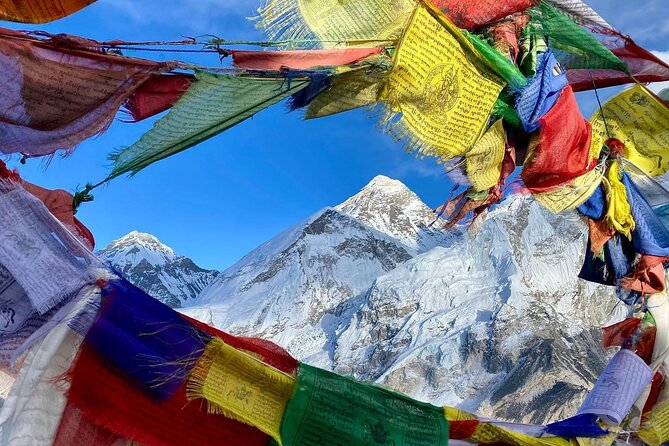
Day 10 starts with an early morning hike up to Kalapathar (about 5,550m) to see sunrise over the mountain range that includes Mt. Everest. After breakfast, you trek to Pheriche (about 4,240m).
This is one of the most practical “big moment” days of the whole trek. Sunrise views from Kalapathar are worth the early start because weather can change quickly in the high Himalaya.
It also serves a function: after reaching high points, you start descending again. Pheriche is a relief because you’re dropping to a lower elevation and it’s easier to breathe.
The return down: Pheriche to Namche to Lukla
Day 11 takes you from Pheriche back to Namche Bazaar (about 3,440m). Day 12 then goes from Namche to Lukla (about 2,840m).
On the way down, you might think it’s “just easy walking.” It can still be demanding, though, because your legs have to handle lots of descent and cold mornings are still cold.
The good news is you’re giving your body a break from the highest elevations. That return route helps you finish the trek without the extreme altitude stress peaking all the way through to the end.
Fly back to Kathmandu: one last transition day
Day 13 is the morning flight back from Lukla to Kathmandu (about 1,336m). Day 14 is departure to the international airport—or extra time in Kathmandu if you choose.
This is a bigger deal than people think. You’re going from thin air to city air quickly. Even if you feel fine, take it easy, hydrate, and give your body a day to settle.
Also, since the trek includes hotel nights in Kathmandu, you’re not scrambling for last-minute lodging. That’s a small thing that still improves your stress level.
Price and value: what $2,000 covers on this EBC plan
At $2,000 per person, this trek isn’t cheap. But it’s also not only “walking.” A big part of what drives cost up on Everest routes is the logistics: domestic flights to Lukla, permits, guide/porter staffing, and the practical setup of tea house stays and meals.
Here’s what you’re getting for the price, based on what’s included:
- Airport pickup and drop in Kathmandu
- TIMS card and Everest National Park entry permits
- English-speaking guide
- Tea house accommodation during the trek
- Two nights hotel in Kathmandu
- Domestic flight ticket round trip Kathmandu–Lukla–Kathmandu, plus airport tax
- Meals on the trek (lunch, breakfast, dinner counts are listed)
- Insurance included (for the trek support team is stated, plus the overall trip setup includes insurance)
- Porter service: 1 porter between 2 people
- A medical kit and trip certificate
- A duffel bag and a t-shirt
When I look at value on trips like this, I ask: what would you have to pay for separately if you were planning on your own? Domestic flights, permits, and guided support are the big-ticket items you’d struggle to piece together without time, local knowledge, and stress.
What’s not included is also clear, and that’s good:
- Nepal visa and international air fare
- Personal equipment
- Tips for guide and porter (tipping is expected)
- Personal expenses like alcoholic drinks, cold drinks, hot showers, charging batteries, and similar add-ons
So the cost feels more like a “managed expedition setup” than a bare-bones trek. If that matches what you want—less planning, more walking—this is likely good value.
What the included staff support means on a cold mountain
A lot of EBC success is boring: you keep moving because someone handles the basics. In this package, you have an English-speaking guide and porter service set up for you.
The porter detail is important: 1 porter between 2 people means you can lighten the load without turning into a fully assisted trek (where you’re carried). You still walk. You just carry less, which matters when you’re moving above 5,000m.
The trip also includes medicine for staff, and there’s a medical kit for the group. That doesn’t remove risk—altitude still hits people—but it does help the operation stay responsible.
And the fact that multiple guide names have been praised for professionalism and care (examples include Tenjing, Lopsang, and Pramish in past treks) is a good sign that the company leans into experienced people, not random handoffs.
Weather, cold, and altitude: your real checklist before you commit
The mountains don’t negotiate. The overview explicitly points to cold conditions and wild mountain terrain, and the itinerary repeatedly goes above 5,000m.
Here’s what that means for you, practically:
- You need warm layers and weather-ready outer gear
- You need to plan for early mornings, especially around sunrise plans
- You should have moderate physical fitness, since you’re walking multiple days with elevation gain
- You should expect that tea houses are simple, with basic comfort rather than luxury
Also remember: this experience requires good weather. That’s not a marketing line. It’s a reality check, because it affects flights and the ability to run the planned schedule.
If you can’t handle schedule changes gracefully, consider adding buffer days in Kathmandu or choosing a different plan.
What kind of traveler should pick this trek?
This tour is private, so it suits groups that want their own arrangement rather than feeling merged into a larger herd.
I think it fits best if you:
- Want a structured 14-day plan with acclimatization days
- Like having domestic flights and permits handled so you can focus on the hike
- Prefer guided support, especially for managing pace and altitude
- Can handle cold nights at higher elevations
It might not be the best fit if you:
- Need guaranteed flexibility around Lukla flights and weather (no trekking company can promise that)
- Want resort-style comforts (tea houses are part of the deal)
- Don’t like early starts, like the Kalapathar morning
Should you book this 14-day Everest Base Camp trek?
If you want Everest without turning your trip into a logistics project, I’d say this is worth serious consideration. The big-ticket pieces are included: Lukla flights, permits, guide support, tea house lodging, and the altitude pacing with two acclimatization days.
Also, the organization looks strong in real life. Past groups have credited the team with communication, real support when a Lukla flight was cancelled, and professional guiding.
Just go in with your eyes open: this is a cold, high-altitude trek with weather influence. If you prepare properly and keep an altitude-respect mindset, you’ll get the kind of moment that stays with you longer than the photos.
FAQ
Where do we meet and when does the trek start?
Your meeting point is Alpine Hotel & Apartment on Chaksibari Marg in Kathmandu. The start time is 6:15am, and the ticket redemption point is the same Chaksibari Marg address.
Is airport pickup included?
Yes. The package includes airport pickup and drop in Kathmandu.
Does the trek include flights to and from Lukla?
Yes. Domestic flight tickets are included for Kathmandu to Lukla and Lukla back to Kathmandu, along with airport tax.
Are permits and the TIMS card included?
Yes. The package includes Everest National Park entry permits and the TIMS card.
What kind of accommodation should I expect on the trek?
Accommodation during the trek is tea house lodging. In Kathmandu, you get two nights in a hotel.
Is this tour private?
Yes. It’s a private tour/activity, and only your group participates.
What meals are included?
Breakfast, lunch, and dinner are included during the trek (with counts listed for each meal type). You’ll also have meals at the tea houses according to the trek schedule.
What’s not included in the price?
Not included are Nepal entry visa fees and international airfare, plus personal equipment. Tips for the guide and porter are also not included, along with personal expenses like alcoholic drinks and other optional costs (for example hot showers, cold drinks, charging batteries).
Cancellation and weather
Weather-dependent changes can happen, and the experience requires good weather. If it’s cancelled due to poor weather, you’ll be offered a different date or a full refund. You can cancel up to 24 hours in advance for a full refund; within 24 hours, there’s no refund.