REVIEW · BISHKEK
Year-Round Adventure: 3 Days Horse Trek to Song Kul Lake
Book on Viator →Operated by Datka Travel · Bookable on Viator
Three days, one lake, and plenty of saddle time. This horse trek to Song Kul Lake turns a long drive into a full-on mountain routine: ride between villages, stay with locals in a shepherd’s house, then sleep in a yurt camp near the lake. It’s the kind of trip that feels simple on paper but real in the details—horses, weather, and good timing.
I especially like the way the trip is built around people, not just scenery. You’ve got an English-speaking horseman guide (with Ali named in recent feedback), plus a second guide who handles luggage, which matters when you’re moving between places with no time to fuss. And I like that the overnight stays are different on purpose: a shepherd’s home on the first night, then the yurt camp by Song Kul Lake on the second.
One consideration: you’ll spend serious time riding, and you really do need good weather. If conditions are poor, the experience can be moved or refunded, so check the forecast mindset before you plan other parts of your Kyrgyzstan days.
In This Review
- Key highlights worth knowing
- Why this Song Kul horse trek feels like a Kyrgyzstan experience, not a tour bus day
- Bishkek to Kyzart: the long scenic start you’ll want to treat like part of the journey
- Meeting your horse team in Kyzart and what that means for your comfort
- Kilemche night: shepherd’s house dinner and the quiet value of a real local stay
- Day 2 ride to Song Kul Lake: the highlight stretch and the first lake-camp afternoon
- Day 3 return through Kyzart: farewell lunch with a Kyrgyz family and your last ride
- Food, timing, and what to pack for horse-day reality
- Price and value: $400 that pays for horses, guides, transfers, and two real homestay styles
- Who this trek suits best (and who should think twice)
- Should you book this 3-day Son Kul horse trek?
- FAQ
- What is the duration of the horse trek?
- Where does the tour start and end?
- What riding and overnight stays are included?
- Are meals included in the price?
- Do I get an English-speaking guide?
- Is pickup from my hotel included in Bishkek?
- Is this tour private?
- What is the price?
- What happens if weather is poor?
- FAQ
- Is health insurance included?
- Can most people participate?
- What’s included in transfers?
Key highlights worth knowing
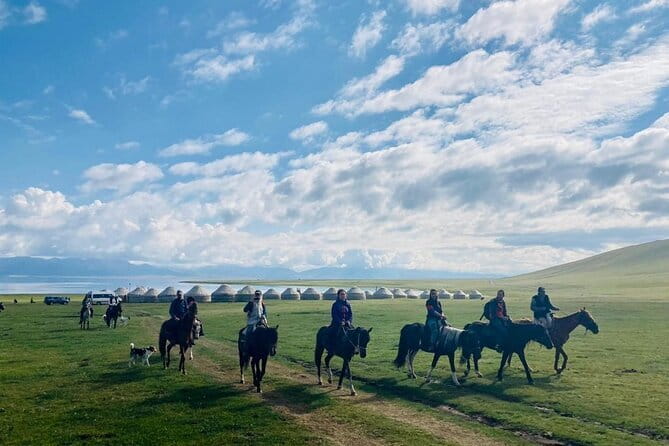
- Two different overnight settings: shepherd’s house in Kilemche, then yurt camp near Song Kul Lake
- Guides who handle the practical stuff: an English-speaking horseman guide plus a luggage-focused helper
- A real out-and-back rhythm: long drive days paired with shorter riding segments
- Meal coverage built in: 2 breakfasts, 3 lunches, and 2 dinners during the trek
- Private-group feel: only your group participates, which usually means fewer waiting games
- Kyzart at both ends: you arrive and leave through the same village, with lunch hosted on the final day
Why this Song Kul horse trek feels like a Kyrgyzstan experience, not a tour bus day
This kind of 3-day horse trek around Song Kul Lake works because it matches how nomad life is actually structured: travel in stages, sleep with locals, eat what’s available, and keep moving while the weather is kind. You’re not trying to cram every viewpoint into one afternoon. Instead, the days are paced so you can ride, get your bearings, and still enjoy the lake area once you arrive.
I also like that the experience leans into the basics that make this region special: horseback travel over mountain passes, time in traditional housing, and local food. You’re getting the rhythm of the place, not just a checklist of stops. If your idea of a good trip is doing less sightseeing and more living in the day-to-day—this fits.
You can also read our reviews of more tours and experiences in Bishkek.
Bishkek to Kyzart: the long scenic start you’ll want to treat like part of the journey
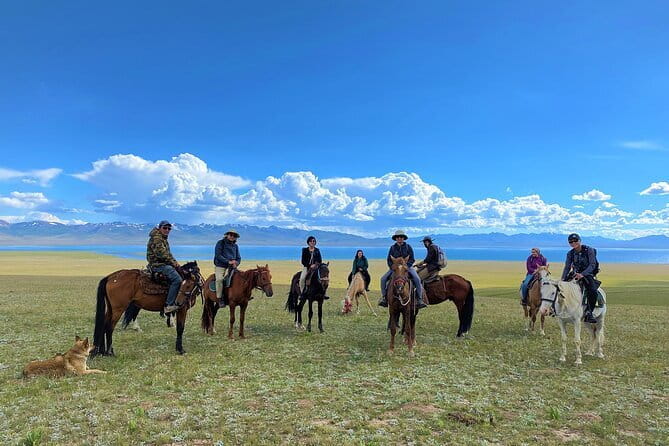
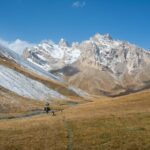
The trip begins in Bishkek with a pickup from your hotel, then a drive of about 4–5 hours toward Kyzart village. The payoff is that you’re not thrown straight onto a horse. You get a buffer to settle in, start seeing the mountains as you approach, and prepare mentally for the next segment.
A few practical tips: bring layers even if it seems warm when you start in the city. Mountain weather can change fast, and your comfort matters when you’re transitioning from car time to saddle time. Also, keep your essentials accessible—your hands will be busy later, and it’s easier to manage water, sunscreen, and a light snack if you can reach them quickly.
Meeting your horse team in Kyzart and what that means for your comfort
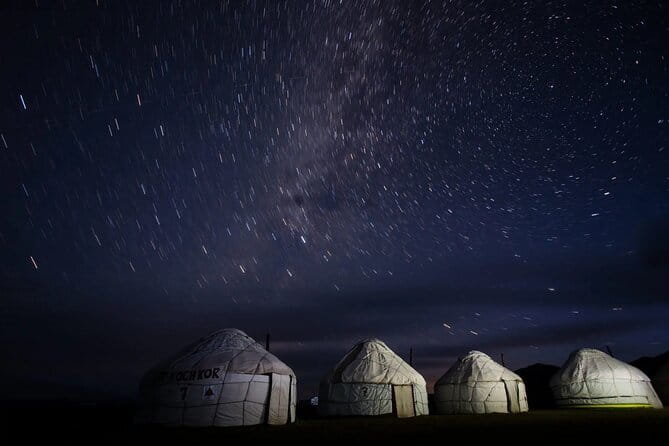
Once you reach Kyzart, you meet your guides and your horse team. You’ll have an English-speaking horse guide who focuses on safety and making sure you have a good experience, and another guide who manages luggage. I like this setup because it reduces the small stress that can pile up when you’re unfamiliar with how things work out on the route.
In recent feedback, Ali is specifically mentioned as a standout guide for making the trip smooth and genuinely enjoyable. That’s not just a nice-to-have—when you’re working with horses and changing places on schedule, good communication changes everything. It helps first-timers feel confident and helps everyone keep moving without delays.
Kilemche night: shepherd’s house dinner and the quiet value of a real local stay
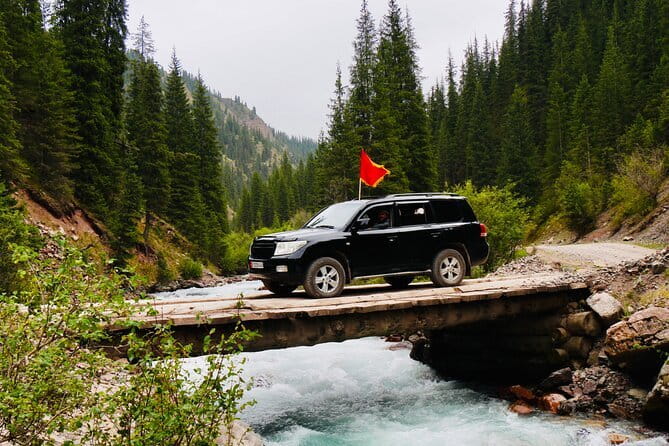
On day one, the riding segment ends around Kilemche. Instead of a generic lodge, you’re hosted in a traditional shepherd’s house. That’s a big part of the value here, because the stay isn’t tacked on after the riding—it’s the cultural center of the day.
You’ll have time for dinner and a chance to slow down. This is one of the moments where you get to trade the speed of travel for something more human: sitting, eating, and watching how the household life works. If you enjoy simple, real connections—rather than just checking in and out—this night is likely to be one of your favorites.
The only caution: remember you’re in a home setting tied to rural life. Bring the right expectations. Comfortable does not always mean modern. But the experience itself is built around authenticity, and that’s the point.
Day 2 ride to Song Kul Lake: the highlight stretch and the first lake-camp afternoon
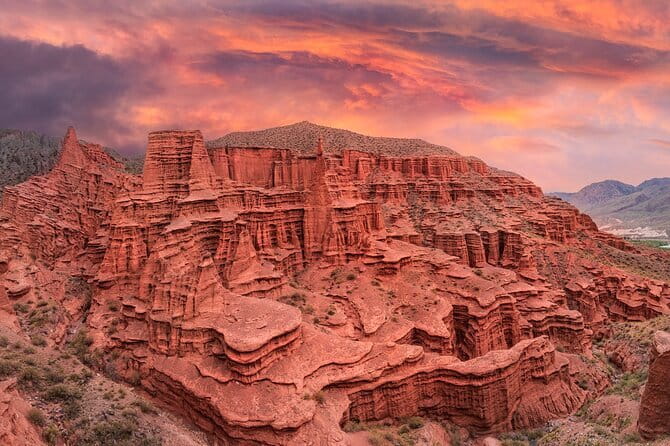
Day two starts with breakfast at the shepherd’s house, then you ride about 4 hours toward Son Kol / Song Kul Lake—the main goal of the whole trek. This is where the trip earns its reputation. You’re moving through mountain passes and open areas, and you finally get the lake setting after all the travel and setup.
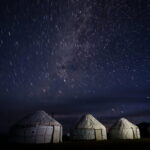
When you arrive, you’re hosted at a yurt camp near the lake. Lunch is included, then the rest of the afternoon is yours to enjoy the lake atmosphere. This is a good moment to be intentional: walk, take photos, and just spend time letting the place sink in. The yurt camp setting matters because it changes your view from the vehicle-rush style of travel to a slower, outdoors-first pace.
One practical note: bring something for temperature swings. Even when the day feels mild, your comfort will vary once you’re near water and in open air. Layers beat one warm jacket every time.
Day 3 return through Kyzart: farewell lunch with a Kyrgyz family and your last ride
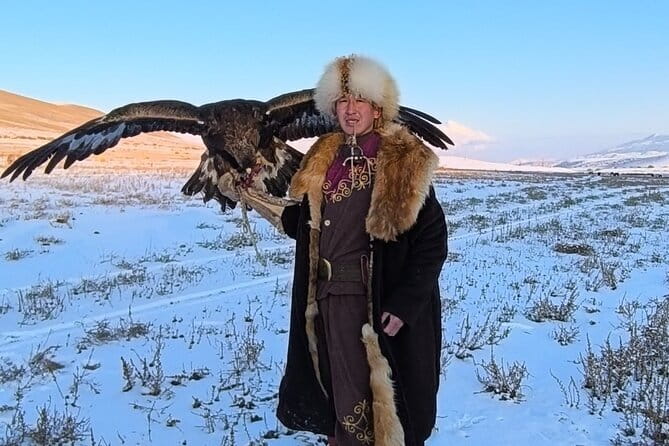
On the final day, you start with breakfast at the yurt camp and then ride again—about 4 hours—continuing the horseback exploration around the Song Kul area before reaching Kyzart.
After the ride, you’re welcomed at a local guest house run by a Kyrgyz family. Lunch is included and it’s another place where the trip stays grounded in everyday life rather than turning into a photo-only stop. This final hosted meal can feel like a soft landing after two days of motion.
Then you head back to Bishkek by car for about 5 hours. That long drive is also useful. It gives you time to recover, hydrate, and think about what you actually enjoyed most—horses, guides, the homestays, or the lake itself.
Food, timing, and what to pack for horse-day reality
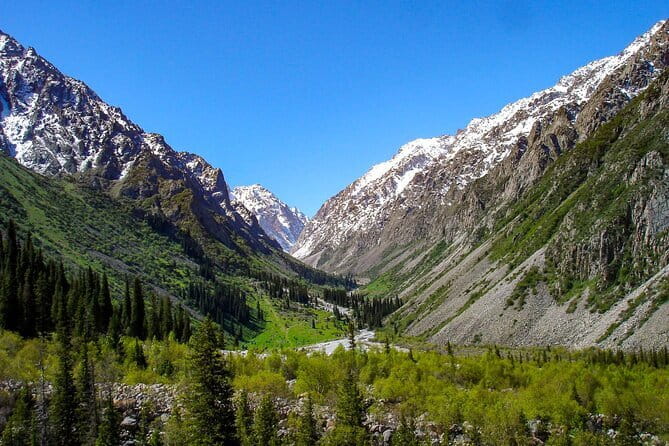
Meals are part of the plan, and that’s a real quality-of-life advantage. You get 2 breakfasts, 3 lunches, and 2 dinners across the three days. It means you’re not constantly hunting for food or trying to fit meals around the ride schedule. You can focus on staying comfortable and ready for the next movement.
For packing, I’d plan for a mix of car time, riding time, and outdoor evenings:
- Layers for temperature changes
- Sunscreen and a hat for open-air riding
- A small water strategy you can manage during the day
- Something simple for evening comfort since you’ll spend time at rural stays
Also, the trip requires good weather. If you’re the type who hates uncertainty, this is the only big mental hurdle. In bad conditions, you’ll be offered a different date or a full refund. So build flexibility into the rest of your Kyrgyzstan plan.
Price and value: $400 that pays for horses, guides, transfers, and two real homestay styles
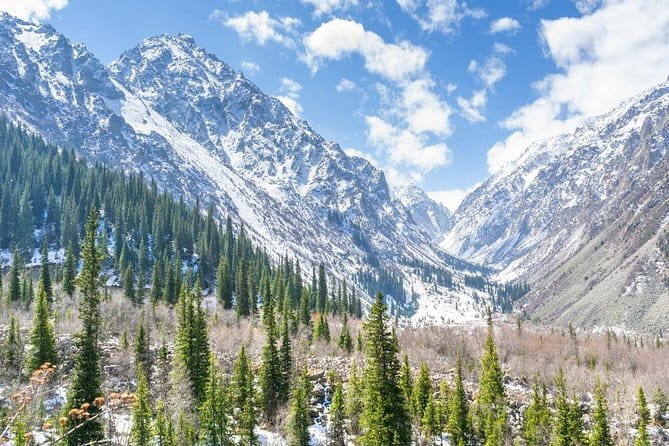
At $400 per person, this trek isn’t a budget city-break. But it isn’t just paying for a ride. You’re paying for the full machine that makes it work: transfers between Bishkek and Kyzart, guided horse support in English, horses and route management, and two different overnight arrangements (shepherd’s house and yurt camp). Meals are covered too.
What makes the value feel more solid is that the driving time is included on both ends, and the experience keeps you from needing to organize anything on your own once you arrive. Many trips like this fall apart because you end up doing extra logistics. Here, you’re set up for smooth handoffs between car, horse, and sleeping arrangements.
The private-group nature helps, too. Only your group participates, which can mean fewer waiting points and a more coordinated pace.
If you’re comparing options, I’d ask yourself one question: are you looking for a guided cultural day with some riding, or are you choosing a real multi-day horseback experience with hosted nights? This one clearly belongs to the second category.
Who this trek suits best (and who should think twice)
This is best for nature lovers who want something hands-on: horseback travel, mountain passes, and authentic stays. It’s also a strong fit if you like meeting local people through meals and daily rhythms, not just through a quick stop.
The trip notes that most travelers can participate, which suggests a wide range of comfort levels are expected. That’s consistent with the idea that first-time riders can sometimes manage if they’re willing to follow instructions and accept that this is a physical activity.
Think twice if you:
- Get uncomfortable with long periods in the saddle
- Hate weather-related uncertainty
- Expect fully modern hotel-style conditions at rural stays
If you can handle those realities, you’ll probably love how the days unfold.
Should you book this 3-day Son Kul horse trek?
I’d book it if your dream Kyrgyzstan day includes horses, two different local sleeping experiences, and the chance to spend time at Song Kul Lake without rushing. The best reason to choose it is that it’s structured around real hosted moments—shepherd’s house in Kilemche and a yurt camp near the lake—backed by an English-speaking horse guide and practical luggage support.
Don’t book it if you want a short, low-effort outing or if you’ve got a tight schedule with no flexibility for weather. But if you’re open to a classic mountain trek style, this one offers strong value for what’s included and a genuinely grounded way to experience the region.
FAQ
What is the duration of the horse trek?
The experience runs for about 3 days.
Where does the tour start and end?
It starts with pickup in Bishkek and ends with a return drive back to Bishkek.
What riding and overnight stays are included?
You’ll ride over multiple days and stay one night in a shepherd’s house in Kilemche, plus one night in a yurt camp near Song Kul Lake.
Are meals included in the price?
Yes. Breakfast is included 2 times, lunch 3 times, and dinner 2 times.
Do I get an English-speaking guide?
Yes. An English-speaking horseman guide is included.
Is pickup from my hotel included in Bishkek?
Yes, pickup is offered.
Is this tour private?
Yes. Only your group will participate.
What is the price?
The price listed is $400.00 per person.
What happens if weather is poor?
The experience requires good weather. If it’s canceled due to poor weather, you’ll be offered a different date or a full refund.
FAQ
Is health insurance included?
No, health insurance is not included.
Can most people participate?
The information provided says most travelers can participate, but the trek still involves riding days and outdoor conditions.
What’s included in transfers?
Transfers from Bishkek to Kyzart and back to Bishkek are included.