REVIEW · BISHKEK
14 Day Epic Kyrgyzstan Trek in Tian Shan and Pamir Alay Mountains
Book on Viator →Operated by Visit Alay - Travel Company · Bookable on Viator
Big views and steep passes start the story. This 14-day Kyrgyzstan Trek stitches together Tian Shan hikes around Ala Kul Lake with high country days in the Pamir-Alay region, plus a scenic overland connection to Song Kol.
What I like most is how varied the days feel: you’re not stuck doing the same type of trail every afternoon, and the route moves you through multiple valleys, passes, and lakes. I also like the way it’s run—small groups (up to 10 people), friendly staff, and hosts in guesthouses and yurt camps that help make the whole trip feel human, not robotic.
One consideration: it’s not a luxury trek. You’re on the move a lot, the hiking gets serious on several days, and one earlier participant flagged food and water hygiene as something to think about, even with meals and bottled water included.
In This Review
- Key Highlights I Think You’ll Care About
- Entering The Trek: Bishkek, Long Drives, and Why Setup Matters
- From Burana Tower to Karakol Valley: The First Big Cultural Stop
- Karakol Gorge to Ala Kul Lake: Rocks, Climbing, and a Real Reward
- Ala Kul Pass at 3950m and the Big Descent to Ak-Suu
- Song Kol Lake: A Sacred Pause Between Two Trek Worlds
- Moldo-Ashu Pass to Kazarman
- Kaldama Pass to Osh
- Osh and Kojokelen Valley: Where the Alay Trek Gets Serious
- Alay Mountains Trek: 12km Uphill with Luggage Horses
- Besh-Kol Lake: The Strenuous Day That Balances the Route
- Sary Mogul Pass (4306m) and Tulpar-Kol: High Points, Early Mornings
- Tulpar-Kol and the Lenin Base Camp Area
- Camping, Crew, and What You’ll Actually Sleep In
- Food and Water: Included, But Still Use Your Head
- Price and Logistics: What $3,830 Buys You (and What It Doesn’t)
- Who This Trek Suits Best (and Who Should Rethink It)
- My Booking Checklist Before You Commit
- Should You Book This 14-Day Kyrgyzstan Trek?
- FAQ
- How long is the trek?
- Where does the tour start and end?
- How much does the trek cost?
- How many people are in the group?
- Is pickup offered?
- What’s included in the price?
- What isn’t included?
- What physical fitness level do I need?
- Does weather affect the trip?
- What is the cancellation window for a full refund?
Key Highlights I Think You’ll Care About
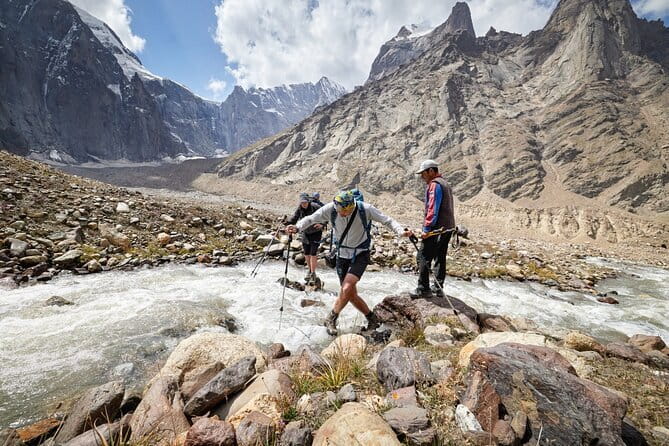
- Two mountain systems in one trip: Tian Shan lakes, then Pamir-Alay climbs, with Song Kol as the bridge day(s).
- Serious altitude moments: passes at about 3950m and 4306m show up in the hard days.
- Small-group pace: maximum of 10 travelers keeps things flexible and manageable.
- Support that actually helps: tents, porters, and in the Alay portion, luggage horses and horsemen.
- Included meals and water: breakfast, lunch, dinner plus bottled water reduce everyday stress.
- Not all tickets are included: sightseeing entrance fees up to $40 are on you, plus tips and insurance.
Entering The Trek: Bishkek, Long Drives, and Why Setup Matters
This is a route that begins with movement, not rest. You meet in Bishkek at 575 Frunze Street, and from day one the plan is to get you out to the mountains fast—so the calendar is packed and you’ll feel it in your body.
The payoff is that you spend more of your time walking among peaks and less time waiting around. You also get private transportation, which matters in Kyrgyzstan where distances add up quickly.
The tradeoff is simple: some days are “drive + arrive + get ready,” rather than a light sightseeing day. So if you’re the type who wants a slow start with lots of urban time, you might feel a bit rushed at the beginning.
You can also read our reviews of more tours and experiences in Bishkek.
From Burana Tower to Karakol Valley: The First Big Cultural Stop
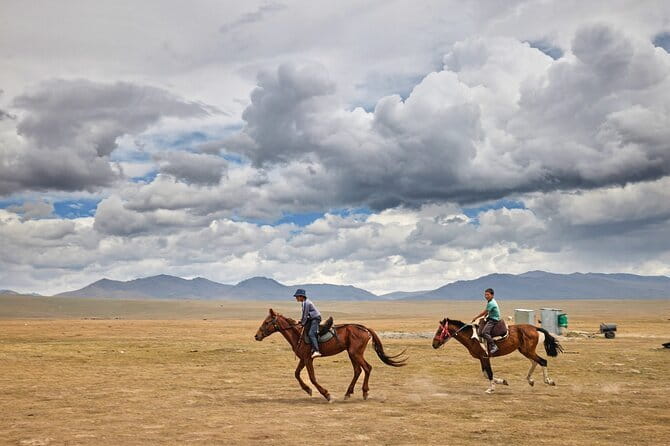
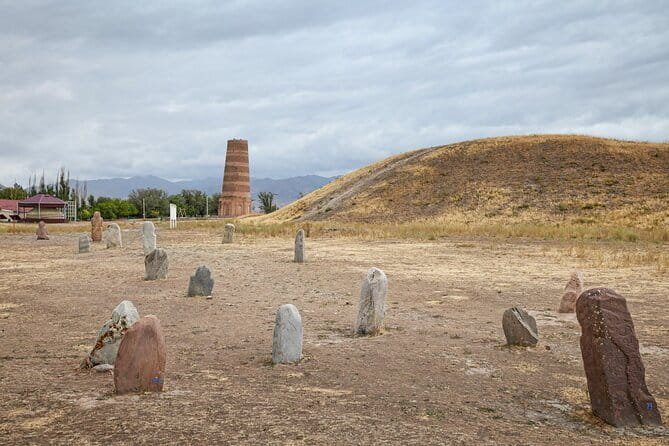
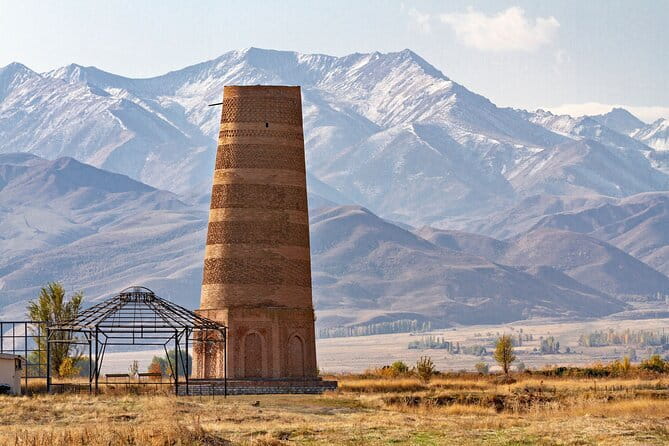
Day 1 turns into a travel day with purpose. You’ll drive about 420 km and stop at the Burana Tower, one of the older landmark sights in Kyrgyzstan. Admission isn’t included, so plan a little cash for this kind of stop.
Why I like this kind of start: it gives you context before the mountains take over your attention. Then you push on toward Karakol, where the next day’s hike begins in a greener, river-cut valley.
This part is also a reminder that your “trek” begins before you lace up your boots. Bring layers, because car time plus altitude time can mean temperature swings.
Karakol Gorge to Ala Kul Lake: Rocks, Climbing, and a Real Reward
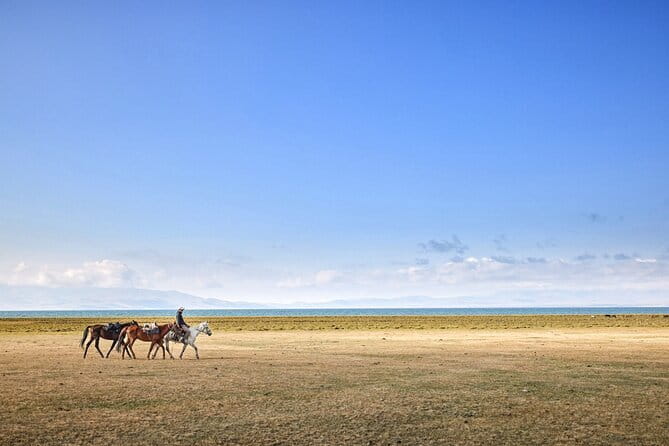
The first walking day is in the Karakol area. You’ll hike about 10 km with roughly 440 meters of ascent, and the trail begins after a transfer from Karakol city into the Karakol Valley. Expect a mix of river energy and mountain scenery on the way toward your start point.
Then comes the first major test: Ala Kul Lake. You’ll walk about 10 km and gain around +1030 meters, and the day is described as strenuous—think screws and boulders—before the lake finally shows up. The time estimate is about 7 hours, so pace yourself early.
If you tend to sprint at the start, resist that urge. On steep, rocky terrain, energy management is everything. I’d rather arrive tired than wrecked.
Ala Kul Pass at 3950m and the Big Descent to Ak-Suu

After Ala Kul Lake, the route heads toward Ala Kul Pass, around 3950 meters. This day mixes climbing and a serious drop: about 13 km total, with descent around -1400 meters. You’re also told that Terskey Ala-Too peaks open up at the top of the pass.
That big descent is where many people feel sore the next day. If you’re bringing trekking poles, this is one of the reasons they help. It’s also a day where good footwork matters more than speed.
Day 5 shifts to the Ak-Suu area with about 10 km and a descent of roughly -450 meters. The hike is shorter, and you’ll also visit wild springs nearby. This is a smart contrast day: you’ve worked hard at altitude, and now you get a more relaxed trail before you transition toward Song Kol.
Song Kol Lake: A Sacred Pause Between Two Trek Worlds
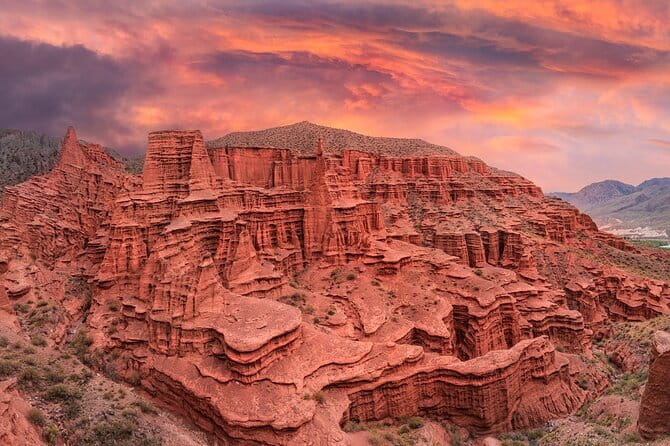
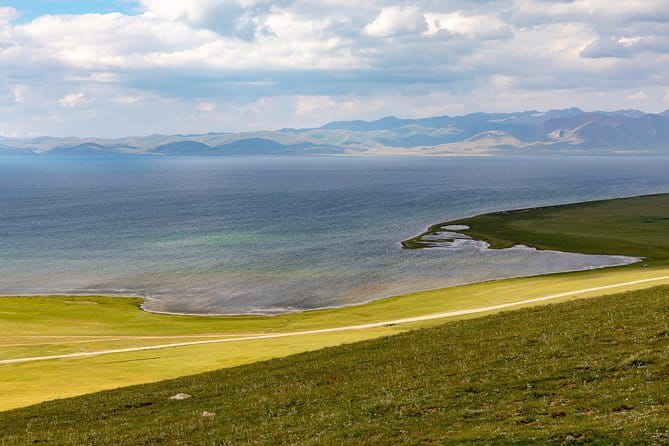
Then the route becomes a true “connector” segment. You drive about 130 km to Song Kol Lake, one of the larger alpine lakes in Kyrgyzstan, and it’s considered sacred for Kyrgyz nomads as a summer pasturing place.
Why this day matters: after multiple high-gravity hiking days, having a lake-centered stop lets your body reset while your eyes keep getting fed. It’s also a reminder that Kyrgyz landscapes are seasonal and pastoral, not only dramatic peaks.
Moldo-Ashu Pass to Kazarman
Next you drive south from the lake to Moldo Ashuu pass (about a 194 km drive). There are switchbacks, and the scenery is described as colorful mountains while you wind your way up and down. Lunch happens on the road, and you arrive in Kazarman.
This portion isn’t a hike day, but it still counts as effort. Long roads at altitude tend to feel longer than they look on paper.
Kaldama Pass to Osh
After Kazarman, you move toward Osh with about 258 km of driving, including the Kaldama pass. The route description notes dense bushes along the road and mountain views from the pass area.
These driving segments are a key part of the value here. You’re covering ground so the hiking parts can be the real focus—just don’t assume every day is “boots on” from morning to night.
Osh and Kojokelen Valley: Where the Alay Trek Gets Serious
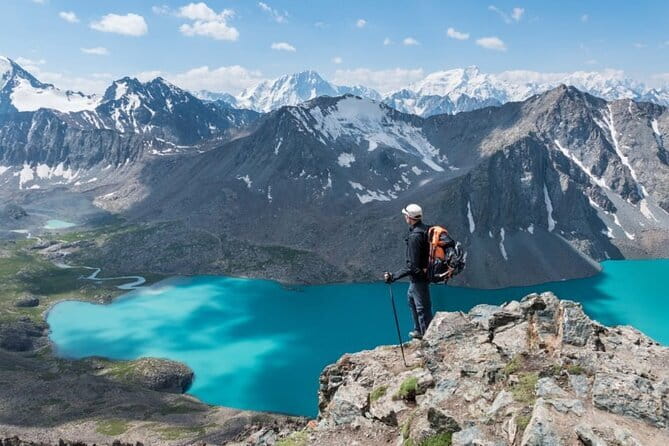
Osh is the hub of this second half. On the way out, you head to the village of Kojokelen (around 2200m) and begin the trek region there. The ride time is about 4 hours, and the point is to get you into position for the Alay Mountains hiking section.
This also lines up with a useful practical truth: in Kyrgyzstan, the best hiking starts only after you’ve reached the right valley. Transportation isn’t filler here—it’s the backbone of the route.
Alay Mountains Trek: 12km Uphill with Luggage Horses
The next major hiking day is in the Alay Mountains. You’ll walk about 12 km, gain around 1013 meters, and descend about 412 meters. You begin by crossing a wooden bridge, then the day includes about 5 hours of uphill.
One big comfort factor for many people is that the Alay portion uses luggage horses and horsemen along with the trekking crew. That support doesn’t remove the uphill work, but it helps keep your personal load realistic.
This is a good place for strong trekking habits. Short breaks, steady breathing, and not chasing the person ahead of you are your best tools.
Besh-Kol Lake: The Strenuous Day That Balances the Route
Day 11 is described as strenuous, and the numbers support it: about 20 km, with ascent around 1749 meters and descent about 868 meters. The trail climbs through meadows and pastures, which helps mentally even when your legs disagree.
This is also where the variety pays off. You’ve had steeper rocky climbing earlier, and now you get a more sustained effort through open terrain. It’s a reminder that “hard” doesn’t always mean “technical.” Sometimes it’s just length plus elevation.
If you want to feel like you truly earned a mountain moment, this is one of those days.
Sary Mogul Pass (4306m) and Tulpar-Kol: High Points, Early Mornings
Sary Mogul is another altitude headline. You’ll hike about 14 km, climb around 925 meters, and descend about 1053 meters, aiming for Sary Mogul Pass at about 4306m. The route description notes walking along a stream up toward the pass area and then heading up to the top.
Even if you’re fit, altitude makes slow feel faster than it is. The best strategy is to keep your effort smooth. Also, bring layers you can adjust quickly because mornings at high passes can turn cold without warning.
Tulpar-Kol and the Lenin Base Camp Area
On the next day, you wake early, then drive about 50 minutes to Tulpar Kul Lake. After arrival, the plan is to head south from Tulpar Kol toward the Lenin base camp area (the description references an alpinist Peak Lenin Base C area).
This final trek segment matters because it turns the route from “passing through” into “reaching.” The combination of early timing and a final hike keeps the trip from feeling like a victory lap before you actually earn it.
Camping, Crew, and What You’ll Actually Sleep In
This tour is built around crew support. For the Ala Kul trek you have a crew with guide, porters, tent, gas, and more. For the Alay Mountains trek you have luggage horses and horsemen plus guides and support staff.
Meals are planned too: you get breakfast on 13 mornings, lunch on 12 days, and dinner on 13 evenings. Bottled water is included, which can reduce day-to-day uncertainty.
Still, don’t ignore what’s not included: sleeping bags and sleeping mats are not part of the package. You’ll want your own setup that matches your comfort with cold nights.
Also, you should be prepared for the practical feel of a trekking trip. The comfort level will depend on weather and campsite conditions, not on hotel service standards.
Food and Water: Included, But Still Use Your Head
Most of the experience is meal-plan friendly: breakfast, lunch, dinner are covered, and bottled water is included. That’s a big deal when you’re hiking and your appetite is unpredictable.
At the same time, one earlier participant raised a concern about food and water hygiene. You can’t assume it will be a problem for you, but you can act smart. Bring any personal water habits you trust, and if you’re sensitive, ask what the bottled water plan looks like during long hiking days.
This is also a good reminder that trekking comfort is often about routines. Eat when you’re supposed to. Drink what’s provided. Don’t wait until you feel awful.
Price and Logistics: What $3,830 Buys You (and What It Doesn’t)
At $3,830 per person, you’re paying for a long, multi-stage mountain program, not just walking time. The big value pieces include:
- Private transportation covering major distance jumps between trail areas
- Treks supported by crews, including tents for the Ala Kul trek and horse support for the Alay trek
- Meals (breakfast, lunch, dinner as listed)
- Border permits
- Bottled water
What you should budget separately:
- Hotels and meals in Bishkek
- Alcoholic drinks, soft drinks, coffee, mineral drinks
- Tips
- Health or travel insurance
- Sleeping bags and mats
- Entrance tickets for sightseeing up to $40
- Guide during driving days
So the price makes sense if you want the operation handled—especially the permits, transport, and camp setup. It’s less of a bargain if you’re already set up for DIY travel and you prefer doing permits and transport yourself.
Who This Trek Suits Best (and Who Should Rethink It)
This fits best if you have moderate physical fitness and you’re comfortable with multiple long hiking days. The route includes demanding climbs like Ala Kul Lake with +1030m, Besh-Kol with +1749m, and Sary Mogul with a pass around 4306m.
It’s also a good fit if you like variety: you get gorge hiking, rocky climbing, big pass days, lake scenery, and a second-half shift into Alay terrain.
If you want a trip with lots of city guidance and sightseeing built into the travel days, you may feel the schedule is hiking-first. And because there’s no guide during driving days, you’ll need to be okay with reading, resting, and asking questions when the hiking days start.
My Booking Checklist Before You Commit
Here’s what I’d do before saying yes:
- Confirm you’re comfortable with several 7–8 hour hikes and repeated climbs/descents.
- Pack your own sleeping bag and sleeping mat since they’re not included.
- Bring money for sightseeing entrance fees beyond what’s covered (and remember the $40 note).
- Plan for cold mornings in the high pass days by packing layers.
- If water hygiene concerns you, plan your personal system even though bottled water is included.
Should You Book This 14-Day Kyrgyzstan Trek?
If you want one trip that covers Tian Shan lakes, Pamir-Alay mountain passes, and the quieter pause of Song Kol, this has a strong shape for that goal. The mix of big climbs with supportive crews (tents, porters, luggage horses) makes it achievable for people who are fit, not superhuman.
I’d book it if you like organized mountain travel, want a small group (max 10), and you’re okay with long driving days. I’d think twice if you’re extremely picky about food/water handling or you’re looking for comfort-only lodging with minimal hiking.
FAQ
How long is the trek?
The trip is listed as 14 days (approx.).
Where does the tour start and end?
It starts in Bishkek at 575 Frunze Street and ends at the Visit Alay Osh Office in Osh (Ergesh Alieva 190/10).
How much does the trek cost?
The price is $3,830.00 per person.
How many people are in the group?
The tour has a maximum of 10 travelers.
Is pickup offered?
Yes, pickup is offered.
What’s included in the price?
Included items are private transportation, trekking crews (guides, porters or horses depending on segment, tents, gas, etc.), bottled water, border permits, and meals (breakfast 13 times, lunch 12 times, dinner 13 times).
What isn’t included?
Not included: hotels and meals in Bishkek, alcoholic drinks and other drinks, tips, health/travel insurance, sleeping bags and mats, guide during driving days, and sightseeing entrance tickets up to $40.
What physical fitness level do I need?
The tour says you should have a moderate physical fitness level.
Does weather affect the trip?
Yes. The experience requires good weather. If it’s canceled due to poor weather, you’ll be offered a different date or a full refund.
What is the cancellation window for a full refund?
You can cancel up to 24 hours in advance for a full refund, based on local time.