REVIEW · KATHMANDU
Everest Base Camp Trek -17 Days
Book on Viator →Operated by Dream Himalaya Adventures Pvt Ltd · Bookable on Viator
Everest Base Camp starts long before you see the mountain. This 17-day trek mixes Kathmandu culture prep with Sherpa villages, monastery stops, and the big-ticket days at altitude that most people only dream about. You’ll move at a realistic pace, with rest and high-point hikes that help your body adjust.
What I like most is how much is handled for you. You get private airport-hotel transfers, 3-star hotels in Kathmandu for four nights, round-trip domestic flights to Lukla, trekking permits, and a guide plus porters. I also like the practical food and comfort setup: daily meals, hot drinks, and treated drinking water are included—so you spend energy on walking, not guessing logistics.
One consideration: this is serious altitude travel, and the trek relies on Lukla flights that can be weather-sensitive. If you don’t have medical coverage that includes emergency evacuation, you’ll want to fix that before you go.
In This Review
- Key Highlights You’ll Feel on the Trek
- Everest Base Camp in 17 Days: What This Route Does (and What It Costs You)
- Kathmandu Setup: Hotels, Heritage Sightseeing, and Trip Briefing Time
- Lukla Flights and the Trek to Phakding and Namche: Where the Adventure Gets Real
- Tengboche, Dingboche, and Nagarjun Peak: Acclimatization With Meaning
- From Lobuche to GorakShep: The High-Altitude Stretch Before Everest Base Camp
- Everest Base Camp and Kala Pattar: Timing, Cold, and the View Payoff
- The Descent Back to Lukla and Kathmandu: Why This Phase Matters
- Price and Value: What $2,000 Buys You on an Everest Trek
- What’s Included on Trek Days (and How It Helps You Walk Better)
- Considerations Before You Go: Altitude, Insurance, and Your Personal Packing List
- Should You Book This Everest Base Camp Trek?
- FAQ
- What is the trek duration and approximate length of the tour?
- Where does the tour start, and when is the meeting point?
- What’s included for transport and hotels in Kathmandu?
- Are domestic flights included?
- What’s included during the trek days?
- What do I need to arrange that isn’t included?
Key Highlights You’ll Feel on the Trek
- Private transfers in Kathmandu plus domestic air included, so you’re not scrambling on day one
- Sherpa-led acclimatization with day hikes (like Khumjung/Khunde and Nagarjun Peak) before you go higher
- Tengboche monastery visit for a cultural pause with big Himalayan views nearby
- Everest Base Camp and Kala Pattar as the peak photo days, with an overnight strategy at GorakShep
- Treated drinking water + hot drinks included, which makes long days more manageable
- Dawa and the Dream Himalaya team style shows up repeatedly: strong communication and organized support
Everest Base Camp in 17 Days: What This Route Does (and What It Costs You)
Everest Base Camp is never just a hiking trip. It’s a slow conversation with altitude. Even before you reach the Everest area, you’ll feel the thin air in your breathing and your pace. That’s why this plan builds acclimatization days into the middle of the trek instead of pushing you upward every single day.
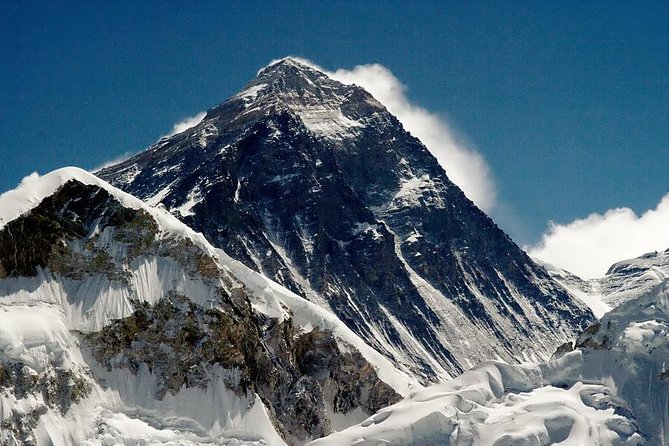
The route also makes you earn the views. You’ll climb from Lukla (about 2,840m) through Namche (about 3,440m), then keep stepping higher toward Dingboche (about 4,410m), Lobuche (about 4,910m), and finally GorakShep (about 5,140m). Base Camp sits around 5,364m, and Kala Pattar goes to about 5,550m—meaning the “best” days are cold, windy, and very time-dependent.
And yes, it costs you something you can’t pack around: patience. The days look simple on paper—walk, eat, sleep—but at altitude you’ll move slower. That’s normal. Build room for a “weather and breath” pace, not a “gym pace.”
You can also read our reviews of more tours and experiences in Kathmandu.
Kathmandu Setup: Hotels, Heritage Sightseeing, and Trip Briefing Time
Your trip begins in Kathmandu with a transfer to a hotel and a briefing. That briefing matters more than people think. In mountain travel, you’ll only benefit from your guide if you understand the rhythm: what you’ll do each day, how you’ll handle altitude, and what your gear needs to do for you.
You also get Kathmandu sightseeing as a half-day world heritage sites tour with a guide and private transport. Even if you’re itching to get to the mountains, this is a good reset day. Kathmandu helps you orient—where you’ll meet people, how transport works, what day-to-day life looks like in the city—before you jump into the trekking machine.
You’ll have four nights in Kathmandu at 3-star hotels on twin-share bed-and-breakfast. That’s a solid value point for an Everest itinerary, because it helps you start the trek with decent sleep. At altitude, bad sleep turns into a bad day. Good beds don’t sound glamorous, but they matter.
Finally, you’ll also have time for preparation and packing. With this kind of trek, “packing” is really a small project: layers, gloves, socks, rain protection, and the basics that keep you warm when the wind shows up.
Lukla Flights and the Trek to Phakding and Namche: Where the Adventure Gets Real
On day 3, you fly from Kathmandu to Lukla (about 2,840m). The Lukla-to-Phakding section is your first walk into the rhythm: you’ll trek to Phakding (about 2,610m) in around 3 hours. That’s not “easy,” but it’s a smart warm-up.
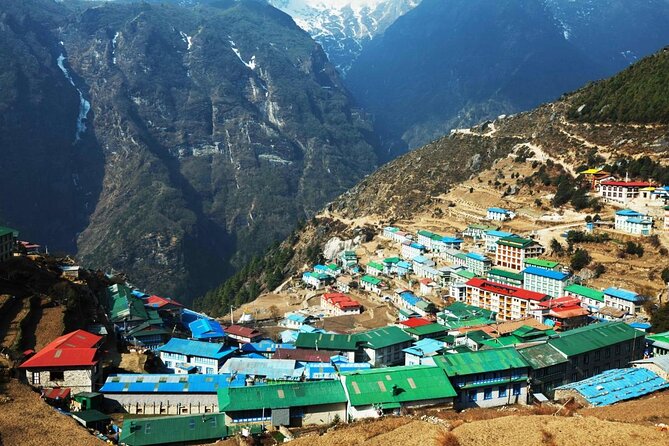
Day 4 pushes you to Namche Bazar (about 3,440m) in roughly 5 hours. Namche is where Everest travel becomes visible in daily life. It’s busy enough to feel like a hub, but still local. This is also your first bigger altitude step, so pacing is key.
Then comes day 5: a day hike to Khumjung and Khunde (around 3,840m) for about 4 hours, with an overnight back in Namche. This is an acclimatization day in disguise. Yes, you’ll see Sherpa villages and experience the area’s culture. But the deeper win is giving your body a chance to catch up before you climb further.
Tengboche, Dingboche, and Nagarjun Peak: Acclimatization With Meaning
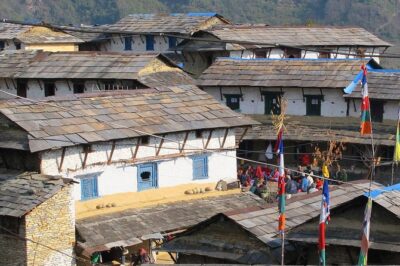
Day 6 takes you from Namche up to Tengboche (about 3,860m) in around 5 hours, with a visit to the monastery. Tengboche is one of those stops that gives you a spiritual pause without breaking your momentum. You’ll get a chance to slow down, look around, and notice how the community lives in the shadow of the peaks.
Day 7 continues upward to Dingboche (about 4,410m) in around 5 hours. Dingboche feels like a different altitude world—cooler, quieter, and more focused on the trek ahead. This is where your body starts asking more questions.
Day 8 is a day hike to Nagarjun Peak (listed at about 5,085m) for around 5 hours, and you’ll sleep in Dingboche again. That’s the pattern: go higher, feel the air, come back down to recover. It’s not just for comfort. It’s for survival odds.
Also, you’ll likely notice how your guide and porters affect your experience here. Support matters most when you’re tired. Having an experienced Sherpa trek guide means you’re not only following a map—you’re adjusting to conditions.
From Lobuche to GorakShep: The High-Altitude Stretch Before Everest Base Camp
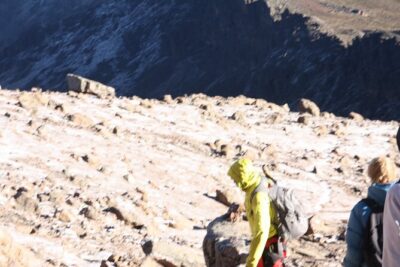
Day 9 takes you to Lobuche (about 4,910m) in about 4 hours. You’ll notice more harsh terrain and less greenery as you go higher. This isn’t just scenery; it’s part of what makes the air feel more intense.
Day 10 heads to GorakShep (about 5,140m) in about 4 hours. GorakShep is basically your staging area for the two big pushes: Everest Base Camp and Kala Pattar. Getting there and settling in is a job. You’ll want to manage your energy, eat well, and not treat the altitude like it’s optional.
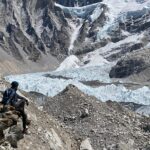
Then day 11 is the Everest Base Camp day (about 5,364m) with around 6 hours of trekking, plus an overnight at GorakShep. This is the long, cold, high day where everything matters: warmth, hydration, and staying calm when you’re breathing harder than you want to.
The upside? When the weather cooperates, the scale hits you fast. Everest Base Camp doesn’t feel like a “destination.” It feels like you’ve stepped into the Everest story at its rawest point.
Everest Base Camp and Kala Pattar: Timing, Cold, and the View Payoff
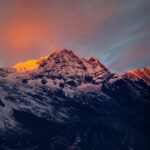
Day 12 is Kala Pattar (about 5,550m) for roughly 4 hours, followed by a trek to Pheriche (about 4,210m) of about 4 hours. Kala Pattar is the classic “stand higher than the rest of the story” moment. It’s also the most demanding day in your plan simply because altitude climbs faster near the top.
Here’s how I’d think about it before you go: the view isn’t the only prize. Your win is moving efficiently in thin air. If you take the day slow and steady—short steps, steady breathing—you’ll enjoy it more. If you try to sprint uphill for photos, your legs and lungs will vote against you.
Also, expect cold. Even if your walking pace is fine, wind and shade can drain warmth quickly. This is where your personal gear really makes or breaks the day, even if your trip organization includes a lot. The trek provides a first aid kit, but you’ll still be the one keeping yourself comfortable and safe.
The Descent Back to Lukla and Kathmandu: Why This Phase Matters
Day 13 drops you back to Namche (about 3,440m) in around 6 hours. The descent isn’t just “easy walking.” Your knees will work. Your balance matters. And your legs might feel fine one hour, then not fine the next.
Day 14 takes you from Namche to Lukla (around 6 hours), with evening free time. Day 14 is also a morale day. By this point you’ve already done the hard parts—so you’ll likely feel lighter even if your body still feels the trek.
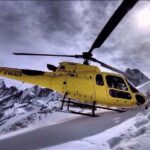
Day 15 is an early morning flight back to Kathmandu, plus a free day. Then day 16 is another free day with an emergency buffer for the Lukla–Kathmandu flight. That buffer is not wasted time. It’s realistic mountain travel, because flights can shift with weather.
Day 17 is international departure as per your schedule. The itinerary is structured so you’re not stuck in a panic loop with zero margin.
Price and Value: What $2,000 Buys You on an Everest Trek
$2,000 per person is a serious chunk of money. The real question is what you’re paying for. In this package, you’re covering the mountain logistics that would otherwise eat your time and energy:
- Round-trip domestic airfares between Kathmandu and Lukla (with taxes)
- Private vehicle transfers in Kathmandu and airport-to-hotel and back
- Four nights in 3-star hotels on twin-share bed-and-breakfast
- Trekking permits (including conservation/national park and local/government taxes)
- A Sherpa guide, support staff, and the required number of porters
- Trek duffle bag for each trek member
- All meals on trek (breakfast, lunch, dinner), plus hot drinks and treated drinking water
- A trek first aid kit
- Insurance for the guide and porters, including emergency rescue
- A half-day world heritage sites tour in Kathmandu with guide and private transport
- Farewell celebration dinner
So yes, you’re paying for convenience and safety structures. The value is that you’re not building a system from scratch while you’re also at altitude. You’re following a plan designed for how Everest travel actually works—slow, acclimatized, supported.
What’s not included also helps you judge value honestly. Personal high-risk medical insurance is on you, along with personal expenses, tips, and most personal gear. If you’re the kind of person who travels with a plan and shows up prepared, the included support turns this into a smoother experience.
What’s Included on Trek Days (and How It Helps You Walk Better)
On trekking days, you’re covered in the key ways that keep altitude from becoming miserable:
- Meals three times a day (breakfast, lunch, dinner)
- Hot drinks daily (tea, coffee, hot chocolate)
- Treated drinking water supplied in the trip setup
- Support staff and porters who carry the required loads
- A first aid kit on the trek
- Guide equipment and porter equipment (so you’re not expected to solve every problem yourself)
This isn’t just comfort. It changes how you pace. If you know food and water are handled, you can walk more steadily and not waste time negotiating supplies at high elevations.
Also, the trip is private, meaning only your group participates. That tends to make it easier to adjust pacing for the people in your party, especially on acclimatization hikes.
Considerations Before You Go: Altitude, Insurance, and Your Personal Packing List
This route asks for moderate physical fitness. That’s a nice phrase, but it still means you should take it seriously. At this altitude, “moderate” becomes “steady.” You won’t be pushing like a trail runner.
Two other realities to plan for:
1) Medical coverage is your responsibility. The package includes insurance for the guide and porters with emergency rescue, but you still need your own medical/high-risk insurance that covers emergency evacuation costs. Don’t treat this as optional paperwork.
2) Your personal gear matters. The package covers a lot, but it doesn’t include your trekking gear. Cold protection and rain protection are where comfort and safety connect. The trek also notes bottle water and boiled water aren’t included, even though treated drinking water and hot drinks are part of the plan—so don’t assume you’ll have unlimited easy water for free.
Finally, be ready for the weather reality of Lukla. The itinerary includes an emergency day in Kathmandu for flight issues. That buffer is wise.
Should You Book This Everest Base Camp Trek?
If you want the Everest Base Camp experience with solid structure—private transfers, domestic flights, experienced Sherpa guidance, included meals, and built-in acclimatization days—this is a strong match. It’s especially worth considering if you’d rather spend your mental energy on the trek than on arranging logistics.
I’d say yes if you:
- have moderate fitness and can handle steep, high-altitude walking
- want a guide-led plan with porters and clear daily pacing
- care about communication and organization while you’re traveling in a high-stakes environment
I’d hesitate if you:
- don’t have proper medical/high-risk evacuation insurance
- prefer to DIY every part of travel planning
- can’t tolerate possible delays tied to Lukla flights
FAQ
What is the trek duration and approximate length of the tour?
The Everest Base Camp trek is listed as 17 days (approx.).
Where does the tour start, and when is the meeting point?
The meeting point is Tribhuvan Airport, Kathmandu, Nepal, with a start time listed as 12:15 am.
What’s included for transport and hotels in Kathmandu?
You get all airport-hotel-airport transfers by private vehicles, plus 4 nights in 3-star hotels in Kathmandu on twin sharing, bed-and-breakfast basis.
Are domestic flights included?
Yes. Round trip domestic airfares (KTM–Lukla–KTM) with domestic airport taxes are included.
What’s included during the trek days?
All meals of high quality and hygienic (breakfast, lunch, dinner) are included, along with hot drinks and treated drinking water. A trek duffle bag is also provided for each member.
What do I need to arrange that isn’t included?
You need personal high-risk medical insurance (including emergency evacuation cost), your personal trek gears, and you should budget for personal expenses and tips to the guide and porters. International flights and major meals in Kathmandu are also not included.