REVIEW · SA PA
2 Night Lao Chai-Ta Van Homestay- Trekking & Fansipan Visit
Book on GetYourGuide →Operated by Go Asia Travel · Bookable on GetYourGuide
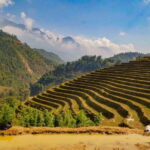
Waking up to Sapa’s rice terraces is the hook here. This 2-night Lao Chai–Ta Van homestay trek shines because you get two different villages and real time in the Muong Hoa Valley with a guide who explains daily life. The main drawback to weigh is that it is not suitable for low fitness, and a couple of practical details (like water on the trail) can vary in real life.
One big plus is the people side: the program is built around eating with hosts and learning how H’Mong and other local communities live day to day. Another strong point is how the days are paced, with long scenic walking plus slower moments to rest, swim near the stream, and enjoy mountain views.
Before you book, go in with your expectations set: transport involves an early start and a return using bus transfers, and the homestays are basic (single mattress style, not a private hotel room).
In This Review
- Key highlights worth planning around
- Why Lao Chai–Ta Van works better than a one-night Sapa trip
- Getting from Hanoi to Sapa without turning it into a nightmare
- Day 1: Long trek into Lao Chai San, with Muong Hoa Stream and a suspension bridge
- Homestay reality check: what single-mattress sleeping feels like
- Day 2: Early pancakes, Muong Hoa Valley trekking, and Ta Van downtime by the stream
- Day 3: Giang Ta Chai views, suspension bridge crossing, and back to Sapa
- Fansipan by cable car: the optional summit move
- Price and value: what $110 covers (and what might cost extra)
- Trekking comfort: shoes, clothes, and the small choices that save your day
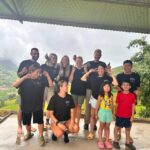
- Guide quality is the difference between a good trek and a great one
- Who should book this Lao Chai–Ta Van trekking homestay?
- Should you book this tour?
- FAQ
- What’s the main itinerary for this homestay trek?
- How long is the trip?
- What homestays and meals are included?
- Is Fansipan Peak included?
- Are private rooms included at the homestays?
- What’s included in transportation?
- What should I bring for the trek?
- Is the trek suitable for low fitness or wheelchair users?
- Are drinks and water included?
Key highlights worth planning around
- Two homestays in two villages so you see more than one slice of Sapa culture
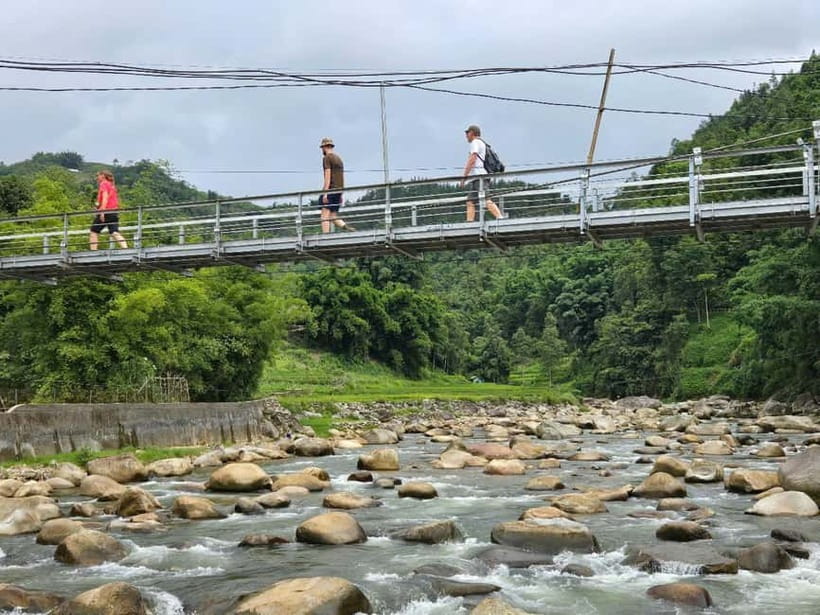
- Muong Hoa Stream and rice terraces trekking with suspension bridges and waterfall views
- Meals with hosts and a local guide including breakfast pancakes and picnic lunch
- Optional Fansipan Peak by cable car if you want the big summit without extra hiking
- Comfort is practical, not fancy with single-mattress homestay sleeping and shared spaces
Why Lao Chai–Ta Van works better than a one-night Sapa trip
Sapa is famous, but a lot of tours still feel like you’re there for the photo, not the experience. This one leans the other direction. Two nights in homestays means you settle in, eat what the family cooks, and get time to ask questions without rushing.
I especially like the structure of switching villages. Lao Chai San gives you a Black Hmong feel, while Ta Van brings a different rhythm and community vibe. It’s a smart way to understand that the area is not one single culture, even if it’s often marketed that way.
There’s also a clear trekking storyline. Day 1 is about getting into the Muong Hoa Valley and into the villages. Day 2 is the big walking day through the terraces and streams, with a picnic. Day 3 finishes with a shorter, scenic morning and a suspension bridge crossing before heading back down.
One more practical reason this tour makes sense: the pacing matches the scenery. You’re not just walking until you burn out and then collapsing. You get breaks built in, including time at Ta Van to rest and cool off near the stream.
You can also read our reviews of more tours and experiences in Sa Pa.
Getting from Hanoi to Sapa without turning it into a nightmare
The trip starts with a limousine bus round trip between Hanoi and Sapa. You meet at 204 Tran Quang Khai early in the morning, then you’re on the road about 5.5 hours with short refresh breaks along the way.
That matters more than it sounds. A long ride is easier to handle when the bus is designed for comfort and you have bottled water on board. You also have an English-speaking guide as part of the package, which reduces the usual confusion that can happen when people are trying to match meeting points and times.
Still, be realistic about the travel style. One past booking noted that sleeper buses can be tight if you’re tall, around 1.85 meters, which can make it hard to sleep. If you’re taller than average, plan for more reading time than actual napping.
And yes, you’ll want to stay organized. The tour depends on you matching group timing and meeting points, including in Sapa. If you hate logistics, this is the part that can annoy you.
Day 1: Long trek into Lao Chai San, with Muong Hoa Stream and a suspension bridge
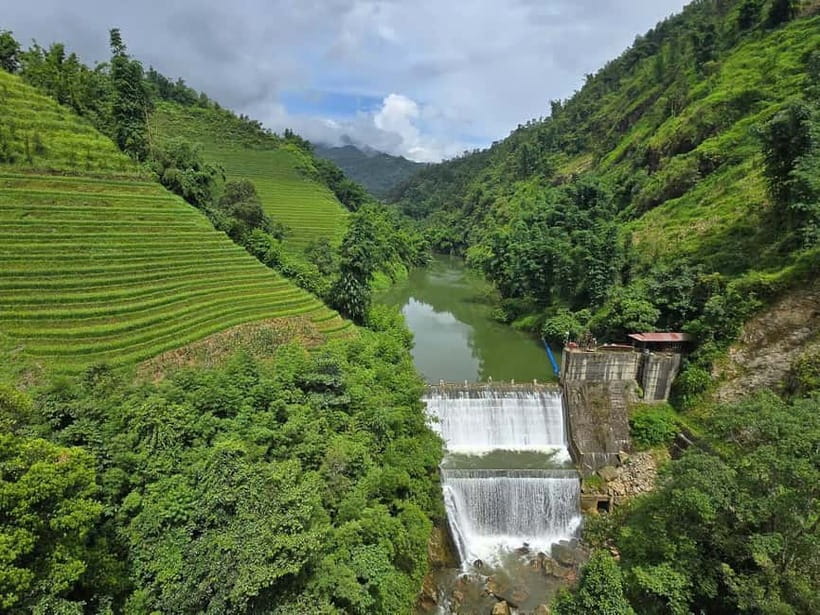
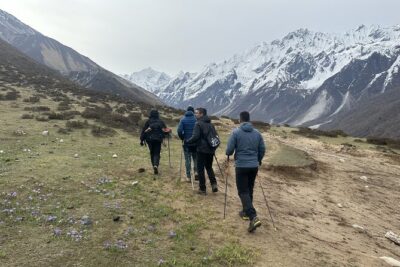
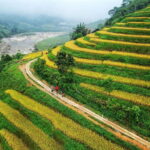
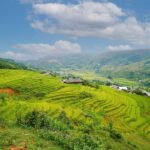
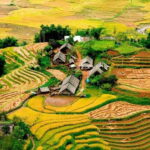
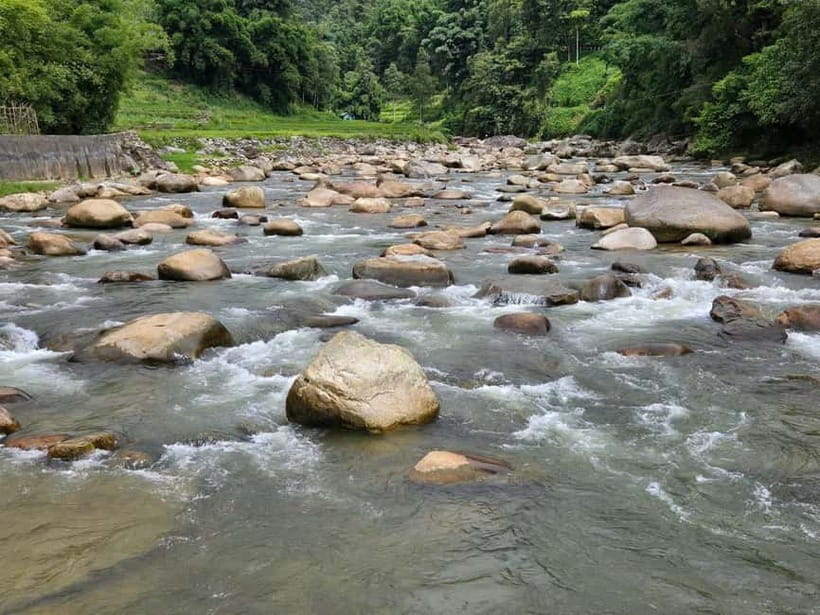
Day 1 is all about transition and arrival. You start from Y Linh Ho and trek toward Lao Chai San village, which is described here as a Black Hmong community. The walking route follows the rice terraces and runs alongside the Muong Hoa Stream, so even before you reach the village, you’re already in the valley mood.
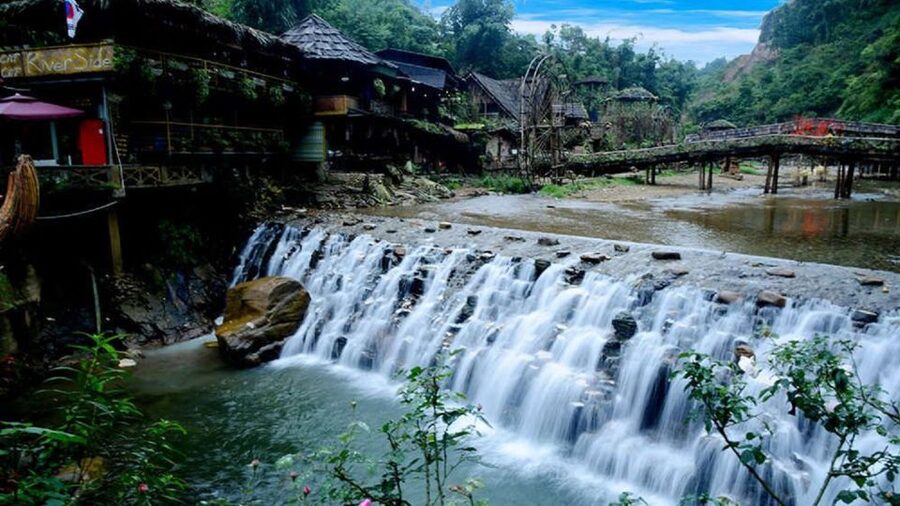
The route includes a suspension bridge and waterfall views. This is one of those moments that justifies the effort, because you feel the scale of the valley and you get that “I’m in the mountains” sense fast.
You’ll reach Lao Chai San and check in at the homestay, then refresh before dinner with the host. You can also join in cooking if you want. That part is more than a cute option. When you help cook, you learn faster than when you just watch.
Expect an evening that’s quieter than you’re used to. After the trek and dinner, you’re in mountain time: slow talk, simple meals, and a chance to settle into the rhythm of daily life.
Homestay reality check: what single-mattress sleeping feels like
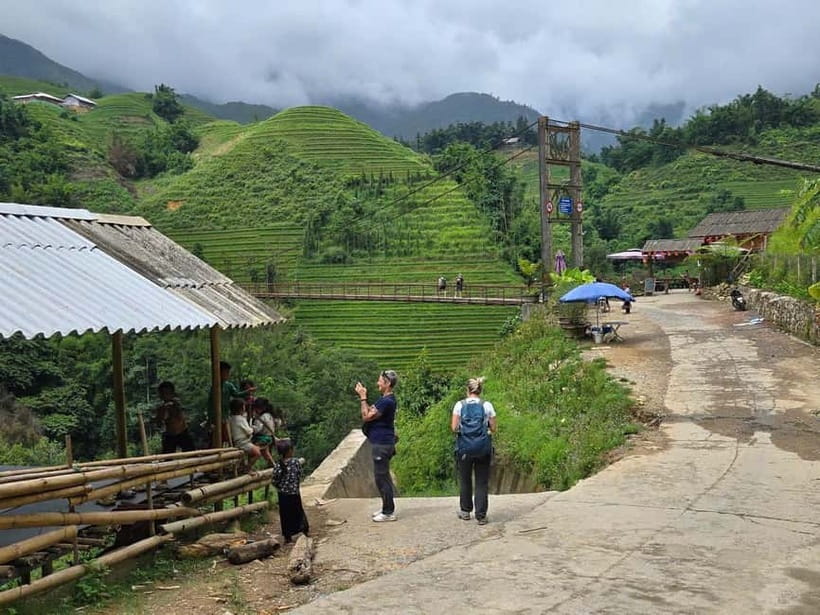
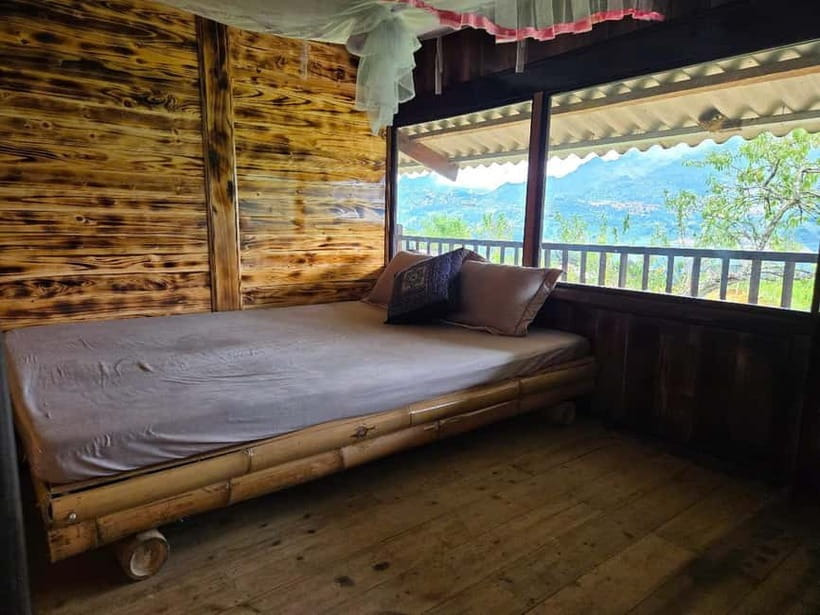
The homestays are included at the level described as single mattress accommodation. That means you should not expect a private room like a hotel.
This matters for comfort. You’ll be fine if you travel light and you’re okay with basic sleeping conditions. You’ll feel annoyed if you need quiet, private space, or you hate shared facilities.
Also, keep your gear simple. Several travelers reported having to carry big bags on trekking days, so pack in a way that you can manage during walking. If you’re trying to bring a suitcase worth of stuff, you’ll regret it quickly.
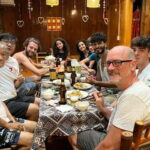
On the plus side, the sleeping setup often helps you bond with the group and the family. When everyone is sharing the same basic setup, you tend to have more natural conversation, especially during meals.
Day 2: Early pancakes, Muong Hoa Valley trekking, and Ta Van downtime by the stream
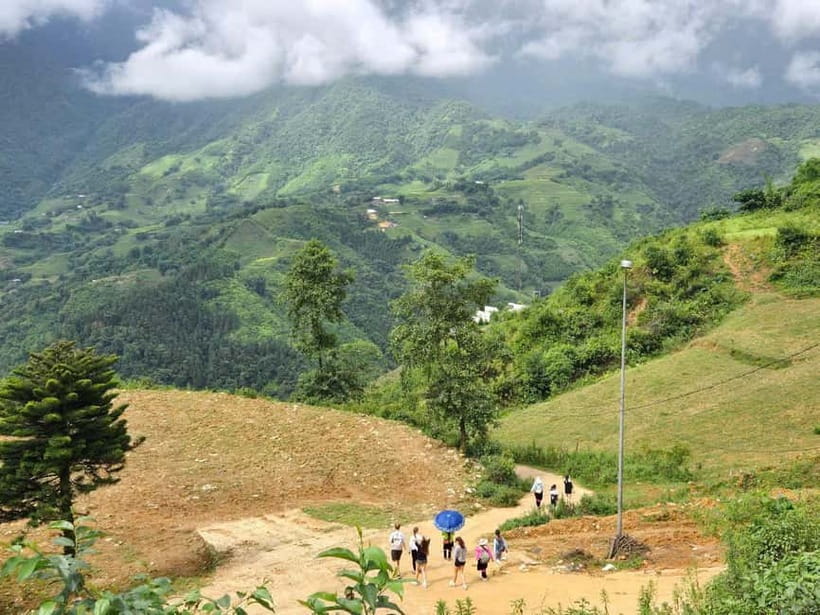
Day 2 starts with an early breakfast and the tour includes details like pancake-style food with honey and fruit. That’s a nice touch because breakfast sets you up for a long walking day without feeling like you’re eating only dry bread and instant coffee.
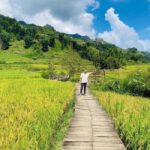
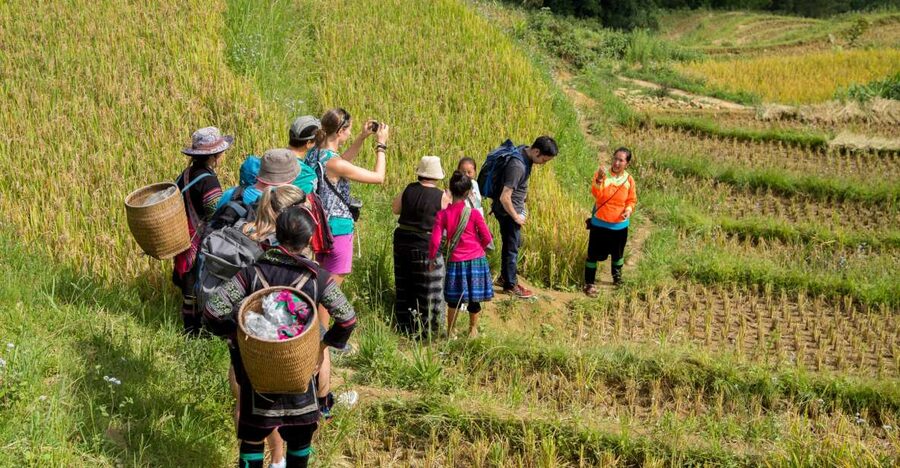
From there, you trek through spectacular Muong Hoa Valley scenery with the stream, terrace fields, and chances to meet local people. If you like photos, this is the day for them, because the route is built around varied views rather than one long straight line.
One practical detail that helps: lunch is a picnic prepared by the guide. That means you’re not forced to scramble for food in the middle of the trek. It also gives you a more relaxed break where you can eat and just watch the valley for a while.
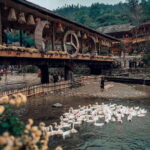
You arrive in Ta Van about 15:00, then you get time to rest. One of the best parts of the Ta Van portion is that you can swim in the nearby stream and relax while watching the mountain views from the homestay.
Dinner is cooked by the host. This is where the homestay experience turns from a cultural idea into something real. When you eat the same food the family serves, you understand meals are part of identity, not just fuel.
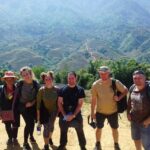
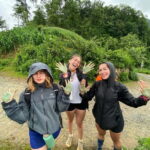
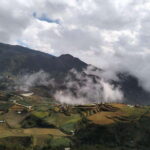
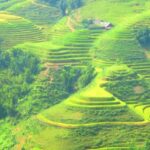
Day 3: Giang Ta Chai views, suspension bridge crossing, and back to Sapa
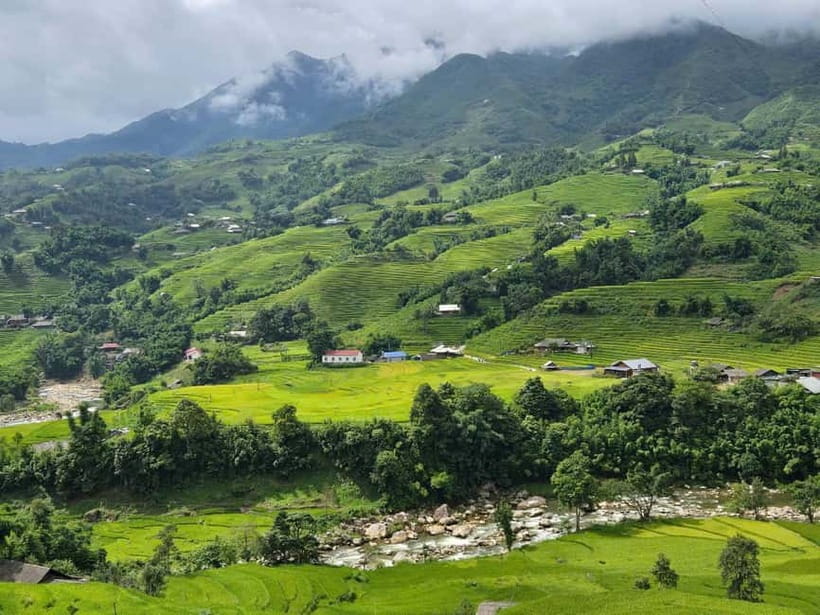
Day 3 keeps things scenic but not overly intense compared to the full trekking days. Breakfast is prepared by the family around 7:30, and then you start a morning trek through rice paddies and bamboo forest.
You’ll get a panoramic view of Giang Ta Chai village. Then comes another suspension bridge crossing at Giang Ta Chai. Bridges on these routes aren’t just “cool for photos.” They’re often where you get a clear sense of how communities are connected across steep terrain.
After the morning walk, a bus transfer takes you back to Sapa for lunch and a shower. That stop is important. You’ve been in trekking conditions for a couple of days, so having time to reset in Sapa makes the return ride to Hanoi feel more humane.
The return limousine bus goes back to Hanoi with meals included for this final day: breakfast and lunch, plus the plan includes stops for refresh breaks along the way.
Fansipan by cable car: the optional summit move
If you want the big headline photo, you can add Fansipan Peak by cable car. This is described as an option after breakfast at Ta Van. Car and guide transfer you to the cable station, you visit the peak area (3,143 meters), then return to a restaurant for lunch before heading back to Hanoi.
The key detail is cost: the Fansipan round trip cable car is not included. It’s listed as 850,000 VND per person.
Is it worth it? If you’re more interested in views and the peak experience than extra hiking, the cable car option fits well with the rest of the itinerary. It also helps you avoid turning the trip into a full-on endurance challenge.
If you’re traveling on a tighter budget, you can also treat the valley trekking as the main show and skip the cable car. Your walking days already cover serious terrain.
Price and value: what $110 covers (and what might cost extra)
At $110 per person, the value is strongest for travelers who want more than one night in the hills with meals handled and guides included.
Here’s what’s clearly built into the price:
- Round trip limousine bus Hanoi–Sapa–Hanoi, with bottled water and an English-speaking guide
- A friendly English-speaking guide in Sapa
- All meals across the 3 days (3 lunches, 2 dinners, 2 breakfasts)
- Entrance tickets
- Homestay accommodation on a single-mattress basis
- Transfers in Sapa with mini bus/car
What’s not included:
- Drinks during the trip
- Travel insurance
- Tips for guide and driver
- Optional Fansipan cable car
- Holiday surcharges on specific dates, paid directly to the guide
That last point matters for value. If you travel during big holiday windows, the actual total can rise. The tour notes surcharges for several peak dates, so check your calendar before assuming $110 is the entire cost.
One more “hidden” cost consideration comes from reality on the ground. Drinks are not included, and at least one prior group reported paying for water during the trek and carrying bags. The exact situation isn’t guaranteed for every departure, but packing a bit of cash is smart so you don’t feel stuck mid-walk.
Trekking comfort: shoes, clothes, and the small choices that save your day
This tour is not a fashion show. You’ll want comfortable shoes with grip, plus warm layers even if it feels sunny early.
The guidance here is practical:
- Warm clothes, scarf, hat, and cap
- Trekking shoes
- Sunglasses and sun cream
- Insect repellent
Also, bring passport or ID card. Northern Vietnam tours commonly use ID checks for both travel and local coordination.
If you’re sensitive to cold mornings, take the warm clothes seriously. Early starts and streamside walking can cool you down fast.
And if you tend to forget small items, pack like this:
- Sun protection
- A light rain layer (you might not need it, but it’s easy to carry)
- A basic snack for peace of mind, even with meals included
Guide quality is the difference between a good trek and a great one
This tour depends heavily on the guide. The overall satisfaction score is strong, and the most praised theme across notes is how helpful and informative the guide is.
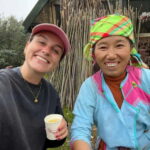
In particular, one named guide—Soa—was highlighted for being very friendly and giving lots of information about Sapa and how locals live. That kind of explanation changes the day. Instead of walking through rice terraces like a set, you understand why houses are placed where they are, how people manage the valley, and what daily life looks like beyond the view.
That said, there can be variation in execution from group to group. Some past bookings described differences between what was expected and what was delivered in terms of walking intensity, water, and the pacing on day 2. It didn’t sound like the trek was bad, but it did sound like the plan can shift.
My advice: be flexible, and ask your guide early what the day’s pace will feel like. If you want a more sporty trek, say so upfront.
Who should book this Lao Chai–Ta Van trekking homestay?
This experience fits best if you want:
- Real homestay time (two nights, not one)
- A guided trek focused on Muong Hoa Valley scenery
- Cultural learning through everyday meals and conversation
- Optional Fansipan without extra hiking
It’s not the right match if you:
- Have low fitness or need an easier walk
- Need a wheelchair-friendly setup (not suitable for wheelchair users)
- Want private hotel rooms and total control of comfort
- Travel with pets (not allowed)
If you enjoy meeting families, walking between villages, and learning from your guide, this is the kind of trip that makes Sapa feel personal.
Should you book this tour?
I’d book it if you’re drawn to the combination of two ethnic village homestays and guided trekking through the Muong Hoa Stream and rice terraces, with a straightforward return to Hanoi by limousine bus. The guide component is strong, and the meal structure makes the day flow easier.
I’d think twice if you’re very sensitive to discomfort, want guaranteed water on the trail, or expect an exact walking program every minute. The trek sounds beautiful, but pacing can vary, and the homestay setup is basic.
If you go in prepared—with warm layers, good shoes, and a bit of extra cash—you’ll get a genuinely memorable Sapa side that feels earned, not packaged.
FAQ
What’s the main itinerary for this homestay trek?
You travel from Hanoi to Sapa by limousine bus, trek from Y Linh Ho to Lao Chai San for the first homestay night, trek to Ta Van for the second night, then finish with a trek toward Giang Ta Chai and return to Hanoi by bus.
How long is the trip?
It’s a 3-day experience with 2 nights in homestays.
What homestays and meals are included?
You sleep at homestays in Lao Chai and Ta Van villages and meals are included: 3 lunches, 2 dinners, and 2 breakfasts.
Is Fansipan Peak included?
Fansipan by cable car is optional and not included in the base price. The listed round trip cable car cost is 850,000 VND per person.
Are private rooms included at the homestays?
No. Accommodation is described as single mattress homestay lodging, not private rooms.
What’s included in transportation?
Round trip limousine bus Hanoi–Sapa–Hanoi is included, plus transfers in Sapa by mini bus or car. An English-speaking guide accompanies the trip.
What should I bring for the trek?
Bring passport or ID card, comfortable trekking shoes, warm clothes (including scarf/hat), sunglasses, sun cream, and insect repellent.
Is the trek suitable for low fitness or wheelchair users?
No. The tour is not suitable for wheelchair users and it’s also not suitable for people with low fitness.
Are drinks and water included?
Drinks are not included. The tour includes meals, but drinks like water may not be covered depending on day-to-day circumstances, so it’s smart to carry some spending money.