REVIEW · KATHMANDU
Short Everest Base Camp Trek 10 Days
Book on Viator →Operated by Welcome Nepal Treks P.ltd · Bookable on Viator
10 days and the Khumbu pulls you in.
This short Everest Base Camp trek is built for travelers who want the classic Everest Base Camp moment without a long, drawn-out schedule. I like that your Kathmandu–Lukla–Kathmandu flights are part of the package, so you’re not guessing how to get to the start. I also like the tight group limit (max 15) and the focus on having one experienced English-speaking trekking guide to keep the day plans clear.
The big consideration is effort. This route climbs fast in altitude and includes full walking days, so you should be fit enough to handle long stretches uphill and cold mornings. One more practical point: standard meals during the trek aren’t included, so budget time (and money) for breakfasts, lunches, and dinners at the tea houses.
In This Review
- Key Points Worth Knowing
- Why This 10-Day Everest Base Camp Trek Feels Realistic
- Kathmandu Pickup, Then Straight to Lukla
- Phakding to Namche Bazaar: Dudh Koshi on Your Right
- Namche to Tyangboche: Cliffs, Forest, and the First Big Atmosphere
- Tyangboche to Dingboche: Rhododendron, Then the Imja Khola Bridge
- Dingboche to Lobuche: The Long Pull Toward Gorakshep
- Gorakshep to Everest Base Camp: Rocky Paths and Glacier Country
- Kala Patthar and Pheriche: Sunrise Views, Then a Come-Down
- The Return: Tyangboche Back to Namche, Then Lukla
- What You’re Paying For: The $1,400 Value Check
- Guides, Pace, and Why Evening Planning Helps
- What This Trek Is Like Day by Day (So You Can Self-Select)
- Who Should Book This Short Everest Base Camp Trek
- Should You Book This Short Everest Base Camp Trek?
- FAQ
- How long is the Everest Base Camp trek?
- Where does the experience start?
- What is included in the price?
- Are meals included during the trek?
- Do I get a porter?
- How large is the group?
- What kind of guide do I get?
- Is travel insurance required?
- What about tips?
- Can I cancel for a full refund?
Key Points Worth Knowing
- Round-trip Lukla flights included: you start trekking quickly after landing in the famous airport.
- Tea-house lodging throughout: you sleep at villages along the way instead of camping.
- Kala Patthar sunrise is built in: you get a high viewpoint day before heading back down.
- Permits and taxes handled: fewer admin headaches while you’re thinking about altitude.
- Small group size (max 15): easier pacing and better communication on the trail.
- Porters cost extra if you want them: you can travel lighter, but it’s an add-on.
Why This 10-Day Everest Base Camp Trek Feels Realistic
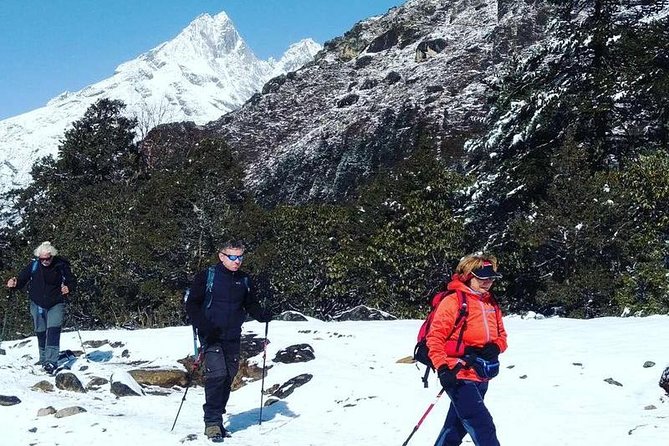
Everest Base Camp is a dream for good reason: 5364m is where the Everest story becomes physical. What makes this trip different is that it’s designed to reach the base camp area with a shorter time commitment, while still giving you enough time at key villages to adapt to altitude.
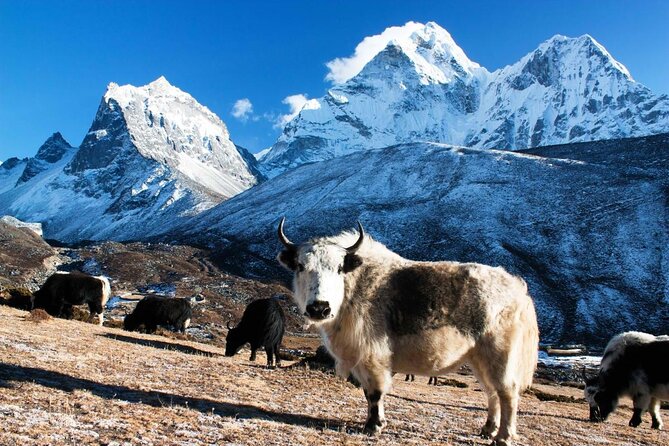
You’ll walk the famous Khumbu corridor through Sherpa communities, rhododendron forests, and glacier country. And you’re not doing this as a solo stunt—you’re doing it with a guide who’s there to manage pace, routes, and daily rhythm.
This is also a “trail first” experience. You’ll live at tea houses, eat simple meals, and spend your energy moving and acclimatizing rather than managing a complex logistics machine.
You can also read our reviews of more tours and experiences in Kathmandu.
Kathmandu Pickup, Then Straight to Lukla
Your trip begins in Kathmandu, with pickup offered and a stated start time of 6:15am. From there, you fly to Lukla on commercial aircraft options such as Tara, Summit, or Sita Air, and you’ll connect that flight with your trek right away.
The first trekking day takes you from Lukla to Phakding, with about 3.5 hours walking on Day 1. That first day matters more than it sounds. It helps you settle into the rhythm of stairs, uneven stone, and the constant motion that becomes your “altitude training.”
Practical note: the Lukla airport is famous for being tight and weather-sensitive. The tour includes the flight fare and domestic airport tax, but you should still plan a little mental flexibility around schedules on flight days.
Phakding to Namche Bazaar: Dudh Koshi on Your Right
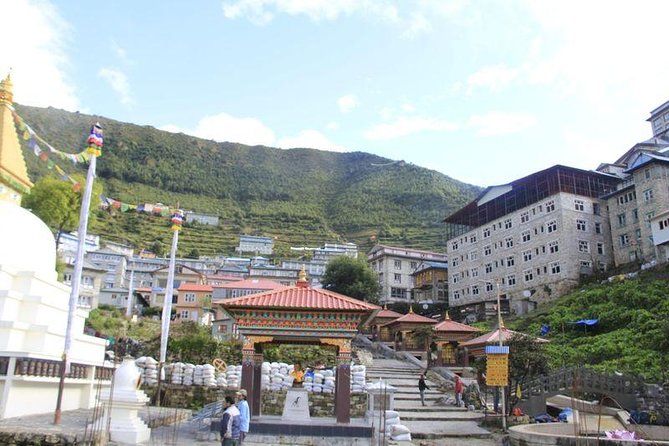
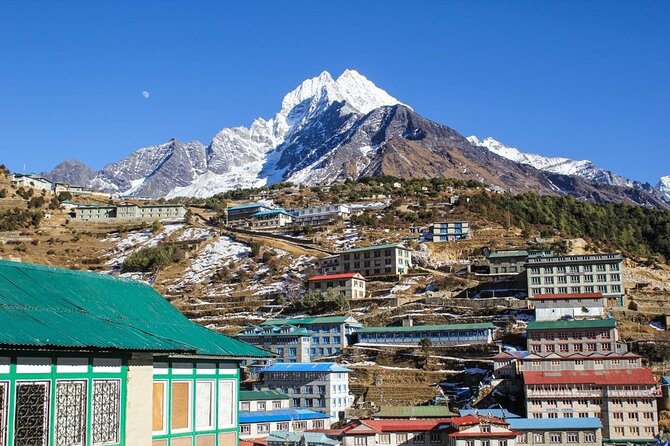
Day 2 targets Namche Bazaar at 3440m, and you’ll walk about 6 hours. The route follows the right bank of the Dudh Koshi, which is exactly the kind of geography that keeps the walk interesting: water and valleys on one side, steep walls and views on the other.
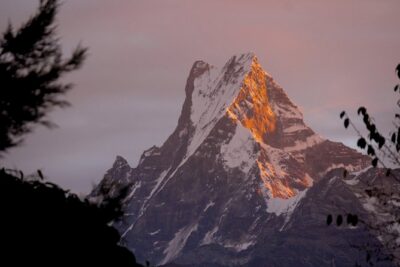
You’ll see Thamserku towering across the river. This is where the scenery starts feeling like more than postcards, because the mountains keep changing shape as you gain elevation and the angle to the peaks shifts.
What I like about this stage: Namche is both a cultural hub and a height marker. You’re not just moving upward—you’re stepping into the main Sherpa town of the Everest region, with lots of chances to get your bearings and figure out what feels comfortable.
Namche to Tyangboche: Cliffs, Forest, and the First Big Atmosphere
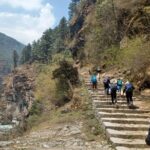
On Day 3, you trek about 5 hours to Tyangboche (3867m) after breakfast in Namche. The trail trends forward and includes a steep section where the path drops toward the Dudh Kosi. That kind of terrain is a reminder that this is a mountain trail, not a flat hike.
Tyangboche is a key altitude waypoint and a popular viewpoint stop. From here, the mountain atmosphere changes again—cooler air, sharper views, and that “Khumbu feeling” where every turn can show you something new.
A balanced takeaway: Tyangboche can be windy and cold early. If you tend to get stiff, bring layers you can take on and off without fighting your pack.
Tyangboche to Dingboche: Rhododendron, Then the Imja Khola Bridge
Day 4 is another about 5 hours, climbing to Dingboche (4260m). You’ll descend through a rhododendron forest toward Deboche, then cross a suspension bridge at Imja Khola.
Those bridge crossings are more than a photo stop. They force you to slow down, look where you’re stepping, and keep your breathing steady—good habits when altitude starts taking a little more work.
Dingboche sits at a higher altitude than Namche and Tyangboche, so this is where your body may start asking for a slower pace. It’s smart to keep your breathing calm and your efforts steady, especially on the sections that feel deceptively manageable.
Dingboche to Lobuche: The Long Pull Toward Gorakshep
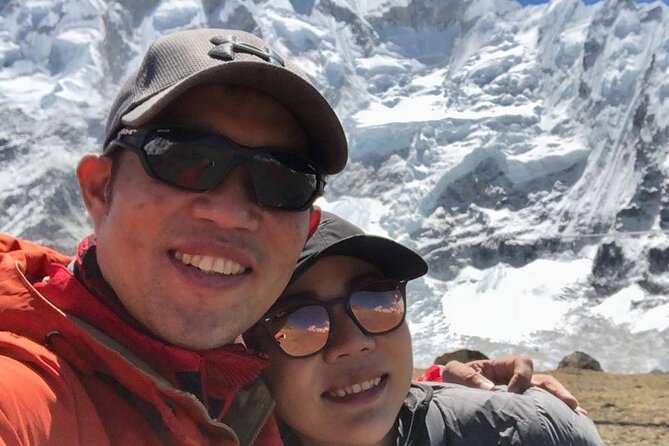
Day 5 takes you onward to Lobuche (with a walk time around 5 to 5.5 hours). The trail is described as gentle up to Pheriche along the way, which helps break up the climb into more digestible segments.
Then you continue toward Lobuche, a stepping-stone for the push to Gorakshep and base camp. This is the day where you’ll start to feel the Everest region getting more “glacier and rock” than “village and forest.”
A consideration here: the nights get colder as you go higher. Tea houses can be warm inside, but you’ll still want a plan for cold feet and cold hands.
Gorakshep to Everest Base Camp: Rocky Paths and Glacier Country
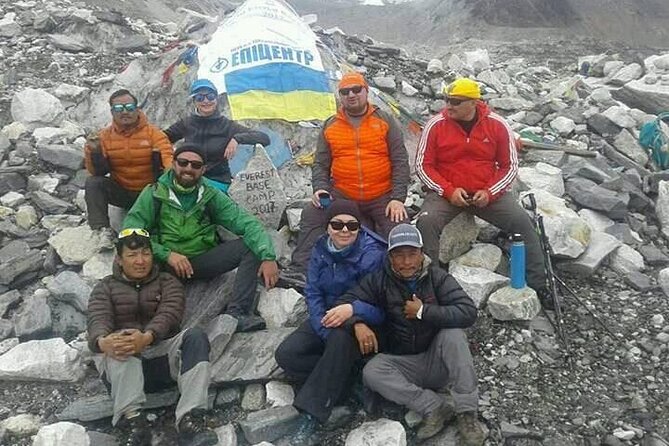
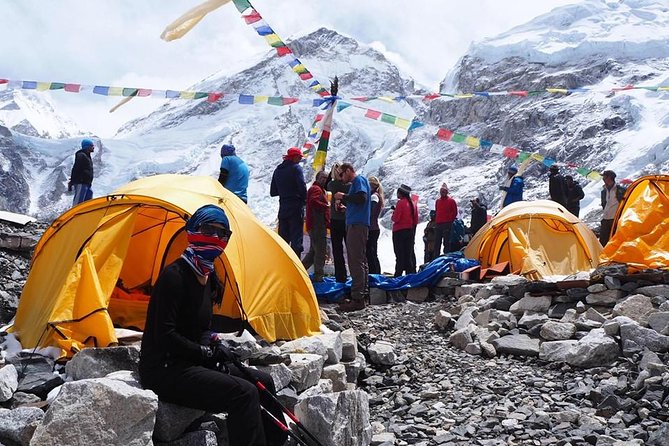
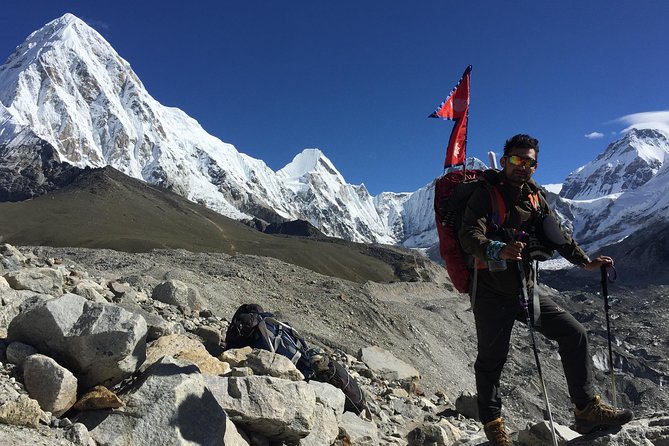
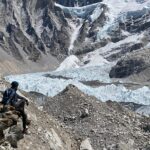
Day 6 is your big day to reach Everest Base Camp via Gorakshep (5140m). Plan for about 8 hours of trekking, and expect a rocky path and Khumbu glacier terrain in your day.
This is where the trekking becomes intense, not just because of time, but because the footing and terrain are more demanding. You’re also closer to the base camp goal, so there’s a psychological push to rush—try not to.
The reward is what you came for: Everest Base Camp is the anchor point at 5364m. You’ll be walking into the place that legends and expeditions orbit every season.
Kala Patthar and Pheriche: Sunrise Views, Then a Come-Down
Day 7 includes two parts. First you go from Gorakshep to Kala Patthar (5545m), and then you trek to Pheriche (4243m). The schedule is about 7 hours total, with early morning timing to catch sunrise.
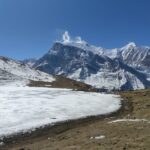
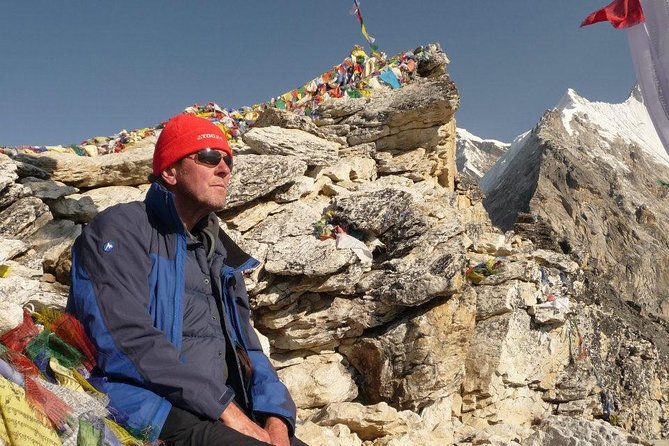
Kala Patthar is often the best “wow” moment of an Everest Base Camp trek because of the height. The route is built around a pre-dawn climb so you can catch the early light, with views of peaks like Everest and Pumori noted in the tour description.
One practical tip: sunrise days can feel shorter than they are because you’re waking early and moving fast. Eat what you can, stay hydrated, and dress as if you’ll feel colder than you expect at first.
The Return: Tyangboche Back to Namche, Then Lukla
Day 8 brings you back down toward Namche Bazaar (3440m) in about 4.5 hours, with stops along the way that include traditional villages such as Khumjung and other nearby communities. The return loop is not just repetition—it’s your chance to see how the valley shapes itself from a different angle once you’re moving down.
Day 9 is your walk from Namche to Lukla, about 7 hours. You’ll have lunch served en route and then arrive to rest at a tea house lodge overnight. This day can feel surprisingly emotional. After days of climbing, your body may be tired but also proud of what it just did.
Finally, Day 10 you take an early flight from Lukla to Kathmandu. Once you land, you’re received and transferred to your hotel, and the tour includes a farewell dinner at Bhojan Griha.
What You’re Paying For: The $1,400 Value Check
At $1,400 per person, the value depends on what you personally want to avoid. This price covers a lot of the “big ticket” items that usually balloon when you plan independently.
Included items you should care about:
- Flight fare for Kathmandu–Lukla–Kathmandu plus domestic airport tax
- Domestic hotel/airport transfers by private vehicle
- Tea house/lodge accommodations during the trek
- A guide (experienced, English speaking) plus the guide and porter support costs
- Trekking permits and government taxes/service charges
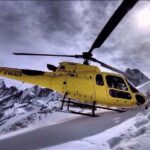
- An emergency helicopter arrangement that is paid by your travel insurance company
- A farewell dinner on the last evening
What’s not included:
- Standard meals during the trek (breakfast, lunch, dinner)
- Personal trekking equipment
- Travel insurance for high-altitude rescue/evacuation
- Tips for guide and porter (tipping is expected)
- Porters are available at extra cost (not automatic for everyone)
So the trade-off is clear. You’re buying convenience, planning, and support. If you already know you’ll want tea house comforts and a guide to handle permits and pacing, the package makes sense. If you’re the kind of traveler who likes total DIY freedom, you’ll need to weigh whether paying for those protections is worth it for you.
Guides, Pace, and Why Evening Planning Helps
Good guides make a huge difference on this kind of trek, because they help you keep a consistent pace. Past groups tied to this route have praised guides such as Mohan and AJ for explaining the daily plan and keeping everyone coordinated. Others highlighted Padam dai and Anjan for guidance that felt patient and health-focused.
In practical terms, what that means for you is simple: you should expect the guide to lay out what to do each day and help you understand what the walking will feel like. On Everest treks, that matters as much as the views.
Also, with a maximum group size of 15, you’ll likely have enough space to ask questions without feeling like you’re in a cattle chute. If you like a calmer trail experience, this fits.
What This Trek Is Like Day by Day (So You Can Self-Select)
Here’s how the experience typically feels across the full 10 days, in plain terms:
- Day 1: Fly to Lukla, then a steady first trek to Phakding in about 3.5 hours. Good day to settle in, not to smash your legs.
- Day 2: About 6 hours to Namche Bazaar at 3440m, following the Dudh Koshi and getting your first big town rhythm.
- Day 3: About 5 hours to Tyangboche at 3867m, with cliffy terrain and the start of colder mountain air.
- Day 4: About 5 hours to Dingboche at 4260m, including rhododendron forest descent and the Imja Khola suspension bridge.
- Day 5: About 5 to 5.5 hours toward Lobuche, with a gentle up to Pheriche mentioned on the route.
- Day 6: About 8 hours to reach Everest Base Camp via Gorakshep, with rocky footing and glacier country.
- Day 7: Early climb to Kala Patthar (5545m) for sunrise, then trek to Pheriche (4243m) in about 7 hours.
- Day 8: About 4.5 hours down to Namche, with village stops like Khumjung.
- Day 9: About 7 hours from Namche to Lukla, lunch included, then a rest night at a tea house.
- Day 10: Early flight to Kathmandu and a farewell dinner.
If your goal is Everest Base Camp with less time, this schedule can work well. If your goal is a slow, leisurely trek with minimal long days, you might find the pace demanding.
Who Should Book This Short Everest Base Camp Trek
This is a strong choice for you if:
- You want Everest Base Camp without a long multi-week itinerary
- You’re comfortable with day hiking and rising altitude across successive villages
- You prefer tea-house lodging and a guided plan
- You’d like a small group (max 15) rather than a huge crowd
It might not be your best match if:
- You’re not yet confident with steep, long walking days
- You want every meal included in the price
- You dislike cold mornings and early starts (sunrise at Kala Patthar is part of the plan)
Fitness isn’t just a buzzword here. The tour explicitly calls for strong physical fitness, and the day durations show why.
Should You Book This Short Everest Base Camp Trek?
I’d tell you to book it if you want a structured, supported route that gets you to Everest Base Camp and the high viewpoint at Kala Patthar in about 10 days. The included flights to Lukla, permits, guide support, and tea-house lodging are the big reasons this feels like good value rather than just a “budget” price tag.
Before you commit, do two quick checks:
1) Make sure you can handle long walking days and early-morning starts without bargaining with your body.
2) Confirm your meal budget and your insurance plan for high-altitude rescue and evacuation, since those aren’t included.
If you want an Everest trip that stays focused on the trail goal—rather than admin chaos—this one fits.
FAQ
How long is the Everest Base Camp trek?
The trek is listed as 10 days approximately.
Where does the experience start?
It starts in Kathmandu, Nepal, with pickup offered and a stated start time of 6:15am. You then fly to Lukla to begin the trekking.
What is included in the price?
The price includes domestic hotel/airport transfers by private vehicle, flights for Kathmandu–Lukla–Kathmandu with domestic airport tax, tea-house/lodge accommodations during the trek, the trekking guide (English speaking) and his expenses, necessary trekking permits, and government taxes and official charges. It also includes an emergency helicopter service arrangement paid by your travel insurance company.
Are meals included during the trek?
No. Standard meals (breakfast, lunch, and dinner) during the trek are not included.
Do I get a porter?
Porters are available at an extra cost (not included automatically). The info provided says 1 porter for 2 people.
How large is the group?
The maximum group size is 15 travelers.
What kind of guide do I get?
You get one trekking guide who is experienced, English speaking, and well trained. The guide’s expenses, equipment, and support are included.
Is travel insurance required?
The tour notes that travel insurance covering emergency high-altitude rescue and evacuation is not included. Also, helicopter service is arranged and will be paid by your travel insurance company.
What about tips?
Tips for the guide and porter are expected.
Can I cancel for a full refund?
Yes, free cancellation is offered. You can cancel up to 24 hours in advance for a full refund, and within 24 hours it’s not refunded.