REVIEW · KUTA
Mount Ijen Crater Trekking Tour from Bali
Book on Viator →Operated by PT.WAHYU MANDIRI TOUR · Bookable on Viator
Blue fire wakes up the midnight mountains. This overnight Mt Ijen trek from Bali has you crossing by ferry, then hiking to catch the crater’s blue flames in the dark, guided and kitted up for the conditions. I also like the small-group feel (maximum 10) because it keeps the experience focused and personal. The big drawback is simple: it’s a long, tough overnight journey that only makes sense if you’re ready for an early, steep-feeling hike and low sleep.
What makes this tour work well is the pacing: you’re not wandering on your own. You get hotel pickup, a safety briefing, a flashlight, and a gas mask, plus a local guide who’s used to getting people through the Ijen routine without panic. After the descent, you still get a real finish with lunch and a relaxed ride back toward Bali—after you’ve seen the crater up close.
In This Review
- Key Ijen Trek Takeaways
- Price and Logistics: What Your $153.85 Actually Buys
- Getting There by Ferry From Bali: Why the Overnight Plan Matters
- The Predawn Hike to the Summit: 3 km That Feels Like More
- Meet the Sulphur Miners: The Human Side of Ijen
- Inside Ijen Crater at Dawn: Blue Fire, Breakfast, and Photo Rules
- Safety and Gear: Don’t Treat the Mask Like a Souvenir
- Food and Timing: When You Eat, and When You Don’t
- Group Size and Your Guide: Helpful, But Not Perfect
- Return Ride Back to Bali: The End Feels Fast
- Who This Mt Ijen Overnight Tour Fits Best
- Should You Book This Mt Ijen Blue Fire Trek From Bali?
- FAQ
- What time does the Mt Ijen trek tour pick up from Bali?
- How long is the hike to the summit?
- Does the tour include breakfast and lunch?
- Are drinks included?
- What’s the minimum age for this tour?
- Is this tour safe if I have asthma or heart complaints?
- What happens if the blue fire weather is poor?
Key Ijen Trek Takeaways
- Blue fire depends on conditions: your best odds come from getting there before dawn.
- Small group, up to 10 people: less crowd pressure when the crater rules get strict.
- You’re cared for on the climb: safety briefing, flashlight, and gas mask are part of the plan.
- Sulphur miner scenes are unforgettable: traditional work and heavy loads put the volcano into human context.
- Meals are light but timed well: breakfast on the mountain, lunch after the return ride.
Price and Logistics: What Your $153.85 Actually Buys
At about $153.85 per person, you’re paying for more than a hike ticket. You’re buying a full overnight transport-and-guide package: hotel pickup in South Bali, ferry transfer to East Java, a local guide during the blue-fire trek, plus basic meals. You also get taxes/fees wrapped in, and the tour runs with a small group (maximum 10), not a busload.
The timeline is what makes or breaks value here. Pickup starts around 5:00 pm. Then you’re transferred to Gilimanuk Harbor for the ferry crossing. It’s a late-night schedule, with arrival in East Java around midnight, followed by a drive to the starting point. The actual hiking time to the summit is about 1 to 2 hours over roughly 3 km, but the full experience is closer to 23 hours end-to-end.
So, here’s the trade-off: you save money and hassle versus planning the trip alone, but you give up comfort and sleep. If you’re the type who hates long travel windows and predawn alarms, consider it a sign to skip this one.
You can also read our reviews of more tours and experiences in Kuta.
Getting There by Ferry From Bali: Why the Overnight Plan Matters
The core idea is timing. Mt Ijen’s famous look is tied to the hours around pre-dawn, when darkness helps the blue flames show. That’s why this tour starts late in Bali and pushes you into East Java after midnight.
Here’s your expected flow:
- Late afternoon pickup from selected South Bali areas (Kuta/Legian/Seminyak/Jimbaran/Nusa Dua).
- Transfer to Gilimanuk Harbor in West Bali.
- Ferry to East Java.
- Drive to the trek start point soon after arriving around midnight.
This overnight approach is valuable because it keeps you on a realistic schedule. You don’t have to gamble with day trips that miss the dark conditions. You also avoid the awkward middle ground of arriving too early and burning time you can’t use.
Possible downside: the ferry + late-night drives mean you’ll likely feel tired even before you start climbing. Bring a sweater and wear layers you can handle after you switch from “warm vehicle” to “cold air on the move.” The tour recommends long pants, sports shoes, and a sweater, along with gloves and a hat.
The Predawn Hike to the Summit: 3 km That Feels Like More
The route is described as about a 1-mile (3-km) climb to the summit, taking roughly 1 to 2 hours depending on pace and conditions. On paper, it’s short. In real life, the combination of darkness, altitude feel, uneven footing, and the need to move steadily can make it feel longer.
You’ll receive:
- A safety briefing
- Equipment including a flashlight and gas mask
What I like about this setup is that it reduces decision-making. You’re not trying to interpret trail signs in the dark. Your guide’s job is to keep the group moving at a workable rhythm and to enforce safety habits.
What to watch for: the tour data explicitly says Mt Ijen is extreme and you’ll need good stamina and a healthy condition. It also warns not to do this if you have heart complaints, asthma, or other serious medical conditions. That isn’t “optional caution.” It’s the reality of spending time in a place with heavy fumes and intense effort.
If you’re generally fit but sleep-deprived, take that seriously. A little fatigue makes foot placement and breath control tougher. The best time to train for this kind of hike is before you come—this tour even recommends exercise one day ahead.
Meet the Sulphur Miners: The Human Side of Ijen
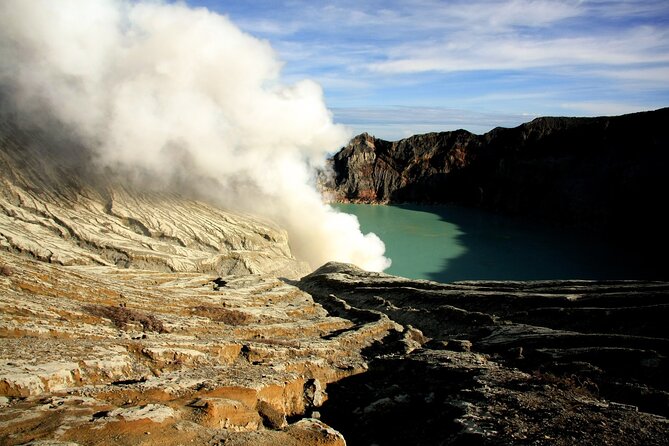
One of the most compelling parts is the way the trek connects the landscape to the people working it. En route, you get to interact with sulphur miners who carry heavy blocks of yellow sulphur—described as weighing 60–80 kg (132–176 pounds)—using bamboo pole baskets on their shoulders.
A detail that matters: miners in traditional setups may work without safety gear (as described for their methods). Seeing it from the trail gives you a grounded sense of why Ijen isn’t just a photo stop. It’s also a working environment where physical hardship is daily labor.
If you love authentic travel moments, this is the segment that turns the tour from scenery into meaning. You’re walking through the same world the miners pass through, at the same hour many visitors never see.
The main practical note: stay respectful and follow your guide’s instructions for movement and spacing. You’re there to observe the work and learn the rhythm, not to interfere.
Inside Ijen Crater at Dawn: Blue Fire, Breakfast, and Photo Rules
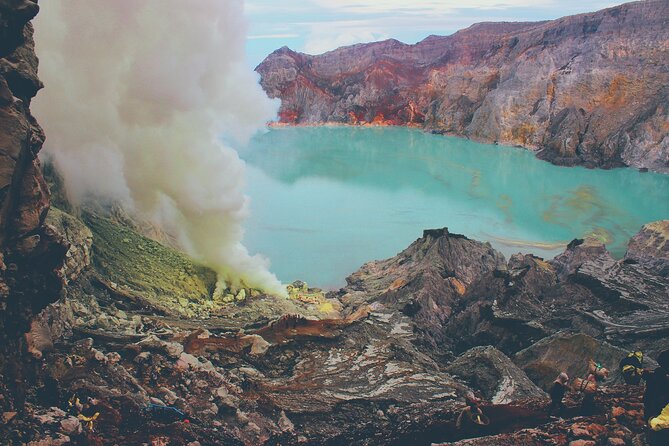
The headline moment is arriving at the summit before dawn to glimpse the blue fire. The tour notes that the blue flames are dependent on weather conditions, which is honest—and important. Even with the best planning, you can still get less-than-perfect visibility if conditions aren’t right.
Right after that:
- You stop for light breakfast at the mountaintop.
- Then you’re guided down for a closer look at the crater and for photo opportunities from the viewpoint.
This crater experience is about angles and timing. The tour also mentions Ijen Crater rules, including:
- Stay maximum 500 meters from the crater only
- Sport wear/hiking shoes, plus mask, jacket, and gloves
- Forbidden: throwing out rubbish, throwing cigarettes, and doing fireplace
The 500-meter rule is a big deal for how you experience the crater. It helps you manage risk around the acidic area, and it keeps the flow controlled. In practice, it means you won’t roam around freely for your own “perfect shot.” Plan to shoot from the assigned viewpoints and trust your guide to handle positioning.
What you’ll like here is the combination of:
- the eerie night-to-dawn atmosphere,
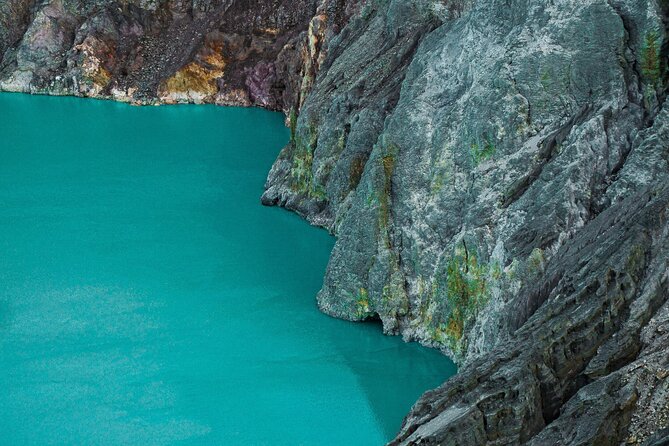
- the crater’s size (the tour describes it as Java’s largest acid lake),
- and the sense that you’re witnessing something rare rather than just taking a scenic walk.
Safety and Gear: Don’t Treat the Mask Like a Souvenir
Ijen has specific rules, and the tour is clear that you should prepare seriously. Recommended items include long pants, sports shoes, a sweater, gloves, and a hat. You’ll also be provided equipment like a gas mask and flashlight, but you should still dress like you expect wind and cool-to-chill temperatures.
Also take the health warnings literally:
- Not recommended for participants with heart complaints, asthma, or other serious medical conditions
- Minimum age is 16
- Not recommended for child aged 15 and under
- Bring a health certificate from a doctor, valid up to 3 days (the tour says they may bring you to a nearest doctor if you don’t have it)
That last part can surprise people, so it’s worth planning early. If you have any borderline condition, don’t wing it. Ask your doctor, get the paperwork, and then decide.
One more rule that’s easy to overlook: the tour mentions the crater is closed on the first Friday of the month for cleaning. If your travel dates land on that schedule, you’ll want to adjust plans before you book.
Food and Timing: When You Eat, and When You Don’t
You get:
- Light breakfast (on the mountain)
- Lunch (Balinese food at a local restaurant after the return)
You do not get dinner, and drinks are not included. That means you should plan your hydration and your evening snack strategy around what the schedule provides. If you tend to get headachy without water, treat water like a priority—because once you’re moving, it’s not the kind of hike you casually pause for.
Timing-wise, it’s built well for the effort. Breakfast right at the mountain is useful because you’ll be climbing, then needing fuel for the continued crater time and descent.
Group Size and Your Guide: Helpful, But Not Perfect
This is capped at 10 travelers, which is a practical advantage. You’re less likely to feel like you’re in a line of people, and there’s more chance your guide can keep an eye on how everyone is doing.
From what you can expect about service style: there’s usually a strong emphasis on safety and staying together. The tour includes a driver who doubles as a guide during the Bali-to-Banyuwangi portion, and you’ll have a local guide during the blue-fire portion.
One potential snag is that the group sometimes needs to wait briefly before leaving, such as when pickups need to align so the group can depart together. That’s normal logistics, not a deal-breaker, but it does mean you should not plan tight connections right after.
Return Ride Back to Bali: The End Feels Fast
After the crater segment and descent, the tour has you transfer to Banyuwangi Harbor for the late morning ferry back to Bali. You’ll then have lunch and get dropped off at your hotel in the afternoon.
This “finish” matters because you may be mentally spent. The crater walk is the emotional peak, and the descent is the physical challenge. The return schedule gives you food and transport so you’re not stuck figuring out the next step while exhausted.
Who This Mt Ijen Overnight Tour Fits Best
This is best for you if:
- You’re comfortable with an overnight schedule and late pickup
- You have a decent fitness level for a hard climb and descent
- You want a guided, safe route with the equipment handled
- You care about the blue fire moment and understand it’s weather-dependent
- You’re curious about the miners and want to see Ijen as a working place, not just a viewpoint
It’s not a great match if:
- You’re sensitive to long travel days and very early hiking
- You have respiratory or heart conditions (the tour specifically warns against these)
- You’re looking for a relaxed, casual walk
If you’re traveling with limited stamina or you’re unsure, ask yourself a blunt question: would you still go if you were arriving tired and hiking in the dark? If the answer is no, pick a different experience in East Java or Bali.
Should You Book This Mt Ijen Blue Fire Trek From Bali?
Book it if you want the full Mt Ijen package: ferry logistics solved, guide support included, and a real attempt at seeing the blue flames at the right hour. The small group size and the fact that you get safety gear and briefings are meaningful value for a trip that’s physically demanding.
Don’t book it if you can’t handle the overnight grind or if health concerns apply. This tour is explicit about not being suitable for certain medical conditions, and you should treat that warning as a hard stop—not advice you can soften.
If you do book, prepare like the hike matters because it does. Wear the recommended layers, bring your own gloves and meds as advised, and take the crater rules seriously. Do that, and you’ll walk away with a rare, early-morning story that feels bigger than a standard sightseeing day.
FAQ
What time does the Mt Ijen trek tour pick up from Bali?
The tour starts with pickup in the late afternoon, with a start time noted as 5:00 pm. Your exact pickup time is confirmed after reconfirmation.
How long is the hike to the summit?
The route to the summit is about 3 km and takes roughly 1 to 2 hours, depending on the pace and conditions.
Does the tour include breakfast and lunch?
Yes. You’ll have a light breakfast and lunch is included. Dinner is not included.
Are drinks included?
No. Drinks are not included.
What’s the minimum age for this tour?
The minimum age is 16 years. It is not recommended for children aged 15 and under.
Is this tour safe if I have asthma or heart complaints?
It is not recommended for participants with heart complaints, asthma, or other serious medical conditions.
What happens if the blue fire weather is poor?
Mount Ijen is weather dependent for this activity. If it’s canceled due to poor weather, you’ll be offered a different date or a full refund.