REVIEW · AREQUIPA
From Arequipa: 2-Day Colca Canyon Trekking Tour
Book on GetYourGuide →Operated by Best Trips Peru · Bookable on GetYourGuide
Waking up at 3 a.m. pays off here. This 2-day hike drops you into one of the world’s deepest canyons, with Andean condor viewing at Cruz del Cóndor and an overnight at Sangalle Oasis. You’re not just seeing Colca—you’re walking through it.
I especially love the professional guides who bring the canyon to life with flora and fauna talk as you descend and climb. Guides like Tonny, Rafael, and Carlos are repeatedly highlighted for knowledge, humor, and keeping the group on track. I also love the end-of-trip recovery: the hot springs at Chacapi are a real leg-saver after a tough ascent.
The main drawback is simple: the second day is no joke. Even with a guided pace, you’ll be climbing for about 3 hours (often described as very steep), so you’ll want a solid fitness base before you book.
In This Review
- Colca Canyon Trek: the key moments you’ll remember
- Why this tour starts before sunrise in Arequipa
- Cruz del Cóndor: condors, canyon depth, and photo stops that actually work
- The descent begins at 9:39 a.m.: San Juan Valley and riverbank pacing
- Day one’s final push to Sangalle Oasis
- Night at Sangalle: rest time, pool time, and the value of recovery
- Day two: the early steep climb to Cabanaconde
- Viewpoints and hot springs on the way back to Arequipa
- Price and value: what the $30 reservation really turns into
- Who this trek fits (and who should skip it)
- What to pack: small items that save your day
- Should you book this Colca Canyon 2-day trek?
- FAQ
- What time do they pick you up in Arequipa?
- How long is the trek and what distance do you walk?
- When do you start descending toward the San Juan Valley?
- Is the Sangalle Oasis accommodation included?
- Are meals included?
- Do you include entrance tickets for the canyon and hot springs?
- What kind of groups and languages are offered?
Colca Canyon Trek: the key moments you’ll remember
- 3:00–3:30 a.m. pickup from your Arequipa hotel, followed by a bus ride into the canyon area
- Cruz del Cóndor for iconic views and your best shot at soaring Andean condors
- San Juan Valley lunch and riverbank scenery after the long descent starts at 9:39 a.m.
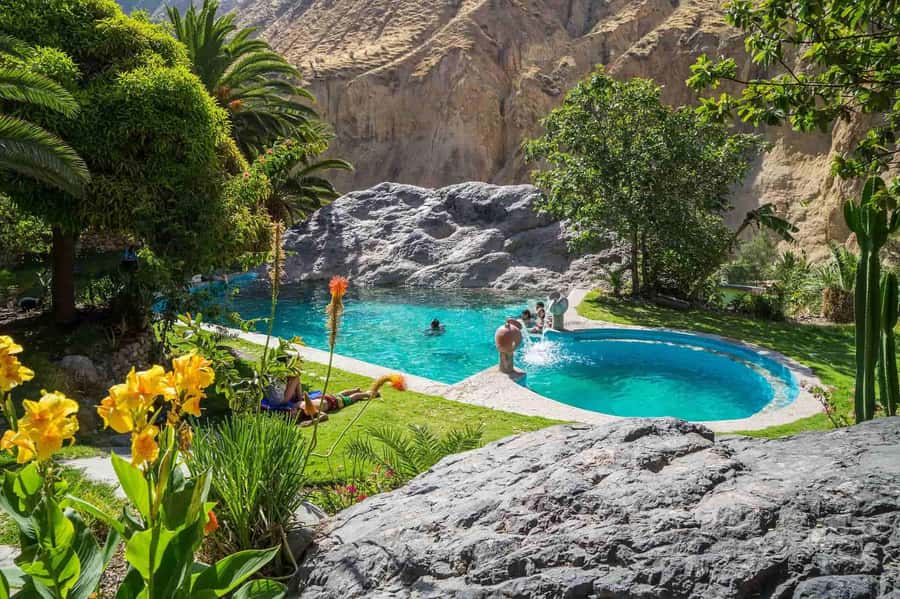
- Sangalle Oasis stay with dinner, a pool area, and time to relax before the climb back up
- Chacapi hot springs on the return route to ease sore calves and thighs
- Aguada Blanca Reserve stop for South American camelids (like llamas, alpacas, and vicuñas)
Why this tour starts before sunrise in Arequipa
The day begins brutally early: pickup from your hotel is between 3:00 and 3:30 a.m. Then you board a tourist bus and head toward the Colca Canyon area. There’s a breakfast stop en route, which matters because you’ll start moving long before most people have even rolled out of bed.
This early departure isn’t random—it sets you up for a better day of canyon time and a key viewpoint stop before crowds. Also, because the hike involves big elevation changes, you want cooler morning temperatures and more daylight for your descent and canyon navigation.
One more practical note: you’re in a small group (limited to 11 participants), so the pace feels human rather than industrial. Still, you should treat it like real hiking, not a stroll.
You can also read our reviews of more tours and experiences in Arequipa.
Cruz del Cóndor: condors, canyon depth, and photo stops that actually work
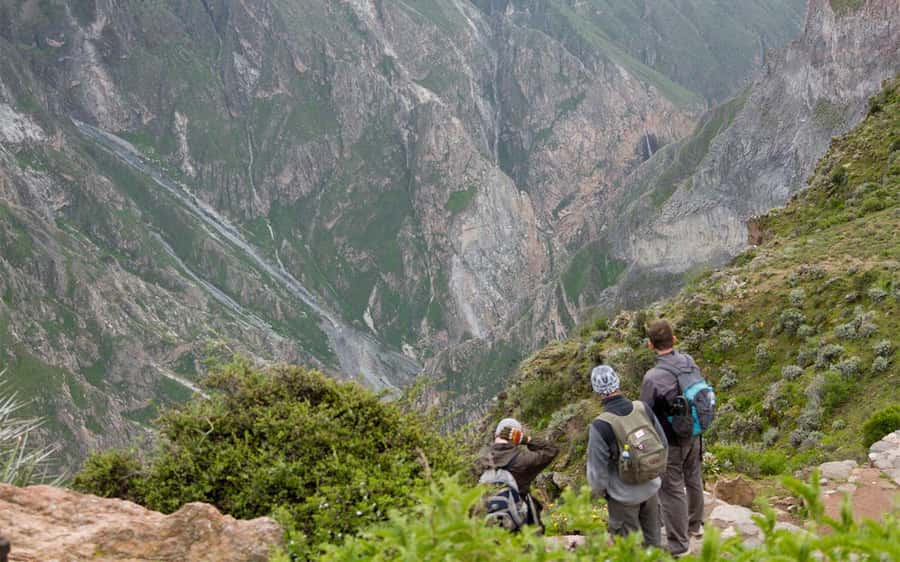
After breakfast, the first big hit is Mirador Cruz del Cóndor. You stop for a guided visit and photos, and the focus is the same for everyone: the canyon depth and the chance to see the Andean condor in flight.
This viewpoint is famous for a reason. From here, you get that “how is this so deep?” perspective, and you also get the best window for condors using the thermal air currents. The tour schedule gives you time to enjoy the view rather than just snapping and sprinting.
The biggest tip I can give you: stand where your guide suggests and wait a minute longer than you think you need. Condors aren’t a guaranteed drive-by. When they do appear, the moment hits hard—in a good way.
The descent begins at 9:39 a.m.: San Juan Valley and riverbank pacing
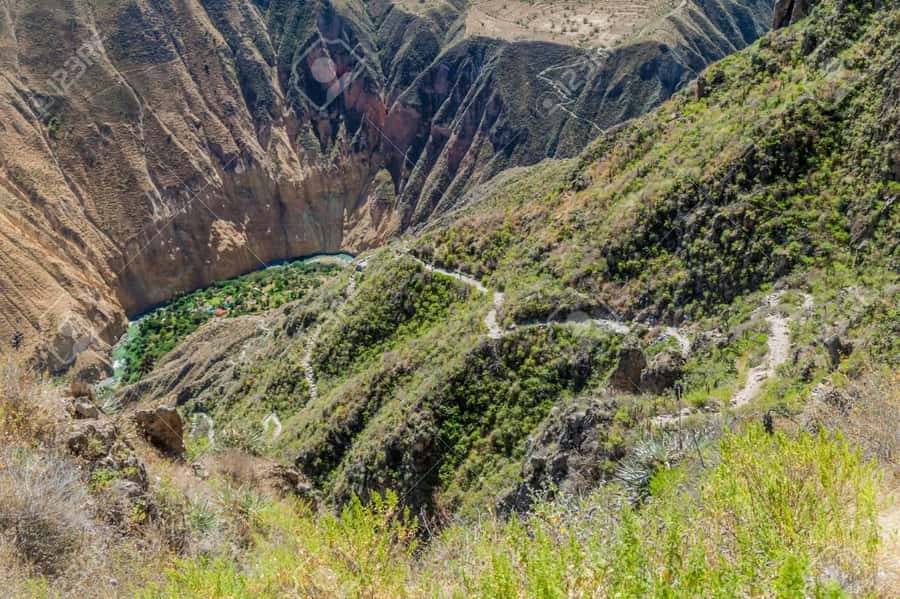
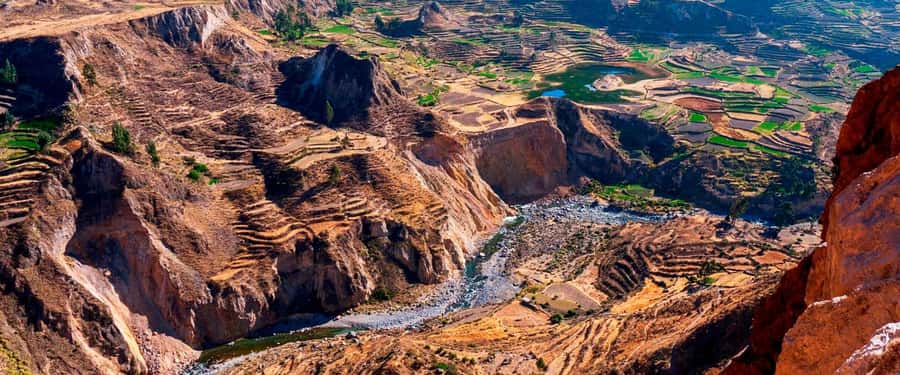
Once you reach the start of the walk, the itinerary turns into a steady, long descent. You begin descending around 9:39 a.m., aiming for the San Juan Valley on the banks of the Colca River.
About three hours later, you arrive in San Juan Valley for lunch and time to soak in the canyon setting. This is a smart pause in the middle of a demanding day. It also helps you break the hike into something manageable: descend, refuel, then descend some more.
The first day is often described as mostly going down. That matters because your legs feel different on the way down than they do on the way up. You’ll still work, but the tension in your body is more about controlling your pace than powering uphill.
If you’re sensitive to altitude or exertion, take it slow at this stage. The canyon is stunning, but your goal is to finish day one feeling okay—not wrecked.
Day one’s final push to Sangalle Oasis
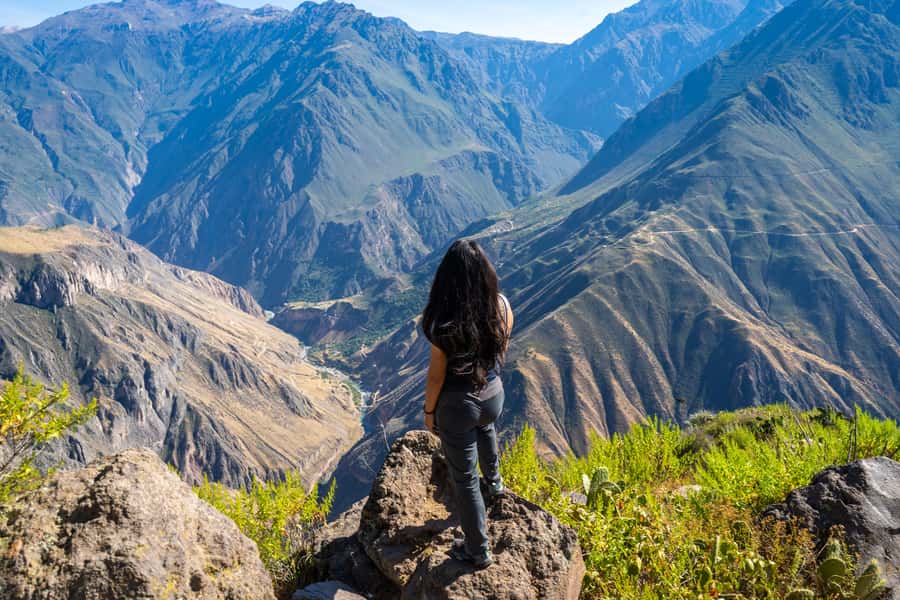
After lunch, you continue hiking for about three more hours through the depths of the canyon until you reach Sangalle Oasis. This stretch is where your effort starts to feel real, especially if you’re going faster than your body wants to go.
The arrival is the reward. Sangalle Oasis is described as paradisiacal, and you also get access to an accommodation area with a pool plus time to relax. Dinner is included through the tour’s on-the-ground payment setup, and then you settle in for the night so you can face the ascent the next morning.
A few practical details worth planning for:
- Bring towel if you plan to use showers or the pool; some stops may not provide one.
- You may find hot water available, but that’s not consistent across every stay. Plan for cold-sober reality and you won’t be disappointed.
This is also a good moment to eat something and rehydrate early. Don’t wait until your body complains.
Night at Sangalle: rest time, pool time, and the value of recovery
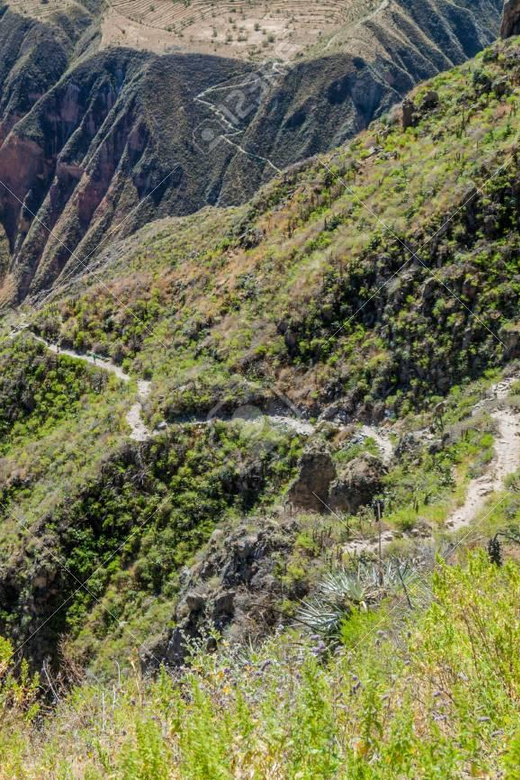
The overnight at Sangalle is one of the standout parts of the tour because it changes the experience from day trip to real trek. You’re not only descending into Colca—you’re living at the bottom for long enough to feel the place rather than racing through it.
The schedule gives you evening time at the oasis, including dinner and downtime. Some people even highlight the relaxing vibe and the chance to cool off after the walk. There’s also mention of a bar and wifi depending on conditions, which is useful if you want to send a message or just decompress.
One small drawback: rooms and facilities can be basic. In some cases, people note the need for your own items like toilet paper or that showers aren’t always as comfortable as you’d hope after a hard day. That’s why I think it’s smart to pack like you’re camping with better views.
If you want to wake up for the second day feeling as human as possible, sleep early. You’ll be climbing in the dark or near-dark.
Day two: the early steep climb to Cabanaconde
The second day starts very early. The tour describes an early ascent from Sangalle Oasis to the town of Cabanaconde, with about 3 hours of uphill hiking. Some timing notes from the experience mention early starts like 4:30 a.m., which means you may begin before full daylight.
This is the day where the tour earns its respect. Even if day one felt tough, day two is often described as almost straight up. Reviews commonly reference an ascent of around 1,000m to 1,100m, so you’re going from “scenery” mode to “legs and lungs” mode.
Two practical tips that can make this day dramatically easier:
- If you can, use trekking poles or bamboo sticks. There’s mention of renting bamboo sticks at the start in San Miguel for around 5 SOL per stick.
- Bring a flashlight if you have one. Some hikers used phone lights, which works, but it’s clunky and not ideal.
You’ll still get breaks, and your guide will keep pushing the group with encouragement and pacing. Guides like Alex, Fernando, Luigi Ormachea, and Rafael are praised for this kind of support—helping you keep moving without turning it into a survival march.
When you finally reach Cabanaconde, you get breakfast and a chance to regroup before you ride back to Arequipa.
Viewpoints and hot springs on the way back to Arequipa
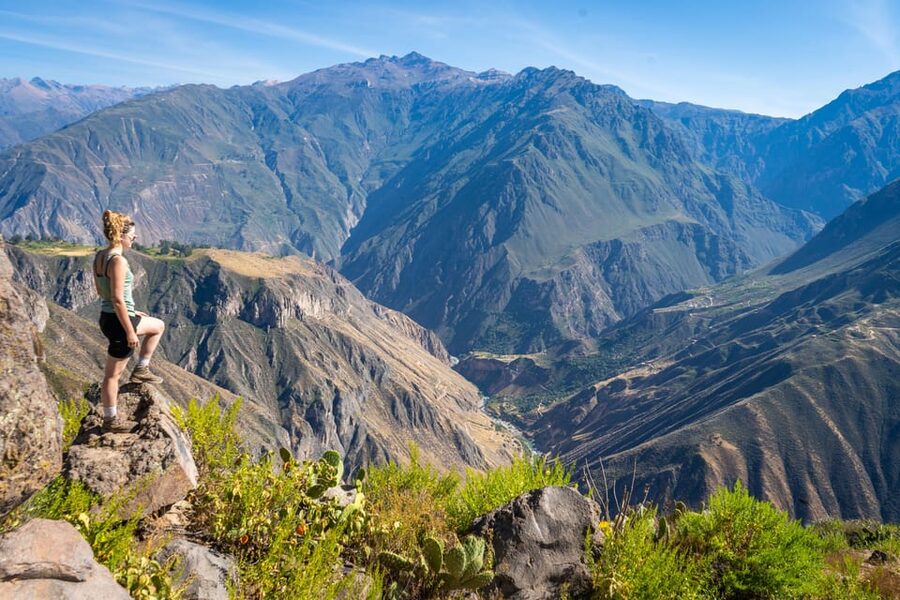
The return isn’t just a bus ride. It’s built around stops that help justify the early start by giving you extra scenery, culture, and leg relief.
Key stops include:
- Antahuilque Viewpoint: pre-Inca terraces of the Colca Valley. It’s a quick cultural moment that helps you connect the canyon to long human history.
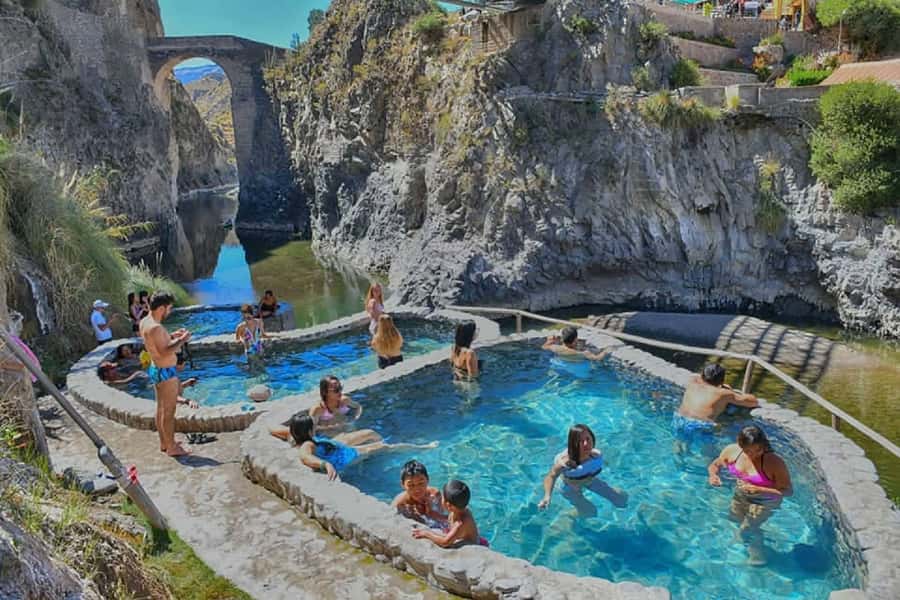
- Chacapi Hot Springs: a major recovery stop. You’ll have time to relax your legs here, and some people also mention a cold plunge option.
- Chivay: a break for lunch plus a visit stop. This also helps you reset before the final viewpoints.
- Volcano viewpoint: you’ll get a higher look and a different kind of terrain perspective.
- Salt flats and Aguada Blanca Reserve: a chance to spot camelids like llamas, alpacas, and vicuñas.
The tour typically finishes around 5:30 p.m., returning you to an address near the Plaza de Arequipa area.
This return route is a smart value play. You get multiple stops without needing to plan anything yourself, and you get that crucial “my legs are tired” moment solved with hot water.
Price and value: what the $30 reservation really turns into
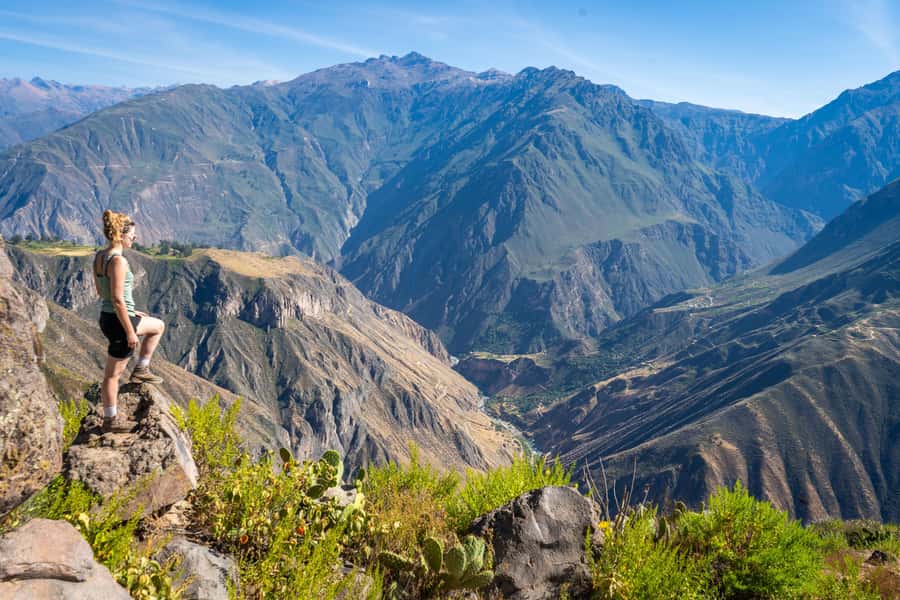
The listed price is $30 per person, but the tour info also notes what happens next. The reservation is basically the booking deposit. The guide then collects an additional payment on the ground—stated as $100 (350 soles) to cover food, entrance fees for the Colca Canyon, and entrance to the hot springs. The message also mentions that with the $95 payment, everything is included, so plan around the idea that you’ll pay roughly that range in cash.
So is it worth it? For me, the value comes from three things:
- Logistics: early pickup, transport, and guided hiking with a small group.
- Overnight at Sangalle: you’re paying for real time in the canyon, not just an out-and-back hike.
- Access and recovery: canyon entrance and hot springs are part of the experience, and the hot springs stop is genuinely useful after two big days of effort.
If you were doing this completely on your own, you’d spend time piecing together buses, permits/entries, and the bottom-of-canyon logistics. Here, you pay to avoid that headache.
The one cost-related thing I’d underline: bring cash in soles or dollars for the guide payment. Multiple details point to cash being required.
Who this trek fits (and who should skip it)
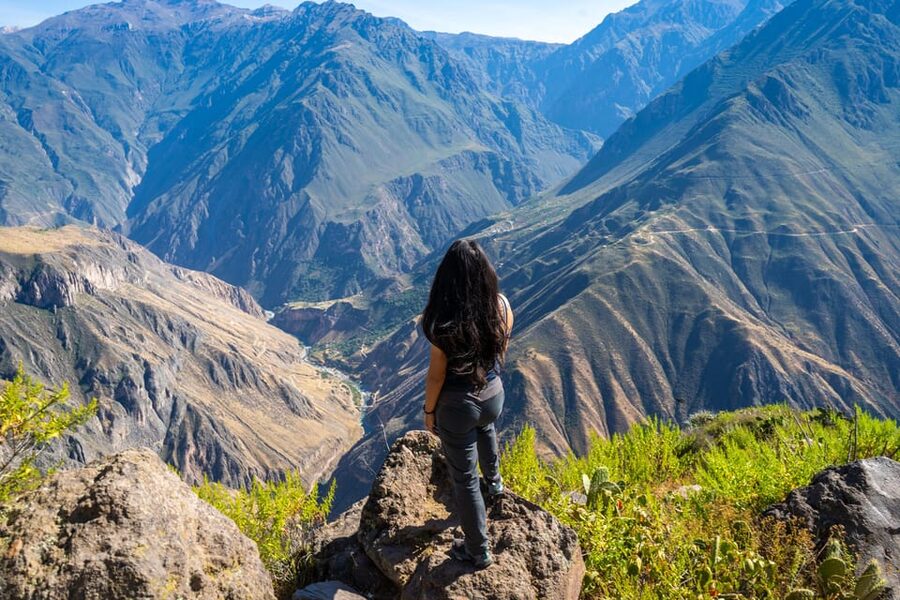
This is for people who want the real Colca Canyon, not just a view.
It’s not suitable for children under 15, wheelchair users, people with vertigo, those with heart problems, high blood pressure, low fitness, or anyone prone to altitude sickness. It’s also not listed as suitable for people over 55.
Even if you’re within the age range, be honest with yourself about fitness. You’ll walk about 24 kilometers up and downhill, and the elevation effort is big enough that people often recommend training beforehand.
That said, it’s not only for elite athletes. Many people describe it as challenging but manageable if you exercise regularly. If you’ve hiked before and you know how to pace yourself, this will feel like a serious achievement.
If you’re the type who enjoys learning as you go—plants, animals, and local canyon life—this tour’s guide-led approach is a plus. Several guides are praised for explaining the canyon’s natural and cultural details as you move.
What to pack: small items that save your day
Because you’re hiking long hours in a canyon and then sleeping at the bottom, your packing list matters.
Bring:
- Trekking poles or plan to rent bamboo sticks (helpful for the steep stretches)
- Flashlight if you start early in the dark on day two
- Cash for the guide’s on-the-ground payment in soles or dollars
- A towel for showers/pool time at Sangalle (some stays may not provide one)
- Toilet paper just in case, since some accommodation setups have been described as lacking basics
- Comfortable hiking shoes you trust
Also, pack a realistic attitude: day one can still be tiring, and day two is the leg test.
Should you book this Colca Canyon 2-day trek?
I’d book it if you want organized access to Colca with real hiking time, a genuine payoff in condor-viewing moments, and a bottom-of-canyon overnight that turns the trip into something more than a photo stop. The combination of guided nature/culture talk, Sangalle Oasis relaxation, and Chacapi hot springs makes the format feel balanced rather than exhausting.
I wouldn’t book it if steep climbs will scare you, if you have any medical limitations listed for the tour, or if you’re not prepared for an early-start, two-day effort with big elevation change.
If you can hike uphill for hours and you’re willing to pay attention to pacing, this tour is a solid way to earn one of Peru’s most dramatic canyon views—on foot.
FAQ
What time do they pick you up in Arequipa?
Pickup is from your hotel between 3:00 and 3:30 in the morning.
How long is the trek and what distance do you walk?
It’s a 2-day tour, and you will walk about 24 kilometers up and downhill.
When do you start descending toward the San Juan Valley?
The tour information states that you begin descending at 9:39 a.m.
Is the Sangalle Oasis accommodation included?
The listing says accommodation at Sangalle Oasis is not included, but the tour information also says the accommodation at Sangalle Oasis (booked) is part of what you’ll cover through the on-the-ground payment.
Are meals included?
Meals are not listed as included, but the guide collects a separate cash payment (stated as $100 / 350 soles) to cover food.
Do you include entrance tickets for the canyon and hot springs?
Entrance tickets for the Colca Canyon and hot springs are not listed as included, and they are described as being covered by the guide’s on-the-ground cash payment.
What kind of groups and languages are offered?
The group is small (limited to 11 participants). The tour guide is English (with English-Spanish noted in the information).