REVIEW · SA PA
From Sapa : 1 Day Amazing Sapa Trek To Terrace rice field
Book on GetYourGuide →Operated by Vietnam Vacations Travel · Bookable on GetYourGuide
Sapa is famous for views, but this day trek is about daily life. Starting with a hotel pickup and ending back in town, you walk from Sapa into working terrace country and learn what life looks like from the inside. It’s an easy-to-book way to see terraced fields and meet the people whose routines shape the scenery.
I love how the trek isn’t just scenery. You get a guided walk that focuses on ethnic life and how locals live, build, and work around the farms, with your guide explaining local customs along the way. I also like that lunch is included, so you’re not forced into random snack-mode halfway through the day.
One heads-up: the path can be muddy and slippery, especially in rainy periods and on steep bits. Expect it to be real walking time, and you’ll likely get dirty at least a little.
In This Review
- Quick hits you’ll feel on this trek
- Entering Sapa Town: the start that sets the tone
- Trekking out of town onto working terraces
- Lao Chai Village: when the trek turns personal
- Terrace-by-terrace walking and a waterfall pause
- Lunch with local foods: fuel that keeps the day on track
- The downhill feeling and the shuttle ride back to Sapa
- Price and value: what $22 actually covers
- Small group pace: why it feels human
- Fitness, weather, and what to pack for muddy terrace trails
- Who this one-day Sapa trek is best for
- Should you book this trek?
- FAQ
- How long is the trek?
- What time does the pickup happen in Sapa?
- Does the tour include lunch?
- How big is the group?
- Is the guide English-speaking?
- Is there free cancellation?
Quick hits you’ll feel on this trek
- Small group (up to 10) keeps the pace human and the guide’s attention practical
- Village-to-terrace route means you see more than just postcard rice fields
- Local English-speaking ethnic guide can turn photo stops into real understanding
- About 10 km of walking gives you a proper trek day without being an all-day marathon
- Lunch with local foods keeps the day connected to what people actually eat
- A shuttle back to Sapa makes the timing work even if the trek shifts mostly downhill
Entering Sapa Town: the start that sets the tone
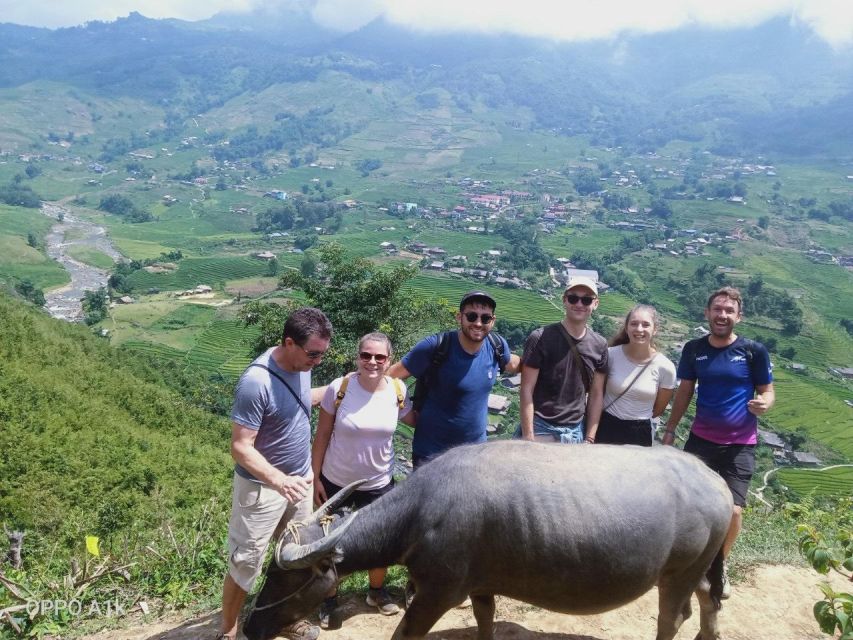
Most one-day treks in Sapa start on a road outside town and skip the real “here’s how people live” part. This one begins right with pickup in Sapa town, then you start walking through the town itself. You’ll get a first look at the daily rhythm—plus the architecture and everyday details that explain why the villages matter as much as the rice terraces.
That opening stretch is also a good mental warm-up. You’re not thrown onto steep terrain immediately, and it helps you get your bearings fast in Sapa’s layout. If you’ve been staring at maps all morning, this is where you start to feel the place.
The practical upside: you’re not just chasing views. You’re building context, so when the terrace fields open up, you’ll understand what you’re looking at.
You can also read our reviews of more tours and experiences in Sa Pa.
Trekking out of town onto working terraces
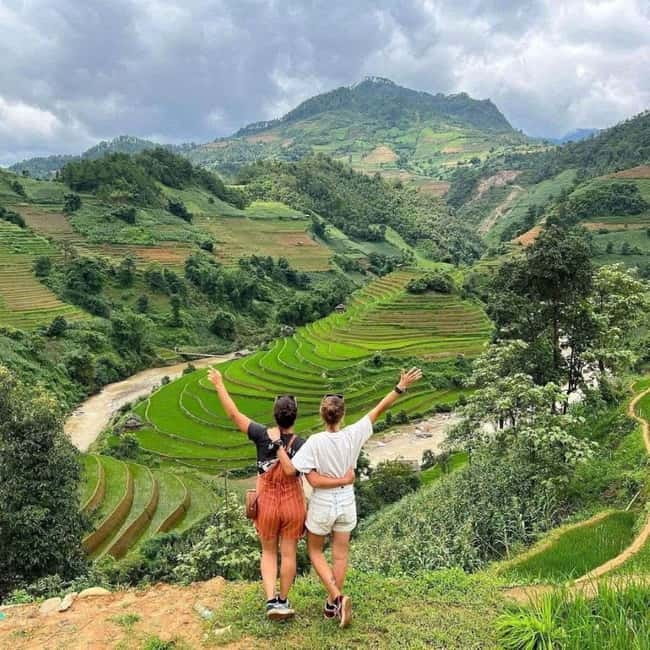
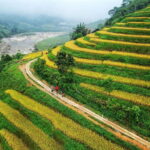
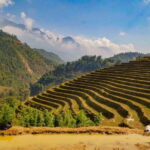
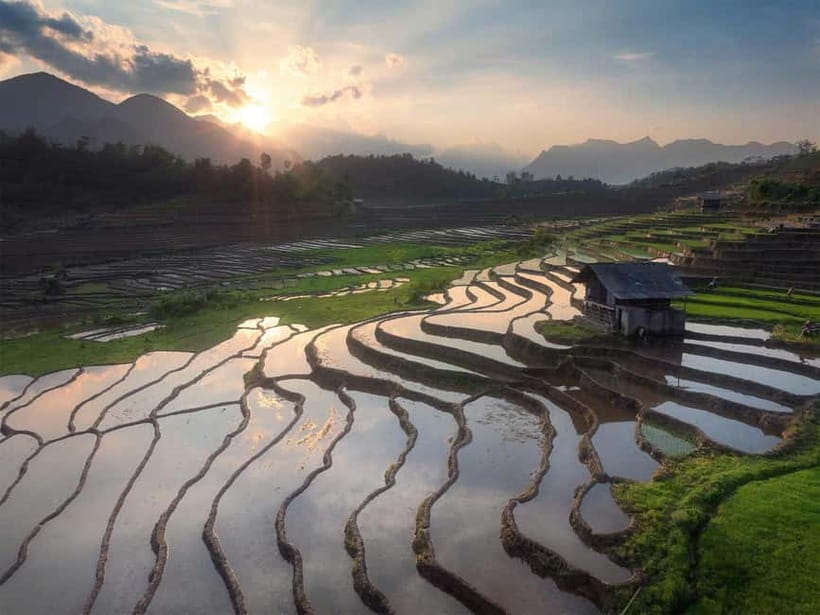
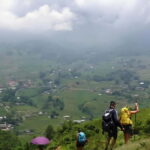
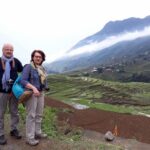
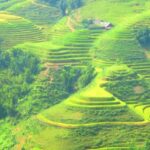
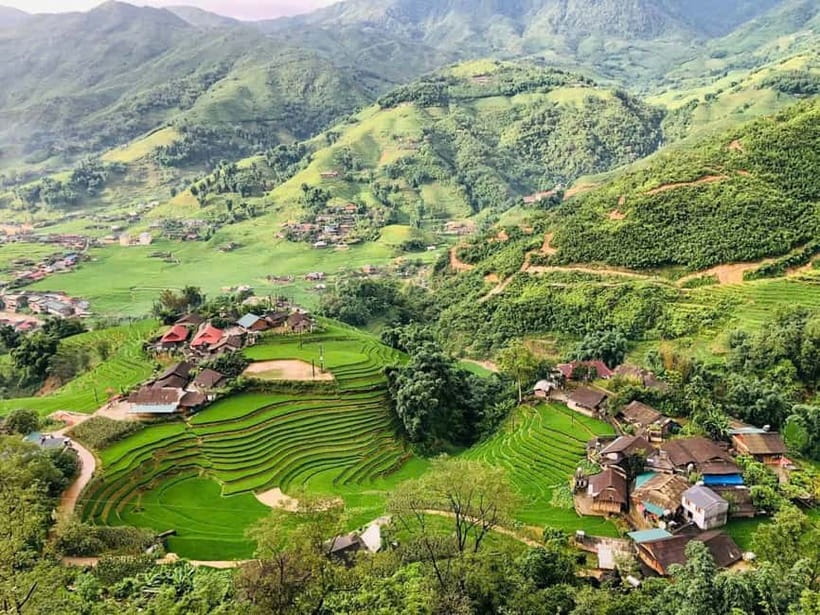
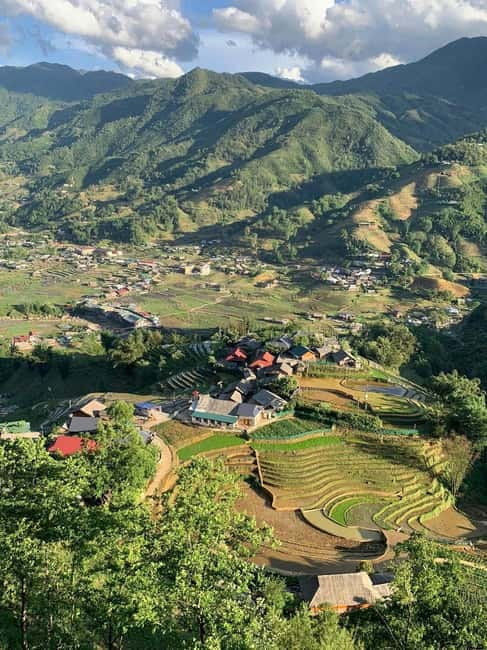
Once you leave the town, the route turns into non-touristy farmland where rice, corn, and potatoes grow together. This is the part that most people come for: terrace layers stepping down the hills. But the key difference here is that you’re walking through places that are still used every day, not just staged for visitors.
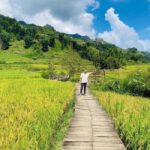
Your pace matters. You’ll likely do enough hiking to feel it in your legs, but the trail is more “wander and learn” than “race and conquer.” The guide keeps it moving with stories about the farming and local habits, which makes the walk feel less like transport and more like a day with a local friend.
If you’re a photo person, this is the section where you’ll start filling your camera. Terrace lines create depth, and the corners where paths cut between fields make great shots. Just remember: it’s still farmland. Stay mindful where you step.
Lao Chai Village: when the trek turns personal
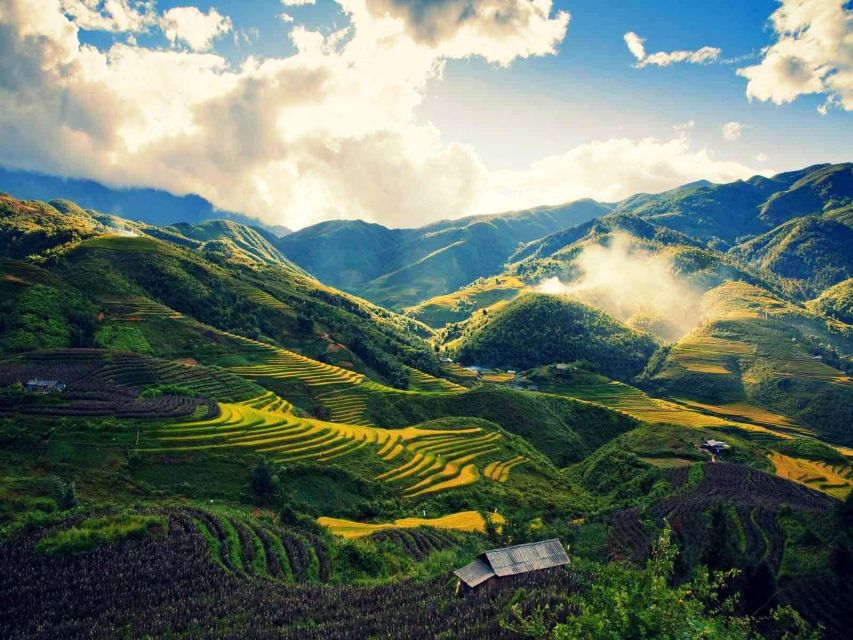
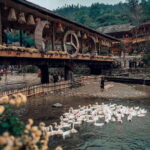
A highlight on this route is the stop at Lao Chai village, described as a small community on the hillside. This isn’t just a marker on a route. The point is to understand daily ethnic life—how people live with simple homes and how their routines connect to the terraces.
One of the best parts is the guide perspective. In at least one case, the guide came from a village the group visited, which meant the explanations felt grounded rather than scripted. That kind of connection changes how you see everything: doors, paths, farming tools, and why certain spots matter.
The goal here is not to turn village life into a show. You’re there to walk through, ask questions if your guide invites them, and take a respectful look. You’ll likely leave with a stronger sense of how these communities adapt to mountain terrain.
Terrace-by-terrace walking and a waterfall pause
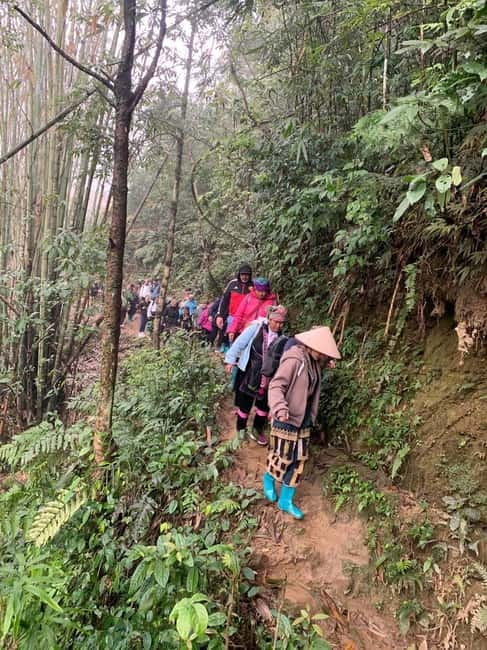
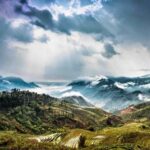
As you keep going, terrace layers appear more dramatically—one after another—until the view feels like it’s unfolding in steps. Between those terraces, you’ll also have a waterfall break where you can relax and take photos.
This pause does two things. First, it gives your legs a short reset. Second, it’s a natural “breather” that helps the day stay enjoyable rather than rushed. Water adds movement to the frame, and the sound can make the area feel calmer, even when the trail is busy.
Photo timing is built into this tour style. You’re not constantly “on the move,” so you can actually stop, frame, and enjoy the moment. Just don’t forget you’re walking through a working area—keep your footing first.
Lunch with local foods: fuel that keeps the day on track
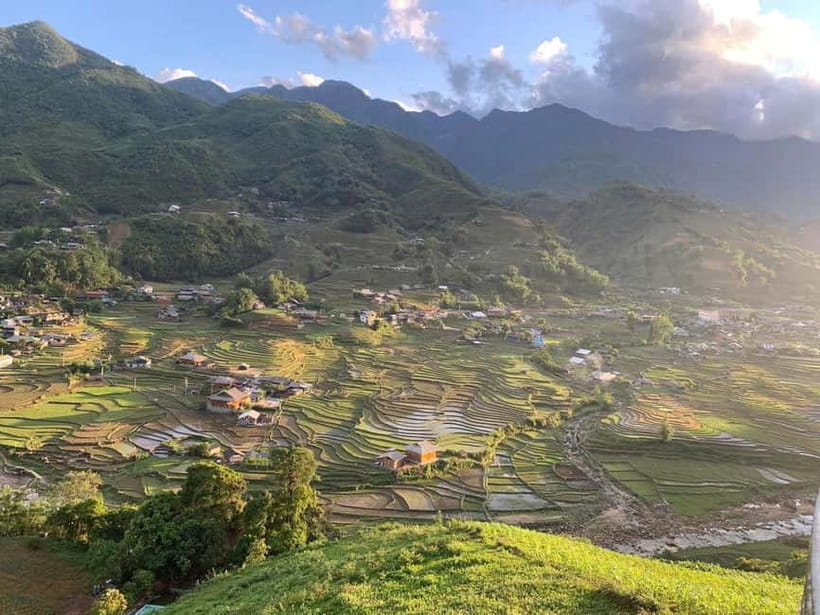
Lunch is included, served at a local restaurant before you head back by shuttle. This is a big value point. In Sapa, it’s easy to waste half a day hunting for food options that fit trekking timing. Getting lunch arranged means you can focus on the trek instead of logistics.
The food is described as local foods, which matters because you’re eating what people here typically eat rather than just grabbing something familiar. If you’re the type who’s skeptical about trying new dishes, this is still a safe bet since the meal is part of the tour plan and not a random detour.
A quick practical note: with a trek day, you’ll want something that settles well. Eat steadily, hydrate, and don’t wait until you feel starving. It makes the afternoon return easier.
The downhill feeling and the shuttle ride back to Sapa

The walking often has a “mostly downhill” feel as you approach the afternoon timing. That can be great for energy—it means you’re not fighting constant steep climbs the whole way. But downhill also means your knees work differently, and footing matters more on uneven ground.
After lunch and photos, you’ll transfer back using a shuttle bus back to Sapa town and your hotel. This is the part I really appreciate for value and sanity. You get the hiking experience without paying for it with a long uphill grind at the end.
One review noted that mud was part of the experience early on, but locals helped people through. That’s a good reminder: the trail can be slippery, and the “easy downhill” can still be tricky if the ground is wet.
Price and value: what $22 actually covers
At about $22 per person for a roughly 6-hour day, the price feels fair because it bundles several things people usually pay for separately. You’re getting:
- Hotel pickup and drop-off in Sapa town
- An English-speaking local ethnic guide
- Entrance fees for local villages
- Lunch with local foods
- Trekking through the terrace area
- Shuttle transport back to town
That last piece alone can save time and stress. Many Sapa trekking days end with you arranging your own return. Here, the day has a clear flow from start to finish.
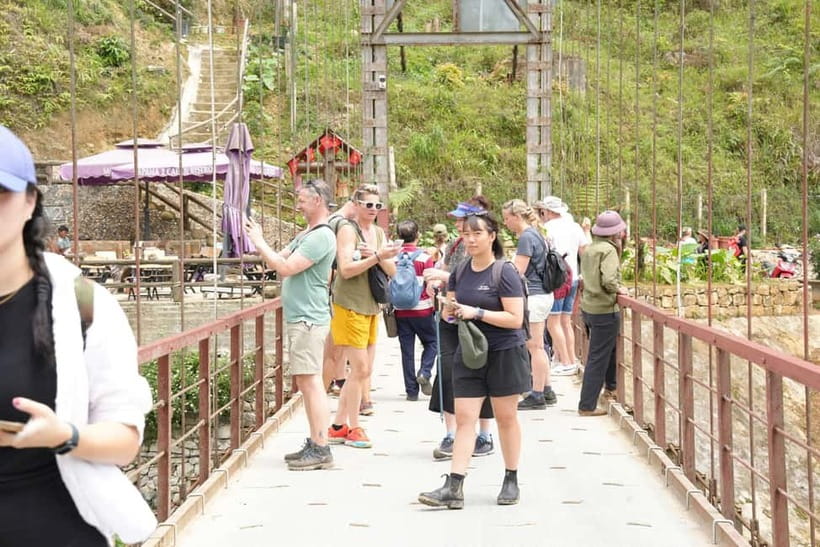
You’re also paying for a smaller group experience, limited to 10 participants. In practice, that usually means fewer bottlenecks at photo stops and more room to ask questions. You still get the shared vibe of a group, but it doesn’t feel like a cattle line.
Small group pace: why it feels human
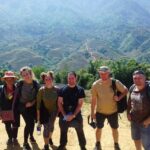
With a group limit of 10, you’ll likely move at a pace that works for normal trekkers rather than only for super-fit hikers. This tour also includes lots of photo time, and a small group helps you actually use that time.
You’ll probably notice the guide adjusting slightly to the group. On muddy days, that matters. When the trail turns slick, small-group pacing can prevent the classic domino problem where one person falls, everyone spreads out, and the day loses its rhythm.
Even if you’re not an expert hiker, you’ll have enough help and guidance to keep moving. The goal is a memorable walk, not a test of toughness.
Fitness, weather, and what to pack for muddy terrace trails
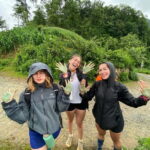
This is where you should plan smart. Rain can make the steep parts very slippery, and mud isn’t rare in mountain farmland areas. If you’re doing this in wetter months or after rain, treat the trek like it could be wet the whole way.
The walk is doable, but it’s still uneven. Expect slippery spots, muddy patches, and steep-to-descend sections. One review described the hike as very doable but muddy at the start, with the local people helping you through.
What to wear:
- Shoes with real traction (not slick soles)
- Light rain protection you can still move in
- Layers, since hill weather can shift
What to bring:
- A small water bottle or hydration plan (water isn’t listed as included)
- A dry bag or zip pouch for your phone and wallet
- Patience for the fact that the best photos sometimes happen when you’re standing still on uneven ground
If you hate getting dirty, this may not be your favorite day. If you can laugh and keep your footing, you’ll likely have a smoother time.
Who this one-day Sapa trek is best for
This tour works well if you want more than a viewpoint. You like walking with a guide who can explain what you’re seeing, and you enjoy that “day in the life” feel as you pass through town, fields, and villages.
It’s also a solid choice if you’re traveling on your own but don’t want a private guide. The small group size gives you social energy without losing the personal touch.
You might want to skip or rethink if:
- You have serious knee or mobility issues (downhill on uneven ground can be rough)
- You’re only comfortable on flat trails
- You’re traveling when you expect heavy rain and you hate slippery footing
If you’re flexible and can handle a real walking day—even in mud—this is a great way to spend your time in Sapa.
Should you book this trek?
I’d book it if your priorities are terrace fields + local village life + an organized day. For the money, you’re getting a complete package: guide, entrance fees, lunch, and transport back to town, all in about 6 hours.
I’d hesitate if your comfort zone is dry, smooth paths. The trails can get muddy and slippery, and the route includes steep-to-descend sections. If that’s a concern, you’ll want the right shoes and a realistic mindset.
If you want a Sapa day that feels grounded in how people actually farm and live—rather than just a quick photo circuit—this one is a strong choice.
FAQ
How long is the trek?
The experience lasts about 6 hours.
What time does the pickup happen in Sapa?
Pickup is typically between 08:00 and 08:30am from hotels in Sapa town.
Does the tour include lunch?
Yes. Lunch with local foods is included before you return to Sapa.
How big is the group?
The group is limited to 10 participants.
Is the guide English-speaking?
Yes, the local ethnic guide speaks English.
Is there free cancellation?
Yes. You can cancel up to 24 hours in advance for a full refund.