REVIEW · NONG KHIAW
Nong Khiaw: 2-Day Trekking,Hmong village,Home Stay&Kayaking
Book on GetYourGuide →Operated by Nong khiaw Nature Tour · Bookable on GetYourGuide
Village trails. River calm. Real people.
This two-day Nong Khiaw trip blends remote village visits with a hands-on bamboo handicraft workshop, then ends with quiet Nam Ou River kayaking. You’ll walk through primary forest, meet multiple ethnic communities, and spend real time in a village rhythm instead of ticking boxes from a bus window.
The biggest thing to be ready for is the walking. The trek is listed as moderate to challenging, so comfortable shoes matter and you should expect some uphill, muddy footing, and jungle heat.
In This Review
- Key highlights worth your time
- Two-Day Trekking Around Nong Khiaw: Why This Mix Works
- Day 1: Tuk-Tuk Out to Ban Naluang, Khmu, and Hmong Village Life
- Bamboo Handicrafts: Learning a Skill You Can Actually Use
- Dinner and Overnight in the Village: The Part That Makes It Feel Real
- Day 2: Boat to Muang Noi, Then Cave and Phanoi Viewpoint
- Tad Mork Waterfall: One Hour of Trek, Then a Swim
- Kayaking Down Nam Ou: Peaceful Water, Wildlife on Your Route
- The Guide Factor: When Bic Leads, You Learn the Area
- Price and Value: What $80 Actually Buys You
- Who Should Go (and Who Should Skip the Trek)
- What to Bring: The Practical List That Keeps the Day Smooth
- Should You Book This 2-Day Nong Khiaw Trek?
- FAQ
- How long is the Nong Khiaw 2-day trekking and kayaking experience?
- What does it cost?
- Where does the tour start?
- What villages are visited?
- What activities are included besides trekking?
- Are meals included?
- Is there an overnight stay?
- What language is the guide?
- Is the trek easy?
- What should I bring and what is not allowed?
- Is it suitable for children or people with mobility needs?
- Can I cancel or book flexibly?
Key highlights worth your time
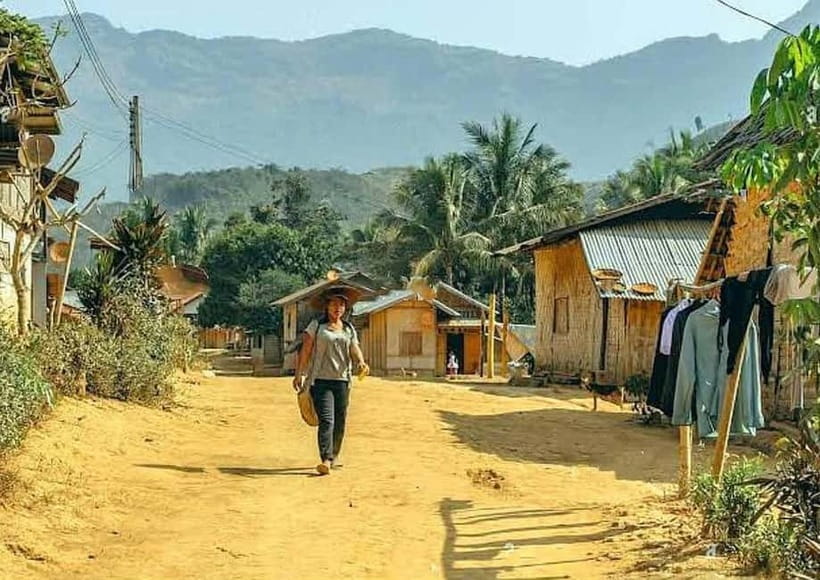
- Village home-stay dining and overnight: cook and eat with local families after the first day’s visits
- Bamboo handicraft workshop: learn a practical skill from a local villager, not just a photo moment
- Cave + Phanoi viewpoint: history plus a view that helps you understand the area
- Tad Mork Waterfall swim: a cool break after forest trekking
- Downstream kayaking on Nam Ou: birds, water buffalo, and fishermen often show up along the way
Two-Day Trekking Around Nong Khiaw: Why This Mix Works
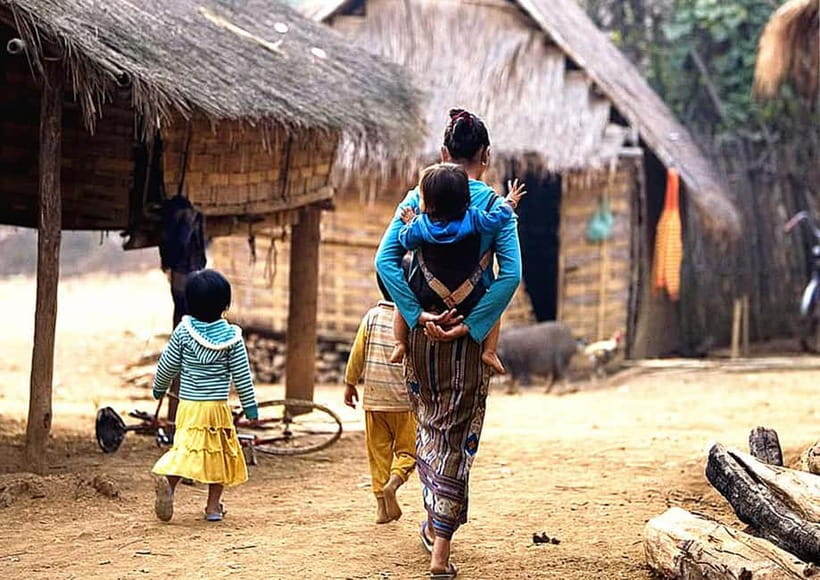
Nong Khiaw is already about nature and slow travel, but this experience gives you structure: you get the walks, the people, and the river time in one go. The heart of it is the change of pace. One moment you’re on foot through forest and footpaths; the next you’re on the water, drifting downstream with your guide pointing out what you’d miss if you were just passing by.
At $80 per person for two days, what makes it feel like good value is how much is included. You’re not only getting a guide and transport—you’re also getting meals (lunch and dinner) plus overnight village accommodation, along with kayaking and a waterfall swim.
One more practical bonus: this is a small group setup. It’s listed as limited to 1 participant, which usually means you’re less likely to get rushed or “held for the group” the way larger tours do.
Day 1: Tuk-Tuk Out to Ban Naluang, Khmu, and Hmong Village Life
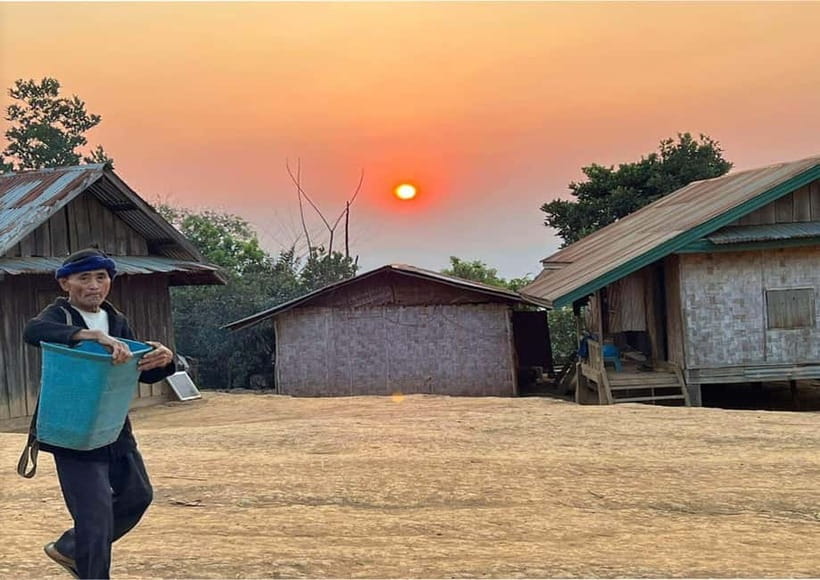
You start with a tuk-tuk ride out of Nong Khiaw to the first cluster of villages. The trip’s first stop area includes Ban Naluang Lao, plus Khmu and Hmong village time. This is where the trip stops feeling like a sightseeing day and starts feeling like an actual community visit.
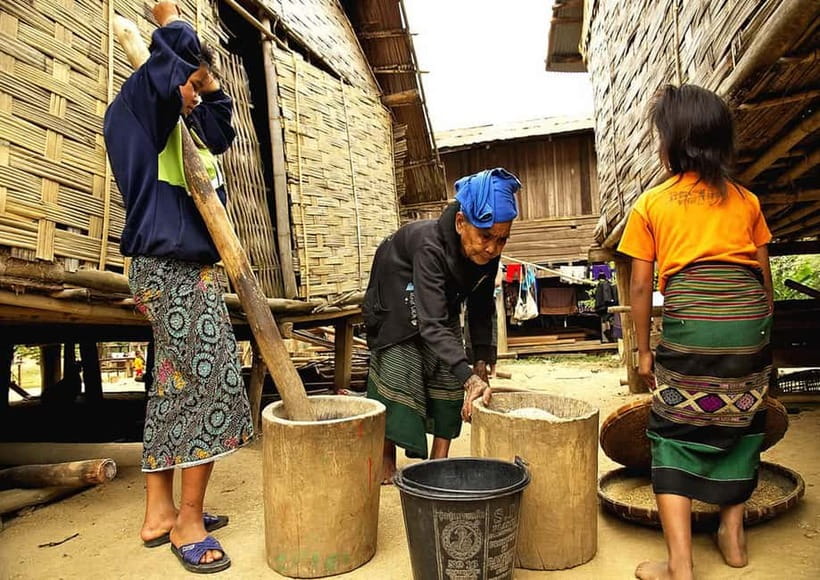
After a lunch break, you’ll explore the village and keep moving to the next village area (the route includes Tai Lao, Khmu, and Hmong). The goal here isn’t a scripted performance. It’s everyday village life: people greet you, kids may say hello, and locals carry on with their day.
Expect the day to feel full but not frantic. You’ll have time to look around, ask questions, and notice details like how daily routines shape space in the village.
Bamboo Handicrafts: Learning a Skill You Can Actually Use
A standout part of Day 1 is the bamboo handicraft workshop with a local villager. This is the kind of activity that’s worth your attention because it’s hands-on. You’re not just watching someone make something for you; you’re learning how the process works.
What I like about this format is that it tends to create a conversation. Even when language is limited, people can still show technique: how bamboo is handled, how pieces are shaped, and what’s practical for everyday use.
Do plan for a bit of time with your hands and arms. Wear comfortable clothes, keep your sleeves practical, and treat this like a workshop, not a quick demo.
Dinner and Overnight in the Village: The Part That Makes It Feel Real
Evening is where the tour really earns its keep. You’ll cook and dine with the villagers, then spend the night in the village. That shift—from visiting to sharing a meal and staying overnight—changes your perspective fast.
I’d suggest arriving with a simple mindset: be curious, be polite, and don’t try to turn the night into a checklist of photos. Cultural sensitivity is explicitly part of the experience, and it shows up in the little things: how you move, where you stand, and what you pay attention to.
Your accommodation is simply described as overnight lodging in the village, so keep expectations flexible. Think “village stay,” not hotel comfort, and you’ll enjoy it more.
Day 2: Boat to Muang Noi, Then Cave and Phanoi Viewpoint
After breakfast, you take a boat to Muang Noi village. This boat segment matters because it breaks up the walking and sets up the day’s main theme: history and viewpoints, then nature and water.
In Muang Noi, you visit a historical cave and the Phanoi viewpoint. These stops add context to the scenery. A viewpoint isn’t just a pretty angle; it helps you connect the trail you walked and the river you’ll paddle next.
Then you walk around the village and enjoy lunch before continuing to Sopkong village. The day’s pacing keeps you moving, but it also gives you enough time on land to slow down and look at how people use the terrain.
Tad Mork Waterfall: One Hour of Trek, Then a Swim
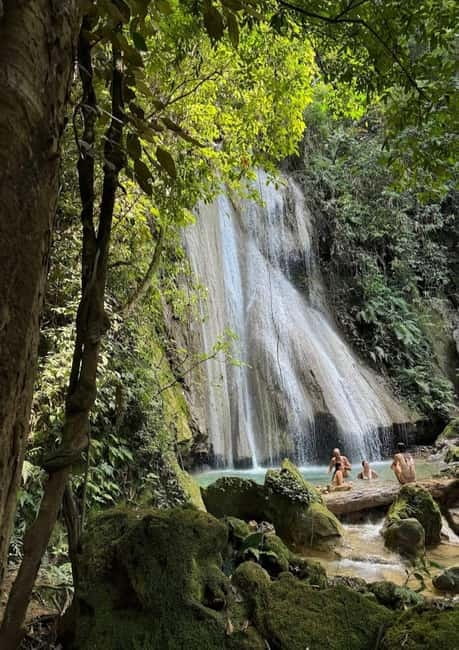
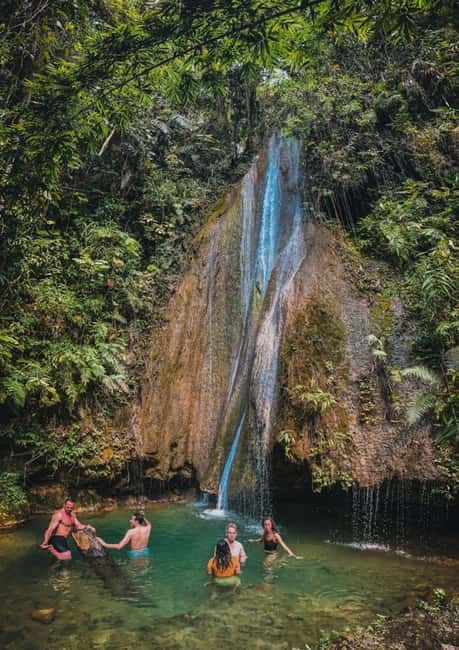
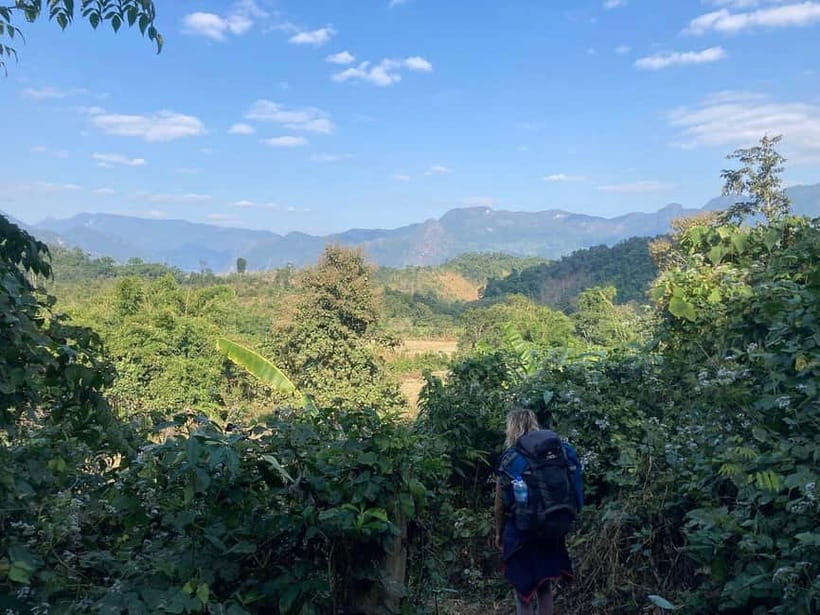
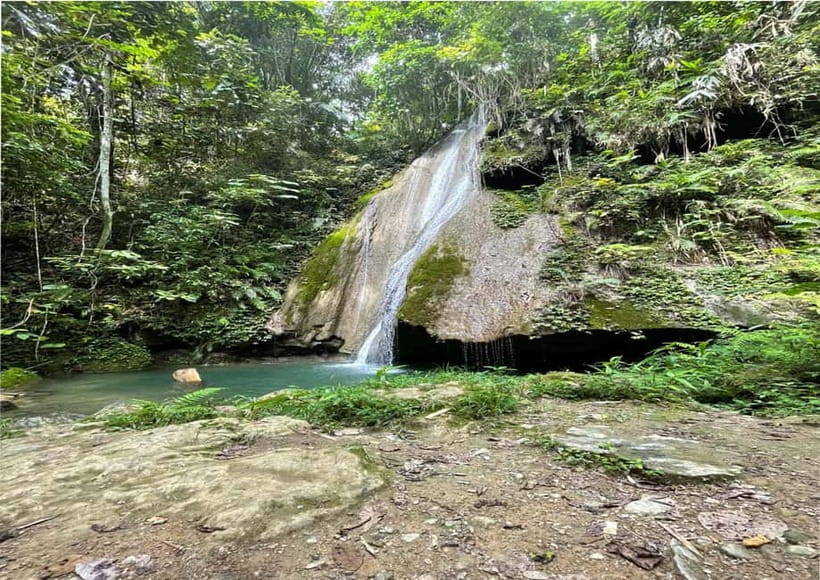
From Sopkong, you trek for about one hour to Tad Mork Waterfall. The trip describes the trek as through primary forest overall, and this segment is where you feel it. You’ll be in a natural setting where the ground can be uneven and the air can be humid.
Once you reach the waterfall, you get to swim in the cool pool. This is one of the most memorable contrasts in the whole itinerary: jungle trekking, then a refreshing water break.
Bring your swimwear and towel if you want to feel comfortable. Also bring insect repellent. When you’re sweaty and moving through vegetation, you’ll be glad you did.
Kayaking Down Nam Ou: Peaceful Water, Wildlife on Your Route
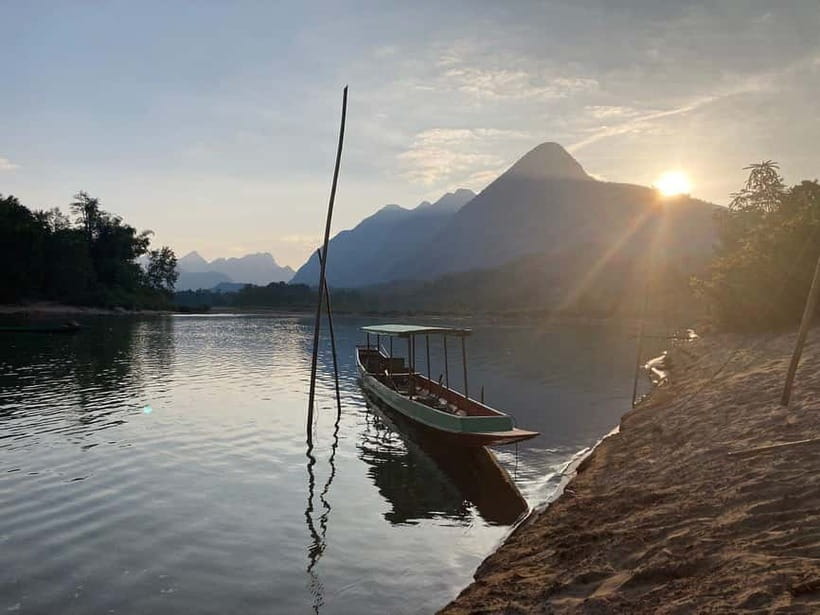
After the waterfall swim, you return to the river bank and go kayaking downstream on the Nam Ou River. This is the “exhale” moment. The pace slows, and the river does the entertaining.
The experience specifically mentions that you can spot many bird species, plus water buffalo and fishermen along the way. In practice, that means your kayak route doubles as a low-effort wildlife watch.
It’s also a great moment for photos, but try not to treat every second like a shot list. The best part of kayaking here is the quiet—your guide helps you notice what’s around you while you glide through calm water.
The Guide Factor: When Bic Leads, You Learn the Area
The quality of a local guide is not a small detail on this trip—it’s the difference between a good walk and a truly memorable one. In feedback, Bic (sometimes spelled Bick) comes up repeatedly for a clear reason: he’s cheerful and easygoing, and he teaches you about the land, people, and history in a way that sticks.
Even if your guide’s English isn’t perfect, you can still get value by asking simple questions. When you’re standing in a village, ask what daily life looks like, what bamboo products are used for, or how people relate to the river. Good guides will match your curiosity.
One thing to consider: English is listed as the language for the live guide, but not every explanation may land the way you expect. If you want deeper details, come with a few questions ready and be patient.
Price and Value: What $80 Actually Buys You
For $80 for two days, you’re paying for a package that includes more than “a hike.” You get:
- a local guide
- lunch and dinner
- overnight accommodation in the village
- trekking through primary forest
- a bamboo handicraft workshop
- swimming at Tad Mork Waterfall
- kayaking on the Nam Ou River
- visits to remote villages and key stops like a historical cave and Phanoi viewpoint
If you were to piece these together on your own, you’d still need a guide for cultural access and safety on the water and trails. You’d also need transport and timing that lets you match village visits and the river day.
The best value comes when you actually want the full mix: villages plus water plus nature. If you only want one or two of those parts, you might feel the price more than someone who likes the whole package.
Who Should Go (and Who Should Skip the Trek)
This trip is best for people who enjoy walking and want a close-up look at village life. It’s listed as not suitable for:
- children under 8
- pregnant women
- people with back problems
- people with mobility impairments
- wheelchair users
Also, the trek is described as moderate to challenging, so choose this with honest fitness. If you’re prone to knee pain or you know uneven trail conditions slow you down, think twice.
If you’re comfortable with the physical side, this is a strong fit: the itinerary balances work (trek and swim) with rest (boat rides and kayaking).
What to Bring: The Practical List That Keeps the Day Smooth
Pack like you’re doing a real outdoor day plus a cultural day. The essentials:
- comfortable shoes
- hat
- swimwear and a towel
- camera
- sunscreen
- insect repellent
- water (refillable bottle is recommended)
- comfortable clothes and snacks
Also consider light layers. Weather can change, and you’ll go from shaded forest to brighter river time. Bring what you can re-wear.
And follow the rules: no smoking, no alcohol or drugs, don’t litter, and don’t touch plants. Those are simple expectations, but they matter in village and forest spaces.
Should You Book This 2-Day Nong Khiaw Trek?
If you want a tour that actually connects you to the river and the villages, this is an easy yes. The combination is the selling point: bamboo craft learning, overnight village time, a historical cave and Phanoi viewpoint, then Tad Mork waterfall swimming and Nam Ou kayaking.
Book it if you:
- like walking and can handle a moderate to challenging trek
- want more than scenery and want real cultural contact
- care about learning from a guide and getting context, not only photos
Skip it if you:
- need an easy stroll only
- have mobility issues or back problems that make uneven ground tough
- travel with kids under 8 or are pregnant (it’s listed as not suitable)
FAQ
How long is the Nong Khiaw 2-day trekking and kayaking experience?
It runs for 2 days.
What does it cost?
The price is listed as $80 per person.
Where does the tour start?
You get pickup in Nong Khiaw city within about 5 kilometers of your hotel or location. You need to be at the pick-up location.
What villages are visited?
The experience includes village visits such as Ban Naluang Lao, Khmu areas, Hmong village time, Tai Lao, Muang Noi, and Sopkong.
What activities are included besides trekking?
You’ll also do a bamboo handicraft workshop, visit a historical cave and a viewpoint, swim at Tad Mork Waterfall, and go kayaking on the Nam Ou River.
Are meals included?
Yes. Lunch is included, and dinner is included as well.
Is there an overnight stay?
Yes. You stay overnight in a village.
What language is the guide?
The tour provides a live English-speaking guide.
Is the trek easy?
It’s described as a moderate to challenging trek, so you’ll want supportive footwear and reasonable fitness.
What should I bring and what is not allowed?
Bring comfortable shoes, a hat, swimwear and a towel, sunscreen, insect repellent, water, and snacks. Smoking, alcohol and drugs, littering, and touching plants are not allowed.
Is it suitable for children or people with mobility needs?
It’s not suitable for children under 8, pregnant women, people with back problems, people with mobility impairments, or wheelchair users.
Can I cancel or book flexibly?
Free cancellation is offered up to 24 hours in advance for a full refund, and you can reserve now and pay later.