REVIEW · KATHMANDU
Multiday Manaslu Circuit Trek
Book on Viator →Operated by Places Nepal Trek & Tours · Bookable on Viator
Manaslu rewards slow steps and good pacing. This Manaslu Circuit Trek is interesting because it blends Tibetan-style Buddhist culture with a remote trail that feels far from motor roads, then tops out with the hard-earned Larkya La Pass crossing. I really like that you travel with an English-speaking local guide and a team that handles the tricky parts (permits, gear, safety basics). I also like that most of your day-to-day needs are built in: guesthouse stays and full trek meals are included. One consideration: the trek costs $1,200, but a porter is not included, so you may still want to budget extra if you don’t want to carry your own load.
You’ll start in Kathmandu, ride to the trailhead, and spend the next dozen days walking from village to village. The best part is the rhythm: easier days, then a real acclimatization pause at Samagaun, and only then the higher pass day. I also like that you get practical safety support like a first-aid kit and an oximeter for oxygen checks. The drawback to plan around is that your comfort will depend on your fitness and your tolerance for altitude, plus the tour notes it’s not recommended for certain dietary needs.
Here’s the bottom line: for the price, you get a lot handled for you, and the itinerary is built around doing things the smart way on an always-changing mountain environment. If you’re looking for a high trek that still feels human—monasteries, villages, and river crossings—this one deserves a serious look.
In This Review
- Key things I’d anchor on before you book
- Manaslu Circuit Trek: a quieter alternative to the Annapurna crowd
- Price and value in Kathmandu: what you get for $1,200
- Your 12-day route, step by step: Machhakhola to Dharapani
- Larkya La Pass day: altitude math and how to handle it
- Guesthouses, food, and the guide/porter team (Kapil, Nam, Ganesh)
- Permits, oximeter, and emergency coverage you should understand
- Who this trek fits, and what to consider before you go
- Should you book the Manaslu Circuit with Places Nepal?
- FAQ
- How long is the Manaslu Circuit Trek?
- What is included in the $1,200 per person price?
- Do they pick you up in Kathmandu?
- What about emergency evacuation or helicopter service?
- Is a porter included?
- What is the highest point on the trek?
- How many people are in the group?
Key things I’d anchor on before you book
- Restricted-area permits and trekking fees handled, so you’re not scrambling in Nepal.
- Acclimatization at Samagaun, with optional options like Manaslu Base Camp or Birendra Lake.
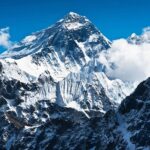
- Larkya La Pass is the real event, with big glacier views and a tough, high-altitude push.
- Full meals and twin-sharing guesthouses during the trek keep logistics simple.
- An oximeter, duffle bag, map, and sun cap are included for a more prepared start.
- Porter costs $300 per person (with a 2-person/1-porter setup, max 25 kg each porter), so check your carrying plan.
Manaslu Circuit Trek: a quieter alternative to the Annapurna crowd
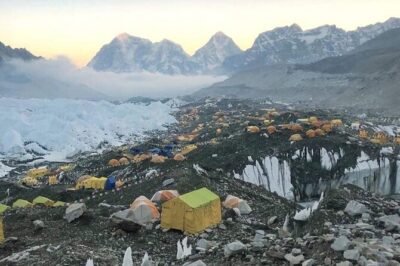
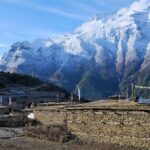
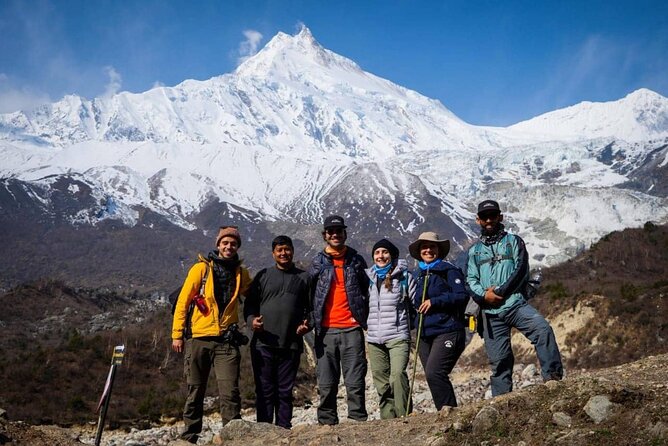
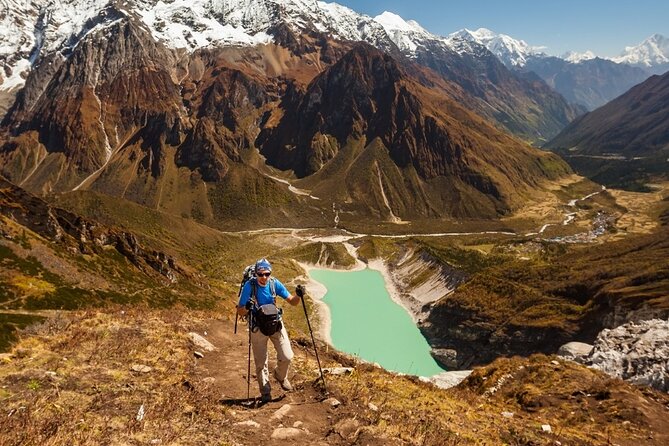
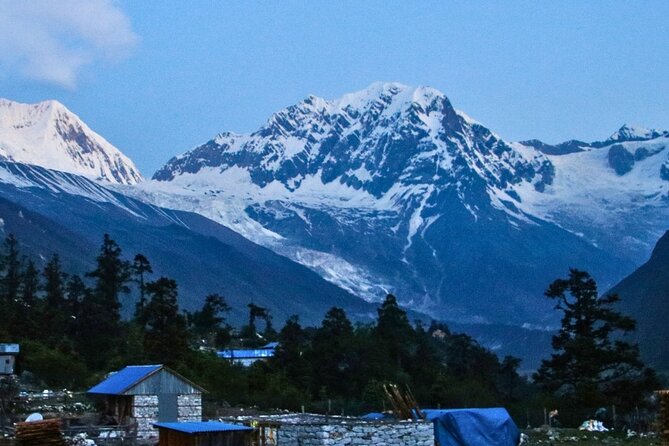
If you’ve been to Nepal and already know the common trekking routes, Manaslu hits differently. The big draw here is the mix: you walk through village life tied to Buddhism, then into harder high country where weather and altitude start making decisions for you. The itinerary also avoids the feeling of constant road access. Instead, you’re on foot with the Budhi Gandaki River, suspension bridges, monastery stops, and the kind of mountain scenery that changes every hour.
I’m also drawn to the cultural side because it’s not just a quick photo stop. You pass through places like Namrung where you can see traditional settlements and visit old monasteries along the way. Later, you spend time in Samagaun and go up toward Pungyen Gompa, then return to explore the area and places like Ribung monastery. This kind of pacing matters: you’re not sprinting through culture. You’re letting it slow you down enough to notice details.
One more thing: group size is capped at 12 travelers, and you’ll be paired with a local team. That tends to keep the trek feeling more personal than big bus-style groups. Still, you should expect to hike as a small group, not as a private wilderness float trip.
You can also read our reviews of more tours and experiences in Kathmandu.
Price and value in Kathmandu: what you get for $1,200
At $1,200 per person for about 12 days, the honest question is: what’s included versus what you’ll likely add later?
What’s included (and genuinely valuable):
- Both-way ground transportation by local bus between Kathmandu and the trek area
- Twin-sharing accommodations in guesthouses during the trek
- All necessary trekking permits and fees, including Restricted Area Permits
- Government registered, English-speaking local guide
- Medical supplies (first aid kit) plus an oximeter for oxygen checks
- Trek meals: breakfast (12), lunch (12), dinner (12)
- Some practical extras: duffle bag, sun cap, trek map, and seasonal fruits
- An emergency plan note: an emergency helicopter arrangement is set up, with payment coming from your travel insurance company
Those items reduce stress. In Nepal treks, permits, guiding, and medical readiness can be the difference between a trip that feels smooth and one that feels improvised.
What’s not included (so you don’t get surprised):
- Hotel in Kathmandu
- All food in Kathmandu
- Personal expenses (phone calls, laundry, battery recharge, bottled water, hot water, shower)
- Tips for the guide (tipping is expected)
- Porter: $300 per person, with the note that it’s 2 people per porter and the porter carry limit is 25 kg max
- Your own individual travel and rescue insurance
- Any extra mountain costs if the trip changes due to strikes, delays, or cancellations
So the value calculation is pretty clear. If you’re the type who wants a guide, permits handled, and your daily hiking calories already covered, $1,200 is a fair deal. If you plan to add a porter (likely if you have weak legs, bad knees, or just want to travel smarter), your total goes up. Either way, you’re not paying for a lot of logistics on the ground—you’re paying for someone else to organize them.
Your 12-day route, step by step: Machhakhola to Dharapani
Day 1: Kathmandu to Machhakhola
You start with transport from Kathmandu to Machha Khola. It’s listed as a local ride, and the day includes about 8 hours of activity. The point of day one is to get your legs moving and start soaking in the Nepal countryside views you pass through along the way. Expect countryside scenery, village clusters, and that early-trek feeling of finding your stride.
Day 2: Machhakhola to Jagat (suspension bridges and waterfalls)
Today is a bigger push: trek about 19 km, with around 4,400 feet of gain, taking about 5 hours. The highlights are practical and fun—suspension bridges and waterfalls, plus local culture in Jagat. Bridges matter on this route because they add variety and also remind you the trail follows river systems. It’s not just flat walking with a mountain background.
Day 3: Jagat to Deng (forests, terraces, panoramic views)
You hike about 7 hours through lush forests and terraced fields. The route rewards you with panoramic views of mountains and valleys. Deng is a good day to pay attention to breathing and pacing. That forest + terraces mix usually means a steady climb that can feel longer than the distance on paper.
Day 4: Deng to Namrung (flora, fauna, monasteries)
Today runs around 6 hours, and it’s where you start layering in more “place-based” moments. You’ll encounter different flora and fauna as you ascend, and you’ll also get time to explore traditional villages and visit ancient monasteries along the way. This is a strong day for people who like mixing hiking with slow looking—don’t rush if you can help it.
Day 5: Namrung to Shyala (a major big-peak reveal)
It’s about 6 hours of trekking, with an ascent that builds toward views near Lho. The itinerary emphasizes a spectacular panorama once you reach Lho. Even if the exact mountain name isn’t emphasized in what you’ll receive, this is generally where many trekkers start feeling that the trek has moved from “pretty walking” to “real Himalaya.”
Day 6: Shyala/Lho area to Samagaun (Pungyen Gompa and Ribung monastery)
This is a Samagaun day, about 7 hours total. You start with breakfast, hike uphill to Pungyen Gompa, then return to Samagaun. You also get time to explore Samagaun and Ribung monastery. The structure matters: you do a targeted climb (Pungyen Gompa), then you return and settle into village exploration rather than stacking long hiking days back-to-back.
Day 7: Acclimatization in Samagaun (base camp or Birendra Lake option)
Day 7 is about adjusting. It’s listed at about 3 hours, and you’ll have an acclimatization focus. There’s an optional day trip to Manaslu Base Camp (listed at 15,748 feet) or Birendra Lake (listed at 12,109 feet). This day is useful if you want to add mileage to your story without sacrificing the overall plan. If you tend to run hot and fast, this is also a good day to choose the shorter option and protect your energy for the pass.
Day 8: Samagaun to Samdo (rocky terrain, moraines, Tibetan-border feel)
About 7 hours, and the trail shifts. Expect rocky terrain and moraines, then you reach Samdo—situated at the Tibetan border. That border setting changes the vibe. You’re still in Nepal, but you get a stronger Tibetan-style feel in the villages and daily life.
Day 9: Samdo to Dharmasala (Budhi Gandaki River + suspension bridge)
Another 7-hour day. You follow the Budhi Gandaki River as you trek, and the route includes a suspension bridge. You arrive at Dharmasala, also called Larkya Phedi, where you rest for the night before the pass day. This is one of those days where your pace matters less than your mindset. You’re not “sightseeing until you drop.” You’re saving yourself.
Day 10: Larkya La Pass day (the big altitude moment)
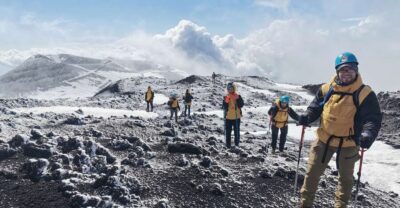
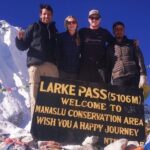
This is the day that defines the trek. You tackle Larkya La Pass at an elevation listed as 16,929 feet. The earlier overview also frames it around 5,106 metres, which is essentially the same high-altitude reality. As you climb, the itinerary emphasizes panoramic views around peaks and glaciers. After the pass, you descend to Bhimthang for the night. The pass is the event, but the descent is where you’ll feel it in your legs the most—so take it slow.
Day 11: Bhimthang to Dharapani (pine and rhododendron forests)
About 7 hours descending, walking through pine and rhododendron forests. You pass through charming villages and terraced fields, then reach Dharapani. This is a nice contrast day after the pass. It’s still work, but it tends to feel more forgiving than high scree and wind-exposed sections.
Day 12: Dharapani back to Kathmandu (farewell dinner)
You take a local bus back to Kathmandu, with about 7 hours of activity. The day ends with a farewell dinner after you complete the trek. It’s a satisfying closer because you get both the transition back to city life and a proper sense of finishing.
Larkya La Pass day: altitude math and how to handle it
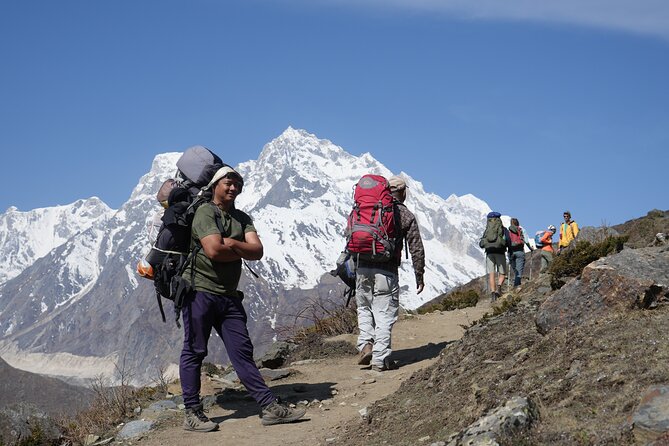
The Larkya La Pass day is where this itinerary earns its reputation. You’re going from high-altitude village days into a pass that’s basically on the edge of what many bodies can handle comfortably. So the real question is: how do you make it survivable?
First, the plan supports you with earlier acclimatization. You spend time in Samagaun before the pass, and that’s not window dressing. It’s why the day 10 effort feels like a climb you’ve trained for rather than a jump you weren’t ready for. If you treat the acclimatization day as optional fun only, you’ll pay for it later.
Second, your kit includes an oximeter. You won’t use it to magically “solve altitude,” but it’s a useful check while you’re moving through higher elevations. Combine that with the first-aid kit included and the fact that you have a local English-speaking guide. On hard days, those things reduce panic and help you make calm decisions.
Third, think like a hiker, not a hero. On pass days, the fastest walkers usually aren’t the ones who feel best at the top. A steady pace, frequent short breaks, and avoiding ego speed makes a big difference. After the pass, your job is to keep your footing on the descent and save your energy for the last days into Dharapani.
One more practical note: the itinerary’s pass day is described as short in time by the listing, but pass days always feel longer than expected. Plan for big effort, not just a “quick peak moment.”
Guesthouses, food, and the guide/porter team (Kapil, Nam, Ganesh)
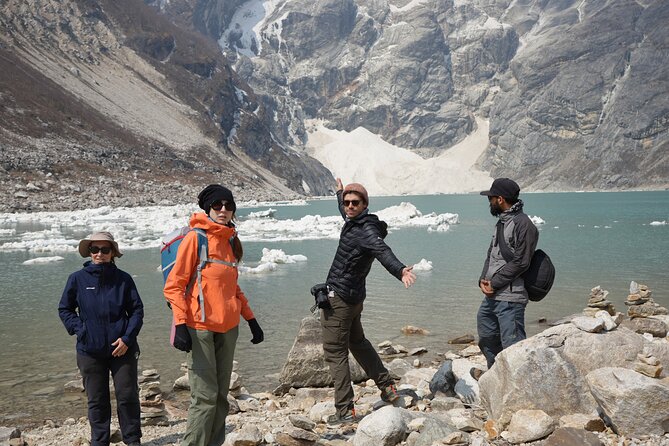
This trek is set up around comfort that’s realistic for a remote area: twin sharing guesthouse accommodations and all meals included during the trek. That matters more than you might think. When food is covered, you stop spending mental energy on hunger timing, and you can focus on walking well.
I also like the emphasis on a guided experience. The trek includes a government registered local guide and a team structure that can include assistants. In the experiences shared by people who’ve traveled on this route, guides have included names like Kapil, Nam, Gokul, and Kopil. Porters have included Ganesh and others. The common thread is that the guide team tends to keep things organized and supportive, especially when the trail feels tough.
About porters: a porter is not included, and it’s listed at $300 per person with a 25 kg max carry limit, in a two-people-per-porter arrangement. If you choose to hire one, it’s usually because you want your legs to be fresher on long days and because high passes punish heavy loads. If you carry your own bag, at least make sure it’s truly pack-light. Big bags don’t just weigh you down on the climb; they also slow your recovery.
Group size capped at 12 travelers is another quiet plus. You still meet people, but the trek doesn’t feel like you’re being processed. That tends to help morale—especially on the pass day when the group needs calm energy more than conversation.
Permits, oximeter, and emergency coverage you should understand
Two things are worth understanding before you go: your paperwork is handled, and your emergency coverage is insurance-dependent.
On the paperwork side, the tour includes all necessary trekking permits and fees, including Restricted Area Permits. That’s a relief because restricted areas can require specific clearance. Instead of worrying about who submits what, you’re set up from the start.
On emergency coverage, the tour states they arrange emergency helicopter service that will be paid by your travel insurance company. This is an important distinction. The trek doesn’t replace the need for insurance; it works alongside it. So before you buy insurance, confirm your policy covers helicopter rescue and any relevant mountain evacuation terms.
Your safety basics are also supported with medical supplies (first aid kit) and an oximeter for oxygen checks. These are not a substitute for good acclimatization habits, but they are a smart layer of readiness.
Finally, remember that the included items stop at what the itinerary schedules. The tour notes that expenses in the mountain above the scheduled itinerary due to strike, delay, or canceled trips aren’t included. That’s typical in trekking travel, but it’s still something to plan for with flexible trip insurance and some budget buffer.
Who this trek fits, and what to consider before you go
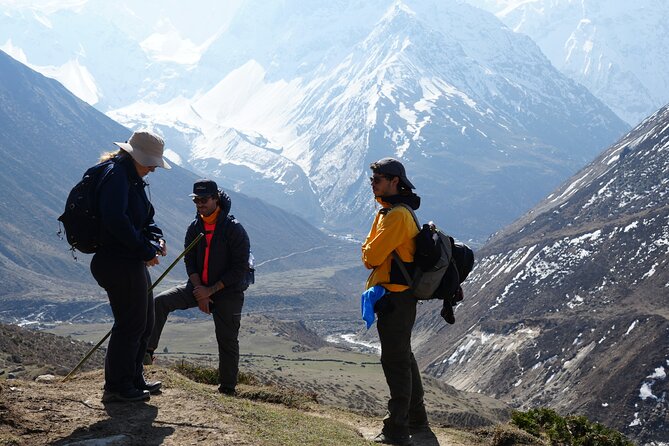
This trek is listed for people with moderate physical fitness. That’s encouraging, but “moderate” on a Himalaya circuit still means you should be ready for long hiking days, steep sections, and altitude fatigue.
Who it’s a good match for:
- You want a serious circuit trek with a cultural spine (monasteries, Buddhist community life, Tibetan-border villages).
- You’re comfortable hiking about 5 to 7 hours per day on most trekking days.
- You want guiding and logistics handled: permits, meals, guesthouses, and safety gear.
Who should think twice:
- If you have dietary restrictions, the tour says it’s not recommended for certain dietary needs. You’ll want to ask very specific questions before booking.
- If you don’t like high altitude challenges, the Larkya La Pass crossing will be a hard reality. The itinerary includes acclimatization for a reason, but altitude is still altitude.
- If you prefer carrying everything completely solo without hiring a porter, you can do it—but you’ll feel it on pass day and the descent.
Also, take the Kathmandu logistics seriously. The tour includes trek transport and ends back at the meeting point, but it does not include a Kathmandu hotel or food in Kathmandu. So budget for at least a couple of meals and a place to sleep before and after the trek.
Should you book the Manaslu Circuit with Places Nepal?
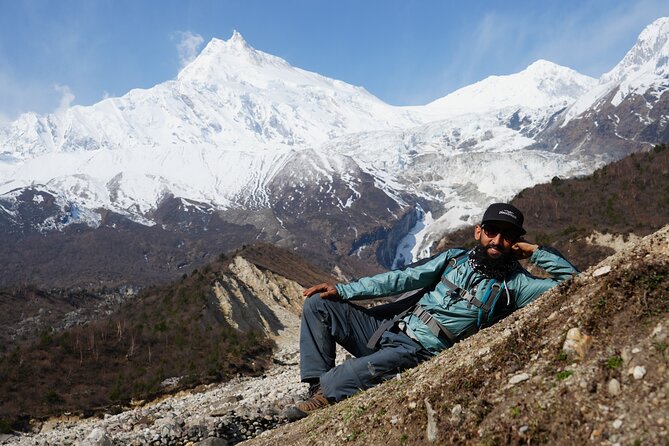
If you want a Manaslu Circuit trek that’s organized enough to feel calm, but adventurous enough to feel real, I think this is a solid booking choice. The best reasons are the practical ones: permits handled, full trek meals, twin guesthouses, a local guide team, and safety gear like an oximeter. The itinerary also uses acclimatization well, so you’re not rushing to the pass.
I would only hesitate if you know you’ll need specialized food support, or if paying for a porter is a dealbreaker and you’re not comfortable carrying your own load through the high days. And if you’re a super light packer, great. If you’re not, you might feel the weight more than you expect.
For most people who want a challenging Himalayan trek with cultural depth and a real pass crossing, this is an itinerary that makes sense for the money.
FAQ
How long is the Manaslu Circuit Trek?
It’s listed as 12 days (approx.).
What is included in the $1,200 per person price?
The price includes both-way local bus transportation, twin-sharing guesthouse accommodations during the trek, trekking permits and fees (including Restricted Area Permits), an English-speaking local guide, first aid supplies, breakfast/lunch/dinner for 12 days, and trekking items like a duffle bag, sun cap, trek map, and oximeter.
Do they pick you up in Kathmandu?
Yes, pickup is offered, and the meeting point is Places Nepal Treks at Medical Chowk, Kathmandu 44600, Nepal. The trek ends back at the meeting point.
What about emergency evacuation or helicopter service?
The tour says it arranges emergency helicopter service, and it will be paid by your travel insurance company. It also notes that individual travel and rescue insurance is not included.
Is a porter included?
No. A porter costs $300 per person, and the porter plan is 2 persons per porter with a 25 KG max carry limit.
What is the highest point on the trek?
The highest point listed is Larkya La Pass at 16,929 feet (also described as about 5,106 metres in the overview).
How many people are in the group?
The tour has a maximum of 12 travelers.