REVIEW · UBUD
The Majestic Mount Ijen Sunrise Trekking From Bali
Book on Viator →Operated by Bali Exploring Tours · Bookable on Viator
Blue fire starts after midnight. This Ijen sunrise trek from Ubud turns a long volcano morning into a guided, door-to-door night mission to see the rare blue flames. You also get personal attention from your guide for the whole experience, so you’re not figuring it out in the dark.
I also like the way the company simplifies the logistics for you. You’ll have hotel pickup and drop-off, plus provided safety gear like a gas mask and flashlight so you can focus on the crater instead of hunting supplies.
One key consideration: the hike is demanding, and if it’s crowded at the viewpoint, you might not get the clearest blue-flame view you hoped for.
In This Review
- Key things to know before you go
- Why Mount Ijen’s Blue Fire and Sunrise Feel Like a Full-Body Experience
- Ubud to Ijen: Door-to-Door Transport Without the Headache
- The Night Trek: What the 1.5–2 Hour Climb Sets You Up For
- Blue Fire Viewing: The Moment Everyone Books For
- Sunrise Over the Crater Lake: Why Timing Beats Guesswork
- Seeing the Miners Up Close (And Understanding What You’re Watching)
- Safety and Who Should Skip This Trek
- Guides and Service Style: Personal Attention That Makes the Difference
- Price and Value: What $134 Buys (and What It Doesn’t)
- When This Tour Makes the Most Sense
- Should You Book This Ijen Sunrise Trek From Bali?
- FAQ
- What time does the Ijen hike start?
- How long is the hike to the crater?
- What safety equipment is included?
- Is hotel pick-up and drop-off included from Ubud?
- Are lunch and dinner included?
- Is this tour private?
Key things to know before you go
- Private, guide-led experience from pickup through the return, not a drop-and-hope setup
- Gas mask and flashlight provided for the night climb into the crater area
- 1.5–2 hour trek starting just after midnight toward the blue fire and sunrise view
- You’ll see sulfur miners’ daily routines before descending back to base
- Bring a plan for crowds since blue-fire visibility can be affected
Why Mount Ijen’s Blue Fire and Sunrise Feel Like a Full-Body Experience
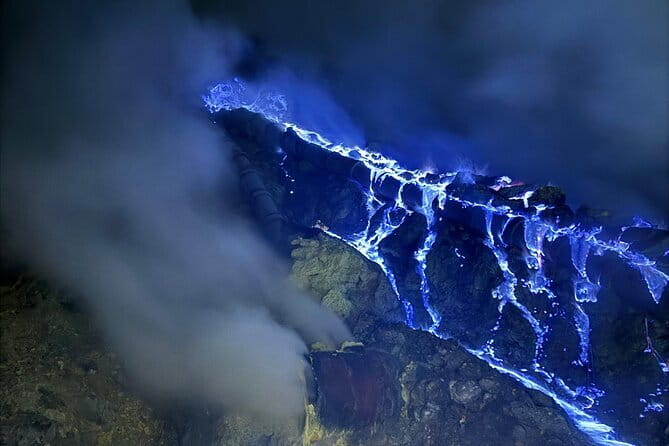
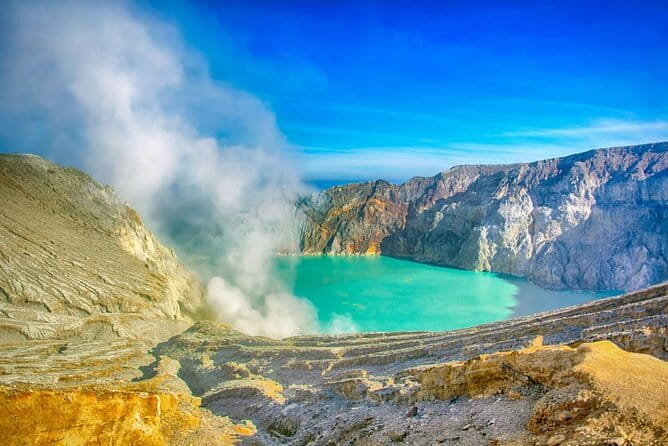
Mount Ijen is the kind of place where the main event is real, not staged. After midnight you hike under the stars toward the crater, and the reward is the rare blue fire phenomenon from sulfuric gases. Then sunrise shows up fast, with views over the crater lake described as turquoise and acidic.
What I appreciate most is that the experience doesn’t stop at one photo spot. You’ll also witness the daily life of traditional sulfur miners, then continue onward until you’re back at base with a light refreshment. That mix—strange beauty plus working reality—makes the whole thing feel grounded.
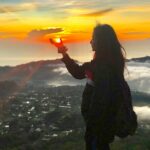
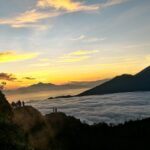
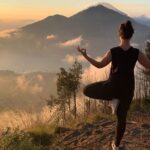
And yes, sunrise photography is a major part of the payoff. The timing is built around getting you into position for the light change over the volcano views in Java, so you’re not wandering around when the good colors happen.
You can also read our reviews of more tours and experiences in Ubud.

Ubud to Ijen: Door-to-Door Transport Without the Headache
If you’re starting in Ubud, the biggest challenge is not the hike. It’s the travel time and coordination to reach Ijen at the right hour. This tour is designed as a private overnight route from Bali, so you’re not stuck arranging buses, transfers, and last-minute connections near Banyuwangi.
Here’s what the package covers that matters in real life:
- Air-conditioned vehicle
- Hotel pick-up and drop-off
- Ferry ticket
- Parking fee and highway entrance fee included
- You ride in private transportation for your group
That “fast way” idea is about removing stress. When you’re leaving around midnight, small delays can ruin the timing. With a guide and organized transport, you spend your energy on the crater instead of chasing timetables.
You may also feel the travel commitment. One of the more honest pieces of feedback is that getting from places like Ubud (or farther in Bali) to Ijen and back in the morning can be hard on your body. If you’re fragile with early mornings or long rides, you’ll want to mentally budget for it.
The Night Trek: What the 1.5–2 Hour Climb Sets You Up For
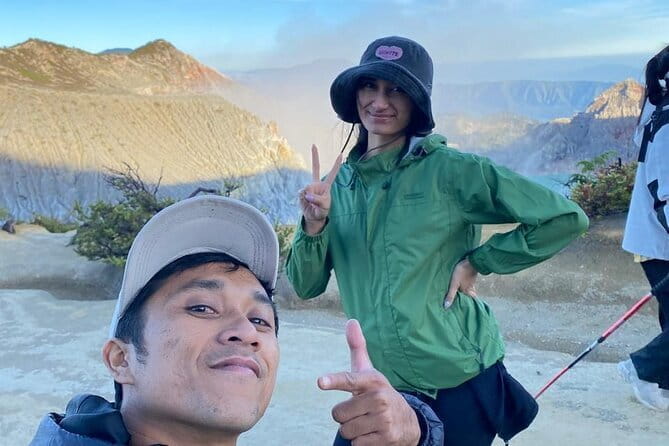
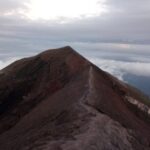
The hike begins just after midnight. The trek to the crater is listed as 1.5–2 hours, and you’ll be moving in dark, low-visibility conditions. The tour includes a flashlight, which is a practical detail because it means you’re not borrowing gear or relying on phone light the whole time.
Your guide accompanies you for the full experience, and that matters on routes like this where footing and pacing count. A good pace is especially important because you’ll be breathing hard and trying to keep your energy for the crater view and sunrise.
The equipment included also directly shapes the experience. You get a gas mask, and that’s because sulfuric gases are part of what creates the blue fire. This is not the kind of sight where you want to “tough it out” without protection.
Fitness-wise, the tour asks for moderate physical fitness. If you’re fine walking uphill for a sustained period, you’ll likely handle it. If you know you struggle with steep climbs at night, take that seriously before booking.
Blue Fire Viewing: The Moment Everyone Books For
The main stop is the Ijen crater area. The goal is to reach the view of the blue flames produced by sulfuric gases bursting from the earth. This is the “wow” scene: glowing blue fire against the darkness, then shifting into sunrise light as you look across the crater area.
One reality check from real experiences: seeing blue flames can be affected by how crowded the viewpoint gets. In at least one case, the blue fire wasn’t clearly visible because of crowding. That’s not something you can fully control, but it does change what your expectations should be.
So here’s my practical advice: plan your mindset around the fact you’ll be there at a high-demand time. Blue fire might be jaw-dropping even in a busy scene, but if it’s especially packed, your view can be less perfect than the photos you’ve seen online.
Sunrise Over the Crater Lake: Why Timing Beats Guesswork
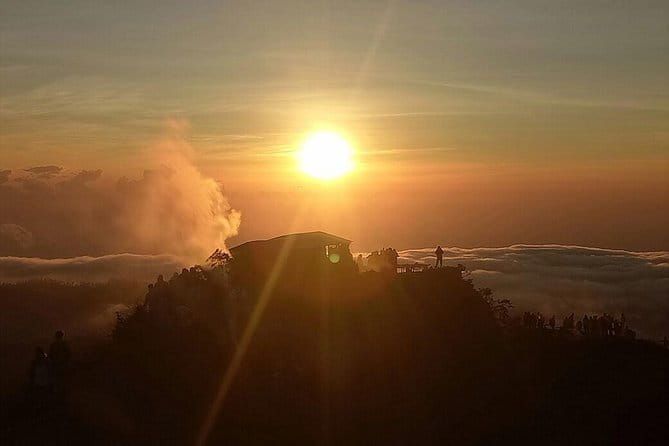
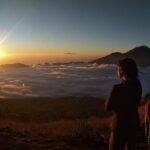
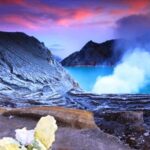
Sunrise here isn’t a vague promise. The hike is scheduled so that after the night climb, you’re set up to see sunrise over the crater lake, described as turquoise and acidic. That’s a huge value-add because sunrise is when the scene changes fast. You don’t want to be late, and you don’t want to be stuck moving away from the best angle when the sky turns.
Also, the tour structure keeps you from time-wasting decisions. You’re not trying to guess when you should start walking or where you should stand. Your guide helps you move through the night climb in a way that supports the sunrise payoff and photo opportunities.

Seeing the Miners Up Close (And Understanding What You’re Watching)
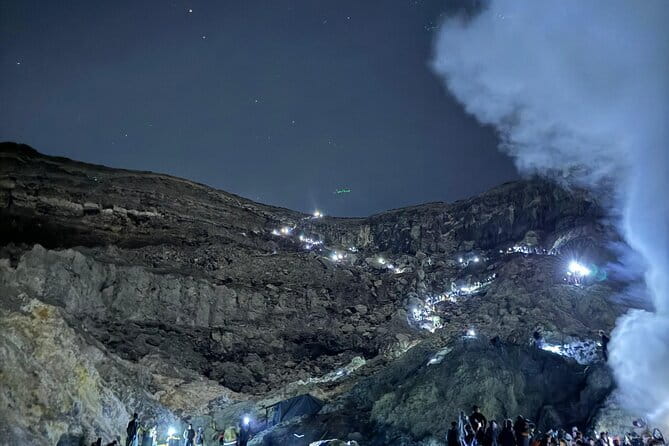
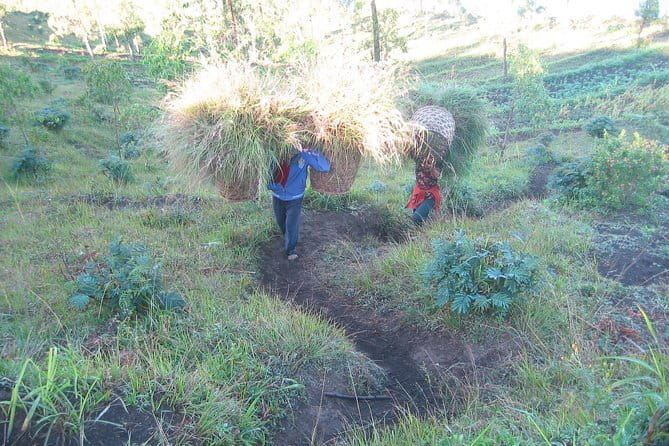
One of the most interesting parts is the chance to see the daily life of traditional sulfur miners during your time near the crater. That’s included as part of the overall pacing: you hike up, see the blue flames, then you experience the crater area with miners’ routines in view before heading back down.
This matters because it shifts the experience from “just a spectacle” into something more human. You’re watching people work in a landscape shaped by sulfur extraction, and the contrast between their routine and the dramatic blue fire creates a powerful moment.
It can also help you understand why the tour provides a gas mask. The environment is not a theme park set. The safety gear is part of respecting the conditions you’re walking into.
Safety and Who Should Skip This Trek
This tour provides safety equipment (gas mask and flashlight) and uses an experienced, English-speaking guide for the whole time. Still, there are clear limits.
Do not book if any of the following apply:
- High blood pressure
- Altitude sickness (or a history of it)
- Babies under 3 years old
You should also consider whether you can handle moderate physical effort early in the night. This isn’t a gentle stroll, and you’re on a schedule designed for sunrise viewing.
If you’re unsure, it’s worth checking your health situation with a clinician before you commit. On a trek like this, “I’ll be fine” is not the best plan.
Guides and Service Style: Personal Attention That Makes the Difference
The tour is private and guide-led, so you get that steady “someone has the plan” feeling. Real examples of guide names connected with this experience include Nunu, Mufi, Mufidah, and a driver named Putu.
What you should look for in a good guide on Ijen is simple:
- They keep you moving safely on the night route
- They communicate clearly in English
- They help you reach good positions for sunrise photos
- They make the long travel feel less stressful
One consistent theme from guide-related feedback is friendliness and energy. People describe guides as kind and helpful, and they also mention guides taking photos for them. That’s not just nice—it matters when you’re standing in a location where you don’t want to fumble with settings or timing while also watching your footing.
Price and Value: What $134 Buys (and What It Doesn’t)
At $134 per person, this isn’t the cheapest way to reach Ijen. But it is priced like a “get it handled for you” experience. Your money covers multiple cost layers that can add up fast if you try to DIY it.
Included items that improve value:
- Air-conditioned vehicle
- Hotel pick-up & drop-off
- English speaking guide
- Gas mask and flashlight
- Private transportation
- Ferry ticket
- Free parking and free highway entrance fee
Not included:
- Lunch
- Dinner
- The optional trolley taxi service at Ijen requires an extra USD 50 to USD 80
So you should budget for food and possibly that extra transport option. If you’re physically slower or you’re trying to conserve energy for sunrise, the trolley taxi could matter. If you’re confident in the trek and want the full walking experience, you may not need it.
The best “value” question isn’t whether it’s cheap. It’s whether the guided, door-to-door timing helps you get to the crater on schedule with safety gear ready. For many people, that’s the whole point.
When This Tour Makes the Most Sense
This trek is a great match if you want:
- A private group and personal attention
- A guided path through a night hike that starts just after midnight
- Sunrise-focused scheduling without transport hassle
- Included safety gear for sulfuric gas conditions
It may be a poor fit if:
- You’re sensitive to strenuous uphill walking at night
- You have any of the health limitations listed above
- You’re expecting zero crowd impact on the blue-fire viewpoint
Also, consider planning buffer time around the tour. Since this is effectively an overnight sunrise mission, you’ll likely want to keep your day after the tour lighter rather than booking tight plans.
Should You Book This Ijen Sunrise Trek From Bali?
If you’re booking for the blue fire and sunrise, and you want the hardest part (timing, transport, and gear) handled, I think this is a strong choice. The biggest reasons are simple: hotel pickup/drop-off, a dedicated English-speaking guide, and included gas mask and flashlight for the night crater approach.
Where you should be cautious is expectation management. The hike is demanding, and blue-fire visibility can be reduced by crowding at the viewpoint. If you’re the type who needs a perfect shot every time, plan to be flexible and focus on being there early enough for sunrise rather than chasing an ideal photo moment only.
If your health is good and your schedule can handle an overnight departure, this is the kind of tour that turns an icon sight into a guided, high-confidence experience.
FAQ
What time does the Ijen hike start?
The trek starts just after midnight.
How long is the hike to the crater?
The climb is about 1.5 to 2 hours.
What safety equipment is included?
You get a gas mask and a flashlight for the activity.
Is hotel pick-up and drop-off included from Ubud?
Yes. Hotel pick-up and drop-off are included.
Are lunch and dinner included?
No. Lunch and dinner are not included.
Is this tour private?
Yes. It’s a private tour/activity, and only your group participates.