REVIEW · AREQUIPA
From Arequipa: Sillar Route Trek
Book on GetYourGuide →Operated by AREQUIPA EXPLORER Y ACTIVIDADES TURISTICAS · Bookable on GetYourGuide
Quarries, canyons, and Andean mystery in four hours. The Sillar Route shows how Arequipa’s signature white stone was formed and how it’s still worked today, with big views thrown in for good measure. Arequipa makes it easy to do this as a simple half-day reset, even if you’re short on time.
I especially like the Añashuayco Quarry stop, where you can see real working stone extraction and learn how the ashlar blocks come to life. I also love the Quebrada de Culebrillas canyon walk, because it mixes water-carved walls, thousand-year-old petroglyphs, and a quick dose of “whoa” geology. Guides can be excellent, with some English support and lively explanations like Jose Jose or Mike.
One thing to consider: the canyon walk is short, but it can be awkward if you have mobility issues. Plan for uneven ground and wear close-toed shoes.
In This Review
- Key things I’d plan around
- How this Sillar Route trek fits Arequipa’s pace
- Meeting point and getting started (9:15 AM or 2:00 PM)
- The first viewpoint: volcanoes and the Chilina Valley
- Añashuayco Quarry: where Arequipa’s sillar becomes real
- The mega carving: Church of the Company of Jesus
- Hands-on stone time: what you might do with the stonemasons
- Quebrada de Culebrillas canyon: a short walk with big scale
- Wari petroglyphs you can actually see
- Apachetas: stone stacks with gratitude energy
- Mirador de los Volcanes: finishing with a view
- Price, entry fees, and what you really get for $12
- What to pack (and why the canyon walk needs it)
- Morning vs afternoon: choose based on your priorities
- Who this tour is best for
- Should you book the Sillar Route Trek?
- FAQ
- How long is the Sillar Route Trek?
- How much does it cost?
- What is included in the price?
- Are entrance tickets included?
- What languages are the guides?
- Where does the tour start and where does it end?
- What stops are included in the tour?
- Is there free cancellation?
- Is the tour only for people who want to hike a lot?
- Do I need to bring anything for the day?
Key things I’d plan around
- Sillar craft in an active quarry (you’re not just looking at ruins)
- Culebrillas Canyon walls up to 15–20 meters for real scale
- Wari petroglyphs you’ll see inside the canyon walk
- Apachetas (stacked stones) for a meaningful stop with mystique
- Photo time at a volcano-and-valley viewpoint near the end
How this Sillar Route trek fits Arequipa’s pace
This is a half-day tour built for people who want a lot of variety without committing to a full day in the dust. In about four hours, you’re moving from city-to-outskirts viewpoints, to an operating quarry, into a small canyon, then back to Arequipa.
What makes it work is the mix of scenes. You get geology (how the sillar formed), human history (how it was used and why it mattered), and living culture (stonemasons still working there). It’s not a slow “stroll and hope” kind of outing. The time is managed well, and the stops have a purpose.
Also, you have a choice of timing. There’s a morning shift starting around 9:15 AM and an afternoon shift at 2:00 PM. If you care about lighting, the afternoon run tends to be the one people like for sunset vibes.
You can also read our reviews of more tours and experiences in Arequipa.
Meeting point and getting started (9:15 AM or 2:00 PM)
You’ll meet at C. Álvarez Thomas 115, where the main office is on the corner. Your name gets added to the list, then the guide gives quick instructions before you head out.
By design, the tour stays close to Arequipa. Expect van time between stops, plus short, guided walks where it counts. That’s a real advantage if you arrive tired, or if you’re dealing with the usual Arequipa “first day altitude + busy schedule” combo.
One small comfort note: the vehicle is described as comfortable, but it’s not guaranteed to be air conditioned. If you run hot, bring sunscreen and a hat and treat the first hour like part of your midday sun routine.
The first viewpoint: volcanoes and the Chilina Valley
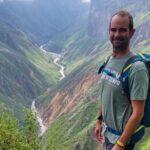
Before you fully commit to the Sillar Route, you’ll cross a strategic spot with an early photo stop. Depending on season and timing, the order of viewpoint stops can shift so you catch volcano views—along with the Chilina Valley—at the best moment.
This stop matters because it gives you context. Arequipa sits under volcano country, and once you see the wider slopes and valleys from above, the later stops feel less random. The geology becomes part of the story instead of just scenery.
Even if you’re not a “photo person,” you’ll appreciate the way this anchors the day. You start understanding why people in the region treat nature as something you relate to, not just something you pass by.
Añashuayco Quarry: where Arequipa’s sillar becomes real
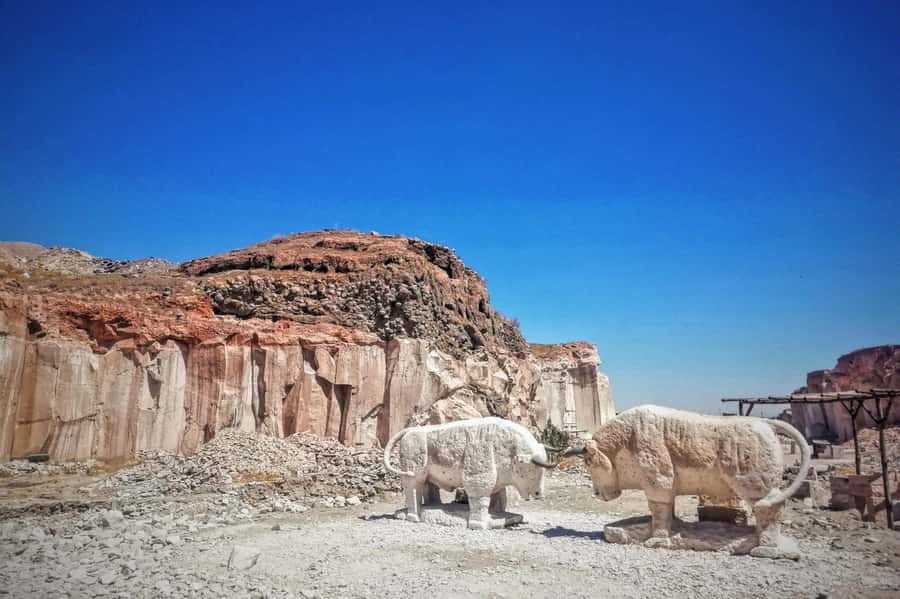
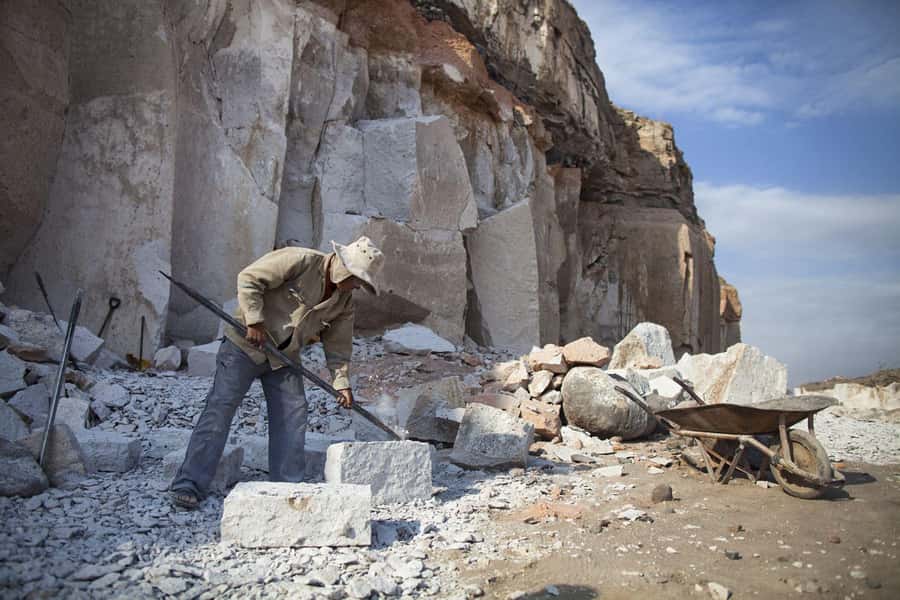
The main event starts with the Añashuayco Quarry. You’ll arrive after about 45 minutes by van, then spend roughly 45 minutes on site.
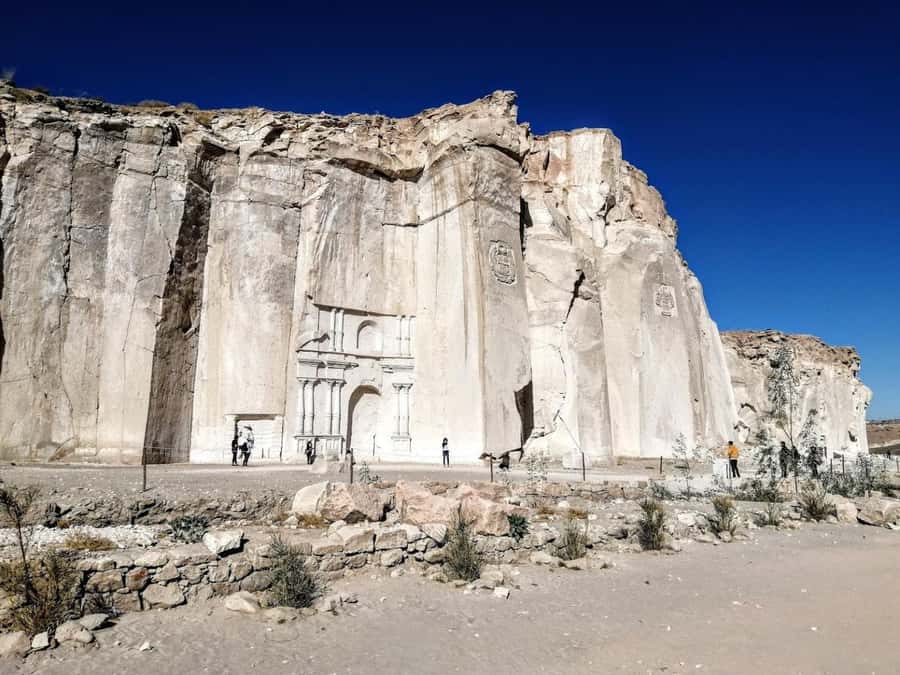
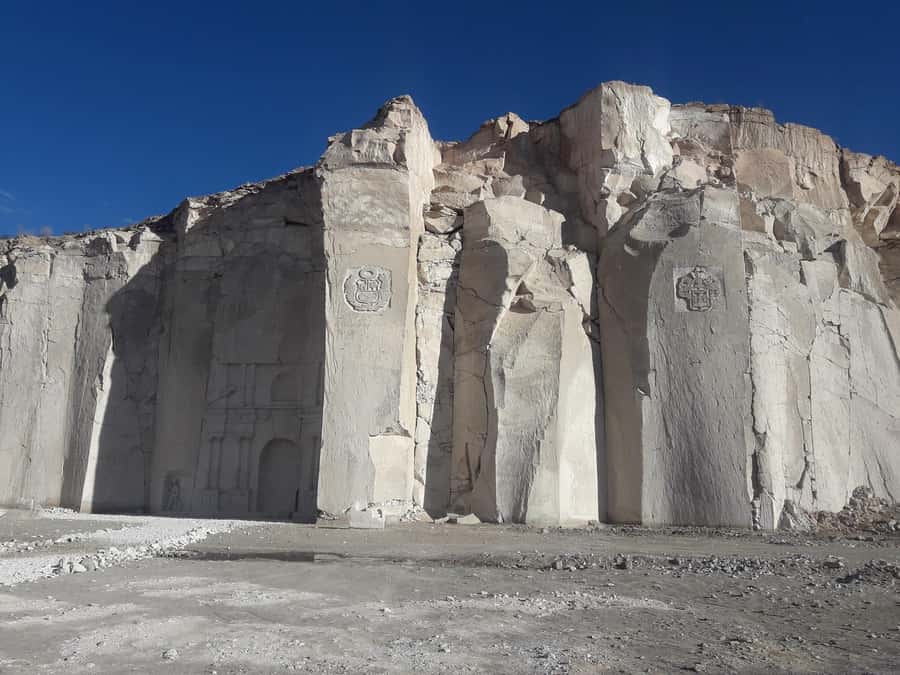
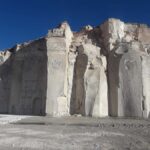
Here’s what makes this quarry visit different from a typical viewpoint. It’s not a dead zone. The stonemasons work very early, and you can see the extraction scene and the big canyon of cliffs formed by igneous extraction for ashlar production. In plain terms: this is where Arequipa’s white building stone comes from.
Your guide connects the dots—how ashlar is produced, how sillar has been used historically, and why this mining tradition became part of the city’s identity. It’s the sort of explanation that makes the stone feel human. You stop seeing it as just “pretty white rock” and start seeing it as a craft and a resource with a history.
The mega carving: Church of the Company of Jesus
In the quarry, you’ll also spot a mega carving of the Church of the Company of Jesus. This is a perfect example of how craft and faith can sit right inside a working industrial scene. It’s large enough to register from a distance, but close enough that you can appreciate the scale of the work.
If you like clear, visual markers tied to local life, this stop delivers.
Hands-on stone time: what you might do with the stonemasons
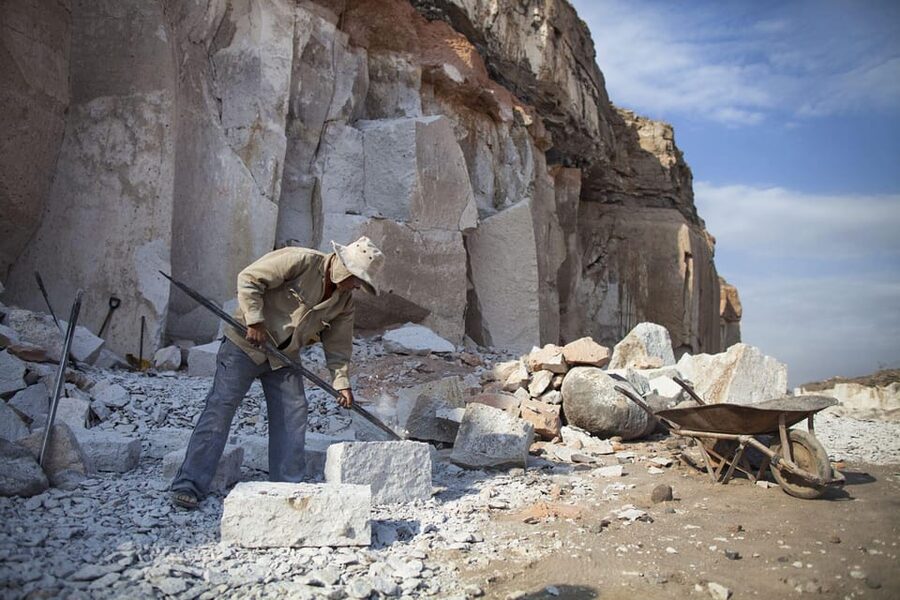
Another reason this tour scores well is that you may get interaction with the stonemasons themselves. The day is set up so you don’t just stand and watch.
You can visit a stonemason and hear about daily work. Depending on how things are running, you may also have a chance to experiment by cutting one of the stone blocks yourself. That hands-on element is short, but it changes the whole feeling of the quarry.
It turns the visit from sightseeing into understanding. After that, you’ll look at ashlar differently back in Arequipa—especially when you notice how the city’s stonework mixes strength, color, and clean edges.
Quebrada de Culebrillas canyon: a short walk with big scale
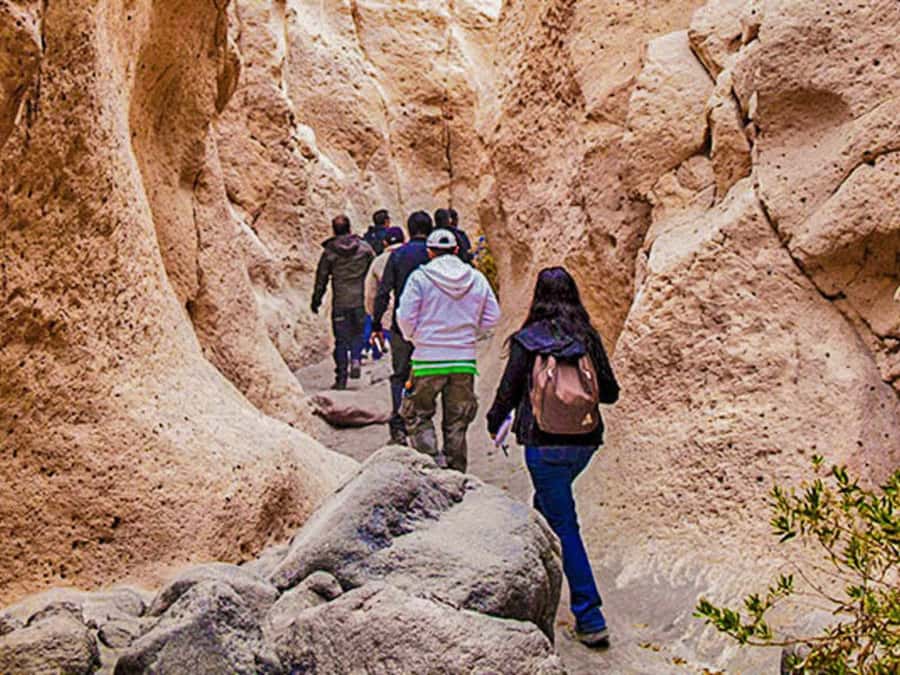
After the quarry, you’ll travel about 30 minutes to Quebrada de Culebrillas. Then you’ll do a walk through the small canyon—about 20 minutes once you’re inside.
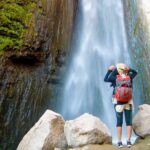
What you’re walking into is water-shaped space: passage carved by water over time. The canyon walls are described at 15 to 20 meters, and as you go deeper, the walls rise higher. That slow “getting taller around you” effect is one of the best parts of the whole tour, because it’s not something you can fake with photos.
Wari petroglyphs you can actually see
At the end of the walk, you’ll see petroglyphs made by the Wari culture, dated to more than a thousand years ago. This is where the day gains an extra layer.
Stone doesn’t just tell a mining story here—it also carries older marks, older meanings. You start to feel the long timeline: extraction and architecture now, and symbolic carving far back in time.
If you want to do this thoughtfully, slow down at the petroglyph area. It’s easy to rush out for photos, but the payoff is better when you give yourself a minute to look.
Apachetas: stone stacks with gratitude energy
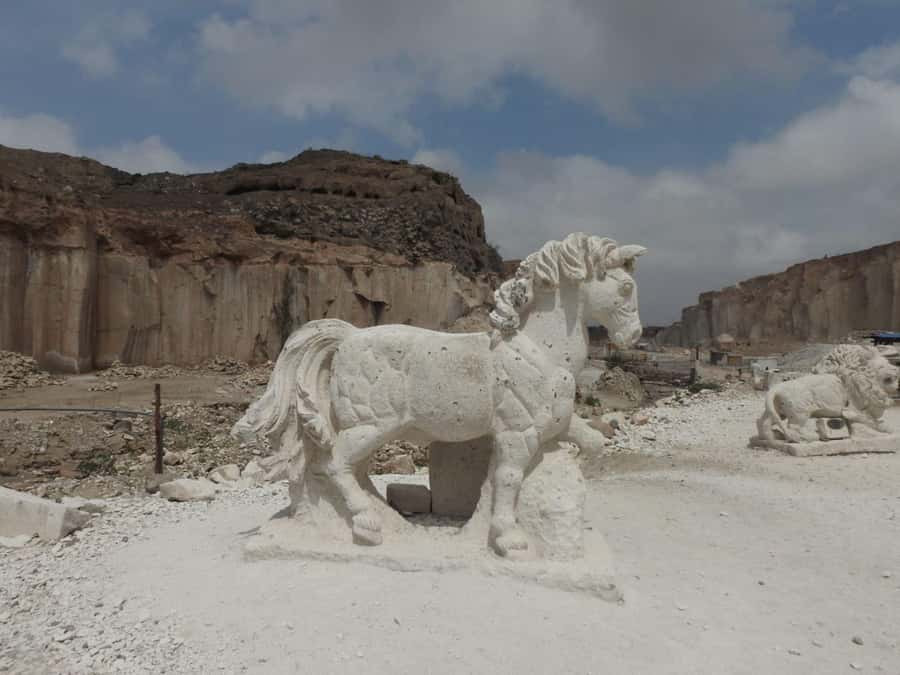
Before heading back to Arequipa, you’ll observe Apachetas—stone formations stacked one on top of another. These are described as a symbol of gratitude toward nature and also linked with good luck.
This is the sort of stop that’s quick, but it adds meaning. After spending time around quarried walls and carved rock, you realize the act of placing stones is also part of how people communicate with the landscape.
It can feel a bit mystical, mostly because it’s quiet and personal compared with the quarry’s working noise.
Mirador de los Volcanes: finishing with a view
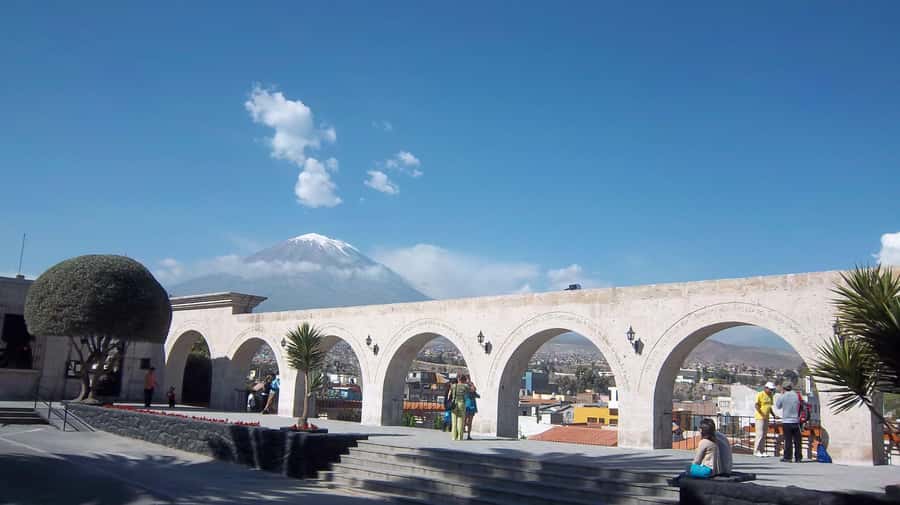
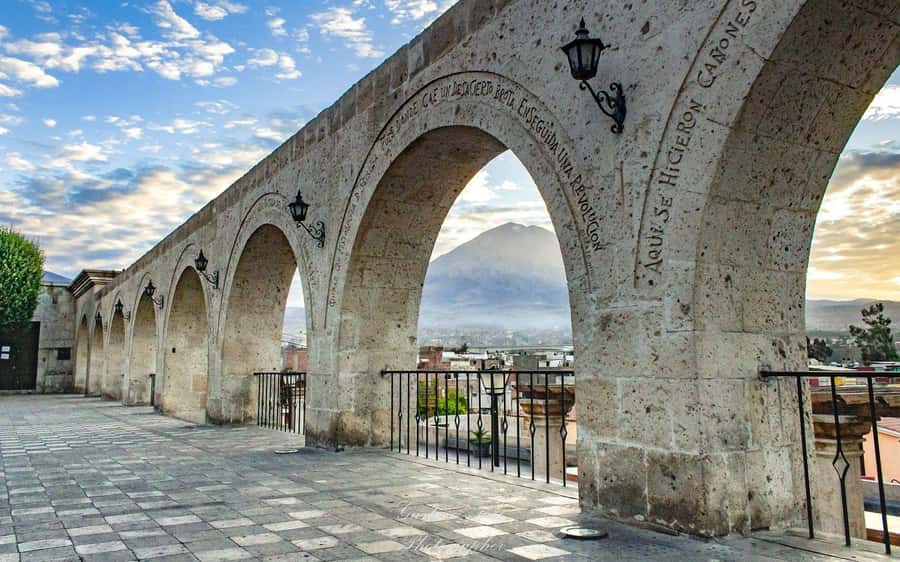
On the way back, you’ll make a photo stop and viewpoint visit at Mirador de Los Volcanes. Your guide will also orient you with explanations so the view makes sense, not just “pretty.”
This is a good moment to catch the overall picture of the day: where the stone comes from, where the canyon is, and how those volcanoes frame everything in the Arequipa region.
If you choose the afternoon shift, this stop often lands with nicer light, so it’s a smart time to grab your best photos before traffic and sun start squeezing your schedule.
Price, entry fees, and what you really get for $12
The advertised price is $12 per person, for a 4-hour guided experience that includes transportation and a live guide.
That’s strong value for two reasons:
- You’re not just paying for transit. The guide’s explanations—especially around sillar formation, ashlar use, and what you’re seeing in the quarry—are part of the ticket value.
- The stops include both living craft and a canyon walk, which would be harder to stitch together quickly on your own with the same level of interpretation.
One important detail: entrance tickets are not included. Plan around 18 soles total for entry. Also, bring cash in soles for tickets and any small purchases. One common snag is that there may not be an ATM on the route, so it’s worth arriving with your payment ready.
What to pack (and why the canyon walk needs it)
This isn’t a strenuous hike, but it does involve some walking, including time inside a canyon. The ground can be uneven and the space is tighter than a normal trail.
I’d pack for comfort and insects:
- close-toed shoes (you’ll want grip and protection)
- insect repellent
- sunscreen and a hat (the sun can hit hard around midday)
- water (you’ll be out roughly four hours, plus some waiting for van transitions)
If you’re sensitive to crowds, the canyon and viewpoint can be busy on popular days. You’ll still enjoy it, but you’ll have more fun if you go in expecting a shared experience.
Morning vs afternoon: choose based on your priorities
If you want the “Arequipa afternoon glow” vibe, the 2:00 PM shift can be worth it. People report better sunset light on the rocks, and the overall mood feels more relaxed as you work through the quarry and then into the canyon.
If you want to keep the rest of your day free for museums or food, the 9:15 AM start is perfect. You’ll be back around 1:30 PM, near the main area (Av La Marina, close to the main square area), so you can keep your schedule moving.
Who this tour is best for
I think this is ideal if you:
- have only half a day in Arequipa
- want hands-on context for how the city’s famous white stone works
- enjoy short walks with clear payoffs
- like mixing modern living craft with ancient cultural traces
It’s also a good first outing after arrival. It’s not a long transfer day, and it gives you a fast understanding of the region’s geology and human use of it.
Should you book the Sillar Route Trek?
Yes—if you want a high-value half-day that connects Sillar Route mining, working stonemasons at Añashuayco Quarry, and the canyon walk at Quebrada de Culebrillas with Wari petroglyphs and Apachetas. The guide-driven explanations seem to be the main reason people leave happy, and the timing hits the right balance of structured viewing plus time to take photos.
Skip or rethink if you:
- have mobility limits that make uneven canyon walking stressful
- hate the idea of shared stops with other groups (this route is popular)
- aren’t willing to handle cash for the 18 soles entry fees
If those points don’t bother you, this is a smart way to turn Arequipa’s white stone into something you can picture, understand, and talk about at dinner.
FAQ
How long is the Sillar Route Trek?
It lasts about 4 hours, with a morning session that starts at 9:15 AM and an afternoon shift at 2:00 PM.
How much does it cost?
The price is $12 per person.
What is included in the price?
Transportation and a live guide are included.
Are entrance tickets included?
No. Entrance tickets cost 18 soles total and are not included.
What languages are the guides?
Guides provide live commentary in English and Spanish.
Where does the tour start and where does it end?
You start at C. Álvarez Thomas 115. The tour ends near Av La Marina, Arequipa.
What stops are included in the tour?
You’ll visit the Sillar Route, Añashuayco Quarry, Quebrada de Culebrillas, and a volcano viewpoint stop (Mirador de Los Volcanes). You’ll also see Apachetas and petroglyphs in the canyon.
Is there free cancellation?
Yes. You can cancel up to 24 hours in advance for a full refund.
Is the tour only for people who want to hike a lot?
No. There is some walking, including a short walk inside the canyon, but it’s not described as a long or extreme hike.
Do I need to bring anything for the day?
You’ll want insect repellent, sunscreen, and close-toed shoes since there is walking and time in the sun.