REVIEW · KATHMANDU
Manaslu Circuit Trekking – 17 Days
Book on Viator →Operated by Annapurna Foothills Treks Expedition Pvt. Ltd. · Bookable on Viator
Larke La is the real checkpoint. This 17-day trek around Manaslu takes you from Kathmandu’s bustle to remote valleys where the air thins fast, and Larke La at about 5213–5215 m is the headline challenge. You’ll circle major peaks like Manaslu and Himlung, then watch the scenery shift from alpine cold to warmer, greener stretches as you drop.
I really like two things about this route. First, you get a proper mountain rhythm: long walk days, then built-in recovery like the acclimatisation day at Sama Gaon. Second, the trip is structured so you’re not scrambling for food or logistics—13 nights in local lodges with breakfast, lunch, and dinner included.
One thing to consider: this is high-altitude trekking with a snow pass, so it’s not a “walk and take photos” plan. You’ll want strong fitness, and you should understand that weather can affect timing (it even notes the experience requires good weather).
In This Review
- Key things to know before you go
- Why the Manaslu Circuit feels different once you’re walking
- Price and what you’re actually paying for at $1,600
- Your crew on the trail: guide, Sherpa support, and named quality signals
- Permits handled for you: TIMS, special permit fees, and official paperwork
- The full walk from Soti Khola onward: what each step section is really for
- Day 1: Arrive in Kathmandu (1300 m)
- Day 2: Preparation day in Kathmandu
- Day 3: Drive to Soti Khola via Arughat (8–9 hrs, 145 km)
- Day 4: Trek to Machha Khola (900 m, ~6 hrs, ~15 km)
- Day 5: Trek to Jagat (1340 m, ~6–7 hrs, ~22 km)
- Day 6: Trek to Deng (1860 m, ~6–7 hrs, ~20 km)
- Day 7: Trek to Namrung (2630 m, ~7–8 hrs, ~19.5 km)
- Day 8: Trek to Lho (3200 m, ~6–7 hrs, ~10 km)
- Day 9: Trek to Sama Gaon (3541 m, ~5–6 hrs, ~8.5 km)
- Day 10: Acclimatisation day at Sama Gaon (3541 m)
- Day 11: Trek to Samdo (3872 m, ~4–5 hrs, ~7.5 km)
- Day 12: Trek to Larkya Phedi (4500 m, ~4–5 hrs, ~7 km)
- Day 13: Cross Larkya La and descend to Bhimphedi (5215 m, 10–12 hrs, 24 km)
- Day 14: Trek to Gho (2515 m, ~6–7 hrs, ~22 km)
- Day 15: Trek to Tal (1700 m, ~5–6 hrs, ~15 km)
- Day 16: Drive back to Kathmandu via Besisahar (8–9 hrs, 220 km)
- Day 17: Happy departure
- Acclimatization that actually makes sense at 3541 m and 3872 m
- The snowy pass day: how to think about 5215 m without panic
- When the trek opens into forested river country and Annapurna trails
- Local lodge living: what’s included, what to watch, and what to pack for
- Transfers and timing: the long drive days are part of the deal
- Who should book this trek (and who should think twice)
- Should you book this Manaslu Circuit trek?
- FAQ
- Where does the Manaslu Circuit Trek start and end?
- How long is the trek?
- What is the highest point on the trek?
- What’s included during the trek days?
- Are meals in Kathmandu included?
- Is this a group tour or private?
Key things to know before you go
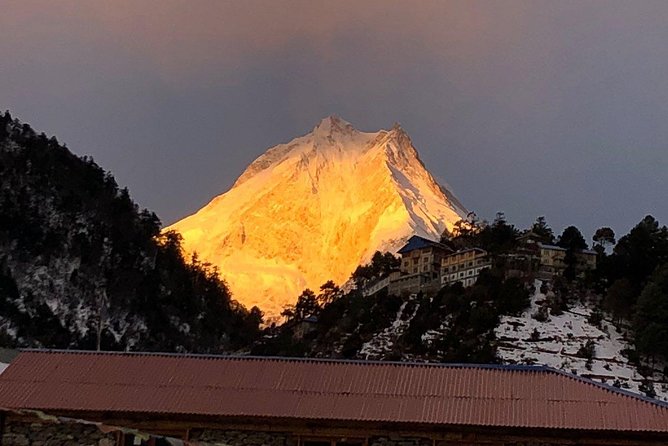
- A snowy high pass at Larkya La (about 5215 m) makes this more than a scenic hike
- Acclimatisation is built in with a dedicated day at Sama Gaon (3541 m)
- Meals are planned on the trek: breakfast, lunch, and dinner included in lodge stays
- Your support team is part of the value: English-speaking Sherpa guide plus porters (1 porter for 2 trekkers)
- You’ll cross major altitude zones—from alpine to tropical feel as you descend
- Drive days break up the walking: long bus transfers on Day 3 and Day 16
Why the Manaslu Circuit feels different once you’re walking
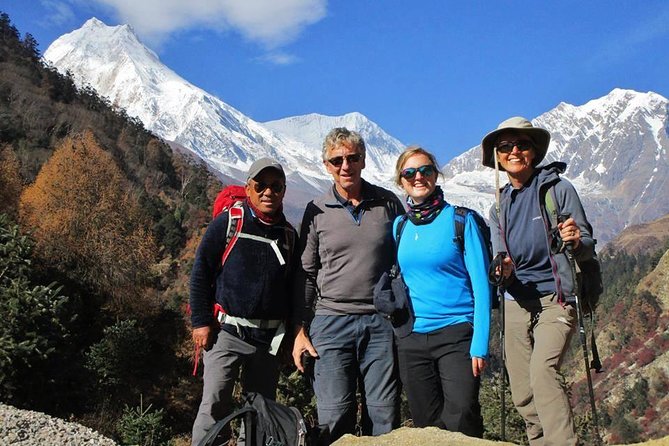
The Manaslu Circuit isn’t just about stacking high numbers. It’s about contrast. You start with big mountain faces all around—Himal Chuli, Manaslu, Cheo Himal, Himlung Himal—and you feel that scale every day, not only on a single postcard viewpoint.
Then the route changes character as you climb and later descend. The overview for this trek talks about moving from alpine terrain into areas that feel more like tropical Nepal—ferns, bamboo, waterfalls, and even blue-green lakes with light-colored shorelines. That “ecosystem shift” is one of the best reasons to do this trek instead of choosing only a more direct high-altitude pass plan.
You also get the added bonus of connection. After dropping through the Marsyangdi River valley, you meet up with the popular Annapurna Circuit trail. That means you still get the friendly flow of other trekkers later on, but the beginning and the pass section feel more like you earned the quiet.
You can also read our reviews of more tours and experiences in Kathmandu.



Price and what you’re actually paying for at $1,600
At $1,600 per person, the price can look steep until you unpack what’s included. For this trek, you’re covered for core costs that often add up fast on Nepal treks:
- Local lodge accommodation for 13 nights, with breakfast, lunch, and dinner
- An English-speaking, experienced Sherpa guide (government trained/licensed)
- Trek staff costs: salary, insurance, equipment, food, and accommodation
- Porters (1 porter for 2 trekkers)
- Permits/documentation: special permit fee, TIMS, and required official documentation
- Energy supplies like Snickers, Mars, and Bounty on the trek
- A first aid medicine kit
That’s the key value angle: you’re paying for a system that keeps you walking without needing to budget and coordinate every single day yourself.
What’s not included matters too. Nepal entry visa, personal travel insurance, and any city meals (you’re told to budget $10–$14 per meal in tourist restaurants) will be on you. Beverages also aren’t included, and tips for your guide/porters/driver are customary.
There are optional upgrades too. Ground transfer by local bus is included, but you can upgrade to private vehicles:
- Kathmandu to Soti Khola by private jeep: $210 total
- Tal to Besi Shar to Kathmandu by private jeep and car: $280 total
If you dislike being stuck in slow public transport, that upgrade is one of the easiest ways to buy back comfort.
Your crew on the trail: guide, Sherpa support, and named quality signals
This trek runs with an English-speaking Sherpa guide who is government trained/licensed. If your group is larger than four trekkers, you also get one Sherpa guide-assistant. That matters because the pass day is long, and good pacing and decision-making are everything when the weather and snow can turn stubborn.
Porters are also part of the plan. The structure is one porter for every two trekkers, so your load should feel manageable compared to independent trekking with the same altitude.
One more quality signal comes from the names mentioned in prior experiences with this same operator. The team’s reviews highlight guides like Ngima and Jangbu (and a similar name variation appears as well) for going above and beyond—specifically including extra care when a traveler fell sick. I can’t promise which guide you’ll get on your dates, but it’s a strong hint that attention and professionalism are part of how the company operates.
Permits handled for you: TIMS, special permit fees, and official paperwork
Nepal trekking is not just boots and weather—it’s also paperwork. The good news here is that the trek package includes:
- Special permit fee
- TIMS permits
- All required permits or official documentation
That takes one stressful task off your plate in Kathmandu. You can spend your preparation day on the human stuff: acclimatisation planning, gear checks, and getting your body ready for Day 3’s long drive and then walking.
The full walk from Soti Khola onward: what each step section is really for
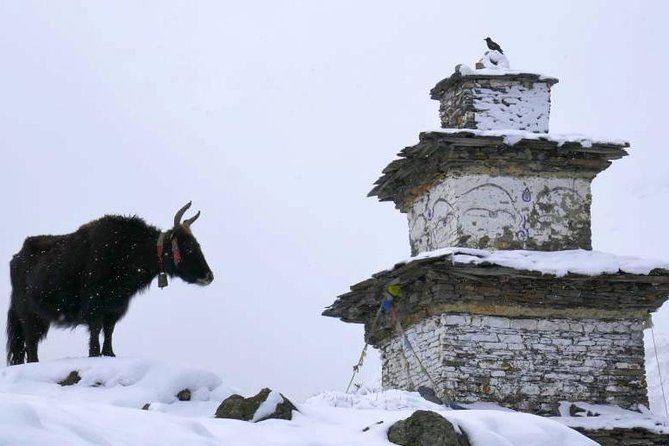
This trek is 17 days total, starting in Kathmandu (about 1300 m). After a preparation day, you drive out and start your hiking “ladder,” slowly gaining altitude until the pass day.




Day 1: Arrive in Kathmandu (1300 m)
You’ll land in Kathmandu and sleep at altitude similar to the city’s base elevation. Use this day to hydrate, eat something simple, and keep activity light.
Day 2: Preparation day in Kathmandu
This is where you handle last checks. Since the trek includes permits and planned lodge meals, your work is mostly physical and practical: packing, confirming your gear, and resting so Day 3 isn’t brutal.
Day 3: Drive to Soti Khola via Arughat (8–9 hrs, 145 km)
You drop to about 710 m and spend most of the day in transit. The upside is you’re saving your legs early. The downside is you still need to be ready to hike the next day after a long sitting day.
Day 4: Trek to Machha Khola (900 m, ~6 hrs, ~15 km)
This is your first real rhythm builder—walk time starts, and the trail begins training your pace and breathing. It’s a “wake up your trekking muscles” day, not a summit day.
Day 5: Trek to Jagat (1340 m, ~6–7 hrs, ~22 km)
Day 5 pushes distance. If you pace well, you’ll learn how quickly your body finds its tempo at this elevation range.
Day 6: Trek to Deng (1860 m, ~6–7 hrs, ~20 km)
Altitude rises again. Expect the day’s work to feel a bit more demanding, even if the trekking hours don’t suddenly spike.
Day 7: Trek to Namrung (2630 m, ~7–8 hrs, ~19.5 km)
You’re gaining height steadily now, and this is where the mountain walls start feeling bigger in person, not just on maps. Mentally, this day helps you understand how the trek’s “slow and steady” approach leads into the high section.
Day 8: Trek to Lho (3200 m, ~6–7 hrs, ~10 km)
The distance is shorter, but the altitude isn’t. That’s a smart trade: you move less far, but your body still adjusts upward.
Day 9: Trek to Sama Gaon (3541 m, ~5–6 hrs, ~8.5 km)
This is the step before the acclimatisation day. At around 3541 m, you’ll feel the air change, especially if you start walking too fast.
Day 10: Acclimatisation day at Sama Gaon (3541 m)
This is one of the most valuable days on the whole trek. Instead of stacking altitude again, you get time to recover and let your breathing catch up. If you want to finish Larke La with your head and legs still working, this day earns its keep.
Day 11: Trek to Samdo (3872 m, ~4–5 hrs, ~7.5 km)
A short push upward. Think of it as your “setting up camp for the cold” day—higher, but not exhausting.
Day 12: Trek to Larkya Phedi (4500 m, ~4–5 hrs, ~7 km)
This is high enough that cold and fatigue can creep in fast. The purpose here is simple: position yourself for the pass crossing with enough time and energy to handle a long day.
Day 13: Cross Larkya La and descend to Bhimphedi (5215 m, 10–12 hrs, 24 km)
This is the day you came for. The overview highlights crossing Larke La pass at about 5213 m on snow, and the itinerary describes a very long route: up to around 5215 m and then down to about 3590 m at Bhimphedi.
It’s not only altitude. It’s also duration. Ten to twelve hours is a long time to stay focused when your body feels “worky” from altitude. Go slow, keep your breathing steady, and follow your guide’s pace.
Day 14: Trek to Gho (2515 m, ~6–7 hrs, ~22 km)
After the pass, the altitude drops a lot. That can feel like a relief on the lungs and legs, and it’s also where you start seeing the region shift again—more forested character as you move toward the river valley section.
Day 15: Trek to Tal (1700 m, ~5–6 hrs, ~15 km)
This is your finishing climb rhythm down toward lower altitudes. You’ll likely feel better here, but don’t treat it like a vacation day. Consistency still matters after the pass.
Day 16: Drive back to Kathmandu via Besisahar (8–9 hrs, 220 km)
You trade boots for seats. The upside is you’re back in Kathmandu’s base altitude range (about 1300 m). The downside is you’ll want a realistic recovery window because that’s a long transfer.
Day 17: Happy departure
Time to fly home with a very strong altitude story. This trek tends to stick with people.
Acclimatization that actually makes sense at 3541 m and 3872 m
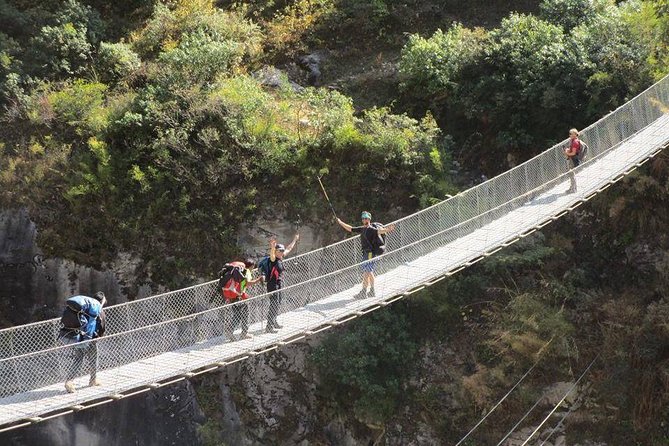
The itinerary gives you an acclimatization day at Sama Gaon (3541 m), then continues up to Samdo (3872 m). That combination is what I like about this trek’s structure: it doesn’t just “shoot for height.” You build, recover, then build again.
Practical advice: on the acclimatisation day, don’t turn it into a second workout. Keep it calm, watch your breathing, and use the time to get your body comfortable at that altitude before you go higher.
The snowy pass day: how to think about 5215 m without panic
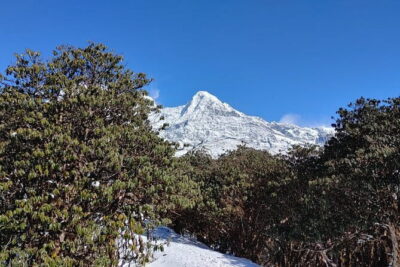
Crossing Larkya La at about 5215 m is described as a snow test of stamina. Even with a guide and Sherpa team, this day asks for steady effort more than heroics.
Here’s how to mentally prepare:
- Expect a long day: 10–12 hours
- Expect a lot of total distance: about 24 km
- Expect altitude pressure: you’re going to be breathing hard
The best strategy is to treat it like controlled work. Keep your effort even. If you rush early, you’ll pay later when the air is thinner and the descent is still ahead.
When the trek opens into forested river country and Annapurna trails
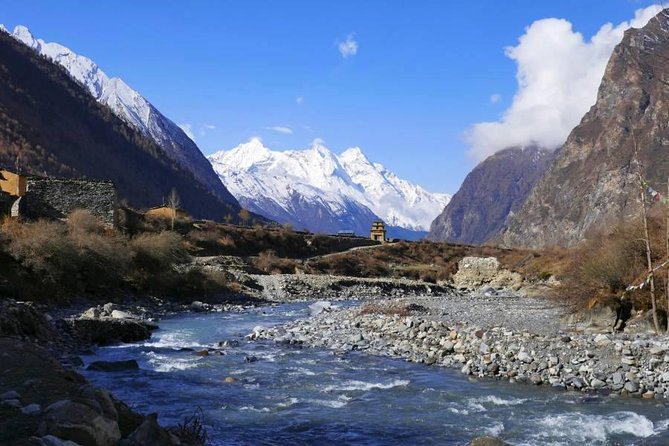
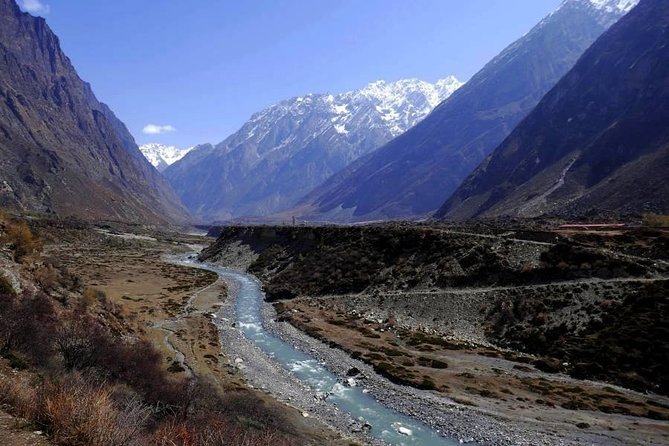
After descending from the pass zone, you move into the heavily forested valley of the Marsyangdi River. This matters because it changes the kind of walking you do and how it feels.
Then you meet up with the popular Annapurna Circuit trail. That’s useful late in the trek: you get a sense of connection to a well-known route system, and you’ll likely feel less alone as you head toward Tal and then back to Kathmandu.
Local lodge living: what’s included, what to watch, and what to pack for
This trek includes lodge accommodation for 13 nights, with breakfast, lunch, and dinner included. That removes one of the most annoying parts of multi-day trekking: deciding where to eat each day and whether the schedule matches your plan.
You’ll also get energy snacks on the trek—Snickers, Mars, and Bounty. Those are simple treats, but they’re also practical. When you’re burning calories at altitude, even small boosts can help your morale.
What’s not included: beverages (soft drinks, mineral water, boiled water, beer). So plan on paying for that along the way, and budget for the fact that water and drinks can add up when you’re hiking daily.
Transfers and timing: the long drive days are part of the deal
You’ll do long ground transfers that bookend the trekking section:
- Day 3: drive to Soti Khola (8–9 hrs)
- Day 16: drive back to Kathmandu (8–9 hrs)
There’s an optional private jeep upgrade with set extra costs. If you’re prone to getting stiff from long drives, the upgrade can be worth it. If you’re fine with bus travel and you’d rather keep the budget for gear or tips, the included local bus option is totally workable.
Who should book this trek (and who should think twice)
This experience is listed as requiring strong physical fitness. That’s accurate for the itinerary: long walk days, including 7–8 hour days and a pass day that runs 10–12 hours.
This trek is a great fit if:
- you want one of the defining high-pass treks in Nepal
- you’re okay with cold at altitude and long days of effort
- you like structured support (guide, porters, lodge meals, permits handled)
It’s a weaker fit if you:
- hate altitude challenges and aren’t comfortable breathing through discomfort
- want a short, easy hike with minimal fatigue
- can’t handle the reality that the trek needs good weather to run as planned
Should you book this Manaslu Circuit trek?
If you’re serious about trekking Nepal and you want the kind of “big day” that changes how you measure effort, this route makes a strong case. The combination of steady climbing, a real acclimatization day, lodge meals included, and a high snowy pass crossing is good value for the effort you’re putting in.
I’d book it if you can hit the stamina requirement and you’re willing to be patient on summit-day conditions. I’d think twice if your schedule is tight or if you can’t handle the chance of weather disruption.
FAQ
Where does the Manaslu Circuit Trek start and end?
It starts in Thamel, Kathmandu and ends back at the same meeting point.
How long is the trek?
The experience runs for 17 days (approximately).
What is the highest point on the trek?
The route crosses Larkya La Pass at about 5213–5215 m.
What’s included during the trek days?
Accommodation in local lodges for 13 nights with breakfast, lunch, and dinner, plus an English-speaking experienced Sherpa guide, porters (1 porter for 2 trekkers), trek staff costs, first aid kit, energy snacks, and the required permits/TIMS documentation.
Are meals in Kathmandu included?
No. You should budget $10–$14 per meal in tourist restaurants for lunch and dinner in cities.
Is this a group tour or private?
It is listed as a private tour/activity, so only your group participates.