REVIEW · BISHKEK
Horse Trek to Kel Suu Lake
Book on Viator →Operated by Visit Alay - Travel Company · Bookable on Viator
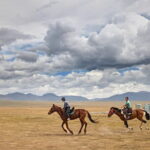
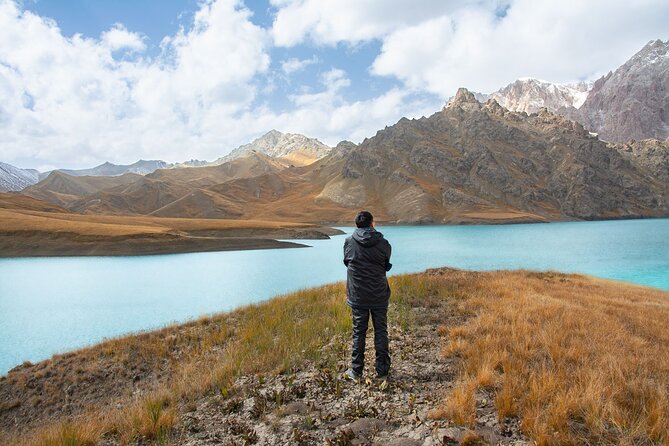
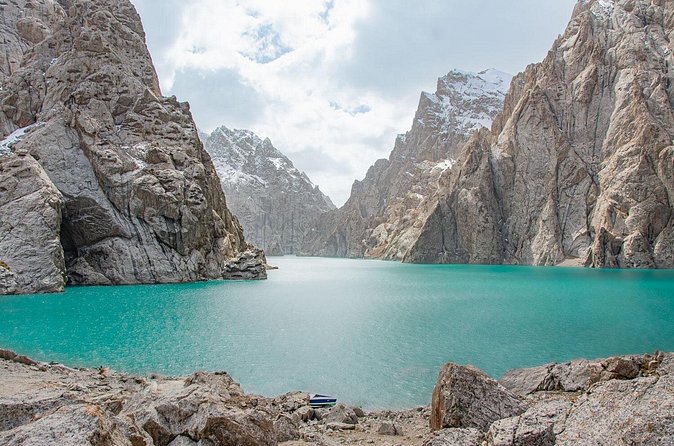
Kel-Suu Lake from horseback feels unreal. This Kyrgyz trek pairs Kel-Suu Lake’s turquoise alpine views with yurt camp nights and proper time in the saddle with local horsemen and guides. I also like how the trip is run as a full package—transport, horses, and camp cooking gear are handled—so you can focus on the mountains. One consideration: this is remote riding plus long minibus days, so you’ll want moderate physical fitness and patience.
I kept seeing the same names pop up in the experience: guide Sanjar, praised for keeping things organized and adding humor, plus a friendly driver like Milran who helps make those driving hours feel easier. With a small group cap of 8, the tone tends to be calm, practical, and hands-on—exactly what you want when you’re dealing with horses and high passes.
In This Review
- Key things to know before you go
- The real draw: horseback access to Kyrgyz high country
- Getting there from Bishkek: the long-drive reality
- Day-by-day: from Naryn and Kok-Kiya Valley toward Kel-Suu Lake
- Day 1: Bishkek to Naryn homestay (315 km)
- Day 2: Bosogo Pass and Kok-Kiya Valley approach (140 km)
- Day 3: 13 km on horseback in Kok-Kiya Valley
- Day 4: Car Pass (3,791 m) and the push deeper toward Kel-Suu
- Day 5: Riding the last stretch toward Kel Suu Lake (12 km, plus driving)
- Day 6: back to Bishkek (315 km)
- Horses, guide style, and what “well-organized” actually means here
- Yurt camp nights: comfort level and why they’re worth it
- Meals that keep you moving (and what’s not included)
- Price and value: what you’re paying for at $1,400
- What to pack: what’s covered vs what’s on you
- Best fit: who should book this trek
- Quick timing and operating window
- Should you book the Horse Trek to Kel-Suu Lake?
- FAQ
- How long is the Horse Trek to Kel Suu Lake?
- What does it cost?
- Where do I meet for the tour?
- Is pickup offered?
- How many people are in the group?
- Are meals included?
- What camping gear is included, and what should I bring?
- Are helmets included?
- Is insurance included?
- What happens if weather is poor, or if I cancel?
Key things to know before you go
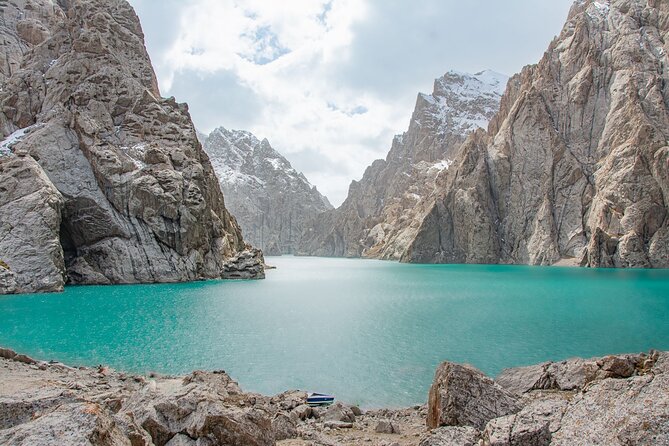
- Kel-Suu Lake is the point, reached by horseback and high-mountain passes, with that striking alpine-water payoff.
- Small group size (max 8) makes it easier to manage horses, schedules, and camp life.
- Two major passes show up on the route: Bosogo Pass and Car Pass at 3,791 m.
- Camp kit is provided, including tent, mats, gas, and a cooking dish—so you pack lighter than you might think.
- Meals are included for five days, which matters on a remote trek where stopping for food isn’t really a thing.
The real draw: horseback access to Kyrgyz high country
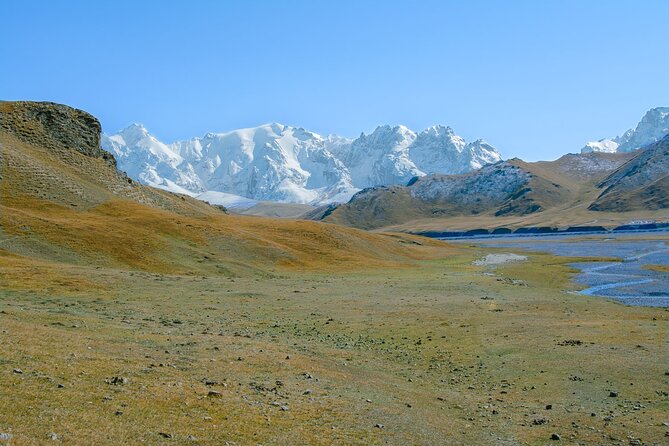
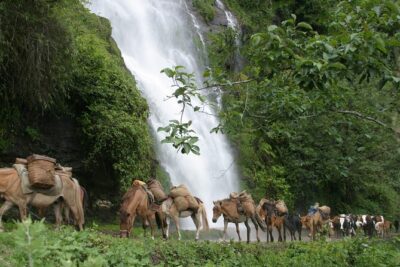
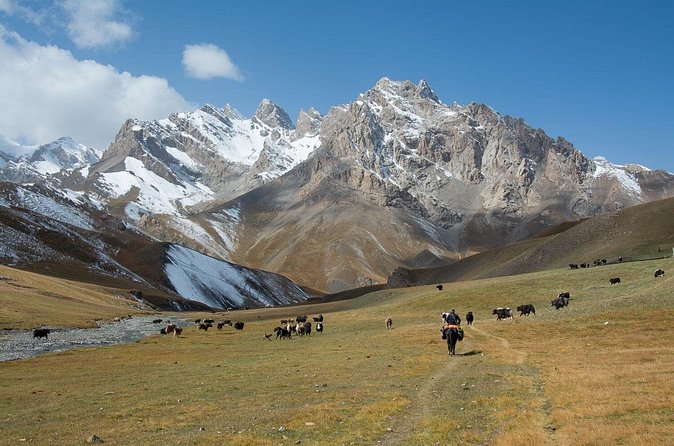
This isn’t a “bus to a viewpoint” day trip. The value here is that the route is built around horse riding through valleys and over passes, then sleeping in traditional yurt camps. That combination is what turns Kel-Suu Lake from a dot on a map into a place you approach slowly—mile by mile, sound by sound, with the rhythm of the mountains.
The scenery and altitude do the big emotional work. You’ll cross Bosogo Pass early in the journey, then later pass over Car Pass (3,791 meters), where you get summit views before continuing toward the lake area. Even if you’re not chasing dramatic photos, that “from the saddle, then over the pass” pacing makes the whole trip feel earned rather than rushed.
You can also read our reviews of more tours and experiences in Bishkek.
Getting there from Bishkek: the long-drive reality
You start in Bishkek at 573 Frunze Street, with the activity ending back there. Pickup is offered, and the tour is designed around getting you out of the city early enough to use the day. Expect multiple long driving segments by minibus, because this is a remote trekking region in the Tian Shan mountains.
Here’s what that means in practical terms:
- Day 1 includes a long drive of 315 km to Naryn, with lodging in a homestay.
- Day 2 includes 140 km and a scenic ascent over switchbacks at Bosogo Pass.
- Day 5 includes another 140 km drive later in the day after your riding segment.
- Day 6 brings you back to Bishkek with 315 km of driving.
If you’re the type who gets antsy in vehicles, plan to treat the riding days as the main event and the driving days as the “necessary grind.” Bring a good playlist, stay hydrated, and don’t underestimate how tired you can get even when the roads are smooth.
Day-by-day: from Naryn and Kok-Kiya Valley toward Kel-Suu Lake
Day 1: Bishkek to Naryn homestay (315 km)
Day one is about transition: you head out of Bishkek after breakfast and wind through valleys and smaller towns on the way to Naryn. You end with accommodation at a homestay, which is a nice way to start the trip in a more local setting before you go fully into camp life.
The key benefit of this first night is psychological. By the time you’re ready to meet the horses, you’re already in rhythm with the region instead of arriving exhausted and trying to jump straight into riding.
Day 2: Bosogo Pass and Kok-Kiya Valley approach (140 km)
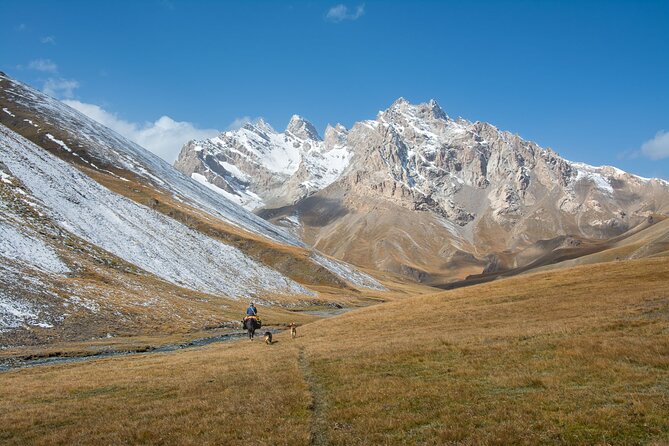
After about an hour from Naryn, you start climbing with the switchbacks of Bosogo Pass. The route then opens out toward Ak-Sai Valley, and you continue toward Kok-Kiya Valley.
This day doesn’t revolve around horseback time. It’s more like a moving introduction: the higher you go, the more the terrain changes, and you start sensing how remote this trek really is. If you’re nervous about horses, this kind of “warm-up day” can help.
Day 3: 13 km on horseback in Kok-Kiya Valley
This is the first full riding day: you meet your horse and get a short riding briefing from your guide, then ride about 13 km with a gain/loss of roughly 514 m ascent and 414 m descent. The trail includes crossings of rivers and winding segments through the valley.
What I like about how this is set up is that it’s not just a long straight line. The mix of trail styles and river crossings forces focus without turning the day into a punishing marathon.
Day 4: Car Pass (3,791 m) and the push deeper toward Kel-Suu
Day four continues the trek with another horseback segment of 18 km and a similar altitude challenge (about 470 m ascent and 488 m descent). The big moment is crossing Car Pass at 3,791 meters. From the summit, you take in sweeping views, then continue onward toward the Kel-Suu Lake area.
This is the day where you’ll want your pacing brain switched on. High passes are where timing matters: step carefully, listen to your guide, and don’t feel pressured to race the group.
Day 5: Riding the last stretch toward Kel Suu Lake (12 km, plus driving)
Day five is about getting to the destination without overcomplicating it. You ride around 12 km (about 3 hours by horse) toward Kel Suu Lake. Then the day also includes a long 140 km drive, which gives your body a break from constant saddle time.
That balance is smart. It’s a reminder that this is a trekking operation, not a stunt: you get the horse experience, but you’re also transported in a way that keeps the schedule realistic.
Day 6: back to Bishkek (315 km)
After breakfast you start the return drive of 315 km to Bishkek, arriving by early afternoon. You’ll have time to reset—shower, rest, and get your bearings for whatever comes next in Central Asia.
Horses, guide style, and what “well-organized” actually means here
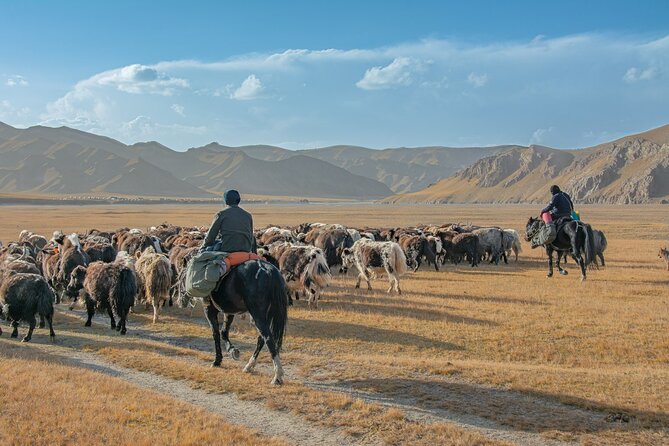
The best praise you see for this trek isn’t vague. It’s practical: people felt safe and cared for because the team is structured. You’ll have a horseman team, plus a guide who handles routing and the day’s flow.
The presence of guides like Sanjar comes up repeatedly, with praise for organization and humor. That matters more than you might think. When you’re dealing with horses and changing terrain, confidence spreads fast. A relaxed guide tone helps you focus on riding rather than worrying about what happens next.
Also, the tour includes a professional driver—and a friendly one is mentioned as Milran. That doesn’t sound like a big deal until you’ve spent hours on rough roads. The drive isn’t just “transport.” It’s part of whether the entire week feels manageable.
Yurt camp nights: comfort level and why they’re worth it
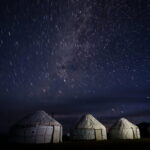
You’ll stay in traditional yurt camps, and part of the point is interaction—connecting with local herders and experiencing Kyrgyz hospitality. That’s where you learn customs in a normal, lived-in way rather than as a staged performance.
Camp logistics are included, which is a big deal for value:
- Tent and mats are provided
- Gas and a cooking dish are included for camp cooking
Sleeping bags are not included, so this is one place you shouldn’t wing it. Plan to bring your own sleeping bag, and if you’re sensitive to temperature, pick something appropriate for tent camping.
Meals that keep you moving (and what’s not included)
Meals are built into the schedule in a straightforward way: breakfast (5), lunch (5), and dinner (5) are included. That means you don’t have to negotiate where to eat in the middle of the mountains. It’s also easier for your body—consistent meals help with energy management when you’re riding.
What’s not included is equally important:
- Bottled water
- Alcoholic drinks
- Coffee and soda
- Personal expenses
So budget for hydration purchases and any extra drinks. If you’re a coffee person, plan ahead rather than hoping caffeine appears at altitude like a mountain fairy.
Price and value: what you’re paying for at $1,400
At $1,400 per person for about 6 days, this is not a budget trek. But the pricing also isn’t just “a seat on a minibus.” You’re paying for:
- Transport from/to Bishkek
- Horses and horsemen
- Trekking camp gear (tent, mats, cooking setup)
- Border permit
- Camp meals (breakfast/lunch/dinner for five days)
When a trek includes live animals, their handlers, camp cooking, and multi-day logistics in a remote region, the cost stops being surprising. It becomes about how much work and coordination go into making the trip run smoothly.
Some people note it can be more expensive than other options. The practical answer is: you’re buying time that would be hard to replicate independently, plus the team that keeps the whole operation together.
What to pack: what’s covered vs what’s on you
From the included list, you can count on core camp items being handled. Still, you need to bring the personal gear that keeps you comfortable.
Included equipment:
- Tent, mats
- Gas, cooking dish
- Border permit
- Meals for the trekking plan (as listed)
Not included:
- Sleeping bags
- Helmets
- Insurance
- Bottled water and drinks
My advice: pack with the assumption that you’ll sleep in a tent and that you’re responsible for your own bedding. If you prefer riding with a helmet, bring one—it isn’t provided in the included items.
Best fit: who should book this trek
This trek fits best if you:
- Want a real horse trekking experience, not just sightseeing
- Prefer a smaller group (max 8 travelers)
- Are comfortable with a moderate physical fitness requirement
- Like cultural contact through yurt camps and Kyrgyz hospitality
If you’re someone who hates long vehicle days, you might find the driving segments tiring. If you’re prone to motion sickness, plan for that in advance. And if you’re expecting a luxury hotel chain vibe, you’ll want to recalibrate your expectations early—this is remote and functional, built around horses and mountain days.
Quick timing and operating window
The tour runs during July 1 through Sep 15, 2026, and operates Monday through Sunday. The stated activity hours are 9:00 AM to 8:00 PM. If you’re flexible, aim for the dates that give you the best weather window in the mountains—this trek depends on good conditions.
Should you book the Horse Trek to Kel-Suu Lake?
Book it if you want a Central Asia experience that feels hands-on: horses you ride, a route that crosses real passes like Bosogo and Car (3,791 m), and nights in yurts where you’re not just watching culture—you’re part of the daily routine.
Skip it (or consider another style of trip) if you want minimal physical effort, want fewer long driving days, or don’t want to handle your own sleeping bag. Also take the weather factor seriously—this experience requires good conditions, and the operation may shift dates if conditions are poor.
If your dream is turquoise alpine water reached the old-school way—slowly, on horseback, with a well-run team—then this one is a strong match.
FAQ
How long is the Horse Trek to Kel Suu Lake?
It’s listed as 6 days (approx.).
What does it cost?
The price is $1,400.00 per person.
Where do I meet for the tour?
You start at 573 Frunze Street, Bishkek, Kyrgyzstan, and the tour ends back at the same meeting point.
Is pickup offered?
Yes, pickup is offered.
How many people are in the group?
The tour has a maximum of 8 travelers.
Are meals included?
Yes. Breakfast (5), Lunch (5), and Dinner (5) are included.
What camping gear is included, and what should I bring?
Included items include a tent and mats, plus gas and a cooking dish. Sleeping bags are not included.
Are helmets included?
No. Helmets are not included.
Is insurance included?
No. Insurance is not included.
What happens if weather is poor, or if I cancel?
The tour requires good weather. If it’s canceled due to poor weather, you’ll be offered a different date or a full refund. You can also cancel for a full refund up to 24 hours in advance.