REVIEW · KATHMANDU
14 Days Everest Base Camp Trekking
Book on Viator →Operated by Hiking Himalayas Trek and Expedition Private Day Tours · Bookable on Viator
Everest Base Camp is a distance you can feel. This 14-day trek threads flights, acclimatization breaks, and lodge days into a plan that keeps you moving without rushing the altitude.
I like that the trip is built around solid acclimatization days in Namche and Dingboche, not just a straight grind uphill. You’ll also get real logistical support: a certified English-speaking guide, a porter to carry the heavy stuff, and private ground transport around Kathmandu. One possible drawback: a chunk of your time is long hiking days, plus the two big flight legs to Lukla can be weather-sensitive.
In This Review
- Key Things That Make This Trek Work
- Kathmandu Start: Easy Morning, Big Mountain Energy
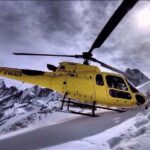
- Flights to Lukla: The Trailhead Comes Fast
- Phakding to Namche: Rivers, Bridges, and Controlled Effort
- Namche Rest Day + Everest View Point: Acclimatize Like It’s Part of the Job
- From Namche to Tengboche (Tengboche): First Major Peak Views
- Dingboche Arrival and Pangboche Area: Ama Dablam in Focus
- Dingboche Acclimatization Day: Lake Hike Options and High-Altitude Patience
- Toward Khumbu Glacier: Lobuche and the Cold Climb
- Gorakshep to Everest Base Camp: The EBC Moment, Scheduled
- Kala Patar Early Morning: Views That Earn Their Sweat
- Return Trek: Tengboche Back, Lukla Ahead
- Finish in Kathmandu: Free Time on Your Terms
- Price ($1,420) and Value: What You’re Really Paying For
- Lodges, Meals, and the Reality of Sleeping at Altitude
- Guide and Porter Support: The Difference Between Surviving and Enjoying
- Fitness Level and Trek Style: Who This Fits Best
- Should You Book This Everest Base Camp Trek?
- FAQ
- What’s the meeting point and start time?
- Are airport transfers included in Kathmandu?
- How do you get from Kathmandu to the trekking trailhead?
- Is Kathmandu lodging included?
- What permits are covered?
- What about meals during the trek?
- Is hot water or a hot shower included?
- Do I need a visa for Nepal?
- What’s included in the trek staff support?
- Can I cancel and get a full refund?
Key Things That Make This Trek Work
- Lodge-to-lodge plan with twin-share accommodation and scheduled meals, so you’re not playing tea-house roulette.
- Two intentional acclimatization/rest days to reduce altitude drama and help you keep a steady pace.
- Round-trip flights Kathmandu–Lukla, so you avoid days of slow road transfer to the trailhead.
- Kala Patar plus Base Camp in the same overall window, giving you both a high viewpoint and the big EBC moment.
- Certified English guide + porter staffing ratio (2 trekkers: 1 porter), which matters a lot once you get above 4,000m.
- Permits handled and a trekking map plus achievement certificate—small touches that keep paperwork pain low.
Kathmandu Start: Easy Morning, Big Mountain Energy
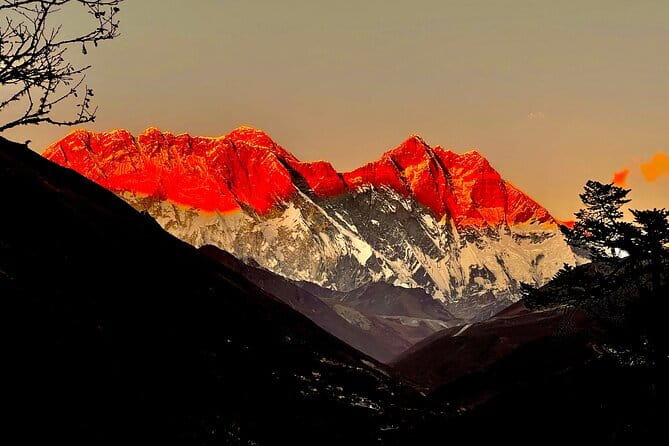
You’ll begin at Tribhuvan International Airport (start time listed as 6:15 am). From there, the operator includes private transfers between your hotel and the domestic airport, so you’re not figuring out taxis while half-awake.
Day 1 is about getting your bearings in Kathmandu. And if your arrival timing is kind, that first flight into Nepal can give you that sharp “wow” feeling—snowy peaks rolling under the plane like someone turned the volume up on nature. This matters because the trek only gets harder; that first emotional hit helps you stay patient later.
You can also read our reviews of more tours and experiences in Kathmandu.
Flights to Lukla: The Trailhead Comes Fast
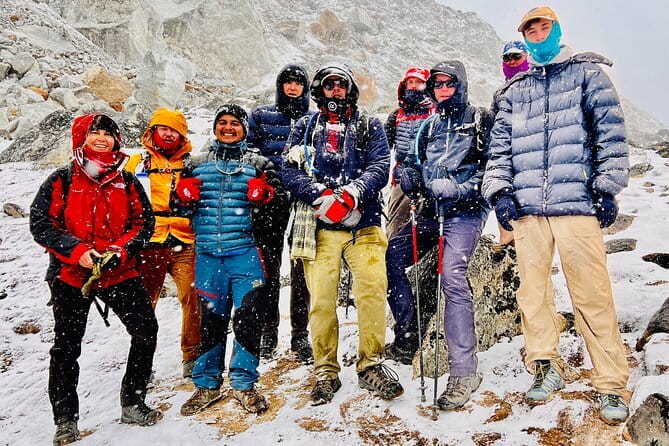
On Day 2, you fly from Kathmandu to Lukla and land at a famously steep runway. Then the trek officially starts from Lukla (around 2,850m) with a hike up the Dudh Koshi Valley to Phakding (around 2,656m).
I like this first day because it’s a gentle on-ramp. You’re hiking, but your body isn’t asked to solve Everest-level problems on day one. It’s still around a 10-hour hiking day, though—so pack your energy like you’re saving it, not spending it.
Practical note: bring layers you can manage quickly. Early on, you might start cool in the shade, then cook in direct sun.
Phakding to Namche: Rivers, Bridges, and Controlled Effort
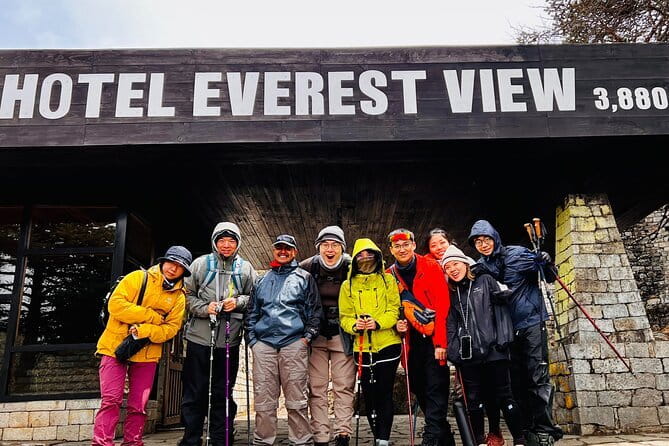
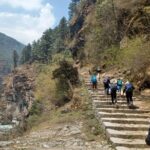
From Phakding toward Namche Bazar, the route crosses and re-crosses rivers on suspension bridges. This is the kind of terrain that’s fun and fast at first, then teaches you humility when your legs tire and you’re fighting wind on exposed sections.
You’ll pass Monjo and enter Sagarmatha National Park, with permits covered as part of the package. After that, Namche Bazar is your base for the next stretch (and your first real altitude reality check).
This section is a good reminder of how Nepal trekking works: the trail rarely looks dramatic in photos, but it keeps your heart rate busy. You’re earning every view.
Namche Rest Day + Everest View Point: Acclimatize Like It’s Part of the Job
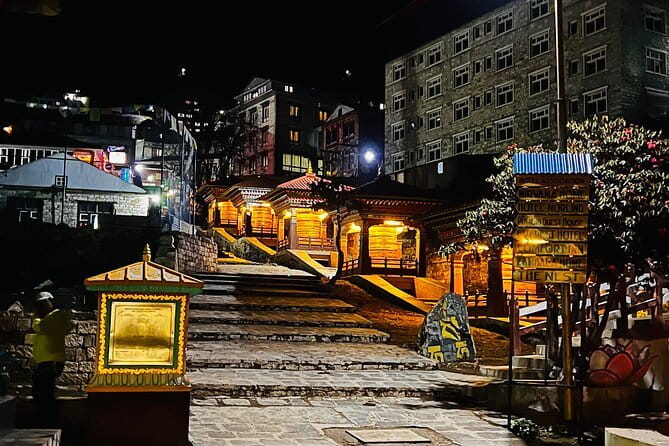
Day 4 is a rest and acclimatization day in Namche. The itinerary also includes time at an Everest View Point, which is one of those smart choices: you get big-peak inspiration without pushing altitude too aggressively.
Namche sits between ridges with lodges, tea shops, and souvenir stalls. That’s not just commercial—it’s useful. On a rest day, you need places to eat, get warm, and let your body catch up. This is where a good guide earns their fee by keeping you from doing too much.
So here’s the sweet spot: walk enough to feel awake, stop before you feel wrecked. At altitude, you’re training your body to recover on its schedule.
From Namche to Tengboche (Tengboche): First Major Peak Views
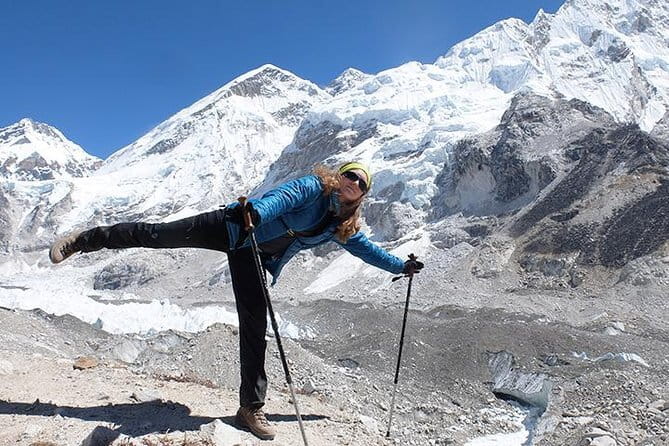
On Day 5, you head toward Tengboche (listed around 10 hours of hiking). The trail contours along the valley side above the Dudh Kosi, and this is where the Khumbu peaks start showing themselves in a meaningful way.
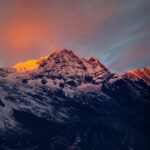
You can expect some of the first truly clear views of Mt Everest, Lhotse, Nuptse, and Ama Dablam, plus that Sherpa village rhythm of prayer flags and stone walls. Your body will feel the effort, but the scenery here is a reward that makes the grind feel fair.
One possible drawback: this day can feel longer than you expect because you’ll stop for photos and views. That’s normal. Just don’t turn every lookout into a long lunch break.
Dingboche Arrival and Pangboche Area: Ama Dablam in Focus
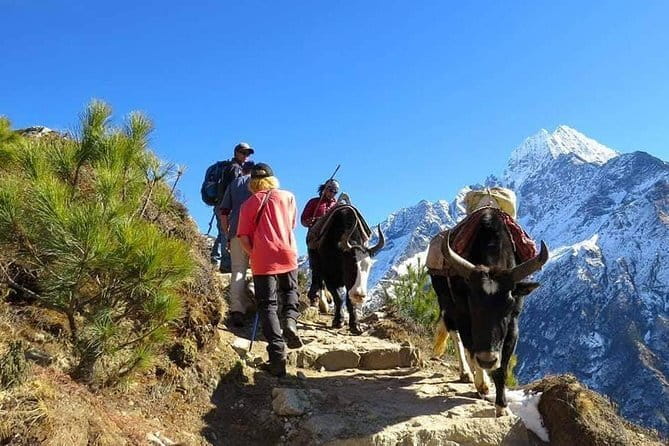
Day 6 moves you through valley terrain and forests, with crossing the Imja Khola and steady climbing toward Pangboche (around 3,985m), which is paired with the Dingboche region in the plan. Pangboche sits across from Ama Dablam, and the itinerary mentions the gompa, Mani walls, and great mountain sightlines.
This is one of those days where the details start mattering: you’ll notice how villages change, how buildings handle cold, and how quickly shade turns “chill” into “cold.” Lodges here are more basic than Kathmandu, but your setup is still lodge-to-lodge, which helps you keep moving without scrambling.
Dingboche Acclimatization Day: Lake Hike Options and High-Altitude Patience
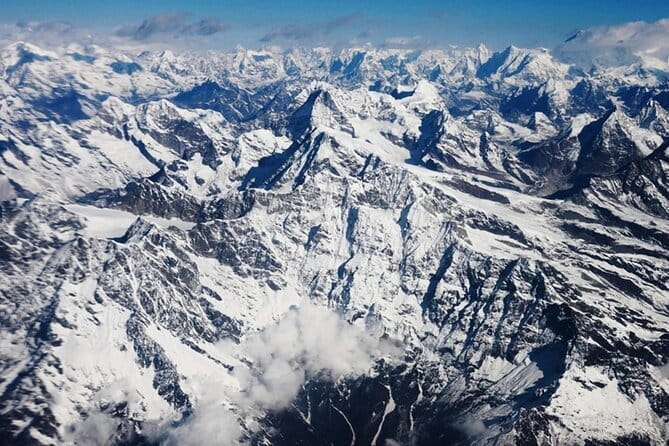
Day 7 is another acclimatization/rest day in the Dingboche area. The plan includes optional walking up-valley toward Tshola Tsho (listed around 4,510m) and views toward Cholatse and Taboche. It also notes you can climb higher toward Nagarjun (around 5,100m) depending on how you feel.
This is where I’m glad the schedule doesn’t just say rest. It gives you a menu: move a bit, then turn back. At this altitude, “rest day” doesn’t mean “do nothing.” It means you manage your altitude exposure like a pro.
Keep your goal simple: finish the day feeling like you still have tomorrow’s energy.
Toward Khumbu Glacier: Lobuche and the Cold Climb
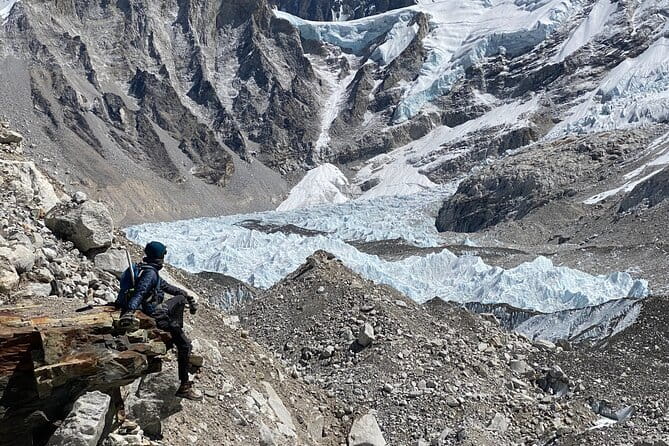
On Day 8, you continue toward Lobuche, climbing toward the foot of the Khumbu Glacier and passing Duglha (around 4,620m). The itinerary makes it clear you’ll hike with views of major peaks overhead and that the walking includes a steep climb segment.
This day is mentally important. You’re getting closer to the glacial zone, and the terrain starts to feel more “expedition-like” even when you’re on a normal trek route. Tea houses here become more about warmth management and less about comfort.
You don’t need to sprint. You need steady breathing and enough time to warm up indoors between trail segments.
Gorakshep to Everest Base Camp: The EBC Moment, Scheduled
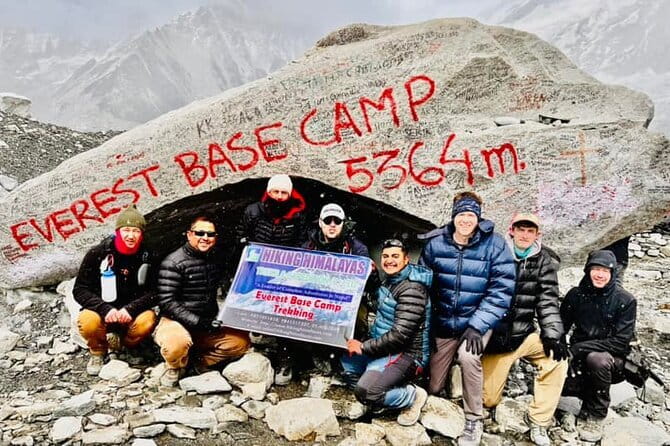
Day 9 is one of the biggest payoff days. First you reach Gorakshep (listed around 5,164m). Then later that day you head to Everest Base Camp (listed around 5,364m).
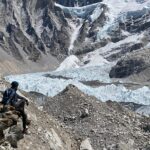
The plan describes a trail that follows the Khumbu Glacier, with portions passing near ice pinnacles and around crevasses. That’s a vivid reminder that altitude isn’t your only challenge; the terrain itself is serious.
The EBC walk is listed as taking several hours, and your return is also included in the same day. This matters for pacing. You’ll likely be tired when you arrive at Base Camp, but you’ll have time to enjoy it without cutting your day short.
Practical tip: take fewer photos and spend more time looking. Base Camp hits harder when you actually absorb scale rather than trying to capture it all.
Kala Patar Early Morning: Views That Earn Their Sweat
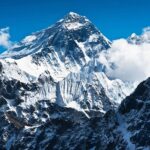
Day 10 starts with an early hike to Kala Pathar (around 5,565m), described as a top viewpoint for seeing Everest along with Nuptse, Ama Dablam, and others. After that, the day becomes mostly downhill back toward Pheriche.
I like this structure because it gives you a high-view “finisher” on a day that’s physically demanding but then eases you afterward. Going downhill can still be rough on your knees, but at least it’s usually less punishing on breath than the uphill grind.
This is also where your guide’s role matters most: good guides keep you moving safely and help you judge when you’re pushing too hard. And if weather changes, they help you respond fast.
Return Trek: Tengboche Back, Lukla Ahead
Days 11 and 12 roll the route back down through birch and rhododendron forest to Tengboche (listed around 3,860m) and then on to Lukla (around 2,800m). The itinerary frames the final trekking day as mostly downhill, which is exactly what you want after high-altitude days.
Day 11 is still a full trekking day (listed around 10 hours), so don’t assume the return is effortless. You’re retracing steps over different fatigue levels, and your body may feel the altitude hangover.
On Day 12, the plan calls for a celebration evening with your Sherpa team. That’s more than a nice touch. It’s a moment to connect with the people who made your trek possible.
Finish in Kathmandu: Free Time on Your Terms
Day 13 is a flight back from Lukla to Kathmandu and then free time for your own plans. Day 14 includes airport transfer to Tribhuvan International Airport for your flight home.
This “buffer” day structure is underrated. After a multi-day physical challenge, you don’t want a tightly packed schedule in Kathmandu. You’ll likely want to rest, eat well, and reset your laundry and gear.
Price ($1,420) and Value: What You’re Really Paying For
At $1,420, this trek sits in the mid-to-standard range for a lodge-based Everest Base Camp plan with domestic flights included. The real value isn’t only the route—it’s what’s handled for you.
Included items you’ll feel on the ground:
- Round-trip flights between Kathmandu and Lukla (with departure taxes handled)
- Certified English-speaking guide (and their related support)
- Porter support, using a 2 trekkers : 1 porter ratio
- Twin sharing lodge-to-lodge accommodation during the trek
- Meals listed as lunch, breakfast, and dinner across trek days
- All required permits plus government taxes/office service charge
- Trekking map and an achievement certificate
- First aid medical kit
What can change your actual budget:
- Kathmandu foods and accommodation are not included (listed as $45 per day)
- Travel insurance is not included
- International flights to Nepal are not included
- Visa is listed as $40 for 30 days, obtainable at arrival
- Hot shower costs $5 per person during the trek
- Drinks/snacks/personal expenses aren’t included
- Tips/gratuities for trekking staff and drivers aren’t included
My practical take: you’ll spend extra money either way, but having permits, meals, and the domestic flight handled saves you time and stress. On a trek this remote, stress is what burns your energy.
Lodges, Meals, and the Reality of Sleeping at Altitude
This trek uses tea houses/lodges with twin-share rooms. Exact room quality varies by altitude and lodge capacity, but the plan is clear that you’ll have accommodation each night and scheduled meals (breakfast, lunch on the trek days, and dinner).
I’d plan for basic comfort. At higher elevations, warm water and warmth in general can cost extra, which is why the hot shower add-on is listed separately. You’ll likely manage with layers, gloves, and a good sleeping setup you bring yourself.
Also, the itinerary mentions seasonal fruits during the trek. That’s small, but it helps you eat better when your appetite changes at altitude.
Guide and Porter Support: The Difference Between Surviving and Enjoying
This is a private tour/activity, so it’s only your group participating. That matters on Everest-area treks because you can match pace and routines to your day-by-day energy.
The human support also stands out. In past experiences coordinated by Hiking Himalayas Trek and Expedition, names like Hari and Kapil show up as guides people appreciated for calm, professional care and good arrangements. For a family trip, Kapil and Namo were part of the team, and porters Ram and Mongol were highlighted as excellent support.
Important: your assigned team can vary. But what doesn’t vary is the value proposition—having an in-person English guide plus a dedicated porter means you can focus on walking and adjusting rather than hauling everything yourself.
If you’re trekking with kids or anyone who needs steady reassurance, that kind of support can make the difference between fear and confidence.
Fitness Level and Trek Style: Who This Fits Best
The plan asks for a strong physical fitness level. This makes sense: you’ll have multiple long hiking days (often listed around 10 hours) plus high-altitude exposure.
This trek is a good fit if:
- You want a structured plan with meals, lodging, permits, and guides handled
- You can handle long walking days and cold nights
- You’re okay with long travel days around the flights to Lukla
- You want the classic EBC experience with a viewpoint day at Kala Patar
It may be less ideal if:
- You’re new to trekking and want a gentle introduction (this plan isn’t framed that way)
- You hate fixed schedules and prefer fully independent lodging choices
- Your budget can’t handle add-ons like Kathmandu lodging, drinks, and hot showers
Should You Book This Everest Base Camp Trek?
If you want Everest Base Camp with less logistics stress, this plan makes sense. The schedule uses acclimatization days in the Namche and Dingboche areas, and it includes both Base Camp and Kala Patar, which is a smart way to maximize your payoff for the effort.
I’d book it if you:
- Prefer a guided, lodge-based format with porter help
- Want domestic flights built in so you start trekking sooner
- Like having meals and permits handled so you can focus on pacing
I’d hesitate if you:
- Expect a low-effort hike (this isn’t it)
- Want your own flexible lodging and food choices every day
- Have a tight budget once you add Kathmandu stays, drinks, and optional shower costs
FAQ
What’s the meeting point and start time?
The start is at Tribhuvan Airport in Kathmandu, Nepal, with a start time listed as 6:15 am.
Are airport transfers included in Kathmandu?
Yes. The tour includes all ground transports in a private vehicle from your hotel to the domestic airport and then back from the domestic airport to the hotel.
How do you get from Kathmandu to the trekking trailhead?
You take a round-trip flight between Kathmandu and Lukla, and Lukla is the start point of the trek around 2,850m.
Is Kathmandu lodging included?
No. Foods and accommodation in Kathmandu are listed as $45 USD per day.
What permits are covered?
The package states that all required permits for the trek are included.
What about meals during the trek?
The plan includes breakfast and dinner, plus lunch is listed as included (with the itinerary showing lunch on trek days).
Is hot water or a hot shower included?
Hot shower availability during the trek is not included; it’s listed as $5 per person.
Do I need a visa for Nepal?
A Nepal entry visa can be obtained at the airport upon arrival for USD 40 for 30 days, and it’s not included in the price.
What’s included in the trek staff support?
You get a professional English-speaking certified guide and an essential porter (with a ratio of 2 trekkers: 1 porter), plus a first aid medical kit.
Can I cancel and get a full refund?
Yes. Free cancellation is available if you cancel up to 24 hours in advance of the experience start time for a full refund.