REVIEW · SAPA
A day Trek to Rice Field in LaoChai-Tavan village-MuongHoa valley
Book on Viator →Operated by Sapa Original Trek · Bookable on Viator
Rice terraces change your mood fast. This day trek links Muong Hoa Valley viewpoints with Lao Chai–Ta Van village life, so you get both scenery and culture in one half-day.
I especially like how the route feels peaceful and manageable—about 11–12km with only 200–300m of climbing—and how the guides help you keep a comfortable pace. Another big plus: lunch, entrance fees, water (0.5L), and return transport are rolled in, so you’re not constantly doing math mid-hike. One consideration: because Sapa can be rainy and slippery, you’ll want footwear that can handle mud and possibly wet paths.
In This Review
- Key Highlights at a Glance
- Muong Hoa Valley at 9:00am: the Walk That Keeps Its Promise
- Y Linh Ho Descent: Rice Terraces, Valley Views, and a Classic Sapa Panoramic Moment
- Village Visits That Feel Like Daily Life (Not a Stage Show)
- Lao Chai–Ta Van: Ethnic Villages, Rice Terraces, and the Quiet “In Between”
- English-Speaking Guides Who Adjust to You
- Price and Value: What $34 Buys You in a 6-Hour Day
- What to Wear and Bring for Sapa’s Rainy, Slippery Reality
- Timing, Lunch, and Return Transport: Less Stress, More Trek
- Should You Book This Muong Hoa Rice Field Trek?
- FAQ
- FAQ
- How long is the trek?
- What distance will we walk?
- Is the hike easy or hard?
- Does the tour include lunch and water?
- Do I get pickup from Sapa town?
- What is the exact start time?
- What costs are not included in the $34 price?
Key Highlights at a Glance
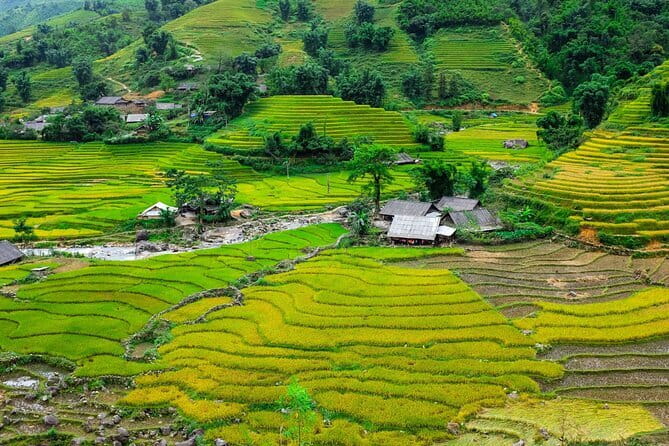
- Muong Hoa Valley rice terraces: long views, mountain-and-valley walking, and classic Sapa panoramas
- A real village stop: you can visit homes and meet locals as part of daily life, not just a photo stop
- 11–12km, easy-medium: mostly friendly hiking for a 6-hour day (with some up-and-down)
- Experienced English-speaking guides: guides like Sing, Ms. May, Zing, Mo Mo, and Mr. Sinh are known for adapting the walk to you
- Lunch + water included: fewer details to manage on the day, which keeps the experience smoother
- Return car transport: you’re not stuck figuring out the way back after the trek
Muong Hoa Valley at 9:00am: the Walk That Keeps Its Promise
Your day starts around 9:00am, with pickup from hotels in Sapa town (or from the operator’s office). That matters more than it sounds. In Sapa, mornings can be cool and rushed, so having someone handle the first leg of the day helps you get into the hike mode fast.
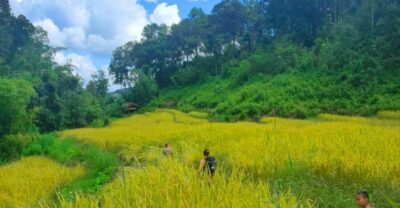
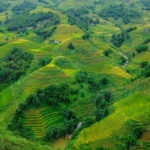
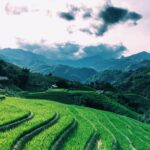
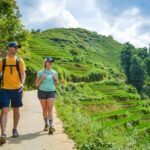
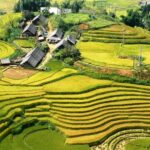
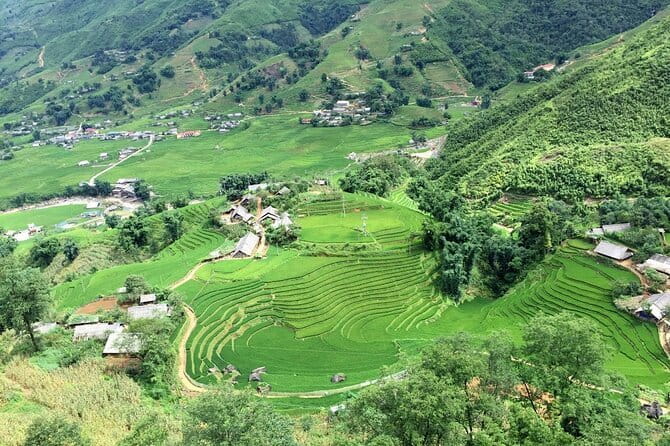
This trek is built around Muong Hoa Valley—one of those places where the view doesn’t just sit there. It changes as you move: rice terraces spill across slopes, villages appear in layers, and the valley opens like a slow reveal. The timing also helps. You’ll be walking during the hours when light is usually good for photos and you’re not fighting the late-day cold.
The walking time is listed at about 6 hours total, and that’s a realistic amount for a day that includes lunch and transport back. You’re not doing an all-day endurance grind. You’re doing a “see a lot, feel good after” kind of trek.
You can also read our reviews of more tours and experiences in Sapa.
Y Linh Ho Descent: Rice Terraces, Valley Views, and a Classic Sapa Panoramic Moment
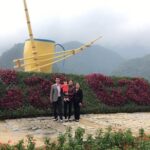
One of the first highlights is the descent toward Y Linh Ho village in the Flower Valley area of Muong Hoa. This part of the trek is about getting your eyes on the big picture—terraced rice fields across mountains and valleys—and then walking alongside that view.
The route is described as easy to medium, with about 200–300m elevation. That’s a helpful detail. It tells you this isn’t flat sightseeing. You will feel some climbing and grading, but it’s not the kind of steep, punishing trek that forces you to stop every five minutes.
Also, this is the kind of hike where you can enjoy the walking. You’re not spending the day stuck on stairs or a single track of mud for hours. You’re generally moving through village-and-mountain terrain, which keeps it interesting even when you’re just concentrating on your footing.
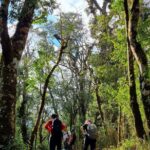
A small but practical thing: in Sapa, “easy-medium” still means slippery spots can happen. One guide-style theme that pops up repeatedly is care and attention to safety in rough weather—so if rain starts, you’ll likely get route guidance rather than just being told to tough it out.
Village Visits That Feel Like Daily Life (Not a Stage Show)
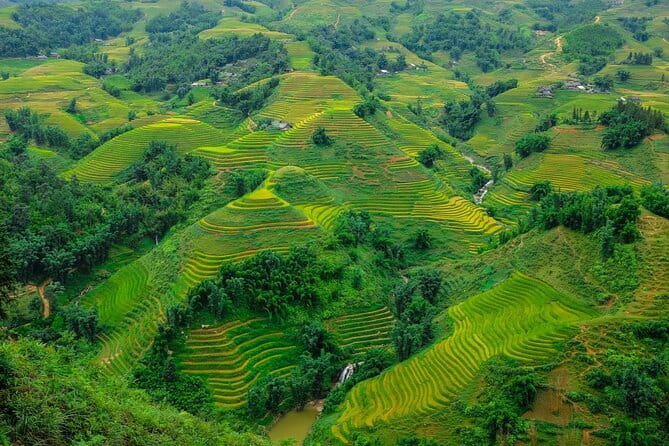
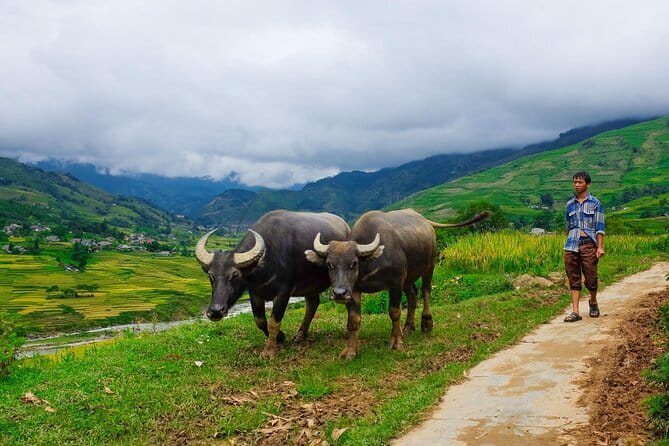
The trek includes a stop to visit a local house and meet villagers to understand day-to-day life. This is where the tour becomes more than landscapes and steps.
What makes this stop valuable is the timing and framing. You’re walking through village areas already, so the visit doesn’t feel like an extra detour tacked on at the end. It’s integrated into the trek rhythm. That usually means better questions, more natural conversations, and a calmer experience for both sides.
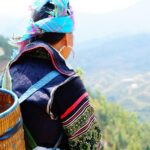
From what’s shared about guides, you may also get context that helps you read what you see—how people live, work, and move through the valley. Some guides are known for speaking clear English and answering curiosity on the spot, like Zing and Sing. Others, such as Ms. May and Mo Mo, are known for making the pace feel humane, including when weather turns.
And yes, you’ll want to be respectful. You’re visiting homes and local spaces, not touring a museum. The best way to enjoy this part is to slow down, watch quietly, and ask only what feels appropriate.
Lao Chai–Ta Van: Ethnic Villages, Rice Terraces, and the Quiet “In Between”
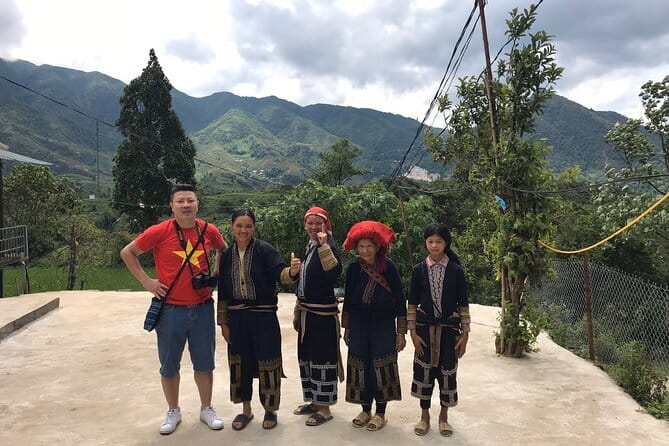
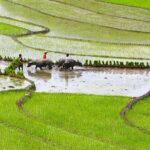
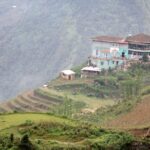
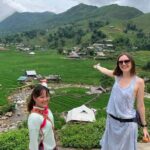
Your trek is specifically tied to Lao Chai and Ta Van as part of the Muong Hoa journey. These villages sit in that classic Sapa zone where rice terraces, stone paths, and hillside houses all mix together. The effect is that you’re not just looking at a scenic postcard—you’re walking through the space people actually live in.
What I like about this segment is the balance. You get enough village time to feel the human side of the valley, but you also still spend plenty of time outside, moving through terrace views and mountain lines.
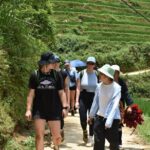
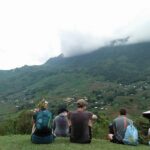
The tour also keeps a gentle structure: you start with big valley panoramas, then you add cultural village stops, then you keep hiking. That flow matters because it reduces the common problem of village treks: doing too much “stop and shuffle.” Instead, you get a natural rhythm—walk, view, learn, walk again.
If you’re choosing this tour because you want photos, you’ll have chances. If you’re choosing it because you want a better understanding of the area, the village visits are the real payoff. Either way, it’s the “in between” moments—small paths, terrace edges, and people moving around—that make the day feel authentic.
English-Speaking Guides Who Adjust to You

The guide is one of the strongest parts of this experience. The tour is listed with an English-speaking local guide and a long time experience, and that shows in how the trek is described.
In practical terms, this matters because hiking in Sapa isn’t one-size-fits-all. There are different interests and different energy levels. Some guides are known for adjusting routes based on the walker’s ability and interests (that flexibility is a big deal on a day trek). Others are known for handling rain carefully and making sure everyone stays safe and comfortable.
You might be guided by people like Sing or Mr. Sinh, and you could also meet guides such as Ms. May, Zing, Ms. Mo, or even Mo Mo. Even with different personalities, the pattern you’ll want is consistent: clear communication, friendly support, and a pace that doesn’t turn your day into a chase.
One more practical point: when English is strong, you spend less time decoding gestures and more time understanding what you’re seeing. That boosts both the enjoyment and the value of the time you’re paying for.
Price and Value: What $34 Buys You in a 6-Hour Day
At $34 per person, this trek can feel like a fair deal—mainly because several real costs are included.
Here’s what’s covered:
- Lunch
- 0.5 liter of water per person
- Entrance fee for village access
- Transport by car back to Sapa town after the hike
- An English-speaking guide
You’re also getting a guided itinerary that averages a 6-hour day including lunch, plus pickup from around Sapa town or the office. For many people, the hidden cost in Sapa treks is not the hike—it’s the logistics: getting to the trail, finding a return plan, and paying separately for all those little extras.
What’s not included is also clearly stated:
- tips for the guide
- insurance
- personal expenses
So if you like doing things with less mental load, this price structure fits that style well.
What to Wear and Bring for Sapa’s Rainy, Slippery Reality
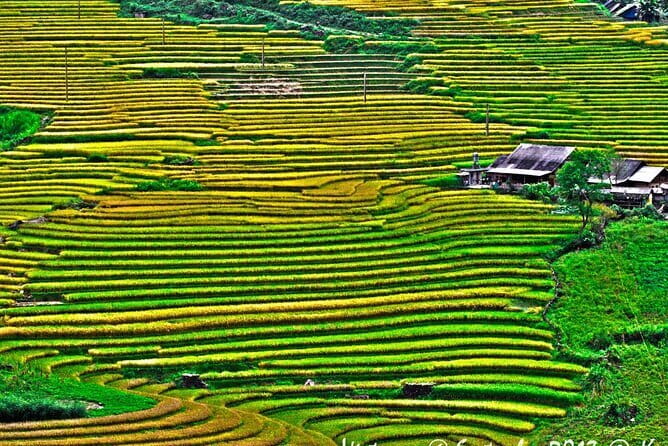
Even if you come for the terraces, you’re still walking in a mountain environment. Sapa weather can swing quickly, and mud is often the main enemy—not the distance.
A practical tip from the way this tour is described: galoshes or waterproof footwear can be a smart move. One shared experience specifically calls out needing them in rain. That’s exactly the kind of detail you don’t want to learn the hard way.
Bring:
- waterproof or grippy hiking shoes
- a light rain layer
- a small day bag you don’t mind getting a bit dusty
- any personal snacks you like (since lunch is included, you might still want a backup)
Also, plan for cooler air in the morning. Even when the sun appears, the valley can feel damp. Dress in layers so you can adjust without ruining your pacing.
Timing, Lunch, and Return Transport: Less Stress, More Trek
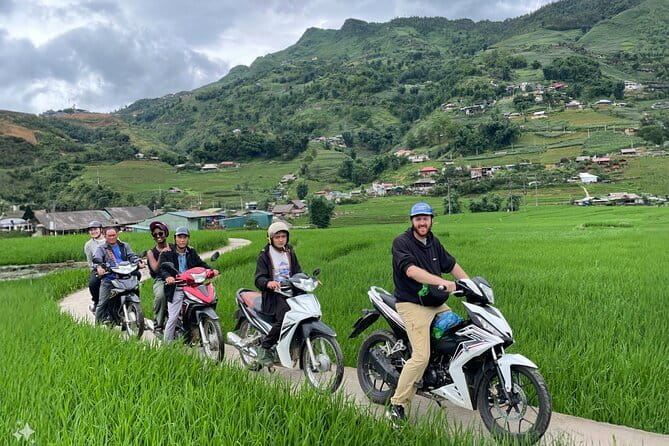
The day is designed to work as a smooth loop. You get pickup, you hike, you stop for lunch, then you’re transferred back by car.
That matters because many independent hikes in Sapa come with a “now what?” moment at the end. Here, the return transport is handled. You can finish the trek and still have energy to enjoy Sapa afterward instead of negotiating rides or figuring out routes while tired.
Lunch is included, which is another quiet win. On a trek day, hydration and fuel are not optional. If you’ve ever tried to “just get by” without a proper meal on a hillside walk, you’ll appreciate that this tour doesn’t treat food like an afterthought.
Finally, the itinerary lists a group-friendly format: it’s private in the sense that only your group participates. That often means the guide can pace the trek for your group rather than trying to manage a big crowd’s energy levels.
Should You Book This Muong Hoa Rice Field Trek?
Book it if you want a half-day trek that mixes big valley views with real village contact, and you like the idea of an English-speaking guide who can adjust pace or route when conditions change. It’s also a good fit if you’re traveling with people who might not want an all-day endurance hike but still want something more meaningful than a short photo stop.
Consider skipping (or asking more questions before booking) if you’re very sensitive to uneven, slippery ground, because this is still a hillside walk where rain can happen. If you dislike wearing waterproof footwear or hate being outdoors in changing weather, you may find the experience more stressful than it needs to be.
FAQ
FAQ
How long is the trek?
The trek runs for about 6 hours total, including walking, lunch, and the included transport back to Sapa town.
What distance will we walk?
The distance is listed as approximately 11–12km.
Is the hike easy or hard?
It’s described as an easy to medium level walk, with about 200 to 300m elevation.
Does the tour include lunch and water?
Yes. Lunch is included, and you also get 0.5 liter of water per person.
Do I get pickup from Sapa town?
Yes. The guide will pick you up from your hotel around Sapa town or from the office.
What is the exact start time?
The activity starts at 9:00am.
What costs are not included in the $34 price?
Tips for the guide, insurance, and personal expenses are not included.