REVIEW · KAMPALA
3-Day Gorilla Trekking Bunyonyi Mist Relaxation Safari
Book on Viator →Operated by Hail Tours Uganda · Bookable on Viator
Gorillas in Bwindi happen fast. This 3-day trip pairs a private guide with the real deal of observing mountain gorillas inside Bwindi Impenetrable National Park, then balances the intensity with Lake Bunyonyi time and village-style stops on the return route. I also like that gorilla permits and park fees are built into the package, so you are not scrambling at the last minute. One thing to consider: the trek can take real stamina, with walking that may run 3 to 9 hours depending on where your gorilla group is.
The flow is simple and Uganda makes it feel smooth: pickup, the long scenic drive, ranger briefing, one unforgettable hour with the gorillas, then a calmer day around Kabale and Lake Bunyonyi. If you prefer a light itinerary with no long drives, you may find the road time adds up, especially since day 3 ends with a late drop-off for flights.
In This Review
- Quick hits on this 3-day gorilla and Bunyonyi safari
- Why Bwindi Impenetrable Forest is the gorilla choice
- Day 1: Pickup, briefing, and the road to Bwindi
- Day 2: Ranger briefing and the gorilla trek reality check
- Physical comfort: do not overestimate your ease
- Day 2 evening: transitioning to Lake Bunyonyi relaxation
- Day 3: Kabale, Lake Bunyonyi swim time, and the scenic return to Entebbe
- Price and value: is $2,350 per person worth it?
- What a private tour changes on this safari
- Guides, organization, and how the experience feels day-to-day
- Trek preparation tips that actually fit this itinerary
- Timing and flights: avoid the last-minute panic
- Who this safari suits best
- Should you book the 3-Day Gorilla Trekking Bunyonyi Mist Relaxation Safari?
- FAQ
- How much does the 3-Day Gorilla Trekking Bunyonyi Mist Relaxation Safari cost?
- How long is the safari?
- What does the tour include?
- What is not included in the price?
- Do I get pickup?
- How does the gorilla trekking work on day 2?
- How long is the gorilla trek?
- What happens on day 3 around Lake Bunyonyi?
- What is the cancellation policy?
- Is this a shared tour with other groups?
Quick hits on this 3-day gorilla and Bunyonyi safari
- Private tour for just your group, with a guide who keeps the day on track
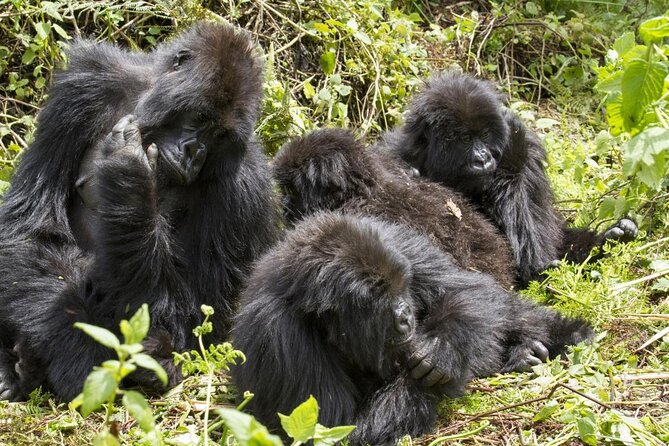
- Ranger-led gorilla briefing followed by a one-hour viewing window with your gorilla group
- Long trek window (3–9 hours), so good physical prep matters
- Kabale and Lake Bunyonyi time, including an optional swim and time by the islands
- Included permits, park fees, and activities, plus airport transfer and private transportation
- Equator and village photo stops on the return route to Entebbe
Why Bwindi Impenetrable Forest is the gorilla choice
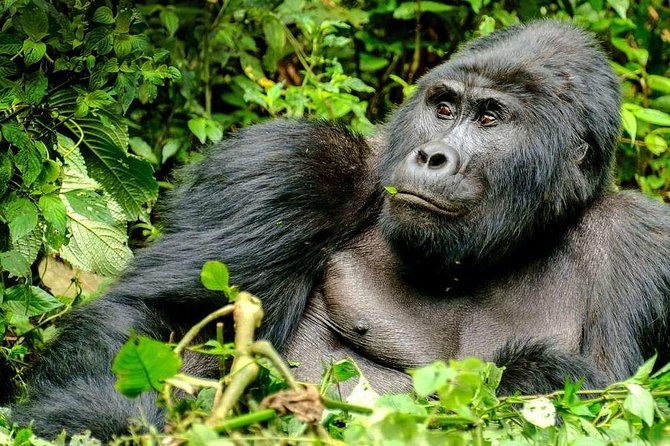
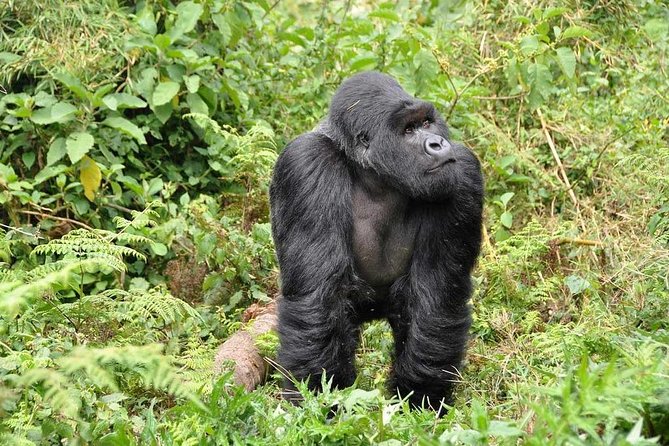
If your goal is mountain gorillas, Bwindi Impenetrable National Park is one of the most direct ways to make it happen. The forest is a big habitat and Uganda’s gorillas live here in protected conditions. You are not just going to a viewpoint. You are going where the animals move, following ranger guidance to the area your group is using.
I also like that this trip stays focused on the main event instead of trying to cram in ten different parks. The day 2 plan is built around the trek and the hour with the gorillas, which keeps the experience honest: you walk, you look, and you pay attention.
One more reason this works for many people is timing. Gorilla trekking is organized around a briefing, then a trek, then a viewing window. That structure reduces chaos and makes it easier to plan your day, even if the forest timing ends up shifting because of trail conditions.
You can also read our reviews of more tours and experiences in Kampala.
Day 1: Pickup, briefing, and the road to Bwindi
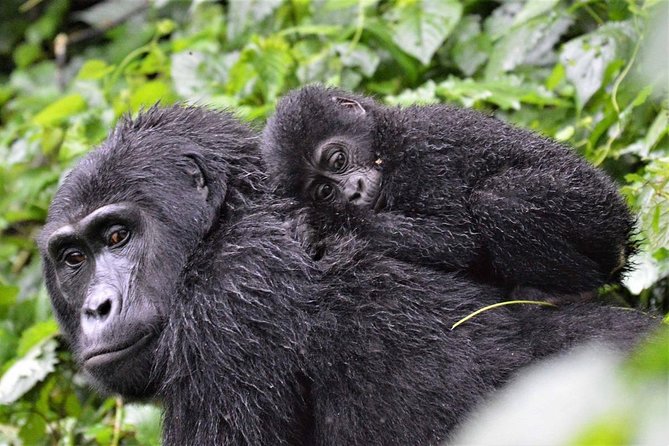
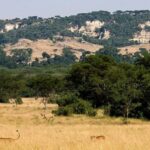
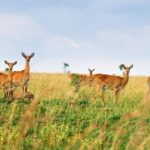
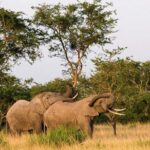
Your trip starts with pickup and a briefing after you arrive. From there, you drive southwest toward Bwindi Impenetrable National Park. The route crosses the Equator, then continues through areas with savannah grasslands before climbing into the Kigezi Highlands region.
This first day is mostly about two things: getting you positioned in the right area and helping you arrive with your head in the game. After a long drive, you do not want extra surprises. The package is designed to keep the early part straightforward: driver/guide coordination, park-area logistics, and getting you ready for a ranger briefing the next morning.
A practical note: the driving day can be long. If you get motion-sick easily, consider bringing your usual remedies, because the road is part of the experience here.
Day 2: Ranger briefing and the gorilla trek reality check
Day 2 is your main day. You start with early breakfast, then you meet for the ranger briefing. This is the moment where everything becomes real: you learn the plan, you get updates on where the gorilla groups are likely to be, and you set expectations for the trek.
Then you enter the gorilla sanctuary. Here is the key part many people care about: the time and terrain can vary a lot. Expect 3 to 9 hours of walking depending on where your gorilla group is located and how the trail is on that day. Reviews tied to this kind of trek often mention that it can take around five hours, so think of that as a realistic middle-ground, not an exaggeration.
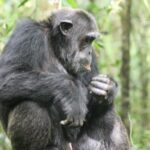
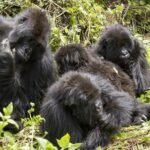
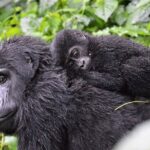
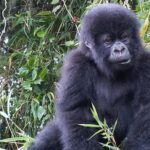
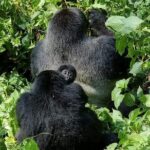
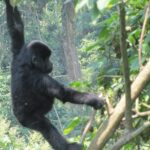
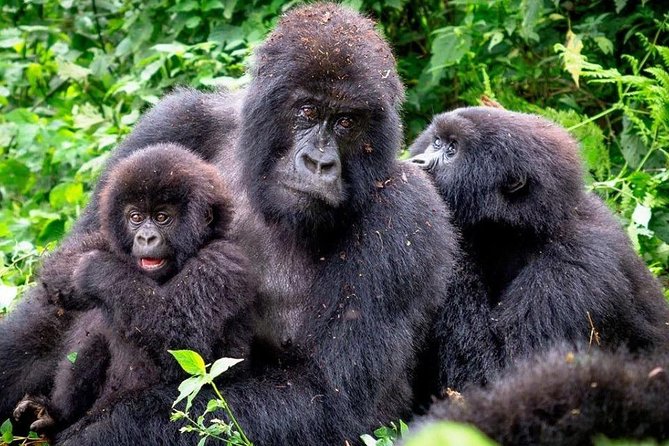
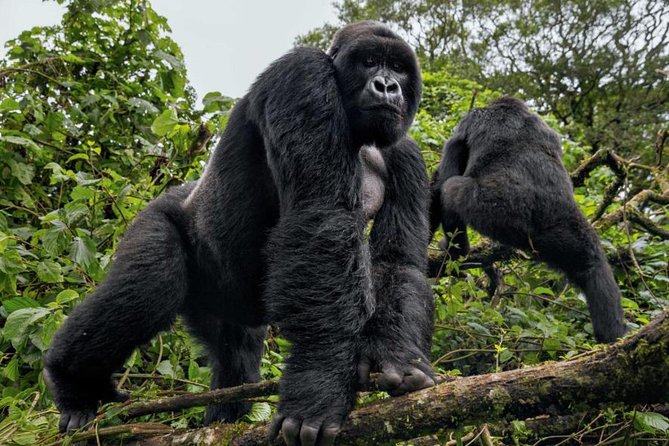
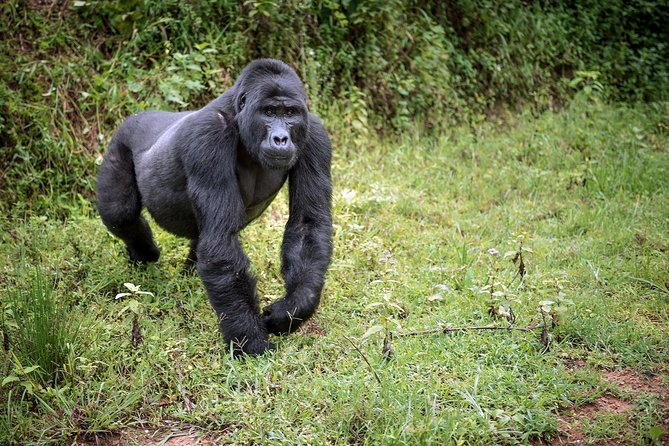
Once you locate your gorilla group, you are allowed one hour in their presence. That hour is the payoff. Mountain gorillas are calm, powerful, and surprisingly close once the group is settled. The forest also does something to your senses: you hear more than you expect, and you stop thinking about the hours you already walked. You start focusing on behavior—who moves, who watches, and how the group stays connected.
After the trek, you return to your lodge. Then you check out for the transfer toward your next base.
Physical comfort: do not overestimate your ease
I appreciate that the trek requirement is not sugar-coated in the tour details. If you can handle a long, uneven walk, you will enjoy it more. If you are hoping for a gentle stroll, you might be disappointed before you even reach the gorillas. The upside is that this kind of effort is usually what makes the experience feel meaningful, not just scenic.
Day 2 evening: transitioning to Lake Bunyonyi relaxation
Your second day does not end when the trekking hour ends. After the forest work, you return to the lodge area and then transfer onward, setting you up for the relaxation side of the trip at Lake Bunyonyi.
This is where the itinerary turns from sweat to recovery. You get time to reset after the trek, and your schedule is built to let you actually enjoy the lake rather than racing through it.
If you are the type who values balance, this is a strong part of the plan. Gorilla trekking is intense. Bunyonyi is calmer. The contrast helps the gorilla moment stick, instead of being followed by another full day of travel stress.
Day 3: Kabale, Lake Bunyonyi swim time, and the scenic return to Entebbe
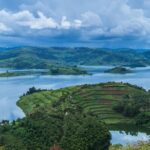
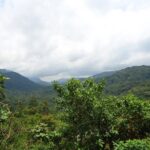
Day 3 starts with a relaxed breakfast, then you head to Kabale and the Lake Bunyonyi area. This is the day for lingering—views of the lake, islands, and the chance to soak up the slower pace.
You may opt for a swim in Lake Bunyonyi. The islands are part of the fun here, because they create a layered look across the water. The Kabale region also gets attention for its terraced areas, which can be a pleasant change from forest greenery.
After your time on the lake, you travel back toward Entebbe. En route, the plan includes stopovers in Mbarara town and photo moments at the Uganda Equator line mark in Kayabwe if you did not already stop on day 1. This is also where you might pick up local art pieces, which can be a nice way to bring something small home that is actually from the route you traveled.
You are typically arriving late afternoon or evening. The tour notes recommend scheduling a late afternoon or evening outbound flight to avoid stress.
Price and value: is $2,350 per person worth it?
At $2,350 per person, this is not a budget safari. But it can be good value if you zoom in on what is covered.
The included list matters: gorilla permits, park fees, all activities, private transportation, and airport transfer are bundled in. Also included are dinner and lunch (2), and the itinerary includes hotels in the package. A private tour format is also included, meaning it is only your group participating.
Here is the way to judge value for a gorilla trip: the permit and the logistics usually drive the cost. When those are already inside the package, you reduce risk. You also tend to get better pacing because your guide and driver are aligned to the trek timeline.
What is not included is also clear: international flights, extra accommodation before and at the end, and personal items. So if your flight timings do not match the package pace, you may need extra nights, and that adds cost.
My take: for many travelers, paying for permits and experienced coordination upfront is the difference between a smooth experience and a stressful one. If gorillas are the must-do, you are paying for access and organization, not just driving around for photos.
What a private tour changes on this safari
Going private is not just a comfort perk. It changes the day.
With this tour being private, you do not share your flow with random arrivals from other groups. Your guide can set a pace that makes sense for your group’s needs—especially important on day 2 when timing can shift and the trek could take longer.
In the real world, organization matters most when schedules tighten. This package is built around a ranger briefing and a trek window. When your transport and pickup are handled, you spend less mental energy worrying and more energy watching.
A recurring theme in the feedback for this kind of experience is that the planning and communication help everything feel calm. That is what you are buying when you choose this private format: fewer uncertainties on the days that matter.
Guides, organization, and how the experience feels day-to-day
Even without lodge details or guide names in the information you have, you can still judge the service level by what is included and how the day is described.
You get a driver/guide for the road transfer from Entebbe to Bwindi. On day 2, you get a ranger briefing before trekking into the sanctuary. After that, you return to the lodge and then transition to the next base near Lake Bunyonyi.
The experience is also described as safe and comfortable by people who focused on the walking and overall organization. One comment highlights that it felt well organized and that the walk took around five hours—then insists it was worth the effort at the end. Another note emphasizes hospitable service and that the whole experience felt close to nature, especially the gorillas.
That is a strong mix: good coordination plus the reality that the trek is physical. It signals a trip that does not pretend the forest is easy, while still keeping things managed.
Trek preparation tips that actually fit this itinerary
Because your trekking time can range 3 to 9 hours, you should plan for a long day on uneven ground. Reviews that mention a trek time around five hours suggest that the middle range is common enough to plan for.
Here’s what helps you enjoy the day instead of just surviving it:
- Wear comfortable footwear made for trail walking.
- Bring layers you can adjust, since forest conditions can change as the day goes on.
- If you get tired quickly, build a little extra buffer into your expectations for day 2.
Also, remember that your viewing window is one hour once you arrive at your gorilla group. Your comfort on the walk affects how present you are during that hour. If you show up feeling steady, you will enjoy the gorillas more.
Timing and flights: avoid the last-minute panic
This safari runs like a coordinated plan rather than a hop-on, hop-off arrangement. Day 1 and day 3 are both built around driving. Day 3 ends with a late afternoon or evening return to Entebbe or your accommodation.
That is why the recommendation for a late afternoon/evening outbound flight matters. If you schedule an early flight, you may end up racing or risking delays. The tour details are basically telling you: plan your travel day generously.
For timing, you also have a useful clue in the booking pattern. On average, this type of trip gets booked around 17 days in advance, but gorilla trekking can sell out, so I would not wait for the last moment if you have firm dates.
Who this safari suits best
This is a great fit if:
- You want gorilla trekking as the centerpiece and you are comfortable committing to a multi-hour trek.
- You like a guided plan that handles permits, park fees, and transport.
- You want contrast: intense forest time followed by Lake Bunyonyi relaxation.
This may be less ideal if:
- You want a low-activity trip.
- You cannot handle long, uneven walking days, since day 2 can stretch to 9 hours.
The tour info says most travelers can participate, but the physical demand is still real. If you know your limits, you can decide confidently.
Should you book the 3-Day Gorilla Trekking Bunyonyi Mist Relaxation Safari?
I think you should book it if gorillas are your top priority and you want the logistics handled cleanly. The package covers the expensive and complicated parts like gorilla permits, park fees, and private transport, plus it layers in a real relaxation day on Lake Bunyonyi instead of ending with another exhausting drive day.
Skip the booking if you are hoping for an easy walk and a purely sightseeing schedule. This itinerary is built around trekking time variability, and the best part is also the part that asks you to move.
If you are flexible, fit enough for a long hike, and you want the kind of trip where the main event is done right, this one has strong value signals.
FAQ
How much does the 3-Day Gorilla Trekking Bunyonyi Mist Relaxation Safari cost?
It costs $2,350.00 per person.
How long is the safari?
It runs for about 3 days.
What does the tour include?
The package includes dinner, all fees and taxes, private transportation, park fees, gorilla permits, all activities, professional airport transfer, and lunch (2).
What is not included in the price?
International flights, additional accommodation before and at the end of the tour, and personal items are not included.
Do I get pickup?
Yes, pickup is offered, including airport transfer.
How does the gorilla trekking work on day 2?
You get an early breakfast and a ranger briefing, then you trek into the forest. Once you find your gorilla group, you have an hour in their presence.
How long is the gorilla trek?
The trek time can vary and may take from 3 to 9 hours, depending on the gorillas’ movements and the terrain.
What happens on day 3 around Lake Bunyonyi?
After a relaxed breakfast you visit Kabale and the Lake Bunyonyi area, with time to enjoy the islands and the option to swim. You then travel back toward Entebbe with photo stops, including the equator line mark in Kayabwe if you did not stop on day 1.
What is the cancellation policy?
You can cancel up to 3 days in advance for a full refund. If you cancel less than 3 days before the experience starts, the amount paid is not refunded.
Is this a shared tour with other groups?
No. This is a private tour/activity, so only your group participates.