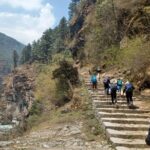
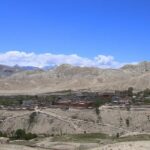
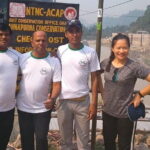
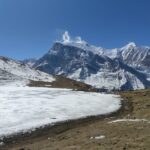
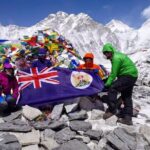
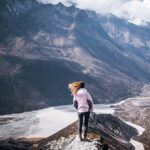
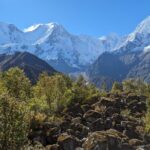
A quiet trail with big mountain payoffs. That’s what this 14-day Manaslu Circuit feels like: isolated enough to feel real, yet supported enough to keep logistics sane. You start overland from Kathmandu, sleep in teahouses instead of carrying a whole base camp, and work toward the standout crossing at Larkya La.
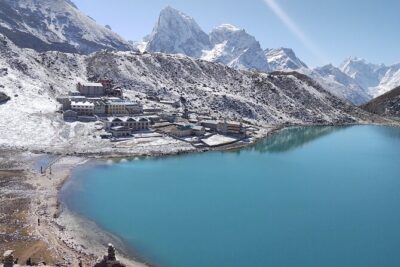
I love two things most: the teahouse network that makes the trek more accessible, and the way the route keeps pulling you toward unmistakable Manaslu-area viewpoints. Sunrise at places like Shyala, plus stops around Samagaun and Base Camp, can turn into the kind of memory you won’t want to overthink.
The one drawback to plan for is altitude and weather timing on the pass days. When the trail gets rocky or windy, that Larkya La segment is not the place to rush or pretend you’re invincible. Pack for cold, move steadily, and respect the day when the mountain asks for your full attention.
In This Review
- Key highlights that make this trek worth your time
- Why the Manaslu Circuit feels less crowded but still doable
- Getting to the trail: Kathmandu to Machhakhola (no flights required)
- Teahouses, sleeping gear, and meals: what you’re really buying
- Day-by-day on the ground: what each stage is doing for you
- Days 1 to 3: start easy, then earn the climbs
- Days 4 to 6: Budhi Gandaki valley views and the Shyala sunrise moment
- Days 7 to 8: Manaslu Base Camp push, then Birendra Taal and Samdo
- Days 9 to 11: closing in on Larkya La, then the big crossing
- Days 12 to 14: Tilche farmlands, Marsyangdi Valley, and back to Kathmandu
- Price and logistics: where the $227 value really comes from
- Who should choose this trek (and who should think twice)
- Should you book this Manaslu Circuit Trek?
- FAQ
- What is the duration of this Manaslu Circuit Trek?
- Where does the trek start and how do you reach the trail?
- Is accommodation included during the trek?
- What meals are included, and what’s not included?
- Are permits included?
- Is a guide included?
- What trekking gear is included?
- Can I cancel and get a refund?
Key highlights that make this trek worth your time
- Teahouses at every stage: you won’t need a tent-and-food haul.
- Overland approach from Kathmandu: buses and jeep/minibus reduce reliance on flights.
- Manaslu Base Camp day: a dedicated push, then a return with time in Samagaun.
- Cultural stops in Tibetan-influenced villages: monasteries and libraries show up along the way.
- The big achievement: Larkya La: early views toward Larke peak help set the tone.
- Small-group feel (max 25): easier to handle in mountain conditions than huge crowds.
Why the Manaslu Circuit feels less crowded but still doable
This trek is designed for people who want the feel of an offbeat circuit without the hassle of self-supplying everything. The trail runs through a more isolated stretch than the classic, super-touristed Nepal routes, but you’re not going full camping mode. Teahouses show up along the way, so you can focus on walking and acclimatizing instead of carrying cooking gear.
I also like that this trek builds a “rhythm.” You climb, you settle, you eat, you sleep, and then you climb again. That’s not just comfortable. It’s practical for a circuit where you’re working toward a major high point.
You can also read our reviews of more tours and experiences in Kathmandu.
Getting to the trail: Kathmandu to Machhakhola (no flights required)
A lot of treks start with a flight and a mad dash. Here, you start with a scenic overland grind that’s part of the Nepal story. After breakfast in Kathmandu, you travel by local regular bus toward Gorkha, then continue on to the first trek-friendly base area around Machhakhola.
You’ll spend about 5 hours on the Prithvi Highway along the Trisuli River, then route through the Dhadingbesi highway corridor. By the time you reach the trail-start area, the trip stops being “transport” and starts becoming your warm-up phase for the mountains.
On the back end (Day 14), the trek ends with a drive from Besisahar to Kathmandu by sharing regular minibus. You follow the banks of the Marsyangdi and Trishuli rivers, which is a nice way to come down without feeling like you’re just teleporting back into traffic.
Teahouses, sleeping gear, and meals: what you’re really buying
This is one of the biggest value drivers for the Manaslu Circuit style. You get 13 nights of mountain teahouse accommodation, plus a trekking guide and porter support (with meals and travel handled for them). Because you’re staying in teahouses, the trek stays affordable and realistic for people who don’t want to carry tents.
Even better for your packing list: the tour includes sleeping bag and a down jacket. That matters because cold nights can be the difference between “I’m fine” and “I’m miserable.” Just don’t treat provided gear like permission to be careless—cold still hits hard at altitude, and pass days are when the air feels sharp.
Meals are also mostly managed:
- Breakfast is included each trek day (14 breakfasts).
- Lunch is included for the trek (14 lunches).
- Dinner is included for 13 nights.
Meals in Kathmandu aren’t included, and drinks during the trek aren’t included—hard or soft drinks cost extra.
Also included: a first-aid kit (from The Great Adventure Treks & Adventure) and emergency rescue help covered by your travel insurance. Rescue & evacuation service itself is not included, so your own insurance choices matter.
Day-by-day on the ground: what each stage is doing for you
Below is the “why” behind the walking, not just the stop names.
Days 1 to 3: start easy, then earn the climbs
Day 1 sets you up with a long but steady bus day to the Machhakhola area. The walking starts on Day 2 from there, moving toward Jagat through smaller stops like Khorla Bensi and Tatopani.
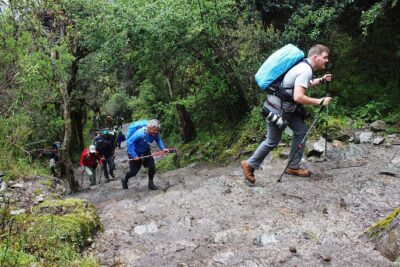
Day 2 and Day 3 are all about getting your legs working without going straight to the biggest effort. You get a mix of ups and downs early on, and you also cross checkpoints along the route (like the Jagat Checkpoint mentioned on Day 3). You’ll also see a waterfall scene early and then push through a steep ridge climb—good training for what’s coming later, even if it feels like “wait, this is already steep.”
Practical note: early days are where you learn your pace. Don’t go out sprinting just because the villages look charming.
Days 4 to 6: Budhi Gandaki valley views and the Shyala sunrise moment
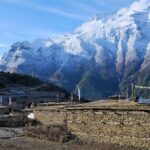
Day 4 shifts you into the Budhi Gandaki area: you cross the river and hike west up the valley. This is where the route starts feeling more Himalayan and less “trail between towns.” The day is described as a steep and impressive valley walk, which means your legs will notice the grade.
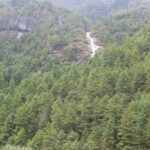
Day 5 takes you toward Shyala, with a climb through pine forest and checkpoint passage around Namrung. The route threads villages and trail features instead of turning into a uniform grind.
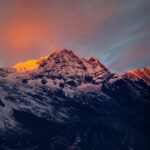
Then Day 6 is the headliner day for atmosphere. You catch sunrise from Shyala, and the description focuses on Manaslu changing into a golden color. After that, you go to Pung Gyen Gompa as a side trip, then continue to Samagaun, spending the night there.
Why this stage matters: Shyala to Samagaun is when the trek stops feeling like “moving through.” It starts feeling like you’re arriving.
Days 7 to 8: Manaslu Base Camp push, then Birendra Taal and Samdo
On Day 7 you go to Manaslu Base Camp. The route is described as an initial flat-ish stretch with views of Manaslu, then a steep climb for several hours. That split—easier beginning, heavier middle—is common on high-demand trekking days, and it’s a smart way to manage effort. After you reach Base Camp and enjoy the moment, you return to Samagaun for lunch and time to see Tibetan-influenced local life.
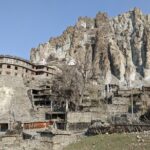
Day 8 moves from Samagaun toward Samdo, via Birendra Taal. Along the way you pass an old monastery (Samagaon area is referenced) and a Tibetan cultural library. Then you descend toward Samdo. The stop name Kermo Kharka is called out as a panoramic viewpoint for Manaslu and Pangpoche.
What to expect: more of the day feels like altitude scenery—fewer comforts, but more “this is why I came” views.
Days 9 to 11: closing in on Larkya La, then the big crossing
Day 9 targets Layung La. The description highlights close views of Mount Samdo and Gyala Peak (5,973 m), plus landscapes tied to Larkya Bazar. You’re doing several hours of ascending from Samdo, so expect sustained effort.
Day 10 moves toward Dharamsala / Larkya B.C. You start with descent, cross the Budhi Gandaki, and then walk through grassy terrain with juniper above the Syacha Kharka area (as described). This is the day where your body starts to realize the pass season is real.
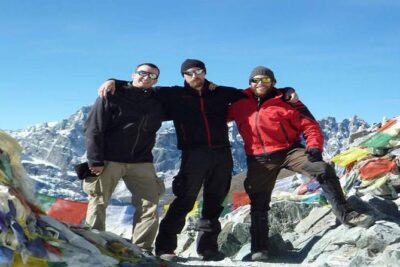
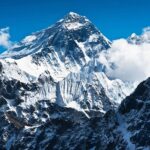
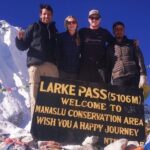
Day 11 is your pass day. You hike early to Larkya La Pass, where the trail can be windy and rocky. The reward is early-morning visibility, including a spectacular view toward Larke peak (6,249 m). After the pass, the day becomes a steep descent to Bimthang. On the way down, the description calls out big mountain views including Nimjung, Himlung, and Kanguru.
My advice for this day: eat early, start steady, and don’t get hypnotized by the scenery into forgetting your pace. The pass is the work; the views are the bonus.
Days 12 to 14: Tilche farmlands, Marsyangdi Valley, and back to Kathmandu
Day 12 heads from Bimthang to Tilche. Breakfast includes views of Manaslu, and the day is described as a 6–7 hour trek that begins with descent. That’s a welcome shift after the pass, but it can still be tough on knees.
Day 13 continues the downward story. You hike through farmlands near Tilche, then the route descends gradually toward the Marsyangdi Valley. There’s a crossing to the east bank of the river mentioned, then you reach Dharapani and take a sharing jeep to Besisahar.
Day 14 is the final transfer: Besisahar back to Kathmandu by sharing minibus, with river views along Marsyangdi and Trishuli. This is the day for forgiving yourself. Your job is to stay warm, hydrated, and let your legs recover on the road.
Price and logistics: where the $227 value really comes from
At $227 per person, the real value is not just the walking. It’s that the costs that usually blow up trekking budgets are bundled:
- Licensed professional trekking guide
- Permits (Manaslu and Annapurna conservation area permit, plus restricted area permit)
- Mountain teahouse accommodation
- Meals on trek (breakfast and lunch every trek day, dinner for 13 nights)
- Sleeping bag and down jacket
- Local transportation components (bus, plus jeep/minibus legs)
- Taxes and guide/porter support (including their food/salary/clothing)
What’s not included is also important. You’ll pay extra for drinks on the trek, meals in Kathmandu, your international airfare, and visa fee/taxes (if applicable). Personal travel insurance is your responsibility too, and rescue & evacuation service isn’t included as a standalone benefit.
Also, this group max is 25 travelers, so you’re not stuck with a huge herd in narrow mountain spaces.
Who should choose this trek (and who should think twice)
This is built for moderate physical fitness and people who can handle multi-hour days with climbing and steep descents. The route includes several “big effort” segments—especially the Base Camp push and the Larkya La pass day—so you’ll want consistent walking stamina, not just a quick burst of enthusiasm.
It also suits you if you like a mix of nature and real village life. The route threads monasteries, checkpoints, and Tibetan-influenced culture stops like the monastery/library day near Birendra Taal. In the trip feedback I reviewed, a guide named Ganesh was specifically praised for being knowledgeable and looking out for the group—exactly the kind of support that helps when weather shifts or a steep section feels longer than planned.
If you hate long road days, keep in mind you have significant bus/jeep/minibus time before and after trekking. This isn’t a “quick hop, instant trail” setup.
Should you book this Manaslu Circuit Trek?
I’d book it if you want a less crowded-feeling circuit, you like staying in teahouses, and you’re aiming for the Larkya La accomplishment with strong Manaslu viewpoints along the way. The included permits, guide, and even the sleeping bag/down jacket make it a practical choice for your budget.
I’d think twice if you’re sensitive to cold, you struggle with steep descents, or you’re hoping for a trip where every day is easy. The pass day is the moment that decides your comfort, so bring realistic expectations and give yourself time to acclimatize.
FAQ
What is the duration of this Manaslu Circuit Trek?
It runs for about 14 days.
Where does the trek start and how do you reach the trail?
You start in Kathmandu and travel overland by local regular bus toward the first trekking area (including a route via Gorkha/Machhakhola area).
Is accommodation included during the trek?
Yes. The package includes 13 nights in mountain teahouses.
What meals are included, and what’s not included?
Breakfast is included for 14 days, lunch is included for 14 days, and dinner is included for 13 dinners. All meals in Kathmandu are not included, and drinks during the trek are not included.
Are permits included?
Yes. The package includes Manaslu & Annapurna conservation area permits and a restricted area permit.
Is a guide included?
Yes. You get a professional trekking guide with government license for the 14-day trek (plus support staff as described).
What trekking gear is included?
The tour includes a sleeping bag and a down jacket as necessary equipment.
Can I cancel and get a refund?
Yes, there is free cancellation. You can cancel up to 24 hours before the experience’s start time for a full refund.