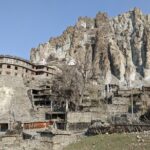
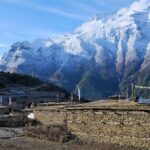
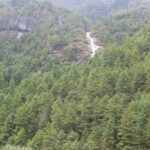
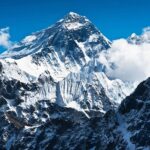
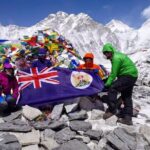
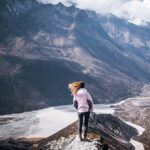
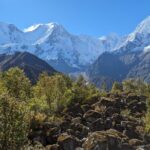
Annapurna Base Camp is the Himalayan kind of wow. This 9-day private trek mixes big mountain scenery, local villages, and day-to-day trail work that feels honest (not just postcard viewing). You’ll start in Kathmandu, transit through Pokhara, then hike up through forests and terraced fields toward a sunrise and sunset worth the soreness.
I especially like that you get real support built in: a professional guide and a plan that adjusts to your pace. Another strong point is the rhythm of the route—climb, rest, climb again—so the scenery keeps upgrading while you’re still moving. One thing to consider is the physical ask: it’s listed for moderate fitness, and you’ll still be walking many hours each trekking day.
In This Review
- Key Highlights at a Glance
- Thamel Start: Clear Meeting Point, Simple Begin
- Kathmandu to Pokhara: The 9-Hour Drive That Sets the Tone
- Jhinu Danda to Chhomrung to Sinuwa: First Big Views, Real Trail Work
- Ghorepani to Deurali: Rhododendron Steps and the Fish Tail Payoff
- Annapurna Base Camp Day: The Sun Sets on an Amphitheater of Peaks
- Sunrise Then the Bamboo Descent: The Part People Underestimate
- Back to Jhinu and Pokhara: Real Rest in Fewa Lake Country
- Pokhara to Kathmandu on Tourist Bus: Finish Strong, Don’t Make It Hard
- Price and Value: When $700 Actually Covers the Right Stuff
- What’s Included vs. What You Should Budget Extra For
- Pacing, Fitness, and the Private Guide Advantage
- Should You Book This Annapurna Base Camp Short Trek?
- FAQ
- Where does the trek start in Kathmandu?
- What time does the trek begin?
- How do airport arrivals connect to the trip?
- Is Nepal entry visa included?
- What’s included in the trek price?
- What transportation is included besides the Kathmandu–Pokhara bus?
- Can I cancel for a refund if plans change?
Key Highlights at a Glance
- Private, small-group feel: it’s just your group for the trek.
- Guide support you can lean on: the team (including Kapil and Raj, based on past feedback) focuses on pacing and quick problem-solving.
- Sunrise and sunset at key moments: early Himalayan views, then a big payoff at ABC at evening.
- Short-trek timing without skipping the magic: you reach the base camp area fast, then earn the return.
- Permits and core logistics handled: you get permits, transport, a map, and an achievement certificate.
Thamel Start: Clear Meeting Point, Simple Begin
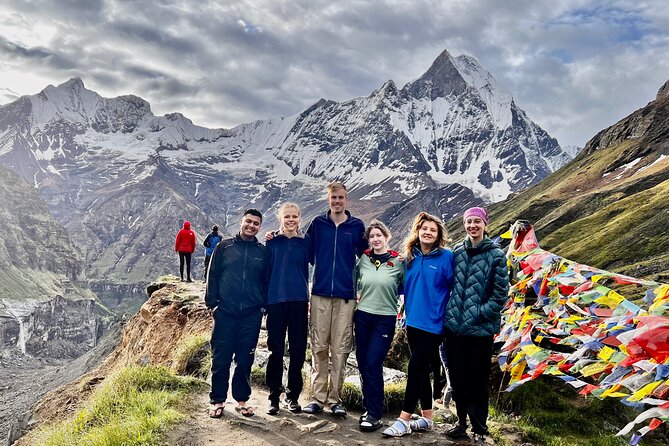
Your trek starts in Kathmandu’s Thamel area, with pickup offered. Practically, this matters because Thamel is easy to find and you’re not scrambling across town before the first day’s drive. The meeting setup is handled by the operator’s rep, and you’ll look for a signboard with your name or the company placard at the airport area if you’re arriving into Tribhuvan International Airport.
Day 1 is mostly about getting grounded: meeting, getting your gear together, and setting expectations. If you’ve never hiked in Nepal before, I’d treat this as your “orientation day.” Walk through your checklist. Water bottle, warm layer, rain shell, headlamp if you use one, and a basic first-aid kit. Nepal trekking can be flexible, but your comfort still depends on what you bring.
One more small note: your start time is 7:00 am. That’s not unusual, but it does change how you pack your mindset. You’ll want an early night the day before so breakfast doesn’t feel like punishment.
You can also read our reviews of more tours and experiences in Kathmandu.
Kathmandu to Pokhara: The 9-Hour Drive That Sets the Tone
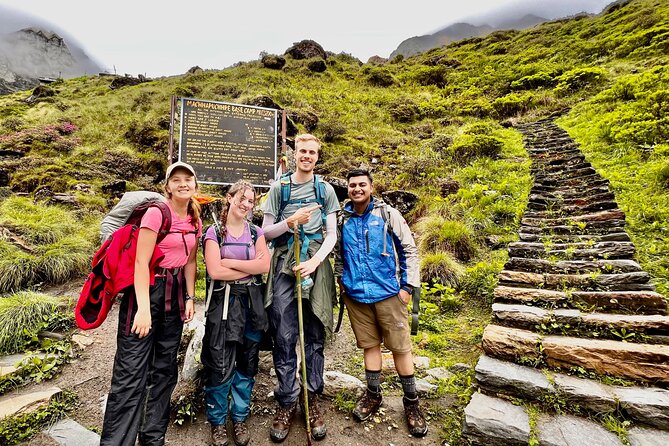
Next you jump from Kathmandu to Pokhara by tourist bus, about 200 km and roughly 9 hours. This is a real travel day. If you like trains and slow routes, this part is not for you. But if you want efficiency, it’s a good trade: you spend time getting to the trekking region instead of losing a day on transfers.
Why I like this setup for a short trek: Pokhara gives you a smoother transition into hiking country. It’s also where the logistics cluster in a way that makes your later shuttles easier. The itinerary includes breakfast on that travel day, and you’re basically moving from city life to trail life in one chunk.
You’ll likely feel the day in your body the way you do with any long road ride. Bring a snack you enjoy, even though the trek includes set meals. You don’t want to be the person hunting for food at the worst possible moment.
Jhinu Danda to Chhomrung to Sinuwa: First Big Views, Real Trail Work
Day 3 is where the trek properly begins. You head from the Kathmandu-Pokhara area toward Jhinu, passing through places like Hemjha, Naudanda, Lumle, Kade, Nayapul, and along Modi Khola. It’s a long approach drive, but you’re also watching the country shift from city/neighborhood rhythm into river-valley trekking rhythm.
Once you reach Jhinu, you start with a climb: about 1 hour to Chhomrung. This is an important early stage because Chhomrung is close enough to feel the Annapurna South and Himchuli presence. Even if the sky is not perfect, the valley shape and the scale tend to land fast.
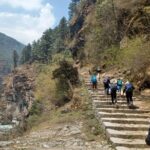
After lunch in Chhomrung, the route drops down toward the river, crosses a bridge, then climbs again to Sinuwa for the night. That up-and-down pattern is a key lesson for Annapurna Base Camp trekking. The terrain rarely gives you long flat recovery. You’ll rest, eat, and then switch your brain back to walking.
Practical tip: pace yourself on the first climb. Many people go too hard early because the views tempt them. The smarter move is to find a steady effort, since the trek keeps stacking hiking hours.
Ghorepani to Deurali: Rhododendron Steps and the Fish Tail Payoff
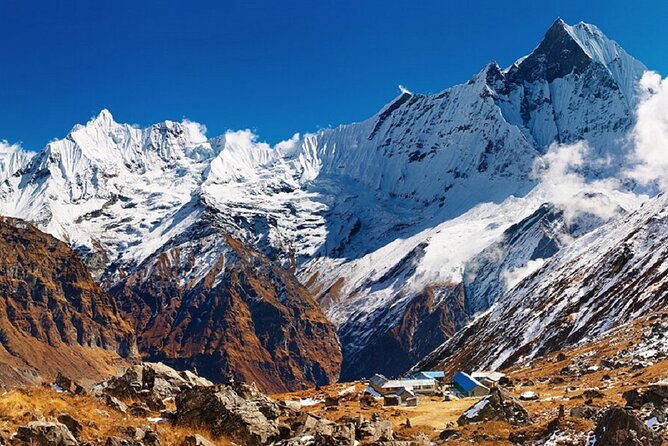
Day 4 takes you to Ghorepani, then you climb steeply beginning with bamboo and forest sections (with stops along the way, including lunch around Himalaya Hotel). The trek notes include rhododendron and bamboo forests, which matters because it usually means shade, cooler air pockets, and a trail surface that changes as you rise.
After lunch, you walk around 2 hours toward Deurali. The real excitement here is what you might see: the schedule calls out a magnificent view of Fishtail and surrounding hills. Fishtail Mountain, also known as Machhapuchhre, is one of those peaks that feels like it’s watching you back once you start seeing it clearly.
The payoff isn’t only visual. This day teaches you how your legs handle altitude changes through consistent effort. You’re not just walking in a straight line; you’re training your body for later days when you’ll want to keep your pace controlled.
What to expect: forest segments can bring mist or light rain. If you get damp, don’t pretend you’ll “dry out later.” Change socks when you can and keep your core warm when breaks happen.
Annapurna Base Camp Day: The Sun Sets on an Amphitheater of Peaks
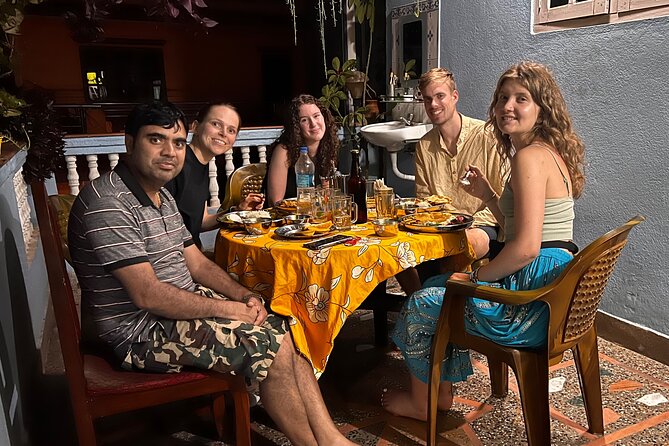
Day 5 is the headline day: you head from the lower area toward MBC (noted as a stop about 3 hours in), stop for lunch, then continue to Annapurna Base Camp (ABC) for another about 2 hours.
Even with a short trek schedule, the structure is smart. You get a partial landmark (MBC), refuel, then push the last stretch. That reduces the chance you’ll arrive at base camp completely wiped out. It also makes the final approach feel more like an event rather than a slog that ends in exhaustion.
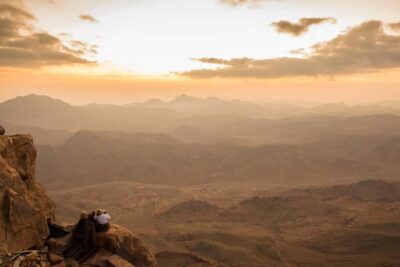
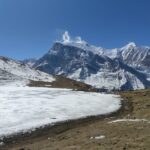
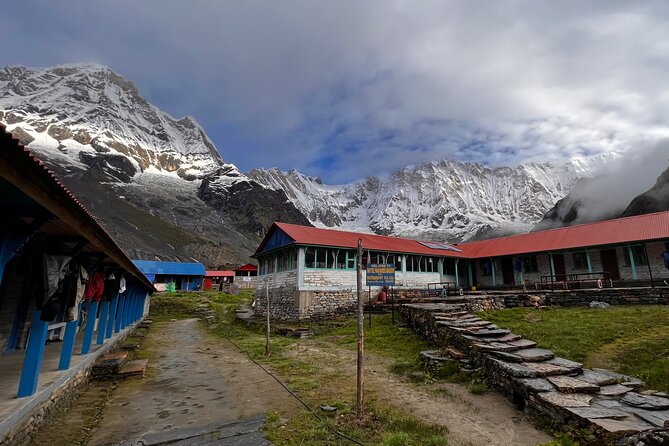
ABC itself is described as an evening moment with strong viewing. You can enjoy sunset views of Annapurna I, Gangapurna, Annapurna South, Himchuli, Annapurna III, Gandarvachuli, and Machhapuchhre (Fishtail). That’s a lot of names for one sky. The point isn’t memorizing peaks. It’s realizing you’re standing in a bowl of mountains where the view expands as light fades.
If weather is moody, don’t panic. Past group feedback from this operator includes a case where rain came during the climb but conditions cleared by the time the group reached the top. That’s common in mountains: clouds move, visibility improves. Pack for rain even if the forecast looks decent.
Evening at ABC is also when you’ll want to slow down and actually look. Phones can help with photos, but try to take at least a few minutes with no lens in your hand. This is one of those places that rewards stillness.
Sunrise Then the Bamboo Descent: The Part People Underestimate
Day 6 starts early for a sunrise over the Himalayas range, then breakfast. Morning views are often the clearest in these regions, and that’s why sunrise is on your schedule instead of optional. If you’re not a morning person, this is the one time you should still cooperate. I’ve seen how quickly clouds can roll in later in the day.
After breakfast, you descend down to bamboo for a longer walking block of about 5 to 6 hours. This is where your knees get recruited. Descents feel easier than climbs until you add distance and altitude. Use a lighter step frequency and shorter strides. If you have trekking poles, use them here.
This day is also about emotion. On the way up, your energy has a target: base camp. On the way down, your energy shifts to recovery. Try to treat each stop as a reset: drink, snack, adjust clothes, and then keep moving.
Back to Jhinu and Pokhara: Real Rest in Fewa Lake Country
Day 7 brings you back toward Jhinu Danda, then you eat lunch there, and later a vehicle picks you up from Pokhara area. From there it’s about a 2-hour drive back to Pokhara, followed by hotel time to relax.
Pokhara downtime is not filler. It’s how you make the whole trek feel worth it instead of like survival. The plan includes spending time in Fewa Lake, and you’ll have time for a normal meal and a slower evening.
One practical advantage: you’re in a place with easier access to shops and local life compared to trekking villages. But still, keep your expectations simple. The best recovery is still hydration, food, sleep, and not overdoing it with side trips.
If you’re sore, this is the moment to treat it seriously. Don’t rush into long walks just because you’re back on flatter ground. Your body has been doing the hard work for days.
Pokhara to Kathmandu on Tourist Bus: Finish Strong, Don’t Make It Hard
Day 8 is your transfer back to Kathmandu by tourist bus, about 6 to 8 hours, with lunch on the way. Then you reach your hotel in Kathmandu and can relax.
This day can feel anti-climactic if you want more mountains right away. But it’s also a smart buffer. You’re giving your body time to reset after the descent, and you’re keeping your travel plan low-stress.
Day 9 is a final departure day with the activity ending back at the meeting point in Thamel. The schedule lists a 6-hour timeframe for that final transfer step, but your actual end depends on your flight timing.
Price and Value: When $700 Actually Covers the Right Stuff
At $700 per person for about 9 days, this trek is priced in the midrange for private trekking arrangements in Nepal. The value comes from what’s bundled:
- Permits for the trek are included.
- Professional guide and his expenses are included.
- Two-way tourist bus between Kathmandu and Pokhara is included.
- Transportation from Pokhara to Jhinu and back is included.
- Accommodation in Kathmandu and Pokhara is included as 2 nights in Kathmandu and 2 nights in Pokhara on B/B plan.
- Government taxes and office charges are included.
- You get a trekking map and an achievement certificate.
- Seasonal fruits during the trek are included.
- There’s an evening farewell dinner after trekking.
- Meals are included across days (breakfast, lunch, dinner are listed in the package).
Here’s how I think about it as a buyer: a base camp trek is expensive mostly because of logistics. Porters, guides, permits, and transport can balloon fast if you try to DIY. This price tries to control that. You still pay for your own extras, but the core framework is handled.
What’s not included is important too: WiFi, hot and cold beverages, bar bill, hot showers, emergency evacuation, and tips. Also, the Nepal entry visa (USD 40 for 30 days, obtained at the airport) is not included, and international airfare is not included.
So the real question is: are you trying to minimize surprises and headaches? If yes, this package format makes sense.
What’s Included vs. What You Should Budget Extra For
You’ll want to plan around a few common add-ons.
Included meals are part of the trekking support, and the package lists breakfast, lunch, and dinner counts. That helps you stop thinking about food every hour. Still, you’ll likely want extra snacks, and you might buy water or drinks depending on what’s available and what your guide recommends.
Also, the trek doesn’t include hot showers and WiFi. Those are often the things people assume are automatic in lodges, then feel annoyed when they’re not. Treat those as optional comforts you can pay for separately if you want them.
If you’re risk-averse, consider travel insurance that includes hiking and evacuation. Emergency evacuation is not included, and altitude trekking is where things can get complicated quickly if someone gets hurt.
Pacing, Fitness, and the Private Guide Advantage
This is listed for travelers with moderate physical fitness, and it’s described as private, meaning only your group participates. That matters more than it sounds. In a private setting, your guide can adjust pacing without negotiating with other hikers in the group.
Past feedback tied to this operator highlights that guides like Kapil have a reputation for accommodating ability, adjusting trekking pace, and fixing problems fast. I take that as practical promise: if you slow down, you shouldn’t feel bad about it. If the weather shifts, you want a guide who can handle the situation calmly.
Your own job: be honest about your conditioning. If you tell your guide you’re comfortable with steep climbs, great. If you’re not, also great. The best trek experience is the one where you arrive at base camp with enough energy left to enjoy it, not just survive it.
Should You Book This Annapurna Base Camp Short Trek?
I’d book this if you want a focused Annapurna Base Camp experience without turning it into a long, complicated migration across Nepal. You get a strong value bundle: permits, guide, transport, meals, Kathmandu and Pokhara lodging, and key mountain viewing moments like sunrise and sunset.
I would hesitate if you’re expecting a super gentle trek. This route includes several long walking days and a meaningful descent. Also, if you hate early mornings, sunrise day will be a mental battle. And if you require constant comfort upgrades like hot showers or WiFi, you’ll need to budget separately.
For most people with moderate fitness who want organization and real mountain payoff, this is a solid choice.
FAQ
Where does the trek start in Kathmandu?
The start point is Thamel, Kathmandu 44600, Nepal. Pickup is offered, and the meeting details are arranged by the representative.
What time does the trek begin?
The scheduled start time is 7:00 am.
How do airport arrivals connect to the trip?
The ticket redemption point is Tribhuvan International Airport, Ring Rd, काठमाडौँ 44600, Nepal, where your representative will specify the meeting location for onboarding.
Is Nepal entry visa included?
No. The Nepal entry visa is not included. It can be obtained at the airport for USD 40 for 30 days.
What’s included in the trek price?
Permits, a professional guide (and his expenses), round-trip tourist bus from Kathmandu to Pokhara and back, transportation between Pokhara and Jhinu, 2 nights in Kathmandu and 2 nights in Pokhara on a bed and breakfast plan, taxes and office charges, a trekking map and achievement certificate, seasonal fruits, a farewell dinner, and the listed meals.
What transportation is included besides the Kathmandu–Pokhara bus?
You also get transportation from Pokhara to Jhinu to Pokhara as part of the itinerary.
Can I cancel for a refund if plans change?
Yes. You can cancel up to 6 days in advance for a full refund. Cancel 2–6 days before for a 50% refund, and if you cancel less than 2 days before, the amount paid is not refunded.