REVIEW · CHIANG MAI
Trekking 2 Days 1 Night+Rice fields+Bamboo Rafting
Book on GetYourGuide →Operated by Chiangmai Trekking Center · Bookable on GetYourGuide
Chiang Mai feels different when you walk into the jungle first. This 2-day small-group trek pairs rice-field scenery with a Karen village visit and a night home stay, then finishes with a waterfall break and bamboo rafting. I love the mix of views and simple, real-life village moments, and I also like how the pacing stays hands-on thanks to a guide with a small group size. One thing to consider: the overnight stay is basic, so plan for simple sleeping conditions.
You’re not just doing a hike for photos. You’re moving through rice paddies, jungle trail, and waterfall time across two days, with meals handled during the trek and rafting added as a fun final stretch. If you want a comfy resort setup, this won’t be that trip; if you want nature and culture with decent structure, it makes a lot of sense.
In This Review
- Key highlights worth your attention
- Two Days In Chiang Mai Jungle: What You’re Signing Up For
- Hotel Pickup And Market Supplies: The Morning Setup That Helps
- Elephant Camp Stop: A Short Detour With Big Time-Worth
- Trekking Through Rice Fields And Jungle: The Part You Came For
- Karen Tribe Village Walk And Home Stay: Real Life, Simple Comfort
- Waterfall Time On Day Two: Where The Effort Gets Rewarded
- Bamboo Rafting For 30–45 Minutes: Easy Energy, Great Finisher
- Guide And Small Group Size: Why It Feels Personal
- Price And Value: Is $93 Fair For This Mix?
- Weather Reality In Chiang Mai: Plan For Rain, Then Relax
- Who This Trek With Bamboo Rafting Is Best For
- Should You Book Chiang Mai Trekking Center’s 2-Day Trek + Rice Fields + Bamboo Rafting?
- FAQ
- Where is this trekking experience located?
- How long is the trip?
- What time is hotel pickup on day one?
- Is there an English-speaking guide?
- How big is the group?
- What activities are included across the two days?
- Is bamboo rafting included, and how long is it?
- Is there time to swim?
- What does the price include?
- What is the cancellation policy?
Key highlights worth your attention
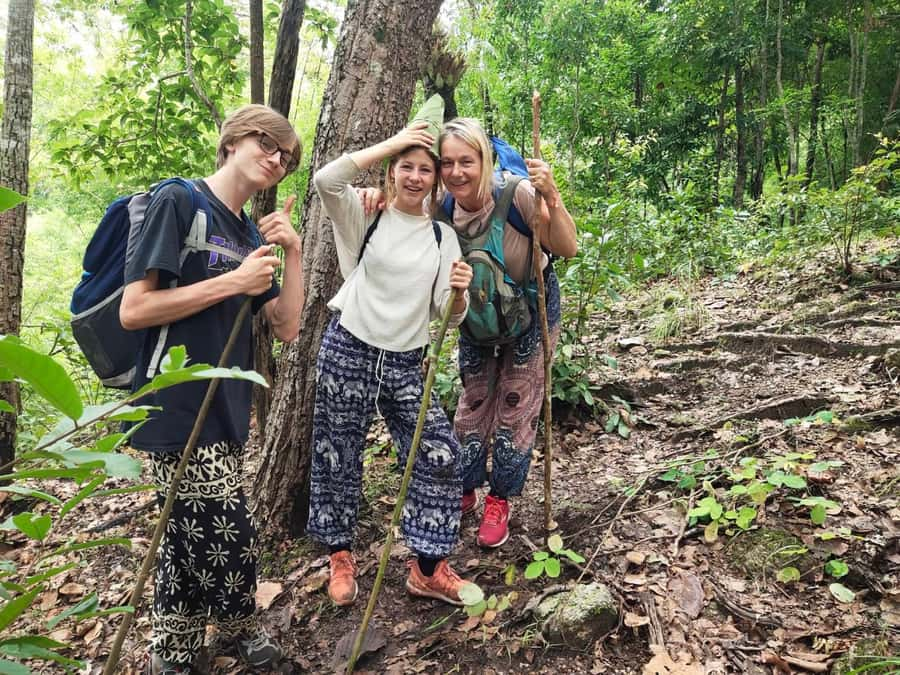
- Small-group trekking (up to 12 people) so you’re not stuck hiking in a big crowd.
- Rice fields + scenic viewpoints as part of the trekking day, not just a quick stop.
- Karen tribe village home stay that gives you a look at everyday life in the area.
- Jungle waterfall time with a chance to swim and relax.
- Bamboo rafting for 30–45 minutes to end the trip on an easy, scenic note.
- Meals and accommodation included during the trekking portion, so you’re not constantly figuring out food.
Two Days In Chiang Mai Jungle: What You’re Signing Up For
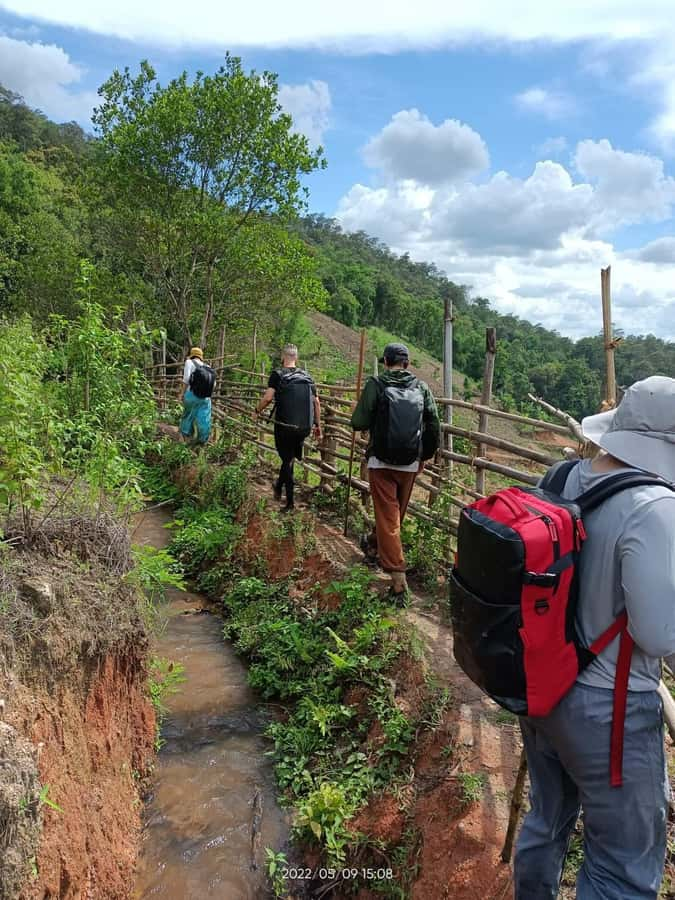
This is a classic Chiang Mai Province outdoor circuit: trekking first, then community time, then water. Over two days, you’ll go from morning hotel pickup into market time and elephant camp, then switch into hiking mode through rice paddies and jungle surroundings. Day two keeps it active, but it also gives you the best payoff breaks: a waterfall swim and an on-river bamboo raft ride.
The big value is how much variety you get without having to organize anything. Transport, an English-speaking guide, trekking meals, rafting, and the overnight accommodation are all included, so you can focus on the experience rather than logistics.
The pace is built around short “life moments” throughout the day—lunch, market prep, a village walk, and then the waterfall—so it feels like a full adventure, not just a long hike. If you like nature, you’ll be happy here. If you hate getting a little muddy and sweaty, you’ll want to think twice.
You can also read our reviews of more tours and experiences in Chiang Mai.
Hotel Pickup And Market Supplies: The Morning Setup That Helps
Your day one starts early, with hotel pickup between 7:00 and 7:30 A.M. The pickup is included, and you’ll want to be at your lobby and ready at that time window.
Soon after, you’ll visit a local market to buy supplies. This matters more than it sounds. It’s one of those behind-the-scenes moments that makes the trek feel grounded—food and practical items come from the local routine, not a last-minute convenience store scramble. It also helps you understand what you’re carrying for the day and what’s covered for meals.
If you’re the type who likes to know what to expect, this market stop is a plus. You’ll come away with a better sense of what the trekking day requires and how the group prepares before hitting the trail.
Elephant Camp Stop: A Short Detour With Big Time-Worth
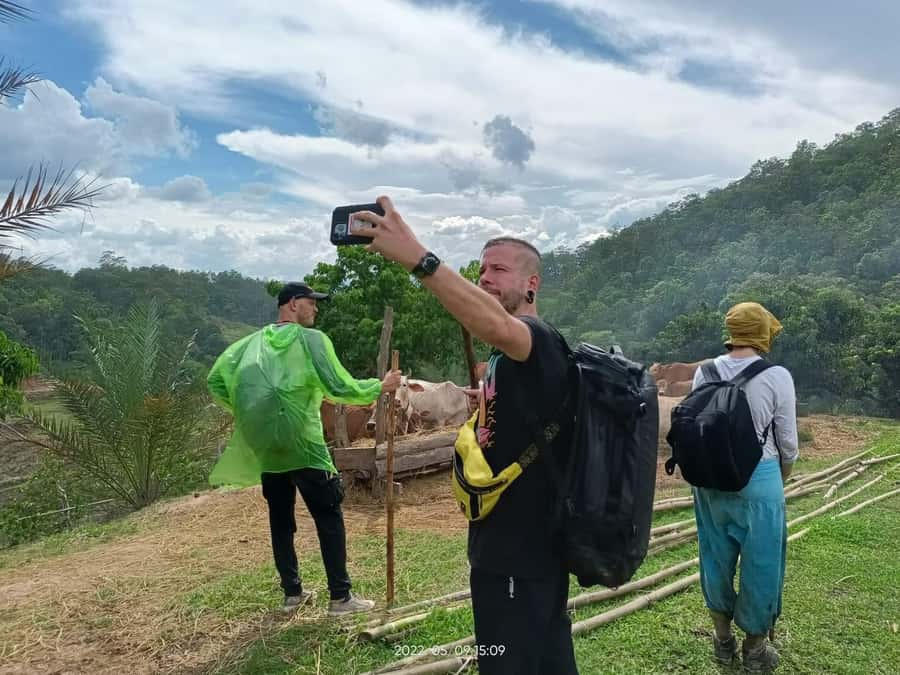
Day one includes a visit to an elephant camp before the main trekking begins. The camp visit is part of the scheduled day, so it’s not an add-on you have to negotiate later.
How this fits your day: it’s a transition point. You go from town energy (hotel pickup and market) to an outdoor rhythm. It also gives you a memorable cultural-natural anchor before you start trekking through the countryside.
One practical note: you’ll be on the move for most of the day, so treat the elephant camp as a planned stop, not a long, slow visit.
Trekking Through Rice Fields And Jungle: The Part You Came For
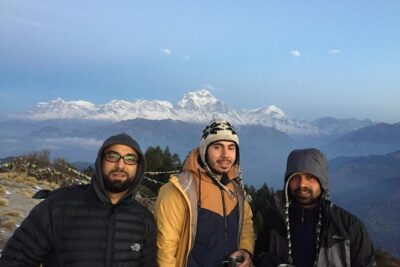
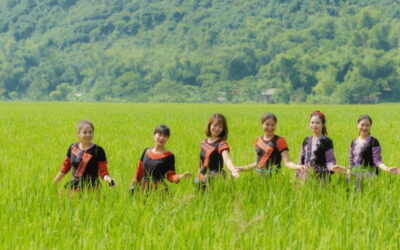
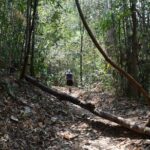
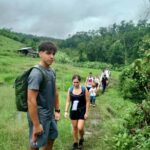
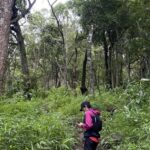
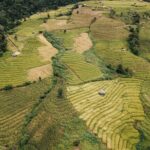
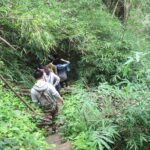
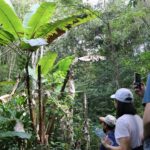
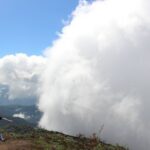
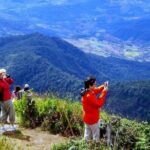
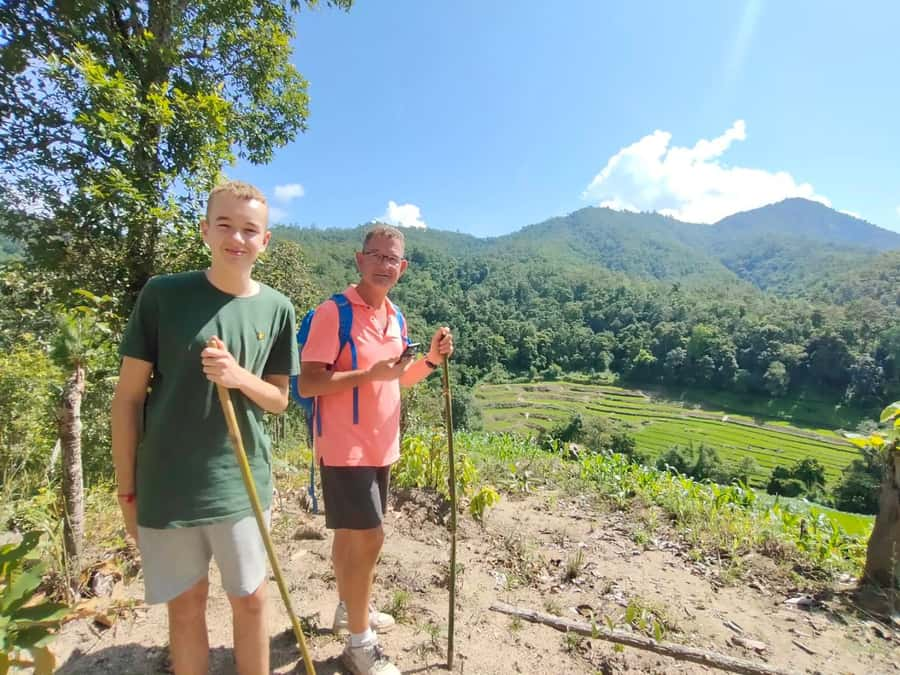
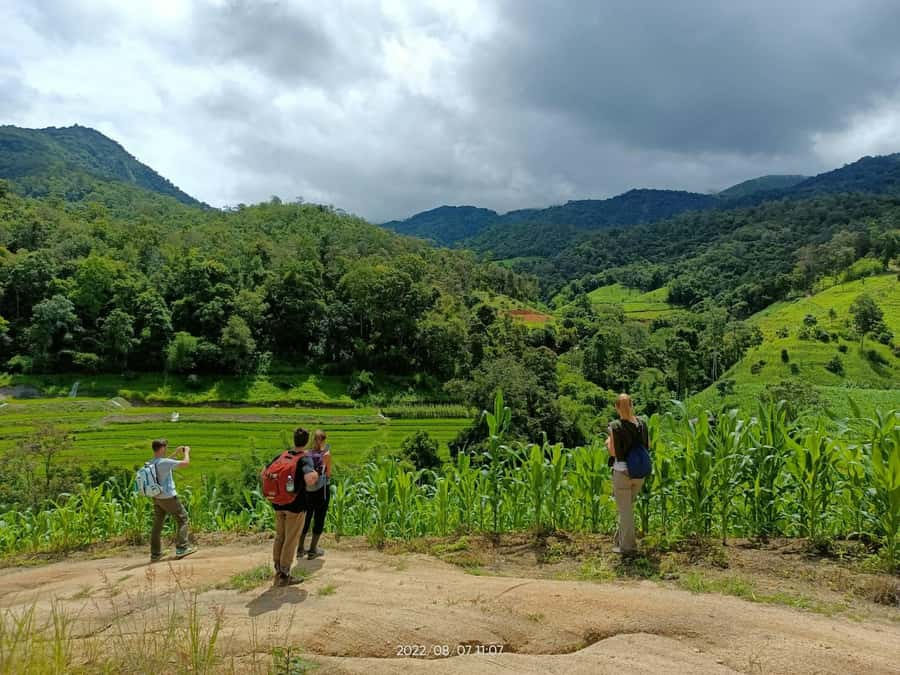
Once the trekking starts, you’ll be in nature—rice paddies, scenic views, and a trail that feels like real countryside rather than a managed walking path. The tour specifically highlights rice fields and beautiful views, and that’s the heart of this experience.
What I like about this kind of route (and what you’ll likely feel too): rice fields change the whole mood of a trek. Even when you’re sweating, the views keep pulling your eyes outward. It breaks the monotony that can happen on purely forested hikes.
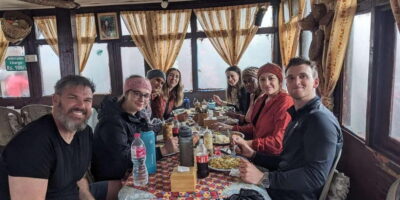
You’ll also stop for lunch during the trekking day. That’s important because it keeps the day from turning into one long grind. You’re there for the outdoors, but you’re not meant to suffer.
Karen Tribe Village Walk And Home Stay: Real Life, Simple Comfort
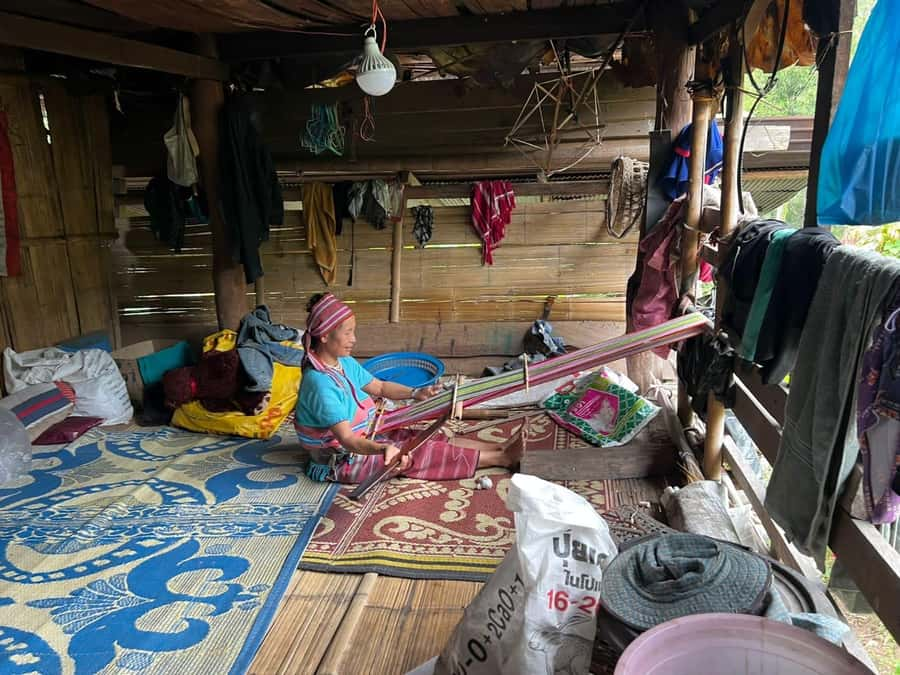
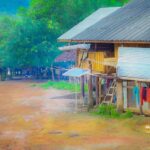
After lunch, you’ll walk through to the Karen tribe village and then overnight at a home stay. This is the cultural core of the trip. It’s not a brief look-from-the-bus moment. You’ll spend time moving through the village area as part of the route.
The overnight stay is where you should adjust expectations. In at least one recent July booking, the sleep setup was described as very basic, with a thin mattress on a wooden plank. That matches what you should expect from a home stay format: you’re paying for the experience and connection, not hotel-level bedding.
If you’re sensitive to comfort, bring what you can (especially if you know you sleep cold). If you’re open-minded about simple living and enjoy meeting people in everyday settings, this will likely be one of your favorite parts of the whole two days.

Waterfall Time On Day Two: Where The Effort Gets Rewarded
Day two begins with breakfast and coffee or tea. Then you start trekking again. Lunch comes mid-day, so you won’t be running on empty while you push toward the water.
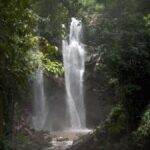
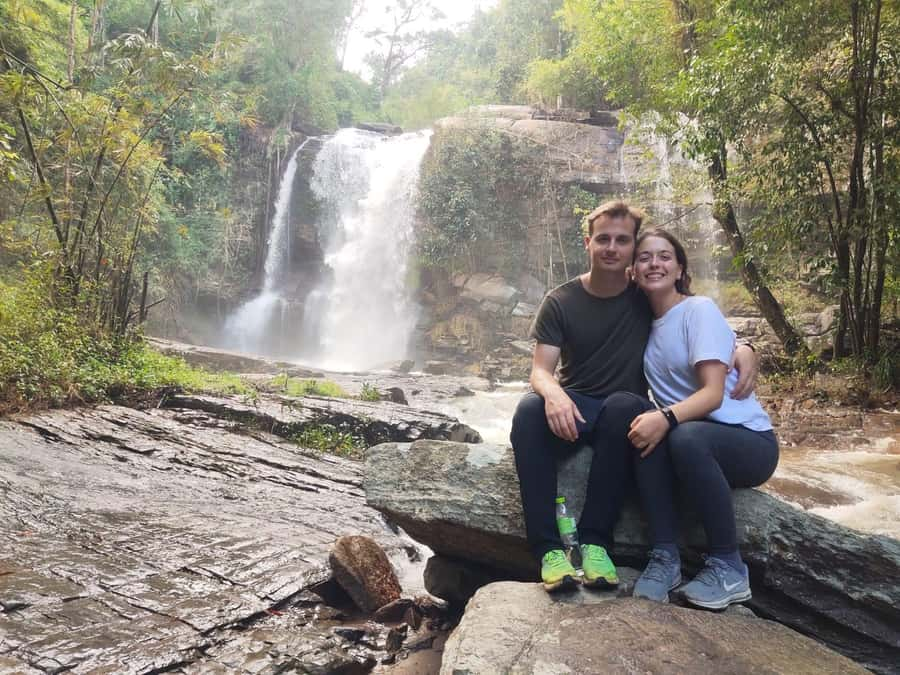
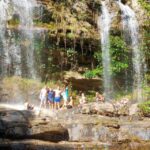
The highlight on day two is the jungle waterfall. You’ll swim and relax there. This is the moment that changes the tone from work to play. The trekking gives you sweat; the waterfall gives you release.
Practical tip: if you plan to swim, plan your clothing like you’re going into a wet environment. At minimum, you’ll want something you’re fine with getting soaked, and you’ll want a way to dry off afterward.
In wet conditions (like rainy-season periods), the waterfall stop can feel even more memorable, because everything looks more alive and the water is more powerful. Your gear will matter more on those days, so bring rain-sense items if you’re traveling in wetter months.
Bamboo Rafting For 30–45 Minutes: Easy Energy, Great Finisher
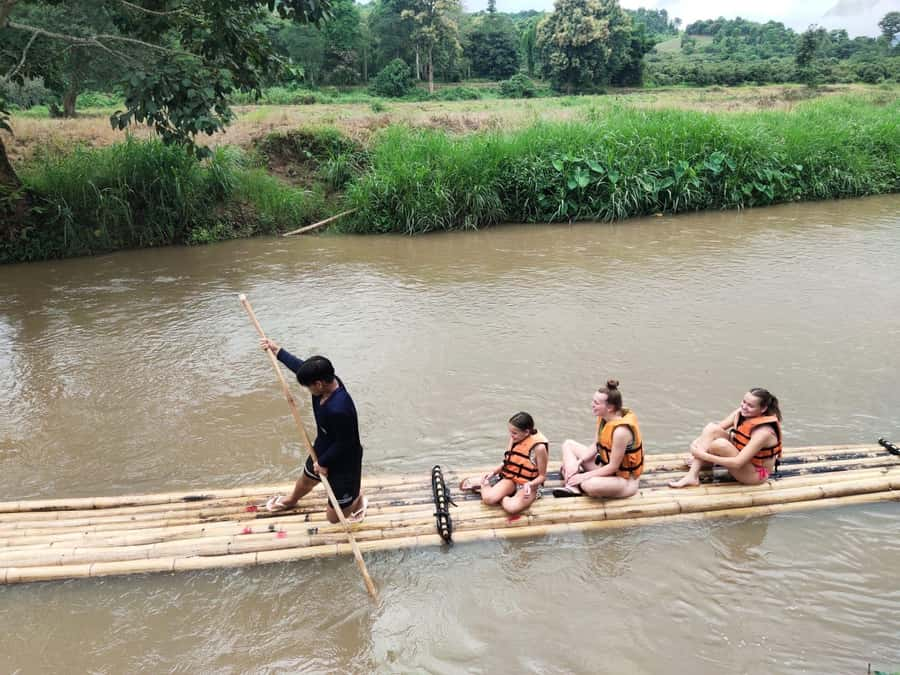
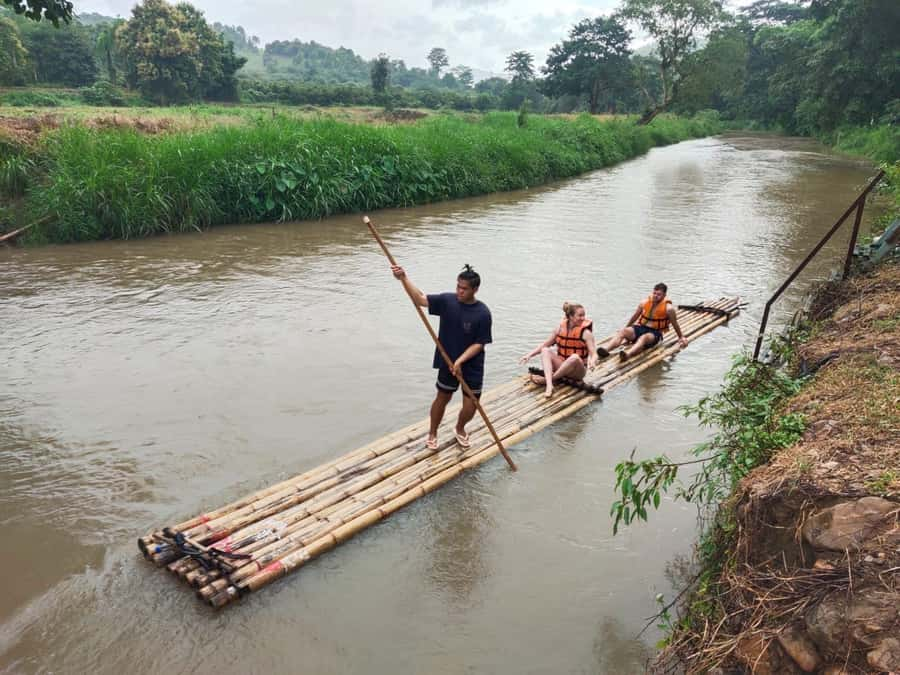
After the waterfall, you’ll do bamboo rafting around 30–45 minutes. You’ll ride a bamboo raft with support from a guide, and the time length is long enough to feel like a real activity but short enough to keep the whole day comfortable.
This is a smart ending choice. Trekking can wear you out, and bamboo rafting is a different sensation—mostly scenic, gently active, and fun even if you’re not an outdoors thrill-seeker.
One big practical takeaway from a recent experience: you’ll likely get wet, so wear swimwear or clothing you’re okay with being soaked. If your only dry clothes are your only clothes, you’ll feel the pain after.
Guide And Small Group Size: Why It Feels Personal
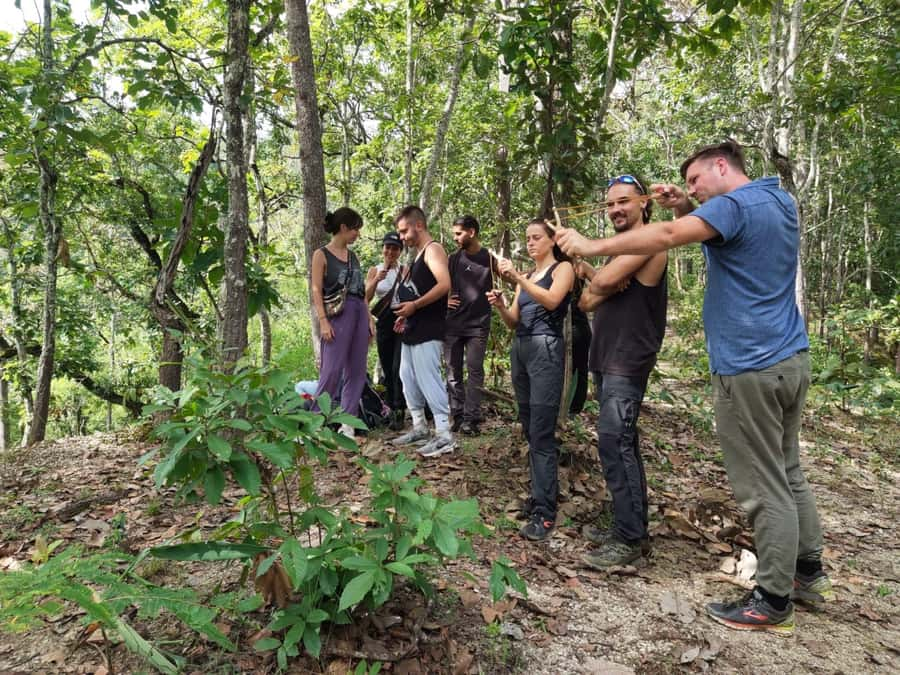
This trip runs with an English live tour guide and a small group limited to 12 participants. That small cap changes the experience. You’re less likely to be lost in the crowd, and the guide can respond to how the group is doing.
You’ll also feel the benefit during transitions—market stop, camp timing, village walks, and trekking breaks. A small group tends to mean fewer delays and more attention from the guide.
Look for the “human” aspects: the guide’s role isn’t just directions. It’s keeping the day moving smoothly while you’re navigating nature, weather, and simple village environments.
Price And Value: Is $93 Fair For This Mix?
At $93 per person for a 2-day / 1-night adventure, the value comes from what’s bundled:
- Transport (so you’re not paying separate transfers)
- Guide (English-speaking)
- All meals during the trek (this reduces hidden costs)
- Accommodation for the night
- Bamboo rafting
- The full set of activities: rice fields trekking, elephant camp, village walk, waterfall time
If you were to price this out yourself, the hardest parts to recreate are the guide coordination, meal planning for trekking days, and getting the rafting slotted without juggling multiple bookings. That’s where the package starts to make sense.
The only “cost” you should mentally price in is comfort level. The tour includes accommodation, but it’s basic by home stay standards. If you need cushy bedding and predictable room temperatures, you may prefer a different style of tour and accept paying more.
Weather Reality In Chiang Mai: Plan For Rain, Then Relax
Chiang Mai’s rainy periods can turn a trek into a wet adventure. One July experience included rain for part of the day and overnight, with ponchos available and used to stay comfortable enough.
You don’t have to panic about rain, but you should plan practically:
- bring rain-ready layers you can move in
- expect your feet and clothes to get wet at least sometimes
- accept that the “jungle experience” includes humidity and changing conditions
The good news: the itinerary includes plenty of built-in breaks (lunches, breakfast, waterfall time). Rain may make parts slower, but it doesn’t leave you stuck without things happening.
Who This Trek With Bamboo Rafting Is Best For
This works best for you if you:
- want a real two-day outdoors outing instead of a short half-day shuffle
- enjoy nature walks with scenic breaks like rice fields and waterfall time
- like cultural encounters that are more than a photo stop (the village walk and home stay are key)
- want a small group experience with an English guide
It’s also a solid choice for people who don’t want to manage separate bookings for trekking, meals, rafting, and overnight logistics.
You may want to skip it if:
- you require hotel-grade comfort and thick mattresses
- you strongly dislike wet conditions
- you want a long, free-time-heavy itinerary (this is guided and structured)
Should You Book Chiang Mai Trekking Center’s 2-Day Trek + Rice Fields + Bamboo Rafting?
If you’re looking for a balanced Chiang Mai package—nature, culture, and a fun water finish—this one makes a lot of sense. The biggest pros are the small-group setup, the variety across two days, and the fact that meals, accommodation, and rafting are included. You’ll get a full day of trekking plus a second day payoff with waterfall time and bamboo rafting.
My main caution is comfort expectations. The home stay is simple, and in wet weather you’ll want to be ready for that reality. If you can handle basic sleeping and the possibility of getting damp, you’ll likely feel happy you booked.
FAQ
Where is this trekking experience located?
It runs in Chiang Mai Province, Thailand.
How long is the trip?
The duration is 2 days (with 1 night included).
What time is hotel pickup on day one?
Pickup is between 7:00 and 7:30 A.M. You should stand by at your hotel lobby.
Is there an English-speaking guide?
Yes. The tour includes a live tour guide in English.
How big is the group?
It’s a small group limited to 12 participants.
What activities are included across the two days?
You can expect 2-day trekking, rice fields, a Karen tribe village visit, an elephant camp visit, a jungle waterfall, and bamboo rafting.
Is bamboo rafting included, and how long is it?
Yes, bamboo rafting is included and lasts about 30–45 minutes.
Is there time to swim?
Yes. On day two you’ll have time to swim and relax at the waterfall.
What does the price include?
The price includes transport, guide, all meals during the trek, bamboo rafting, and accommodation.
What is the cancellation policy?
You can cancel up to 24 hours in advance for a full refund.