REVIEW · POKHARA
Pokhara: 2-Day Ghorephani and Poon Hill Private Trek
Book on GetYourGuide →Operated by Travel Guides · Bookable on GetYourGuide
Poon Hill hits hard in two days. I like the sunrise views over Annapurna and Dhaulagiri and the slow walk through rhododendron forest and Gurung/Magar villages. One real consideration: the drive portions from Pokhara to the trailhead can be long and rough, especially on the last stretch.
This is built for people who want the mountain payoff without committing to a full Annapurna trek. You’ll be picked up from your Pokhara lakeside hotel, guided by a licensed English-speaking guide (Japanese-speaking is also offered), and sleep in a lodge in Ghorepani while your body does the hard work.
On Poon Hill, you’re hiking steps in the dark for a reason: the sky show. Just remember that weather can add fog, and early starts mean you’ll feel it in your legs, even when the trek is considered “easy.”
In This Review
- Key things to notice before you go
- Why this 2-day Poon Hill trek from Pokhara works
- Day 1: Pokhara drive to Ulleri, then the forest climb to Ghorepani
- Day 2: The early hike to Poon Hill sunrise, then down to Pokhara
- Teahouses, meals, and what “comfortable” means here
- Guides, permits, and staying safe without making it complicated
- Price and value: is $104 per person fair for 2 days?
- Fitness level, steps, and weather you should plan around
- Who should book this trek (and who should pass)
- Should you book this short Poon Hill trek?
- FAQ
- How long is the Poon Hill trek from Pokhara?
- What is the highest point on this trek?
- Where does the trek start?
- Are transfers included?
- Is this a private trek?
- What languages are spoken by the guide?
- What’s included in the price?
- What should I bring for the trek?
Key things to notice before you go
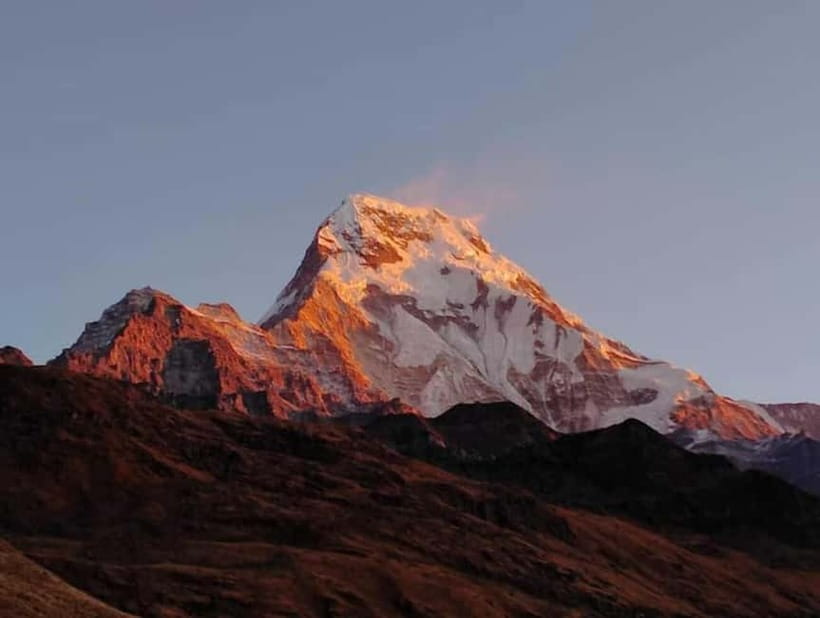
- Sunrise timing matters: you’ll wake early and do the short uphill hike to the viewpoint before most people are fully awake
- Forest-to-village trekking: rhododendron and pine forests alternate with terraced fields and lived-in local settlements
- Steps are part of the deal: expect stair-like hiking, so trekking poles help
- Comfort is “teahouse level”: warm meals, sometimes electric blankets, and basic rooms rather than hotel-style heating
- Transport is the wild card: bumpy roads and occasional route changes (like landslide detours) can affect your day pace
Why this 2-day Poon Hill trek from Pokhara works
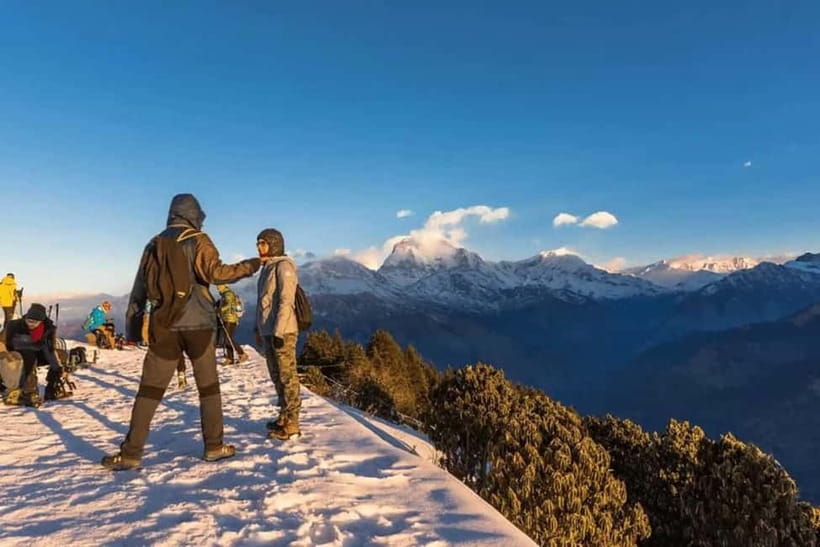
Poon Hill is the shortcut to the Annapurna viewpoints that make this region famous. In just 2 days, you get the classic reward: dawn light spilling across multiple mountain ranges, plus a trail that feels local instead of rushed through a single corridor.
What I like most is how this version fits real travel schedules. You’re in Pokhara, you sleep one night at a comfortable altitude (Ghorepani), and then you’re back by the afternoon on day 2. That matters if you’re only in Nepal briefly or you’re balancing other sightseeing like Lakeside Pokhara, paragliding, or a couple of Chitwan days.
The trek itself is short but not “flat.” Even without big altitude pressure, you’ll hike uphill on day 1 and then again early on day 2. I’d treat it as a leg-day with a payoff, not a casual stroll.
You can also read our reviews of more tours and experiences in Pokhara.
Day 1: Pokhara drive to Ulleri, then the forest climb to Ghorepani
Your day starts with a guide picking you up at your Pokhara lakeside hotel lobby (they ask you to be there about 10 minutes early). Then you drive out of Pokhara Valley toward Nayapul, the main gateway area for this trekking route, and continue by road past farm villages and waterfalls.
From there, the route climbs in stages. You’ll drive past spots like Hile and Tikhedhunga, then take a winding uphill mountain road to Ulleri, where the actual walking begins. This portion is exactly why I call out the transport consideration up front: the last stretches can be very bumpy, so pack patience with your water bottle.
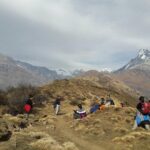
Once you reach Ulleri, the hiking becomes the highlight. You’ll walk past Bhanthati, then enter cooler forest with tall rhododendron, magnolia, oaks, pines, and fir trees. The climb feels steady rather than brutal, and that “forest rhythm” is a big part of why people love Ghorepani—shade, birdsong, and the gradual sense that you’re getting higher.
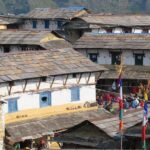
You’ll finish day 1 in Ghorepani (about 2,880 m). This village sits below the Poon Hill viewpoint, and the area is closely tied to the Magar community. Most likely, you’ll arrive with enough daylight to settle in, eat something warm, and actually enjoy the mountain air instead of rushing straight to bed.
Practical pacing tip: if you’re new to trekking, go slower than you think you need to on day 1. The better your rhythm, the easier day 2’s early climb feels.
Day 2: The early hike to Poon Hill sunrise, then down to Pokhara
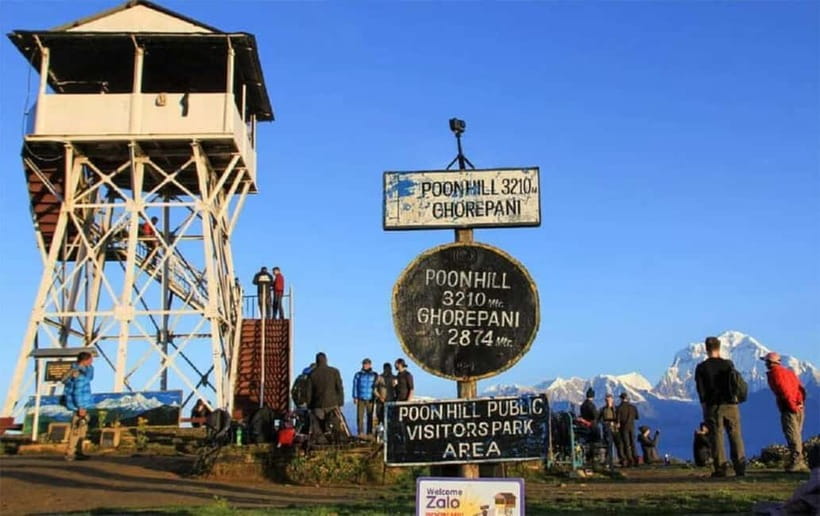
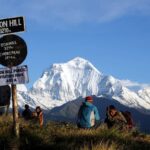
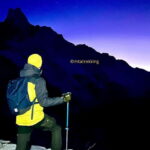
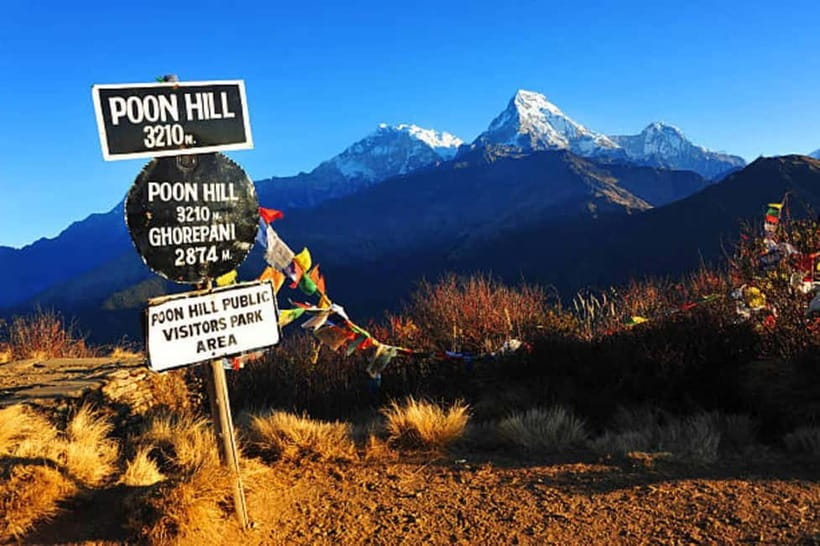
Day 2 is the payoff day. Early morning means you’re up before sunrise, and you’ll hike to Poon Hill (3,210 m). You don’t need a long trek here; the climb to the viewpoint is short, but it’s done in the early-dark hours when your body is still waking up.
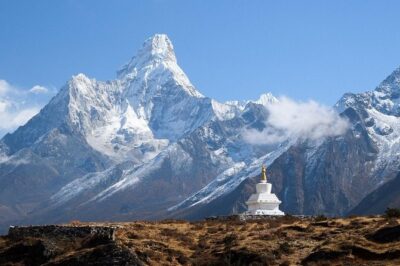
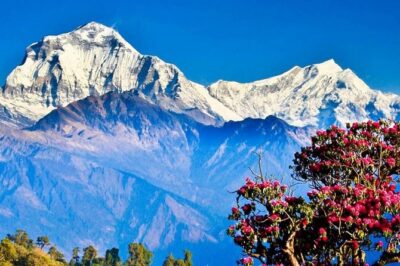
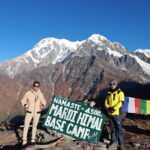
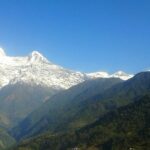
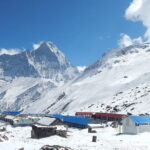
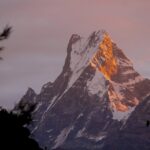
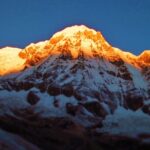
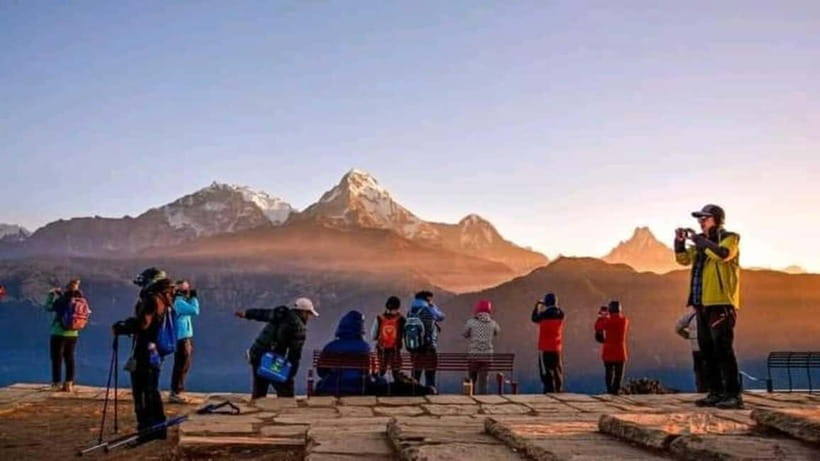
What you’re chasing is the view across a chain of peaks: Dhaulagiri, Annapurna range, Machhapuchare (the Fish Tail), and nearby ranges like Lamjung and Manaslu, with other named peaks sometimes visible depending on weather. On clear mornings, you get that dramatic sky shift—orange and pink light washing over the ridgelines.
Once you’ve soaked it in, you descend back toward Ghorepani for breakfast and then keep going downhill. The trail continues through forested sections and past Bhanthati again, before you reach Ulleri.
Then comes the big transportation day: from Ulleri, you’ll return to Pokhara by sharing jeep or bus, with a total travel time that can be around 6 hours (and road conditions can be bumpy again). It’s a long finish day, but the trek is done, and the timing is what makes this route feel like a short adventure instead of a full expedition.
One important real-world detail: sometimes roads can be affected by landslides. If that happens and the vehicle can’t reach Ulleri, your trek can start lower or shift slightly, and you may need to hike a little extra. The upside is that a good guide adapts pacing so you still get to Ghorepani before dark.
Teahouses, meals, and what “comfortable” means here
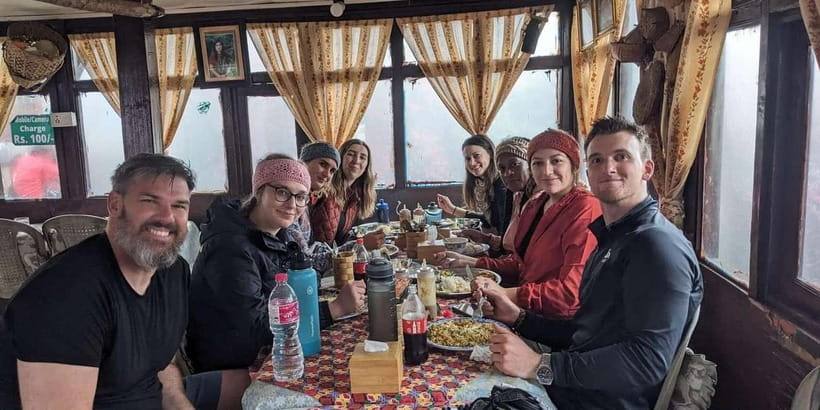
This trek uses lodge-style overnight stays, not camping. In Ghorepani, you’ll sleep in a lodge with an attached bathroom and hot shower mentioned as part of the experience package, though in some teahouses you might find hot showers require a small extra payment. I’d plan on “hot if available” and check in before you assume it’s free.
Meals are available along the way, and breakfast is included. The food is typically what you expect in the Annapurna region: warm plates that taste even better after a morning climb. I especially like ordering dal bhat when you see it, because it’s filling and usually a good match for trekking energy needs.
Comfort wise, don’t expect central heating. Some lodges provide electric blankets, which can make a huge difference during early mornings. Bring warm layers you can adjust in the evening and at dawn. Even if the day feels mild, mornings at altitude can feel sharp fast.
Also: there are trash bins along the route, but you still need to take your trash to the bin. Keep the trail clean; the forest and villages rely on that routine.
Guides, permits, and staying safe without making it complicated
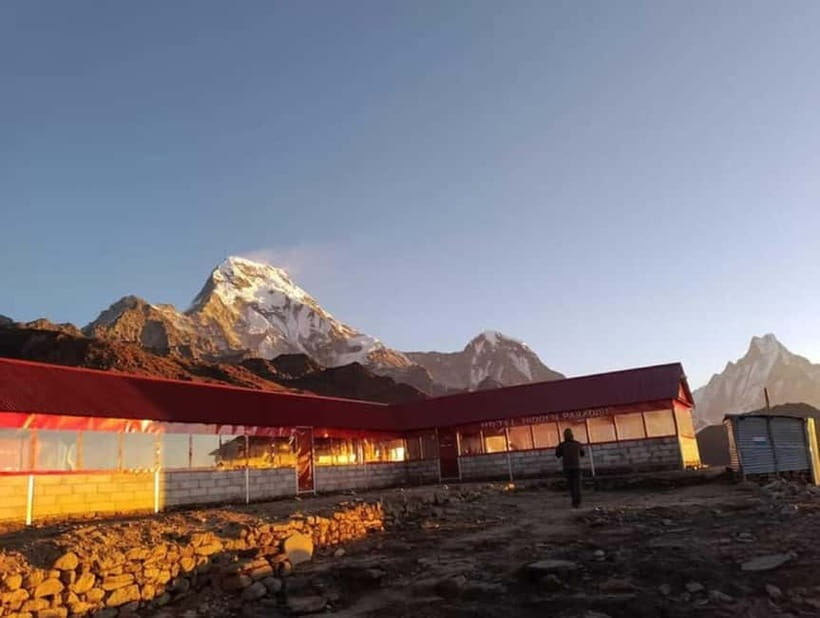
A big value in this trek is that you’re not doing paperwork. Your trekking permit and official documents are handled, and you’ll travel with a licensed guide who speaks English (and Japanese support is listed too).
Safety is practical, not fancy. You’ll have an emergency normal first aid kit with the guide. More importantly, you’re hiking with someone who can manage pacing, breaks, and route changes when conditions shift.
I’m also a fan of guides who don’t force speed. In this kind of short trek, going too fast just steals the views from your body. You’ll see that some guides focus on slow progress with frequent rests, and that’s what makes this trek genuinely beginner-friendly for people with average fitness.
Altitude reality check: this is not a high-altitude “breath-taking-every-step” climb, but you still go from Pokhara lowlands up to 3,210 m. If you’re prone to altitude issues, take it seriously: drink water, move steadily, and let your breathing lead your pace.
Price and value: is $104 per person fair for 2 days?
$104 for two days can look like a small number, but it only makes sense if you understand what’s bundled. This price includes hotel pick up and drop off in Pokhara lakeside, a licensed guide, permits and official paperwork, round-trip transfers by sharing jeep or bus, an overnight stay in Ghorepani, trekking pole, and breakfast.
It also includes guide accommodation and expenses, plus an emergency first aid kit. In other words, you’re paying for the whole “get you there, feed you, guide you, and handle admin” package, not just the walking.
What’s not included is equally important: food and drinks during the trek are extra, plus personal expenses. And since the itinerary includes early starts and longer road time than you might expect, budgeting a little for snacks, hot drinks, and warm gear is smart.
If you want a low-stress, short Annapurna taste, this price-to-time ratio is strong. If you already have trekking gear and you’re comfortable handling logistics solo, you could compare costs—but you’d also be giving up the guided pacing and paperwork support that make this trip smoother.
Fitness level, steps, and weather you should plan around
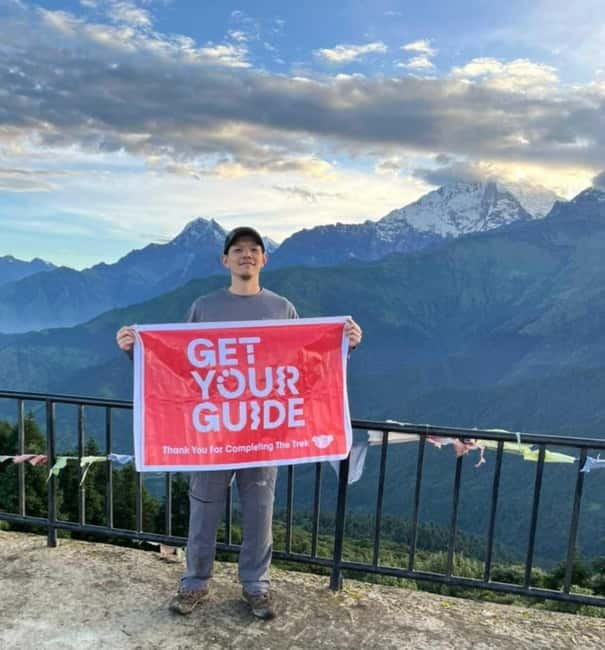
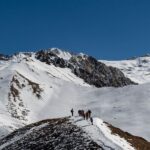
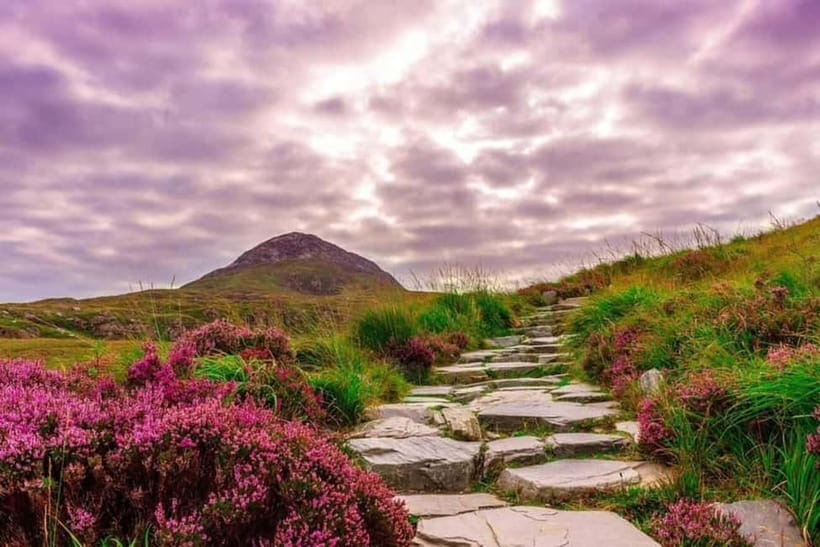
The trek is described as easy and doable, but the word easy doesn’t mean “effortless.” Day 2 includes an early climb to Poon Hill, and the route is known for steps. If you’ve ever tried stair-hiking when you’re tired, you already know the mental battle: small steps, constant effort.
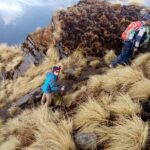
I recommend trekking poles. They help your knees on the downhill and improve balance on uneven stone paths. Reviews also point out that the steps can feel relentless, so plan for that.
Weather is your other variable. For sunrise, visibility depends on clear skies and low fog. If you’re booking around seasons, go toward times when you’re more likely to see clear mountain views (the trek descriptions and local tips consistently connect good visibility with drier, non-rainy periods).
Packing matters more here than people think:
- Comfortable trekking shoes with grip
- Warm layers for early morning and cold lodge nights
- A camera and extra batteries
- Snacks for energy between meals
- A water bottle (and plan to buy additional refills as needed)
Who should book this trek (and who should pass)
This is a great match for:
- First-time hikers who want a major viewpoint without a long multi-day commitment
- People visiting Pokhara and looking for a focused mountain day in two nights
- Travelers who like villages, forests, and simple lodge life
It’s not a match for:
- Children under 8
- Pregnant women
- People with back problems
- People with heart problems
If you fall into those categories, you should choose a different Pokhara-based option with less uphill strain.
One more practical note: ATMs can be scarce. Carry Nepalese rupees for personal expenses and for any extras you decide on once you’re on the trail.
Should you book this short Poon Hill trek?
I’d book it if you want the Annapurna viewpoint experience on a tight schedule and you appreciate a guided plan that removes the stress of permits and logistics. The best part is that the trek is short enough to feel achievable, but rich enough to deliver sunrise views, forest walking, and village culture.
I’d think twice if:
- Your tolerance for bumpy rides is low
- You’re sensitive to cold mornings
- You need a completely flat, easy walk with minimal stairs
If you’re ready for early mornings, a few steep moments, and a very real sunrise reward, this 2-day private Poon Hill trek is a smart, high-value way to see the Annapurna region from Pokhara.
FAQ
How long is the Poon Hill trek from Pokhara?
The trek is 2 days.
What is the highest point on this trek?
Poon Hill is the key high point at 3,210 m.
Where does the trek start?
Your guide picks you up from your Pokhara lakeside hotel, then you drive to the trailhead area (including Nayapul) before walking begins.
Are transfers included?
Yes. Round trip transfer by sharing jeep or bus is included according to the itinerary.
Is this a private trek?
Yes. It’s listed as a private tour with a private group.
What languages are spoken by the guide?
The tour offers guides who speak Japanese and English.
What’s included in the price?
Included items are hotel pick up and drop off in the lakeside area, an experienced licensed English-speaking trekking guide, trekking permits and official documents, transfers, accommodation in Ghorepani, guide meals and expenses, an emergency first aid kit, a trekking pole, and breakfast.
What should I bring for the trek?
Bring comfortable shoes, warm clothing, a camera, snacks, and water.