REVIEW · KATHMANDU
Annapurna Base Camp Trek
Book on Viator →Operated by Shikhar Adventure · Bookable on Viator
One sunrise can steer your whole trip. This Annapurna Base Camp trek layers the classic Poonhill viewpoint with the big day at ABC, plus village trails and rhododendron forests leading into the Annapurna Sanctuary.
I love the built-in early-morning payoff: the Poonhill start at about 3,210 meters with big views over the Annapurna and Dhaulagiri ranges. I also like that you’re guided and supported by an experienced team led by Dambar Thapa, with help for pacing when altitude gets real.
The main drawback is the altitude and the walking time. You’ll climb to about 4,130 meters, so you’ll want moderate fitness and realistic expectations for slower days, plus some extra costs for showers and charging at guesthouses.
In This Review
- Quick hits before you go
- Why This Annapurna Base Camp route starts with Poonhill
- Kathmandu valley prep: temples, jet lag, and getting oriented
- Pokhara and Phewa Tal: a calmer altitude interlude
- Ulleri to Ghorepani: village trails and rhododendron forests
- Poonhill sunrise and Tadapani: the perfect “go high, then recover” rhythm
- Sinuwa and Deurali: moving deeper into the Annapurna Sanctuary approach
- Annapurna Base Camp at ~4,130 m: what the main day is built around
- The return to Sinuwa, then Jhinu Danda hot springs
- Back to Kathmandu: the long drive home and a final night
- Price and what $940 really buys you
- Gear, meals, and why pacing matters with Dambar Thapa
- Practical packing for guesthouse life and daily rhythm
- Should you book this Annapurna Base Camp trek?
- FAQ
- Where is the trek meeting point?
- What time does the experience start?
- How long is the Annapurna Base Camp trek?
- What is the highest altitude on this route?
- Does the price include permits and trekking meals?
- Are hotel nights included?
- Is pickup available?
- What about gear like sleeping bags?
- Are shower and charging fees included?
- Is travel insurance required?
Quick hits before you go
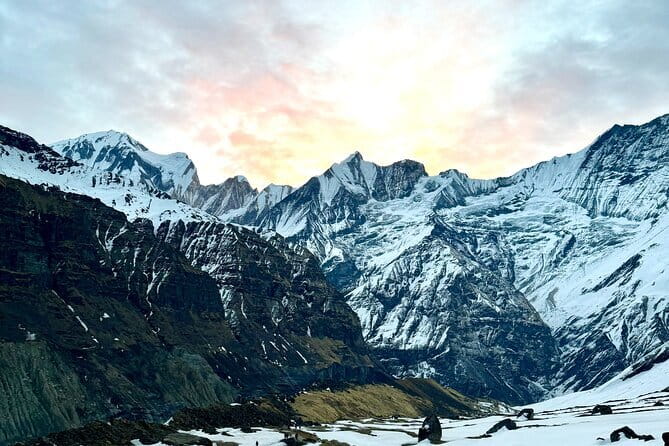
- Poonhill dawn (about 3,210 m) gives you a first, dramatic taste of the Annapurna and Dhaulagiri ranges.
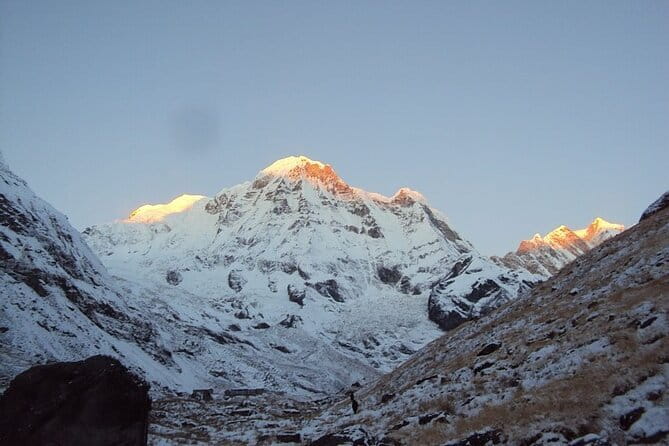
- Annapurna Base Camp at ~4,130 m is the heart of the trek, with views of Annapurna I, Annapurna South, Hiunchuli, and Gangapurna.
- Dambar Thapa’s pacing support shows up again and again in feedback, especially when people feel the altitude.
- Jhinu Danda hot springs act like a built-in muscle reset after the longer trekking days.
- All key trekking logistics are handled, including permits (Annapurna Conservation Area Permit), guide/porters, and meals on the trail.
- Private group experience means your group travels together, not mixed into random pacing.
Why This Annapurna Base Camp route starts with Poonhill
Most Annapurna Base Camp treks try to be efficient. This one is a little smarter: it gives you a “wow” morning before the real climb. You start your trek days in the Ghorepani/Poonhill area, then the route gradually funnels you toward Deurali and onward to the Annapurna Sanctuary.
That first big sunrise is not just scenic. It sets your rhythm. You go from Kathmandu/Pokhara city life into early starts and thin air, and you learn how your body reacts before you’re staring at ABC’s elevation. If you’re the type who worries about timing, the structure is reassuring. You know when the early hike happens and where you’ll be for sunrise viewing.
And yes, Poonhill is a crowd magnet. The difference here is the trail context: you’re trekking through rhododendron and oak forests, not just walking to a viewpoint and calling it a day. So the sunrise feels earned, not borrowed.
You can also read our reviews of more tours and experiences in Kathmandu.



Kathmandu valley prep: temples, jet lag, and getting oriented
Your trek begins in Kathmandu, where the itinerary starts with an airport transfer and a hotel stay (two nights total in a Kathmandu hotel category like Hotel Simal). Kathmandu sits around 1,400 meters, so it’s not low, but it’s also not the punishing elevation of later days. The idea is simple: you arrive, get your bearings, and rest.
Evening time includes a Kathmandu Valley orientation with historic places and temples on your schedule. The practical value here is that you’re not trying to cram shopping, sightseeing, and trekking prep at the same time. You’re letting your mind catch up after flying.
A small but useful tip: if you land close to the day’s start, keep the first evening mellow. Kathmandu traffic and walking around old streets can tire you faster than you expect. This is especially true because you’ll later have an early start time listed as 2:15 am.
Pokhara and Phewa Tal: a calmer altitude interlude
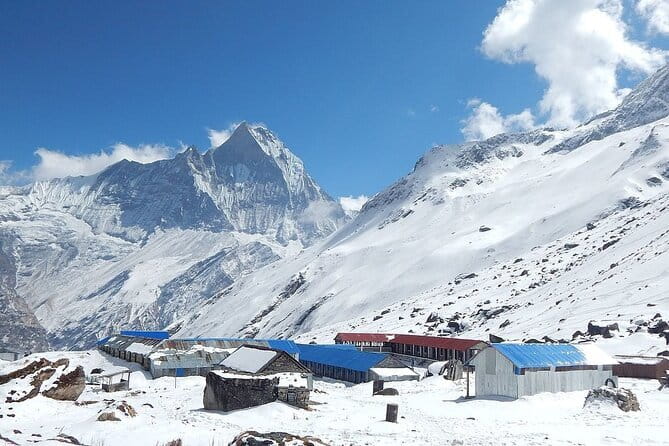
After Kathmandu, you head to Pokhara by tourist bus (included), with two nights there in a hotel like Trekkers Inn. Pokhara is where the pace shifts from city logistics to trek logistics.
You also get Phewa Tal (Phewa Lake) in the evening. It’s a simple stop, but it matters. Lake-side scenery is a breather between the big itinerary parts, and you’ll be grateful for the downtime before your hiking legs get their first real test.
From here, the trek begins the next morning (after breakfast). The flow is clean: drive to the trekking area, then transition into trail time. That matters because it reduces “wasted hours” where you’re waiting, dragging bags through vans, and negotiating tiny schedule changes.
Ulleri to Ghorepani: village trails and rhododendron forests
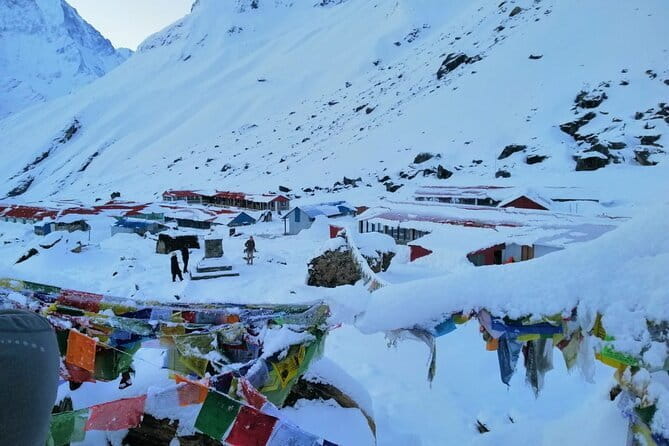
Day 3 starts with a drive from Pokhara to Birethanti, then uphill trekking to Ulleri. This is a great first trekking day because it’s not only steep and scenic. It’s also culturally dense—terraced fields, small villages, and forested sections where you can see how locals live and farm along the slope.
Then Day 4 moves from Ulleri to Ghorepani. This is where the scenery turns “classic Annapurna.” The trail runs through rhododendron forests and you get mountain and valley views as you gain height.
Why Ghorepani works well: it’s a resting point with the right kind of energy. You’re not far from sunrise country, and the town-based teahouse setup makes logistics easy when you’re tired. Also, Ghorepani is your launchpad for Poonhill later.
Consideration to keep in mind: Day 3 to Day 4 are both about getting comfortable with uphill trekking. If you treat the early days like easy sightseeing, you’ll pay later. Walk steadily and keep your breathing smooth. This is how you arrive at Poonhill feeling like a human, not a fried noodle.
Poonhill sunrise and Tadapani: the perfect “go high, then recover” rhythm
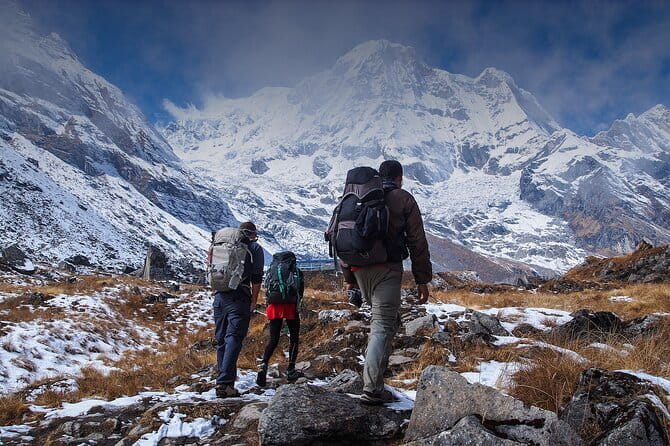
Your route builds a sunrise moment into Day 5. You’ll rise early for the hike up to Poonhill (about 3,210 m), then descend for breakfast in Ghorepani.
That sunrise view is the headline: the sun lights up snowy peaks, especially in the Annapurna and Dhaulagiri ranges. Even if you’ve seen photos, it’s the kind of view where the color shift matters in real life. The other underrated part is the forest trail you walk at night-to-dawn hours. It’s quieter, cooler, and feels different than midday hiking.
After breakfast, you continue trekking from Ghorepani to Tadapani (about 2,630 m), around a 5-hour walk. Tadapani sits as a calmer stop after the adrenaline of sunrise. You’ll pass through dense oak and rhododendron forest, with periodic mountain glimpses.
This is also a smart day for managing altitude and fatigue. You go high for sunrise, then you drop enough to recover, then you keep moving to set you up for the next ascent phase.




Sinuwa and Deurali: moving deeper into the Annapurna Sanctuary approach
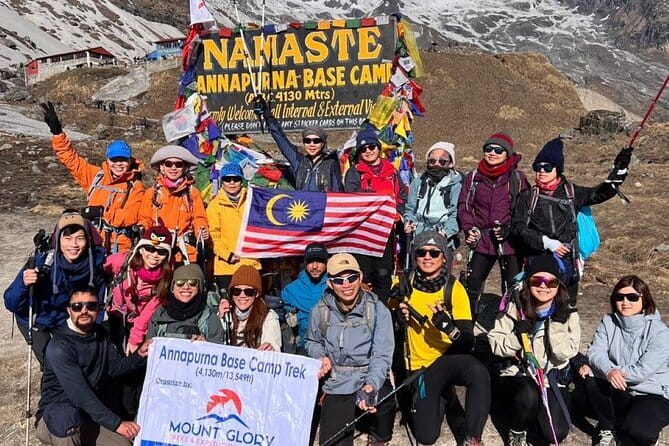
On Day 6, the trek goes from Chule to Sinuwa (about 6 hours). This section is about staying consistent: dense forests, more panoramic views, and sights of mountains like Machhapuchhre (Fishtail). Sinuwa feels like a quiet village base compared to some of the more trekking-focused towns.
Day 7 is from Sinuwa to Deurali (about 5 hours). The trail shifts character. Bamboo forests show up, terrain becomes rockier at times, and you get river valley scenery that breaks up the monotony of just “up, up, up.”
Why these days matter: they are your acclimatization bridge. You’re going higher, but the trekking rhythm is still practical. You’re not jumping instantly to base-camp elevation. You’re building altitude tolerance while keeping your day-by-day goals clear.
If altitude has ever bothered you in the past, this is where a good guide earns trust. In the feedback for this company, Dambar Thapa is repeatedly praised for helping people pace themselves when symptoms start to creep in. That kind of pacing advice can be the difference between “hard day” and “panic day.”
Annapurna Base Camp at ~4,130 m: what the main day is built around
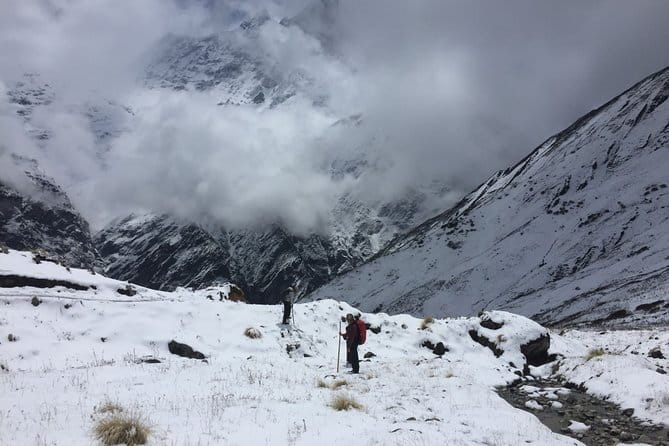
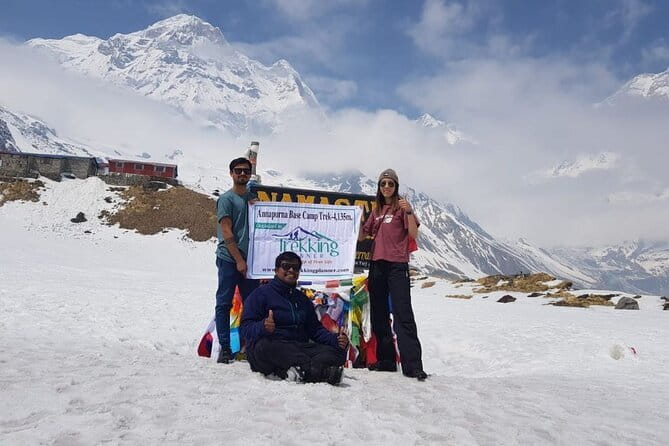
Day 8 is the big one: from Deurali to Annapurna Base Camp (ABC), around 5 hours, reaching about 4,130 meters. This is where the trek pays off in a concentrated burst of views.
ABC is described here as the heart of the Annapurna Sanctuary, with surrounding peaks including Annapurna I, Annapurna South, Hiunchuli, and Gangapurna. The practical point: you’re not just “hiking to a dot on a map.” You’re reaching a bowl-like zone where multiple peaks dominate sightlines, and your walking effort suddenly makes sense.
At this height, comfort is about small choices:
- Go slow on the final push so you don’t arrive gasping.
- Stay hydrated and eat when you can.
- Plan for the fact that energy levels can drop even if you’re doing fine earlier in the day.
Also, the itinerary includes meals during the trek and the usual guesthouse setup at night. That means you aren’t left scrambling for logistics mid-hike. At ABC, you’ll likely want to spend time soaking in views, even if you feel winded. The experience is short compared to the climb, and it’s the moment you came for.
The return to Sinuwa, then Jhinu Danda hot springs
Day 9 brings the descent from ABC back to Sinuwa (about 5 hours). Descending is usually easier on legs than ascending, but it’s not effortless. Your knees still feel it, and you’ll want careful foot placement.
The route shifts from rocky, higher-elevation walking into more lush greenery as you lower altitude. You also pass features like suspension bridges over rushing rivers, which helps break up the monotone and gives you regular “look around” moments.
Day 10 is shorter and a nice change of pace: trekking to Jhinu Danda for natural hot springs (about 1 hour) at roughly 1,780 meters. After multiple longer days, hot springs are a very practical reward. They can help you loosen up muscles that have been working hard for days.
This is also a cultural and social reset. Guesthouses around hot springs areas tend to feel lively in an easy way. You’re not sprinting for elevation; you’re recovering, eating well, and letting sore spots calm down.
Back to Kathmandu: the long drive home and a final night
On Day 11, you drive about 7 hours back to Kathmandu. Then Day 12 ends back at the meeting point in Thamel.
This kind of return day is important to factor into planning. A 7-hour drive can make your body feel like it’s still on the trail, especially after uneven terrain. If you can, plan a relaxed final day in Kathmandu so you don’t turn “arrival” into another marathon.
The itinerary also includes your arrival/departure by private car and covers time in Kathmandu and Pokhara hotels. That means you’re not piecing together transit yourself while exhausted.
Price and what $940 really buys you
The price is $940 per person for this roughly 12-day trek experience. On paper, that’s not cheap. But most of the value is in what’s handled for you.
Included items of real consequence:
- Guide and porters, plus their insurance, food, accommodation, and wage
- Annapurna Conservation Area Permit
- All trekking meals (breakfast, lunch, dinner during the trail)
- Sleeping bag and duffel bag, with the duffel to be returned after the trek
- Kathmandu hotel nights (two) and Pokhara hotel nights (two)
- Transfers: private car on arrival/departure, tourist bus to Pokhara, and car/jeep legs tied to the trek route
- A first aid kit and service charges/government taxes
What’s not included (and you should budget for):
- International airfare
- Meals in Kathmandu and Pokhara besides breakfast
- Tips for guide and porter
- Shower and electronic charging fees during the trek, listed as roughly $5 in some guesthouses
- Personal expenses and drinks/snacks
So the value math is pretty straightforward. If you’d otherwise have to hire a guide, arrange permits, cover porters, and organize daily meals and lodging, you’d pay similar costs separately. Here, you’re paying for the “friction removal.”
Still, one thing to watch: you’re not paying for luxury. The included mountain stay is described as local guest house accommodation. That’s normal and part of the tradeoff for keeping the trek doable and well-organized.
Gear, meals, and why pacing matters with Dambar Thapa
The trek includes sleeping bags and a duffel bag (to be returned afterward). That helps a lot if you’re traveling light from outside Nepal. It also reduces one of the biggest “forgot-to-pack” risks.
Meals on the trek are included and described as hygienic (breakfast/lunch/dinner during trekking days). That matters because food availability at high elevation can affect your energy more than people expect. If you’re trying to keep altitude in check, you need regular fuel.
The guide piece is also where this stands out. Feedback highlights Dambar Thapa as organized and attentive, with special focus on pacing when the altitude starts biting. That lines up with what you should want in ABC country. You don’t just need directions. You need someone watching your tempo and helping you adjust before symptoms turn into a problem.
One more detail: tips are not included. Even though the bigger logistics are paid, you’ll want cash set aside for guide and porter tips.
Practical packing for guesthouse life and daily rhythm
You’ll be living in guesthouses on most trekking nights, with a real possibility that services come with small fees. The itinerary specifically notes that shower and electronic charging fees may cost about $5 in some guesthouses during the trek.
So pack like this:
- Bring a plan for charging. Even if devices can charge, it might not be free.
- Expect showers to be optional, not guaranteed.
- Pack layers for early mornings. Sunrise hikes mean cold starts.
Also, avoid relying on buying lots of snacks during the trek unless you’re comfortable with price and availability changes. Personal expenses and packaged beverages are listed as not included, so bring what you know you’ll actually use.
Finally, the trek is described as suitable for moderate physical fitness. That’s not “casual stroll” territory, but it is realistic for people who walk regularly and accept that slow days happen.
Should you book this Annapurna Base Camp trek?
Book it if you want a classic ABC trek with real structure and a built-in sunrise highlight. I’d especially recommend it if you value:
- A guide who helps with altitude pacing (based on strong feedback tied to Dambar Thapa)
- A route that mixes trails, villages, and forests, not just the base camp stamp
- The practical add-on of Jhinu Danda hot springs for recovery
Skip it or reconsider if you hate early mornings, don’t handle altitude well in general, or you’re not ready for multi-day hikes with elevation to about 4,130 meters.
One last sanity check before you commit: confirm you have travel insurance. It’s labeled mandatory, and it’s the one thing you don’t want to improvise after you’re already in Nepal.
If this matches your style—active, scenic, and well-run—this is a solid way to experience the Annapurna region without turning the trip into a logistics project.
FAQ
Where is the trek meeting point?
The meeting point is in Thamel, Kathmandu 44600, Nepal.
What time does the experience start?
The listed start time is 2:15 am.
How long is the Annapurna Base Camp trek?
It’s listed as 12 days (approx.).
What is the highest altitude on this route?
The trek climbs to about 4,130 meters at Annapurna Base Camp.
Does the price include permits and trekking meals?
Yes. The Annapurna Conservation Area Permit is included, and meals during the trek (breakfast, lunch, and dinner) are included.
Are hotel nights included?
Yes. The itinerary includes two nights in Kathmandu (Hotel Simal or similar) and two nights in Pokhara (Hotel Trekkers Inn or alike).
Is pickup available?
Pickup is offered, and arrival/departure are included by private car.
What about gear like sleeping bags?
Sleeping bags and a duffel bag are included (the duffel bag has to be returned after the trek).
Are shower and charging fees included?
No. Shower and electronic charging fees during the trek are not included, and are noted as about $5 in some guesthouses.
Is travel insurance required?
Yes. Your travel insurance is listed as mandatory.