REVIEW · KATHMANDU
Annapurna Circuit Trek in Nepal (9 Days)
Book on Viator →Operated by Recreation Holidays Pvt. Ltd. · Bookable on Viator
Your first big step is the hardest one.
This 9-day Annapurna Circuit plan in Nepal feels like a real mountain journey, not a checklist. I like how it mixes high-altitude walking with everyday village life, and I also like the early-start rhythm that sets you up for the toughest day later. Thorong La at 5,416m is the headline, but the route keeps giving you memorable turns and views long before you reach it.
Two things I genuinely like: first, you get a licensed English-speaking guide with an assistant guide for larger groups (8+), plus a first-aid kit on hand. Second, the basics that usually eat up your time and energy are handled for you: tea house accommodation, trekking permits, and most meals are included, so you’re not constantly negotiating logistics on the trail.
One drawback to plan for: you still need to budget for your own travel and medical insurance, and porter services cost $240 per porter if you want one (1 porter for every 2 trekkers). If you’re trying to go ultra-light and keep costs down, this tour is workable, but you’ll want to think through what you’ll carry.
In This Review
- Key points that make this trek a strong choice
- Day-by-day Annapurna Circuit: what you’re really walking into
- Day 1: Kathmandu pickup to the trek zone (Besisahar to Bhulbhule, then jeep)
- Day 2: Chame day with Tibetan villages and apple orchards
- Day 3: rhododendron and pine forests, suspension bridges, and Paungda Danda
- Day 4: the approach into Manang with big Annapurna views
- Day 5: Manang acclimatization day (real altitude recovery time)
- Day 6: Yak Kharka with cultivated farmlands and steady ascent
- Day 7: to Thorong Phedi with altitude-slow pacing
- Day 8: 3 AM Thorong La pass crossing to Muktinath
- Day 9: Muktinath to Pokhara by jeep or bus
- Recreation Holidays support: what’s actually taken care of
- Guide team and safety basics
- Permits, meals, and included trekking basics
- Local transport on both ends
- Tea houses and food: comfortable enough for the mountains
- Price and value: $880 and the costs you still own
- Fitness, pacing, and altitude reality check
- Who should book this Annapurna Circuit trek
- Should you book this 9-day Annapurna Circuit trek?
- FAQ
- Where does the trek start and end?
- What time does the tour start?
- How long is the Annapurna Circuit trek?
- What’s included for trekking accommodation and meals?
- Are trekking permits included?
- Do I have an English-speaking guide?
- Is porter service included in the price?
- What is the highest point on the itinerary?
- What can I cancel and get refunded?
Key points that make this trek a strong choice
- A guide-led schedule with English support, plus permits, meals, and a first-aid kit
- Tea house stays for 8 nights (twin sharing), which keeps the day-to-day practical and affordable
- Manang includes a full acclimatization day, not just a token stop
- A clear game plan for Thorong La, including an early 3 AM start
- Transport connections are included on both ends (Kathmandu to the trek area, and Muktinath to Pokhara)
- Complimentary luggage storage during the trek, so you can travel lighter than you think
Day-by-day Annapurna Circuit: what you’re really walking into
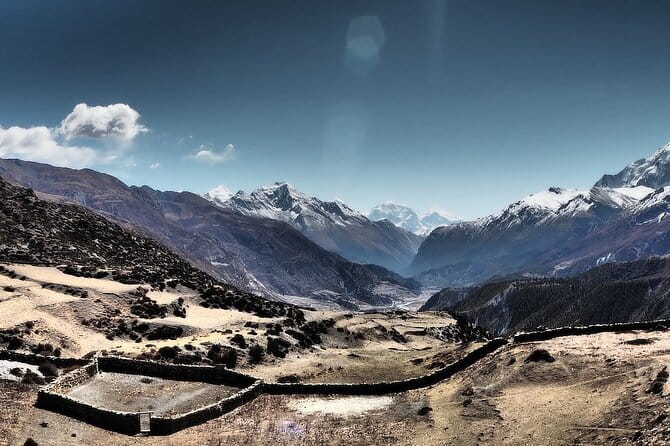
This plan runs about 9 days and uses a mix of bus, jeep, and foot travel. The big idea is simple: you’ll start early, climb gradually, add a proper acclimatization day, then push through the pass day with an aggressive start time.
You can also read our reviews of more tours and experiences in Kathmandu.
Day 1: Kathmandu pickup to the trek zone (Besisahar to Bhulbhule, then jeep)
You start around 6/15 AM with pickup from the Kathmandu area. Then comes a scenic bus ride via Besisahar to Bhulbhule, followed by a shared jeep transfer onward. This is one of those travel days that feels long, but it’s also the day you lose the least sleep because you start early.
What I like for you: having transport handled means fewer decisions once you’re already tired from travel.
What to watch: after that early start, you’ll want to keep expectations modest for the first day’s energy, since your legs may not feel ready yet.
Day 2: Chame day with Tibetan villages and apple orchards
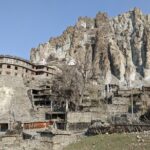
Leaving Dharapani, the trek works its way into cooler alpine terrain. Along the route you pass through Tibetan villages like Bagarchhap and Danakyu, and the apple orchards are a nice reminder that this isn’t only a high-mountain experience.
This day is also a good “body calibration” walk: not just altitude, but rhythm.
Possible consideration: the day is listed as about 12 hours, so bring a steady pace mindset. Long days plus cold air can mess with your hydration unless you keep drinking even when you don’t feel thirsty.
Day 3: rhododendron and pine forests, suspension bridges, and Paungda Danda
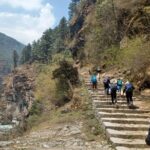
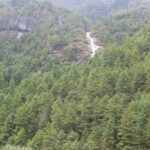
Today leans into forest walking. You’ll pass through dense rhododendron and pine forests, then move across meadows and into steep ascents. The route also includes multiple suspension bridges, which can feel like a mix of fun and slow focus: you’re constantly paying attention to footing and wind.
Then you arrive at Paungda Danda, described as a majestic curved rock face.
What I like: bridges and forests break up the monotony of just climbing, so your brain stays engaged.
What to watch: suspension bridges can be bouncy, and steep ascents punish sloppy pacing. If you walk too fast early, you’ll feel it by late afternoon.
Day 4: the approach into Manang with big Annapurna views
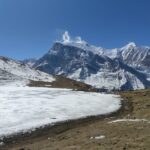
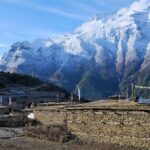
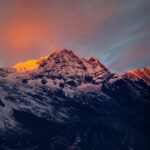
After breakfast, you head toward Manang, with a day that starts relatively flatter and then rises gradually toward Humde. The highlight here is the mountain sightline: you get panoramic views of Annapurna II, III, and I along the way.
Why this matters for you: Manang is where the trek starts feeling more like a high-altitude base for your big push. Getting those wide mountain views before the pass helps you mentally commit to the tough days ahead.
Possible drawback: because the day includes gradual ascent, the altitude starts stacking even if you’re not going straight up a steep wall.
Day 5: Manang acclimatization day (real altitude recovery time)
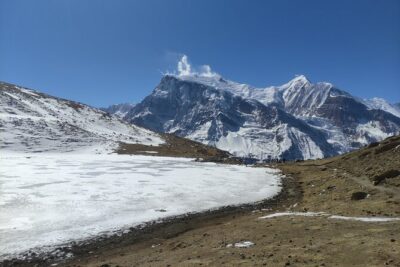
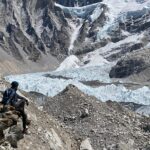
This is a key day, and it’s scheduled as a full acclimatization block. You can explore Manang village, hike up to glacial lakes at the base of Gangapurna, or visit local monasteries.
For most people, this is the most valuable day of the entire itinerary. Not because it’s easy, but because it prevents the pass day from turning into a survival sprint.
What to consider: this day can tempt you into doing too much. If you feel good, it’s still smart to keep it controlled. Better to return rested than to gamble your pass-day energy.
Day 6: Yak Kharka with cultivated farmlands and steady ascent
You trek to Yak Kharka, passing local settlements and cultivated farmlands. The ascent is described as steady and moderate, giving you time to keep acclimatizing. You’ll also cross a suspension bridge, tying back to the earlier days where bridges help mark the rhythm of the trail.
This day is about movement without drama. It helps you build endurance for the final push toward Thorong Phedi.
Possible consideration: even “moderate” can feel heavy at altitude. Keep your steps slow and your breathing calm.
Day 7: to Thorong Phedi with altitude-slow pacing
Today you hike to Thorong Phedi, taking about 4–5 hours. The incline is gradual, but altitude makes everything slower. The plan here is to take plenty of breaks, hydrate, and enjoy the views without rushing.
This is also your psychological setup day. You’re not at the summit yet, but you’re close enough that your body knows what’s coming.
What to watch: if you spend the day doing chores to kill time (or going too fast), you can arrive less ready for a very early start tomorrow.
Day 8: 3 AM Thorong La pass crossing to Muktinath
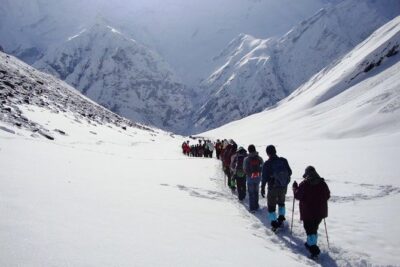
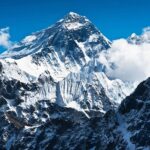
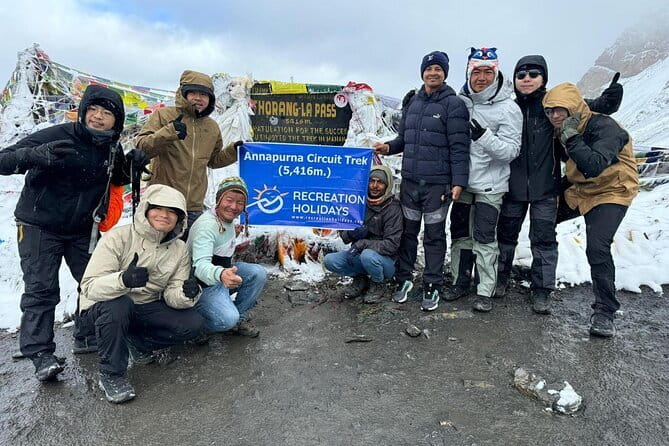
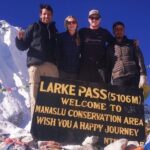
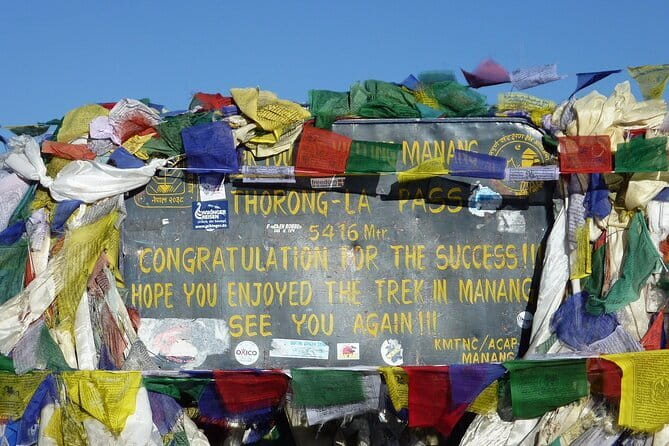
Start early, around 3 AM, to go after Thorong La Pass at 5,416m. This is the trek’s big challenge: the altitude is the obstacle, not the distance alone. The views at the summit are the payoff, and then you continue on toward Muktinath Temple.
I like how this day is framed with timing. Starting at 3 AM means the colder, calmer conditions are part of the plan rather than a surprise.
Possible drawback: this is the kind of day where pacing, hydration, and mental focus matter more than strength. If you’re prone to pushing through discomfort, remind yourself that the goal is finishing, not proving a point.
Day 9: Muktinath to Pokhara by jeep or bus
After your hard-earned rest day logic kicks in, you begin the drive from Muktinath to Pokhara by jeep or bus. The descent includes scenic views of the lower Mustang Valley, which is a nice way to come down without going straight to “nothing but flats.”
Why it feels good: finishing with a downhill transit lets your body decompress while still seeing a bit of the region. You end the trip and celebrate the completion in Pokhara, where the pace is noticeably different.
Recreation Holidays support: what’s actually taken care of
This trek is often where budget travelers get tripped up by “not included” surprises. Here, the company handles a lot of the ground-level work that would otherwise take days of emailing and searching.
Guide team and safety basics
You’ll have a licensed, English-speaking guide throughout. For groups of 8+, there’s also an assistant guide, and the plan includes a first-aid medical kit.
You’ll also get emergency evacuation support covered by your travel insurance. The wording matters: evacuation isn’t included by itself. So you’ll want insurance that actually covers medical evacuation, not just standard trip delays.
I like that this gives you a safety framework without pretending there’s no risk. On a high pass day, you still need common sense. The value is in having trained people organizing the day, not in magic.
Permits, meals, and included trekking basics
The tour includes all necessary trekking permits. It also includes meals: 8 breakfasts, 8 dinners, and 9 lunches during the trek. Tea house accommodation covers 8 nights in twin sharing.
For you, this means less time thinking about every meal stop and more time thinking about your walking. At altitude, constant decisions drain your energy.
Also included: complimentary luggage storage during the trek. That’s a quiet win. You can bring what you need for the hike days and leave the rest behind, so you’re not hauling a backpack full of stuff you don’t use.
Local transport on both ends
This plan includes local transport from Kathmandu to the trek area (Dharapani) and from Muktinath to Pokhara. It also uses an early travel day system (bus, then a shared jeep) to connect Kathmandu with the trail.
Just know what’s not covered: private transportation is not included. If you want a private car style transfer, you’ll pay extra.
Tea houses and food: comfortable enough for the mountains
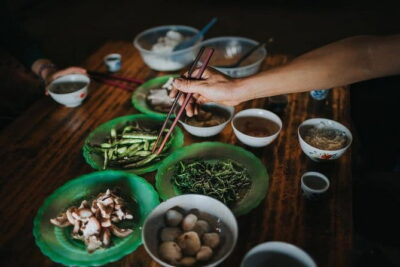
“Tea house” can sound basic, but it’s a practical system. You get 8 nights of tea house accommodation, twin sharing, and the package includes nearly all meals during trek days. That’s a big deal because you’re not left hunting for food in small villages after a long day.
What you should expect: you’ll likely eat simple, filling food that works at altitude.
What you should plan: tea houses vary. Your biggest comfort levers are your sleep setup (warm layers and socks) and how well you manage hydration and calories.
One more point: when food is scheduled into the plan, you’re less likely to under-eat during the pass week. That’s where many trekking problems start.
Price and value: $880 and the costs you still own
The price is $880 per person, and that includes a lot of what typically costs real money in Nepal treks: guide, permits, tea house nights, and most meals, plus trekking transport connections.
Where the value comes from:
- Paying for licensed guiding and on-trail organization is usually expensive if you try to DIY it.
- Permits and required fees remove a lot of hassle.
- Food and lodging are included so you’re not spending half your day managing logistics.
- Luggage storage reduces what you carry, which can reduce fatigue.
What you still must plan for:
- Porters are optional at $240 per porter (and the note says 1 porter for every 2 trekkers).
- Nepal entry visa isn’t included.
- Kathmandu and Pokhara accommodation isn’t included.
- International airfare isn’t included.
- Travel and medical insurance isn’t included, even though emergency evacuation support depends on it.
If you can’t or don’t want to pay for a porter, you’ll need to pack realistically. If you do want a porter, factor that $240 into your total budget early so you can choose what feels fair.
Fitness, pacing, and altitude reality check
This trek calls for moderate physical fitness. That’s helpful, but the pass day changes everything. Even if you’re fit, the early morning start and altitude at 5,416m can slow you down in ways that feel humbling.
Here’s how I’d plan your effort:
- Keep early days slow and controlled, especially on long walking stretches listed at about 12 hours.
- Use the acclimatization day in Manang like an actual training tool: don’t turn it into a second pass attempt.
- On the Thorong La approach, take the breaks you’re offered. Hydrate even if you feel fine.
Gear matters, but the tour doesn’t list items here. So use practical judgment: warm layers, water planning, and reliable footwear are essential on a route that includes steep ascents, long days, and a high pass in the dark.
Who should book this Annapurna Circuit trek
This is a strong fit if you want:
- Professional organization and clear support from a guide team
- A plan that includes a real acclimatization day
- Tea house trekking without the extra work of arranging permits and most meals
- A challenging day that’s scheduled with an early start for Thorong La
It may be less ideal if:
- You want fully private door-to-door transport (private transportation isn’t included)
- You’re expecting lodge-style comfort at every step (tea houses are simple by design)
- You’re not ready to plan around altitude and the early 3 AM pass day
Based on the guide-centered praise in past experiences, what tends to make this trek land well is the teamwork. A strong guide rhythm reduces stress, and good communication helps you keep your pace and your head.
Should you book this 9-day Annapurna Circuit trek?
If you want a guided Annapurna Circuit that handles the heavy logistics—tea houses, permits, meals, and the key timing for Thorong La—this is a good value way to do it at $880. I’d recommend booking if you’re comfortable with moderate fitness and you’ll plan for insurance and packing realistically.
I’d pass or rethink if you’re trying to avoid any extra costs (visa, insurance, Kathmandu/Pokhara lodging, or a porter). For many people, those are manageable tradeoffs. For others, they can turn the budget upside down.
FAQ
Where does the trek start and end?
It starts in Kathmandu, Nepal, with the meeting point at Tribhuvan Airport. It ends in Pokhara, Nepal.
What time does the tour start?
The start time is listed as 6:15 am.
How long is the Annapurna Circuit trek?
The duration is 9 days (approx.).
What’s included for trekking accommodation and meals?
You get 8 nights of tea house accommodation (twin sharing) and meals including 8 breakfasts, 8 dinners, and 9 lunches during the trek.
Are trekking permits included?
Yes. The tour includes all necessary trekking permits.
Do I have an English-speaking guide?
Yes. You’ll have a licensed, English-speaking guide (and an assistant guide for groups of 8+).
Is porter service included in the price?
Porter services are not included. Porter service is available for $240 per porter (noted as 1 porter for every 2 trekkers).
What is the highest point on the itinerary?
The highest point is Thorong La Pass at 5,416 meters.
What can I cancel and get refunded?
You can cancel for a full refund if you cancel at least 24 hours before the experience’s start time. Free cancellation is available under those conditions.