REVIEW · UBUD
Explore rice terraces munduk & waterfall trekking experience
Book on GetYourGuide →Operated by CV MUNDUK DANU BALI TOUR · Bookable on GetYourGuide
Munduk feels like a living postcard, with biggest rice terraces and a waterfall break explained by guides like Jony and Jhon. I love how the walk turns into a mini nature lesson, from coffee beans to cloves, and I also like that you get a proper lunch after hiking. One caution: paths can be uneven and slippery near water, so wear grippy shoes and expect a few steady climbs.
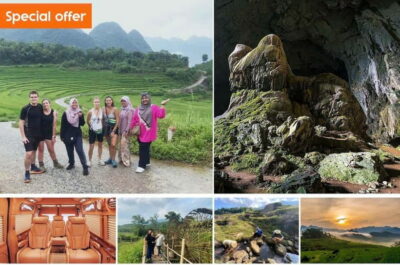
This is a five-hour, small-group tour (up to 15 people) priced at $32 per person. If you’re docking at Celukan Bawang Port, this is built to work as a cruise-day outing, and you can often arrange drop-offs around Lovina Beach, Canggu, Kuta, Ubud, or back toward Munduk.
In This Review
- Key highlights that matter
- Munduk in North Bali: why rice terraces and waterfall time fit together
- How the timing works in a five-hour day
- Start in Munduk: the first walk and why the guide matters
- The rice terraces: what you should actually look for
- Coffee plantation experience: more than a caffeine stop
- Waterfall time: a cooling break that can include a swim
- Buyan & Tamblingan lakes: where the views open up
- Lunch after the hike: expect something real
- Pace control: when you need breaks, that should be normal
- Transport, drop-offs, and cruise-day reality
- Price and value: where your $32 goes
- What to bring (so the day stays comfortable)
- Who should book this Munduk rice terraces and waterfall trek
- Should you book this rice terraces and waterfall trek?
- FAQ
- How long is the rice terraces and waterfall trekking experience?
- What is the price per person?
- What language is the live tour guide?
- How many people are in the group?
- Is pickup and drop-off included?
- What’s included in the tour price?
- Does the tour include coffee plantation time?
- Is there a chance to swim at the waterfall?
- Is the hike difficult?
- Can cruise ships join from Celukan Bawang Port?
- Is free cancellation available?
Key highlights that matter
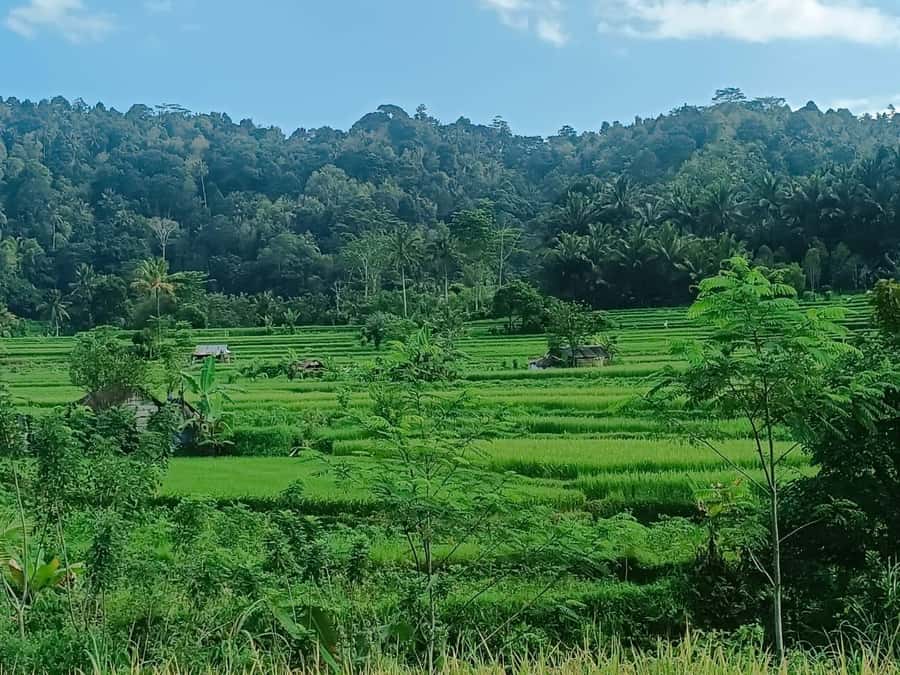
- Biggest Munduk rice terraces: clear views and plenty of time to look slowly, not just pass by
- Coffee plantation stop: how coffee, cacao, and pepper show up in daily life here
- Waterfall refresh: a cooling break at the end of the main walking
- Buyan & Tamblingan lakes viewpoints: wide water views from North Bali’s higher ground
- Small-group feel: guides can adjust the pace when someone needs to take it easier
- Cruise-friendly pickup idea: Celukan Bawang Port access for sea-to-trek days
Munduk in North Bali: why rice terraces and waterfall time fit together
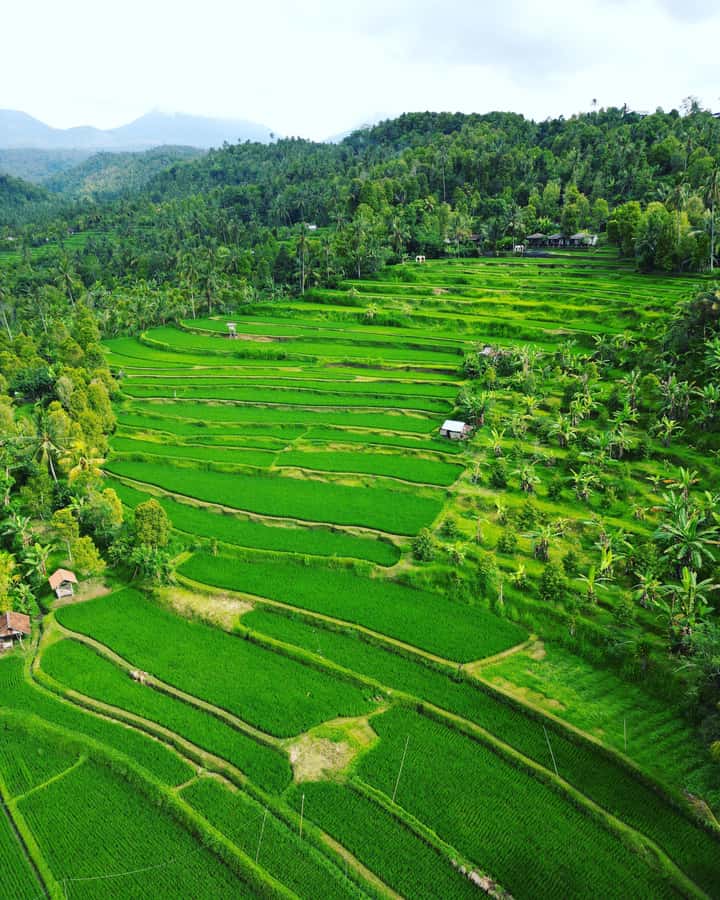
North Bali has a different rhythm than the south. It’s cooler, greener, and more about slow sightlines than crowds. This experience pairs three things that go well together: terraces, forested paths, and a waterfall pause. You’re not just taking photos; you’re moving through the setting that makes those photos possible.
What I like for your day is the balance. The tour isn’t only sweeping views. It also includes a coffee-and-spice style stop and a lunch that’s not an afterthought. And because the guide is local and English-speaking, you’re not left guessing what you’re seeing.
The one “try to understand this first” factor is effort level. It’s a hike, but it’s also designed to be manageable. In real-world use, guides have checked in a lot and adapted when energy was low, so it helps if you’re honest about your pace.
You can also read our reviews of more tours and experiences in Ubud.


How the timing works in a five-hour day
Five hours sounds short until you see how the terrain shapes the day. Travel takes time, and North Bali roads wind and dip. Then you add walking time through terraced areas and a few viewpoint moments, and suddenly the day feels like you “use” the time well.
You’ll get a short safety briefing before the hike portion starts. That matters because the terrain changes. Some sections are fine for a relaxed walk. Other spots can be rougher, and the waterfall area can get slick. Even if the hike feels moderate, you should still treat it like hiking, not a stroll.
Also, you’ll be in a small group (up to 15), which tends to make it easier for the guide to manage pace and keep everyone together. If your group includes different comfort levels, that small size becomes a practical benefit.
Start in Munduk: the first walk and why the guide matters
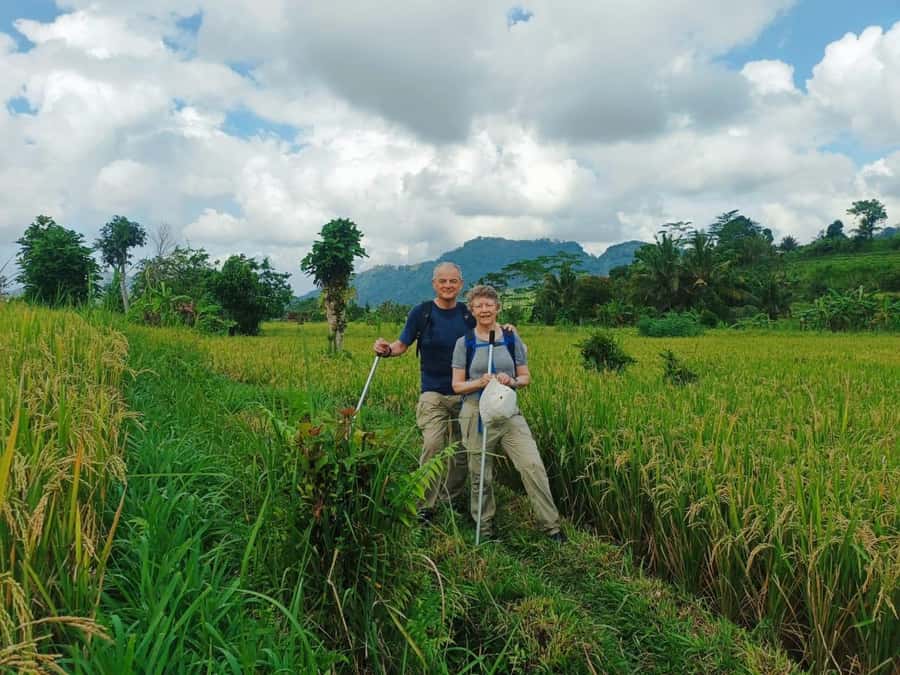
The Munduk portion starts with hiking and a safety briefing. That first segment is the one that sets expectations: you’ll get oriented to how the path works and what the guide will ask you to watch for.
This is also where the guide’s personality shows up. In guides like Jony and Jhon, the narration isn’t only “where to look.” It’s also “what to notice.” You’ll hear about plants and fruits in a way that makes the area feel understandable, not just pretty. In one case, the guide showed details about cloves, coffee beans, cacao, pepper, and local flowers, and even brought items like white passion fruit and mandarins from their own garden.
If you care about learning while walking, this part is a big reason the experience gets strong marks. If you only want scenery and silent photos, you’ll still get plenty of that. The difference is you’ll likely remember the names and details afterward.
The rice terraces: what you should actually look for
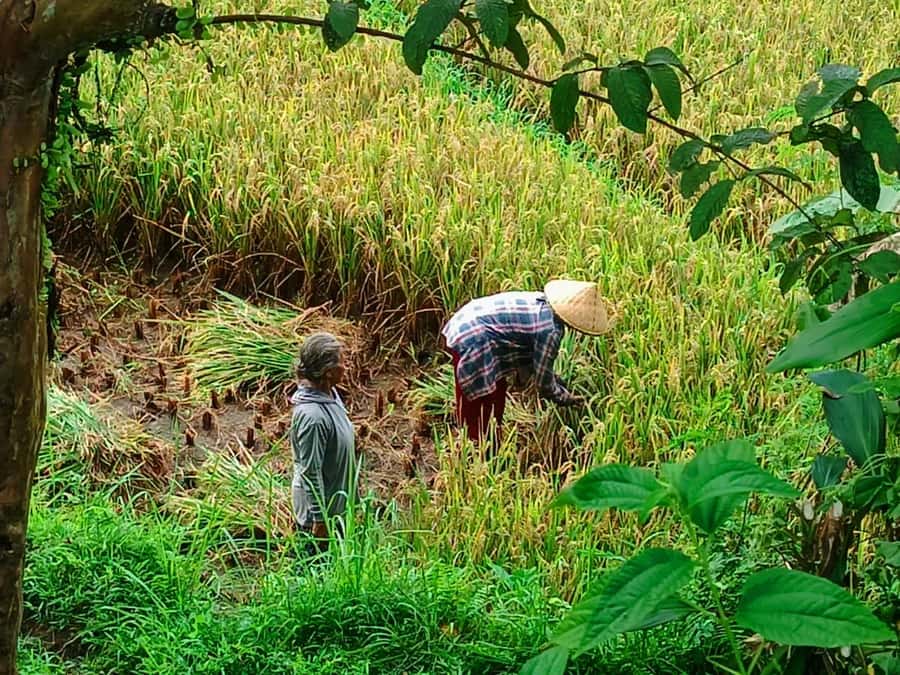
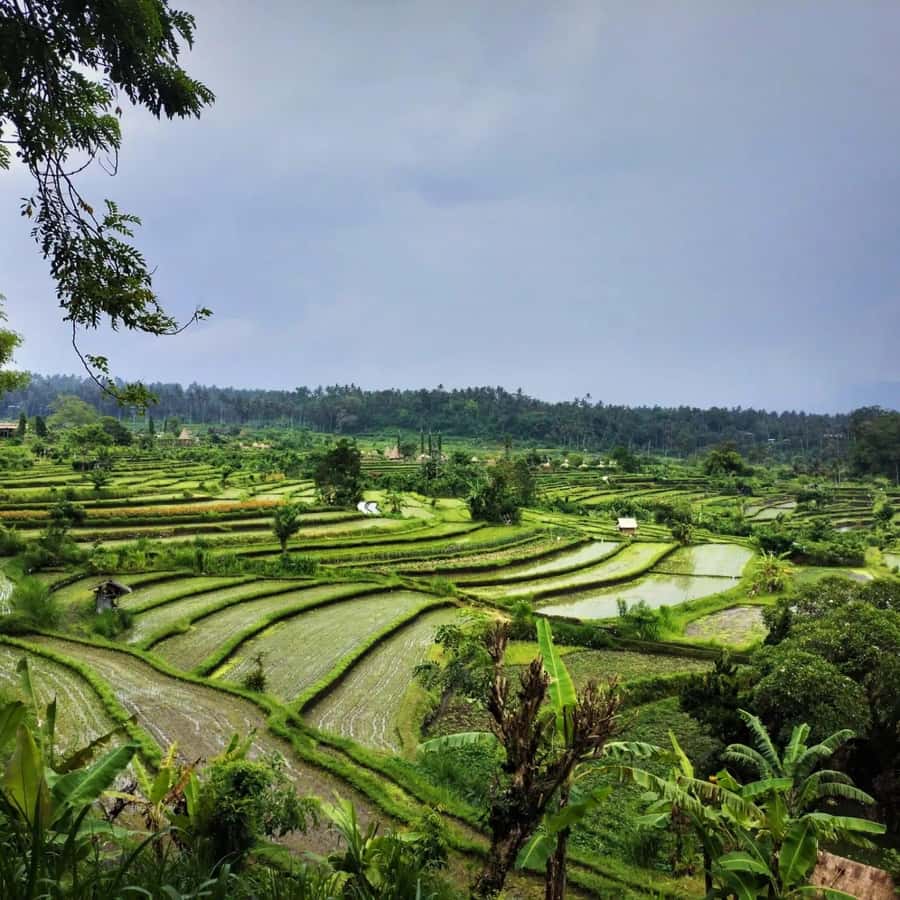
When a tour calls out “biggest rice terraces,” that’s really about access to wide views and strong vantage points. Munduk terraces can be impressive because they sit on slopes, which creates that layered look. On this outing, you’re not just walking beside one small section. You’re seeing terraces in a bigger, more dramatic way.
Here’s what’s worth your attention as you go:
- Water flow and bund boundaries: look for the way channels feed the fields and how thin edges hold everything in place
- Crop and leaf texture: green tones vary by growth stage, and the guide can point out what you’re likely seeing
- Viewing angles: the best terrace moments come from stopping at viewpoints, not rushing through
A practical note: terrace paths can be muddy or uneven, depending on recent weather. Wear shoes that grip. And if you’re thinking about photos, bring a clear plan: shoot from stops, not while walking fast.
Coffee plantation experience: more than a caffeine stop
This is one of the most useful parts of the day because it connects food with the place. A coffee plantation visit here isn’t just a quick photo moment. You get context for how coffee and other crops fit into the local environment, plus a chance to hear about related plants like cacao and pepper.
What I like for you is that this stop can give structure to the rest of the hike. Once you’ve heard how coffee beans, cacao, and spices are grown and used, the forest edges and plant descriptions during the walk feel more relevant.
Also, because the guide is English-speaking and tends to explain in a human way, you’ll get answers instead of a one-liner explanation. If you’re traveling with someone who loves flavors or gardening, this portion is a win.


Waterfall time: a cooling break that can include a swim
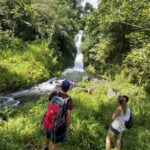
After the main walking, you reach the waterfall stop. This is where the day flips from “watch and learn” to “cool down and reset.” Even if you don’t plan to swim, the waterfall area gives your body a breather and your eyes a different kind of scenery.
In real use, people have taken a swim there. That means you should bring a swimsuit if you want that option. At minimum, you’ll want something quick to change if you get splashed. The ground near waterfalls can be slick, so be careful where you step.
The bigger benefit is emotional, not just physical. A waterfall break makes the hike feel complete. It’s a reward that doesn’t require extra tickets or extra driving.
Buyan & Tamblingan lakes: where the views open up
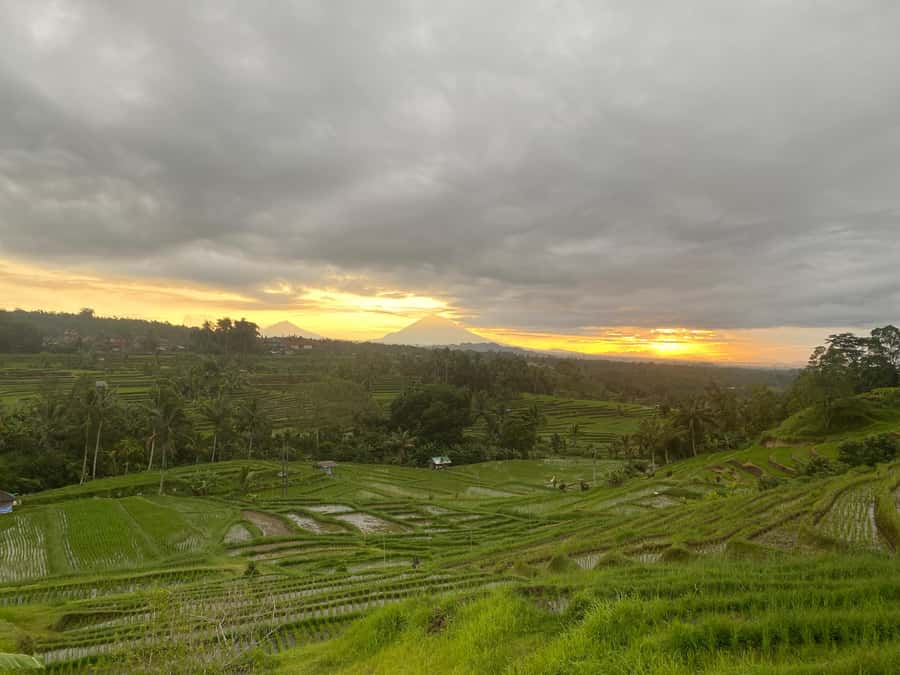
This tour also includes viewpoints tied to Buyan and Tamblingan lakes. Lakes in this part of Bali sit higher than you might expect, and the views can feel wide and airy compared to the dense terrace areas.
Why this matters for your day: you need a visual contrast after rice fields and a waterfall. Lakes do that. They also make the morning-to-afternoon rhythm feel smoother because you’re not always walking. You stop, look, and let the air cool you down.
If you’re the type who loves mountain scenery, these stops help you understand why North Bali is often chosen for nature-focused trips. Even when the weather isn’t perfect, the lake viewpoints still give the “North Bali” feel.
Lunch after the hike: expect something real
You get lunch included, and that’s not a small detail. In many short tours, food is either rushed or generic. Here, the lunch experience is part of why the tour feels like more than transportation plus walking.
There are accounts of lunch prepared by the guide’s partner, and the food can be vegetarian. That’s a big practical comfort point if you don’t want to figure out meals while traveling. After a hike, a real meal helps you enjoy the rest of your day instead of counting snacks.
One more thing: you’ll likely be hungry after terraces and the waterfall area, so the lunch timing feels right for energy management. If your stomach is sensitive, tell the guide. There are examples where a guide adapted the plan for someone with low energy a few days earlier, choosing the prettiest spots without making it overly physical.
Pace control: when you need breaks, that should be normal
This tour has a real advantage: it can flex. People have shared experiences where they asked to stop for a breather during the uphill parts, and it was handled without drama. That tells you the guide isn’t pushing everyone through the same way.
So if you’re not super athletic, don’t assume you’re out of luck. Ask for a pace that matches your comfort. A good guide will keep the experience enjoyable for everyone, not only the strongest walkers.
What you still need to accept: this isn’t a zero-walk experience. There will be hiking. If you have balance issues or knees that don’t love uneven ground, choose shoes carefully and consider taking your time.
Transport, drop-offs, and cruise-day reality
Your pickup and drop depend on the option you select, and in many cases it’s pickup and drop from the same place. This matters because North Bali days can turn annoying if you end up stranded. Here, you can often plan your end point.
Drop-off options mentioned include Munduk, Lovina Beach, Kubu kopi, Canggu, Kuta, and Ubud. That’s helpful if you’re moving between areas and don’t want to fight traffic again later.
For cruise passengers, the Celukan Bawang Port connection is the big selling point. Being able to start from the port can save a lot of coordination hassle. It also makes the day feel like a planned outing instead of a gamble with local transport timing.
Price and value: where your $32 goes
At $32 per person for about five hours, the value comes down to what’s included. You’re getting:
- a local English-speaking guide
- mineral water
- lunch
- entrance fees
- transport pickup/drop when the option is selected
Most budget tours drop one of these. Either you pay extra for sights, or lunch is a small snack, or the guiding is minimal. Here, you’re paying for a guided day with basic “real trip” logistics handled.
The biggest reason the price feels fair is that the guide role is not generic. The strongest comments connect to the guide’s plant knowledge and attention to the group’s comfort. That turns the walk into something you remember, not just something you did.
What to bring (so the day stays comfortable)
This is a nature trek, so pack for practicality:
- grippy shoes for uneven terrace paths and waterfall-side ground
- a swimsuit if you want the option to swim at the waterfall
- a light layer, since North Bali can feel cooler than you expect
- sunscreen and insect protection, especially if you’re prone to bites
If you’re sensitive to motion or your stomach has been touchy recently, tell the guide. Guides can adjust how hard the day feels, and that can make the difference between enjoying the sights and rushing through them.
Who should book this Munduk rice terraces and waterfall trek
I’d steer you toward this tour if you want:
- rice terraces plus a waterfall in one outing
- a coffee plantation experience with real explanation, not a rushed stop
- a guide who talks in English and can answer plant and food questions
- a moderate hike with the ability to take breaks
This may not be your best fit if you:
- need a flat, fully accessible route (some hiking is involved)
- want a high-energy, long-distance trek (this is more about viewpoints and nature stops within a short window)
Should you book this rice terraces and waterfall trek?
If your goal is a North Bali nature day that feels organized and worth the time, this tour is a strong choice. The combination of rice terraces, a coffee plantation experience, and a waterfall pause gives you variety without dragging the day into something exhausting. The small group size also helps keep the pace comfortable.
Book it when you like guided context. You’ll get more out of the walk if you enjoy explanations about plants, fruits, and how crops grow. If you prefer to do everything on your own, you might still enjoy the sights, but you’ll miss the plant-and-food storytelling that clearly makes this experience special.
In short: if you want a guided half-day that mixes views, learning, and a real lunch, $32 feels reasonable for what you get.
FAQ
How long is the rice terraces and waterfall trekking experience?
The duration is listed as 5 hours.
What is the price per person?
The price is $32 per person.
What language is the live tour guide?
The tour includes an English live tour guide.
How many people are in the group?
It’s described as a small group with a limit of 15 participants.
Is pickup and drop-off included?
Transportation pick up and drop-off are included when the selected option includes it, and the pickup and drop-off are from the same place.
What’s included in the tour price?
Included are a local guide, mineral water, lunch, and all entry ticket fees.
Does the tour include coffee plantation time?
Yes, the experience includes a coffee plantation experience.
Is there a chance to swim at the waterfall?
There is an opportunity mentioned to swim at the waterfall, and you should bring bathing items if you want to do that.
Is the hike difficult?
It’s presented as a manageable hike, and it’s possible to take breaks if needed, but you should still expect walking on uneven paths.
Can cruise ships join from Celukan Bawang Port?
Yes, the experience is listed as including a cruise ship tour starting from Celukan Bawang Port.
Is free cancellation available?
Free cancellation is available up to 24 hours in advance for a full refund.