REVIEW · KATHMANDU
Everest Base Camp Trek
Book on Viator →Operated by Adventure Bound · Bookable on Viator
Everest starts with a bumpy flight to Lukla. I love how this Everest Base Camp trek makes the scary parts feel planned: you get guided support, your core logistics are handled, and you spend your energy where it counts—on the trail. The best part is the all-inclusive feel during the trek, so you’re not stuck juggling tickets, meals, and lodging mile by mile.
What I really like is the human side. An experienced, friendly guide can shape the pace on acclimatization days, and multiple guide names show up in real experiences (Raji, Raj, Chakra, Santosh, Raman), which says a lot about consistency and care. I also appreciate that full board meals and twin-sharing lodge accommodation are included during the trek, which keeps you focused on walking and resting rather than budgeting daily.
One possible drawback: Lukla flights can delay or even cancel due to mountain weather. If you’re strict on timing, you’ll want mental buffer days, because waiting in Kathmandu or at Lukla is a real possibility.
In This Review
- Quick hits before you go
- Everest Base Camp, but with fewer moving parts
- The Lukla flight reality check (and how to handle it)
- Your day-by-day walk through the Khumbu
- Day 1: Kathmandu to Lukla, then Phakding (about 2652m)
- Day 2: Phakding to Namche Bazaar (about 3446m)
- Day 3: Acclimatization day in Namche Bazaar (about 3446m)
- Day 4: Namche to Tengboche (about 3820m)
- Day 5: Tengboche to Dingboche (about 4410m)
- Day 6: Acclimatization in Dingboche (about 4410m)
- Day 7: Dingboche to Lobuche (about 4930m)
- Day 8: Lobuche to Gorak Shep (about 5140m), then Everest Base Camp (about 5364m)
- Day 9: Kala Pattar (about 5554m) and back to Pheriche (about 4243m)
- Day 10: Pheriche back to Namche (about 2840m)
- Day 11: Namche to Lukla (about 2840m)
- Day 12: Fly back to Kathmandu and transfer to hotel (about 1300m)
- Lodges, food, and what “included” really means
- Guides are the difference between surviving and enjoying it
- Price and value: what $1,380 buys you (and what it doesn’t)
- Who this trek fits best
- Should you book it?
- FAQ
- Is the Everest Base Camp trek private?
- What’s included during the trek?
- Are Kathmandu and Lukla transfers covered?
- What should I plan for if Lukla flights get delayed?
- Do I need travel and rescue insurance?
- What fitness level is required?
Quick hits before you go
- Lukla flight + transfers handled: round-trip flights Kathmandu–Lukla–Kathmandu and private vehicle transfers are included
- Acclimatization built into the route: Namche Bazaar and Dingboche get dedicated breathing room
- Real “Everest view” days: Kala Pattar is part of the plan, plus a Base Camp arrival
- All-in trekking days: breakfast, lunch, dinner, plus lodge stays during the trek
- Guides that adapt: you’ll see a pattern of flexible pacing and safety focus from multiple guide names
- Plan for flight chaos: weather can disrupt schedules, and you may need contingency time
Everest Base Camp, but with fewer moving parts
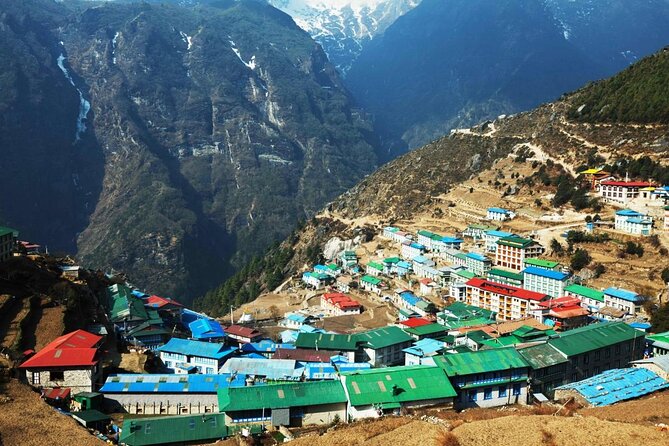
Everest Base Camp is famous for being hard, expensive-looking, and logistics-heavy. This tour’s pitch—meals, lodge nights, and airport transfers taken care of—matters because it removes the daily decisions that drain people during a trek. You’re still hiking big days, but you’re not spending your limited energy on figuring out where to sleep, what to eat, or how to get from one town to the next.
This is also described as private and fully customizable for your group. That’s not just marketing fluff. When you’re at altitude, small schedule tweaks can make the difference between a day that feels manageable and one that feels like punishment.
Another practical win: the trek runs through Sagarmatha National Park areas, and you’re covered for the park permit fee and TIMS fee (Trekkers’ Information Management System). You won’t be scrambling for paperwork while your body is busy doing the oxygen math.
You can also read our reviews of more tours and experiences in Kathmandu.
The Lukla flight reality check (and how to handle it)
Most Everest Base Camp treks live or die by the Lukla airstrip. The good news is you’re not handling flights alone; the plan includes round-trip domestic flights and private vehicle transfers in Kathmandu. The not-so-fun news is that weather can still delay departures by hours or even cancel flights for a day or a few days.
I treat Lukla weather like a separate character in the story. It can be fine today and chaotic tomorrow. The tour notes even suggest that unfavorable conditions can happen during months people often consider good—like October and November.
So here’s the practical move: give yourself contingency days you can use at the end to explore the Kathmandu Valley if the trek finishes on time. If it doesn’t, those days become your buffer. If you’re on a tight clock, that’s when helicopter rescue might enter the conversation. The provided information says helicopter rescue is possible (with tentative charter cost listed) if there’s an urgent need, depending on weather.
Your day-by-day walk through the Khumbu
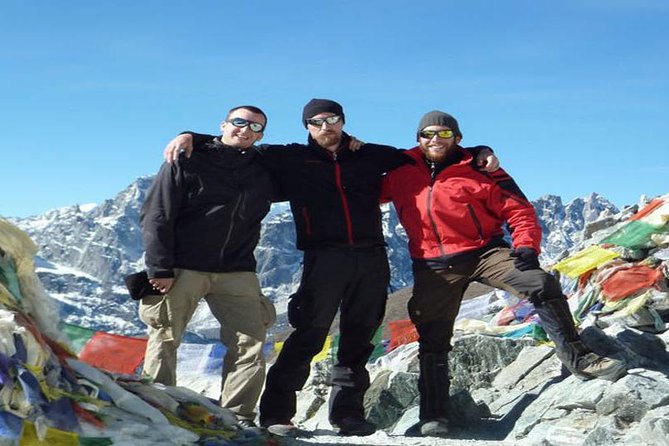
This is the classic progression: fly in, climb steadily, rest strategically, then go for Base Camp and the high viewpoint at the end. The itinerary structure makes sense for most people because it mixes hiking days with acclimatization stops that reduce the risk of rushing.
Day 1: Kathmandu to Lukla, then Phakding (about 2652m)
Your trek starts with the flight to Lukla, then a downhill-leaning, easy-going first walk to Phakding. This is where you get your legs under you and test your gear: shoes, socks, water strategy, and how your body reacts to the day’s effort.
Why it’s special: you’re not “attacking Everest” yet—you’re training your pacing. If you overshoot Day 1, the mountains punish you later.
Day 2: Phakding to Namche Bazaar (about 3446m)
Today is the first big climb into the Sherpa heartland. Namche Bazaar is the altitude “hub,” with lodges and a real trekking community. You’ll feel the height more than on lower days, but you also start seeing the Khumbu route personality: villages, trading stops, and monastery views.
Possible drawback: some people move too fast because Namche looks exciting. Resist the urge to rush. Save energy.
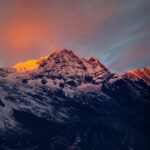
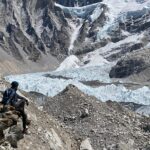
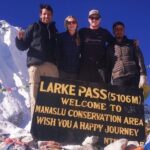
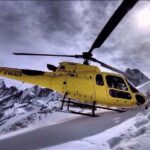
Day 3: Acclimatization day in Namche Bazaar (about 3446m)
This stop is key. Instead of just sleeping and hoping for the best, you get an acclimatization day at Namche. It’s built for altitude adaptation.
What you gain: better breathing and fewer “why is my head spinning” moments later. The guide’s pacing decisions matter here, and you’ll see that theme in the real experiences tied to guides like Raji, Raj, Chakra, and Santosh.
Day 4: Namche to Tengboche (about 3820m)
Tengboche is known for its spiritual sites and mountain scenery. The walk is generally a mix of ups and downs, which keeps the climb from feeling like one long staircase.
How it feels: less about maximum height and more about enjoying the day without spending all your oxygen on speed. A guide who helps you pace—especially if you start feeling “too fresh” and want to go faster—can be a lifesaver.
Day 5: Tengboche to Dingboche (about 4410m)
Dingboche is higher and more exposed. The air gets thinner, and the days start to feel more “thin and focused.” This is where you should get serious about drinking enough, keeping warm, and walking slowly enough that you don’t force your body to sprint.
Small practical tip: if you feel breathless, it often means your steps are too fast for the altitude, not that you’re weak.
Day 6: Acclimatization in Dingboche (about 4410m)
Another built-in rest and adaptation day. Dingboche’s altitude makes this day important, not optional.
Why I like it: it’s one of those schedule choices that feels boring on paper and incredibly valuable when you’re fighting fatigue.
Day 7: Dingboche to Lobuche (about 4930m)
You’re climbing into a colder, harsher zone. The air feels different here. The trail can also make you more aware of your body’s limits.
Tradeoff to expect: scenery feels bigger, but comfort feels smaller. Plan to layer up early and eat like it matters (because it does).
Day 8: Lobuche to Gorak Shep (about 5140m), then Everest Base Camp (about 5364m)
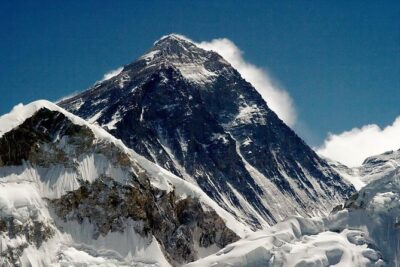
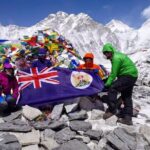
This is a major day. You go up to Gorak Shep and then continue on to Everest Base Camp. Reaching Base Camp is the emotional payoff: you’re there. The world’s tallest peak becomes less of a poster image and more of a wall of presence.
One drawback to consider: it’s a long day, and altitude can mess with sleep and appetite. If you’ve been resting well, you’ll be more ready.
Day 9: Kala Pattar (about 5554m) and back to Pheriche (about 4243m)
Kala Pattar is a high viewpoint day that can give you the most dramatic perspective on the Everest region. Then you descend back toward Pheriche to recover.
Why this combination works: you get a big altitude “hit” and then you come down, which is smart for safety and comfort.
Day 10: Pheriche back to Namche (about 2840m)
This is part of the descent phase. The air feels better, but your legs may still be tired from all the moving. Descent can strain knees if you walk too quickly.
Practical advice: keep your steps controlled. Speed is not your friend.
Day 11: Namche to Lukla (about 2840m)
You return toward Lukla, which marks the end of the trekking zone. You’re still dealing with fatigue, but the route is less about altitude and more about finishing strong.
Day 12: Fly back to Kathmandu and transfer to hotel (about 1300m)
You drop to Kathmandu, a much more comfortable altitude. Your transfer to a hotel is included.
Reality check: if flights are delayed, this end portion can stretch. That’s why contingency time is so important.
Lodges, food, and what “included” really means
You’re working with twin-sharing lodge accommodation and full board meals (breakfast, lunch, dinner) during the trek. That’s a big deal because Everest Base Camp routes are not like having endless food choices at every turn. Lodges are basic by design, so knowing meals are planned reduces uncertainty.
Also included: a first aid medical kit and the required permits and system fees (Sagarmatha National Park permit and TIMS fee). That doesn’t replace medical care, but it’s meaningful in remote trekking environments.
The tour information also flags personal expenses you’ll still need to budget. Things like phone calls, laundry, battery recharges, bottle or boiled water, showers, and bar bills aren’t part of the package. Even if you’re a minimalist, water and recharging costs add up.
Guides are the difference between surviving and enjoying it
In the reviews you provided, a pattern shows up: people rave about guides who solve problems, keep the group calm, and adjust pacing based on how someone feels. Names like Raji, Raj, Chakra, Santosh, and Raman come up repeatedly, along with comments about being attentive, patient, and resourceful.
That matters because Everest Base Camp is not just distance. It’s timing and body signals:
- When you should slow down
- When you should use a rest day more intentionally
- How to handle small issues like lodge availability or day discomfort
- How to stay positive when the mountain makes plans harder
One review even highlights planning for safety against altitude sickness, with mention of warm down jackets and a sleeping bag provided. I can’t promise that in every case, but it’s a useful signal that the operator sometimes focuses on real cold-weather comfort, not just “good luck out there.”
Price and value: what $1,380 buys you (and what it doesn’t)
At $1,380 per person for about 12 days, this price sits in the “serious trek” category, not backpack-budget territory. The value comes from the bundled items that are usually separate costs:
- Round-trip Kathmandu–Lukla flights
- Private vehicle transfers in Kathmandu
- Meals during the trek (breakfast/lunch/dinner)
- Lodge accommodation (twin sharing)
- A guide and on-the-ground logistics
- National Park permit and TIMS fee
What it doesn’t include is also important. You’ll need:
- Travel and rescue insurance (explicitly listed as not included)
- Tips for guides and porters
- Optional porter support (porter options exist, but porter isn’t included by default)
If you hate surprises, this is the kind of trek where a package helps. If you already have a lot of trek planning done and you’re a DIY pro, you might pay less elsewhere. But for most people, the extra cost is worth it because it buys time, structure, and less stress when altitude and weather start messing with schedules.
Who this trek fits best
This is best for you if you:
- Want a guided, all-inclusive trek rather than figuring everything out on your own
- Prefer a pace that prioritizes acclimatization (Namche and Dingboche are not filler days)
- Like having someone manage logistics, especially around flights and lodge arrangements
- Can handle a moderate fitness level (the trip notes specify moderate physical fitness)
It also has a minimum age of 8, and it’s described as suitable for a group where only your group participates (private tour/activity).
Should you book it?
I’d book this Everest Base Camp trek if you want the classic route with a guide-led, logistics-light experience. The big wins are the included meals and lodge nights, plus the fact that you’re not paying separately for permits and the main trek support. I also like the emphasis on flexibility and safety—those are the things that keep the trip enjoyable rather than just “technically completed.”
I’d pause if your schedule is extremely tight or you can’t tolerate flight delays. Lukla weather is real, and the trek notes make it clear you may sit and wait. If you can build in a little slack, this becomes a much smoother plan.
If you’re ready for a controlled, well-supported trek toward Everest Base Camp and Kala Pattar, this package is a solid, practical way to do it.
FAQ
Is the Everest Base Camp trek private?
Yes. It’s described as a private tour/activity, meaning only your group will participate.
What’s included during the trek?
Full board meals (breakfast, lunch, and dinner) during the trek and twin-sharing lodge accommodation are included, along with an experienced guide and a first aid medical kit. Park permit fees and the TIMS fee are also included.
Are Kathmandu and Lukla transfers covered?
Yes. Round-trip domestic flights Kathmandu–Lukla and Lukla–Kathmandu are included, and domestic airport pickup/drop in a private vehicle is included.
What should I plan for if Lukla flights get delayed?
The trip information warns that flights can be delayed or cancelled due to weather. You should mentally prepare for waiting at Kathmandu or Lukla and consider contingency days at the end of your trip.
Do I need travel and rescue insurance?
Yes. Travel and rescue insurance is listed as not included.
What fitness level is required?
The trip notes say travelers should have a moderate physical fitness level.